
Nutrition comparison
Swiss Cheese vs Cheddar: Which Is Healthier for Daily Eating?
Swiss Cheese has dramatically less sodium than Cheddar, making it better for daily consumption. Compare nutrition, flavor, cooking uses, and health impacts to choose the right cheese for you.
Overall winner · Swiss Cheese
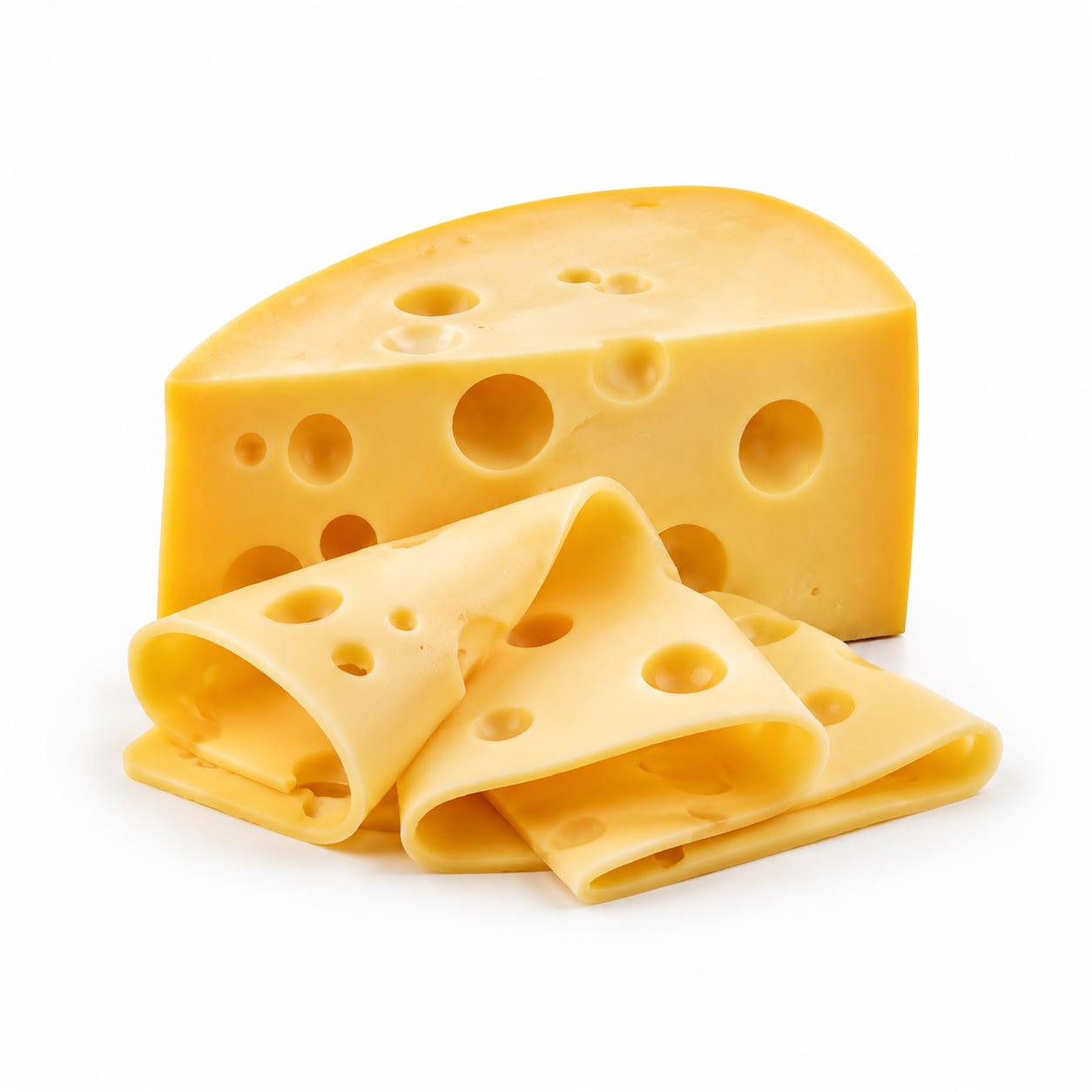
Swiss Cheese
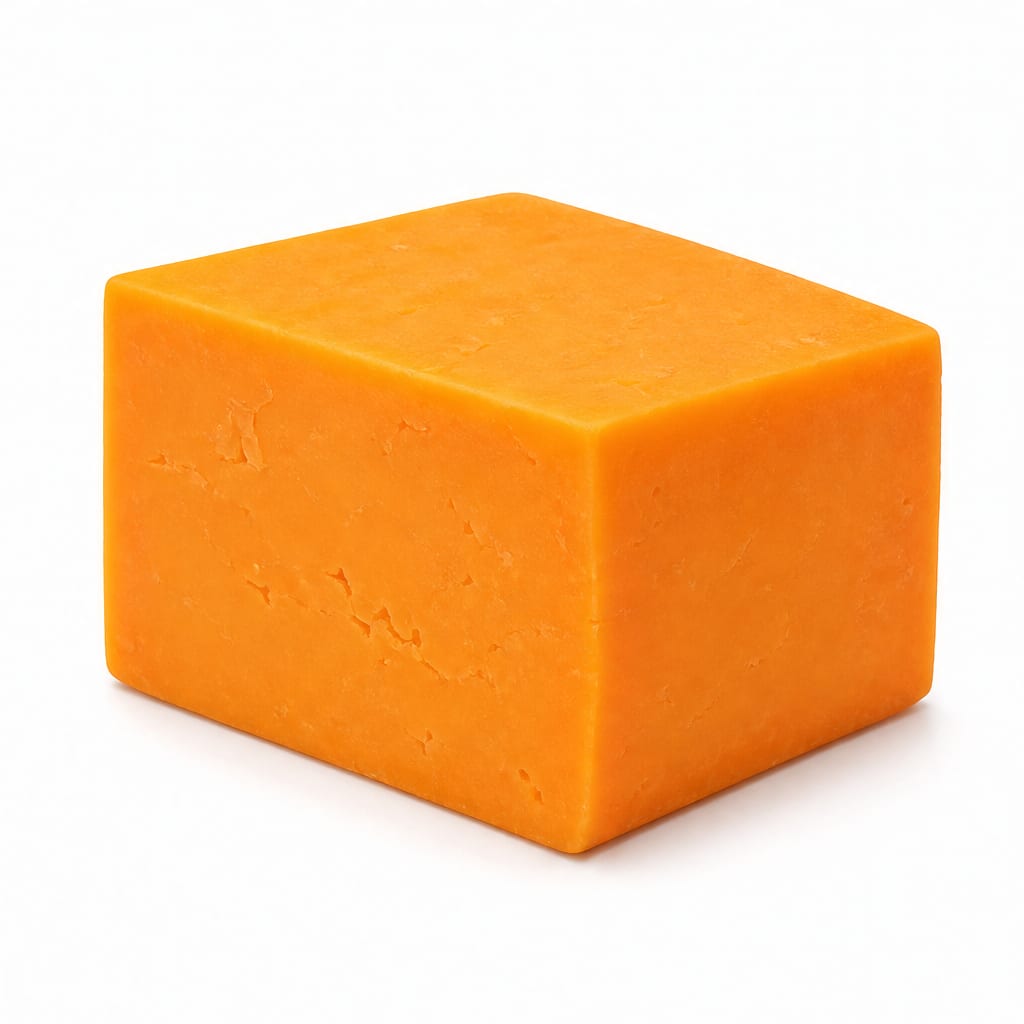
Cheddar
Swiss Cheese edges out Cheddar primarily due to its dramatically lower sodium and slightly lower fat content, making it the smarter everyday cheese.
Swiss Cheese scores higher mainly due to its sodium advantage, which matters significantly for long-term health. Cheddar remains nutritionally solid but its higher sodium and fat pull it down for everyday use.
You gain heart-healthier sodium levels and a lighter mouthfeel with Swiss Cheese, but sacrifice the bolder flavor and slightly higher protein that Cheddar delivers.
At a glance
Executive summary
Overall
Swiss Cheese
Healthier
Swiss Cheese
More practical
Cheddar
Daily use
Swiss Cheese
Key comparison lenses
sodium comparison
Swiss Cheese is dramatically lower in sodium than Cheddar, making this the single most important health differentiator
heart health impact
Sodium and saturated fat differences directly affect cardiovascular risk, a top concern for cheese lovers
everyday cheese selection
Both are staple cheeses people eat daily, so small nutritional differences compound over time
cooking and melting performance
Melt behavior and flavor intensity differ significantly, affecting recipe choices
bone health and minerals
Both are calcium-rich, but Cheddar has a slight edge in calcium density
Best choice for
Swiss Cheese
- People watching their blood pressure
- Those seeking a lighter-tasting sandwich cheese
- Anyone eating cheese daily who wants lower sodium
- Milder flavor preference
Cheddar
- Cooking dishes needing bold cheese flavor
- Higher protein snack needs
- Those who find mild cheese unsatisfying
- Recipes requiring sharp melting character
Least suitable for
Swiss Cheese
- Very low-fat diet followers
- People wanting intense cheese flavor in small portions
- Lactose-sensitive individuals expecting easier digestion
Cheddar
- Sodium-restricted diets
- People eating cheese multiple times daily
- Those managing hypertension
Deep comparison
Dimension by dimension
Each lens scores both foods and breaks down who each option suits.
- Dimension 1 · Priority 95Swiss Cheese
Sodium Load
Swiss Cheese · 88Cheddar · 35Swiss Cheese contains roughly 50-75% less sodium than Cheddar per serving, making it the clear winner for blood pressure management.
Tradeoff
Cheddar's saltiness contributes to its satisfying flavor, which is why people enjoy it more — but that enjoyment comes at a cardiovascular cost.
Why it matters
High sodium intake is the leading dietary risk factor for hypertension. If cheese is a daily food, this difference compounds fast.
Real-world impact
A single Cheddar serving can deliver 170-200mg sodium, while Swiss Cheese sits around 50-75mg. Over a week of daily cheese, that's a 700mg sodium swing.
Swiss Cheese
- Blood pressure management
- Heart-healthy eating patterns
- Daily cheese consumers
Better for
- People who find low-sodium cheese bland
Worse for
Cheddar
- Flavor satisfaction in small portions
- Reduced need for additional seasoning
Better for
- Anyone with hypertension risk
- Salt-sensitive individuals
Worse for
- Dimension 2 · Priority 82Cheddar
Satiety and Protein Density
Swiss Cheese · 65Cheddar · 78Cheddar packs slightly more protein and fat per ounce, making it more filling and satisfying in smaller amounts.
Tradeoff
Cheddar keeps you fuller, but its higher calorie density means portion control matters more.
Why it matters
When cheese is your protein source, Cheddar delivers more per bite — helpful for snackers who need lasting fullness.
Real-world impact
An ounce of Cheddar provides about 7g protein versus 8g in Swiss — a small gap, but Cheddar's richer flavor often feels more satisfying emotionally too.
Swiss Cheese
- Lighter meals where cheese is complementary
- Sandwiches where you want flavor without heaviness
Better for
- Those relying on cheese as a primary protein source
Worse for
Cheddar
- Standalone cheese snacks
- High-protein, low-carb eating
- Curbing hunger between meals
Better for
- People prone to overeating calorie-dense foods
Worse for
- Dimension 3 · Priority 78Swiss Cheese
Fat and Calorie Density
Swiss Cheese · 72Cheddar · 60Swiss Cheese is slightly leaner with fewer calories per serving, giving it a lighter nutritional profile.
Tradeoff
The lower fat means less richness, which can leave you reaching for more cheese to feel satisfied.
Why it matters
For daily cheese eaters, even small calorie differences add up over months and years.
Real-world impact
Swiss Cheese typically runs 105-110 calories per ounce versus Cheddar's 115-120. Not dramatic per serving, but meaningful if you eat cheese daily.
Swiss Cheese
- Weight-conscious daily eaters
- Those who prefer lighter-tasting foods
Better for
- Those who find low-fat cheese less satisfying
Worse for
Cheddar
- Keto and high-fat diet followers
- Active people needing calorie density
Better for
- Consistent overeaters of rich foods
Worse for
- Dimension 4 · Priority 75Cheddar
Bone Health and Minerals
Swiss Cheese · 70Cheddar · 78Cheddar offers slightly more calcium and phosphorus per serving, giving it a modest edge for bone support.
Tradeoff
Both cheeses are excellent calcium sources — the difference is real but not dramatic enough to be a deciding factor alone.
Why it matters
For older adults and those avoiding dairy milk, cheese calcium matters more than most people think.
Real-world impact
Cheddar delivers roughly 200mg calcium per ounce versus Swiss Cheese's 180-190mg. Both are strong sources, but Cheddar wins by a small margin.
Swiss Cheese
- Still a solid calcium source for daily eaters
Better for
- Situations where every milligram of calcium counts
Worse for
Cheddar
- Osteoporosis prevention
- Older adults maximizing calcium per bite
- Those who eat cheese as a primary dairy source
Better for
- Dimension 5 · Priority 72Cheddar
Flavor Versatility and Cooking
Swiss Cheese · 62Cheddar · 82Cheddar's bolder, sharper flavor makes it more versatile in cooking and more satisfying as a standalone snack.
Tradeoff
Cheddar can overpower delicate dishes, while Swiss Cheese plays a supporting role more gracefully.
Why it matters
Flavor satisfaction affects whether you stick with a food long-term or seek less healthy alternatives.
Real-world impact
Cheddar shines in mac and cheese, burgers, and grilled cheese. Swiss Cheese excels in deli sandwiches and quiche. Different tools for different jobs.
Swiss Cheese
- Deli sandwiches and cold cuts
- Quiches and egg dishes
- Lighter-flavored recipes
Better for
- Recipes needing bold cheese presence
Worse for
Cheddar
- Burgers and hot sandwiches
- Mac and cheese
- Cheese boards and standalone snacking
- Any dish where cheese should be the star
Better for
- Dishes where cheese should complement, not dominate
Worse for
- Dimension 6 · Priority 65It depends
Digestibility
Swiss Cheese · 68Cheddar · 65Both are similar in lactose content, but Swiss Cheese's lower fat can make it slightly easier on sensitive stomachs.
Tradeoff
Neither is a great choice for truly lactose-intolerant individuals, though aged versions of both have less lactose.
Why it matters
Digestive comfort determines whether you actually enjoy eating cheese or pay for it afterward.
Real-world impact
Aged Cheddar and aged Swiss both have minimal lactose. Fresh versions of both can cause bloating in sensitive people.
Swiss Cheese
- Mild digestive sensitivity to fat
- People who find rich cheeses heavy
Better for
- Severe lactose intolerance
Worse for
Cheddar
- Aged Cheddar is very low lactose — good for mildly sensitive people
Better for
- Fat-sensitive digestion
Worse for
Timeline
Health impact over time
Short-term
Hours to days
Swiss Cheese
- Lower sodium means less bloating and water retention
- Lighter fat content feels less heavy after eating
- Milder flavor may leave you less satisfied immediately
Cheddar
- Higher sodium can cause noticeable bloating in salt-sensitive people
- Richer mouthfeel provides immediate eating satisfaction
- More filling per ounce, reducing between-meal hunger
Long-term
Months to years
Swiss Cheese
- Significantly better for blood pressure over years of daily consumption
- Lower saturated fat intake supports heart health when eaten regularly
- Consistent calcium intake supports bone density maintenance
Cheddar
- Higher sodium intake raises hypertension risk with daily consumption
- More saturated fat contributes to LDL cholesterol over time
- Superior calcium density supports stronger bones if portions are controlled
Risk profile
Safety & processing
Both Swiss Cheese and Cheddar are traditionally made through natural fermentation and aging. Neither typically contains artificial preservatives when purchased as quality cheese. Pre-sliced or pre-shredded versions of both may include anti-caking agents like cellulose — buy block cheese for the cleanest option.
Swiss Cheese
Listeria contamination
lowLike all soft-to-semi-soft cheeses, Swiss Cheese can harbor listeria if made from unpasteurized milk. Pasteurized versions are safe for most people.
Histamine content
mediumAged Swiss Cheese contains significant histamine from fermentation, which can trigger headaches or reactions in histamine-sensitive individuals.
Cheddar
Listeria contamination
lowSimilar low risk as Swiss Cheese when made from pasteurized milk. Aged Cheddar is actually lower risk due to lower moisture content.
Sodium-related health effects
mediumThe higher sodium content is a genuine long-term health concern for regular consumers, contributing to hypertension risk.
Who wins for whom
Audience fit
Same foods, different winners depending on your goal.
children
CheddarCheddar's bolder flavor and higher calcium make it more appealing and beneficial for growing kids, and children are less sensitive to sodium concerns.
daily consumption
Swiss CheeseDaily cheese eating makes sodium content the most important factor, and Swiss Cheese's dramatically lower sodium makes it the safer everyday choice.
diabetes
Swiss CheeseBoth have minimal carbohydrate impact, but Swiss Cheese's lower sodium reduces cardiovascular risk that diabetics are already vulnerable to.
elderly
Swiss CheeseOlder adults benefit more from Swiss Cheese's lower sodium for blood pressure management, while still getting solid calcium.
muscle gain
CheddarCheddar's slightly higher protein and calorie density support muscle-building diets where you need more nutrition per bite.
weight loss
Swiss CheeseSwiss Cheese's lower calorie density and sodium make it a slightly better choice for weight loss, as it causes less water retention and fits more easily into calorie targets.
Your move
Decision guide
Choose Swiss Cheese
- You eat cheese almost every day
- Blood pressure or heart health is a concern
- You prefer milder, lighter-tasting cheese
- You want sandwich cheese that won't overpower other ingredients
- You're watching sodium for any reason
Choose Cheddar
- Cheese is an occasional treat, not a daily habit
- You need bold flavor to feel satisfied with smaller portions
- You're cooking dishes where cheese is the star
- You're active and need calorie-dense fuel
- You're building a cheese board or entertaining
Either works if
- You tolerate dairy well and eat it in moderation
- You're looking for a low-carb protein source
- You want calcium from a non-milk dairy source
- Neither cheese is your main sodium source
Avoid both if
- You have severe lactose intolerance
- You're on a strict low-fat diet
- You're eliminating dairy entirely
- You have a dairy allergy
Final recommendation
For most people eating cheese regularly, Swiss Cheese is the smarter default — its sodium advantage alone makes it the better daily choice. Keep Cheddar for recipes and occasions where its bolder flavor truly shines. The best approach: Swiss Cheese for your daily sandwich, Cheddar for your weekend burger.
Practical
Consumer tips
- 1
Buy block cheese instead of pre-sliced — you'll avoid added anti-caking agents and get better flavor
- 2
Aged versions of both cheeses have less lactose and more concentrated flavor, letting you use less
- 3
If sodium is your top concern, Swiss Cheese is one of the lowest-sodium cheeses available — not just lower than Cheddar, but lower than most
- 4
Pre-shredded Cheddar often contains potato starch and cellulose — shredding your own takes 30 seconds and tastes noticeably better
- 5
For melting, Swiss Cheese flows more smoothly while Cheddar separates more — choose based on the texture you want
- 6
If you love Cheddar's flavor but want less sodium, try mixing half Cheddar with half Swiss Cheese in sandwiches