
Nutrition comparison
Swiss Cheese vs Parmesan: Which Is Healthier for Daily Eating?
Swiss Cheese has far less sodium, making it better for everyday eating. Parmesan delivers more protein and calcium but comes with a heavy sodium tradeoff. Compare nutrition, taste, and best uses.
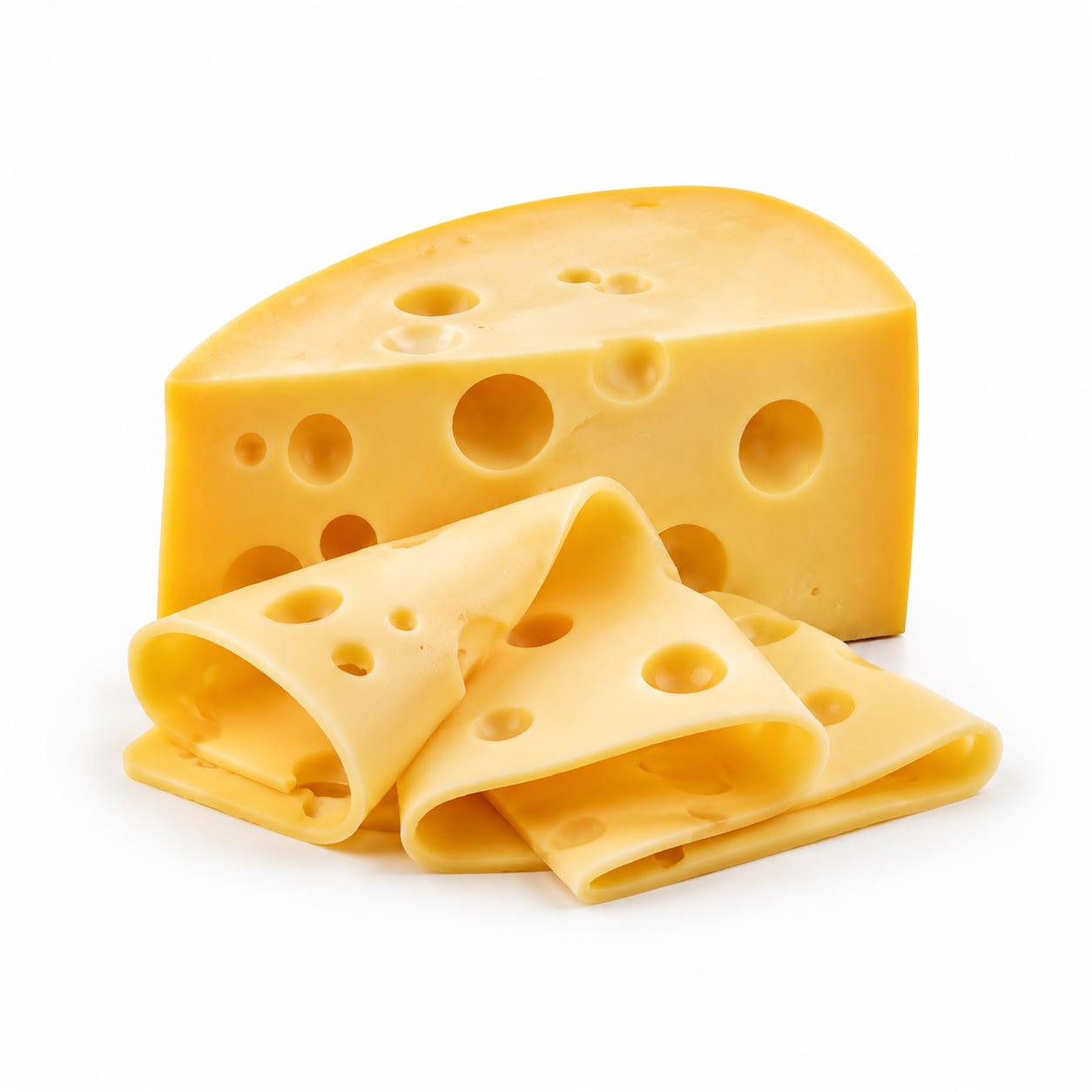
Swiss Cheese
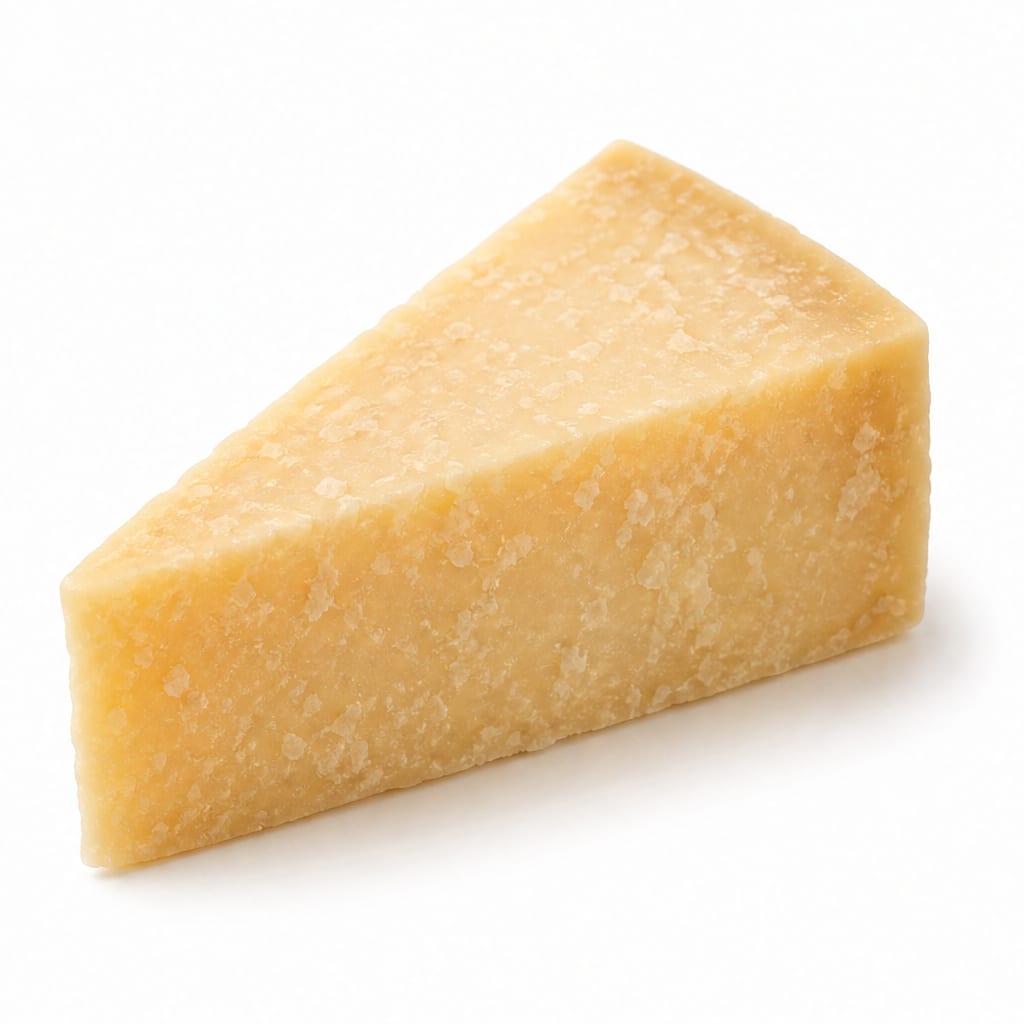
Parmesan
Swiss Cheese is the better everyday eating cheese with far less sodium, while Parmesan is the nutrient-dense powerhouse you use sparingly.
Swiss Cheese edges ahead mainly due to its dramatically lower sodium, making it safer for regular consumption. Parmesan scores well on nutrient density but its sodium content is a real concern for daily eating.
Parmesan delivers more protein and calcium per bite but comes with a heavy sodium load. Swiss Cheese is gentler on blood pressure and more versatile for melting, but less nutrient-dense.
At a glance
Executive summary
Overall
It depends
Healthier
Swiss Cheese
More practical
Swiss Cheese
Daily use
Swiss Cheese
Key comparison lenses
Sodium and blood pressure impact
Parmesan is extremely high in sodium compared to Swiss Cheese, making this the most consequential health difference for daily eaters
Protein and calcium density
Parmesan packs significantly more protein and calcium per serving, which matters for bone health and satiety
Portion control and flavor intensity
Parmesan's intense flavor naturally limits portions while Swiss Cheese is easier to overeat in sandwiches and melts
Lactose sensitivity
Parmesan is nearly lactose-free due to extended aging, while Swiss Cheese retains moderate lactose
Cooking versatility
Swiss Cheese melts beautifully for sandwiches and fondue, while Parmesan excels as a finishing cheese
Best choice for
Swiss Cheese
- People watching their blood pressure
- Sandwich and melt lovers
- Families wanting a mild, kid-friendly cheese
- Anyone eating cheese multiple times per day
Parmesan
- Lactose-sensitive individuals
- Older adults needing maximum calcium
- Home cooks adding umami depth to dishes
- Anyone who naturally uses cheese in small amounts
Least suitable for
Swiss Cheese
- Severely lactose-intolerant individuals
- People wanting maximum protein per calorie
- Those who dislike mild cheese flavors
Parmesan
- People on low-sodium diets
- Anyone prone to overeating cheese by the slice
- Children who need milder flavors
Deep comparison
Dimension by dimension
Each lens scores both foods and breaks down who each option suits.
- Dimension 1 · Priority 95Swiss Cheese
Sodium Load
Swiss Cheese · 82Parmesan · 28Swiss Cheese contains roughly 50-80mg of sodium per ounce, while Parmesan packs 330-450mg per ounce. That is a five to eight fold difference.
Tradeoff
If you eat cheese daily, Swiss Cheese keeps your sodium in check. Parmesan can blow past your daily sodium budget quickly if you are not careful with portions.
Why it matters
High sodium intake directly raises blood pressure and increases cardiovascular risk. For most people eating cheese regularly, this is the single most important difference.
Real-world impact
Two slices of Swiss Cheese on a sandwich adds about 100mg sodium. The same weight of Parmesan on a salad could add 400mg. Over a week of daily eating, that difference compounds significantly.
Swiss Cheese
- Blood pressure management
- Daily cheese eaters
- Heart-healthy diets
Better for
Parmesan
- Anyone with hypertension
- Sodium-sensitive individuals
- People eating cheese multiple times daily
Worse for
- Dimension 2 · Priority 88Parmesan
Protein and Calcium Density
Swiss Cheese · 62Parmesan · 91Parmesan delivers about 10g protein and 330mg calcium per ounce. Swiss Cheese provides roughly 8g protein and 220mg calcium per ounce.
Tradeoff
Parmesan is clearly the more nutrient-dense cheese per bite, but you need far less of it due to its intense flavor, which can offset the density advantage.
Why it matters
Calcium is critical for bone health, especially for older adults and women. Protein from cheese supports satiety and muscle maintenance.
Real-world impact
A tablespoon of grated Parmesan on your pasta gives a meaningful calcium and protein bump. You would need nearly double the Swiss Cheese to match it.
Swiss Cheese
- Those relying on cheese as a primary calcium source
Worse for
Parmesan
- Bone health optimization
- Older adults at risk for osteoporosis
- Maximizing nutrition in small portions
Better for
- Dimension 3 · Priority 78Parmesan
Lactose Tolerance
Swiss Cheese · 48Parmesan · 92Parmesan is aged 12-36 months, which breaks down nearly all lactose. Swiss Cheese retains moderate lactose levels due to shorter aging.
Tradeoff
If dairy bothers your stomach, Parmesan is surprisingly well tolerated. Swiss Cheese may cause bloating or discomfort for sensitive individuals.
Why it matters
Roughly 65% of the global population has some degree of lactose malabsorption. Cheese choice can mean the difference between comfort and digestive distress.
Real-world impact
Many lactose-sensitive people can eat Parmesan with zero issues but feel gassy after Swiss Cheese. This makes Parmesan a safer choice for dairy-cautious eaters.
Swiss Cheese
- Lactose-intolerant individuals
- People with dairy-sensitive digestion
Worse for
Parmesan
- Lactose-sensitive individuals
- People reintroducing dairy after elimination diets
- Anyone with mild IBS triggered by dairy
Better for
- Dimension 4 · Priority 76Parmesan
Portion Control
Swiss Cheese · 45Parmesan · 85Parmesan's intense salty-umami flavor naturally limits how much you eat. Swiss Cheese is mild and easy to consume in large quantities.
Tradeoff
Swiss Cheese is the cheese you accidentally overeat. Parmesan practically portions itself because a little goes a long way.
Why it matters
Calorie density in cheese is high across the board. The cheese that self-regulates portions helps prevent accidental overconsumption.
Real-world impact
It is easy to eat three or four slices of Swiss Cheese in a grilled cheese sandwich. Nobody sits down and eats four ounces of Parmesan by itself.
Swiss Cheese
- Recreational snackers who eat cheese by the slice
Worse for
Parmesan
- Weight management
- Mindful eating
- People who struggle with portion control
Better for
- Dimension 5 · Priority 72Swiss Cheese
Cooking Versatility
Swiss Cheese · 86Parmesan · 70Swiss Cheese melts smoothly and works in sandwiches, fondue, quiches, and burgers. Parmesan excels as a grating and finishing cheese but is less versatile for melting applications.
Tradeoff
Swiss Cheese is your everyday cooking cheese. Parmesan is your flavor amplifier that shines in specific roles but cannot replace a good melting cheese.
Why it matters
A cheese you actually cook with regularly provides more practical nutritional value than one you occasionally sprinkle.
Real-world impact
Swiss Cheese makes a reheated sandwich gooey and satisfying. Parmesan makes a bowl of pasta feel restaurant-quality. Both are valuable but serve different needs.
Swiss Cheese
- Sandwiches and paninis
- Fondue and raclette
- Breakfast egg dishes
- Kid-friendly meals
Better for
- Dishes where you want intense cheese flavor in small amounts
Worse for
Parmesan
- Pasta and risotto finishing
- Salads and roasted vegetables
- Umami boosting in soups
Better for
- Any recipe requiring a smooth melt
- Grilled cheese or hot sandwiches
Worse for
- Dimension 6 · Priority 68Swiss Cheese
Calorie Efficiency
Swiss Cheese · 74Parmesan · 58Swiss Cheese runs about 108 calories per ounce versus Parmesan at roughly 110-120 calories per ounce. The real difference is how much you actually eat.
Tradeoff
Calorie-per-calorie they are similar, but because you eat more Swiss Cheese per sitting, it often ends up being the higher-calorie choice in practice.
Why it matters
Cheese is calorie-dense regardless of variety. The practical question is which one helps you eat less without feeling deprived.
Real-world impact
A thin dusting of Parmesan on a salad adds big flavor for 40-50 calories. A slice of Swiss Cheese on a cracker is 108 calories and you probably want another.
Swiss Cheese
- Meals where cheese is a structural ingredient
Better for
- Grazing and snacking situations
Worse for
Parmesan
- Flavor-first applications where small amounts suffice
- Calorie-conscious cooking
Better for
Timeline
Health impact over time
Short-term
Hours to days
Swiss Cheese
- Mild lactose may cause bloating in sensitive individuals
- Lower sodium means less immediate water retention
- Satisfying melt texture promotes fullness after meals
Parmesan
- High sodium can cause immediate thirst and water retention
- Nearly zero lactose makes it comfortable for most digestive systems
- Intense flavor provides quick satisfaction in small amounts
Long-term
Months to years
Swiss Cheese
- Lower sodium intake supports healthier blood pressure over time
- Moderate calcium contributes to bone maintenance
- Easier to overconsume, which may contribute to gradual weight gain
Parmesan
- Excellent calcium and protein support bone density and muscle retention
- Regular high sodium intake raises cardiovascular risk if portions are not controlled
- Natural portion control helps maintain healthier eating patterns long-term
Risk profile
Safety & processing
Both Swiss Cheese and Parmesan are traditional fermented cheeses made from milk, salt, cultures, and rennet. Neither contains artificial additives when produced traditionally. Parmesan undergoes longer aging but this is a natural process, not additional processing.
Swiss Cheese
Histamine content
mediumSwiss Cheese is a moderate-histamine food due to bacterial fermentation. People with histamine intolerance may experience headaches or skin reactions.
Lactose-related digestive distress
lowContains enough lactose to bother sensitive individuals, though far less than milk or soft cheeses.
Parmesan
Excessive sodium intake
highAt 330-450mg per ounce, regular Parmesan consumption can easily push daily sodium past recommended limits, especially combined with other salty foods.
Histamine content
mediumAged cheeses like Parmesan are high in histamine. This can trigger migraines or digestive issues in histamine-sensitive people.
Who wins for whom
Audience fit
Same foods, different winners depending on your goal.
children
Swiss CheeseSwiss Cheese has a milder flavor kids accept more readily, melts well on familiar foods, and keeps sodium intake lower for developing bodies.
daily consumption
Swiss CheeseSwiss Cheese has a sodium profile that fits more comfortably into daily eating without pushing you over healthy limits.
diabetes
Swiss CheeseBoth cheeses are low in carbs, but Swiss Cheese has dramatically less sodium, which matters because diabetics already face elevated cardiovascular risk.
elderly
It dependsParmesan offers more calcium and protein for bone and muscle preservation, but its high sodium is risky for older adults managing blood pressure. Choose based on individual health priorities.
muscle gain
ParmesanParmesan provides more protein per ounce and per calorie, making it a more efficient protein source when you are tracking macros.
weight loss
ParmesanParmesan's intense flavor means you naturally use less of it, making it easier to control calories. Swiss Cheese is too easy to overeat.
Your move
Decision guide
Choose Swiss Cheese
- You eat cheese daily or multiple times per day
- You are watching your blood pressure or sodium intake
- You want a great melting cheese for sandwiches and cooked dishes
- You are feeding kids who prefer milder flavors
- You love a big slice of cheese and want the lower-sodium option
Choose Parmesan
- You are lactose-sensitive but still want to enjoy cheese
- You want maximum calcium and protein in every bite
- You use cheese mainly as a flavor garnish rather than a main ingredient
- You are an older adult focused on bone density and can manage sodium elsewhere
- You love intense umami flavor and naturally eat small portions
Either works if
- You eat cheese only occasionally and portion size is not a concern
- You want variety in your cheese rotation for different meals
- You have no sodium restrictions or lactose issues
Avoid both if
- You are on a strict low-sodium diet under 1500mg per day
- You have severe dairy allergy or casein sensitivity
- You are trying to eliminate saturated fat from your diet
- You have histamine intolerance that triggers migraines
Final recommendation
Keep Swiss Cheese as your everyday eating cheese for sandwiches, melts, and snacking. Use Parmesan as your strategic flavor weapon when you want big taste in small amounts. If you only choose one for daily use, Swiss Cheese is the safer bet for most people because its lower sodium makes it more sustainable long-term.
Practical
Consumer tips
- 1
Grate Parmesan yourself from a wedge instead of buying pre-grated. Pre-grated versions add cellulose and extra sodium.
- 2
Look for Swiss Cheese with visible eyes (holes), which indicates proper traditional fermentation.
- 3
If sodium is a concern but you love Parmesan flavor, try using a microplane to grate it extremely thin. You get more surface area and perceived flavor with less actual cheese.
- 4
Aged Swiss Cheese varieties like Gruyère offer a middle ground with more flavor depth than standard Swiss but less sodium than Parmesan.
- 5
Store Parmesan rinds in your freezer and drop them into soups for slow-release umami flavor without adding salt.
- 6
Check sodium labels carefully. Swiss Cheese sodium can vary from 40mg to 120mg per ounce depending on the brand.