
Nutrition comparison
Swiss Cheese vs Cottage Cheese: Which is Healthier?
Comparing Swiss Cheese and Cottage Cheese for protein, weight loss, and lactose intolerance. Find out which cheese is better for your diet and health goals.
Overall winner · Cottage Cheese
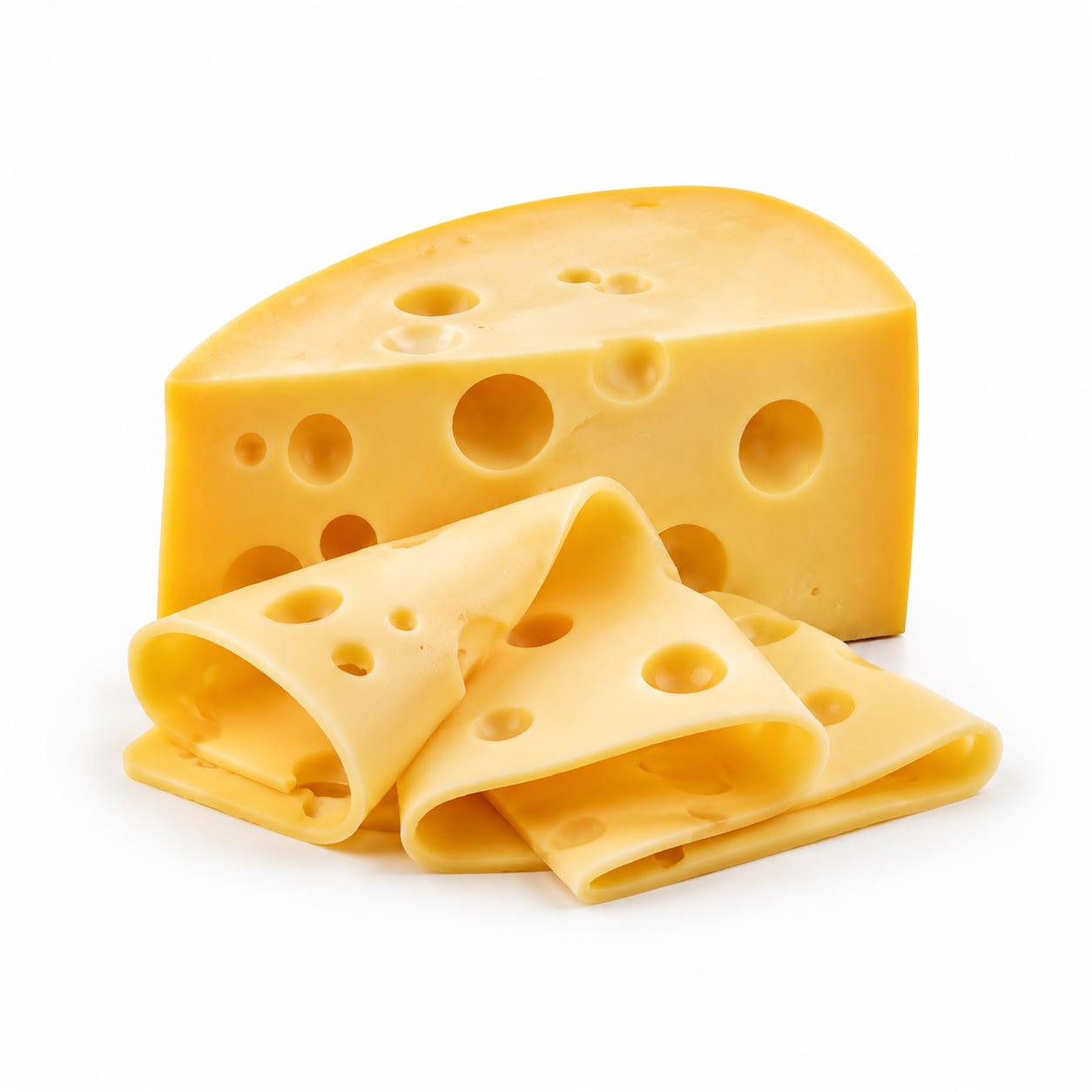
Swiss Cheese
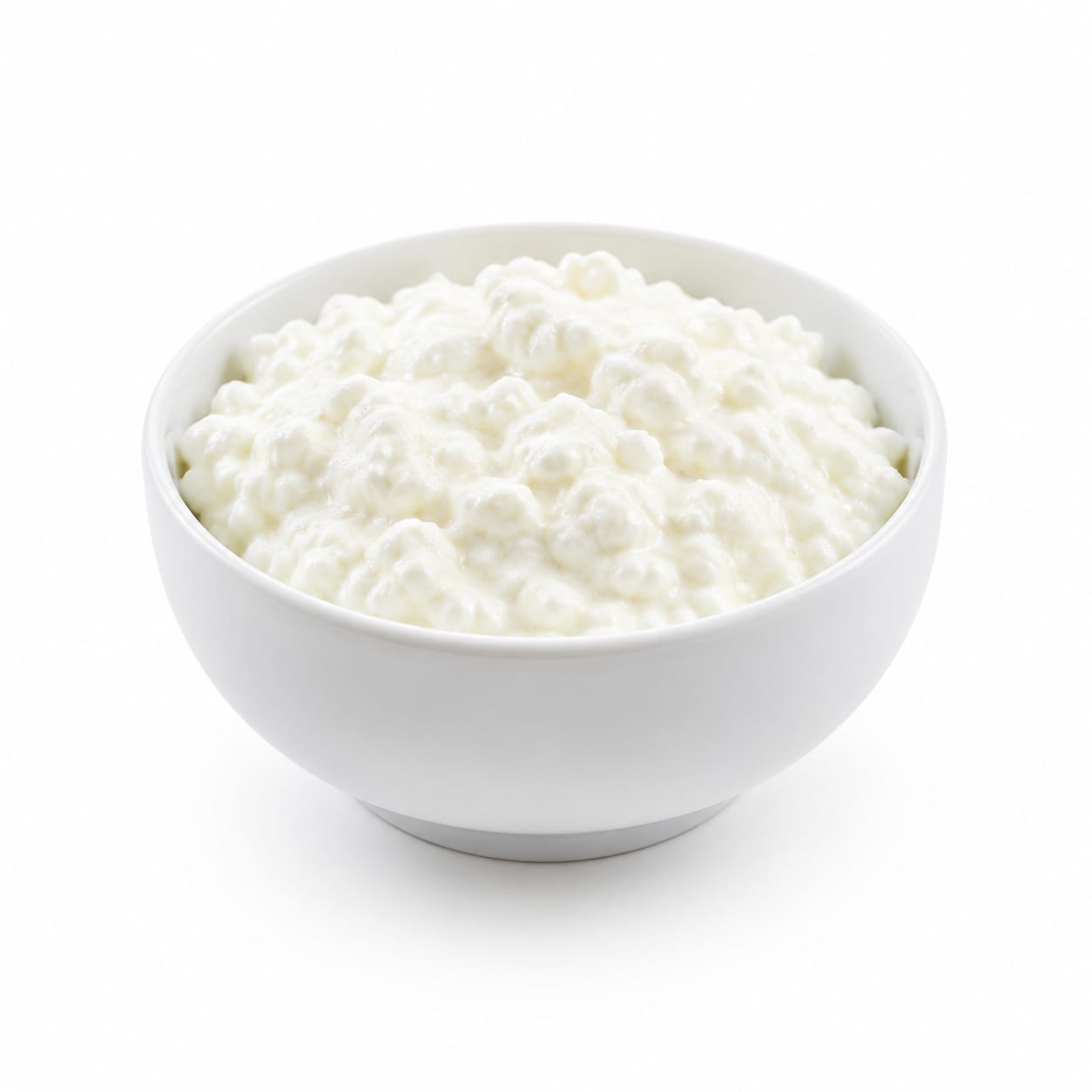
Cottage Cheese
Cottage Cheese edges out Swiss Cheese for everyday health thanks to its unbeatable protein-to-calorie ratio and satiety, but Swiss Cheese wins for flavor, lower sodium, and lactose tolerance.
Cottage Cheese scores higher due to its superior protein density and satiety-per-calorie, making it more universally beneficial for daily health goals. Swiss Cheese remains a strong choice but is held back by higher calorie density and saturated fat.
High volume protein and diet-friendliness versus concentrated flavor, lower sodium, and easier digestion.
At a glance
Executive summary
Overall
Cottage Cheese
Healthier
Cottage Cheese
More practical
Cottage Cheese
Daily use
Cottage Cheese
Key comparison lenses
Protein quality and muscle support
Cottage Cheese is famous for its high casein protein content, making it a staple for muscle recovery, while Swiss Cheese offers a more moderate protein punch.
Weight management and satiety
Cottage Cheese provides high volume and fullness for fewer calories, whereas Swiss Cheese is more calorie-dense and easier to overeat.
Lactose tolerance and digestion
Swiss Cheese is naturally very low in lactose due to the aging process, making it a safer bet for sensitive stomachs compared to Cottage Cheese.
Sodium intake and blood pressure
Swiss Cheese is surprisingly one of the lowest-sodium cheeses available, while Cottage Cheese is notoriously high in sodium unless specifically purchased low-sodium.
Best choice for
Swiss Cheese
- People with lactose intolerance
- Those watching their sodium intake
- Low-carb dieters wanting bold flavor
Cottage Cheese
- People aiming for weight loss
- Athletes needing slow-digesting protein
- Anyone looking for a high-volume, filling snack
Least suitable for
Swiss Cheese
- People on strict calorie deficits
- Those needing a low-fat diet
Cottage Cheese
- People with severe sodium restrictions
- Those sensitive to dairy texture or mild lactose
Deep comparison
Dimension by dimension
Each lens scores both foods and breaks down who each option suits.
- Dimension 1 · Priority 95Cottage Cheese
Protein & Satiety
Swiss Cheese · 65Cottage Cheese · 95Cottage Cheese is a protein powerhouse, packed with slow-digesting casein that keeps you full for hours. Swiss Cheese offers protein but in a much more calorie-dense package.
Tradeoff
You get more filling volume and protein per calorie with Cottage Cheese, but Swiss Cheese delivers a richer, more satisfying flavor per bite.
Why it matters
Higher satiety means less snacking later. Cottage Cheese is like a slow-burning log for your metabolism, while Swiss Cheese is a quicker burn.
Real-world impact
Eating Cottage Cheese as an afternoon snack will likely kill your hunger until dinner. Swiss Cheese might leave you wanting another slice.
Swiss Cheese
- Quick energy-dense calories
Better for
- Feeling heavy or overstuffed
Worse for
Cottage Cheese
- Post-workout recovery
- Late-night hunger control
Better for
- Needing a compact, lightweight snack
Worse for
- Dimension 2 · Priority 90Cottage Cheese
Calorie Density & Weight Management
Swiss Cheese · 55Cottage Cheese · 90Cottage Cheese offers massive volume for very few calories, especially if you choose low-fat versions. Swiss Cheese is calorie-dense, making portion control critical.
Tradeoff
You can eat a large bowl of Cottage Cheese without breaking your calorie budget, while a few slices of Swiss Cheese can add up quickly.
Why it matters
Volume eaters and calorie counters will find Cottage Cheese much easier to fit into their day without feeling deprived.
Real-world impact
A cup of low-fat Cottage Cheese is under 200 calories and very filling. The same calories in Swiss Cheese is barely an ounce.
Swiss Cheese
- Keto or very low-carb diets where high fat is desired
Better for
- Mindless snacking risks
Worse for
Cottage Cheese
- Cutting phases
- Volume eating
Better for
- Very active people needing compact calories
Worse for
- Dimension 3 · Priority 85Swiss Cheese
Lactose Tolerance & Digestion
Swiss Cheese · 90Cottage Cheese · 50The aging process of Swiss Cheese naturally eliminates almost all lactose. Cottage Cheese retains more lactose, which can cause bloating or discomfort for sensitive individuals.
Tradeoff
If dairy upsets your stomach, Swiss Cheese is far safer. You gain digestive comfort but lose the high-protein, low-calorie benefits of Cottage Cheese.
Why it matters
Digestive discomfort can ruin your day and make a healthy food counterproductive.
Real-world impact
You can enjoy Swiss Cheese on a sandwich without the bloating that a bowl of Cottage Cheese might cause.
Swiss Cheese
- Lactose-sensitive individuals
- Easy digestion
Better for
- People avoiding high-fat foods
Worse for
Cottage Cheese
- Those with no dairy sensitivities
Better for
- Prone to bloating or gas
Worse for
- Dimension 4 · Priority 80Swiss Cheese
Sodium Load
Swiss Cheese · 85Cottage Cheese · 45Swiss Cheese is naturally one of the lowest-sodium cheeses available. Cottage Cheese is notoriously high in sodium, which can sneak up on you.
Tradeoff
Choosing Swiss Cheese keeps your blood pressure happier, while Cottage Cheese might push your sodium intake over the edge unless you buy a no-salt-added version.
Why it matters
High sodium intake leads to water retention and increased blood pressure, often without you realizing it.
Real-world impact
A single cup of Cottage Cheese can contain nearly a third of your daily sodium limit. Swiss Cheese gives you the savory flavor without the salt bomb.
Swiss Cheese
- Blood pressure management
- Reducing water retention
Better for
- Those who prefer fresh cheese flavors
Worse for
Cottage Cheese
- Post-sweat rehydration when sodium is beneficial
Better for
- Heart health
- Managing hypertension
Worse for
- Dimension 5 · Priority 70Swiss Cheese
Micronutrient Density
Swiss Cheese · 85Cottage Cheese · 70Swiss Cheese is richer in Vitamin B12, Vitamin K2, and concentrated calcium due to its density. Cottage Cheese provides good B vitamins and selenium but is more diluted by water content.
Tradeoff
Swiss Cheese delivers more nutrients per bite, but you have to eat more Cottage Cheese to get the same micronutrient punch.
Why it matters
Vitamin K2 and B12 are crucial for bone and nerve health, and Swiss Cheese is an exceptional source of both.
Real-world impact
Adding Swiss Cheese to a sandwich gives a meaningful boost to your B12 intake for the day.
Swiss Cheese
- Boosting B12 and K2
- Bone health support
Better for
- Those tracking saturated fat
Worse for
Cottage Cheese
- Getting selenium and B-vitamins with fewer calories
Better for
- Preventing nutrient deficiencies on a low-calorie diet
Worse for
Timeline
Health impact over time
Short-term
Hours to days
Swiss Cheese
- Provides quick, dense energy
- Unlikely to cause digestive upset even for lactose-sensitive people
Cottage Cheese
- Highly filling, reduces hunger for hours
- Can cause bloating if you are sensitive to lactose or dairy
Long-term
Months to years
Swiss Cheese
- Supports bone density through high K2 and calcium
- Higher saturated fat may impact heart health if overconsumed
Cottage Cheese
- Preserves muscle mass effectively due to high casein protein
- High sodium intake could contribute to blood pressure issues if not monitored
Risk profile
Safety & processing
Both are relatively natural dairy products, but Cottage Cheese often contains stabilizers like guar gum or carrageenan to maintain texture, whereas Swiss Cheese is typically just milk, cultures, and rennet.
Swiss Cheese
Histamine intolerance
mediumAged cheeses like Swiss Cheese contain higher levels of histamine, which can trigger headaches or reactions in sensitive individuals.
Listeria if unpasteurized
lowMost commercial Swiss Cheese is made from pasteurized milk, but unpasteurized varieties carry a slight Listeria risk.
Cottage Cheese
Spoilage
mediumCottage Cheese has a short shelf life and spoils quickly if not kept consistently cold, leading to food waste or illness if consumed past its prime.
High sodium
mediumThe high sodium content is a cumulative health risk for those with hypertension or heart concerns.
Who wins for whom
Audience fit
Same foods, different winners depending on your goal.
children
Swiss CheeseSwiss Cheese is easier to digest due to low lactose, lower in sodium, and kids often enjoy the mild, nutty flavor in sandwiches.
daily consumption
Cottage CheeseFor a daily staple, Cottage Cheese offers better nutritional leverage with high protein and low calories compared to the denser Swiss Cheese.
diabetes
Swiss CheeseSwiss Cheese contains virtually zero carbohydrates and less lactose sugar, resulting in a lower impact on blood sugar.
elderly
Cottage CheeseOlder adults desperately need protein to prevent muscle loss, and Cottage Cheese is an easy-to-eat, high-protein option.
muscle gain
Cottage CheeseThe high casein protein in Cottage Cheese provides a slow, steady stream of amino acids, perfect for muscle repair overnight.
weight loss
Cottage CheeseCottage Cheese provides far more volume and protein for fewer calories, making it much easier to stick to a calorie deficit.
Your move
Decision guide
Choose Swiss Cheese
- You are lactose intolerant but still want to enjoy cheese
- You are watching your sodium intake closely
- You want a flavorful, low-carb addition to a sandwich or burger
Choose Cottage Cheese
- You need a high-protein, low-calorie snack after a workout
- You are trying to lose weight and need food that keeps you full
- You want a late-night snack that will not spike your blood sugar
Either works if
- You are simply looking to add more dairy protein to your diet
- You are on a keto diet and tracking your specific macros
Avoid both if
- You have a strict dairy allergy
- You are on a very low-fat diet prescribed by a doctor
Final recommendation
Keep both in your fridge for different moods and needs. Reach for Cottage Cheese when your priority is fuel, fullness, or weight loss. Swap in Swiss Cheese when you need bold flavor, easy digestion, or are watching your salt intake.
Practical
Consumer tips
- 1
Look for low-sodium Cottage Cheese if you want the protein without the salt bomb.
- 2
Check the ingredients on Cottage Cheese to avoid brands with too many gums or stabilizers.
- 3
If Swiss Cheese is too expensive, look for baby Swiss, which has a similar flavor profile and low lactose content.
- 4
Rinsing Cottage Cheese under cold water can remove some surface sodium, though it also washes away some flavor.