
Nutrition comparison
Swiss Cheese vs Gouda: Nutrition, Sodium, and Health Comparison
Compare Swiss Cheese and Gouda to see which is healthier. Discover the differences in sodium, calcium, lactose, and calories to make the best choice for your diet.
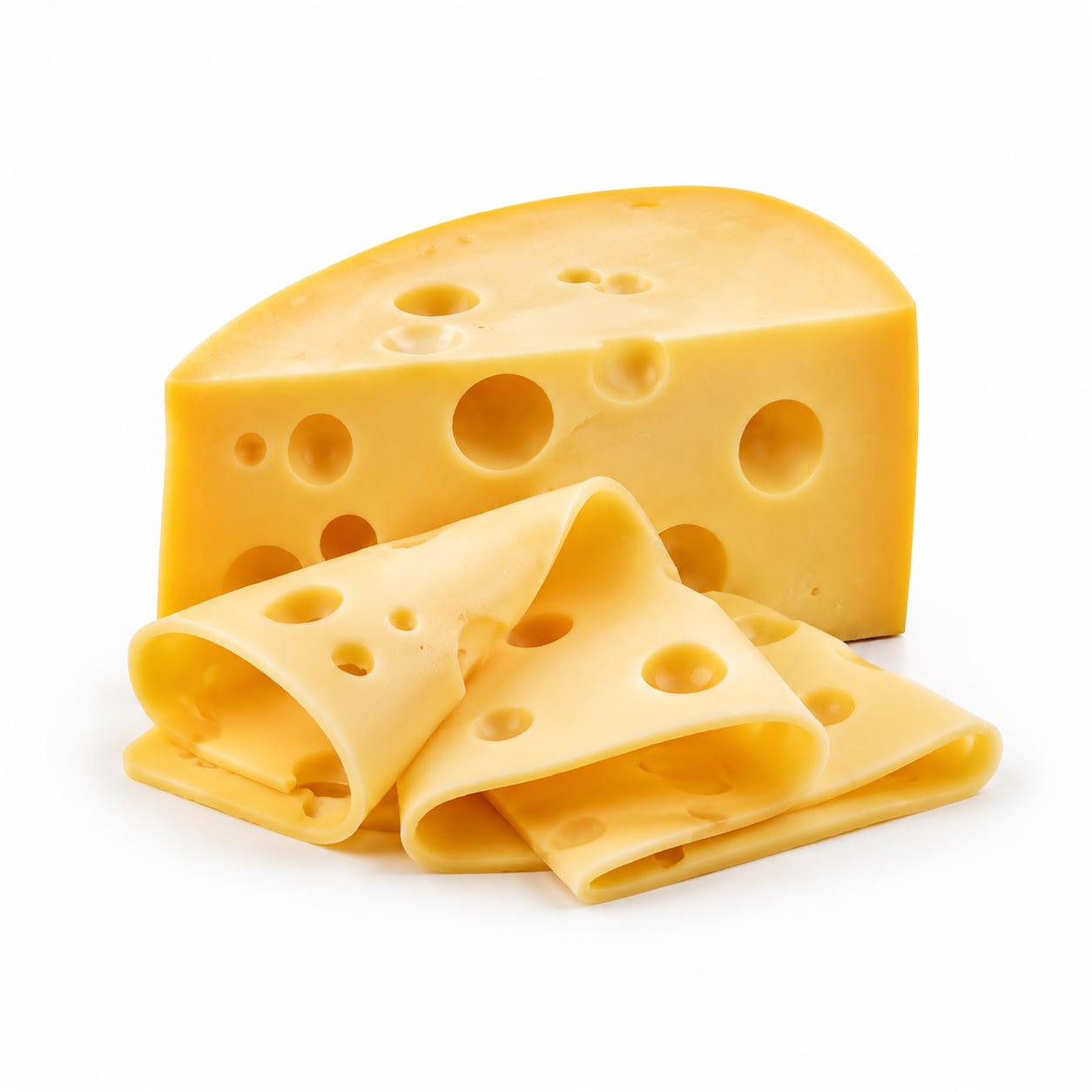
Swiss Cheese
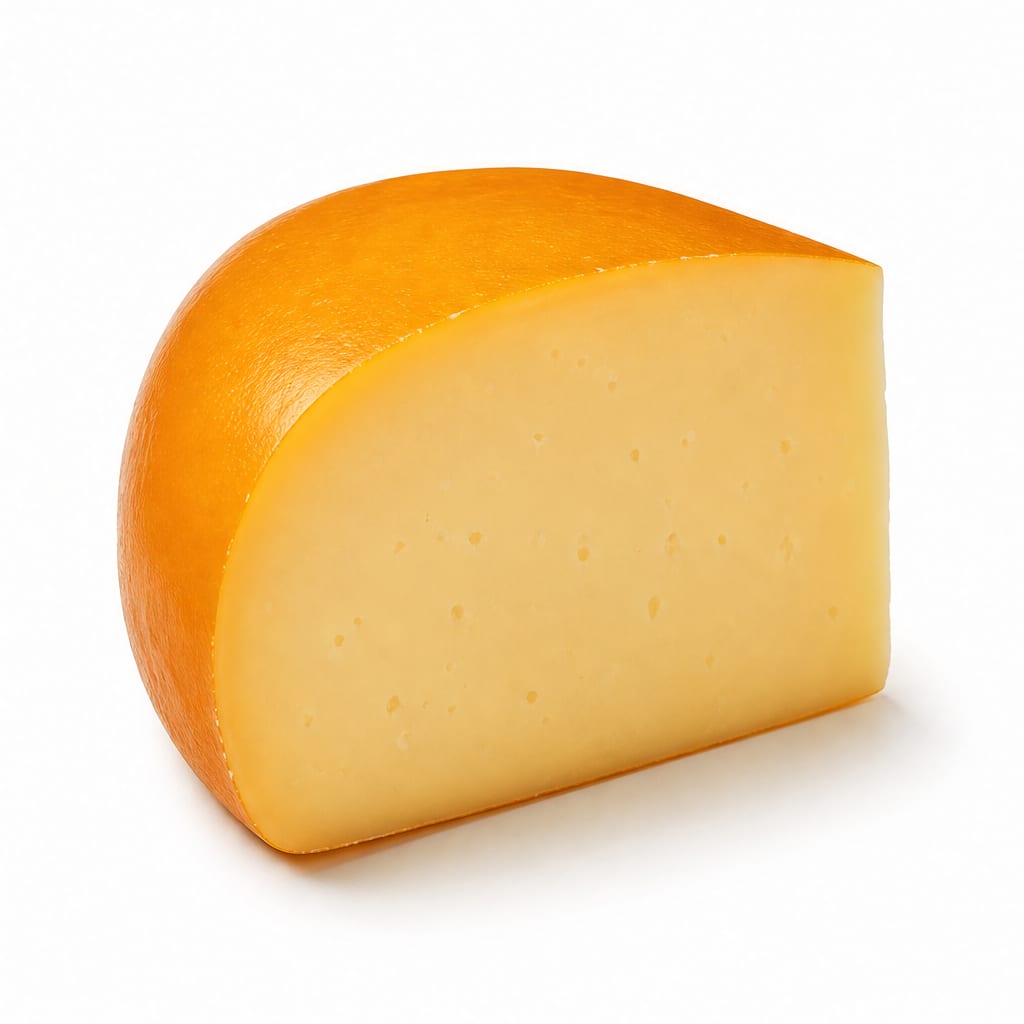
Gouda
Swiss Cheese is leaner and lower in sodium, while Gouda delivers richer flavor and more calcium.
Swiss Cheese scores slightly higher due to its lower sodium and fat content, making it a more forgiving everyday choice, though Gouda's calcium and flavor keep it competitive.
Lower sodium and calories in Swiss Cheese versus higher calcium and deeper flavor in Gouda.
At a glance
Executive summary
Overall
It depends
Healthier
Swiss Cheese
More practical
It depends
Daily use
Swiss Cheese
Key comparison lenses
Sodium and heart health impact
Swiss Cheese is famously low in sodium compared to almost all other cheeses, making it a critical differentiator.
Calorie density and fat content
Swiss Cheese is naturally leaner, while Gouda tends to be higher in fat and calories, affecting weight management.
Bone health and micronutrients
Gouda is notably rich in calcium and vitamin K2, which are vital for long-term skeletal health.
Digestive tolerance and lactose
Aged Gouda is virtually lactose-free, making it surprisingly suitable for sensitive individuals compared to Swiss Cheese.
Best choice for
Swiss Cheese
- Low-sodium diets
- Calorie-conscious snacking
- Sandwiches where you want flavor without heavy fat
Gouda
- Bone health support
- Lactose-sensitive individuals (if aged)
- Charcuterie boards and gourmet cooking
Least suitable for
Swiss Cheese
- Those wanting a rich, creamy melting cheese
- Lactose-intolerant individuals
Gouda
- Low-sodium diets
- Strict calorie counters
Deep comparison
Dimension by dimension
Each lens scores both foods and breaks down who each option suits.
- Dimension 1 · Priority 92Swiss Cheese
Sodium & Heart Health
Swiss Cheese · 90Gouda · 60Swiss Cheese is one of the lowest-sodium cheeses available, making it a clear winner for blood pressure management.
Tradeoff
You miss out on the richer, saltier flavor profile that Gouda provides.
Why it matters
High sodium intake is a leading driver of hypertension, and cheese is often a hidden sodium bomb.
Real-world impact
Eating Swiss Cheese instead of Gouda daily can save you hundreds of milligrams of sodium, keeping your blood pressure steadier.
Swiss Cheese
- Managing blood pressure
- Reducing water retention
Better for
- Those who find low-sodium cheese bland
Worse for
Gouda
- Flavor satisfaction with less added salt elsewhere
Better for
- Heart health if consumed in large quantities
Worse for
- Dimension 2 · Priority 85Swiss Cheese
Calorie Density & Fat Content
Swiss Cheese · 85Gouda · 65Swiss Cheese is naturally leaner, offering more protein per calorie than Gouda.
Tradeoff
Gouda's higher fat content gives it a creamier texture and more indulgent mouthfeel.
Why it matters
Lower calorie density means you can eat a satisfying portion without overshooting your daily intake.
Real-world impact
A slice of Swiss Cheese on a sandwich keeps it light, whereas Gouda makes the meal feel heavier and more calorie-dense.
Swiss Cheese
- Weight management
- Lean protein intake
Better for
- Those needing calorie-dense foods for weight gain
Worse for
Gouda
- Keto diets
- High-energy needs
Better for
- Cutting calories without feeling deprived
Worse for
- Dimension 3 · Priority 80Gouda
Bone Health & Micronutrients
Swiss Cheese · 70Gouda · 88Gouda is a calcium powerhouse and often retains more fat-soluble vitamins like K2, especially when aged.
Tradeoff
You get more calcium and vitamin K2 with Gouda, but it comes with more saturated fat.
Why it matters
Vitamin K2 helps direct calcium to bones rather than arteries, making Gouda uniquely beneficial for skeletal health.
Real-world impact
Adding Gouda to your diet can meaningfully support bone density, especially for older adults worried about osteoporosis.
Swiss Cheese
- Those already meeting calcium needs via supplements or other foods
Better for
- Relying solely on cheese for calcium
Worse for
Gouda
- Supporting bone strength
- Getting more fat-soluble vitamins
Better for
- Those limiting saturated fat
Worse for
- Dimension 4 · Priority 75Gouda
Digestive Tolerance & Lactose
Swiss Cheese · 55Gouda · 80While neither is lactose-free, well-aged Gouda contains almost no lactose, making it surprisingly gut-friendly.
Tradeoff
Young Gouda still has lactose, so you must choose aged varieties to get this benefit, whereas Swiss Cheese always contains trace amounts.
Why it matters
Lactose intolerance affects a large portion of the population, and hidden lactose in cheese can cause bloating.
Real-world impact
An aged Gouda can be enjoyed without the bloating or stomach discomfort that might follow a slice of Swiss Cheese.
Swiss Cheese
- Those with mild lactose tolerance who prefer a milder cheese
Better for
- People with significant lactose intolerance
Worse for
Gouda
- Lactose-sensitive individuals
- Avoiding digestive discomfort
Better for
- Those who only have access to young, mild Gouda
Worse for
Timeline
Health impact over time
Short-term
Hours to days
Swiss Cheese
- Lighter feeling after meals
- Less bloating from sodium compared to other cheeses
Gouda
- Higher satiety from fat content
- Potential digestive comfort if aged
Long-term
Months to years
Swiss Cheese
- Better cardiovascular markers due to low sodium
- Easier weight maintenance
Gouda
- Improved bone density from high calcium and K2
- Possible increased saturated fat intake if overconsumed
Risk profile
Safety & processing
Both Swiss Cheese and Gouda are traditional fermented dairy products with minimal additives when made authentically.
Swiss Cheese
Histamine intolerance
mediumAged Swiss Cheese can be high in histamine, triggering headaches or skin reactions in sensitive individuals.
Gouda
Histamine intolerance
mediumAged Gouda also accumulates histamine, which can cause issues for some people.
Who wins for whom
Audience fit
Same foods, different winners depending on your goal.
children
GoudaGouda's higher calcium and richer, milder flavor (in young varieties) often appeal more to kids and support growing bones.
daily consumption
Swiss CheeseThe lower sodium and fat content of Swiss Cheese makes it a safer daily staple for heart health.
diabetes
Swiss CheeseSwiss Cheese is lower in calories and sodium, reducing metabolic strain, though both are low-carb.
elderly
GoudaGouda's superior calcium and vitamin K2 content are crucial for preventing osteoporosis in older adults.
muscle gain
It dependsBoth offer good protein, but Swiss Cheese offers slightly more protein per calorie, while Gouda offers more calories for bulk.
weight loss
Swiss CheeseSwiss Cheese has fewer calories and less fat per serving, making it easier to fit into a calorie deficit.
Your move
Decision guide
Choose Swiss Cheese
- You are watching your blood pressure
- You want a lean protein source
- You prefer a lighter cheese for sandwiches
Choose Gouda
- You want to support bone health
- You are lactose sensitive and can find aged Gouda
- You prioritize rich flavor and creamy texture
Either works if
- You need a low-carb snack
- You want a natural, fermented dairy product
- You are looking for a cheese that melts well
Avoid both if
- You have a severe dairy allergy
- You are strictly limiting saturated fat
Final recommendation
Choose Swiss Cheese for everyday snacking and heart health, but keep Gouda on hand for bone support and richer culinary experiences.
Practical
Consumer tips
- 1
Look for aged Gouda (18 months or more) if you are lactose intolerant, as the bacteria consume the lactose during aging.
- 2
Check the sodium labels on Swiss Cheese, as some pre-sliced varieties add extra salt.
- 3
Pair either cheese with a piece of fruit for a balanced snack that adds fiber and keeps portions in check.
- 4
If melting, young Gouda creates a creamier sauce, while Swiss Cheese offers a more distinct, nutty melt.