
Nutrition comparison
Swiss Cheese vs Provolone: Which Is Healthier?
Swiss Cheese has dramatically less sodium than Provolone, but Provolone melts better and packs more flavor. Compare nutrition, taste, and health tradeoffs to pick the right cheese for you.
Overall winner · Swiss Cheese
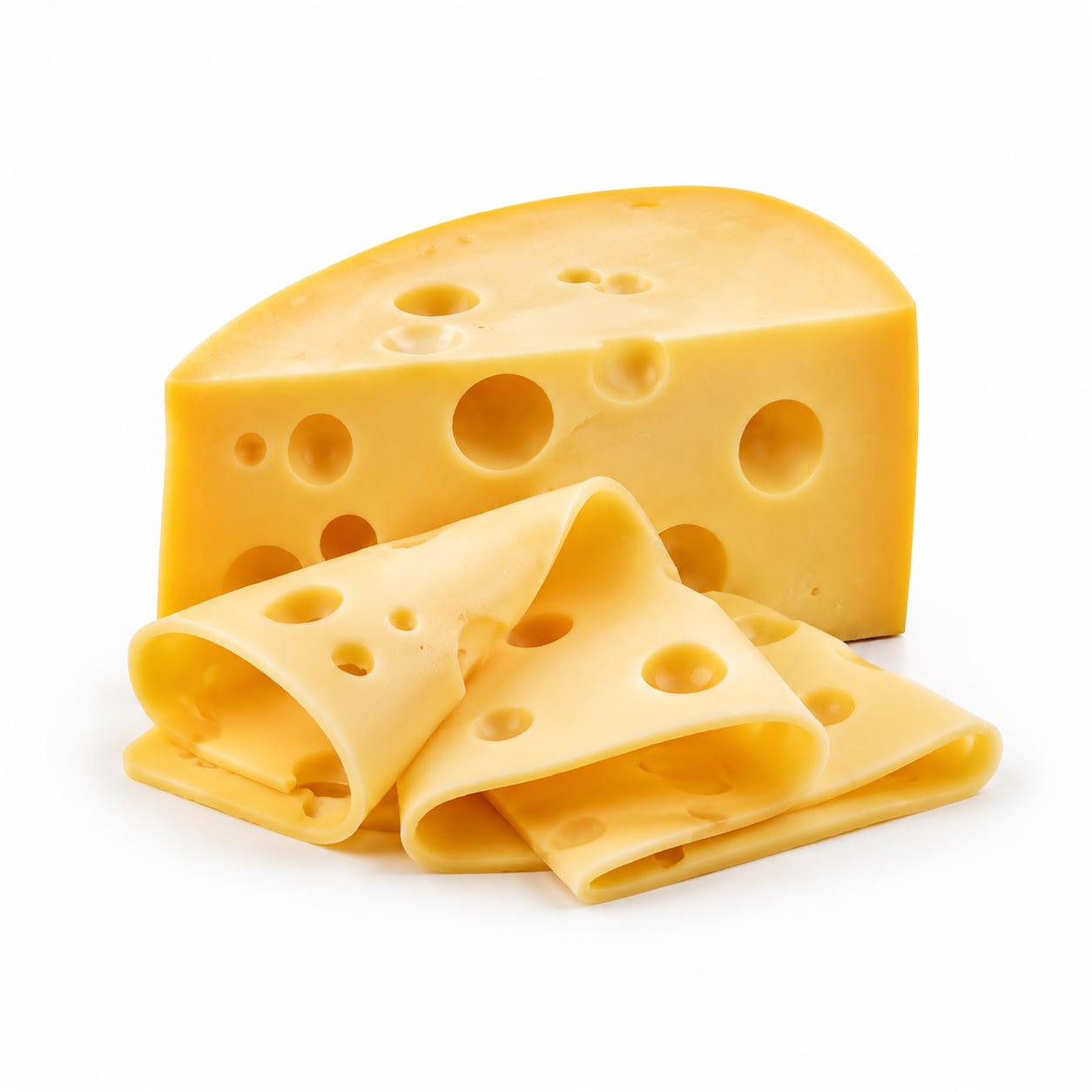
Swiss Cheese
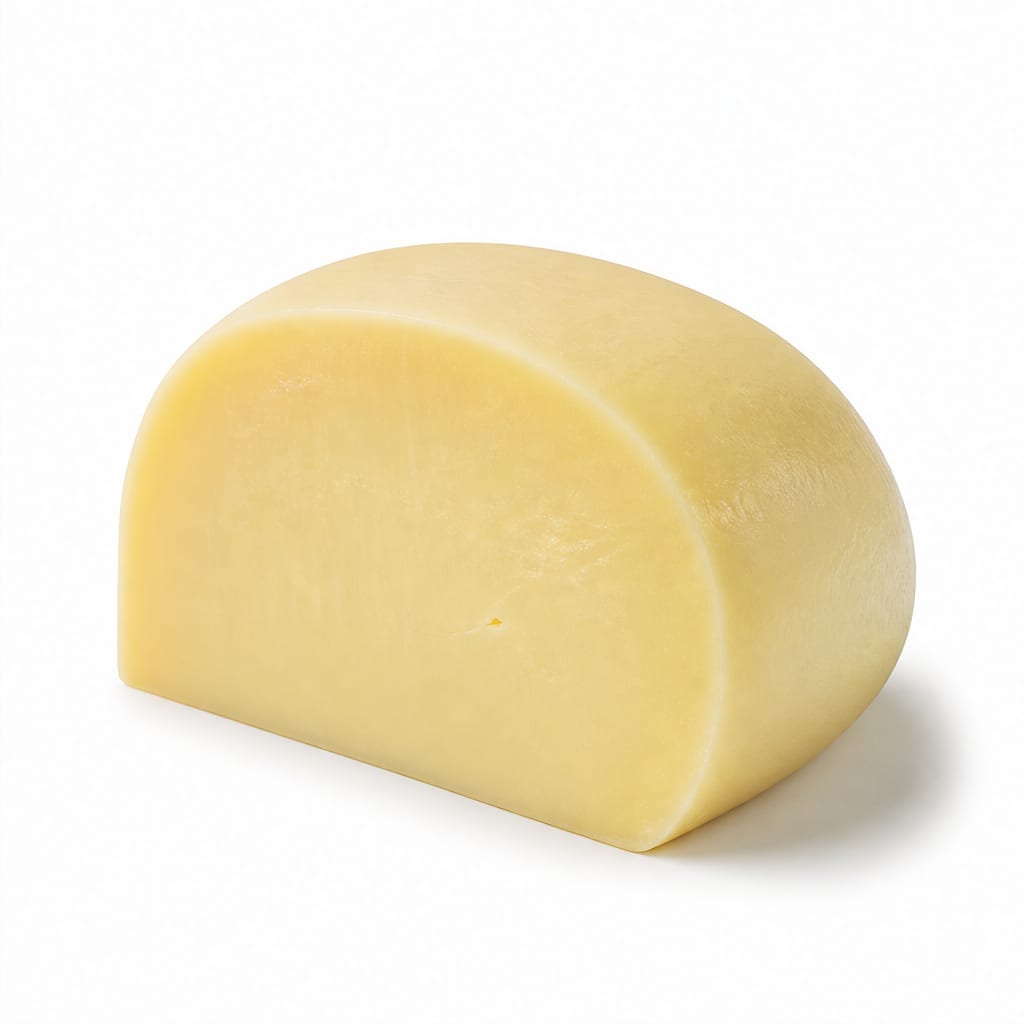
Provolone
Swiss Cheese edges out Provolone primarily due to dramatically lower sodium and slightly fewer calories, though Provolone melts more smoothly and delivers a richer, more savory flavor punch.
Swiss Cheese scores higher due to its standout low sodium and lower calorie density, both of which matter more for long-term health than Provolone's culinary advantages. The gap is moderate because Provolone still offers solid nutrition and superior performance in cooked dishes.
Swiss Cheese gives you a cleaner nutritional profile with less sodium, while Provolone rewards you with superior meltability and bolder flavor at the cost of significantly more salt.
At a glance
Executive summary
Overall
Swiss Cheese
Healthier
Swiss Cheese
More practical
Provolone
Daily use
Swiss Cheese
Key comparison lenses
sodium comparison
Swiss Cheese is famously low in sodium among cheeses, while Provolone is notably high — this is the single most meaningful nutritional difference between them
sandwich and melt performance
Both are classic sandwich and melting cheeses, so real-world culinary tradeoffs matter deeply to everyday users
heart health impact
Sodium and saturated fat differences directly affect cardiovascular risk, making this a key decision factor for health-conscious eaters
lactose tolerance
Swiss Cheese contains very little lactose due to its long aging process, while Provolone retains more — relevant for sensitive individuals
calorie and fat density
Both are calorie-dense cheeses, but Swiss is slightly leaner, which adds up over daily consumption
Best choice for
Swiss Cheese
- People watching their blood pressure
- Lactose-sensitive cheese lovers
- Those counting calories but still wanting flavor
- Anyone eating cheese daily who wants lower sodium accumulation
Provolone
- Grilled cheese and hot sandwich enthusiasts
- Those who prioritize bold, savory flavor over mildness
- People who want the best melting performance
- Charcuterie boards where a punchier cheese is desired
Least suitable for
Swiss Cheese
- Dishes requiring a gooey, stretchy melt
- People who find mild cheese boring
- Recipes where salt from cheese is expected
Provolone
- Low-sodium diets
- People managing hypertension
- Those eating cheese multiple times per day
- Lactose-sensitive individuals
Deep comparison
Dimension by dimension
Each lens scores both foods and breaks down who each option suits.
- Dimension 1 · Priority 95Swiss Cheese
Sodium Load
Swiss Cheese · 88Provolone · 32Swiss Cheese contains roughly 50-75% less sodium than Provolone, making it one of the lowest-sodium cheeses available.
Tradeoff
Choosing Provolone can easily add 200-300mg of sodium per serving to your day, which is significant if you eat cheese regularly.
Why it matters
High sodium intake is the leading dietary risk factor for hypertension, and cheese is a top contributor in Western diets.
Real-world impact
A single Provolone sandwich can deliver nearly a quarter of your daily sodium limit before you add any other ingredients.
Swiss Cheese
- Blood pressure management
- Daily cheese eaters
- Reducing water retention
Better for
Provolone
- Heart health when consumed frequently
- Staying under 1500mg sodium daily
- People already eating processed foods
Worse for
- Dimension 2 · Priority 85Provolone
Melting and Culinary Performance
Swiss Cheese · 62Provolone · 88Provolone melts more smoothly and stretches better, while Swiss Cheese can separate or become oily under high heat.
Tradeoff
If you want the perfect grilled cheese or Philly cheesesteak experience, Provolone delivers where Swiss Cheese falls short.
Why it matters
Melt quality directly affects satisfaction and whether you actually enjoy eating the dish you prepared.
Real-world impact
A grilled cheese with Provolone pulls apart with that classic stretch; Swiss Cheese tends to wrinkle and weep butterfat instead.
Swiss Cheese
- Cold sandwiches where melt quality is irrelevant
- Cheese plates where texture at room temperature matters
Better for
- Grilled cheese
- Hot subs and cheesesteaks
Worse for
Provolone
- Hot sandwiches and paninis
- Baked pasta dishes
- French onion soup topping
- Any recipe where gooey melt is the goal
Better for
- Dimension 3 · Priority 72Swiss Cheese
Calorie and Fat Density
Swiss Cheese · 70Provolone · 58Swiss Cheese typically has 10-20 fewer calories per ounce than Provolone, with slightly less total and saturated fat.
Tradeoff
The difference is modest per serving but compounds if cheese is a daily staple in your diet.
Why it matters
Cheese is one of the most calorie-dense foods people eat regularly, so even small reductions help with weight management.
Real-world impact
Over a year of daily cheese consumption, choosing Swiss over Provolone could save you roughly 5,000-7,000 calories.
Swiss Cheese
- Weight management
- Reducing saturated fat intake
- Lighter meals that still feel satisfying
Better for
Provolone
- Bulking up meals when you need more calories
Better for
- Calorie-conscious eating patterns
- Heart-healthy saturated fat limits
Worse for
- Dimension 4 · Priority 70Swiss Cheese
Lactose Tolerance
Swiss Cheese · 90Provolone · 55Swiss Cheese is aged long enough that virtually all lactose is consumed by bacteria, while Provolone retains trace amounts.
Tradeoff
Lactose-sensitive people can usually eat Swiss Cheese comfortably, but Provolone may cause bloating or discomfort depending on sensitivity level.
Why it matters
Roughly 65% of the global population has some degree of lactose malabsorption, making this a widespread concern.
Real-world impact
If dairy usually makes you gassy or bloated, Swiss Cheese is far less likely to trigger symptoms than Provolone.
Swiss Cheese
- Lactose-sensitive individuals
- People reintroducing dairy after elimination diets
Better for
Provolone
- Anyone with moderate to severe lactose intolerance
Worse for
- Dimension 5 · Priority 68Provolone
Flavor Satisfaction
Swiss Cheese · 65Provolone · 80Provolone delivers a richer, more savory and tangy flavor, while Swiss Cheese is milder and nuttier with less intensity.
Tradeoff
Milder flavor means Swiss Cheese pairs well without dominating, but Provolone satisfies more when cheese is the star.
Why it matters
Flavor satisfaction affects whether you feel content with a reasonable portion or keep reaching for more.
Real-world impact
A single slice of sharp Provolone can make a sandwich feel complete, while Swiss Cheese might leave you wanting an extra slice.
Swiss Cheese
- Dishes where cheese should complement, not dominate
- Pairing with delicate flavors
Better for
- People who find mild cheese unsatisfying
Worse for
Provolone
- When cheese is the main flavor driver
- Satisfying cravings with less total quantity
Better for
- Dimension 6 · Priority 60It depends
Protein and Micronutrients
Swiss Cheese · 72Provolone · 74Both cheeses provide similar protein and calcium, with Provolone slightly ahead on calcium and Swiss slightly ahead on vitamin B12.
Tradeoff
The micronutrient differences are too small to drive a real decision — both are solid sources of bone-building minerals and protein.
Why it matters
Cheese can be a meaningful protein and calcium source, but neither cheese dramatically outperforms the other here.
Real-world impact
An ounce of either cheese delivers about 7-8g protein and 15-20% of your daily calcium — functionally equivalent.
Swiss Cheese
- Vitamin B12 intake
Better for
Provolone
- Calcium density per calorie
Better for
Timeline
Health impact over time
Short-term
Hours to days
Swiss Cheese
- Less post-meal thirst due to lower sodium
- Unlikely to trigger lactose symptoms even in sensitive individuals
- Milder flavor may leave you less satisfied if you crave something bold
Provolone
- May cause bloating in lactose-sensitive people
- Higher sodium can trigger thirst and mild water retention
- Richer flavor provides quicker eating satisfaction
Long-term
Months to years
Swiss Cheese
- Lower cumulative sodium exposure supports healthier blood pressure over decades
- Slightly lower calorie intake adds up to meaningful weight differences with daily consumption
- Very low lactose makes it sustainable for dairy-sensitive populations long-term
Provolone
- Higher sodium intake contributes to elevated blood pressure risk with regular consumption
- Greater saturated fat load may impact cholesterol over time if portions are not managed
- Moderate lactose content could worsen digestive tolerance with aging
Risk profile
Safety & processing
Both Swiss Cheese and Provolone are traditional fermented cheeses made from milk, salt, cultures, and rennet. Neither typically contains artificial preservatives or emulsifiers. Provolone sometimes includes annatto for color, but this is a natural plant-based dye. Both are clean choices by processed food standards.
Swiss Cheese
Listeria contamination
lowAged hard cheeses like Swiss carry very low listeria risk. The long aging and low moisture create an inhospitable environment for pathogens.
Histamine content
mediumLong-aged cheeses including Swiss can accumulate histamine, which may trigger headaches or reactions in histamine-sensitive individuals.
Provolone
Listeria contamination
lowSimilar low risk to Swiss Cheese due to aging and acidity, though slightly higher moisture content marginally increases vulnerability.
Histamine content
mediumAged Provolone, especially the piccante variety, can be moderately high in histamine, posing issues for sensitive people.
Sodium-related health effects
mediumThe high sodium content is not a contamination risk but represents a genuine long-term health hazard with frequent consumption.
Who wins for whom
Audience fit
Same foods, different winners depending on your goal.
children
ProvoloneProvolone's milder melt and smoother texture make it more kid-friendly in hot dishes, and growing children are less sensitive to sodium than adults.
daily consumption
Swiss CheeseSwiss Cheese's low sodium and low lactose make it the more sustainable everyday option without accumulating dietary risks.
diabetes
Swiss CheeseBoth cheeses are very low in carbohydrates, but Swiss Cheese's lower sodium helps manage the cardiovascular risks that disproportionately affect people with diabetes.
elderly
Swiss CheeseOlder adults need to manage blood pressure and bone density simultaneously. Swiss Cheese delivers calcium with far less sodium, making it the safer daily choice.
muscle gain
It dependsBoth provide similar protein content per serving. Provolone's extra calories can help during bulking, while Swiss fits better during cutting phases.
weight loss
Swiss CheeseSwiss Cheese has fewer calories per ounce and less sodium-driven water retention, making it the smarter choice when trimming pounds.
Your move
Decision guide
Choose Swiss Cheese
- You are watching your blood pressure or sodium intake
- You eat cheese almost every day and want the healthiest default
- You are lactose-sensitive but still want to enjoy cheese
- You prefer a lighter, nuttier flavor that does not dominate dishes
- You want a cheese that works well cold in sandwiches and snacks
Choose Provolone
- You are making a grilled cheese, cheesesteak, or hot sandwich
- You want bold, savory flavor and find mild cheese unsatisfying
- You are cooking for kids who prefer smooth, melty cheese
- You are not sodium-sensitive and prioritize taste over nutritional optimization
- You are building a charcuterie board and need a punchy Italian cheese
Either works if
- You just need a cheese slice for a cold sandwich
- You are getting enough calcium and protein from other sources
- You eat cheese only occasionally, making sodium differences negligible
- You enjoy both flavors and want variety
Avoid both if
- You have a dairy allergy — both contain casein and whey proteins
- You are following a strict vegan diet
- You are on a very low saturated fat diet prescribed by a cardiologist
- You have severe histamine intolerance and react to aged cheeses
Final recommendation
Make Swiss Cheese your everyday default for its dramatically lower sodium and better long-term health profile. Keep Provolone in rotation for hot sandwiches and dishes where melt quality and bold flavor truly matter. The best approach is using each cheese where it naturally excels rather than forcing one to do both jobs.
Practical
Consumer tips
- 1
Check labels for sodium — some Swiss Cheese brands are saltier than others, and the advantage shrinks with cheaper varieties
- 2
Aged Provolone piccante has much more flavor than young Provolone dolce, so you can use less and still get satisfying taste
- 3
If you love Provolone but want less sodium, try mixing half Provolone with half Swiss on sandwiches — you get the flavor with less salt
- 4
Buy both cheeses in block form rather than pre-sliced to avoid added preservatives and get better value
- 5
Swiss Cheese freezes well for up to 6 months, so you can stock up when it goes on sale without waste