
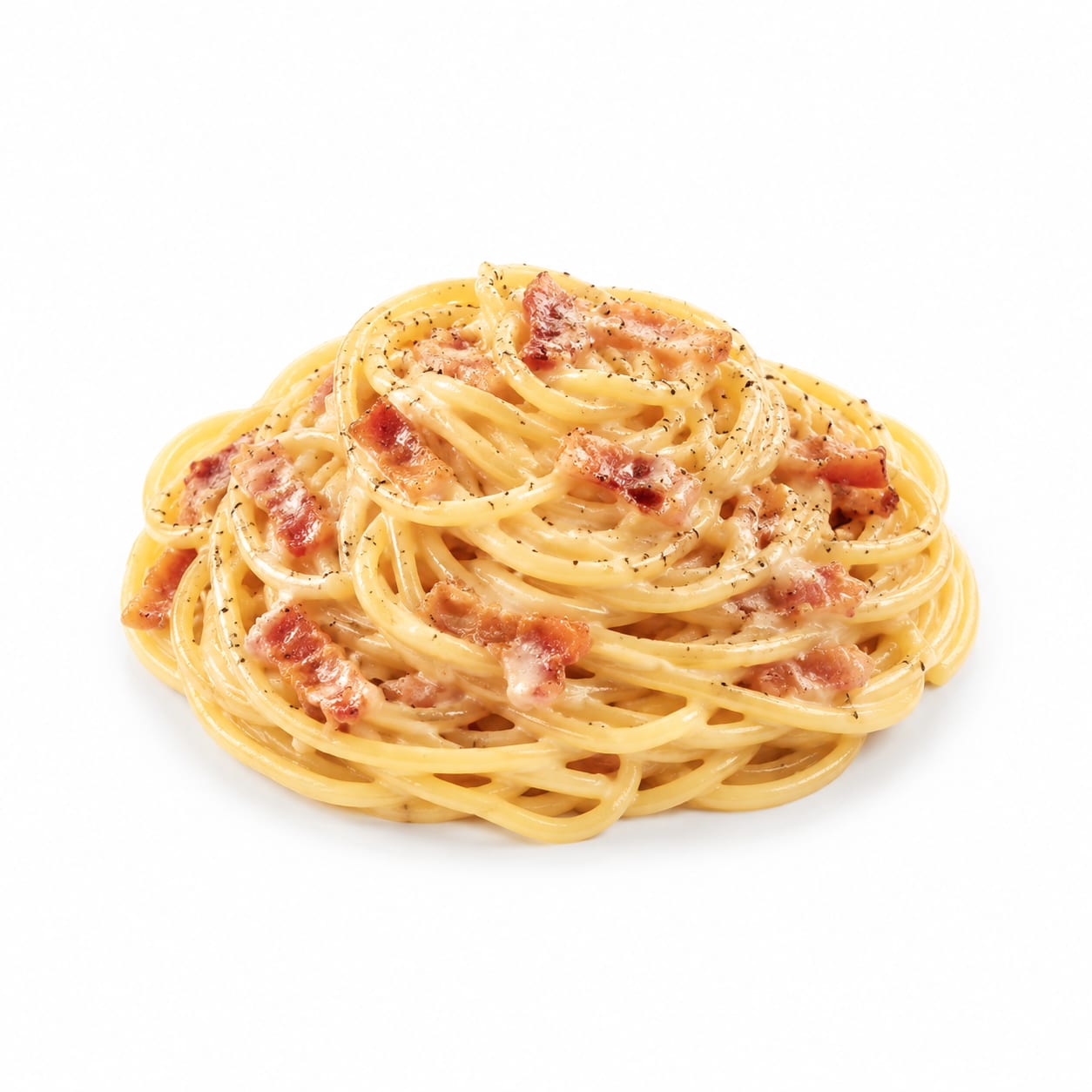
Pasta Dish
Spaghetti Carbonara
A rich Italian pasta dish featuring eggs, cheese, and cured pork mixed with spaghetti.
A traditional Italian pasta dish made with eggs, hard cheese, cured pork, and black pepper, known for its rich, creamy texture without using cream.
high-fat high-carb comfort food
Typical serving · 300g
Common varieties · traditional guanciale, pancetta carbonara, americanized with cream, pea and bacon carbonara
Overall context score across nutrition, safety, and diet fit
The story
What makes it unique
A high-energy composite dish combining refined wheat carbohydrates with animal-derived saturated fats and proteins. Digestion speed is moderate because the high fat content slows gastric emptying, but the refined pasta still yields a relatively rapid glycemic response. Satiety is moderate to high due to fat and protein, but low fiber limits gut health benefits.
Varieties: traditional guanciale · pancetta carbonara · americanized with cream · pea and bacon carbonara
Per 100g
Nutrition breakdown
Macro balance and key metrics at a glance.
Energy
Density 2.20 kcal/g
Protein
Carbs
Fat
Fiber
Sugar
0.5 g
Sodium
350 mg
Potassium
120 mg
Glycemic index
58
Glycemic load
14
Water content
55%
Standout compounds
Nutrient highlights
Selenium
moderateSupports antioxidant defense and thyroid function
Phosphorus
moderateEssential for bone health and energy production
Vitamin B12
moderateCrucial for nerve function and red blood cell formation
Saturated Fat
highProvides dense energy but should be limited for heart health
Sodium
highElectrolyte balance but excessive intake raises blood pressure risk
Wellness map
Health scores & processing
NOVA processing scale
moderate · Whole food
Combines refined processed ingredients (pasta, cured meat) with whole culinary ingredients (eggs, cheese) in traditional preparation.
Diet compatibility
- Weight loss
- Muscle gain
- Diabetes
- Gut health
- Low carb
- High protein
- Heart health
Relative standing
Food rankings
Qualitative ranks compared to similar whole foods.
- Satietygood
- Blood sugarpoor
- Nutrient densitymoderate
- Fitness fuelgood
- Processing qualitymoderate
Eat with confidence
Food safety profile
Primary risks involve raw egg handling for salmonella and nitrate exposure from cured pork. Proper cooking temperatures mitigate egg risks.
Evidence confidence 90%
- Pesticideslow
- Antibioticsmoderate
- Heavy metalslow
- Contaminationmoderate
Watch for
- salmonella from raw eggs
- nitrates from cured pork
Safer choices
Pasteurized eggs and nitrate-free pancetta or guanciale.
Prep tips
Ensure eggs are fresh and kept refrigerated until use; cook pork thoroughly before adding pasta.
Use of raw eggs requires careful handling; cured meats contain preservatives.
Deep dive
Health analysis
How this food may fit different goals and preparation choices.
Weight loss
High energy density and palatability make overconsumption easy, limiting weight loss suitability unless strictly portioned.
Blood sugar
Refined wheat pasta causes a moderate-to-rapid rise in blood sugar, though the high fat content slightly delays gastric emptying.
Fitness & energy
Provides a substantial dose of carbohydrates for glycogen replenishment and protein for muscle repair, making it a viable post-workout meal if portioned correctly.
Gut health
Low fiber content offers minimal prebiotic benefit, and high saturated fat may negatively impact gut microbiome diversity over time.
Processing quality
Traditional versions use minimal processing, but standard restaurant and packaged versions rely on refined grains and heavily cured meats.
Food safety
Raw or lightly cooked eggs pose a salmonella risk; using pasteurized eggs eliminates this concern.
Common mistakes
Adding cream, scrambling the eggs from too much heat, and using bacon instead of guanciale or pancetta alter the nutritional profile and authenticity.
Best preparation
Toss hot pasta off the heat with a mixture of egg yolks, cheese, and rendered pork fat to create a smooth sauce without scrambling the eggs.
Practical guide
Best use cases
When and how this food fits real eating patterns.
Post-workout recovery meal
Supplies fast-digesting carbs for glycogen and protein for muscle repair.
High-calorie bulking diet
Easily consumed energy-dense food for those needing a caloric surplus.
Heavy physical labor days
Provides sustained energy from fats and carbs for demanding physical jobs.
Balance sheet
Pros & cons
Upsides
- High in satiating protein and fat
- Good source of B vitamins from eggs and pork
- Provides quick energy from carbohydrates
- Contains essential minerals like selenium and phosphorus
Trade-offs
- High in saturated fat from cheese and cured pork
- Refined carbohydrates spike blood sugar
- Low dietary fiber content
- Cured pork adds significant sodium and nitrates
Fit check
Who is it for?
Great match
- post-workout glycogen replenishment
- caloric surplus bulking
- occasional comfort food cravings
Consider alternatives
- strict low-carb diets
- heart-healthy low-fat diets
- blood sugar management
- weight loss phases
Side by side
How it compares
Open the full head-to-head analysis for nutrition, safety, and practical tradeoffs.
This food
Spaghetti Carbonara
VS90% alike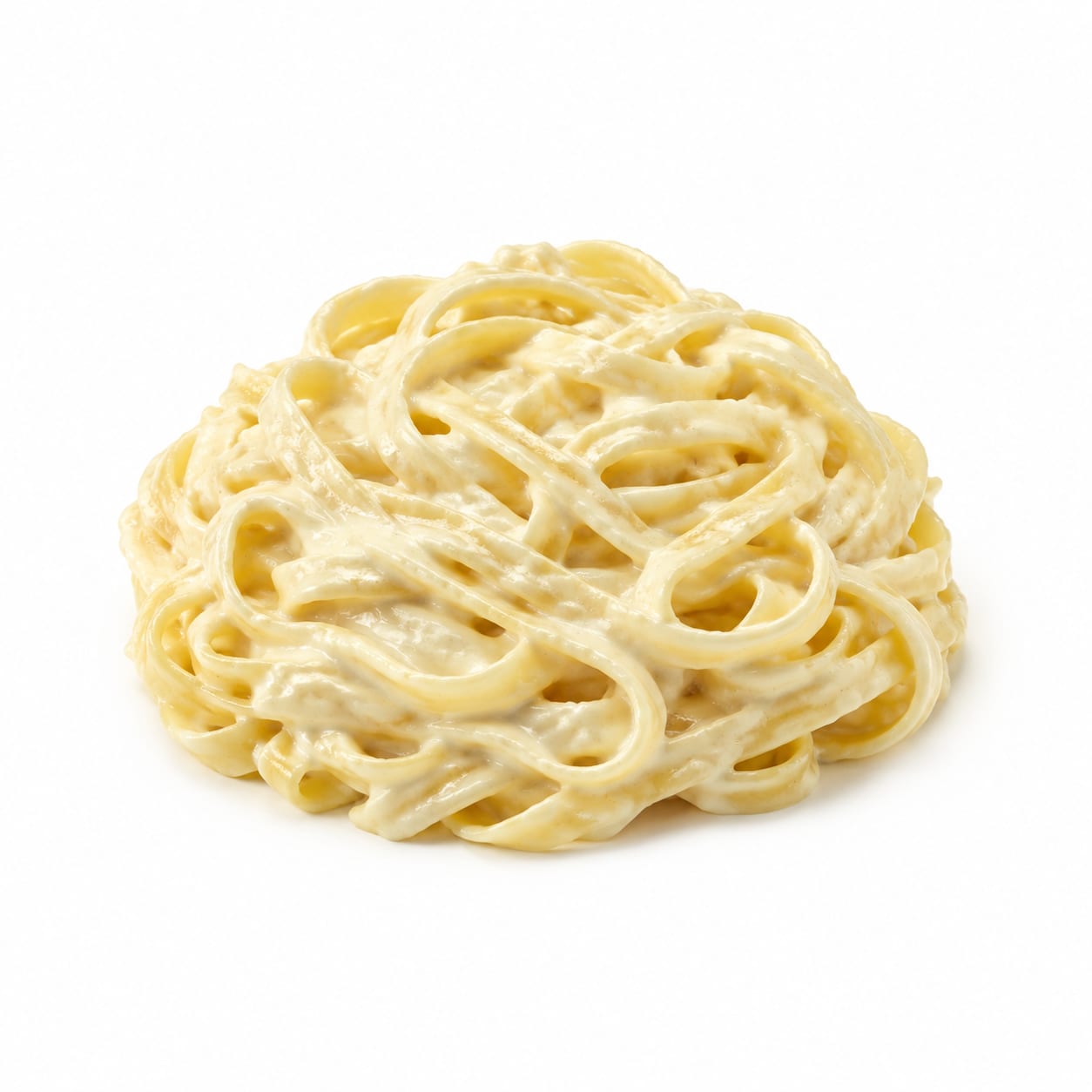
Compare with
Fettuccine Alfredo
Carbonara provides more protein from eggs and pork, while Alfredo is heavier in saturated fat from cream and butter.
Carbonara offers more protein from eggs and pork, while Alfredo is heavier in saturated fat from cream and butter.
This food
Spaghetti Carbonara
VS85% alike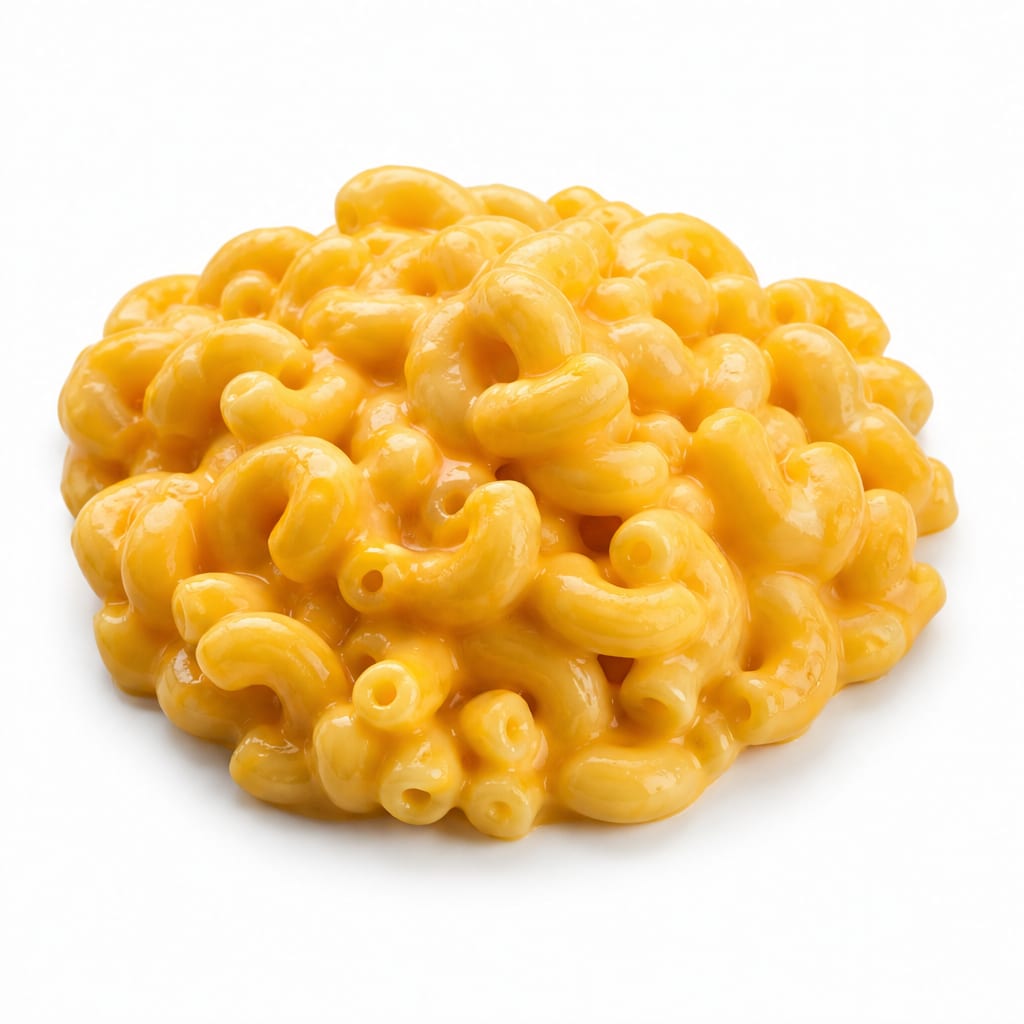
Compare with
Mac and Cheese
Carbonara provides higher quality protein from eggs and meat compared to the primarily dairy protein in mac and cheese.
Carbonara provides higher quality protein from eggs and meat compared to the primarily dairy protein in mac and cheese.
This food
Spaghetti Carbonara
VS85% alike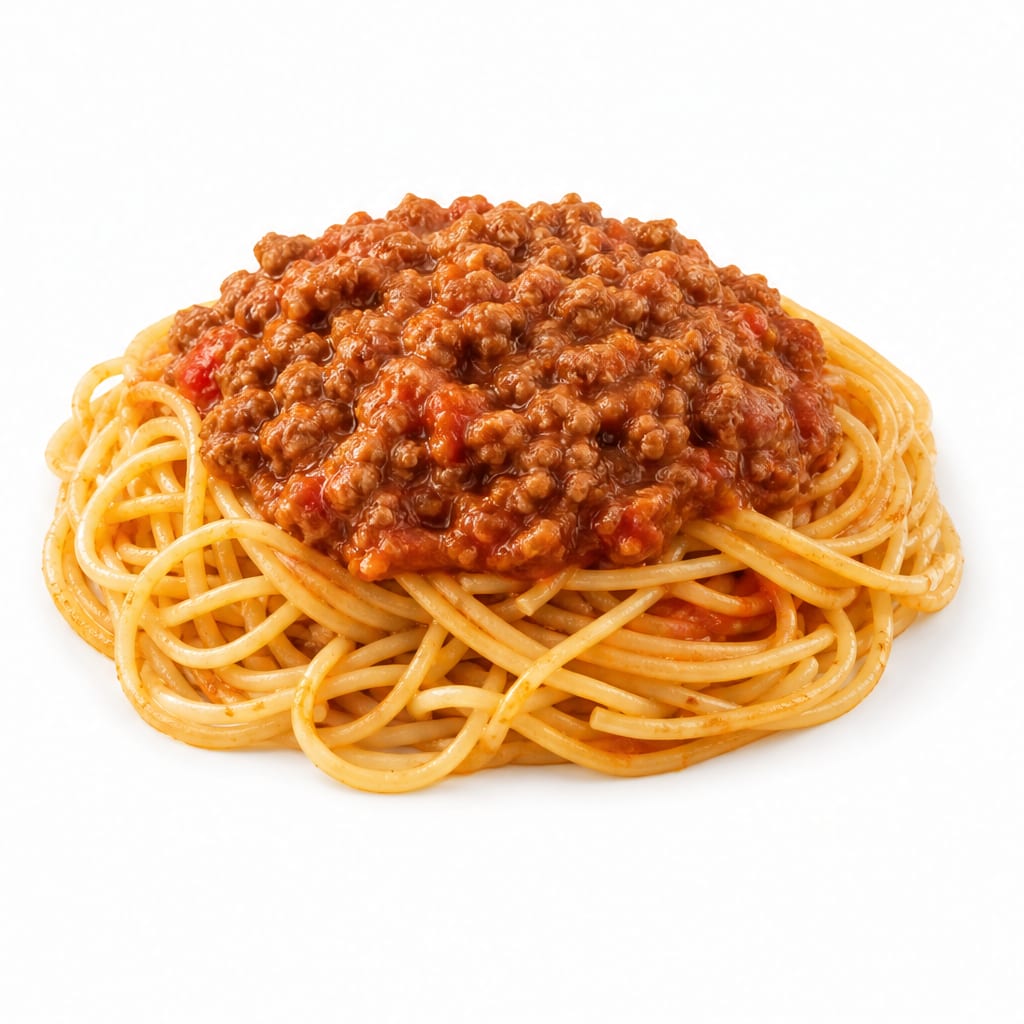
Compare with
Spaghetti Bolognese
Bolognese offers more iron and less saturated fat from leaner meat, while carbonara is richer and egg-based.
Bolognese offers more iron and less saturated fat from leaner meat, while carbonara is richer and egg-based.
This food
Spaghetti Carbonara
VS80% alike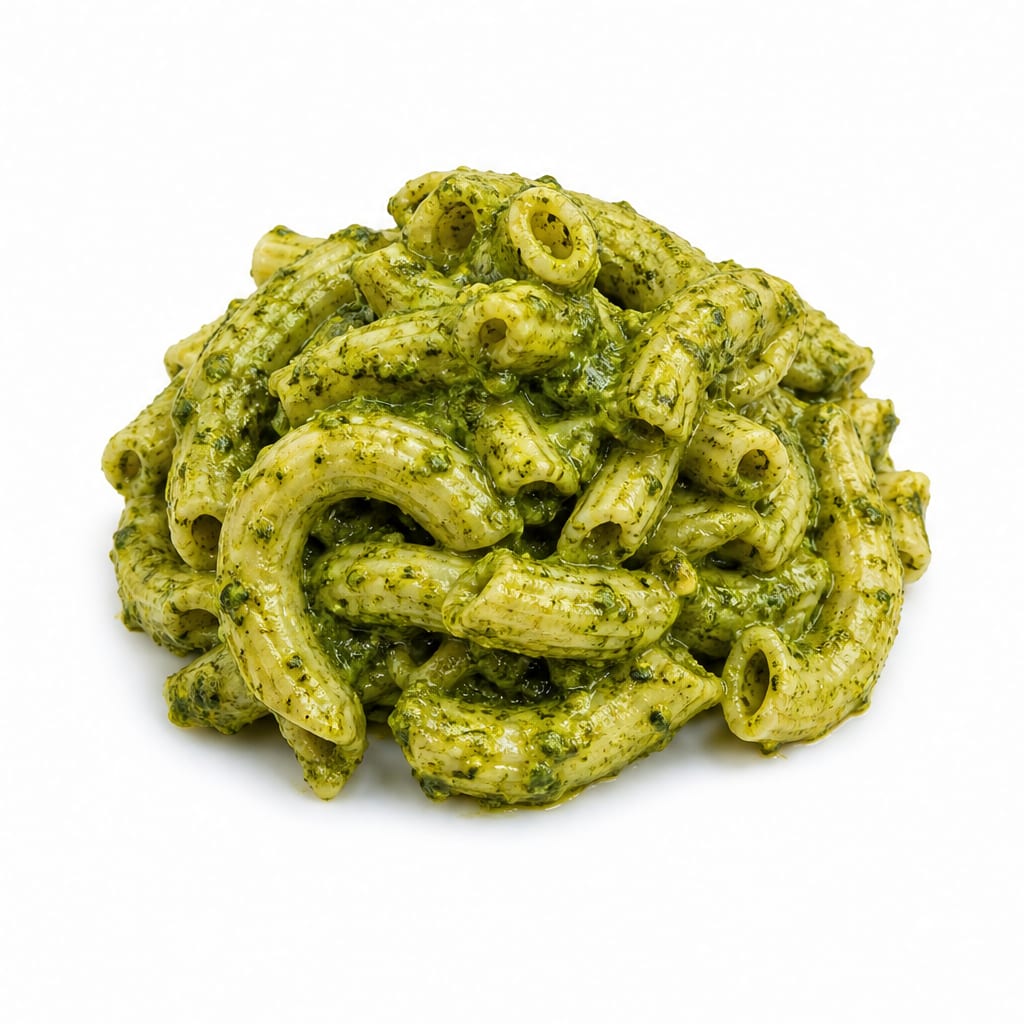
Compare with
Pesto Pasta
Pesto provides healthier unsaturated fats from olive oil and nuts, while carbonara relies on saturated animal fats but offers more protein.
Pesto provides healthier unsaturated fats from olive oil and nuts, while carbonara relies on saturated animal fats but offers more protein.
This food
Spaghetti Carbonara
VS95% alike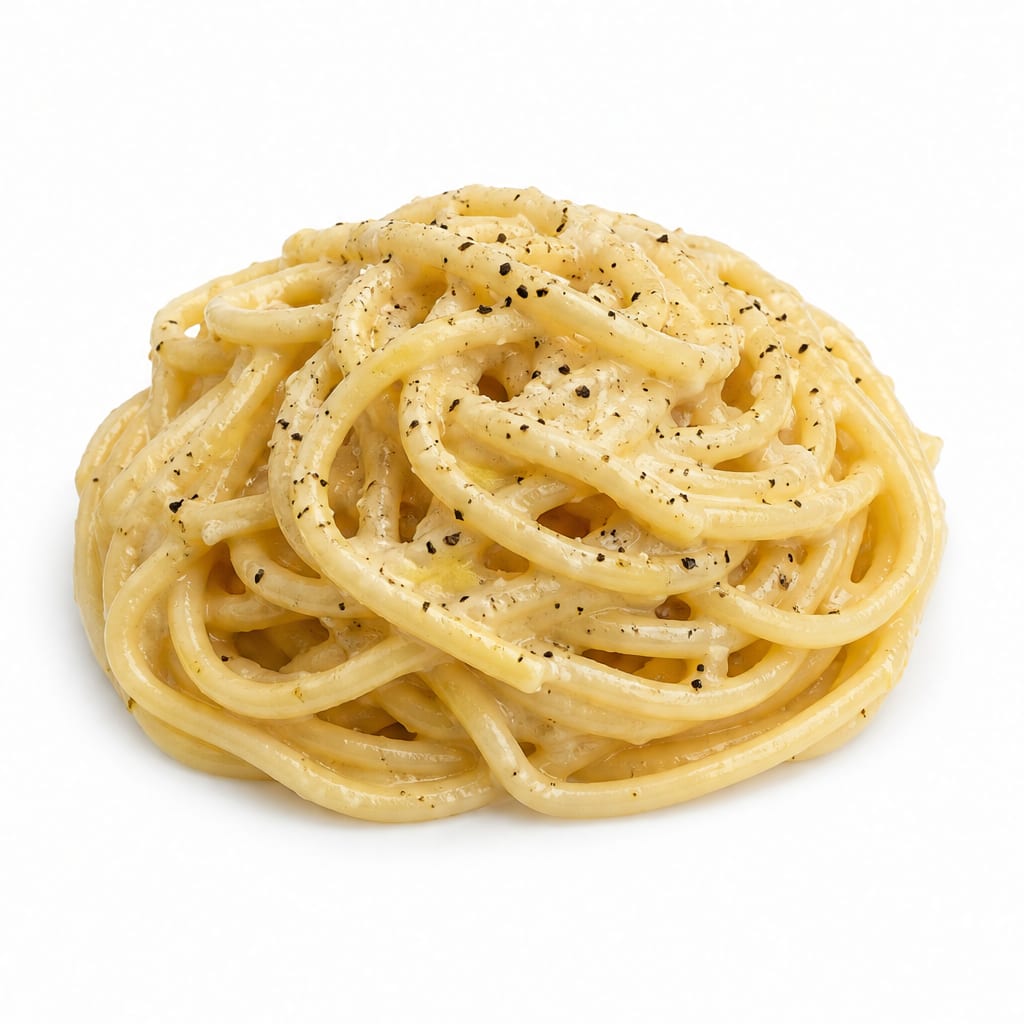
Compare with
Cacio e Pepe
Carbonara adds protein from eggs and pork, making it more satiating and fitness-friendly than the cheese-and-pepper-only Cacio e Pepe.
Carbonara adds protein from eggs and pork, making it more satiating and fitness-friendly than the cheese-and-pepper-only Cacio e Pepe.
This food
Spaghetti Carbonara
VS75% alike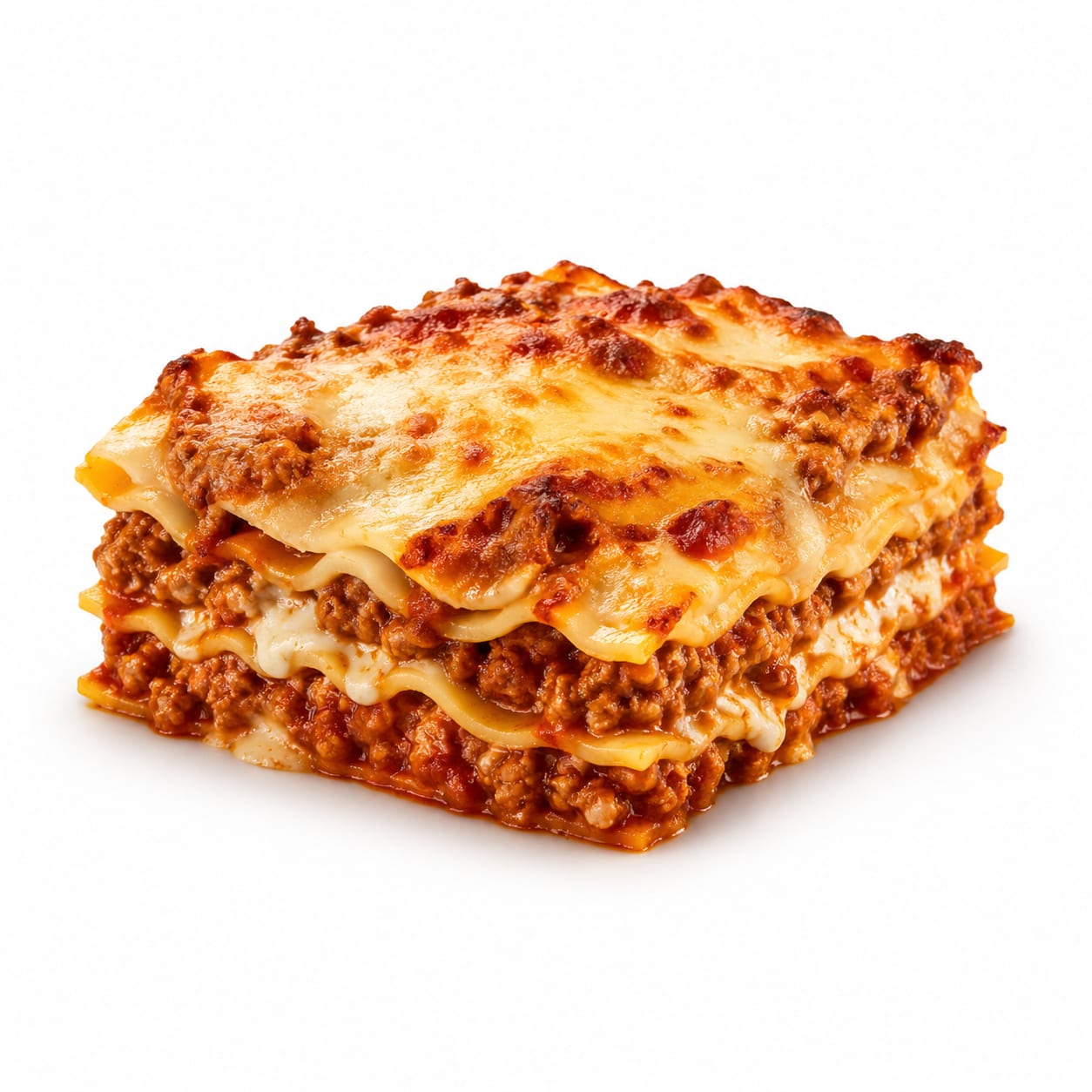
Compare with
Lasagna
Lasagna is denser in calories and carbs due to layers of pasta and cheese, while carbonara is a simpler mix of pasta, egg, and meat.
Lasagna is denser in calories and carbs due to layers of pasta and cheese, while carbonara is a simpler mix of pasta, egg, and meat.
This food
Spaghetti Carbonara
VS70% alike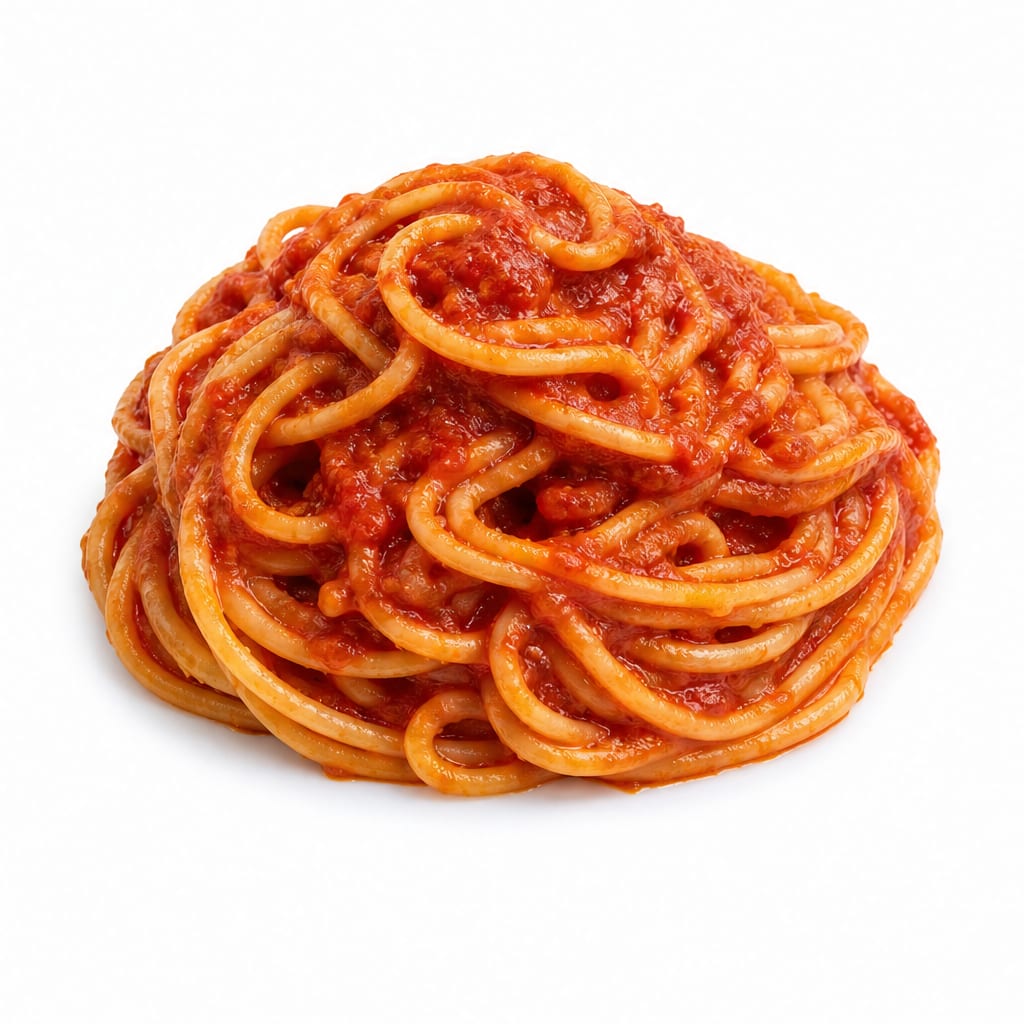
Compare with
Marinara Pasta
Marinara is much lower in calories and fat, providing antioxidants from tomatoes, while carbonara provides significantly more protein.
Marinara is much lower in calories and fat, providing antioxidants from tomatoes, while carbonara provides significantly more protein.
This food
Spaghetti Carbonara
VS65% alike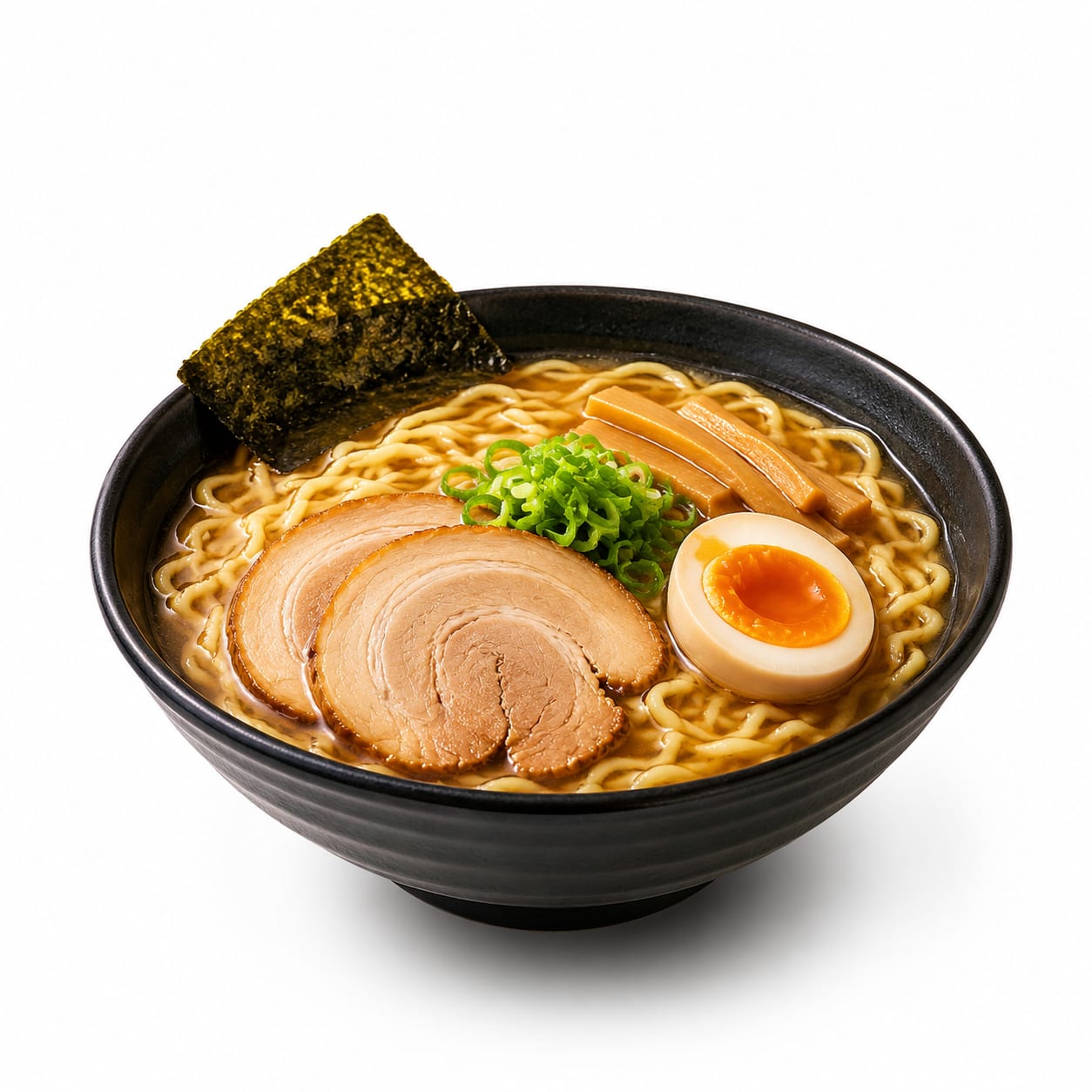
Compare with
Ramen
Ramen is extremely high in sodium from broth, while carbonara delivers a thicker, protein-dense sauce from eggs and cheese.
Ramen is extremely high in sodium from broth, while carbonara delivers a thicker, protein-dense sauce from eggs and cheese.
This food
Spaghetti Carbonara
VS60% alike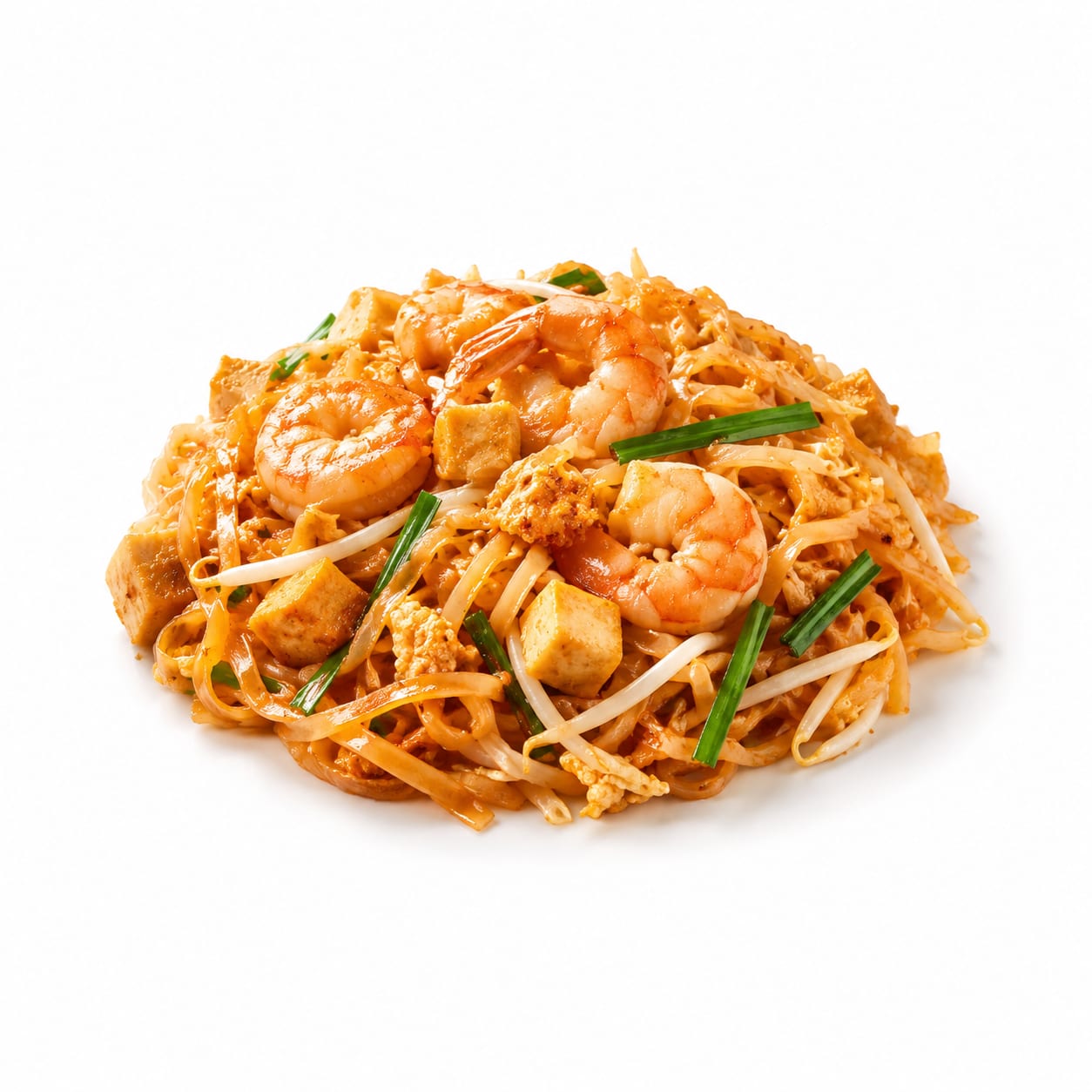
Compare with
Pad Thai
Pad Thai often has less saturated fat and more vegetables, but carbonara provides a denser protein hit from eggs and pork.
Pad Thai often has less saturated fat and more vegetables, but carbonara provides a denser protein hit from eggs and pork.
This food
Spaghetti Carbonara
VS55% alike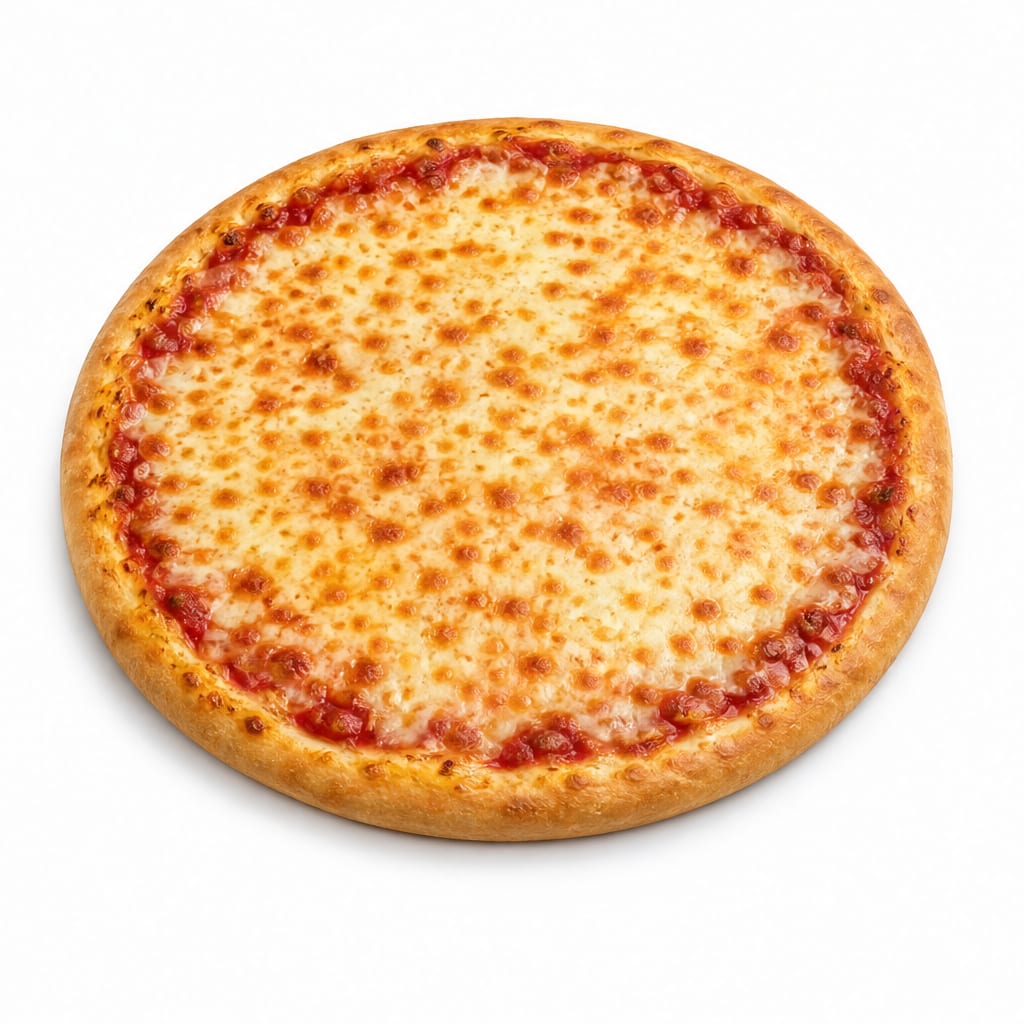
Compare with
Cheese Pizza
Carbonara provides more protein per calorie than cheese pizza, which is heavier on refined carbs and saturated fat from cheese.
Carbonara provides more protein per calorie than cheese pizza, which is heavier on refined carbs and saturated fat from cheese.
Common questions
FAQ
Answers aligned with how people search for this food.
How many calories are in a plate of spaghetti carbonara?
A typical restaurant serving (around 300g) contains roughly 660 calories, mostly from refined carbs and saturated fat.
Is spaghetti carbonara good for weight loss?
It is generally poor for weight loss due to high energy density and palatability, making it easy to overconsume calories.
Does authentic carbonara have cream?
No, traditional Italian carbonara relies on emulsified egg yolks, Pecorino Romano, and pork fat for its creamy texture, not heavy cream.
Can diabetics eat spaghetti carbonara?
It is not ideal for blood sugar control due to the refined wheat pasta, which causes a rapid spike in blood glucose despite the fat slowing digestion slightly.
Is carbonara a good post-workout meal?
Yes, it provides a solid mix of carbohydrates for glycogen replenishment and protein for muscle repair, though it is high in fat which slows digestion.
What is the healthiest way to make carbonara?
Use whole grain or legume-based pasta for more fiber, pasteurized eggs, and limit the portion of cured pork to reduce sodium and saturated fat.
Is carbonara healthier than Alfredo?
Carbonara is slightly lower in calories and fat than Alfredo because Alfredo uses butter and heavy cream, while carbonara uses eggs and rendered pork fat.
Why does carbonara make me bloated?
The refined wheat pasta lacks fiber, and the high saturated fat content slows stomach emptying, which can cause prolonged fullness and bloating in sensitive individuals.
Transparency
Data confidence
Estimated confidence for nutrition data, interpretation, safety notes, and comparisons.
Nutrition data
Health analysis
Food safety
Comparisons