
Nutrition comparison
Spaghetti Carbonara vs Cacio e Pepe: Which Roman Pasta Is Healthier?
Compare Spaghetti Carbonara and Cacio e Pepe on calories, protein, sodium, and heart health. Find out which classic Roman pasta fits your goals better.
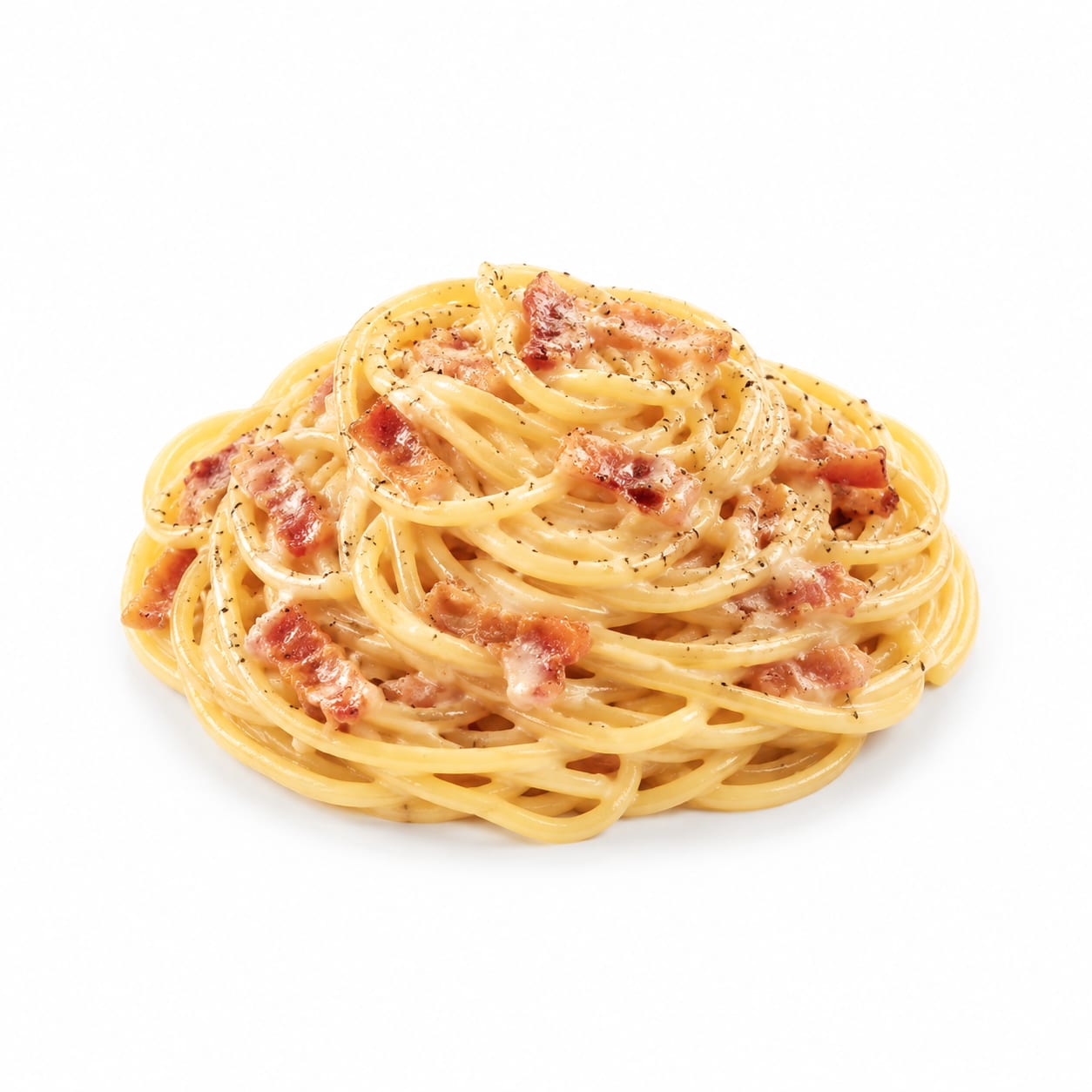
Spaghetti Carbonara
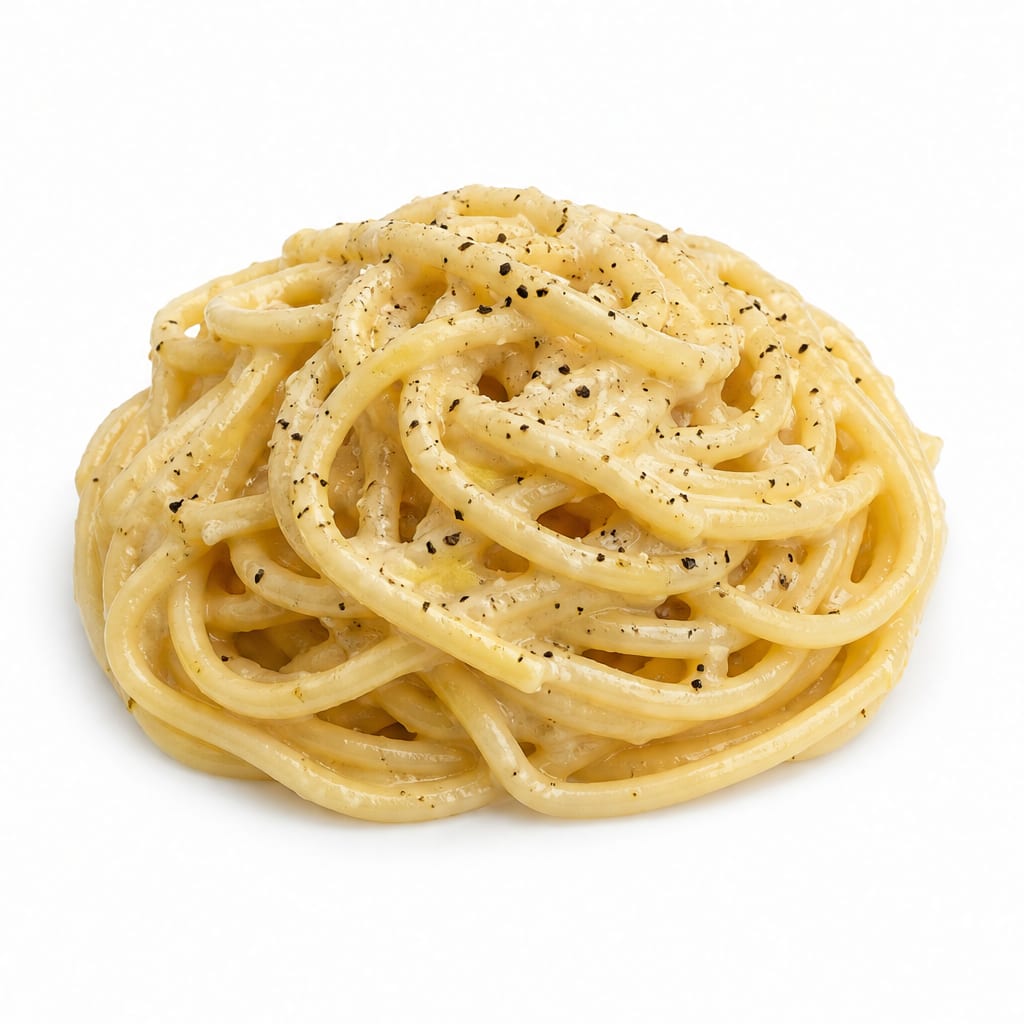
Cacio e Pepe
Carbonara is more filling and protein-rich but heavier; Cacio e Pepe is simpler and lighter but less satisfying on its own.
Cacio e Pepe scores higher for everyday health due to lower calories, less saturated fat, and simpler digestion. Carbonara earns points for protein and satiety but loses ground on heart health and heaviness.
You trade satiety and protein for lightness and lower calories. Carbonara fuels you longer; Cacio e Pepe lets you move on faster.
At a glance
Executive summary
Overall
It depends
Healthier
Cacio e Pepe
More practical
Cacio e Pepe
Daily use
Cacio e Pepe
Key comparison lenses
Comfort pasta decision: indulgent vs simple
Both are iconic Roman pasta dishes, but one adds meat and eggs while the other is minimalist cheese and pepper
Calorie and fat tradeoff awareness
Carbonara's guanciale and egg yolks dramatically increase fat and calories compared to the leaner Cacio e Pepe
Protein and satiety comparison
Carbonara delivers substantially more protein from eggs and cured meat, making it more filling
Sodium and heart health concerns
Both dishes rely on Pecorino Romano, but Carbonara adds cured meat sodium on top of that
Digestive lightness and post-meal comfort
Cacio e Pepe feels lighter after eating, while Carbonara sits heavier due to rich fats and protein
Best choice for
Spaghetti Carbonara
- Post-workout recovery meals
- Active people needing sustained energy
- Anyone wanting a complete meal in one dish
- Cold weather comfort eating
Cacio e Pepe
- Lighter weeknight dinners
- Hot summer evenings
- Late meals before bed
- Side dish or starter course
Least suitable for
Spaghetti Carbonara
- Daily repetitive eating due to high saturated fat
- Late-night meals close to bedtime
- Anyone watching cholesterol closely
- Low-sodium diets
Cacio e Pepe
- Recovery after intense training
- Anyone needing a protein-dense meal
- Growing teenagers who need more fuel
- Situations where one dish must carry the whole meal
Deep comparison
Dimension by dimension
Each lens scores both foods and breaks down who each option suits.
- Dimension 1 · Priority 92Cacio e Pepe
Calorie Density and Weight Management
Spaghetti Carbonara · 35Cacio e Pepe · 60Carbonara packs significantly more calories per serving from guanciale fat and egg yolks. Cacio e Pepe is not light by any means, but it is the leaner option.
Tradeoff
You get more staying power with Carbonara but at nearly double the calorie cost of Cacio e Pepe.
Why it matters
If you eat pasta regularly, the calorie difference compounds fast. A weekly Carbonara habit adds up differently than a weekly Cacio e Pepe habit.
Real-world impact
A typical Carbonara serving can hit 700-900 calories. Cacio e Pepe usually lands between 450-600 calories. That difference matters for weight maintenance over months.
Spaghetti Carbonara
- Active days with high calorie expenditure
- Bulking phases
Better for
- Sedentary evenings
- Repeated weekly consumption
Worse for
Cacio e Pepe
- Weight loss or maintenance
- Calorie-aware eating
Better for
- Days when you need serious fuel
Worse for
- Dimension 2 · Priority 88Spaghetti Carbonara
Protein and Satiety
Spaghetti Carbonara · 78Cacio e Pepe · 40Carbonara delivers real protein from eggs and cured meat. Cacio e Pepe relies almost entirely on cheese for protein, which is modest.
Tradeoff
Carbonara keeps you full for hours. Cacio e Pepe may leave you hungry again within two hours unless paired with other protein.
Why it matters
Satiety determines whether you snack later. A meal that actually fills you prevents compensatory eating.
Real-world impact
After Carbonara, you are unlikely to reach for dessert. After Cacio e Pepe alone, you might find yourself scavenging the kitchen an hour later.
Spaghetti Carbonara
- Main course that stands alone
- Post-exercise recovery
- Avoiding late-night snacking
Better for
- Light appetite situations
Worse for
Cacio e Pepe
- Multi-course meals where pasta is one component
Better for
- Solo dinner after a hard training day
Worse for
- Dimension 3 · Priority 82Cacio e Pepe
Sodium Load
Spaghetti Carbonara · 30Cacio e Pepe · 50Both dishes are salty due to Pecorino Romano, but Carbonara stacks cured meat on top of an already salty cheese base.
Tradeoff
Carbonara's guanciale or pancetta adds hundreds of milligrams of sodium that Cacio e Pepe simply does not carry.
Why it matters
For anyone with blood pressure concerns, the difference between a high-sodium meal and a very-high-sodium meal is clinically meaningful.
Real-world impact
A Carbonara serving can deliver 1200-1800mg of sodium. Cacio e Pepe typically hits 800-1200mg. Neither is low-sodium, but Carbonara pushes into concerning territory for sensitive people.
Spaghetti Carbonara
- Post-sweat repletion when sodium loss is high
Better for
- Hypertension
- Daily consumption patterns
Worse for
Cacio e Pepe
- Blood pressure management
- Moderate sodium days
Better for
- Endurance athletes needing sodium replacement
Worse for
- Dimension 4 · Priority 80Cacio e Pepe
Heart Health and Saturated Fat
Spaghetti Carbonara · 32Cacio e Pepe · 48Carbonara combines cured meat fat, egg yolk cholesterol, and cheese saturated fat. Cacio e Pepe has saturated fat from cheese only.
Tradeoff
Neither dish is heart-healthy, but Carbonara concentrates more cardiovascular risk factors into a single plate.
Why it matters
Frequent consumption of high saturated fat meals with cured meat correlates with increased cardiovascular risk over time.
Real-world impact
Eating Carbonara weekly is an indulgence most people can handle. Eating it multiple times per week is a different conversation with your doctor.
Spaghetti Carbonara
- Occasional indulgence meals
Better for
- Existing heart disease
- High LDL cholesterol
Worse for
Cacio e Pepe
- More frequent pasta nights
- Balanced weekly menus
Better for
- Situations where heart health is not the primary concern
Worse for
- Dimension 5 · Priority 75Cacio e Pepe
Digestive Comfort and Lightness
Spaghetti Carbonara · 38Cacio e Pepe · 65Cacio e Pepe sits lighter in the stomach. Carbonara's combination of heavy fats and dense protein makes it a meal you feel for hours.
Tradeoff
Lightness after eating versus fullness after eating. Some people want to feel stuffed; others want to feel able to move.
Why it matters
Post-meal energy and comfort affect productivity, exercise plans, and sleep quality if eaten late.
Real-world impact
After Cacio e Pepe you can take a walk. After Carbonara you might want a nap.
Spaghetti Carbonara
- Recovery days when resting
- Cold comfort food cravings
Better for
- Pre-workout meals
- Hot summer dinners
Worse for
Cacio e Pepe
- Evening meals before social activities
- Lunch on workdays
- Eating before light exercise
Better for
- When comfort and fullness are the whole point
Worse for
- Dimension 6 · Priority 70Cacio e Pepe
Ingredient Simplicity and Control
Spaghetti Carbonara · 50Cacio e Pepe · 80Cacio e Pepe uses three ingredients: pasta, cheese, pepper. Carbonara adds eggs and cured meat, doubling the variables and potential quality issues.
Tradeoff
Fewer ingredients mean fewer things that can go wrong nutritionally. Cured meat quality varies enormously.
Why it matters
With Cacio e Pepe, you know exactly what you are eating. With Carbonara, the guanciale or pancetta quality dramatically affects the health profile.
Real-world impact
Restaurant Carbonara often uses lower-quality cured meat with preservatives. Authentic Cacio e Pepe is harder to cut corners on.
Spaghetti Carbonara
- Home cooking with high-quality sourced ingredients
Better for
- Pre-made or restaurant versions with preservative-laced meat
Worse for
Cacio e Pepe
- Restaurant ordering where ingredient quality is uncertain
- Minimalist eating philosophies
Better for
- Situations where simplicity feels insufficient
Worse for
Timeline
Health impact over time
Short-term
Hours to days
Spaghetti Carbonara
- Heavy fullness lasting 3-4 hours
- Possible post-meal drowsiness from high fat load
- Sodium may cause thirst and mild bloating
- Sustained energy with no blood sugar crash due to fat and protein buffering
Cacio e Pepe
- Moderate satiety lasting 1-2 hours
- Lighter post-meal feeling with more mobility
- Salty taste may increase water intake
- Possible hunger return within 2 hours if eaten alone
Long-term
Months to years
Spaghetti Carbonara
- Frequent consumption raises saturated fat and sodium intake significantly
- Cured meat consumption linked to increased colorectal cancer risk with regular intake
- Higher calorie density contributes to weight gain if not offset by activity
- Cholesterol load from egg yolks may affect lipid panels in sensitive individuals
Cacio e Pepe
- More sustainable for regular rotation due to lower calorie and fat load
- Still high in sodium from Pecorino, which accumulates with frequent consumption
- Lower protein intake may need compensation from other meals
- Cheese-dependent saturated fat remains a cardiovascular consideration
Risk profile
Safety & processing
Cacio e Pepe uses only pasta, cheese, and pepper with no processed meat. Carbonara introduces guanciale or pancetta, which are cured and may contain nitrates, nitrites, and preservatives depending on quality. The curing process itself is a form of processing that carries health considerations absent in Cacio e Pepe.
Spaghetti Carbonara
Cured meat nitrate and nitrite exposure
mediumGuanciale and pancetta often contain nitrates or nitrites for preservation and color. Regular consumption of cured meats is classified as a Group 1 carcinogen by WHO for colorectal cancer risk.
Raw egg safety
lowTraditional Carbonara uses raw egg yolks combined with hot pasta. In authentic preparation, the heat pasteurizes the eggs, but improper technique or cold ingredients can leave salmonella risk.
Foodborne illness from cured meat storage
lowImproperly stored guanciale can harbor harmful bacteria. Quality and freshness matter more here than in cheese-based dishes.
Cacio e Pepe
Cheese contamination during aging
lowPecorino Romano made from raw milk could theoretically carry listeria, though commercial aged cheeses are generally safe.
High sodium acute effects
lowFor sodium-sensitive individuals, a single high-salt meal can cause acute blood pressure spikes and water retention.
Who wins for whom
Audience fit
Same foods, different winners depending on your goal.
children
Spaghetti CarbonaraKids benefit from the extra protein and fat in Carbonara for growth, and the creamy egg sauce is often more appealing to young palates than peppery cheese.
daily consumption
Cacio e PepeCacio e Pepe's simpler profile and lower saturated fat make it more reasonable for regular rotation, though neither should be a daily staple.
diabetes
Cacio e PepeBoth dishes have similar carbohydrate loads from pasta, but Carbonara's higher fat and calorie content adds metabolic burden. Neither is ideal for blood sugar management.
elderly
Cacio e PepeOlder adults often need lighter meals that are easier to digest. Cacio e Pepe is gentler on the stomach and lower in sodium than Carbonara.
muscle gain
Spaghetti CarbonaraCarbonara provides substantially more protein from eggs and meat, which supports muscle repair and growth.
weight loss
Cacio e PepeCacio e Pepe has significantly fewer calories and less fat, making portion control and calorie tracking easier.
Your move
Decision guide
Choose Spaghetti Carbonara
- You need a meal that carries you for 4+ hours without snacking
- You just finished a hard workout and need protein and calories
- It is cold outside and you want deep comfort food
- You are eating one big meal and want it to count
- You are cooking at home with high-quality guanciale and fresh eggs
Choose Cacio e Pepe
- You want pasta but do not want to feel heavy afterward
- You are eating later in the evening
- You are having multiple courses and pasta is just one of them
- You are ordering at a restaurant and want fewer unknowns
- You eat pasta more than once a week and need a lighter default
Either works if
- You are celebrating and indulgence is the point
- You have no specific health constraints
- You are sharing with someone who prefers the other option
Avoid both if
- You have severe sodium restrictions
- You are following a low-carb or ketogenic diet
- You have dairy intolerance or allergy to sheep's milk cheese
- You need to avoid high-glycemic meals for blood sugar control
Final recommendation
For most people eating pasta once or twice a week, Cacio e Pepe is the smarter default. It delivers the Roman pasta experience with less caloric and cardiovascular baggage. Save Carbonara for when you truly want the richer meal, after physical exertion, or when one dish needs to be the entire dinner. Neither is a health food, but Cacio e Pepe is the one you can repeat more often without second thoughts.
Practical
Consumer tips
- 1
Ask restaurants if their Carbonara uses cream. Authentic versions do not, but cream-based versions add even more calories and saturated fat.
- 2
Use high-quality guanciale from a trusted butcher when making Carbonara at home. Better curing means fewer preservatives.
- 3
Add a large side salad to either dish. The fiber and volume help with satiety and slow carbohydrate absorption.
- 4
For Cacio e Pepe, reserve pasta water carefully. The starch is what creates the creamy sauce without added fat.
- 5
If watching sodium, either dish can be made with a blend of Pecorino and a lower-sodium cheese like Parmigiano Reggiano.
- 6
Portion control matters more than choosing between these two. A small Carbonara beats a massive Cacio e Pepe for overall health.
- 7
Whole grain or legume-based pasta changes the nutritional profile of both dishes significantly for the better.