
Nutrition comparison
Spaghetti Carbonara vs Lasagna: Which Italian Classic Is Better for You?
Compare Spaghetti Carbonara and Lasagna on calories, satiety, sodium, blood sugar impact, and practicality. Find out which comfort food fits your goals better.
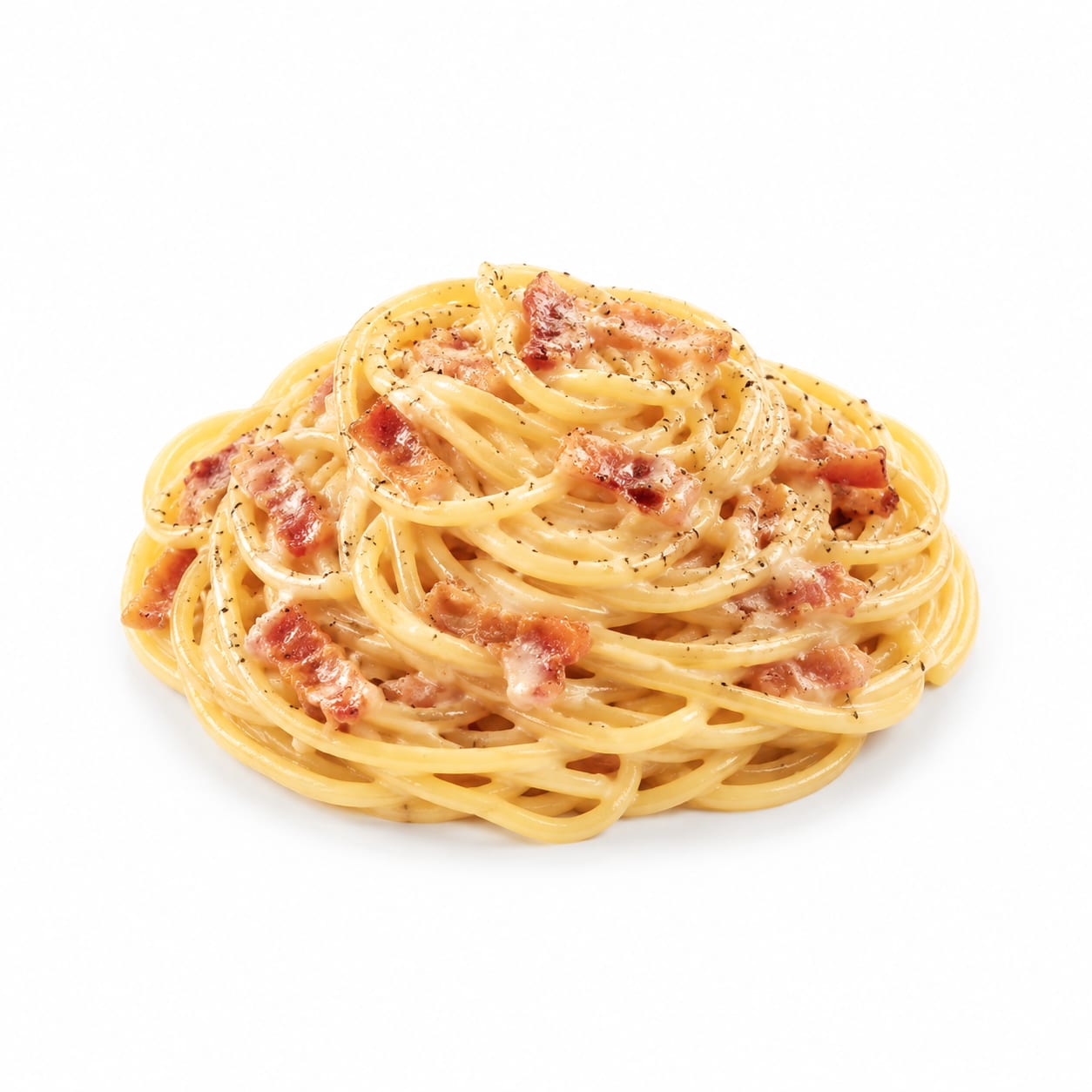
Spaghetti Carbonara
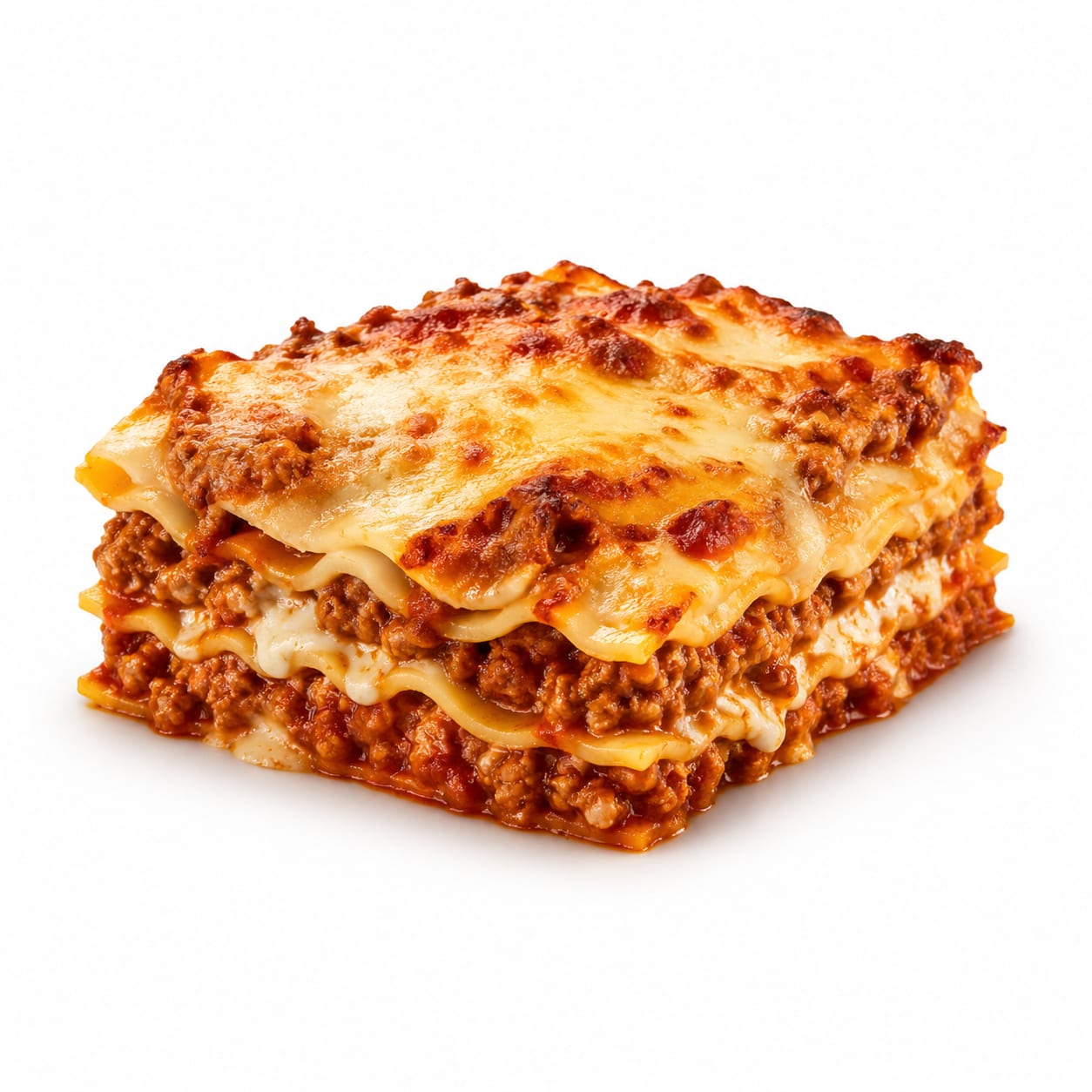
Lasagna
Spaghetti Carbonara is lighter and simpler, while Lasagna is denser and more filling — your pick depends on whether you value portion control or satisfying heft.
Spaghetti Carbonara edges ahead slightly due to simpler ingredients and easier portion management, but both are indulgent dishes that should be enjoyed mindfully rather than treated as staples.
Carbonara offers easier portion awareness and fewer ingredients, but Lasagna delivers more sustained fullness and vegetable potential through its ragù.
At a glance
Executive summary
Overall
It depends
Healthier
It depends
More practical
Spaghetti Carbonara
Daily use
Spaghetti Carbonara
Key comparison lenses
comfort food meal selection
Both are rich Italian pasta dishes often chosen for indulgent meals
calorie and portion control awareness
Both are calorie-dense but differ significantly in how easily portions escalate
satiety and fullness comparison
Lasagna's layered density versus Carbonara's creamy richness affects how full you feel
sodium and heart health tradeoffs
Cured pork in Carbonara and multiple cheese layers in Lasagna both deliver high sodium
blood sugar impact
Refined carbs dominate both dishes but fat and protein ratios differ enough to matter
Best choice for
Spaghetti Carbonara
- Quick weeknight indulgence without heavy aftermath
- Portion-conscious eaters who want richness without density
- Those avoiding tomato-based sauces due to reflux
Lasagna
- Active individuals needing sustained energy for hours
- Those who want leftovers that reheat well for meal prep
- Families wanting a make-ahead dish that feeds a crowd
Least suitable for
Spaghetti Carbonara
- People watching sodium closely due to cured pork and cheese
- Anyone needing long-lasting fullness from a single meal
- Those sensitive to rich, fatty foods triggering indigestion
Lasagna
- Portion control strugglers — it is very easy to overeat
- People limiting calorie density or trying to lose weight
- Those with acid reflux aggravated by tomato sauce
Deep comparison
Dimension by dimension
Each lens scores both foods and breaks down who each option suits.
- Dimension 1 · Priority 92Spaghetti Carbonara
Calorie Density and Portion Control
Spaghetti Carbonara · 58Lasagna · 38Carbonara is rich but visually straightforward — you see the pasta on your plate. Lasagna's layered density hides how much you are actually eating.
Tradeoff
Carbonara's simplicity makes it easier to stop at one plate, while Lasagna's comforting layers encourage second helpings without realizing it.
Why it matters
Portion awareness is the single biggest factor in whether a rich meal stays reasonable or becomes a calorie bomb.
Real-world impact
A reasonable Carbonara plate might land around 600-700 calories. A generous Lasagna portion can easily exceed 900-1000 calories before you feel full.
Spaghetti Carbonara
- Mindful eaters who track portions visually
- Those who want richness without the food coma
Better for
- People who keep eating until physically stuffed
Worse for
Lasagna
- Active people who genuinely need the extra calories
- Anyone trying to gain weight healthfully
Better for
- Anyone prone to overeating comforting foods
- Those trying to maintain a calorie deficit
Worse for
- Dimension 2 · Priority 88Lasagna
Satiety and Sustained Fullness
Spaghetti Carbonara · 55Lasagna · 72Lasagna keeps you full longer thanks to its dense layering of protein, fat, and carbs in a compact form.
Tradeoff
That sustained fullness comes with a heavier digestive load and a higher chance of feeling sluggish afterward.
Why it matters
If you need one meal to carry you through a long afternoon, Lasagna wins. If you hate feeling weighed down, Carbonara is the lighter ride.
Real-world impact
After Carbonara, you might feel hungry again in 3-4 hours. After Lasagna, you may not want to eat for 5-6 hours — but you might also want a nap.
Spaghetti Carbonara
- Those who prefer lighter meals even if they eat again sooner
- People who dislike the heavy, stuffed feeling
Better for
- Anyone who needs one meal to last all afternoon
Worse for
Lasagna
- Workers who cannot snack between meals
- Athletes recovering from intense training sessions
Better for
- People with sedentary jobs who will not burn the excess energy
Worse for
- Dimension 3 · Priority 82It depends
Sodium Load
Spaghetti Carbonara · 42Lasagna · 45Both dishes are sodium bombs, but from different sources — guanciale or pancetta in Carbonara versus layered cheeses and ragù in Lasagna.
Tradeoff
Carbonara's sodium is concentrated in the cured pork, while Lasagna spreads it across multiple ingredients, making it harder to reduce.
Why it matters
If you have blood pressure concerns, neither dish is your friend, but the source of sodium affects whether you can realistically modify it.
Real-world impact
A single serving of either can deliver 800-1500mg of sodium — half or more of your daily limit. Carbonara can be tweaked by using less cured pork; Lasagna's sodium is baked into every layer.
Spaghetti Carbonara
- Home cooks willing to reduce the guanciale portion
- Those who can control sodium by adjusting the cheese amount
Better for
- People who eat restaurant versions loaded with salty pork
Worse for
Lasagna
- No one — Lasagna is arguably harder to de-salt
Better for
- Anyone with hypertension eating restaurant or frozen Lasagna
Worse for
- Dimension 4 · Priority 78Lasagna
Nutritional Balance and Variety
Spaghetti Carbonara · 40Lasagna · 58Lasagna's ragù often contains onions, carrots, celery, and tomatoes, bringing micronutrients that Carbonara simply lacks.
Tradeoff
Those vegetables are often cooked down significantly, so the nutritional gain is real but modest — not a salad hiding in your pasta.
Why it matters
If you eat Italian comfort food regularly, the small nutritional edge from ragù vegetables adds up over time.
Real-world impact
Carbonara is essentially pasta, eggs, cured pork, and cheese — delicious but narrow. Lasagna at least sneaks in some lycopene from tomatoes and fiber from the soffritto base.
Spaghetti Carbonara
- Minimalists who prefer fewer ingredients and simpler digestion
Better for
- Anyone relying on this meal for micronutrient diversity
Worse for
Lasagna
- Those who value any vegetable content, however small
- People eating one indulgent meal and wanting slight nutritional redemption
Better for
- People who assume the vegetables make Lasagna a balanced meal
Worse for
- Dimension 5 · Priority 75Spaghetti Carbonara
Blood Sugar Stability
Spaghetti Carbonara · 55Lasagna · 48Carbonara's higher fat-to-carb ratio from egg yolks and pork fat slows glucose absorption slightly more than Lasagna's carb-heavy layers.
Tradeoff
Neither dish is a friend to steady blood sugar — both are refined carb platforms with fat on top. The difference is marginal.
Why it matters
For people with insulin resistance or diabetes, the slightly better fat ratio in Carbonara might mean a less dramatic spike, but both require caution.
Real-world impact
Carbonara might give you a slightly gentler blood sugar curve. Lasagna's tomato sauce adds some acid that can help too, but the sheer carb volume usually wins out.
Spaghetti Carbonara
- Pre-diabetics choosing the lesser of two indulgences
- Those who pair pasta with a side salad to blunt the spike
Better for
- Anyone eating a massive plate — fat will not save you from a huge portion
Worse for
Lasagna
- No clear advantage for blood sugar management
Better for
- Diabetics who cannot afford the larger carb load
Worse for
- Dimension 6 · Priority 70Spaghetti Carbonara
Practicality and Convenience
Spaghetti Carbonara · 72Lasagna · 50Carbonara comes together in 20 minutes with one pan. Lasagna is a project — layering, baking, and resting take over an hour.
Tradeoff
Lasagna's effort pays off in leftovers and scale — it feeds a group and reheats beautifully. Carbonara must be eaten immediately.
Why it matters
Your real life includes time constraints. The dish you can actually cook on a Tuesday matters more than the one that is theoretically better.
Real-world impact
Carbonara is a realistic weeknight meal. Lasagna is a weekend project or a make-ahead strategy. This practical gap affects how often you will actually make each one.
Spaghetti Carbonara
- Busy professionals cooking after work
- Anyone wanting a quick indulgent meal without planning ahead
Better for
- Those who want leftovers for tomorrow's lunch
Worse for
Lasagna
- Meal preppers who cook once and eat for days
- Hosts serving a crowd with minimal last-minute effort
Better for
- Anyone who needs dinner on the table in 30 minutes
Worse for
- Dimension 7 · Priority 68Spaghetti Carbonara
Digestive Comfort
Spaghetti Carbonara · 60Lasagna · 45Carbonara is rich but straightforward to digest. Lasagna's dense layering of multiple heavy ingredients can feel like a brick in your stomach.
Tradeoff
If you have a sensitive stomach, Carbonara's simplicity is easier to handle, though the high fat can still trigger issues for some.
Why it matters
Post-meal comfort affects your productivity, mood, and sleep quality — especially if you eat these dishes at dinner.
Real-world impact
After Carbonara, you might feel pleasantly full. After Lasagna, you might need to unbutton your pants and lie down. The density difference is that real.
Spaghetti Carbonara
- People with sensitive digestion who still want indulgence
- Those who hate the bloated feeling after heavy meals
Better for
- Anyone with gallbladder issues triggered by high fat
Worse for
Lasagna
- People with iron stomachs who enjoy the stuffed feeling
Better for
- People prone to acid reflux — tomato sauce plus density is a double trigger
- Anyone with IBS sensitive to heavy, mixed meals
Worse for
Timeline
Health impact over time
Short-term
Hours to days
Spaghetti Carbonara
- Quick satisfaction from fat and salt hitting reward centers
- Moderate energy boost followed by a gentle crash within 2-3 hours
- Possible slight sluggishness from high fat content if portion is large
Lasagna
- Heavy fullness that can shift into drowsiness within an hour
- Longer-lasting satiety but with more digestive effort
- Higher likelihood of post-meal fatigue due to larger calorie and carb load
Long-term
Months to years
Spaghetti Carbonara
- Frequent consumption raises cardiovascular risk from saturated fat and sodium
- Easier to maintain reasonable portions long-term, which matters more than any single ingredient
- Simple ingredient list makes it easier to modify healthfully over time
Lasagna
- Regular consumption contributes to weight gain risk due to calorie density and overeating potential
- Tomato content provides small but real lycopene benefits for heart health over years
- Harder to modify healthfully without fundamentally changing the dish
Risk profile
Safety & processing
Both dishes use whole-food ingredients when made traditionally. The main processing concern is the cured pork in Carbonara and potential preservatives in store-bought ragù or pre-shredded cheese for Lasagna. Homemade versions of both are relatively clean.
Spaghetti Carbonara
Undercooked egg contamination
mediumTraditional Carbonara relies on raw egg yolks tempered by hot pasta. If the pasta is not hot enough, Salmonella risk remains. Use pasteurized eggs if concerned.
Cured pork nitrites
lowGuanciale and pancetta contain nitrites from curing. The risk is low in occasional consumption but worth noting for frequent eaters.
Lasagna
Inadequate reheating of leftovers
mediumLasagna is often made in large batches and reheated. Dense layers can heat unevenly, leaving cold spots where bacteria survive. Reheat to 165°F throughout.
Ground meat contamination in ragù
mediumGround beef or pork in ragù must be cooked thoroughly. Improperly cooked ground meat carries higher foodborne illness risk than whole cuts.
Who wins for whom
Audience fit
Same foods, different winners depending on your goal.
children
LasagnaKids tend to love the cheesy, tomato-y layers of Lasagna, and it is easier to hide vegetables in the sauce. Carbonara's cured pork flavor can be polarizing for young palates.
daily consumption
It dependsNeither should be eaten daily. If forced to choose, Carbonara's simpler ingredient list and easier portioning make it slightly more manageable as an occasional staple, but both are indulgent treats.
diabetes
Spaghetti CarbonaraSlightly better fat-to-carb ratio slows glucose absorption marginally, but both require careful portioning and pairing with fiber.
elderly
Spaghetti CarbonaraLighter on the stomach and easier to digest in smaller portions. Lasagna's density can be uncomfortable for smaller appetites and slower digestion.
muscle gain
LasagnaHigher total protein from layered meat and cheese, plus more calories, supports muscle building when you are in a surplus.
weight loss
Spaghetti CarbonaraEasier portion control and lower calorie density per serving make Carbonara the safer choice when calories matter, though neither is ideal for weight loss.
Your move
Decision guide
Choose Spaghetti Carbonara
- You want a rich meal without the heavy, stuffed aftermath
- You are cooking on a weeknight with limited time
- You prefer simpler flavors and fewer ingredients
- Portion control is important to you
- You are sensitive to tomato-based sauces
Choose Lasagna
- You need a meal that carries you for hours without snacking
- You are cooking for a group or meal prepping for the week
- You love the comfort of layered, cheesy, tomato-rich food
- You are very active and need the extra calories
- You want leftovers that taste even better the next day
Either works if
- You are celebrating and want genuine Italian comfort food
- You plan to pair it with a large salad to balance the meal
- You are eating mindfully and will stop at one reasonable portion
Avoid both if
- You are strictly limiting sodium for blood pressure management
- You are following a low-carb or ketogenic eating pattern
- You have active gallbladder issues triggered by high-fat meals
- You need a light meal before physical activity or an important meeting
Final recommendation
Let the occasion decide. Spaghetti Carbonara is your weeknight indulgence — quick, satisfying, and easier to keep reasonable. Lasagna is your weekend investment — more effort, more calories, but unmatched in comfort and leftovers. Neither is a health food, but both can fit in a balanced life when you eat them intentionally rather than habitually.
Practical
Consumer tips
- 1
Make Carbonara with less guanciale and more black pepper to cut sodium while keeping the flavor punch
- 2
Add a large arugula side salad with lemon dressing to either dish — the bitterness and acid balance the richness perfectly
- 3
Use whole-wheat pasta for either dish to add fiber and slow the blood sugar spike meaningfully
- 4
For Lasagna, substitute part-skim ricotta and reduce the mozzarella layers to cut calories without losing the experience
- 5
Always use pasteurized eggs for Carbonara if you are serving elderly, pregnant, or immunocompromised guests
- 6
Reheat Lasagna covered with foil at 350°F until the center hits 165°F — microwaving creates uneven hot spots
- 7
If you make Carbonara, toss the pasta off heat and add the egg mixture gradually to avoid scrambling the eggs into an omelet
- 8
Freeze individual Lasagna portions for future meals — it freezes far better than Carbonara, which should always be eaten fresh