
Nutrition comparison
Spaghetti Carbonara vs Marinara Pasta: Nutrition & Health Comparison
Comparing Spaghetti Carbonara and Marinara Pasta? Discover which pasta is better for weight loss, heart health, and daily eating, and learn the nutritional tradeoffs.
Overall winner · Marinara Pasta
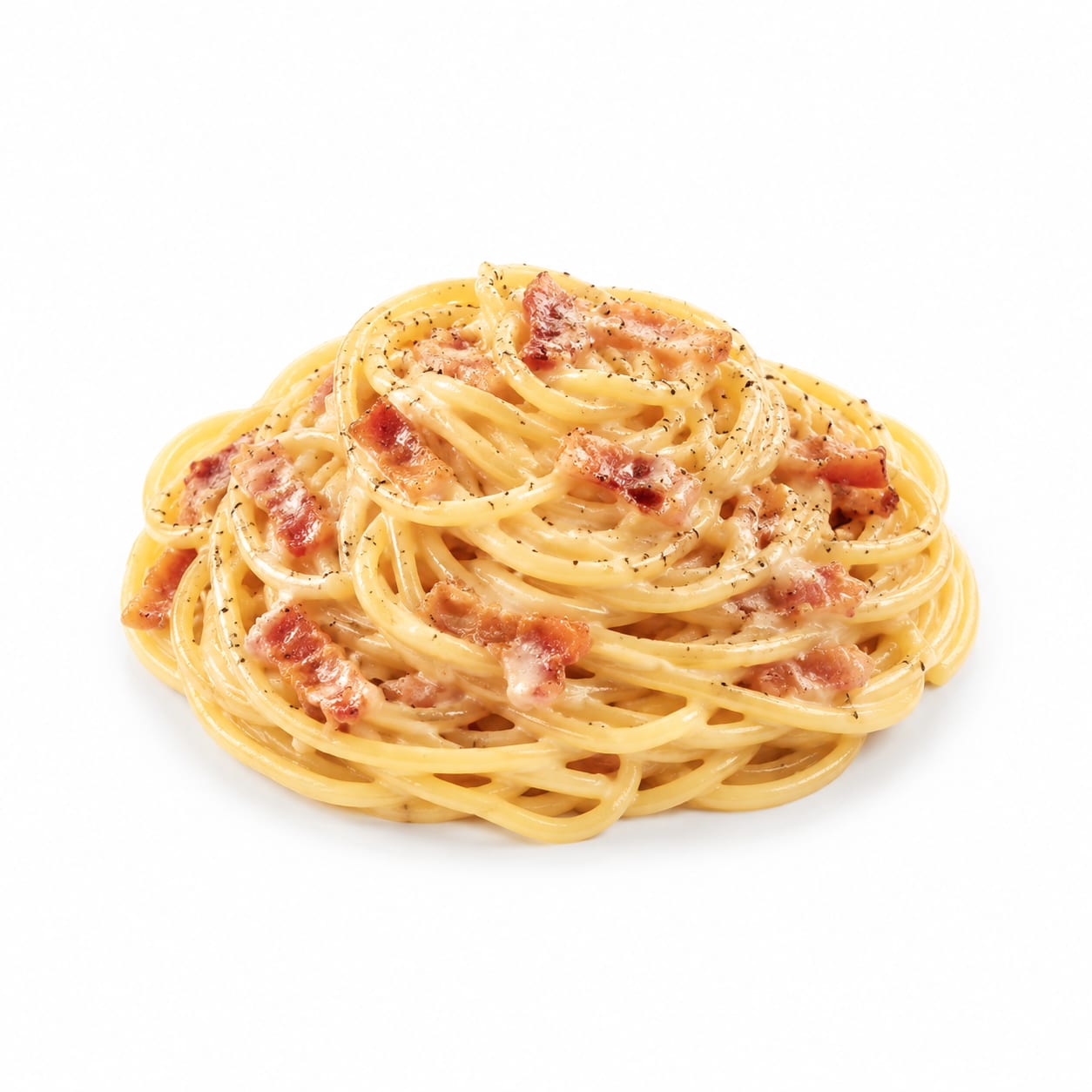
Spaghetti Carbonara
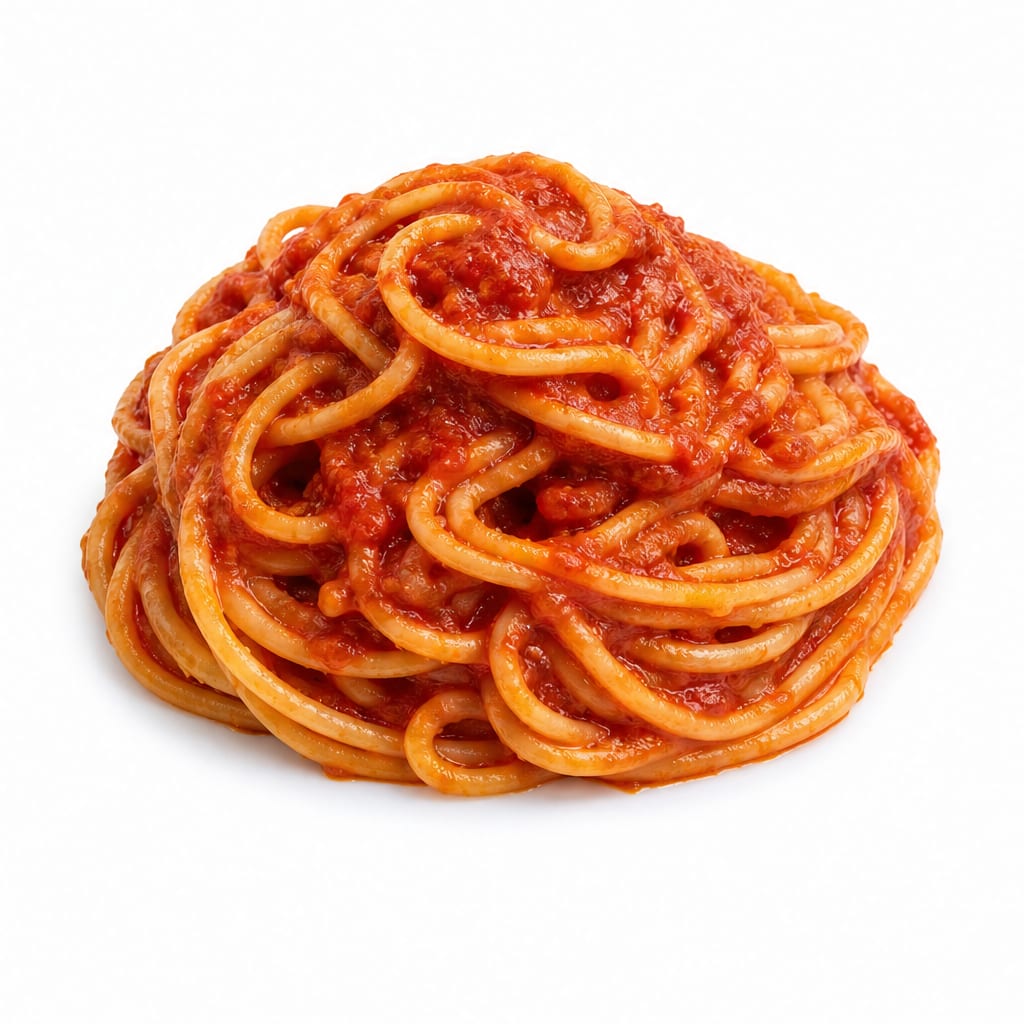
Marinara Pasta
Marinara Pasta is the lighter, heart-friendlier everyday choice, while Spaghetti Carbonara delivers a protein-rich, satisfying punch at the cost of higher saturated fat and calories.
Marinara Pasta scores higher due to its favorable heart-health profile, lower calorie density, and suitability for daily consumption. Spaghetti Carbonara scores lower mainly because of its high saturated fat, sodium load, and heavy calorie burden, though it earns points for protein and satiety.
Rich protein and lasting fullness versus cardiovascular lightness and lower calories.
At a glance
Executive summary
Overall
Marinara Pasta
Healthier
Marinara Pasta
More practical
Marinara Pasta
Daily use
Marinara Pasta
Key comparison lenses
Weight management and calorie density
Spaghetti Carbonara is significantly more calorie-dense due to eggs, cheese, and cured pork, while Marinara Pasta is a lighter tomato-based option.
Heart health and sodium intake
Carbonara contains high saturated fat and sodium from pork and cheese, raising cardiovascular concerns compared to the plant-based Marinara.
Satiety and protein needs
Carbonara offers substantial protein from eggs and meat, keeping you full longer, whereas Marinara lacks protein unless added separately.
Everyday versus occasional eating
Marinara is sustainable as a daily meal, while Carbonara is typically a rich indulgence best enjoyed moderately.
Best choice for
Spaghetti Carbonara
- Post-workout recovery meals needing extra protein
- High-calorie bulking phases
- Cold weather comfort food cravings
Marinara Pasta
- Heart-healthy everyday dinners
- Weight loss or calorie-controlled diets
- Light summer meals that won't weigh you down
Least suitable for
Spaghetti Carbonara
- Daily consumption routines
- Low-sodium or low-cholesterol diets
- Those prone to acid reflux from rich foods
Marinara Pasta
- High-protein diets without added modifications
- Those needing long-lasting satiety from a single dish
- Very low-acid diets
Deep comparison
Dimension by dimension
Each lens scores both foods and breaks down who each option suits.
- Dimension 1 · Priority 92Marinara Pasta
Calorie Density and Weight Management
Spaghetti Carbonara · 35Marinara Pasta · 80Marinara Pasta is far easier on your daily calorie budget, while Spaghetti Carbonara packs dense calories into a single serving.
Tradeoff
You trade calorie savings for lasting fullness; Marinara leaves you lighter, but potentially hungrier sooner.
Why it matters
Consistently choosing lower calorie-density meals makes weight management almost effortless without strict portion control.
Real-world impact
A plate of Spaghetti Carbonara can easily exceed 600-800 calories, making you feel sluggish, whereas Marinara Pasta sits around 400-500 calories, leaving room for a side salad or dessert.
Spaghetti Carbonara
- Active individuals burning high calories
- Those struggling to get enough calories daily
Better for
- Sedentary evenings where heavy meals disrupt sleep
- Consistent weekly meal prep for fat loss
Worse for
Marinara Pasta
- Anyone tracking calories for weight loss
- Those who prefer larger portion sizes for the same calorie cost
Better for
- Intense training days requiring massive calorie intake
Worse for
- Dimension 2 · Priority 88Marinara Pasta
Heart Health and Sodium
Spaghetti Carbonara · 30Marinara Pasta · 85Marinara Pasta is heart-friendly with antioxidants and healthy fats, while Spaghetti Carbonara loads up on saturated fat and sodium from cured pork and cheese.
Tradeoff
Flavorful richness and traditional comfort versus long-term cardiovascular ease.
Why it matters
Frequent high sodium and saturated fat intake directly impact blood pressure and cholesterol over time.
Real-world impact
Eating Spaghetti Carbonara regularly can easily push you past daily sodium limits, leaving you bloated and raising long-term heart risks. Marinara feels much lighter and won't spike your blood pressure.
Spaghetti Carbonara
- Those with healthy blood pressure eating it occasionally
Better for
- People with hypertension
- Anyone managing high cholesterol
Worse for
Marinara Pasta
- Anyone monitoring cholesterol or blood pressure
- Older adults prioritizing cardiovascular health
Better for
- Those needing high sodium intake after heavy sweating (rare)
Worse for
- Dimension 3 · Priority 85Spaghetti Carbonara
Satiety and Protein Content
Spaghetti Carbonara · 88Marinara Pasta · 40Spaghetti Carbonara provides a strong protein hit from eggs, cheese, and meat, keeping hunger at bay for hours. Marinara Pasta lacks protein entirely unless supplemented.
Tradeoff
Hours of sustained fullness versus a lighter meal that requires protein pairing to stay satisfying.
Why it matters
Meals lacking protein often lead to snacking later, undermining weight management efforts.
Real-world impact
After a bowl of Spaghetti Carbonara, you are unlikely to crave a snack before bed. After Marinara Pasta alone, you might find yourself hunting for cheese or nuts an hour later.
Spaghetti Carbonara
- Busy days with no time for snacks
- Muscle recovery after strength training
Better for
- Times when you want a light, energized feeling
Worse for
Marinara Pasta
- Light lunches before a sedentary afternoon
- Appetizers before a multi-course meal
Better for
- Main meals where it is your only protein source
Worse for
- Dimension 4 · Priority 75Spaghetti Carbonara
Blood Sugar Stability
Spaghetti Carbonara · 70Marinara Pasta · 55The high fat and protein in Spaghetti Carbonara slow down carb absorption, leading to steadier blood sugar. Marinara Pasta's carbs digest faster, risking a quicker energy crash.
Tradeoff
Steadier blood sugar from high fat versus avoiding the heavy lethargy that follows a rich meal.
Why it matters
Avoiding blood sugar spikes and crashes prevents that afternoon fatigue and sudden cravings.
Real-world impact
Spaghetti Carbonara prevents the quick carb rush and drop you might get from Marinara Pasta, but the heavy fat content can make you feel sleepy instead of energized.
Spaghetti Carbonara
- Those prone to carb-induced energy crashes
- Diabetics managing glycemic spikes (in controlled portions)
Better for
- Anyone feeling overly sluggish after heavy meals
Worse for
Marinara Pasta
- Pre-workout meals needing quick energy
Better for
- Late-night dinners that might spike blood sugar before sleep
Worse for
- Dimension 5 · Priority 70Marinara Pasta
Micronutrients and Antioxidants
Spaghetti Carbonara · 45Marinara Pasta · 82Marinara Pasta is rich in lycopene and vitamin C from tomatoes, while Spaghetti Carbonara offers B-vitamins and selenium but lacks antioxidant diversity.
Tradeoff
Cell-protecting antioxidants versus concentrated B-vitamins from animal products.
Why it matters
Lycopene supports heart and prostate health, while B-vitamins aid energy metabolism.
Real-world impact
Regularly choosing Marinara Pasta gives your cells a daily dose of protective antioxidants, making you feel more vibrant long-term. Spaghetti Carbonara supports energy but misses the plant-based defense system.
Spaghetti Carbonara
- Those needing B12 and selenium from animal sources
Better for
- Diets already heavy in animal products and light on vegetables
Worse for
Marinara Pasta
- Anyone wanting to boost antioxidant intake easily
- Men looking for prostate-protective lycopene
Better for
- Those with tomato allergies or nightshade sensitivities
Worse for
Timeline
Health impact over time
Short-term
Hours to days
Spaghetti Carbonara
- Heavy fullness that can cause lethargy or a food coma
- Potential for bloating due to high fat and dairy content
- Sustained energy without a quick sugar crash
Marinara Pasta
- Lighter, more energized feeling immediately after eating
- Possible hunger returning within 2-3 hours if eaten alone
- Quick but short-lasting energy from carbohydrates
Long-term
Months to years
Spaghetti Carbonara
- Increased risk of elevated LDL cholesterol if consumed frequently
- Higher likelihood of weight gain due to calorie density
- Potential blood pressure increases from sodium in cured pork
Marinara Pasta
- Improved cardiovascular markers from lycopene and low saturated fat
- Easier weight maintenance due to lower calorie density
- Need for conscious protein pairing to maintain muscle mass
Risk profile
Safety & processing
Spaghetti Carbonara relies on cured pork like guanciale or pancetta, which contains nitrates and high sodium. Marinara Pasta uses whole, natural ingredients like tomatoes, garlic, and olive oil, making it closer to a whole-food meal.
Spaghetti Carbonara
Nitrates/Nitrites in cured meat
mediumTraditional guanciale or pancetta contains nitrates, which can form nitrosamines linked to increased cancer risk when cooked at high heat.
Raw egg contamination
lowAuthentic Carbonara uses raw egg yolks mixed with hot pasta. While the heat partially cooks the eggs, improper handling or insufficient heat poses a slight Salmonella risk.
Marinara Pasta
BPA from canned tomatoes
lowIf using canned marinara sauce, there is a minor risk of BPA leaching from the can lining, though many brands now use BPA-free cans.
Who wins for whom
Audience fit
Same foods, different winners depending on your goal.
children
Marinara PastaMarinara Pasta is lighter, easier to digest, and introduces kids to vegetable-based sauces without the heavy sodium load of cured meats.
daily consumption
Marinara PastaMarinara Pasta is sustainable as an everyday meal. Spaghetti Carbonara is too rich, salty, and calorie-dense for frequent consumption without health tradeoffs.
diabetes
It dependsSpaghetti Carbonara's fat and protein slow carb absorption, preventing spikes, but its high saturated fat is concerning for diabetic heart health. Marinara Pasta is heart-healthy but may cause quicker blood sugar rises unless fiber is added.
elderly
Marinara PastaOlder adults need heart-protective, low-sodium foods. Marinara Pasta supports cardiovascular health, while Spaghetti Carbonara poses risks for blood pressure and cholesterol.
muscle gain
Spaghetti CarbonaraSpaghetti Carbonara provides a solid protein foundation from eggs, cheese, and meat, which is essential for muscle repair and growth.
weight loss
Marinara PastaMarinara Pasta has significantly fewer calories and less fat, making it much easier to fit into a calorie deficit.
Your move
Decision guide
Choose Spaghetti Carbonara
- You had an intense workout and need protein and calories for recovery
- It is a cold evening and you want a deeply satisfying, comforting meal
- You are eating out and want to treat yourself to something rich
Choose Marinara Pasta
- You want a nourishing everyday dinner that will not weigh you down
- You are watching your cholesterol, blood pressure, or waistline
- You need a versatile base that you can easily add lean protein or veggies to
Either works if
- You are simply craving pasta and want to decide based on your day's activity level
- You plan to pair the meal with a large side salad to balance the plate
Avoid both if
- You are strictly avoiding refined carbohydrates or gluten and cannot use alternative pasta
- You are on a very low-carb or ketogenic diet
Final recommendation
Make Marinara Pasta your weekday staple for a light, heart-healthy, and sustainable meal. Save Spaghetti Carbonara for a rewarding weekend dinner when you can truly enjoy its rich, comforting qualities without the guilt of daily indulgence. If you love Marinara but need more staying power, simply toss in some grilled chicken or white beans for protein.
Practical
Consumer tips
- 1
Lighten up Spaghetti Carbonara by using turkey bacon or prosciutto instead of pancetta, and go easy on the cheese.
- 2
Boost Marinara Pasta's satiety by adding a scoop of protein, fiber-rich white beans, or a side of steamed vegetables.
- 3
If making Carbonara, use high-quality, nitrate-free cured pork to reduce processed meat risks.
- 4
Choose whole wheat or lentil pasta for either dish to add fiber and stabilize blood sugar.
- 5
If using jarred Marinara sauce, check the label for added sugars and opt for low-sodium versions.