
Nutrition comparison
Spaghetti Carbonara vs Pesto Pasta: Which Is Healthier?
Compare Spaghetti Carbonara and Pesto Pasta on protein, fat quality, sodium, and heart health. Find out which pasta dish is better for your goals.
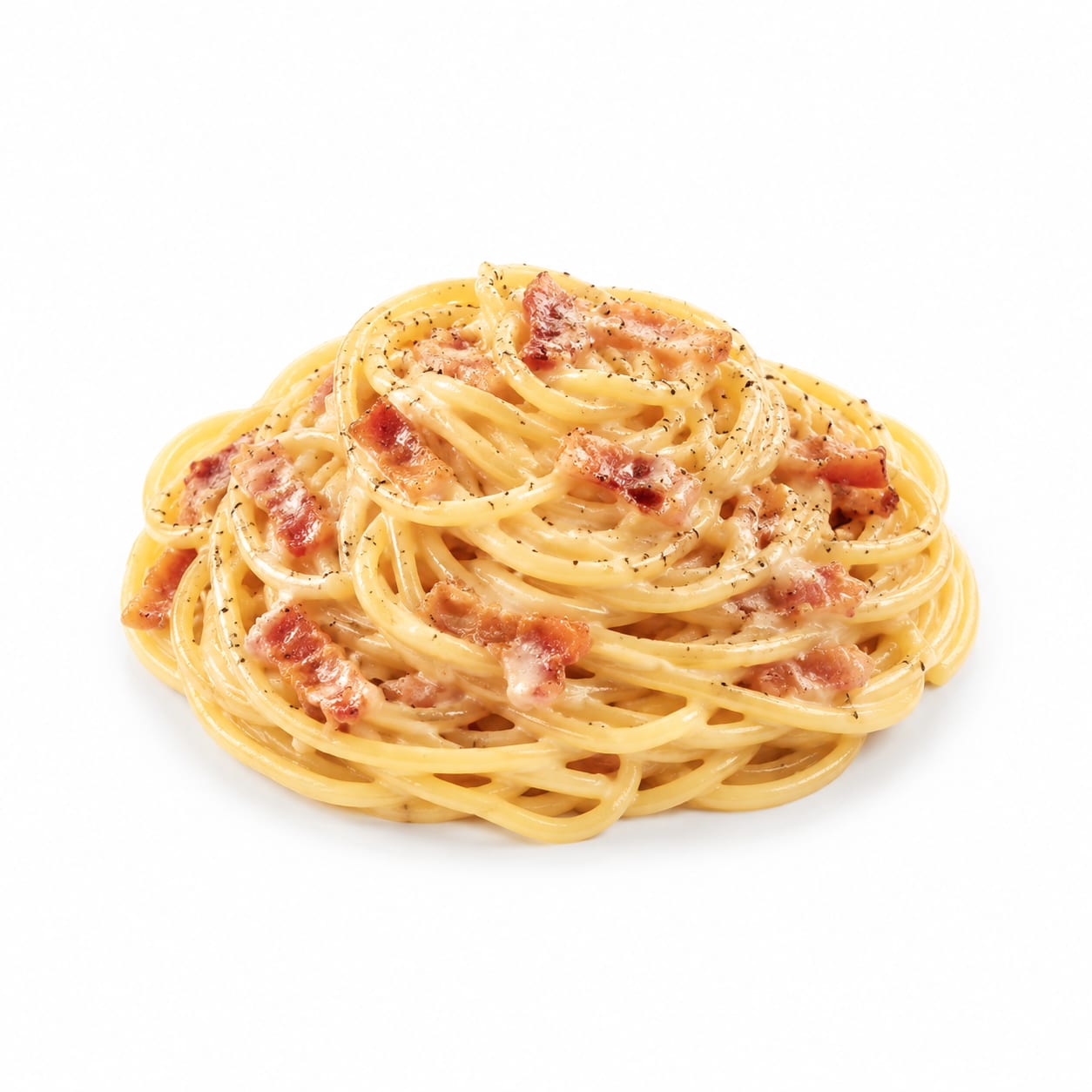
Spaghetti Carbonara
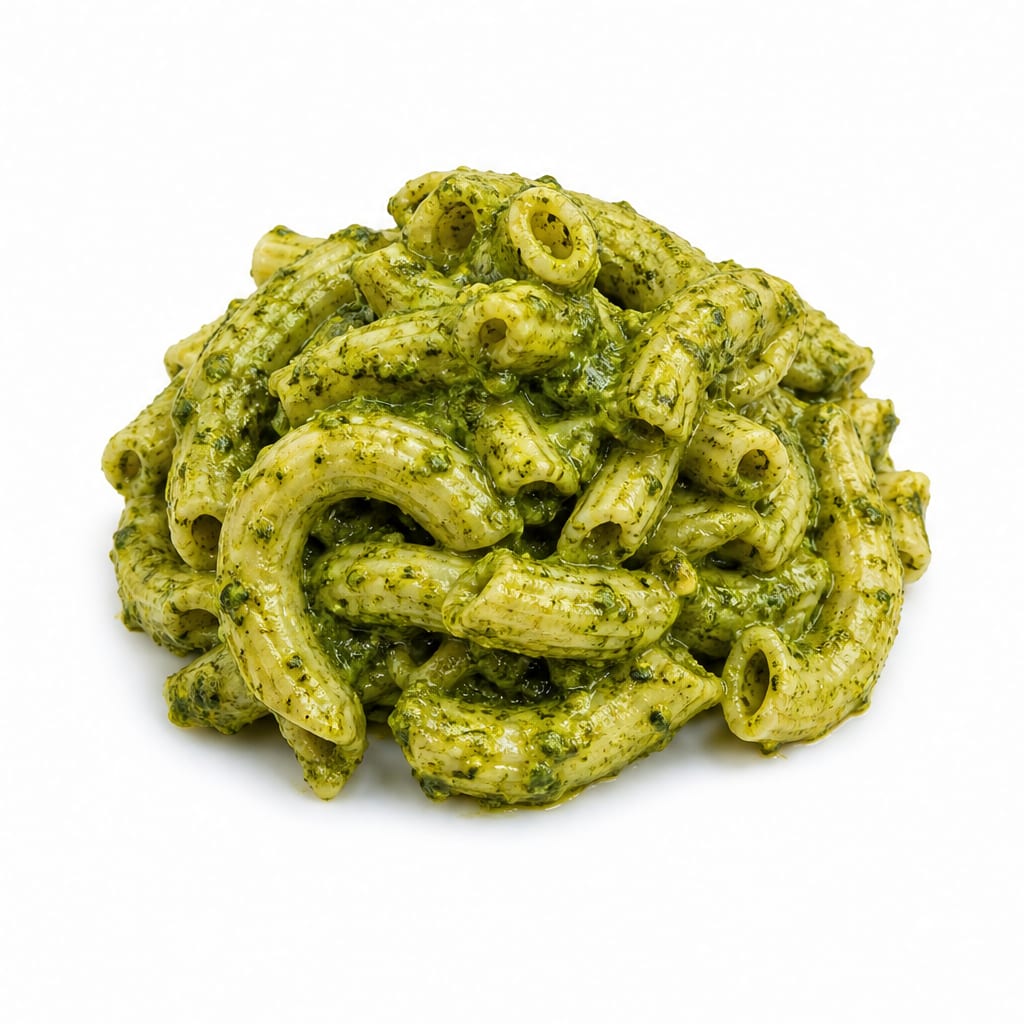
Pesto Pasta
Carbonara wins on protein and satisfaction; Pesto Pasta wins on heart health and lighter eating. Your priority determines the winner.
Pesto Pasta scores notably higher due to superior fat quality, lower sodium, and plant nutrients. Carbonara earns points for protein and satiety but loses ground on heart health and daily sustainability.
Hearty filling protein-rich comfort vs lighter heart-friendly plant fats with antioxidants
At a glance
Executive summary
Overall
It depends
Healthier
Pesto Pasta
More practical
Pesto Pasta
Daily use
Pesto Pasta
Key comparison lenses
Fat quality comparison: animal saturated fat vs plant-based unsaturated fat
Carbonara relies on pork fat and egg yolks while pesto uses olive oil and pine nuts, creating a stark contrast in fat profile health impacts
Protein and satiety differences
Carbonara delivers substantially more protein from eggs and cured pork, making it far more filling per serving
Sodium load and heart health implications
Cured pork and aged cheese in Carbonara create a sodium bomb compared to the relatively lower-sodium pesto
Calorie density and weight management
Both are calorie-dense pasta dishes, but Carbonara tends to pack more calories per bite due to pork fat and egg richness
Nutrient diversity and plant compounds
Pesto brings basil antioxidants, garlic compounds, and olive oil polyphenols that Carbonara completely lacks
Best choice for
Spaghetti Carbonara
- Post-workout recovery meals needing high protein
- Active individuals needing sustained calories
- Those who find lighter meals unsatisfying
- Bulking or muscle-building phases
- Cold weather comfort eating
Pesto Pasta
- Regular weeknight dinners
- Heart-health conscious eaters
- Those wanting lighter but flavorful meals
- Mediterranean diet followers
- Anyone watching sodium intake
Least suitable for
Spaghetti Carbonara
- Daily consumption due to high sodium and saturated fat
- Hypertension or heart disease management
- Anyone on a low-cholesterol diet
- Hot summer meals where heavy food feels oppressive
Pesto Pasta
- High-protein diet requirements
- Those needing maximum satiety from fewer calories
- Severe nut allergies (pine nuts)
Deep comparison
Dimension by dimension
Each lens scores both foods and breaks down who each option suits.
- Dimension 1 · Priority 95Pesto Pasta
Fat Quality and Heart Health
Spaghetti Carbonara · 30Pesto Pasta · 78Pesto Pasta delivers heart-friendly monounsaturated fats from olive oil and pine nuts. Carbonara loads saturated fat from pork and egg yolks.
Tradeoff
You trade rich creamy satisfaction for cardiovascular protection
Why it matters
Saturated fat from cured pork and egg yolks raises LDL cholesterol over time. Olive oil and pine nuts actively support heart health.
Real-world impact
Regular Carbonara consumption could nudge cholesterol numbers upward within months. Pesto Pasta is far gentler on your arteries long-term.
Spaghetti Carbonara
- Keto or low-carb eaters who prioritize fat satiety
Better for
- People managing high cholesterol
- Anyone with hypertension risk
Worse for
Pesto Pasta
- Anyone with family history of heart disease
- Mediterranean diet followers
- Long-term daily eaters
Better for
- Those who find plant-fat meals less satisfying and overeat later
Worse for
- Dimension 2 · Priority 88Spaghetti Carbonara
Protein Content and Satiety
Spaghetti Carbonara · 82Pesto Pasta · 38Carbonara delivers roughly 25-30g protein per serving from eggs and pork. Pesto Pasta typically provides only 10-15g.
Tradeoff
You gain lasting fullness with Carbonara but carry the saturated fat cost
Why it matters
Higher protein means steadier blood sugar, fewer cravings later, and better muscle maintenance.
Real-world impact
After Carbonara you likely feel full for 4-5 hours. After Pesto Pasta you may be hunting for a snack within 2-3 hours.
Spaghetti Carbonara
- Athletes needing recovery protein
- Anyone trying to eat less frequently
- People who skip meals and need one to last
Better for
- Those wanting a light meal before physical activity
Worse for
Pesto Pasta
- Those who prefer smaller more frequent meals
- Lighter lunch eaters who need to stay alert
Better for
- Anyone prone to afternoon energy crashes from insufficient protein
Worse for
- Dimension 3 · Priority 85Pesto Pasta
Sodium Load
Spaghetti Carbonara · 25Pesto Pasta · 65Carbonara can deliver 1000-1500mg sodium from guanciale and Pecorino. Pesto Pasta typically lands around 400-600mg.
Tradeoff
That intensely savory Carbonara flavor comes with a heavy sodium price
Why it matters
High sodium intake directly raises blood pressure and strains cardiovascular health over time.
Real-world impact
One Carbonara serving can deliver half your daily sodium allowance. Pesto Pasta leaves room for other meals without worry.
Spaghetti Carbonara
- Extremely active individuals who sweat heavily and need sodium
Better for
- Those already eating high-sodium diets
- People with kidney concerns
Worse for
Pesto Pasta
- Anyone monitoring blood pressure
- Older adults more sensitive to sodium
- People who eat processed foods elsewhere in the day
Better for
- Endurance athletes who actually need more sodium
Worse for
- Dimension 4 · Priority 75Pesto Pasta
Nutrient Diversity and Plant Compounds
Spaghetti Carbonara · 28Pesto Pasta · 72Pesto brings basil antioxidants, garlic allicin, and olive oil polyphenols. Carbonara offers minimal micronutrient diversity.
Tradeoff
Flavor depth from cured pork vs cellular-level benefits from plant compounds
Why it matters
Basil provides flavonoids and vitamin K. Garlic supports immune function. Olive oil polyphenols reduce inflammation.
Real-world impact
Pesto Pasta quietly supports your immune system and reduces inflammation. Carbonara is essentially empty on the micronutrient front beyond B12 and iron.
Spaghetti Carbonara
- Those specifically needing B12 and bioavailable iron
Better for
- Those relying on this meal for micronutrient intake
Worse for
Pesto Pasta
- Anyone eating limited vegetables overall
- People wanting anti-inflammatory food choices
Better for
- People with basil or garlic allergies
Worse for
- Dimension 5 · Priority 70Pesto Pasta
Digestive Comfort and Lightness
Spaghetti Carbonara · 35Pesto Pasta · 70Pesto Pasta sits lighter in the stomach. Carbonara can feel heavy and sluggish due to high fat and protein density.
Tradeoff
Comforting heaviness vs post-meal energy and lightness
Why it matters
Heavy meals cause post-meal drowsiness and can trigger acid reflux in sensitive individuals.
Real-world impact
After Pesto Pasta you can likely return to work or activity. After Carbonara you may want a nap.
Spaghetti Carbonara
- Evening meals where sleepiness is welcome
- Cold days when heavy food feels comforting
Better for
- Anyone with GERD or reflux tendencies
- Afternoon meals before mental work
Worse for
Pesto Pasta
- Lunch meetings where you need to stay sharp
- Hot days when heavy food sounds awful
- Those prone to acid reflux
Better for
- Those who feel unsatisfied without substantial food weight
Worse for
- Dimension 6 · Priority 72Spaghetti Carbonara
Blood Sugar Stability
Spaghetti Carbonara · 68Pesto Pasta · 55Carbonara's higher protein and fat slow carb absorption more effectively. Pesto Pasta has less protein to buffer the glycemic impact.
Tradeoff
Better blood sugar control but with worse fat quality vs faster absorption with healthier fats
Why it matters
Slower glucose absorption means steadier energy and less insulin demand.
Real-world impact
Carbonara is less likely to cause a blood sugar spike-crash cycle. Pesto Pasta may leave you hungry sooner due to faster digestion.
Spaghetti Carbonara
- Pre-diabetics needing glycemic control
- Those sensitive to carb crashes
Better for
- Those who overeat because the meal is so satisfying
Worse for
Pesto Pasta
- Active individuals who need faster energy availability
Better for
- Diabetics who need stronger protein buffers with carbs
Worse for
Timeline
Health impact over time
Short-term
Hours to days
Spaghetti Carbonara
- Strong satiety lasting 4-5 hours
- Possible post-meal drowsiness from heavy fat and protein load
- Thirst from high sodium content
- Potential heartburn in reflux-prone individuals
Pesto Pasta
- Lighter post-meal feeling with more energy
- Hunger returning within 2-3 hours
- Less digestive discomfort overall
- Possible mild garlic aftertaste
Long-term
Months to years
Spaghetti Carbonara
- Elevated LDL cholesterol if consumed frequently
- Increased cardiovascular risk from regular high saturated fat and sodium intake
- Better muscle maintenance from consistent higher protein intake
- Potential blood pressure elevation from chronic high sodium
Pesto Pasta
- Improved heart health markers from olive oil and plant compounds
- Better inflammatory profile from basil and garlic antioxidants
- Possible insufficient protein if not supplemented elsewhere
- Lower cardiovascular risk profile overall
Risk profile
Safety & processing
Traditional Carbonara uses cured pork which involves nitrates and sodium preservation. Pesto relies on fresh basil, garlic, olive oil, and pine nuts with minimal processing. Store-bought versions of both can contain preservatives, but homemade pesto is notably cleaner than homemade Carbonara due to the inherent curing in guanciale or pancetta.
Spaghetti Carbonara
Raw or undercooked egg contamination
mediumTraditional Carbonara uses raw egg yolks mixed off-heat. Improper temperature control can allow Salmonella growth. Commercial versions often use pasteurized eggs.
Cured meat nitrate exposure
mediumGuanciale and pancetta contain nitrates and nitrites linked to increased colorectal cancer risk with regular consumption.
High sodium food safety for vulnerable populations
lowNot an acute safety risk but a chronic health concern for those with hypertension or kidney disease.
Pesto Pasta
Pine nut mouth syndrome
lowA rare but unpleasant metallic taste lasting days to weeks. Cause is unclear but linked to certain pine nut varieties.
Nut allergy cross-reactivity
mediumPine nuts are tree nuts. Those with nut allergies must avoid pesto or find nut-free alternatives.
Garlic-botulism risk in homemade stored pesto
lowGarlic in oil can harbor Clostridium botulinum if stored improperly. Homemade pesto should be refrigerated and consumed within days.
Who wins for whom
Audience fit
Same foods, different winners depending on your goal.
children
Pesto PastaLower sodium and lighter fat profile make Pesto Pasta more appropriate for developing bodies. The green color can also encourage vegetable acceptance.
daily consumption
Pesto PastaPesto Pasta's plant-based fats, lower sodium, and antioxidant content make it far more sustainable as a regular meal without health compromises.
diabetes
Spaghetti CarbonaraHigher protein and fat content in Carbonara slows glucose absorption, creating a flatter blood sugar curve despite both being pasta-based.
elderly
Pesto PastaHeart health and blood pressure management become critical with age. Pesto Pasta's healthier fat profile and lower sodium make it the safer regular choice.
muscle gain
Spaghetti CarbonaraCarbonara delivers substantially more protein per serving, supporting muscle protein synthesis more effectively than Pesto Pasta.
weight loss
Pesto PastaPesto Pasta is typically lower in calories and lighter per serving, making portion control easier. However, neither is ideal for weight loss without careful portion management.
Your move
Decision guide
Choose Spaghetti Carbonara
- You need a high-protein post-workout meal
- Heart health is not your primary concern right now
- You want one meal to keep you full for hours
- It is a cold evening and you crave deep comfort
- You are in a bulking phase and welcome extra calories
Choose Pesto Pasta
- You eat pasta regularly and need a sustainable daily option
- Heart health or blood pressure is a priority
- You prefer feeling light and energized after eating
- You want anti-inflammatory benefits from your meal
- You are watching sodium intake for any reason
Either works if
- You are having an occasional restaurant meal
- Neither dish will be a regular part of your diet
- You plan to add a large side salad to either option
Avoid both if
- You have severe gluten intolerance or celiac disease
- You are on a strict low-carb or keto diet
- You need a low-calorie meal for weight loss
- You are managing both high cholesterol and diabetes simultaneously
Final recommendation
For most people eating pasta once or twice weekly, Pesto Pasta is the smarter default. It delivers real flavor with heart-protective fats and antioxidants. Save Carbonara as an occasional indulgence when you want maximum comfort and protein. If you choose Carbonara more than once a week, consider using turkey bacon and reducing cheese to lighten the cardiovascular load.
Practical
Consumer tips
- 1
Make Carbonara with pasteurized eggs to eliminate Salmonella risk
- 2
Add chicken breast to Pesto Pasta to close the protein gap
- 3
Use whole wheat pasta with either sauce to improve fiber and blood sugar response
- 4
Ask restaurants to go light on cheese with Carbonara to reduce sodium by 20-30%
- 5
Make pesto at home in batches and freeze in ice cube trays for quick weeknight meals
- 6
If using store-bought pesto, check for added sugars and preservatives
- 7
Consider guanciale alternatives like leaner prosciutto for a lighter Carbonara
- 8
Add roasted vegetables to either dish to improve nutrient density without changing the flavor profile