
Nutrition comparison
Spaghetti Carbonara vs Pad Thai: Which Noodle Dish is Healthier?
Compare Spaghetti Carbonara and Pad Thai to discover the nutritional tradeoffs between saturated fat and added sugar, and find out which is better for your goals.
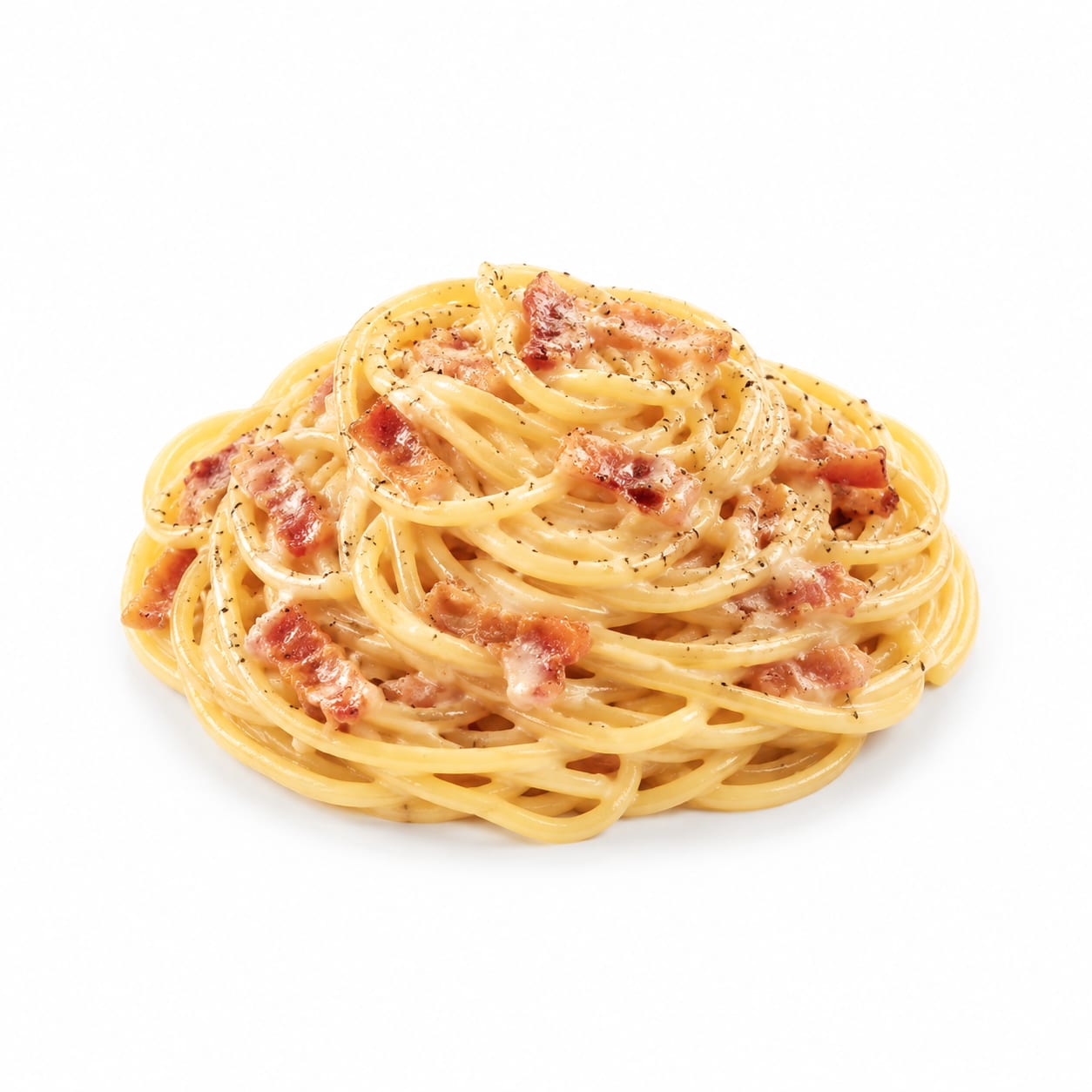
Spaghetti Carbonara
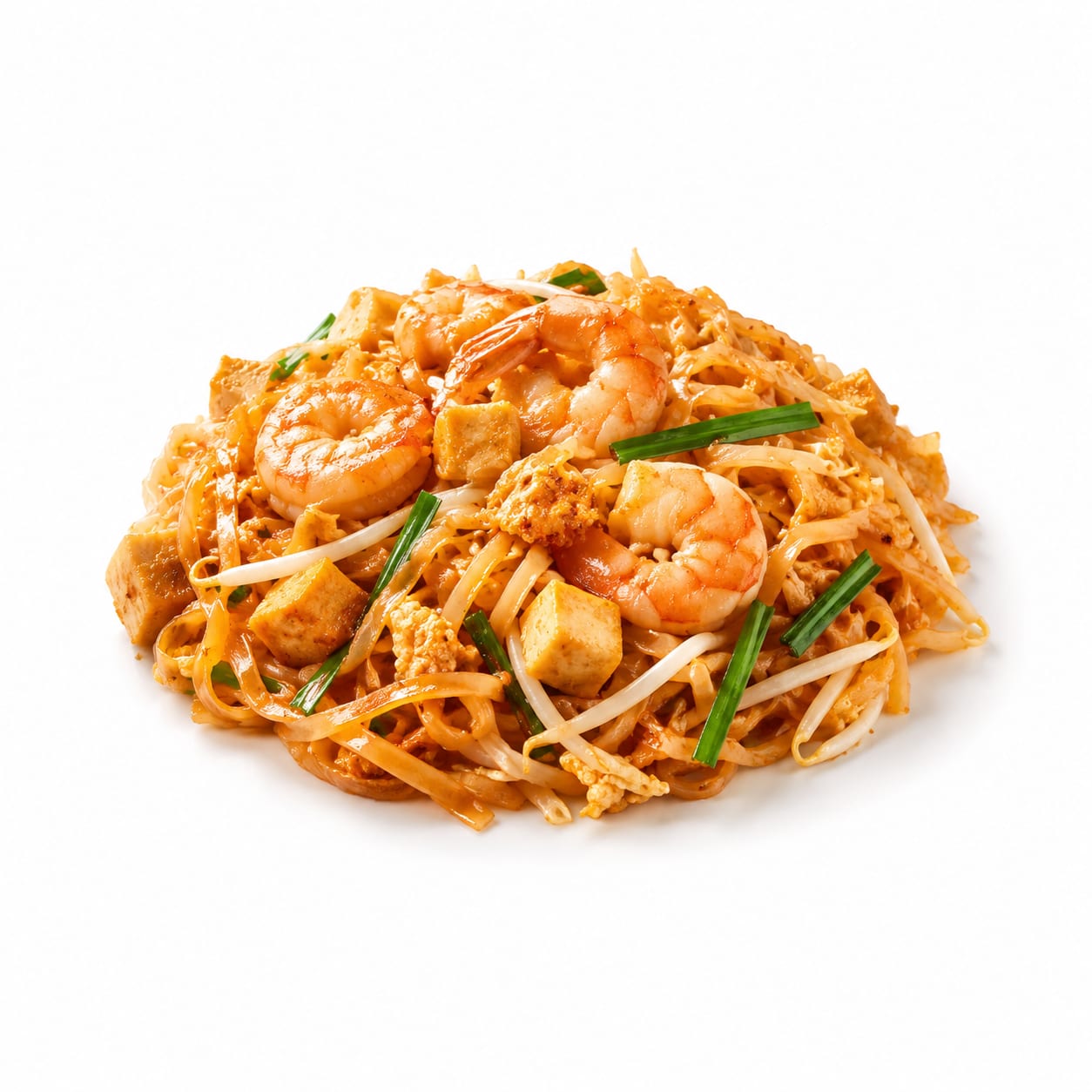
Pad Thai
Spaghetti Carbonara offers richer satiety with zero sugar, while Pad Thai provides a lighter gluten-free option but packs a surprising sugar punch.
Pad Thai scores slightly higher due to lower saturated fat and gluten-free noodles, but both are restaurant-style indulgences with significant nutritional tradeoffs.
High saturated fat and cholesterol in Spaghetti Carbonara versus high added sugar and sodium in Pad Thai.
At a glance
Executive summary
Overall
It depends
Healthier
It depends
More practical
Pad Thai
Daily use
Pad Thai
Key comparison lenses
Saturated Fat vs Added Sugar Tradeoff
Spaghetti Carbonara brings heavy saturated fat from pork and dairy, while Pad Thai brings a surprising amount of added sugar from its signature sauce.
Blood Sugar Stability
The fat and protein in Spaghetti Carbonara slow digestion, whereas Pad Thai's refined carbs and sugar can cause rapid blood sugar spikes.
Comfort vs Craving Satisfaction
Spaghetti Carbonara provides deep, heavy satiety, while Pad Thai offers a lighter, sweet-and-sour craving hit that may leave you hungry sooner.
Allergen and Dietary Restriction Compatibility
Pad Thai is naturally gluten-free and dairy-free, while Spaghetti Carbonara is a minefield for dairy, egg, and wheat sensitivities.
Best choice for
Spaghetti Carbonara
- Keto or low-carb diets
- Those needing high satiety to prevent overeating
- People avoiding sugar
Pad Thai
- Gluten-free diets
- Those avoiding dairy and egg
- People seeking a lighter, less heavy meal
Least suitable for
Spaghetti Carbonara
- People with high cholesterol or heart disease risk
- Dairy or egg allergies
- Those watching saturated fat
Pad Thai
- Diabetics or those monitoring blood sugar
- People with peanut or shellfish allergies
- Low-sodium diets
Deep comparison
Dimension by dimension
Each lens scores both foods and breaks down who each option suits.
- Dimension 1 · Priority 95Spaghetti Carbonara
Macronutrient Profile & Satiety
Spaghetti Carbonara · 75Pad Thai · 60Spaghetti Carbonara's high fat and protein content makes it far more filling than Pad Thai's carb-heavy profile.
Tradeoff
You get longer-lasting fullness from Spaghetti Carbonara, but at the cost of heavy saturated fat intake.
Why it matters
Meals that keep you full prevent snacking later, but the type of fat matters for heart health.
Real-world impact
After Spaghetti Carbonara, you're unlikely to crave a snack for hours. Pad Thai might leave you hungry again by mid-afternoon.
Spaghetti Carbonara
- Sustained energy without crashes
- Preventing late-night snacking
Better for
- Feeling sluggish or overly stuffed
- High saturated fat intake
Worse for
Pad Thai
- Post-workout carb replenishment
- Smaller appetites wanting a lighter meal
Better for
- Quick return of hunger
- Overeating due to low satiety
Worse for
- Dimension 2 · Priority 90Spaghetti Carbonara
Blood Sugar & Metabolic Impact
Spaghetti Carbonara · 70Pad Thai · 45Spaghetti Carbonara has virtually no sugar, and its fat content slows carb absorption. Pad Thai's sauce is loaded with added sugar.
Tradeoff
Spaghetti Carbonara is easier on blood sugar despite being refined carbs, while Pad Thai can cause a sugar spike followed by a crash.
Why it matters
Sugar spikes lead to energy crashes and increased cravings, undermining meal satisfaction.
Real-world impact
Pad Thai can give you a quick energy boost followed by an afternoon slump. Spaghetti Carbonara provides steadier, albeit heavy, energy.
Spaghetti Carbonara
- Steadier energy levels
- Managing insulin resistance
Better for
- Digestive sluggishness
Worse for
Pad Thai
- Quick energy for endurance activities
Better for
- Energy crashes
- Triggering sugar cravings
Worse for
- Dimension 3 · Priority 85Pad Thai
Heart Health & Fat Quality
Spaghetti Carbonara · 35Pad Thai · 65Pad Thai relies on peanuts and vegetable oils, offering a better fat profile than Spaghetti Carbonara's heavy saturated fat from pork and cheese.
Tradeoff
Pad Thai is gentler on cholesterol levels, but you still have to contend with its high sodium from fish sauce.
Why it matters
Saturated fat from pork and dairy directly impacts LDL cholesterol, a major heart disease risk.
Real-world impact
Regularly eating Spaghetti Carbonara can raise cholesterol over time, whereas Pad Thai is less likely to impact lipid profiles negatively.
Spaghetti Carbonara
- Raising LDL cholesterol
- Contributing to arterial plaque
Worse for
Pad Thai
- Maintaining healthy cholesterol
- Cardiovascular-friendly fat sources
Better for
- Excess sodium intake
Worse for
- Dimension 4 · Priority 80Pad Thai
Allergen & Dietary Flexibility
Spaghetti Carbonara · 40Pad Thai · 75Pad Thai is naturally gluten-free and dairy-free, making it suitable for common intolerances, whereas Spaghetti Carbonara is a minefield of dairy, egg, and wheat.
Tradeoff
Pad Thai accommodates more dietary restrictions, but introduces peanut and shellfish allergy risks.
Why it matters
Food sensitivities can cause severe discomfort or allergic reactions, making flexibility crucial for social dining.
Real-world impact
You can easily share Pad Thai with a gluten-free friend, but Spaghetti Carbonara is off-limits for lactose intolerant or dairy-free eaters.
Spaghetti Carbonara
- Nut-free diets
Better for
- Lactose intolerance
- Celiac disease
- Egg allergies
Worse for
Pad Thai
- Gluten-free diets
- Dairy-free diets
- Egg-free diets
Better for
- Peanut allergies
- Shellfish allergies
Worse for
Timeline
Health impact over time
Short-term
Hours to days
Spaghetti Carbonara
- Extreme fullness and potential bloating
- Steady energy without a sugar crash
- Possible digestive sluggishness
Pad Thai
- Quick energy from carbs and sugar
- Potential sugar crash an hour later
- Lighter initial feeling in the stomach
Long-term
Months to years
Spaghetti Carbonara
- Increased LDL cholesterol from saturated fat
- Higher cardiovascular risk if eaten frequently
- Potential weight gain from calorie density
Pad Thai
- Increased triglycerides from added sugars
- Higher blood pressure from sodium
- Metabolic strain from frequent sugar spikes
Risk profile
Safety & processing
Both use refined carbohydrates as their base. Spaghetti Carbonara uses whole-food fats like eggs and cheese, while Pad Thai often relies on processed sauces with hidden sugars and preservatives.
Spaghetti Carbonara
Raw or undercooked egg
mediumTraditional Spaghetti Carbonara uses raw egg yolks, posing a slight salmonella risk if not handled properly.
Foodborne illness from pork
lowPancetta or guanciale must be properly cured and cooked to avoid parasites or bacterial contamination.
Pad Thai
Peanut cross-contamination
highPad Thai almost always contains peanuts, making it dangerous for those with severe nut allergies.
Shellfish allergies
highTraditional recipes use dried shrimp or fresh shrimp, a major allergen that is hard to omit.
Who wins for whom
Audience fit
Same foods, different winners depending on your goal.
children
Spaghetti CarbonaraKids often prefer the simple, savory flavors of pasta, and Spaghetti Carbonara avoids the peanut and shellfish allergy risks of Pad Thai.
daily consumption
Pad ThaiPad Thai is lighter and easier to modify with extra vegetables or lean proteins for a more balanced daily meal.
diabetes
Spaghetti CarbonaraSpaghetti Carbonara has zero added sugar and the high fat content slows glucose absorption, preventing sharp spikes.
elderly
Pad ThaiPad Thai is easier to chew and digest, and has less saturated fat which is important for aging hearts.
muscle gain
Spaghetti CarbonaraSpaghetti Carbonara provides more high-quality complete protein from eggs and pork, alongside carbs for glycogen replenishment.
weight loss
It dependsSpaghetti Carbonara is more filling so you eat less later, but Pad Thai has fewer calories per bite. Both require strict portion control.
Your move
Decision guide
Choose Spaghetti Carbonara
- You want a meal that will keep you full for hours
- You are avoiding sugar and prioritizing blood sugar stability
- You crave rich, comforting flavors and don't mind the heavy feeling
Choose Pad Thai
- You need a gluten-free or dairy-free meal option
- You want something that feels lighter in the stomach
- You prefer a sweet and sour flavor profile over heavy savory richness
Either works if
- You are treating yourself to a restaurant meal and both fit your calorie budget
- You plan to add a large side salad to balance the meal
Avoid both if
- You are on a strict low-sodium diet, as both are sodium bombs
- You are looking for a low-calorie or whole-grain meal
Final recommendation
Choose Spaghetti Carbonara when you need lasting fullness and zero sugar, but opt for Pad Thai when you want a lighter, dairy-free meal—just watch the sugar and sodium in both.
Practical
Consumer tips
- 1
Ask for Pad Thai with less sugar or tamarind on the side to cut the sugar spike.
- 2
Use whole-wheat spaghetti or zucchini noodles for Spaghetti Carbonara to add fiber and nutrients.
- 3
Load up Pad Thai with extra bean sprouts, carrots, and cabbage to increase volume without many calories.
- 4
Share a Spaghetti Carbonara portion to enjoy the flavor without the extreme calorie and fat load.