
Nutrition comparison
Spaghetti Carbonara vs Mac and Cheese: Which Comfort Food Is Actually Better for You?
Compare Spaghetti Carbonara and Mac and Cheese on protein, processing, satiety, and health impact. Find out which pasta dish is the smarter comfort food choice.
Overall winner · Spaghetti Carbonara
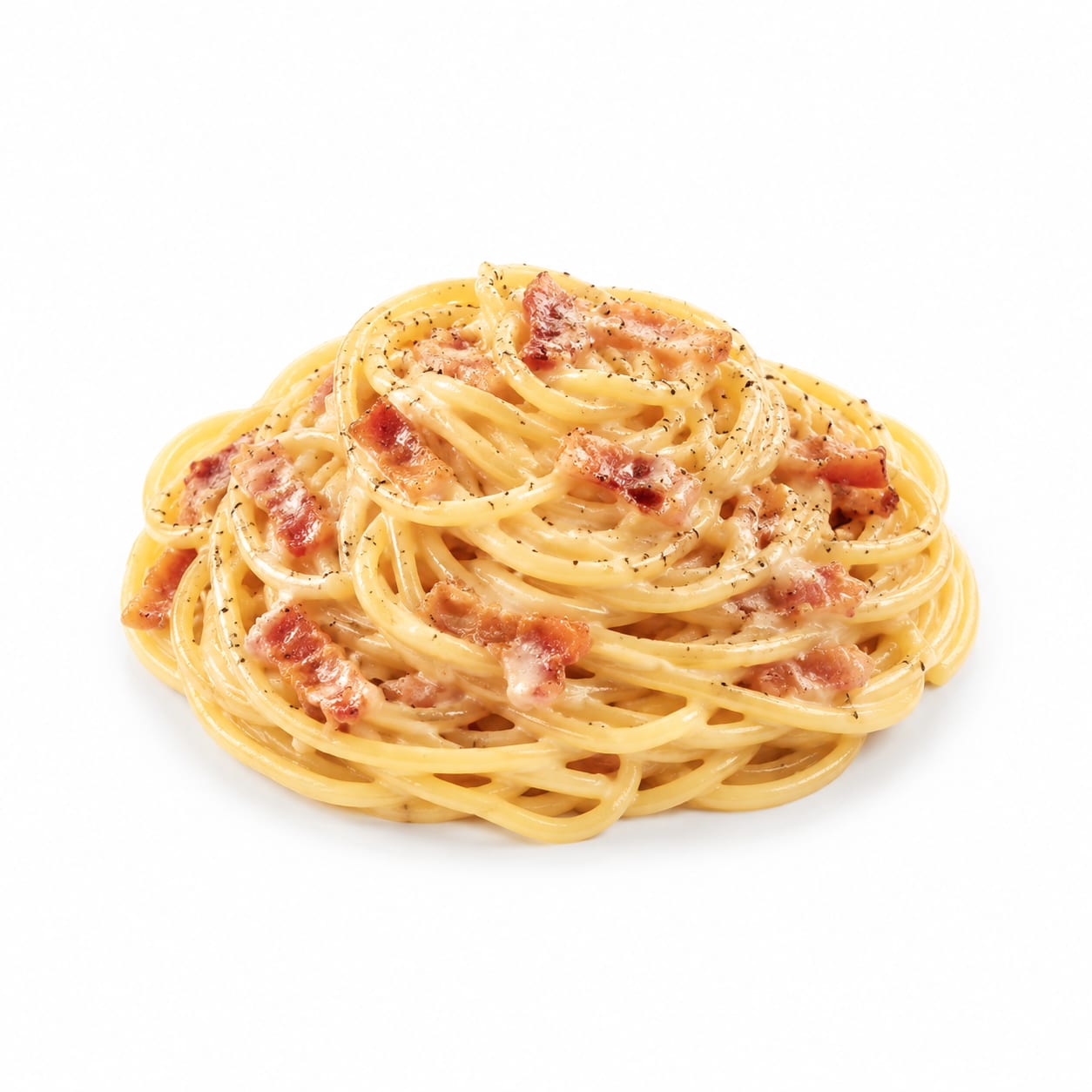
Spaghetti Carbonara
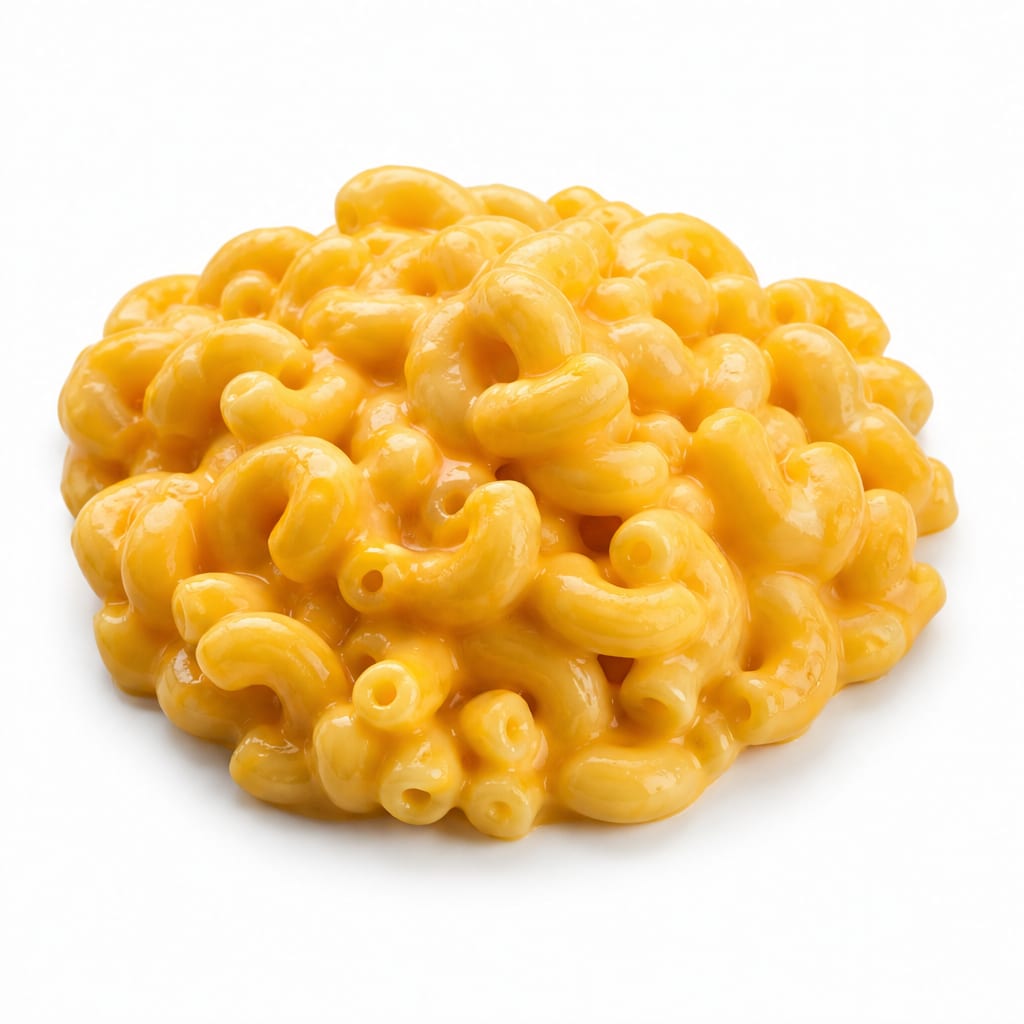
Mac and Cheese
Spaghetti Carbonara wins on protein, satiety, and ingredient quality, but Mac and Cheese is cheaper, faster, and more kid-friendly.
Spaghetti Carbonara scores notably higher due to superior protein content, cleaner ingredient profile, and better satiety. Mac and Cheese loses ground on processing concerns, lower protein, and weaker staying power. The gap would narrow significantly if comparing homemade Mac and Cheese with real cheese against a cream-heavy American Carbonara.
You trade higher protein and cleaner ingredients in Carbonara for the convenience and universal appeal of Mac and Cheese.
At a glance
Executive summary
Overall
Spaghetti Carbonara
Healthier
Spaghetti Carbonara
More practical
Mac and Cheese
Daily use
It depends
Key comparison lenses
comfort food comparison with health tradeoffs
Both are rich, satisfying pasta dishes people turn to for emotional eating, but their nutritional profiles diverge significantly
protein quality and satiety comparison
Carbonara delivers substantially more protein from eggs and cured pork, making it far more filling per calorie
processing and additive exposure
Mac and Cheese often involves processed cheese, emulsifiers, or powdered cheese sauce, while traditional Carbonara uses whole ingredients
sodium and heart health concerns
Both are high-sodium dishes, but Carbonara's sodium comes from cured meat and aged cheese versus the sodium phosphate and processed cheese in Mac and Cheese
practicality for families and weeknight cooking
Mac and Cheese is faster and more kid-friendly; Carbonara requires more technique but delivers a more balanced meal
Best choice for
Spaghetti Carbonara
- Adults wanting a satisfying meal that actually fills them up
- Post-workout eating when you need real protein, not just carbs
- Date nights or dinners where quality matters more than speed
- Anyone avoiding ultra-processed ingredients
Mac and Cheese
- Busy weeknights when you have 15 minutes and hungry kids
- Budget-conscious households needing affordable comfort food
- Picky eaters who resist anything with visible meat or pepper
- Meal prep where simplicity and consistency matter most
Least suitable for
Spaghetti Carbonara
- People on low-sodium diets due to cured meat and aged cheese
- Vegetarians or anyone avoiding pork products
- Beginner cooks intimidated by tempering eggs over hot pasta
- Very tight budgets since guanciale and Pecorino are expensive
Mac and Cheese
- Anyone monitoring saturated fat closely
- People sensitive to processed ingredients or emulsifiers
- Those wanting a meal that keeps them full for hours
- Anyone avoiding artificial colors or preservatives found in boxed versions
Deep comparison
Dimension by dimension
Each lens scores both foods and breaks down who each option suits.
- Dimension 1 · Priority 95Spaghetti Carbonara
Protein Quality and Content
Spaghetti Carbonara · 78Mac and Cheese · 42Spaghetti Carbonara delivers roughly 25-35g protein per serving from eggs and cured pork, while Mac and Cheese typically lands around 10-18g depending on preparation.
Tradeoff
Carbonara's protein comes from whole food sources with complete amino acid profiles, whereas Mac and Cheese relies heavily on cheese protein which is still good but present in smaller quantities.
Why it matters
Higher protein means you stay full longer and are less likely to snack an hour later. This single factor makes Carbonara feel like an actual meal rather than a side dish.
Real-world impact
After eating Carbonara, you likely feel satisfied for 4-5 hours. After Mac and Cheese, you may be hunting for snacks within 2-3 hours.
Spaghetti Carbonara
- Athletes needing post-workout recovery meals
- Anyone trying to eat less frequently throughout the day
- Older adults who need higher protein to maintain muscle
Better for
- People limiting animal protein for health or ethical reasons
Worse for
Mac and Cheese
- Children who need moderate protein, not heavy meals
- Anyone eating a smaller portion as a side dish
Better for
- Anyone relying on this as their main protein source for the meal
- Active people who will feel hungry again quickly
Worse for
- Dimension 2 · Priority 88Spaghetti Carbonara
Processing and Additive Exposure
Spaghetti Carbonara · 72Mac and Cheese · 35Traditional Carbonara uses five whole ingredients: pasta, eggs, Pecorino, guanciale, and black pepper. Boxed Mac and Cheese contains emulsifiers, sodium phosphate, artificial colors, and preservatives.
Tradeoff
Even homemade Mac and Cheese typically uses processed cheese blends with emulsifiers. Carbonara's ingredients are recognizable and minimally processed, though the cured meat carries its own concerns.
Why it matters
Regular consumption of emulsifiers and ultra-processed ingredients may disrupt gut health and increase inflammatory markers over time. Whole ingredients are generally easier on your digestive system.
Real-world impact
If you eat boxed Mac and Cheese several times a week, you are getting regular exposure to sodium phosphate and artificial additives. Carbonara made at home avoids nearly all of this.
Spaghetti Carbonara
- Anyone trying to eat fewer ultra-processed foods
- People with sensitive digestion who react to emulsifiers
- Families wanting to cook with recognizable ingredients
Better for
- Cured meat still contains nitrates and sodium from preservation
Worse for
Mac and Cheese
- No one benefits from more processing, but homemade versions narrow the gap significantly
Better for
- Regular consumers of boxed versions getting daily additive exposure
- Children who eat boxed Mac and Cheese multiple times per week
Worse for
- Dimension 3 · Priority 90Spaghetti Carbonara
Satiety and Fullness
Spaghetti Carbonara · 80Mac and Cheese · 45Carbonara's protein and fat combination creates lasting fullness. Mac and Cheese is calorie-dense but protein-light, leading to faster hunger return.
Tradeoff
Carbonara feels heavy immediately and keeps you full. Mac and Cheese feels comforting but leaves you reaching for more food sooner.
Why it matters
Foods that fail to satisfy lead to overeating later. A meal that keeps you full for hours is genuinely better for weight management than a lighter meal that triggers snacking.
Real-world impact
Eat Carbonara at dinner and you likely will not want a late-night snack. Eat Mac and Cheese and you may find yourself in the kitchen by 9 PM.
Spaghetti Carbonara
- People trying to reduce between-meal snacking
- Anyone eating one-pot meals who needs them to last
- Shift workers who need one meal to carry them through long stretches
Better for
- People who feel uncomfortably full after rich meals
Worse for
Mac and Cheese
- Anyone wanting a lighter meal that doesn't feel heavy before activity
Better for
- Emotional eaters who will keep eating past fullness because it doesn't feel satisfying
- Anyone prone to late-night snacking after dinner
Worse for
- Dimension 4 · Priority 78It depends
Sodium Load
Spaghetti Carbonara · 30Mac and Cheese · 32Both dishes are sodium bombs. Carbonara gets its salt from cured meat and aged cheese, while Mac and Cheese loads sodium through cheese sauce, processed cheese, and added salt.
Tradeoff
Neither is a good choice for sodium-sensitive individuals. Carbonara's sodium is arguably from more natural sources, but the total load is still very high.
Why it matters
A single serving of either dish can deliver 800-1500mg sodium, which is a significant portion of the daily recommended limit. Regular consumption of either is concerning for blood pressure.
Real-world impact
If you have hypertension or are sodium-sensitive, both dishes should be occasional treats, not regular meals. Neither gets a pass here.
Spaghetti Carbonara
- Sodium from whole food sources may be slightly less concerning than sodium from processed additives
Better for
- People with high blood pressure should limit cured meat intake
- Anyone on a strict low-sodium diet
Worse for
Mac and Cheese
- Homemade versions with reduced-salt cheese can lower sodium meaningfully
Better for
- Boxed versions can exceed 1000mg sodium per serving
- Children who already get too much sodium from processed foods
Worse for
- Dimension 5 · Priority 75Mac and Cheese
Convenience and Practicality
Spaghetti Carbonara · 40Mac and Cheese · 88Boxed Mac and Cheese is ready in under 15 minutes with zero skill required. Carbonara demands technique, timing, and harder-to-find ingredients.
Tradeoff
You pay for convenience with nutritional quality. The 10 minutes you save making Mac and Cheese costs you protein, satiety, and ingredient integrity.
Why it matters
In real life, people default to whatever is easiest. The convenience gap means Mac and Cheese gets eaten far more often, which amplifies its nutritional weaknesses through frequency.
Real-world impact
On a Tuesday night with tired kids, Mac and Cheese wins by default. Carbonara is a weekend or special occasion dish for most households.
Spaghetti Carbonara
- Home cooks who enjoy the process of cooking
- Weekend meals when time pressure is lower
Better for
- Beginner cooks who may scramble the eggs and ruin the dish
- Anyone without access to guanciale or pancetta
Worse for
Mac and Cheese
- Exhausted parents needing dinner in 15 minutes
- College students with limited cooking facilities
- Anyone who values consistency over culinary ambition
Better for
- Anyone who wants to feel proud of what they cooked
- People trying to develop real cooking skills
Worse for
- Dimension 6 · Priority 72Spaghetti Carbonara
Blood Sugar Stability
Spaghetti Carbonara · 55Mac and Cheese · 38Carbonara's protein and fat slow down carbohydrate absorption from the pasta. Mac and Cheese has less protein to buffer the blood sugar spike from refined carbs.
Tradeoff
Neither dish is ideal for blood sugar management since both are built on refined pasta. But Carbonara's protein acts like a speed bump for glucose absorption.
Why it matters
A big blood sugar spike followed by a crash leads to fatigue, cravings, and irritability. The more protein and fat alongside your carbs, the smoother the ride.
Real-world impact
After Mac and Cheese, you may feel a brief energy boost followed by an afternoon slump. Carbonara is less likely to cause that crash because of its protein content.
Spaghetti Carbonara
- People with mild blood sugar concerns who still want comfort food
- Anyone trying to avoid the post-meal energy crash
Better for
- Diabetics who should still be cautious with any refined carb-heavy meal
Worse for
Mac and Cheese
- No one from a blood sugar perspective
Better for
- Anyone prone to energy crashes after carb-heavy meals
- People with insulin resistance
Worse for
Timeline
Health impact over time
Short-term
Hours to days
Spaghetti Carbonara
- High satiety from protein and fat keeps hunger away for hours
- Sodium from cured meat may cause bloating or thirst
- Rich, heavy feeling that some find comforting and others find overwhelming
Mac and Cheese
- Quick energy from refined carbs followed by potential fatigue within 1-2 hours
- Comforting and easy to overeat because it doesn't trigger strong fullness signals
- Possible bloating from dairy if lactose intolerant
Long-term
Months to years
Spaghetti Carbonara
- Regular consumption of cured meat is associated with increased colorectal cancer risk and cardiovascular concerns
- Higher protein intake supports muscle maintenance, especially important as you age
- Whole ingredients mean less exposure to emulsifiers and preservatives that may harm gut health
Mac and Cheese
- Frequent consumption of ultra-processed versions is linked to higher obesity risk and metabolic issues
- Low protein-to-calorie ratio can contribute to muscle loss if eaten as a staple without other protein sources
- Regular exposure to sodium phosphate and emulsifiers may affect kidney and gut health over time
Risk profile
Safety & processing
Traditional Spaghetti Carbonara uses whole, recognizable ingredients. The only processed element is the cured pork, which involves salt curing and sometimes nitrates. Boxed Mac and Cheese contains sodium phosphate, artificial colors like Yellow 5 and 6, preservatives, and emulsifiers. Even homemade Mac and Cheese typically relies on processed cheese that contains emulsifiers not found in natural aging. This is the clearest win for Carbonara in the comparison.
Spaghetti Carbonara
Cured meat and nitrates
mediumGuanciale and pancetta contain nitrates and nitrites used in curing. Regular consumption of cured meats is classified as a Group 1 carcinogen by WHO for colorectal cancer. Occasional consumption is low risk.
Raw egg handling
lowTraditional Carbonara uses raw eggs tempered by hot pasta. In the US, pasteurized eggs eliminate this risk. With fresh, properly handled eggs, salmonella risk is extremely low but not zero.
Foodborne illness from pork
lowProperly cured and cooked pork products carry minimal risk. Trichinosis is essentially eliminated in commercial pork in developed countries.
Mac and Cheese
Phosphate additives
mediumSodium phosphate in processed cheese and boxed versions may contribute to kidney strain and cardiovascular issues with frequent consumption. Inorganic phosphates are absorbed much more efficiently than natural phosphorus, amplifying the effect.
Artificial food dyes
mediumYellow 5 and Yellow 6, common in boxed Mac and Cheese, are linked to hyperactivity in some children and are banned or require warning labels in several European countries.
Emulsifier exposure
lowEmulsifiers like sodium alginate or guar gum in cheese sauce may disrupt gut barrier function with regular consumption, though evidence is still emerging.
Who wins for whom
Audience fit
Same foods, different winners depending on your goal.
children
Mac and CheeseKids generally prefer the milder, creamier taste of Mac and Cheese. It is easier to prepare consistently and less likely to be rejected at the dinner table.
daily consumption
It dependsNeither should be eaten daily due to sodium and saturated fat content. If forced to choose, homemade Mac and Cheese with quality cheese and added vegetables might edge out Carbonara because cured meat daily carries clearer long-term cancer risk.
diabetes
Spaghetti CarbonaraNeither is ideal, but Carbonara's protein and fat slow glucose absorption more effectively than Mac and Cheese's lower protein content.
elderly
Spaghetti CarbonaraOlder adults need more protein to prevent muscle loss, and Carbonara delivers significantly more. The softer texture of both dishes suits elderly diners equally.
muscle gain
Spaghetti CarbonaraCarbonara provides substantially more complete protein from eggs and pork, which is essential for muscle repair and growth.
weight loss
Spaghetti CarbonaraHigher protein and better satiety mean you eat less later. Carbonara keeps you full, while Mac and Cheese often leads to second helpings or snacking.
Your move
Decision guide
Choose Spaghetti Carbonara
- You want a meal that actually keeps you full for hours
- You care about cooking with whole, recognizable ingredients
- You are comfortable in the kitchen and enjoy making a proper dish
- You need more protein in your day without drinking shakes
- You are serving adults who appreciate bold, savory flavors
Choose Mac and Cheese
- You have 15 minutes and hungry kids waiting
- Your grocery budget is tight this week
- You want guaranteed crowd-pleasing comfort with zero cooking stress
- You are meal-prepping for a picky eater
- You are eating emotionally and just need something warm and familiar
Either works if
- You are eating comfort food as an occasional treat, not a staple
- You plan to add vegetables or a side salad to balance the meal
- You are eating socially and the group wants pasta
Avoid both if
- You are on a strict low-sodium diet for blood pressure or kidney health
- You are trying to lose weight and struggle with portion control on rich foods
- You have severe lactose intolerance or dairy sensitivity
- You are monitoring saturated fat closely for heart disease management
Final recommendation
Spaghetti Carbonara is the nutritionally stronger choice for most adults because of its protein content, whole ingredients, and staying power. However, the cured meat means it should still be a few-times-per-month dish, not a weekly staple. If you choose Mac and Cheese, go homemade with real cheese and add broccoli or peas to boost its nutritional value. The boxed version should be an occasional convenience, not a dietary cornerstone.
Practical
Consumer tips
- 1
Make Carbonara with whole wheat or legume-based pasta to add fiber and slow down blood sugar impact
- 2
If using boxed Mac and Cheese, add frozen peas and a handful of shredded real cheese to improve nutrition
- 3
Use pancetta instead of guanciale if you cannot find it. Avoid bacon as a substitute unless you want a smokier, less authentic flavor
- 4
Temper Carbonara eggs carefully by removing the pan from heat before adding the egg mixture to avoid scrambled egg pasta
- 5
For homemade Mac and Cheese, use sharp cheddar and a small amount of cream instead of processed cheese sauce for a cleaner ingredient list
- 6
Both dishes freeze reasonably well, so make extra and portion for quick future meals
- 7
Add a simple arugula salad with lemon dressing alongside either dish to cut the richness and add vegetables