
Nutrition comparison
Spaghetti Carbonara vs Fettuccine Alfredo: Which Creamy Pasta Is Healthier?
Compare Spaghetti Carbonara and Fettuccine Alfredo nutrition, calories, protein, and health impact. Discover which indulgent pasta is the smarter choice for your goals.
Overall winner · Spaghetti Carbonara
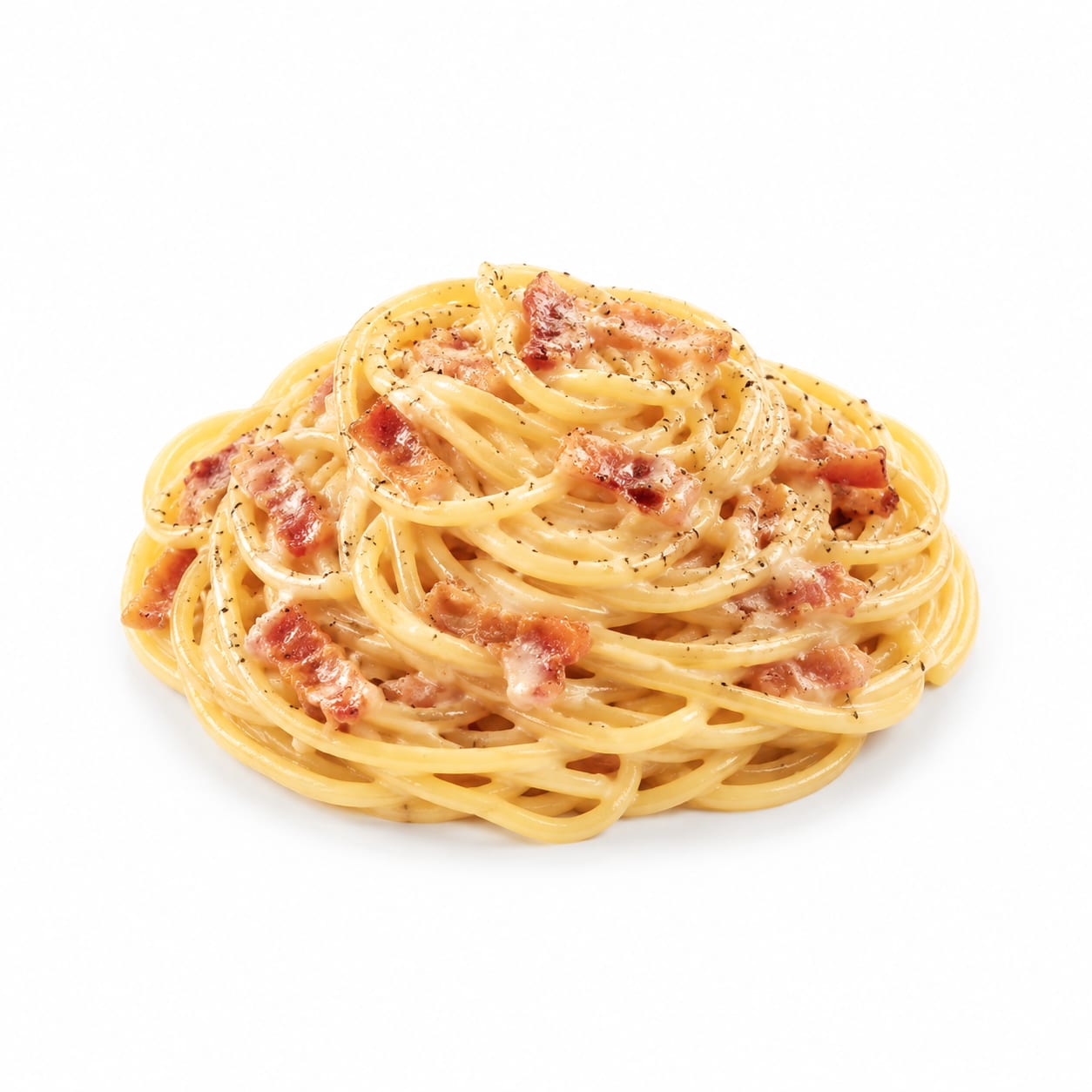
Spaghetti Carbonara
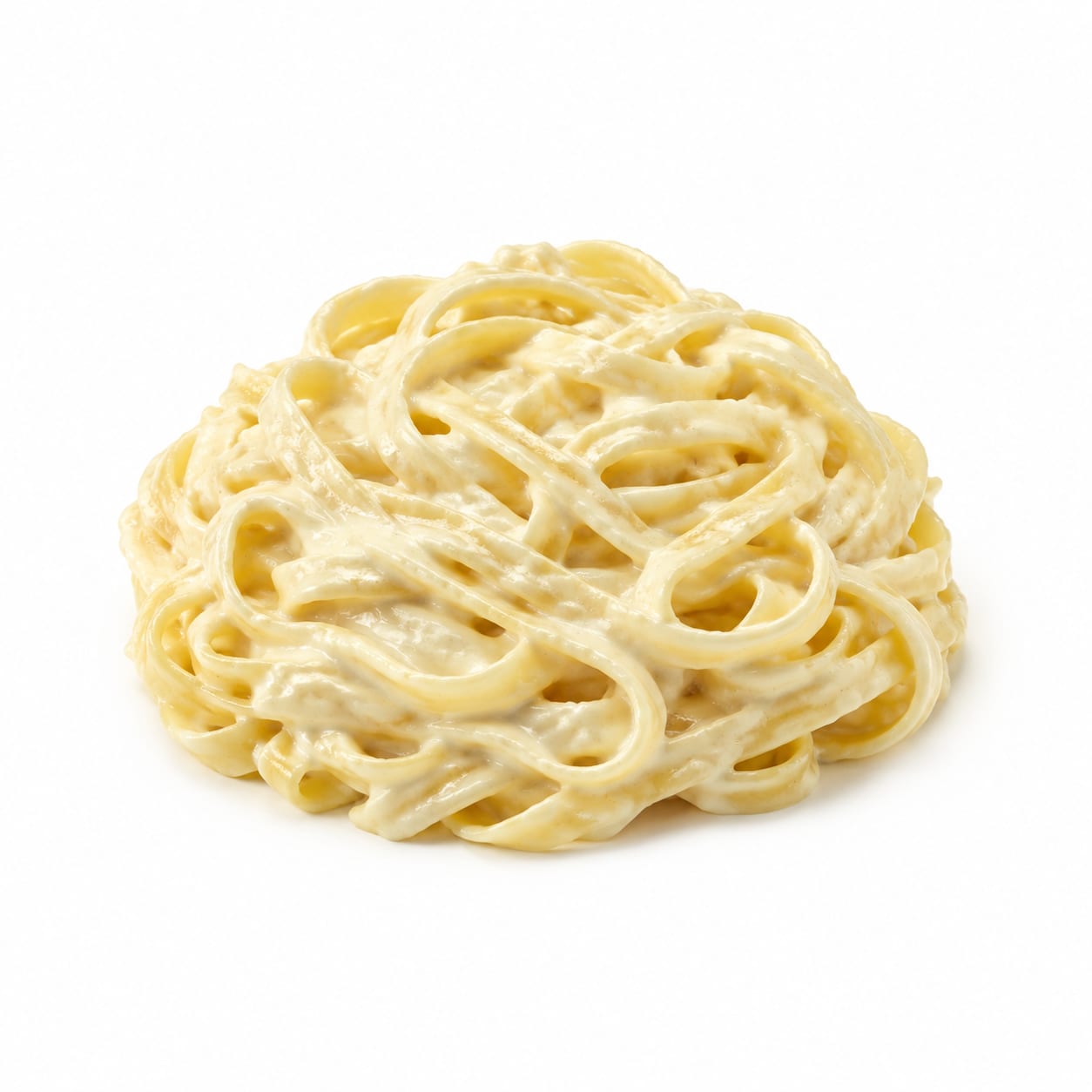
Fettuccine Alfredo
Spaghetti Carbonara edges out Fettuccine Alfredo thanks to more protein, better satiety, and slightly less calorie density, though both remain indulgent dishes best enjoyed occasionally.
Neither dish scores well overall since both are indulgent, calorie-dense pasta dishes. Spaghetti Carbonara wins by roughly 10 points due to meaningfully more protein, better satiety, and slightly lower calorie density. Fettuccine Alfredo's extremely high saturated fat content and lower nutritional value drag it down further.
Carbonara gives you more protein and staying power but comes with a serious sodium hit from cured pork and Pecorino, while Alfredo is gentler on sodium but heavier in saturated fat and easier to overeat.
At a glance
Executive summary
Overall
Spaghetti Carbonara
Healthier
Spaghetti Carbonara
More practical
It depends
Daily use
neither
Key comparison lenses
Which creamy pasta is less damaging to health goals?
Both are indulgent cream-based pasta dishes, so users are likely choosing between two comfort foods and want the lesser evil
Protein and satiety comparison
Carbonara has eggs and cured meat, Alfredo is mostly butter and cream, creating a major satiety gap
Sodium and heart health tradeoffs
Carbonara's cured pork and Pecorino pack serious sodium, while Alfredo's saturated fat load threatens cardiovascular health differently
Calorie density and overeating risk
Both are calorie-dense but Alfredo's fat-heavy sauce makes portion control harder
Blood sugar and energy crash potential
Refined pasta base with high-fat sauces creates different glycemic and energy profiles worth comparing
Best choice for
Spaghetti Carbonara
- Post-workout meal needing protein recovery
- Anyone who wants to feel full for hours after eating
- People who find rich butter-heavy sauces too heavy
- Those prioritizing flavor complexity over sheer richness
Fettuccine Alfredo
- People limiting sodium due to blood pressure concerns
- Anyone avoiding cured or processed meats
- Those who prefer milder, butter-forward comfort food
- Picky eaters who dislike eggy or peppery flavors
Least suitable for
Spaghetti Carbonara
- People on low-sodium diets
- Anyone avoiding processed or cured meats
- Those with egg allergies
- People prone to bloating from rich, salty foods
Fettuccine Alfredo
- Anyone tracking saturated fat intake strictly
- People who struggle with portion control on rich foods
- Those seeking protein-rich meals
- Anyone trying to minimize calorie density
Deep comparison
Dimension by dimension
Each lens scores both foods and breaks down who each option suits.
- Dimension 1 · Priority 92Spaghetti Carbonara
Protein Content and Satiety
Spaghetti Carbonara · 62Fettuccine Alfredo · 28Spaghetti Carbonara delivers substantially more protein from eggs and guanciale, keeping you fuller for much longer than Alfredo's butter-and-cream sauce.
Tradeoff
That protein comes with cured meat, which carries sodium and processing concerns that Alfredo avoids.
Why it matters
A meal that actually satisfies you for hours prevents the snacking spiral that often follows carb-heavy dishes.
Real-world impact
After Carbonara, you're likely full for 4-5 hours. After Alfredo, you may feel stuffed initially but hungry again within 2-3 hours despite the calorie load.
Spaghetti Carbonara
- Athletes needing post-workout protein
- Anyone trying to eat fewer snacks between meals
- People who feel hungry soon after pasta dishes
Better for
- People limiting processed meat intake
Worse for
Fettuccine Alfredo
- Anyone relying on this meal to carry them through an active afternoon
- People who find themselves snacking heavily after pasta
Worse for
- Dimension 2 · Priority 88Spaghetti Carbonara
Saturated Fat and Heart Health
Spaghetti Carbonara · 35Fettuccine Alfredo · 18Both dishes are saturated fat bombs, but Fettuccine Alfredo is significantly worse due to the butter-and-cream sauce base that piles on saturated fat with almost no nutritional upside.
Tradeoff
Carbonara's fat comes with protein and flavor complexity, while Alfredo's fat is largely empty calories from butter and heavy cream.
Why it matters
Regular saturated fat overload directly impacts cardiovascular risk over time, and Alfredo makes it remarkably easy to exceed daily limits in a single meal.
Real-world impact
A single restaurant serving of Fettuccine Alfredo can contain 40-50g of saturated fat, which is double the recommended daily limit. Carbonara typically lands around 20-25g, still high but less catastrophic.
Spaghetti Carbonara
- People monitoring cardiovascular risk factors
- Anyone trying to keep saturated fat somewhat reasonable while still indulging
Better for
Fettuccine Alfredo
- People with high cholesterol
- Anyone with family history of heart disease
- Those trying to keep saturated fat under control
Worse for
- Dimension 3 · Priority 85Fettuccine Alfredo
Sodium Load
Spaghetti Carbonara · 22Fettuccine Alfredo · 45Fettuccine Alfredo is significantly lower in sodium because it skips the cured pork and aged cheese overload that defines Carbonara.
Tradeoff
Choosing Alfredo for sodium reasons means accepting much higher saturated fat instead, which may be the worse tradeoff for many people.
Why it matters
For people with hypertension or sodium sensitivity, Carbonara's cured meat and Pecorino can push a single meal past 1500mg sodium.
Real-world impact
If your doctor has told you to watch sodium, Carbonara is genuinely problematic. One serving can deliver nearly your entire daily sodium allowance.
Spaghetti Carbonara
- Anyone monitoring blood pressure
- People who wake up puffy and bloated after salty dinners
Worse for
Fettuccine Alfredo
- People with high blood pressure
- Anyone on a sodium-restricted diet
- Those sensitive to salt who experience bloating or thirst after salty meals
Better for
- Dimension 4 · Priority 80Spaghetti Carbonara
Calorie Density and Overeating Risk
Spaghetti Carbonara · 38Fettuccine Alfredo · 25Carbonara is calorie-dense but Alfredo is worse, as the butter-cream sauce packs more calories per bite with less protein to signal fullness.
Tradeoff
Neither dish is friendly to weight management, but Alfredo's combination of extreme calorie density and low satiety makes it uniquely easy to overconsume.
Why it matters
Calorie density without satiety is the recipe for unintentional overeating that feels unavoidable in the moment.
Real-world impact
Restaurant Alfredo portions often exceed 1000 calories while leaving you hungry a few hours later. Carbonara at similar calories at least keeps you satisfied longer.
Spaghetti Carbonara
- Anyone tracking calories who wants more fullness per calorie
- People who struggle to stop eating once they start
Better for
Fettuccine Alfredo
- People trying to lose or maintain weight
- Anyone who finds it hard to stop at one serving of rich pasta
Worse for
- Dimension 5 · Priority 72Spaghetti Carbonara
Blood Sugar Stability
Spaghetti Carbonara · 40Fettuccine Alfredo · 32Both dishes spike blood sugar due to refined pasta, but Carbonara's protein and fat slow digestion slightly more than Alfredo's nearly pure fat sauce.
Tradeoff
The difference is modest. Both will cause significant blood sugar rises followed by energy dips, just with slightly different timing.
Why it matters
That 2pm energy crash after a heavy pasta lunch isn't just annoying, it drives sugar cravings and kills afternoon productivity.
Real-world impact
Expect a noticeable energy dip 90-120 minutes after either dish. Carbonara's protein may soften the crash slightly, but you'll still feel sluggish.
Spaghetti Carbonara
- People trying to minimize post-meal energy crashes
- Those with mild insulin resistance who still want pasta occasionally
Better for
Fettuccine Alfredo
- People with diabetes or significant blood sugar concerns
- Anyone who needs steady energy for afternoon work
Worse for
- Dimension 6 · Priority 68It depends
Digestive Comfort
Spaghetti Carbonara · 40Fettuccine Alfredo · 38Carbonara may bother those sensitive to cured meats or eggs, while Alfredo's heavy cream can trigger issues for lactose-sensitive individuals. It depends on your specific digestive vulnerabilities.
Tradeoff
Neither dish is gentle on digestion. Carbonara irritates through salt and fat, Alfredo through dairy volume and fat.
Why it matters
A meal that leaves you bloated or uncomfortable for hours isn't worth the indulgence, regardless of taste.
Real-world impact
If dairy bothers you, Alfredo's cream sauce will be rough. If rich, salty foods trigger reflux, Carbonara is the worse pick. Know your body.
Spaghetti Carbonara
- People with lactose intolerance who want creamy pasta without heavy cream
Better for
- People prone to acid reflux from rich, salty foods
- Anyone with egg allergies
Worse for
Fettuccine Alfredo
- People with egg sensitivity or allergy
- Those who find cured meats hard to digest
Better for
- People with lactose intolerance
- Those sensitive to heavy cream
Worse for
- Dimension 7 · Priority 65Spaghetti Carbonara
Ingredient Quality and Processing
Spaghetti Carbonara · 50Fettuccine Alfredo · 35Traditional Carbonara uses whole-food ingredients like eggs, Pecorino, and guanciale, while American-style Alfredo often relies on heavy cream and sometimes processed cheese sauces.
Tradeoff
Carbonara's cured meat is processed and carries health risks, but the overall ingredient list is shorter and more recognizable than many Alfredo preparations.
Why it matters
Fewer ultra-processed components generally means fewer hidden additives and more predictable effects on your body.
Real-world impact
Authentic Carbonara has maybe 5 ingredients you can pronounce. Restaurant Alfredo often contains stabilizers, modified starches, and preservatives in the cream sauce.
Spaghetti Carbonara
- People avoiding ultra-processed foods
- Those who value short, recognizable ingredient lists
Better for
- Anyone strictly avoiding processed or cured meats
Worse for
Fettuccine Alfredo
- People specifically avoiding processed meats
Better for
- Those concerned about ultra-processed restaurant sauces
Worse for
Timeline
Health impact over time
Short-term
Hours to days
Spaghetti Carbonara
- High sodium may cause noticeable thirst and water retention
- Protein provides lasting fullness for 4-5 hours
- Rich fat content may trigger heartburn in susceptible people
- Salty cured meat can cause bloating within hours
Fettuccine Alfredo
- Extremely high saturated fat may cause sluggishness and brain fog
- Low protein means hunger returns within 2-3 hours despite high calories
- Heavy cream can cause digestive discomfort for lactose-sensitive individuals
- Likely to cause an energy crash 90-120 minutes after eating
Long-term
Months to years
Spaghetti Carbonara
- Regular consumption of cured meat increases colorectal cancer risk
- High sodium intake contributes to sustained blood pressure elevation
- Protein content supports muscle maintenance better than Alfredo
- Occasional consumption (monthly) poses minimal long-term risk for healthy adults
Fettuccine Alfredo
- Very high saturated fat intake raises LDL cholesterol over time
- Calorie density without satiety promotes gradual weight gain if eaten regularly
- Low nutritional value means missed opportunities for beneficial nutrients
- Regular consumption significantly increases cardiovascular disease risk
Risk profile
Safety & processing
Traditional Carbonara uses minimally processed whole ingredients except for the cured guanciale. Fettuccine Alfredo rates worse because restaurant versions frequently use processed cream sauces with stabilizers and modified starches, and even homemade versions rely heavily on butter and cream with minimal nutritional value.
Spaghetti Carbonara
Cured meat consumption
mediumGuanciale and other cured pork products are classified as Group 1 carcinogens by WHO when consumed regularly, primarily increasing colorectal cancer risk.
Raw egg handling
lowTraditional Carbonara uses raw eggs tempered by hot pasta. Quality eggs from reputable sources carry minimal risk, but immunocompromised individuals should be cautious.
High sodium load
mediumThe combination of Pecorino Romano and cured pork can deliver 1200-1800mg sodium per serving, problematic for those with hypertension.
Fettuccine Alfredo
Dairy spoilage and foodborne illness
lowCream-based sauces are high-risk for bacterial growth if not kept at proper temperatures. Leftovers should be refrigerated promptly and consumed within 2 days.
Restaurant sauce additives
mediumMany restaurant Alfredo sauces contain preservatives, emulsifiers, and modified starches that homemade versions avoid. These additives may disrupt gut health with regular consumption.
Who wins for whom
Audience fit
Same foods, different winners depending on your goal.
children
Fettuccine AlfredoKids often prefer Alfredo's mild, buttery flavor over Carbonara's peppery, salty profile. Alfredo also avoids the cured meat concern that pediatricians flag for young children.
daily consumption
neitherNeither dish should be eaten daily. Both are indulgent, calorie-dense meals that would negatively impact health if consumed regularly. Weekly at most, monthly is better.
diabetes
It dependsBoth spike blood sugar significantly. Carbonara's protein slightly slows glucose absorption, but the difference is not large enough to clearly recommend either. Portion control matters far more than which dish you pick.
elderly
Fettuccine AlfredoLower sodium makes Alfredo somewhat safer for older adults managing blood pressure, though the high saturated fat is still concerning. Carbonara's sodium load is riskier for this group.
muscle gain
Spaghetti CarbonaraCarbonara provides meaningfully more protein from eggs and pork, making it slightly more useful for muscle recovery, though neither dish is optimal for this goal.
weight loss
Spaghetti CarbonaraNeither is good for weight loss, but Carbonara's higher protein keeps you fuller longer, reducing the likelihood of snacking later. Fewer total calories per typical serving also helps.
Your move
Decision guide
Choose Spaghetti Carbonara
- You want a pasta dish that actually keeps you full for hours
- You're active and need protein to support recovery
- You appreciate complex, peppery flavor over pure richness
- You're eating out and want the more satisfying option so you don't snack later
Choose Fettuccine Alfredo
- You're limiting sodium strictly due to blood pressure concerns
- You avoid processed and cured meats for health or ethical reasons
- You want a milder, more kid-friendly comfort food
- You have an egg allergy or sensitivity
Either works if
- You're celebrating a special occasion and just want to enjoy pasta
- You're eating a small appetizer portion before a lighter main course
- You plan to balance the meal with a large side salad
Avoid both if
- You're managing cardiovascular disease or high cholesterol
- You're trying to lose weight or maintain a calorie deficit
- You have diabetes and need stable blood sugar
- You eat rich pasta dishes more than once a week
Final recommendation
If you must choose between these two indulgent pastas, Spaghetti Carbonara is the slightly smarter pick for most people. The protein from eggs and pork gives you real staying power that Alfredo's butter-cream sauce simply cannot match. However, if sodium is your specific health concern, Fettuccine Alfredo becomes the better choice. The most important advice: treat both as occasional meals, not weekly staples, and always pair with a vegetable-heavy side to add fiber and nutrients that neither dish provides.
Practical
Consumer tips
- 1
Ask for half-portions or share a plate. Restaurant servings of both dishes are typically 2-3 times a reasonable serving size.
- 2
Add a large side salad with vinaigrette to either dish. The fiber helps slow digestion and adds missing nutrients.
- 3
If making Carbonara at home, use less Pecorino and guanciale to cut sodium significantly without losing the essential character of the dish.
- 4
Homemade Alfredo with moderate butter and real Parmigiano-Reggiano is far better than restaurant versions loaded with cream and stabilizers.
- 5
Drink plenty of water with either dish to help manage the sodium load and aid digestion of the heavy fat content.
- 6
If you choose Carbonara, consider using pancetta instead of guanciale for slightly less fat while maintaining the signature flavor.
- 7
Order either dish as a primi (first course) sized portion at Italian restaurants for a more reasonable amount.