
Nutrition comparison
Spaghetti Carbonara vs Spaghetti Bolognese: Which Is Healthier?
Compare Spaghetti Carbonara and Spaghetti Bolognese on protein, saturated fat, sodium, satiety, and meal prep value. Find out which Italian classic fits your health goals better.
Overall winner · Spaghetti Bolognese
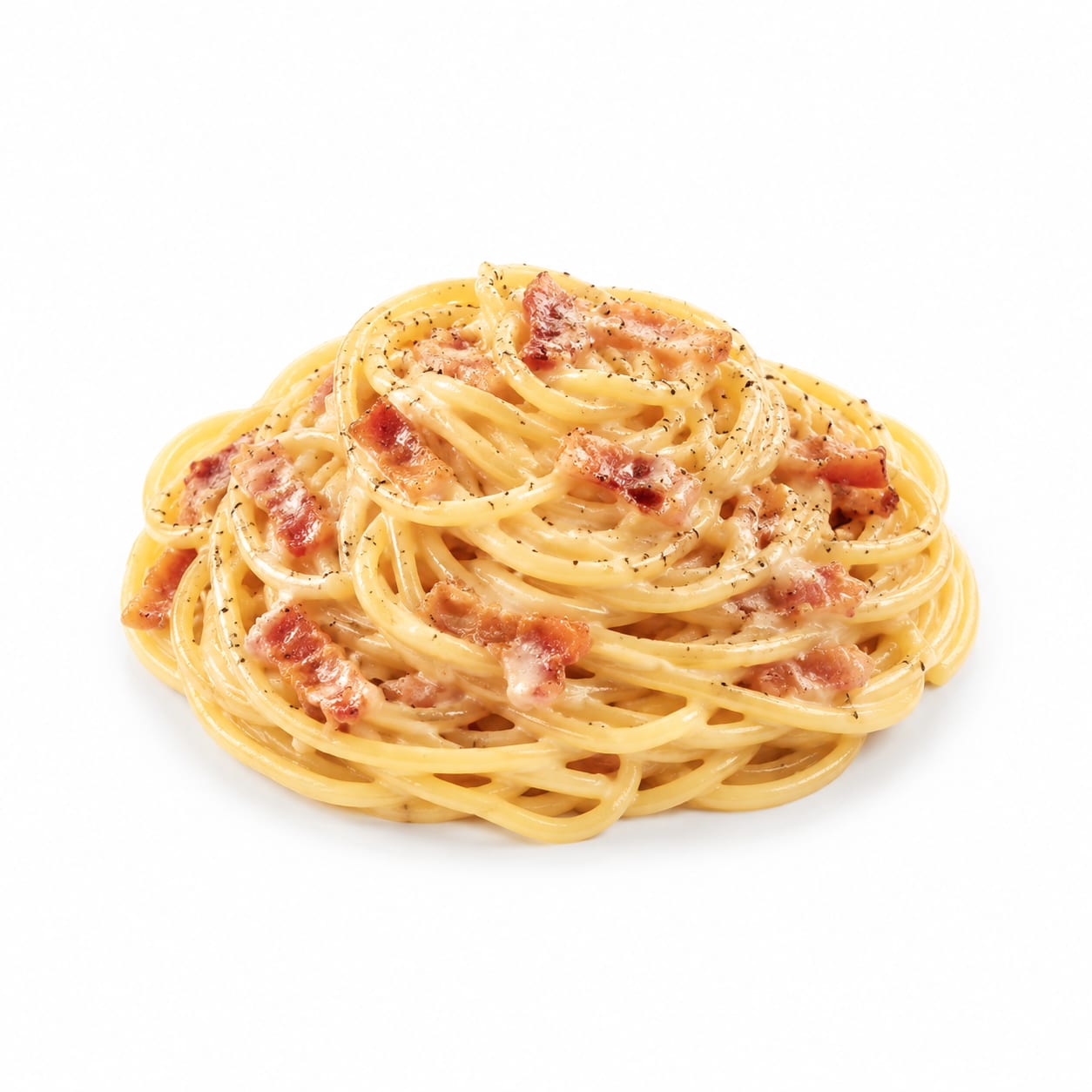
Spaghetti Carbonara
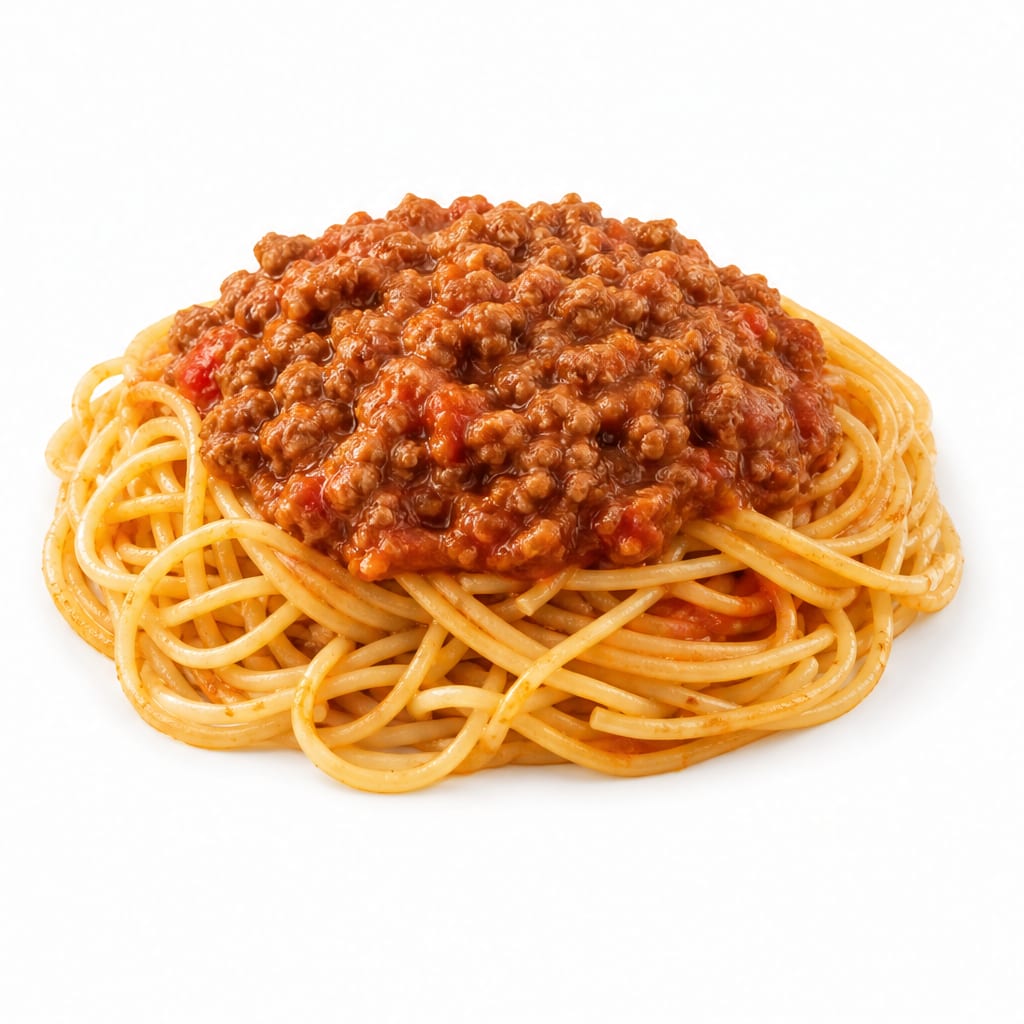
Spaghetti Bolognese
Spaghetti Bolognese offers more protein, more nutrients from vegetables, and better satiety, while Spaghetti Carbonara delivers a richer, more indulgent experience at the cost of higher saturated fat and sodium.
Spaghetti Bolognese scores notably higher due to superior protein content, vegetable-derived micronutrients, better satiety, and stronger meal prep practicality. Spaghetti Carbonara remains competitive for indulgence and speed but loses ground on heart health, sodium, and nutritional density.
Creamy indulgence and comfort versus sustained fullness and better nutritional balance
At a glance
Executive summary
Overall
Spaghetti Bolognese
Healthier
Spaghetti Bolognese
More practical
Spaghetti Bolognese
Daily use
Spaghetti Bolognese
Key comparison lenses
comfort food nutrition tradeoff
Both are iconic Italian comfort dishes, but their fat and protein profiles differ dramatically, making this a classic indulgence-versus-substance decision
satiety and fullness comparison
Users choosing between these at dinner want to know which keeps them fuller longer and avoids late-night snacking
heart health and cholesterol concern
Carbonara's egg yolks, cured pork, and aged cheese create a saturated fat and sodium load that matters for cardiovascular risk
meal prep and leftover practicality
Bolognese is famous for reheating well; Carbonara degrades quickly, which affects real-world eating behavior
protein quality and amount
The ground meat in Bolognese delivers substantially more protein per serving than Carbonara's egg and cheese combination
Best choice for
Spaghetti Carbonara
- Occasional indulgent dinner when you want maximum richness
- Quick weeknight meal since Carbonara cooks in 15 minutes
- Those who prefer creamy over tomato-based sauces
- Situations where you want a lighter portion size that still feels luxurious
Spaghetti Bolognese
- Active individuals needing sustained protein intake
- Meal prep and batch cooking for the week
- Families wanting hidden vegetable nutrition
- Anyone prioritizing heart health and long-term dietary balance
Least suitable for
Spaghetti Carbonara
- People managing high cholesterol or heart disease risk
- Anyone watching sodium intake closely
- Those who need high protein per meal for muscle maintenance
- Frequent daily or near-daily consumption
Spaghetti Bolognese
- Those sensitive to acidic tomato-based sauces
- People avoiding red meat entirely
- Anyone wanting a quick 15-minute meal from scratch
- Those who find heavy meat sauces too filling at lunchtime
Deep comparison
Dimension by dimension
Each lens scores both foods and breaks down who each option suits.
- Dimension 1 · Priority 95Spaghetti Bolognese
Satiety and Fullness
Spaghetti Carbonara · 55Spaghetti Bolognese · 82Spaghetti Bolognese keeps you full for hours thanks to its higher protein and fiber from vegetables, while Spaghetti Carbonara's richness fades faster despite feeling heavy initially.
Tradeoff
Carbonara feels luxurious and filling in the moment, but the lack of fiber and lower protein means hunger returns sooner
Why it matters
The difference between staying full until bedtime versus raiding the snack cabinet at 10pm is real and noticeable
Real-world impact
After Spaghetti Bolognese, most people feel satisfied for 4-5 hours. After Spaghetti Carbonara, you may start looking for something else within 2-3 hours despite having eaten the same calories.
Spaghetti Carbonara
- Quick satisfaction when you need comfort fast
Better for
- Situations requiring hours of sustained fullness
- Weight management relying on natural appetite control
Worse for
Spaghetti Bolognese
- Long workdays where you cannot snack between meals
- Preventing late-night overeating after dinner
- Athletes needing sustained energy without crashes
Better for
- Light lunches where you need to stay alert and not feel sluggish
Worse for
- Dimension 2 · Priority 90Spaghetti Bolognese
Heart Health and Cardiovascular Risk
Spaghetti Carbonara · 35Spaghetti Bolognese · 60Spaghetti Carbonara packs a triple hit of saturated fat from egg yolks, pecorino cheese, and cured pork, while Spaghetti Bolognese offers a more moderate fat profile with beneficial lycopene from tomatoes.
Tradeoff
Carbonara's traditional ingredients are delicious precisely because of their fat and salt content, which is also what makes them tougher on your heart
Why it matters
Regular consumption of high-saturated-fat meals raises LDL cholesterol over time, and Carbonara delivers that in a single plate
Real-world impact
Eating Spaghetti Carbonara twice a week versus Spaghetti Bolognese twice a week could meaningfully shift your cholesterol numbers over a few months, especially if the rest of your diet is not perfectly clean.
Spaghetti Carbonara
- Occasional meals where heart health impact is negligible
Better for
- Regular consumption by anyone over 40 concerned about heart health
- People already managing hypertension
Worse for
Spaghetti Bolognese
- Anyone with family history of heart disease
- People with elevated LDL cholesterol
- Long-term dietary patterns where cardiovascular risk accumulates
Better for
- Those using the leanest possible ground meat, which reduces the gap significantly
Worse for
- Dimension 3 · Priority 85Spaghetti Bolognese
Protein Quality and Quantity
Spaghetti Carbonara · 45Spaghetti Bolognese · 80Spaghetti Bolognese delivers roughly 25-35g of protein per serving from ground meat, while Spaghetti Carbonara provides only 15-20g from eggs and cheese, and with a less complete amino acid profile per calorie.
Tradeoff
Carbonara's protein comes wrapped in significantly more saturated fat per gram, making it a less efficient protein source
Why it matters
If you are eating pasta as a main meal, the protein content determines whether it actually rebuilds muscle or just provides empty calories
Real-world impact
After a workout, Spaghetti Bolognese actually contributes meaningfully to muscle recovery. Spaghetti Carbonara leaves you short on protein and reaching for a supplement or snack.
Spaghetti Carbonara
- Lighter eating days where moderate protein suffices
Better for
- Athletes and physically active people needing 25g+ protein per meal
- Anyone relying on dinner as a primary protein source
Worse for
Spaghetti Bolognese
- Post-workout meals for active people
- Older adults who need higher protein per meal to prevent muscle loss
- Anyone trying to hit protein targets without adding separate protein sources
Better for
- Vegetarians who cannot eat the meat sauce
Worse for
- Dimension 4 · Priority 80Spaghetti Bolognese
Nutrient Density and Micronutrients
Spaghetti Carbonara · 40Spaghetti Bolognese · 70Spaghetti Bolognese brings lycopene from tomatoes, vitamin A from carrots, and minerals from celery and onion. Spaghetti Carbonara offers some B-vitamins from eggs but lacks vegetable-derived nutrients entirely.
Tradeoff
Carbonara's simplicity is part of its charm, but that simplicity means fewer vitamins, minerals, and antioxidants per bite
Why it matters
Lycopene from cooked tomatoes is one of the most well-studied protective compounds for prostate and cardiovascular health
Real-world impact
A weekly Spaghetti Bolognese habit contributes meaningfully to your lycopene intake. A weekly Spaghetti Carbonara habit contributes meaningfully to your saturated fat intake instead.
Spaghetti Carbonara
- Meals where other courses already provide abundant vegetables
Better for
- Anyone eating pasta as a one-dish meal regularly
Worse for
Spaghetti Bolognese
- Meals that need to stand alone nutritionally without side dishes
- Long-term eating patterns where micronutrient gaps accumulate
- Men concerned about prostate health who benefit from regular lycopene
Better for
- Those who already eat tomato-based dishes frequently and want variety
Worse for
- Dimension 5 · Priority 75Spaghetti Bolognese
Sodium Load
Spaghetti Carbonara · 30Spaghetti Bolognese · 55Spaghetti Carbonara combines cured pork, aged pecorino, and salted pasta water into a sodium bomb that can easily exceed 1200mg per serving. Spaghetti Bolognese is not low-sodium either, but typically lands 30-40% lower.
Tradeoff
The ingredients that make Carbonara irresistible — guanciale and aged cheese — are the same ones that make it a sodium nightmare
Why it matters
A single Carbonara serving can deliver half your daily sodium allowance, which matters for blood pressure even if you feel fine
Real-world impact
If you have blood pressure concerns, Spaghetti Carbonara is genuinely a meal to limit to once a month or less. Spaghetti Bolognese is more forgiving at once a week.
Spaghetti Carbonara
- Post-intense-exercise meals where sodium replenishment is actually beneficial
Better for
- Regular consumption by anyone with hypertension
- Evening meals before bed, worsening overnight fluid retention
Worse for
Spaghetti Bolognese
- Anyone monitoring blood pressure
- Older adults more sensitive to sodium
- Meals followed by a sedentary evening where excess sodium just causes bloating
Better for
- Restaurant versions that add excessive salt to the meat sauce
Worse for
- Dimension 6 · Priority 75Spaghetti Bolognese
Meal Prep and Leftover Quality
Spaghetti Carbonara · 25Spaghetti Bolognese · 90Spaghetti Bolognese is one of the best meal-prep dishes in existence — it tastes better the next day. Spaghetti Carbonara degrades rapidly as the egg sauce congeals and separates when refrigerated.
Tradeoff
Carbonara must be eaten immediately for peak quality, while Bolognese rewards patience and planning
Why it matters
If you cook in batches, Bolognese saves you time all week. Carbonara is a one-and-done dish that demands immediate consumption.
Real-world impact
Make a big pot of Spaghetti Bolognese on Sunday and eat it through Wednesday. Make a big batch of Spaghetti Carbonara and by Monday lunch you will be disappointed.
Spaghetti Carbonara
- Fresh-cooked romantic dinners where immediate enjoyment matters
- Situations where you only need one serving right now
Better for
- Anyone who relies on leftovers for lunch the next day
- Meal preppers who cook once for multiple days
Worse for
Spaghetti Bolognese
- Busy professionals who batch-cook on weekends
- Families needing quick reheatable weekday dinners
- Budget-conscious cooks who want leftovers to count
Better for
- Those who only ever cook single fresh servings
Worse for
- Dimension 7 · Priority 70Spaghetti Carbonara
Comfort and Emotional Satisfaction
Spaghetti Carbonara · 90Spaghetti Bolognese · 75Spaghetti Carbonara delivers an unmatched creamy, velvety mouthfeel that feels like a warm hug. Spaghetti Bolognese is deeply comforting too, but in a heartier, more rustic way.
Tradeoff
Carbonara wins on pure hedonic pleasure per bite, but that pleasure comes with a heavier nutritional price tag
Why it matters
Emotional satisfaction from food is real and legitimate — ignoring it leads to binge cycles and unsustainable restriction
Real-world impact
On a genuinely terrible day, Spaghetti Carbonara might be exactly what you need emotionally. Spaghetti Bolognese satisfies differently — it feels like care and substance rather than indulgence.
Spaghetti Carbonara
- Stressful days requiring genuine comfort
- Romantic dinners where richness feels celebratory
- Special occasions that call for indulgence
Better for
- Emotional eaters who struggle to stop at one serving of rich food
Worse for
Spaghetti Bolognese
- Family dinners where hearty and nourishing feels more appropriate
- Cold rainy days where a robust meat sauce hits differently
- Regular weeknights where comfort should not cost too much nutritionally
Better for
- Moments when only something creamy and luxurious will do
Worse for
- Dimension 8 · Priority 65Spaghetti Carbonara
Cooking Speed and Weeknight Feasibility
Spaghetti Carbonara · 85Spaghetti Bolognese · 40Authentic Spaghetti Carbonara comes together in 15 minutes if you have the ingredients. A proper Spaghetti Bolognese needs at least 45 minutes and ideally 2-3 hours of simmering.
Tradeoff
Carbonara rewards spontaneity; Bolognese rewards planning. The time investment is not even close.
Why it matters
On a Tuesday at 7pm, the 15-minute option often wins by default regardless of nutritional merits
Real-world impact
You can walk into the kitchen hungry and be eating Spaghetti Carbonara in 20 minutes. Spaghetti Bolognese requires either advance planning or accepting a compromised quick version.
Spaghetti Carbonara
- Last-minute dinners when you forgot to plan
- Weeknights with limited cooking time
- Cooking for one where a long simmer feels excessive
Better for
- Cooking for large groups where the egg sauce technique becomes stressful to scale
Worse for
Spaghetti Bolognese
- Weekend cooking projects where the slow simmer is part of the pleasure
- Batch cooking sessions where time investment pays off across multiple meals
Better for
- Spontaneous weeknight cooking when you are already hungry
Worse for
Timeline
Health impact over time
Short-term
Hours to days
Spaghetti Carbonara
- Quick feeling of fullness from fat content that may fade within 2-3 hours
- Possible bloating from the combination of rich creaminess and refined carbs
- Energy dip 1-2 hours after eating as the high fat load slows digestion without providing sustained fuel
- Thirst from high sodium content, especially noticeable before bed
Spaghetti Bolognese
- Sustained satiety lasting 4-5 hours from protein and fiber combination
- Steadier blood sugar response compared to Carbonara due to protein buffering the pasta carbs
- Comforting warmth from the tomato sauce without the heavy weighted feeling
- Mild acid reflux possible in susceptible individuals from tomato content
Long-term
Months to years
Spaghetti Carbonara
- Regular consumption raises LDL cholesterol meaningfully due to saturated fat from egg yolks, cheese, and cured pork
- High sodium intake contributes to elevated blood pressure over time
- Cured pork consumption on a regular basis is associated with increased colorectal cancer risk per WHO classification
- Potential for gradual weight gain if rich meals like this become habitual rather than occasional
Spaghetti Bolognese
- Lycopene from cooked tomatoes provides cumulative cardiovascular and prostate-protective benefits
- Higher protein intake supports muscle maintenance, especially important for adults over 40
- Iron and B12 from ground meat support energy and cognitive function long-term
- Red meat consumption more than a few times per week is associated with increased disease risk, so frequency matters
Risk profile
Safety & processing
Both dishes use whole-food ingredients when made traditionally, but Spaghetti Carbonara relies on cured pork (guanciale or pancetta), which is a processed meat with nitrite concerns. Spaghetti Bolognese uses fresh ground meat and fresh vegetables, making it closer to unprocessed cooking. Store-bought versions of either can contain preservatives, but Carbonara's cured pork base is inherently more processed.
Spaghetti Carbonara
Raw or undercooked egg contamination
mediumTraditional Carbonara uses raw egg yolks mixed off-heat, creating a small but real Salmonella risk, especially for vulnerable populations. Using quality eggs and proper technique reduces but does not eliminate this.
Processed meat health risks
mediumGuanciale and pancetta are classified as processed meats by the WHO, with regular consumption linked to increased colorectal cancer risk. This is a cumulative long-term concern, not an acute food safety issue.
Improper holding temperature
mediumCarbonara must be served immediately. Letting it sit at room temperature creates a risk zone for egg-based sauces, unlike Bolognese which can be held warm safely for longer periods.
Spaghetti Bolognese
Ground meat bacterial contamination
mediumGround beef must be cooked to at least 160°F (71°C) internally to eliminate E. coli and other pathogens. Proper cooking eliminates this risk entirely.
Slow cooling and reheating concerns
lowLarge batches of Bolognese must be cooled quickly and refrigerated promptly to prevent bacterial growth. Reheating should reach 165°F (74°C). Standard food safety practices make this manageable.
Who wins for whom
Audience fit
Same foods, different winners depending on your goal.
children
Spaghetti BologneseSpaghetti Bolognese sneaks in vegetables, provides more protein for growth, and avoids the raw egg concern present in Carbonara. Most kids also prefer the familiar tomato-meat flavor.
daily consumption
Spaghetti BologneseSpaghetti Bolognese has a more balanced macronutrient profile and lower sodium, making it more sustainable as a regular meal. Carbonara should be an occasional indulgence, not a daily habit.
diabetes
Spaghetti BologneseSpaghetti Bolognese's higher protein and fiber content slows glucose absorption from the pasta, creating a more manageable blood sugar response. Both dishes require portion control for carb content.
elderly
Spaghetti BologneseSpaghetti Bolognese offers more protein to combat age-related muscle loss and provides lycopene for cardiovascular protection. Carbonara's sodium load and saturated fat are particularly concerning for older adults managing blood pressure and cholesterol.
muscle gain
Spaghetti BologneseSpaghetti Bolognese delivers significantly more complete protein from ground meat, which is essential for muscle repair and growth. Carbonara's protein is lower and comes with far more fat per gram.
weight loss
Spaghetti BologneseSpaghetti Bolognese provides more protein and fiber per calorie, leading to better satiety and less snacking between meals. Spaghetti Carbonara's high fat density makes portion control harder.
Your move
Decision guide
Choose Spaghetti Carbonara
- You are cooking a special dinner and want maximum indulgence with minimal effort
- You need a meal in under 20 minutes and have eggs, cheese, and bacon on hand
- You are eating one rich course as part of a multi-course Italian meal with lighter sides
- You had a physically exhausting day and the emotional comfort of creamy pasta matters
- You are eating immediately and not planning to save leftovers
Choose Spaghetti Bolognese
- You are meal prepping for the week and want something that reheats beautifully
- You want a satisfying dinner that actually keeps you full until morning
- Heart health, cholesterol, or blood pressure are ongoing concerns
- You are feeding a family and want hidden vegetable nutrition in every bite
- You are active and need a protein-rich meal to support recovery
- You want something that tastes even better the next day
Either works if
- You are eating pasta as part of a balanced diet with plenty of vegetables at other meals
- Neither dish will be a regular habit, just an occasional restaurant choice
- You plan to control portions and pair either with a large side salad
Avoid both if
- You are strictly limiting refined carbohydrates for blood sugar management
- You are following a low-sodium diet and cannot afford 800-1200mg of sodium in one meal
- You are eating a purely plant-based diet
- You have severe acid reflux triggered by either creamy or tomato-based sauces
Final recommendation
Make Spaghetti Bolognese your regular pasta dinner and save Spaghetti Carbonara for when you truly need that creamy, indulgent comfort. Bolognese gives you more protein, more nutrients, better satiety, and a meal that improves with time. Carbonara is a beautiful 15-minute luxury — just do not make it a weekly habit. If you love both, aim for Bolognese three times per month and Carbonara once, and you get the best of both worlds without the health costs adding up.
Practical
Consumer tips
- 1
Make Spaghetti Bolognese with lean ground turkey or a 50/50 beef-lentil mix to cut saturated fat while keeping protein high
- 2
Use whole-wheat spaghetti with either dish to add fiber and slow down blood sugar spikes — the strong sauces mask the difference in taste
- 3
For Spaghetti Carbonara, use only yolks (not whole eggs) for a silkier sauce with slightly less cholesterol per serving
- 4
Add a large arugula side salad with lemon dressing to either meal — the bitterness and acidity cut through richness and add missing fiber
- 5
When making Spaghetti Bolognese, grate carrots finely so they disappear into the sauce — picky eaters will not notice them
- 6
Freeze Spaghetti Bolognese sauce in individual portions for instant weeknight dinners — it keeps for 3 months
- 7
If making Spaghetti Carbonara, use the best eggs you can afford — pasture-raised eggs have better omega-3 profiles and lower contamination risk
- 8
Restaurants often add cream to Carbonara, which is inauthentic and adds even more saturated fat — ask for the traditional version without cream
- 9
Portion either dish to 1 cup of cooked pasta per person and load the plate with extra sauce and vegetables to improve the ratio