
Nutrition comparison
Spaghetti Carbonara vs Ramen: Which Comfort Food is Healthier?
Compare Spaghetti Carbonara and Ramen on sodium, health impacts, and satiety. Discover which comforting noodle dish is the better choice for your diet.
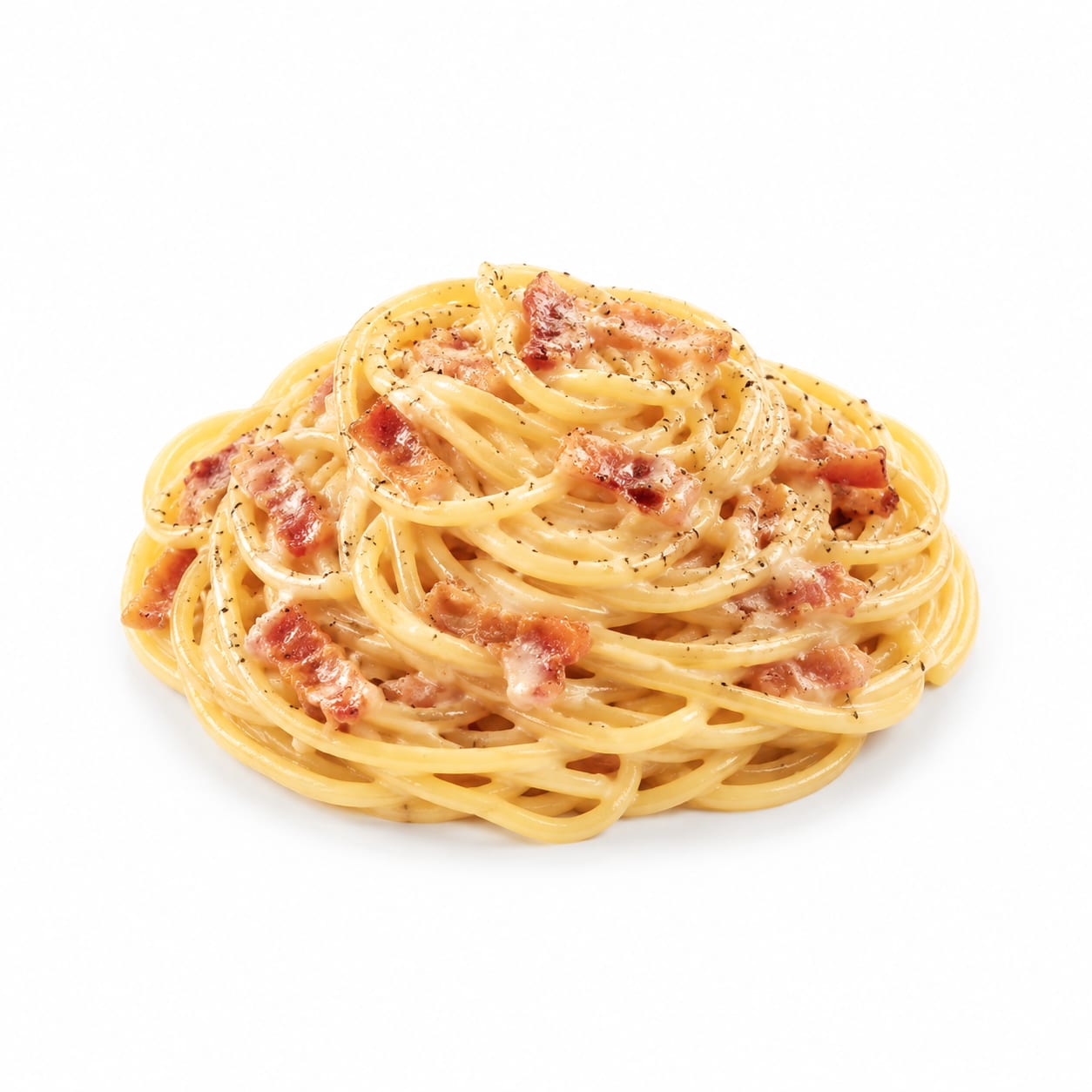
Spaghetti Carbonara
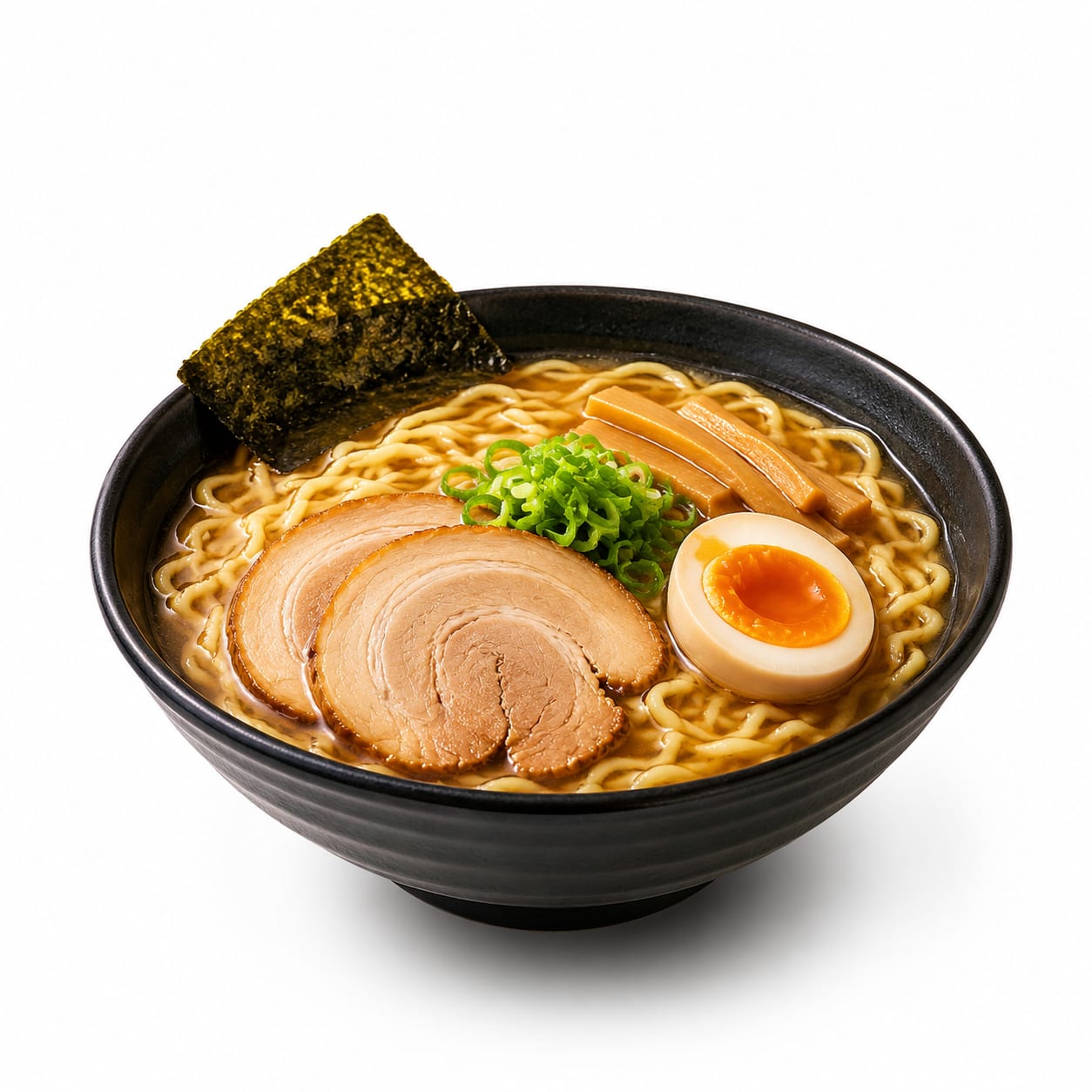
Ramen
Spaghetti Carbonara offers richer protein quality and lower sodium, while Ramen provides a hydrating, soothing broth but often carries an extreme salt load.
Spaghetti Carbonara scores higher due to typically lower sodium and more whole-food ingredients. Ramen loses significant points for extreme sodium levels and the ultra-processing common in instant varieties.
Creamy, calorie-dense indulgence versus brothy, high-sodium comfort.
At a glance
Executive summary
Overall
It depends
Healthier
Spaghetti Carbonara
More practical
Ramen
Daily use
It depends
Key comparison lenses
Sodium load and heart health
Ramen broth and Carbonara cured pork both deliver heavy sodium hits
Comfort food craving satisfaction
Both are iconic, emotionally satisfying noodle dishes craved globally
Ultra-processing vs traditional preparation
Instant ramen is heavily processed, while traditional Carbonara uses whole ingredients
Satiety and meal heaviness
Both are dense, but fat vs liquid volume creates different fullness profiles
Best choice for
Spaghetti Carbonara
- People watching their blood pressure
- Those wanting higher quality protein from eggs and cheese
- Individuals avoiding artificial additives and MSG
Ramen
- Cold days requiring a warming, hydrating broth
- Budget-conscious eaters needing a quick meal
- People wanting a large volume of food for fewer calories
Least suitable for
Spaghetti Carbonara
- People with severe dairy intolerance
- Those on a strict low-fat or low-calorie diet
- Individuals looking for a light meal
Ramen
- People with hypertension or sodium sensitivity
- Those avoiding ultra-processed foods
- Individuals prone to bloating from high sodium
Deep comparison
Dimension by dimension
Each lens scores both foods and breaks down who each option suits.
- Dimension 1 · Priority 95Spaghetti Carbonara
Sodium and Heart Health
Spaghetti Carbonara · 55Ramen · 20Spaghetti Carbonara is salty, but Ramen broth can contain an entire day's worth of sodium in a single bowl.
Tradeoff
You trade lower sodium for higher saturated fat when choosing the Italian classic over the Japanese soup.
Why it matters
Frequent high-sodium meals directly raise blood pressure and stroke risk over time.
Real-world impact
Eating Ramen often leads to afternoon thirst and morning puffiness from water retention.
Spaghetti Carbonara
- Managing blood pressure
- Reducing water retention
Better for
- Heart health if eaten excessively
Worse for
Ramen
- Replenishing sodium after intense sweating
Better for
- Daily consumption
- Hypertension management
Worse for
- Dimension 2 · Priority 85Spaghetti Carbonara
Satiety and Fullness
Spaghetti Carbonara · 88Ramen · 72Spaghetti Carbonara keeps you full longer due to its dense fat and protein content, while Ramen's liquid volume fills you up temporarily.
Tradeoff
Carbonara provides lasting energy but feels heavy; Ramen feels lighter initially but hunger returns sooner.
Why it matters
Meals that keep you full prevent unnecessary snacking and energy crashes later.
Real-world impact
A bowl of Ramen at lunch often means you are hungry again by 3 PM, while Carbonara might keep you full until dinner.
Spaghetti Carbonara
- Long workdays without breaks
- Preventing late-night snacking
Better for
- Active days requiring light movement
Worse for
Ramen
- Post-illness refeeding
- Times when you need comfort without heavy stomach drag
Better for
- Sustaining energy for long stretches
Worse for
- Dimension 3 · Priority 80Spaghetti Carbonara
Processing and Additives
Spaghetti Carbonara · 70Ramen · 25Traditional Spaghetti Carbonara uses whole eggs, cheese, and cured pork, whereas typical Ramen relies on dehydrated fats and MSG-heavy flavor packets.
Tradeoff
You get faster prep and longer shelf life with Ramen, but sacrifice ingredient integrity.
Why it matters
Ultra-processed foods disrupt natural fullness signals and often contain inflammatory additives.
Real-world impact
Instant Ramen is a 3-minute meal but can leave you feeling sluggish and unsatisfied compared to a freshly cooked dish.
Spaghetti Carbonara
- Clean eating goals
- Avoiding artificial flavor enhancers
Better for
- Requiring real cooking skills and fresh ingredients
Worse for
Ramen
- Emergency pantry meals
- Ultra-tight budgets
Better for
- Long-term metabolic health
- Whole-food diets
Worse for
- Dimension 4 · Priority 75It depends
Blood Sugar Stability
Spaghetti Carbonara · 60Ramen · 55Both are refined-carb heavy, but Carbonara's fat and protein slow down sugar absorption slightly better than Ramen's broth-heavy profile.
Tradeoff
Neither is ideal for steady energy; both will cause a blood sugar rise, but the pasta's rich sauce offers a slight buffer.
Why it matters
Rapid blood sugar spikes lead to energy crashes and increased cravings.
Real-world impact
You might feel a carb coma after either meal, but Ramen's quick-digesting noodles can hit your bloodstream faster.
Spaghetti Carbonara
- Slower digestion due to high fat
Better for
- High calorie load alongside carbs
Worse for
Ramen
- Easier portion control if you leave broth behind
Better for
- Rapid digestion of refined wheat
Worse for
Timeline
Health impact over time
Short-term
Hours to days
Spaghetti Carbonara
- Quick, heavy feeling of fullness
- Potential sluggishness from high saturated fat
Ramen
- Immediate hydration and warmth from broth
- Sodium-induced bloating and intense thirst within hours
Long-term
Months to years
Spaghetti Carbonara
- Increased LDL cholesterol if eaten very frequently
- More manageable blood pressure compared to a high-broth diet
Ramen
- Significant hypertension risk from routine sodium intake
- Metabolic syndrome risk if consuming instant varieties regularly
Risk profile
Safety & processing
Spaghetti Carbonara relies on traditional curing and cooking methods, while standard Ramen uses industrial dehydration, MSG, and preservatives to achieve its flavor and shelf stability.
Spaghetti Carbonara
Raw egg contamination
lowTraditional Carbonara uses raw egg yolk tempered by hot pasta, carrying a slight salmonella risk if not heated properly or if using low-quality eggs.
Ramen
Acute sodium overload
mediumA single bowl of restaurant or instant Ramen can contain 1500-3000mg of sodium, which is dangerous for sensitive individuals.
Oxidized fats
lowInstant Ramen noodles are often deep-fried, and the oils can oxidize over long shelf lives.
Who wins for whom
Audience fit
Same foods, different winners depending on your goal.
children
Spaghetti CarbonaraLess sodium and fewer artificial additives make Spaghetti Carbonara a safer choice for kids, though portion sizes should remain small.
daily consumption
It dependsNeither should be eaten daily. Both are indulgent comfort foods best enjoyed weekly or less to protect heart and metabolic health.
diabetes
It dependsBoth are refined-carb bombs. Carbonara's fat slows sugar absorption slightly, but both will spike blood glucose significantly.
elderly
Spaghetti CarbonaraLower sodium is crucial for aging hearts, and the softer texture of pasta is easy to chew, whereas Ramen's extreme salt is a cardiovascular risk.
muscle gain
Spaghetti CarbonaraThe complete, high-quality proteins from eggs and cheese in Spaghetti Carbonara support muscle synthesis better than the lower-quality protein in Ramen.
weight loss
It dependsNeither is ideal, but Ramen offers a larger volume of food for fewer calories if you skip drinking the broth, while Carbonara's fat keeps you full longer on a smaller portion.
Your move
Decision guide
Choose Spaghetti Carbonara
- You want a rich, creamy meal without the extreme sodium crash
- You prioritize whole-food ingredients over convenience
- You need long-lasting fullness to avoid afternoon snacking
Choose Ramen
- You crave a hot, soothing broth on a cold or rainy day
- You only have a few minutes to prepare a meal
- You want a hydrating meal after a long day in the heat
Either works if
- You need a comforting, carb-heavy dinner after an exhausting day
- You are looking for emotional satisfaction from food
Avoid both if
- You are on a strict low-carb or ketogenic diet
- You have severe hypertension or heart failure
- You are trying to cut calories for weight loss
Final recommendation
Choose Spaghetti Carbonara for a richer, lower-sodium indulgence with better protein quality. Opt for Ramen when you need the soothing comfort of a hot broth or a lightning-fast meal, but always drink extra water to offset the salt.
Practical
Consumer tips
- 1
Ask for Ramen broth on the side to control exactly how much sodium you consume.
- 2
Use high-quality guanciale or pancetta in Spaghetti Carbonara for authentic flavor without needing extra salt.
- 3
Drink plenty of water after eating Ramen to flush out excess sodium and reduce next-day bloating.
- 4
Add steamed vegetables to either dish to increase fiber and slow down the absorption of refined carbs.
- 5
If making Ramen, discard half the flavor packet and add your own low-sodium miso or bone broth.