
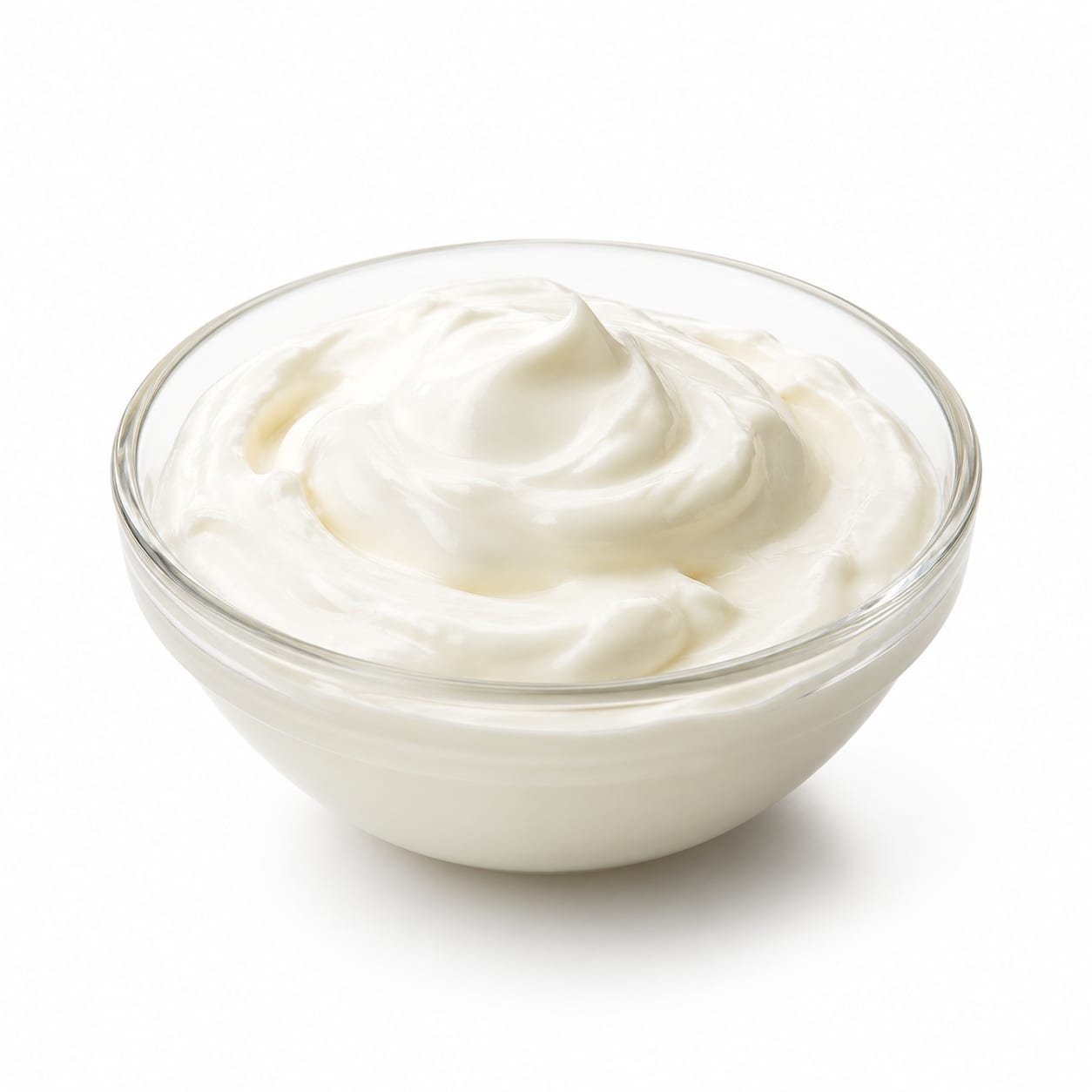
Dairy
Sour Cream
A fermented dairy condiment made from cream, known for its tangy flavor and high fat content.
A thick, tangy dairy product made by fermenting regular cream with lactic acid-producing bacteria, commonly used as a condiment, topping, or baking ingredient.
high-fat low-carb dairy condiment
Typical serving · 30g
Common varieties · regular, light, fat-free, cultured, organic
Overall context score across nutrition, safety, and diet fit
At a glance
Quick facts
Simple indicators based on nutrition, processing, and diet fit.
The story
What makes it unique
Sour cream is produced by fermenting dairy cream with lactic acid bacteria, which thickens the texture and creates a tart flavor. It digests slowly due to its high fat content, which promotes short-term satiety but contributes to high energy density. The macronutrient profile is dominated by fat, primarily saturated, with minimal protein or carbohydrates. Standard sour cream undergoes minimal processing beyond pasteurization and fermentation, though commercial varieties often include stabilizers like guar gum or carrageenan.
Varieties: regular · light · fat-free · cultured · organic
Per 100g
Nutrition breakdown
Macro balance and key metrics at a glance.
Energy
Density 1.93 kcal/g
Protein
Carbs
Fat
Fiber
Sugar
3.4 g
Sodium
80 mg
Potassium
141 mg
Glycemic index
30
Glycemic load
1.4
Water content
71%
Standout compounds
Nutrient highlights
Saturated Fat
highProvides dense energy and slows digestion, which helps stabilize blood sugar but requires portion control.
Vitamin A
moderateSupports vision, immune function, and skin health.
Calcium
lowEssential for bone health and muscle function, though less concentrated than in milk or yogurt.
Riboflavin
moderateHelps convert food into cellular energy.
Wellness map
Health scores & processing
NOVA processing scale
moderately processed · Whole food
Traditional sour cream is simply pasteurized cream fermented with bacterial cultures. Commercial varieties often add thickeners and stabilizers, pushing some brands toward higher processing levels.
Diet compatibility
- Weight loss
- Muscle gain
- Diabetes
- Gut health
- Low carb
- High protein
- Heart health
Relative standing
Food rankings
Qualitative ranks compared to similar whole foods.
- Satietymoderate
- Blood sugarexcellent
- Nutrient densitymoderate
- Fitness fuelpoor
- Processing qualitygood
Eat with confidence
Food safety profile
Pasteurization significantly reduces microbial risk, but sour cream is highly perishable. Unpasteurized versions carry a higher risk of foodborne illness.
Evidence confidence 90%
- Pesticideslow
- Antibioticsmoderate
- Heavy metalslow
- Contaminationlow
Watch for
- listeria
- spoilage molds
Safer choices
Organic, pasture-raised sour cream to avoid synthetic hormones and antibiotic residues.
Prep tips
Always keep refrigerated, use clean utensils to prevent cross-contamination, and discard if mold appears or if the smell becomes overly bitter or yeasty.
Conventional dairy farming may involve antibiotic use; residues are monitored but remain a consumer concern.
Deep dive
Health analysis
How this food may fit different goals and preparation choices.
Weight loss
High energy density and fat content make it easy to overconsume calories. Light versions or portion control are necessary for weight loss.
Blood sugar
Very low carbohydrate content results in a minimal glycemic response, making it suitable for blood sugar management when used in moderation.
Fitness & energy
Not a viable fuel source for exercise. The high fat slows digestion, making it a poor choice for pre or post-workout nutrition.
Gut health
Contains some live cultures from fermentation, but it is not a significant source of probiotics compared to yogurt or kefir.
Processing quality
Traditional sour cream is a simple fermented food, but many commercial brands add gums and stabilizers to extend shelf life and prevent whey separation.
Food safety
As a dairy product, it requires strict refrigeration. Spoilage is evident via mold or off-odors, and listeria is a risk if made from unpasteurized milk.
Common mistakes
Assuming it is a high-protein food like Greek yogurt, or using large amounts mindlessly on dishes, drastically increasing calorie intake.
Best preparation
Used cold as a topping or dip base. Can be stirred into warm dishes off the heat to prevent curdling, or used in baking for moisture and tenderness.
Practical guide
Best use cases
When and how this food fits real eating patterns.
Low-carb condiment
Adds rich flavor and moisture to keto and low-carb meals without adding significant carbohydrates.
Baking tenderizer
The acidity in sour cream inhibits gluten formation, resulting in exceptionally moist and tender cakes and muffins.
Flavor balancing
The tangy, cool profile cuts through spicy dishes like chili or heavy dishes like stroganoff, balancing heat and richness.
Balance sheet
Pros & cons
Upsides
- Very low carbohydrate content
- Adds significant flavor and moisture to dishes
- Minimal blood sugar impact
- Contains some fat-soluble vitamins like Vitamin A
- Simple ingredient list in traditional varieties
Trade-offs
- High in calories and saturated fat
- Low in protein compared to other dairy
- Not a significant source of probiotics
- Can curdle when exposed to high heat
- Light versions often contain additives and fillers
Fit check
Who is it for?
Great match
- keto and low-carb diets
- blood sugar management
- flavor enhancement in moderation
- baking for moisture
Consider alternatives
- weight loss if portions are uncontrolled
- high-protein diets
- strict low-fat diets
- lactose-intolerant individuals
Side by side
How it compares
Open the full head-to-head analysis for nutrition, safety, and practical tradeoffs.
This food
Sour Cream
VS85% alike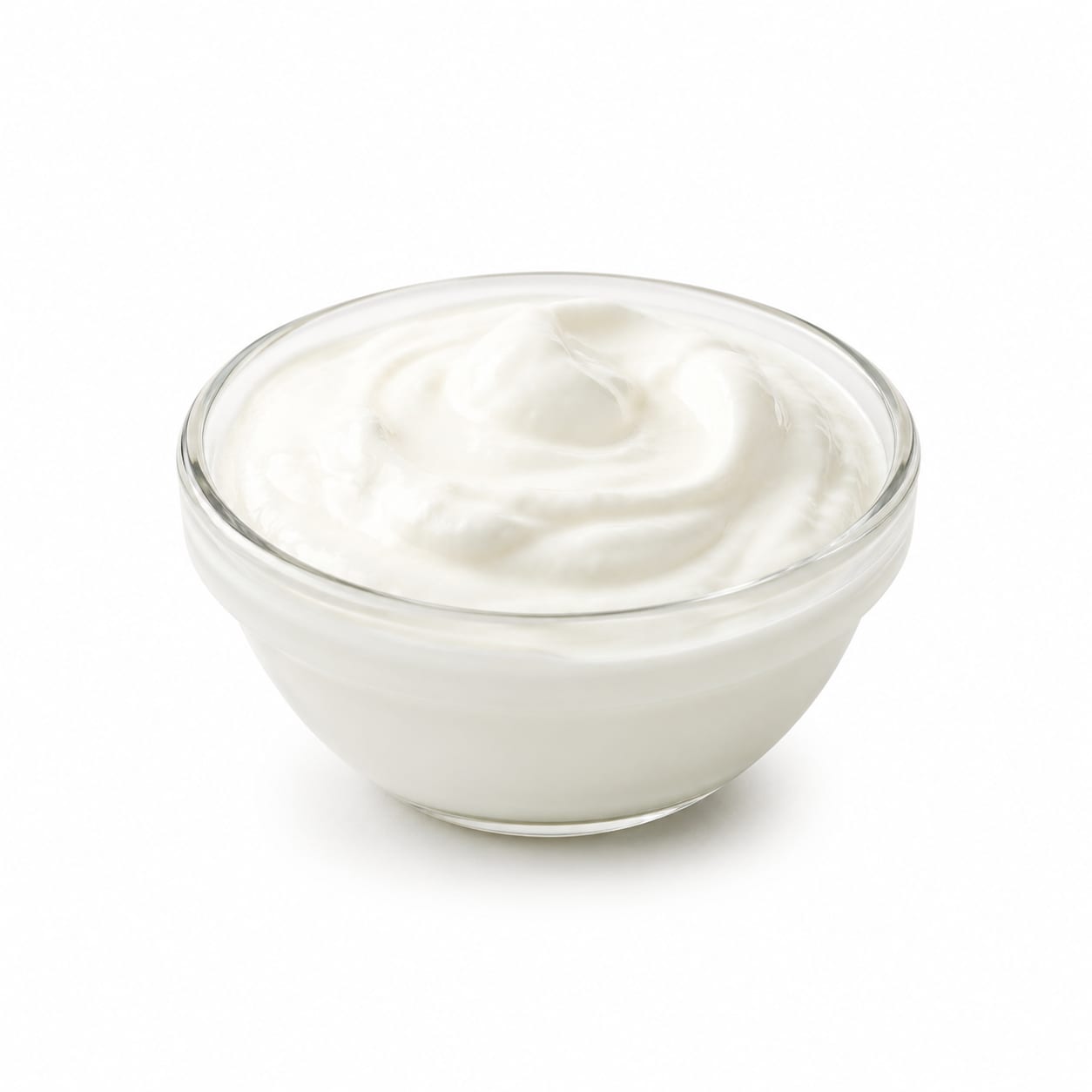
Compare with
Greek Yogurt
Greek yogurt is higher in protein and lower in fat and calories, making it superior for weight loss and fitness. Sour cream is richer and higher in fat, making it better for keto.
Greek yogurt beats sour cream for weight loss and protein, while sour cream offers a richer texture and lower carbs for keto diets.
This food
Sour Cream
VS75% alike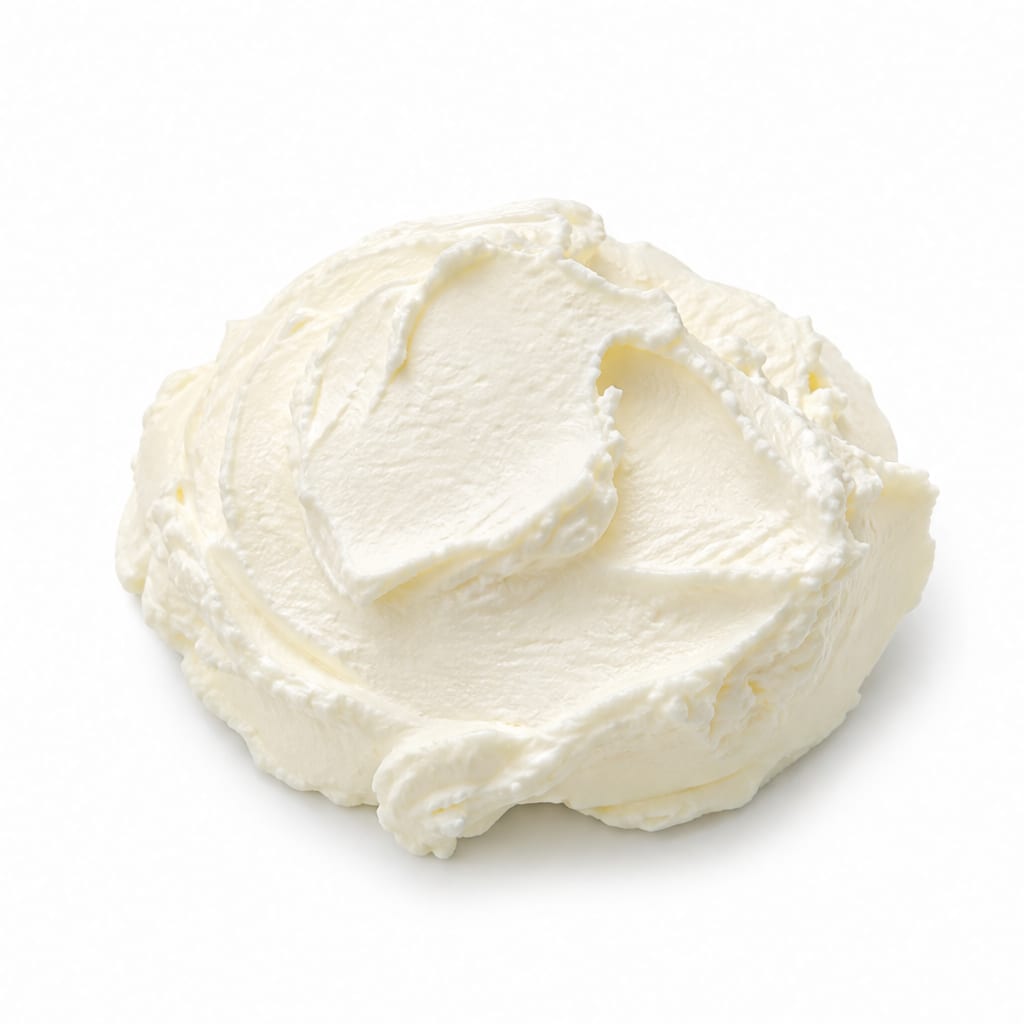
Compare with
Cream Cheese
Cream cheese is denser and higher in calories and fat than sour cream. Sour cream is more spreadable and slightly lower in calories.
Sour cream is lower in calories than cream cheese, making it a slightly lighter choice for weight loss, though both are high-fat dairy.
This food
Sour Cream
VS90% alike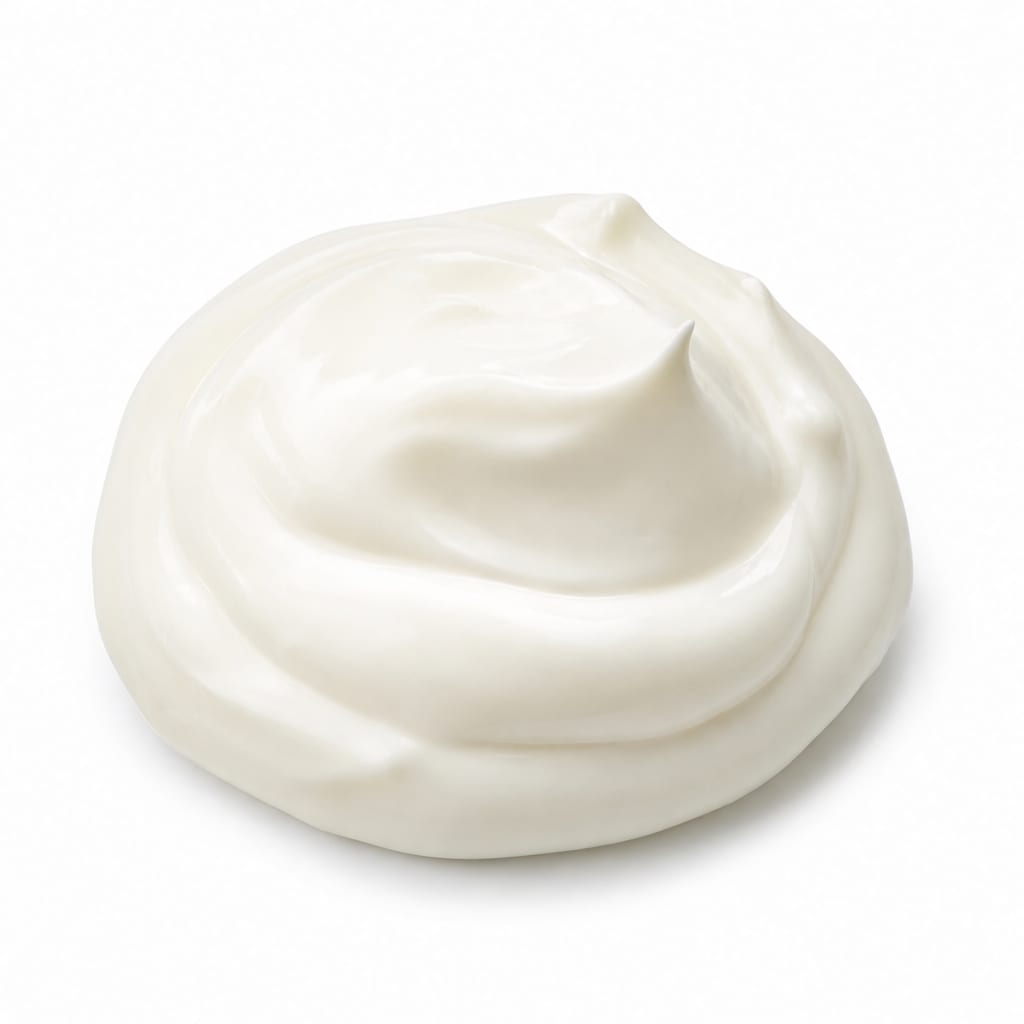
Compare with
Creme Fraiche
Creme fraiche has a higher fat content and less tang than sour cream. Crucially, creme fraiche does not curdle when boiled, making it better for hot cooking.
Sour cream is lower in fat and calories than creme fraiche, but creme fraiche is better for cooking at high heat without curdling.
This food
Sour Cream
VS60% alike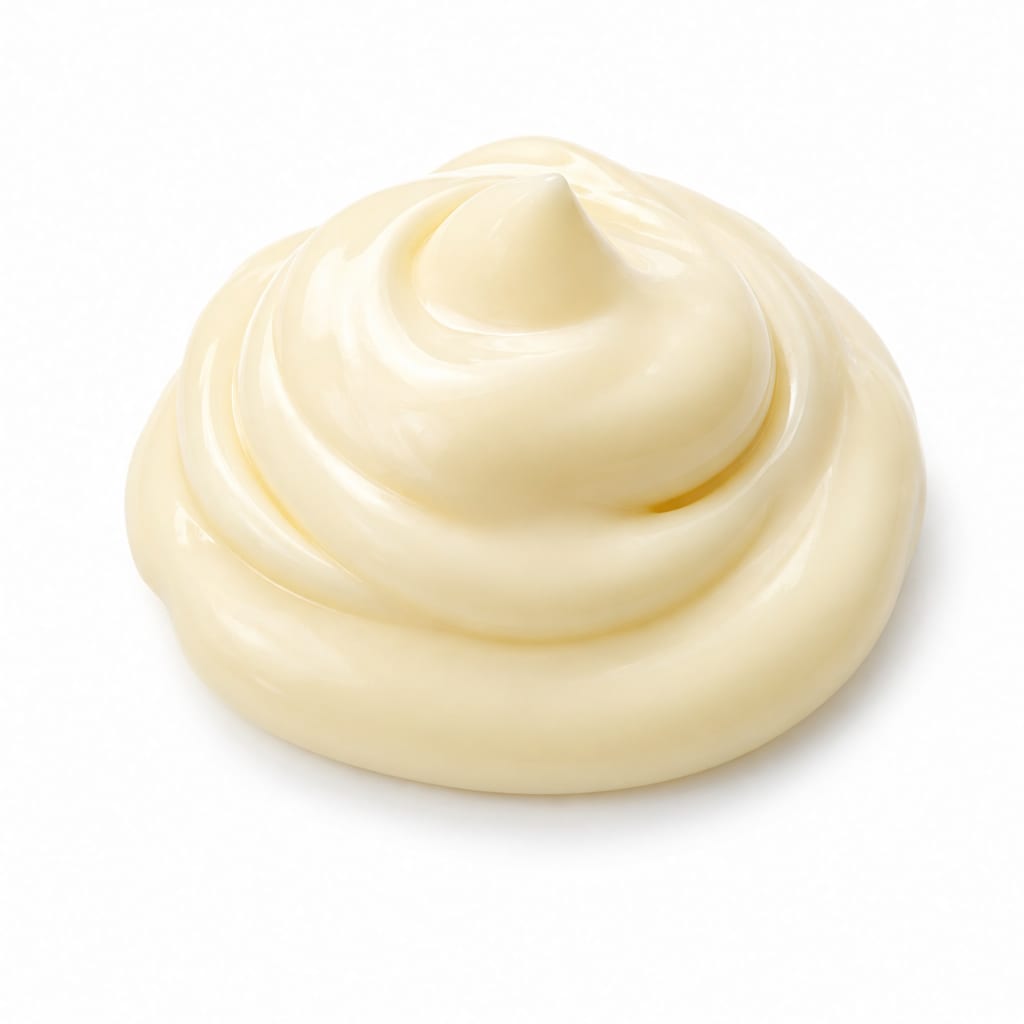
Compare with
Mayonnaise
Mayonnaise is almost entirely fat and is much more calorie-dense than sour cream. Sour cream provides a lighter, tangier alternative with fewer calories per serving.
Sour cream contains about half the calories of mayonnaise, making it a better choice for cutting calories while maintaining a creamy texture.
This food
Sour Cream
VS50% alike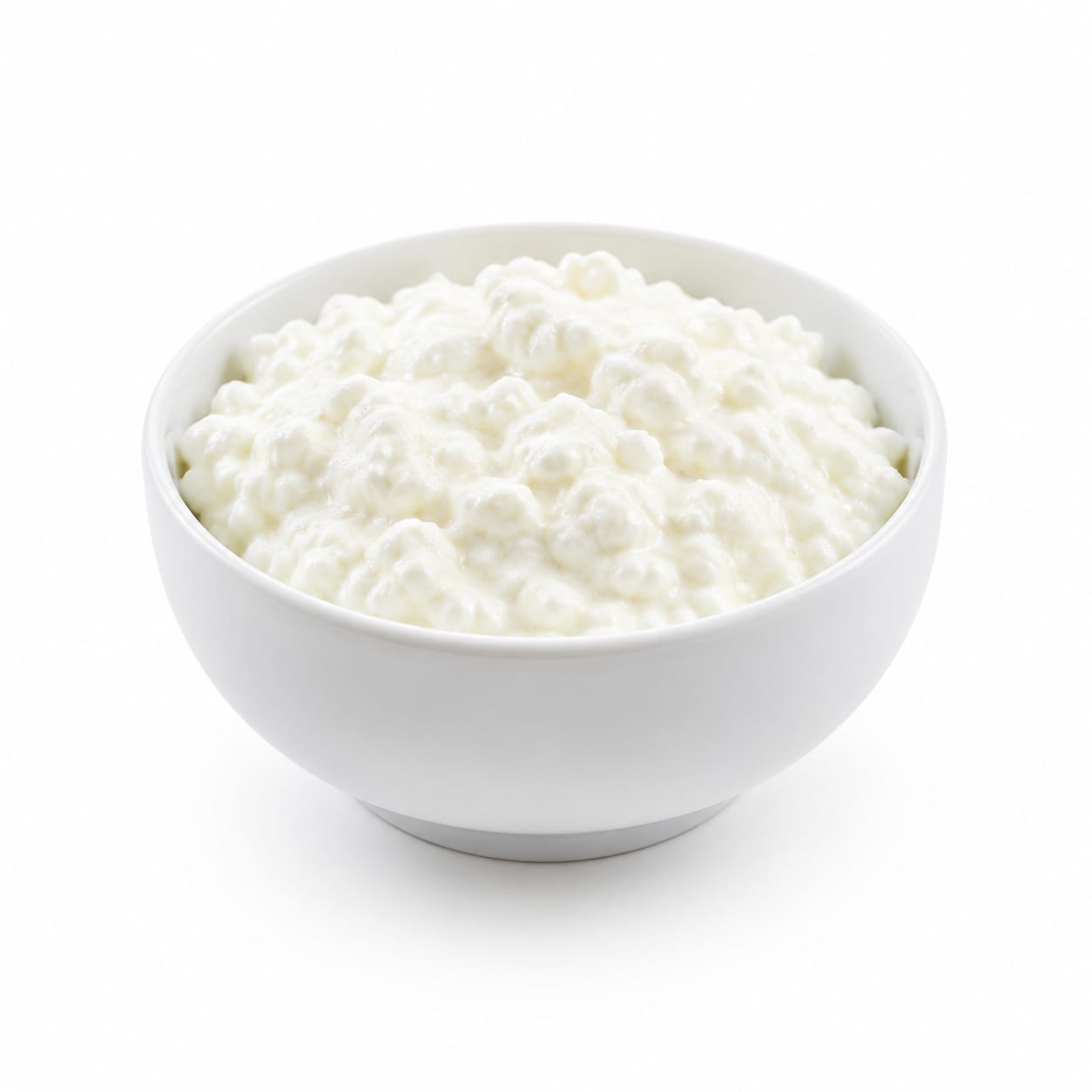
Compare with
Cottage Cheese
Cottage cheese is high in protein and low in fat, making it excellent for muscle gain and satiety. Sour cream is primarily a fat source with minimal protein.
Cottage cheese is far superior to sour cream for protein and weight loss, while sour cream serves strictly as a high-fat flavor enhancer.
This food
Sour Cream
VS70% alike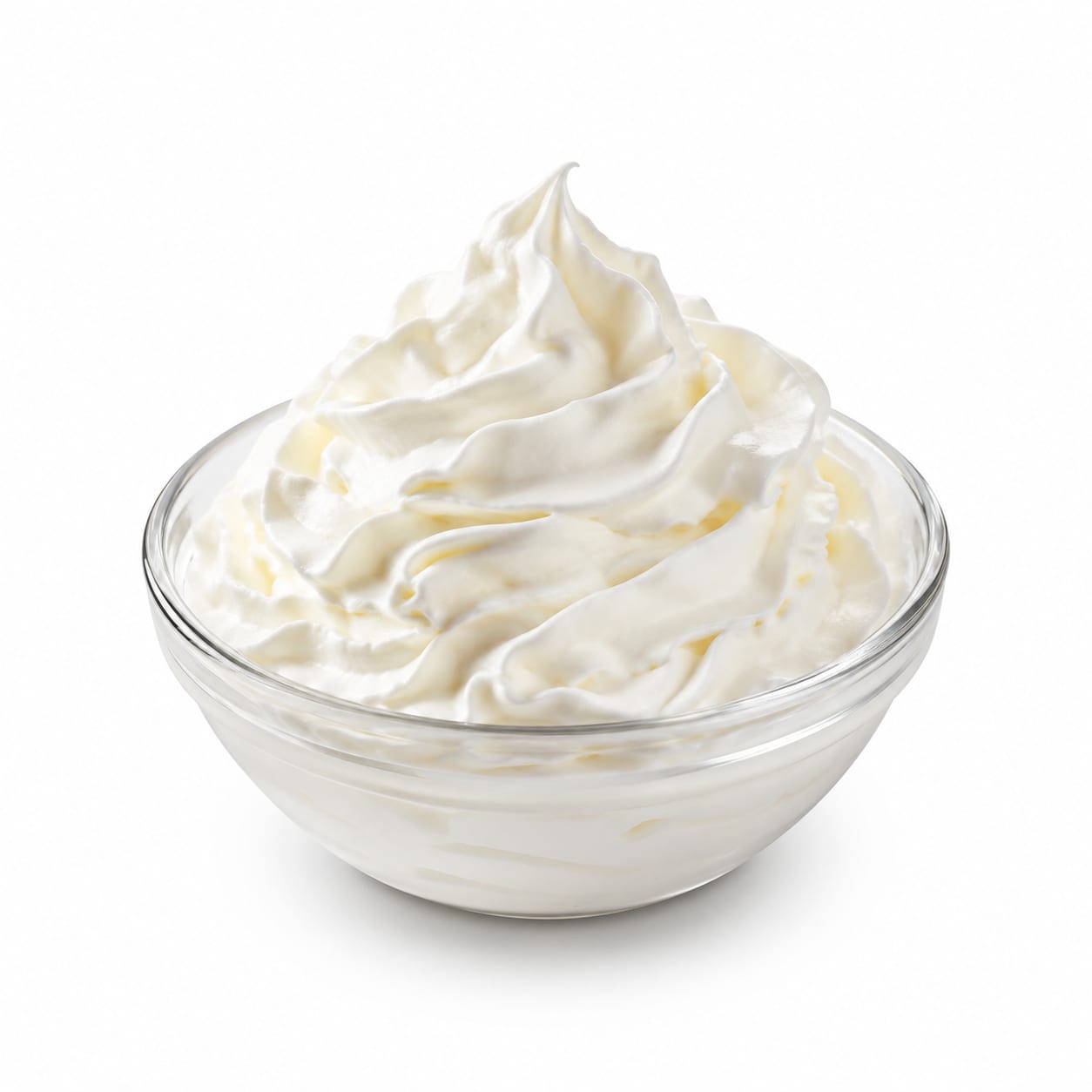
Compare with
Heavy Cream
Heavy cream is liquid and higher in fat with no fermentation, while sour cream is thickened by lactic acid bacteria. Heavy cream is more versatile for whipping and coffee.
Sour cream is fermented and thicker than heavy cream, offering a tangy flavor, while heavy cream is sweeter and used primarily in liquid form.
This food
Sour Cream
VS55% alike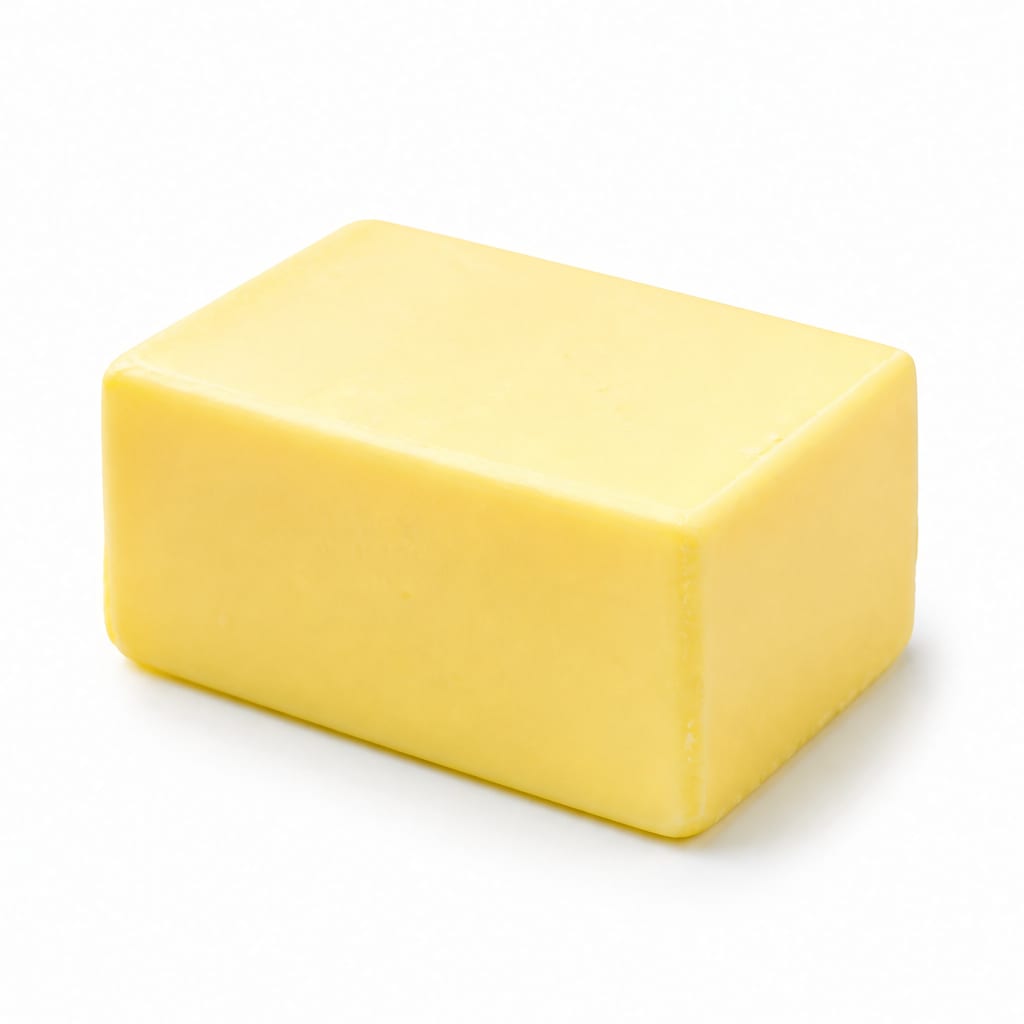
Compare with
Butter
Butter is concentrated milk fat with minimal water or carbs, whereas sour cream retains water and has a small amount of carbs. Butter is better for high-heat cooking.
Sour cream has fewer calories and more moisture than butter, making it a lighter finishing option, but butter is essential for high-heat cooking.
This food
Sour Cream
VS65% alike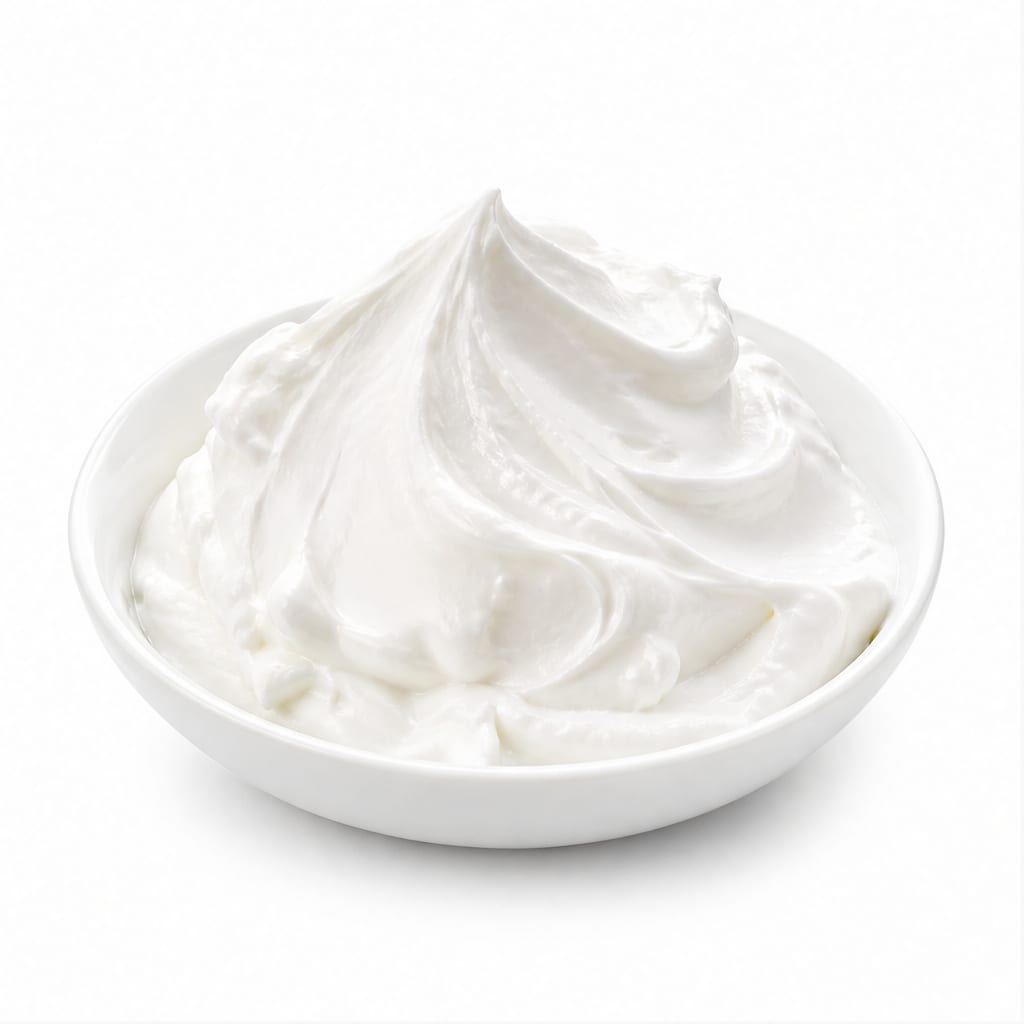
Compare with
Coconut Cream
Coconut cream is plant-based and higher in medium-chain triglycerides, while sour cream contains saturated animal fat. Coconut cream is much higher in calories.
Sour cream is lower in calories and carbs than coconut cream, offering a lighter option for those who tolerate dairy.
This food
Sour Cream
VS65% alike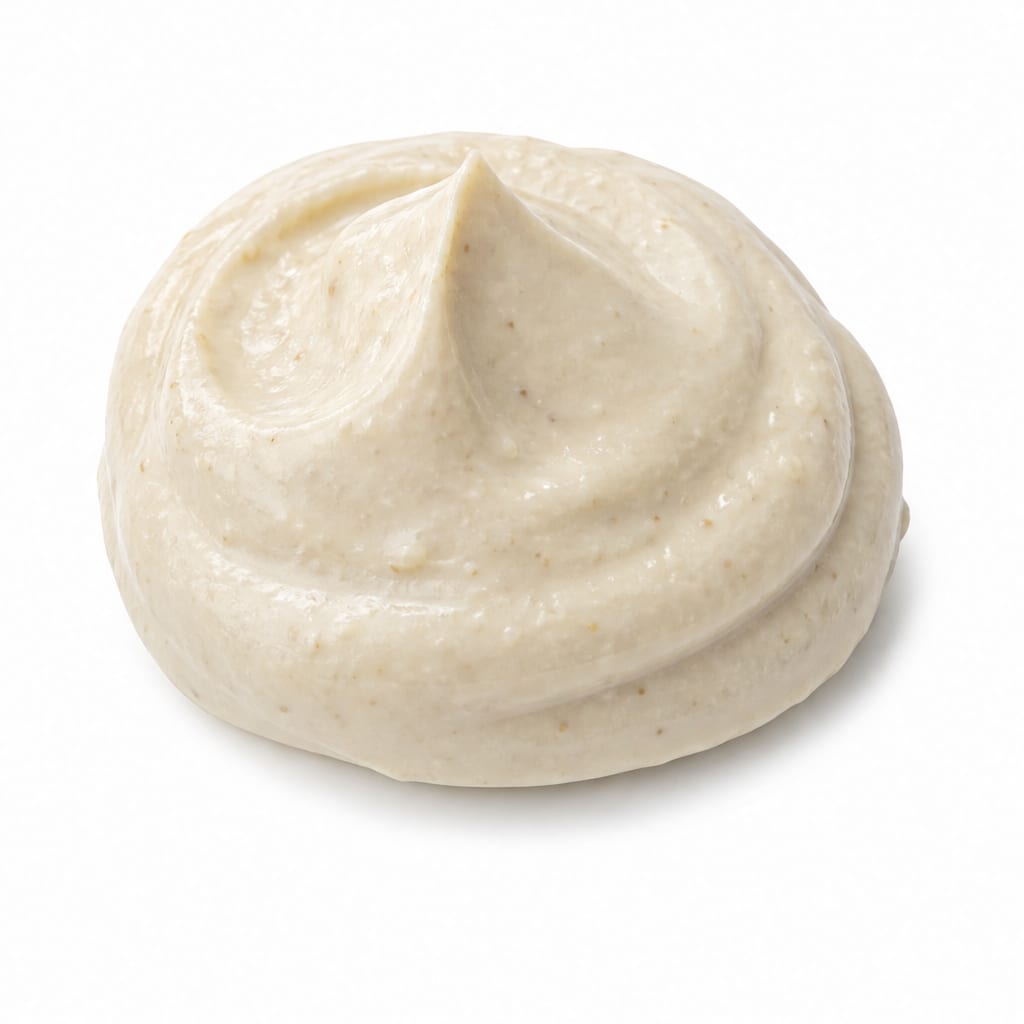
Compare with
Cashew Cream
Cashew cream is a vegan alternative made from blended nuts. It is high in healthy unsaturated fats but contains more calories and carbs than dairy sour cream.
Dairy sour cream is lower in calories and carbs than cashew cream, but cashew cream provides a dairy-free alternative with healthy fats.
This food
Sour Cream
VS70% alike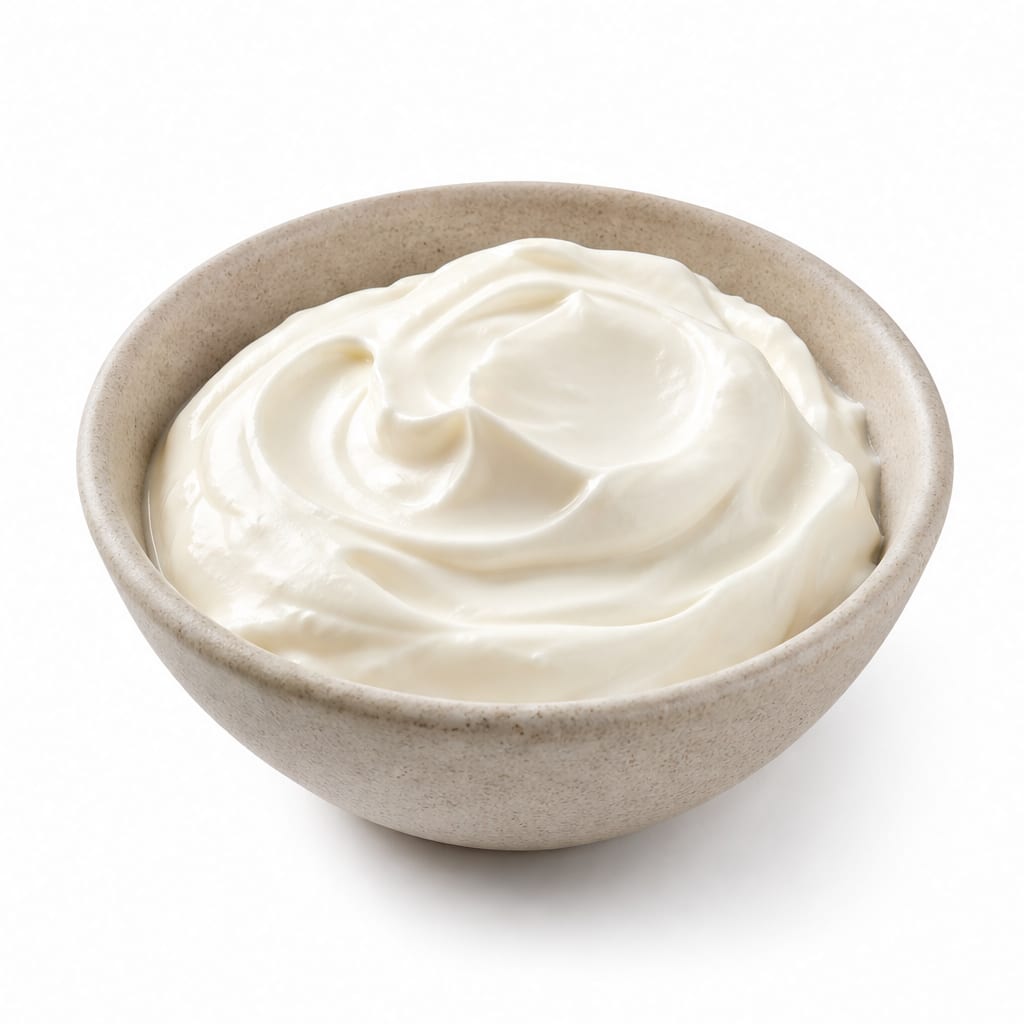
Compare with
Tofu Sour Cream
Tofu sour cream is made from blended silken tofu and is much lower in calories and fat while offering some protein. It is highly processed compared to traditional sour cream.
Tofu sour cream is lower in fat and higher in protein than dairy sour cream, making it better for weight loss, though it is more processed.
Common questions
FAQ
Answers aligned with how people search for this food.
Is sour cream keto-friendly?
Yes, regular full-fat sour cream is keto-friendly. It is low in carbohydrates and high in fat, making it a suitable condiment for ketogenic diets when used in moderation.
Does sour cream have probiotics?
Cultured sour cream contains lactic acid bacteria, but it is not a significant source of probiotics. The fermentation process primarily acts to thicken and flavor the cream rather than deliver high doses of beneficial bacteria like yogurt or kefir.
Can diabetics eat sour cream?
Yes, sour cream has a very low glycemic index and minimal carbohydrates, meaning it will not cause significant blood sugar spikes. However, portion control is advised due to its high calorie and fat content.
Is sour cream healthier than mayonnaise?
Sour cream is generally lower in calories and fat than mayonnaise. A serving of sour cream has about half the calories of mayonnaise, making it a lighter alternative for sandwiches and dips.
What is a healthy substitute for sour cream?
Plain Greek yogurt is the most popular healthy substitute. It provides a similar tangy flavor and creamy texture but contains significantly more protein and fewer calories and fat.
Why does sour cream get watery?
The watery liquid is whey separating from the curds, a natural process in fermented dairy. It can be stirred back in or poured off. Stabilizers in commercial brands are added specifically to prevent this separation.
Can you cook with sour cream?
Yes, but it requires care. High heat can cause sour cream to curdle. It is best stirred into dishes off the heat or used in baked goods where the oven temperature sets the proteins gently.
Is light sour cream a good diet choice?
Light sour cream reduces fat and calories, making it better for weight loss, but it often contains added thickeners, stabilizers, and sometimes sugar to compensate for the lost texture and flavor of fat.
Transparency
Data confidence
Estimated confidence for nutrition data, interpretation, safety notes, and comparisons.
Nutrition data
Health analysis
Food safety
Comparisons