
Nutrition comparison
Sour Cream vs Greek Yogurt: Nutrition, Substitutes, and Health Comparison
Comparing Sour Cream vs Greek Yogurt? Discover the key differences in protein, calories, and fat, and learn which is better for weight loss, baking, and daily use.
Overall winner · Greek Yogurt
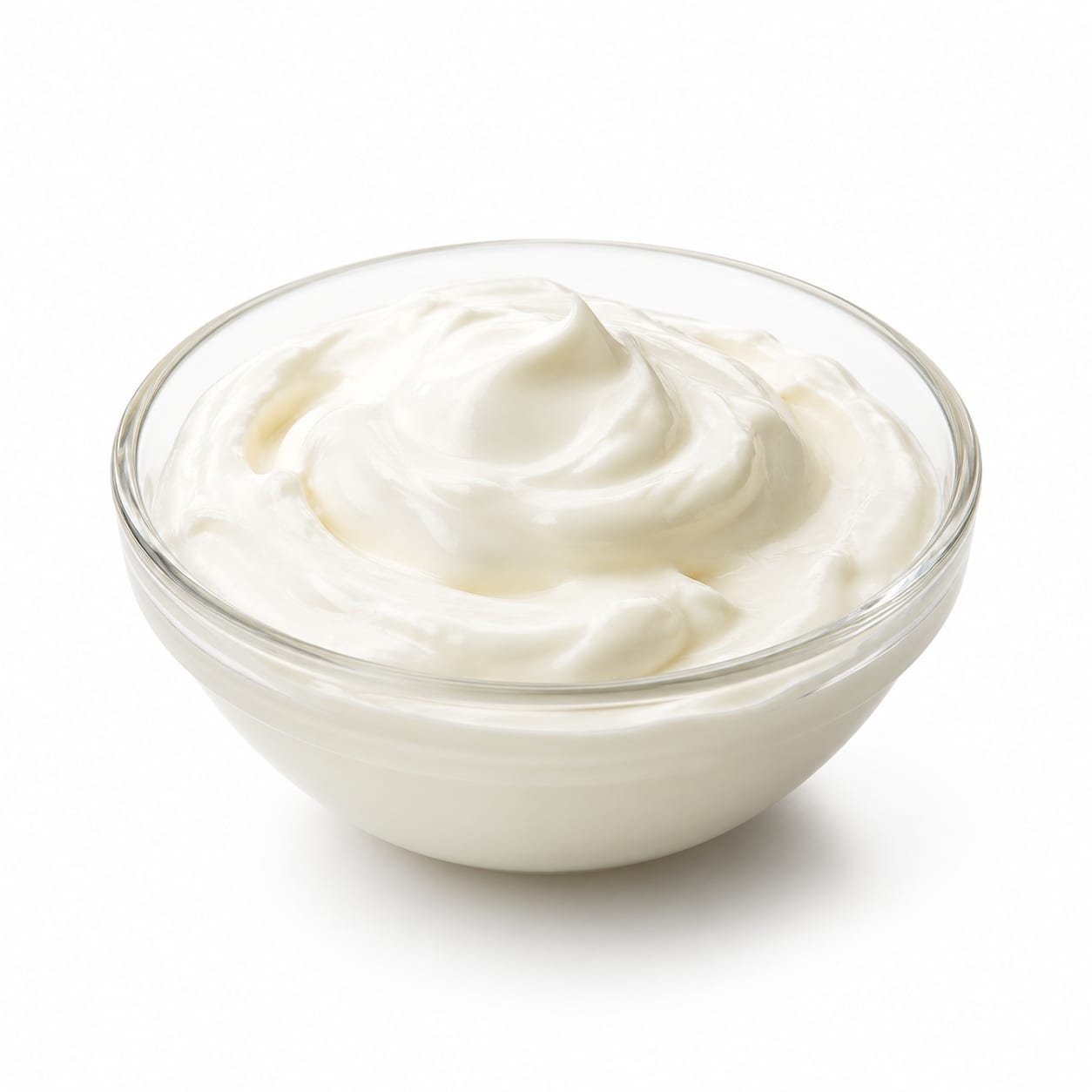
Sour Cream
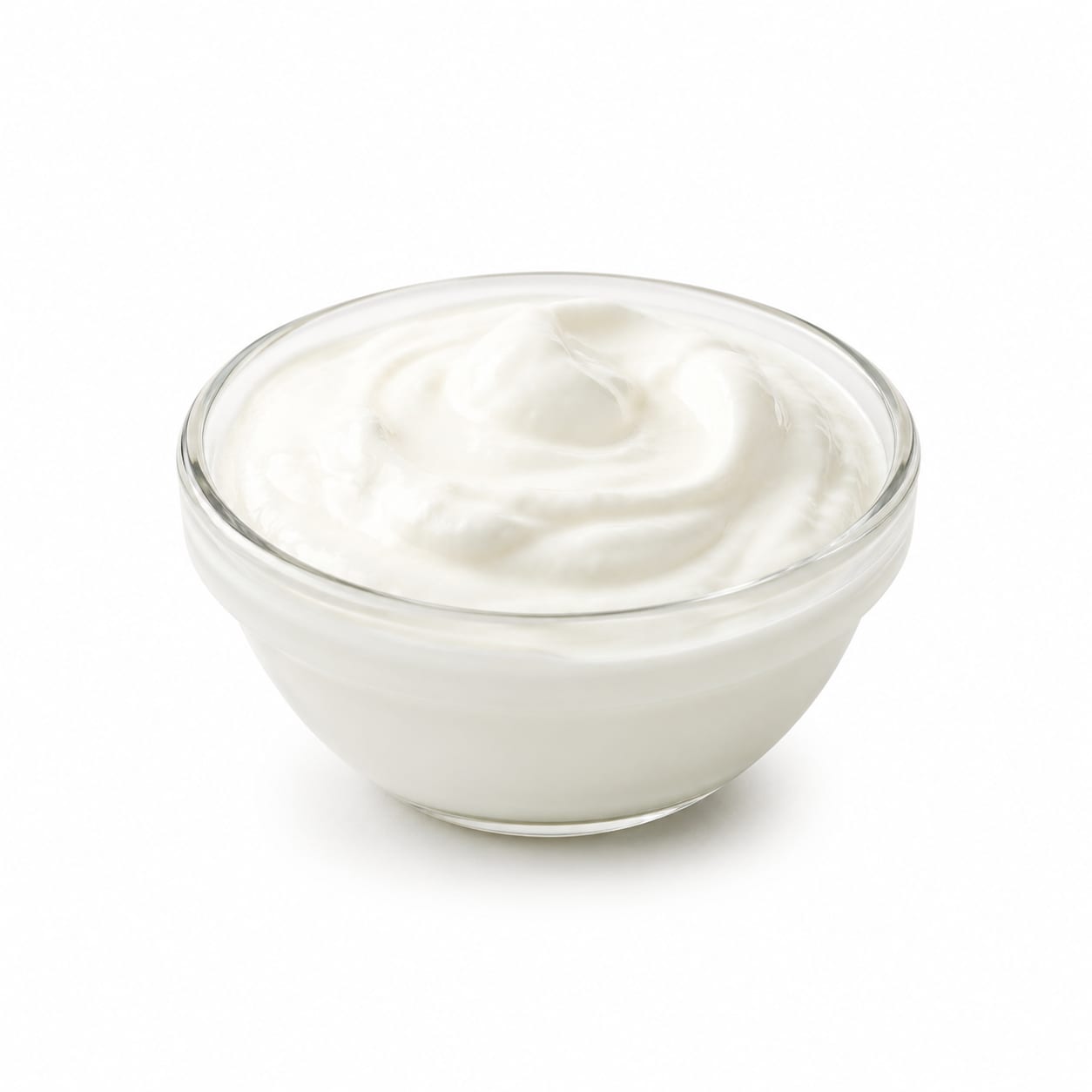
Greek Yogurt
Greek Yogurt dominates for daily nutrition and protein, while Sour Cream delivers unmatched richness for occasional indulgence.
Greek Yogurt scores significantly higher due to its superior protein content, lower calorie density, and broader daily usability. Sour Cream is not inherently bad, but its high fat and low protein make it a condiment rather than a staple.
You trade the luxurious mouthfeel and fat flavor of Sour Cream for the protein punch and lower calories of Greek Yogurt.
At a glance
Executive summary
Overall
Greek Yogurt
Healthier
Greek Yogurt
More practical
Greek Yogurt
Daily use
Greek Yogurt
Key comparison lenses
Finding a healthier high-protein substitute for sour cream
Greek Yogurt is the most common direct substitute for Sour Cream, offering similar tang and texture but vastly different macros.
Weight management and calorie control
Sour Cream is fat-dense and calorie-heavy, while Greek Yogurt provides bulk and protein for fewer calories.
Culinary substitution in dips, baking, and toppings
Users frequently want to know if they can swap these in recipes without ruining flavor or texture.
Best choice for
Sour Cream
- Baking where fat content is critical for moisture
- Finishing a dish where rich mouthfeel is the priority
- Those on a keto or very low-carb diet needing fat
Greek Yogurt
- High-protein breakfasts and snacks
- Making lighter dips and dressings
- Anyone tracking calories or building muscle
Least suitable for
Sour Cream
- Daily high-volume eating due to calorie density
- People managing high cholesterol or heart disease
- Post-workout recovery due to low protein
Greek Yogurt
- Strict keto diets due to higher protein and carb content
- Recipes requiring high fat for chemical reactions like some pastries
Deep comparison
Dimension by dimension
Each lens scores both foods and breaks down who each option suits.
- Dimension 1 · Priority 95Greek Yogurt
Protein & Satiety
Sour Cream · 10Greek Yogurt · 95Greek Yogurt packs up to 10x more protein than Sour Cream, keeping you full for hours.
Tradeoff
Sour Cream leaves you hungry soon after eating because it lacks the protein needed to trigger fullness signals.
Why it matters
Protein is the most satiating macronutrient. Choosing Greek Yogurt turns a topping into a filling meal component.
Real-world impact
A bowl of chili topped with Greek Yogurt will keep you satisfied until morning. The same bowl with Sour Cream might leave you raiding the fridge by 9 PM.
Sour Cream
- Keto dieters who want fat without extra protein
Better for
- Post-workout meals
- High-volume dieters
Worse for
Greek Yogurt
- Athletes needing muscle recovery
- Anyone trying to stay full between meals
Better for
- Those strictly limiting protein intake
Worse for
- Dimension 2 · Priority 90Greek Yogurt
Calorie & Fat Density
Sour Cream · 25Greek Yogurt · 85Sour Cream gets 90% of its calories from fat, making it very easy to overconsume. Greek Yogurt is mostly protein with a fraction of the fat.
Tradeoff
You sacrifice the rich, luxurious mouthfeel of Sour Cream to save hundreds of calories and grams of saturated fat per serving.
Why it matters
Saturated fat and calorie density directly impact heart health and weight management over time.
Real-world impact
A generous dollop of Sour Cream on a baked potato adds 120 calories and 12g of fat. The same dollop of non-fat Greek Yogurt adds 20 calories and zero fat.
Sour Cream
- Creating rich, indulgent textures in small amounts
- Ketogenic diets
Better for
- Daily use in large portions
- Managing high cholesterol
Worse for
Greek Yogurt
- Calorie-controlled diets
- Heart-healthy eating patterns
Better for
- Recipes relying on fat for emulsification
Worse for
- Dimension 3 · Priority 75It depends
Gut Health & Probiotics
Sour Cream · 70Greek Yogurt · 80Both are fermented dairy products containing live cultures, but Greek Yogurt often has higher probiotic counts and more diverse strains.
Tradeoff
While both support digestion, Greek Yogurt delivers probiotics alongside prebiotic-friendly protein, whereas Sour Cream delivers them with heavy fat.
Why it matters
Probiotics need a supportive environment. The overall nutritional profile of Greek Yogurt makes it a better vehicle for gut health.
Real-world impact
Eating Greek Yogurt daily can improve digestion and regularity. Sour Cream is rarely eaten in large enough quantities to get the same probiotic benefit.
Sour Cream
- Adding a mild probiotic boost to hot dishes if added after cooking
Better for
- Those with severe lactose intolerance
Worse for
Greek Yogurt
- Daily probiotic maintenance
- Improving lactose tolerance due to higher bacterial activity
Better for
- People avoiding specific bacterial strains
Worse for
- Dimension 4 · Priority 80It depends
Culinary Versatility
Sour Cream · 75Greek Yogurt · 85Greek Yogurt works from breakfast to dinner, but Sour Cream still reigns for specific baking and rich sauce applications.
Tradeoff
Greek Yogurt can curdle under high heat, while Sour Cream is more stable in warm cooking and baking due to its fat content.
Why it matters
A food's usefulness depends on how many meals it can enhance without ruining the dish.
Real-world impact
Stirring Greek Yogurt into a hot soup can cause it to clump. Sour Cream blends in smoothly. But Greek Yogurt makes a better overnight oats base.
Sour Cream
- Stirring into hot soups or stews
- Baking moist cakes and coffee cakes
Better for
- Sweet breakfast dishes
- Smoothies
Worse for
Greek Yogurt
- Smoothies and breakfast bowls
- Making lighter ranch dressings or tzatziki
Better for
- High-heat cooking
- Traditional rich desserts
Worse for
- Dimension 5 · Priority 85Greek Yogurt
Blood Sugar Stability
Sour Cream · 60Greek Yogurt · 90Greek Yogurt's high protein slows digestion and prevents sugar spikes, while Sour Cream's lack of protein offers less blood sugar control.
Tradeoff
Sour Cream has almost no carbs, but its lack of protein means it does not actively stabilize blood sugar when eaten with carbs.
Why it matters
Steady blood sugar means fewer energy crashes and reduced cravings throughout the day.
Real-world impact
Pairing carbs with Greek Yogurt blunts the sugar spike. Pairing them with Sour Cream relies solely on fat to slow absorption, which is less effective.
Sour Cream
- Very low-carb meals where fat slows minor carb absorption
Better for
- Meals lacking protein
Worse for
Greek Yogurt
- Balancing high-carb meals
- Diabetics needing steady glucose
Better for
- Strict zero-carb diets
Worse for
Timeline
Health impact over time
Short-term
Hours to days
Sour Cream
- Quick feeling of richness and satisfaction from fat
- Potential sluggishness after large portions due to high fat digestion
Greek Yogurt
- Noticeable fullness and satiety from protein
- Easier digestion for some lactose-sensitive individuals
Long-term
Months to years
Sour Cream
- Increased risk of elevated LDL cholesterol with frequent consumption
- Higher likelihood of weight gain if used generously
Greek Yogurt
- Improved muscle maintenance and metabolic rate
- Better weight management and gut health over time
Risk profile
Safety & processing
Sour Cream often contains stabilizers, thickeners, and preservatives to extend shelf life and maintain texture. Plain Greek Yogurt typically contains just milk and live cultures, making it a cleaner choice.
Sour Cream
Spoilage and foodborne illness
mediumSour Cream is highly perishable once opened and can harbor harmful bacteria if left unrefrigerated, especially when double-dipped.
Additive sensitivity
lowSome brands use gums and stabilizers that can cause mild digestive upset in sensitive individuals.
Greek Yogurt
Histamine intolerance
lowFermented foods like Greek Yogurt are high in histamine, which can trigger headaches or itching in histamine-sensitive people.
Cross-contamination with allergens
lowAlways check labels if you have severe dairy or cross-reactive allergies, as processing facilities vary.
Who wins for whom
Audience fit
Same foods, different winners depending on your goal.
children
Greek YogurtGreek Yogurt supports growth with protein and calcium, without the heavy saturated fat load of Sour Cream.
daily consumption
Greek YogurtGreek Yogurt is a nutritional staple you can eat every day. Sour Cream is best reserved as an occasional condiment.
diabetes
Greek YogurtThe high protein in Greek Yogurt actively stabilizes blood sugar, making it a safer choice for glucose management.
elderly
Greek YogurtOlder adults need protein to prevent muscle loss and probiotics for gut health, making Greek Yogurt the clear winner.
muscle gain
Greek YogurtWith up to 20g of protein per cup, Greek Yogurt is a legitimate muscle-building food. Sour Cream offers negligible protein.
weight loss
Greek YogurtGreek Yogurt provides massive volume and protein for very few calories, making it far easier to stay in a deficit.
Your move
Decision guide
Choose Sour Cream
- You are baking a cake and need the fat for moisture and crumb texture
- You follow a strict ketogenic diet and need pure fat with minimal protein
- You are making a classic dish where the distinct flavor of Sour Cream is irreplaceable
Choose Greek Yogurt
- You want a high-protein breakfast or snack that keeps you full
- You are trying to lose weight or reduce saturated fat intake
- You need a versatile base for dips, dressings, and smoothies
Either works if
- You need a tangy, creamy topping for a taco or baked potato
- You want a probiotic boost for your gut health
Avoid both if
- You have a severe dairy allergy or strict lactose intolerance
- You are on a completely dairy-free elimination diet
Final recommendation
Keep Greek Yogurt in your fridge as a daily staple for meals and snacks. Save Sour Cream for the occasional recipe or treat where its unique richness truly shines.
Practical
Consumer tips
- 1
When substituting Greek Yogurt for Sour Cream in dips, use full-fat Greek Yogurt for the closest texture and flavor match.
- 2
To prevent Greek Yogurt from curdling in hot dishes, temper it first by stirring in a little of the hot liquid before adding it to the pot.
- 3
Always check Sour Cream labels for added gums and stabilizers if you prefer a cleaner product.
- 4
Strained plain yogurt can mimic the exact texture of Sour Cream while maintaining the nutritional benefits of Greek Yogurt.