
Nutrition comparison
Sour Cream vs Creme Fraiche: Which Should You Cook With?
Compare Sour Cream and Creme Fraiche on cooking performance, calories, additives, and cost. Find out which cream belongs in your kitchen for sauces, toppings, and everyday meals.
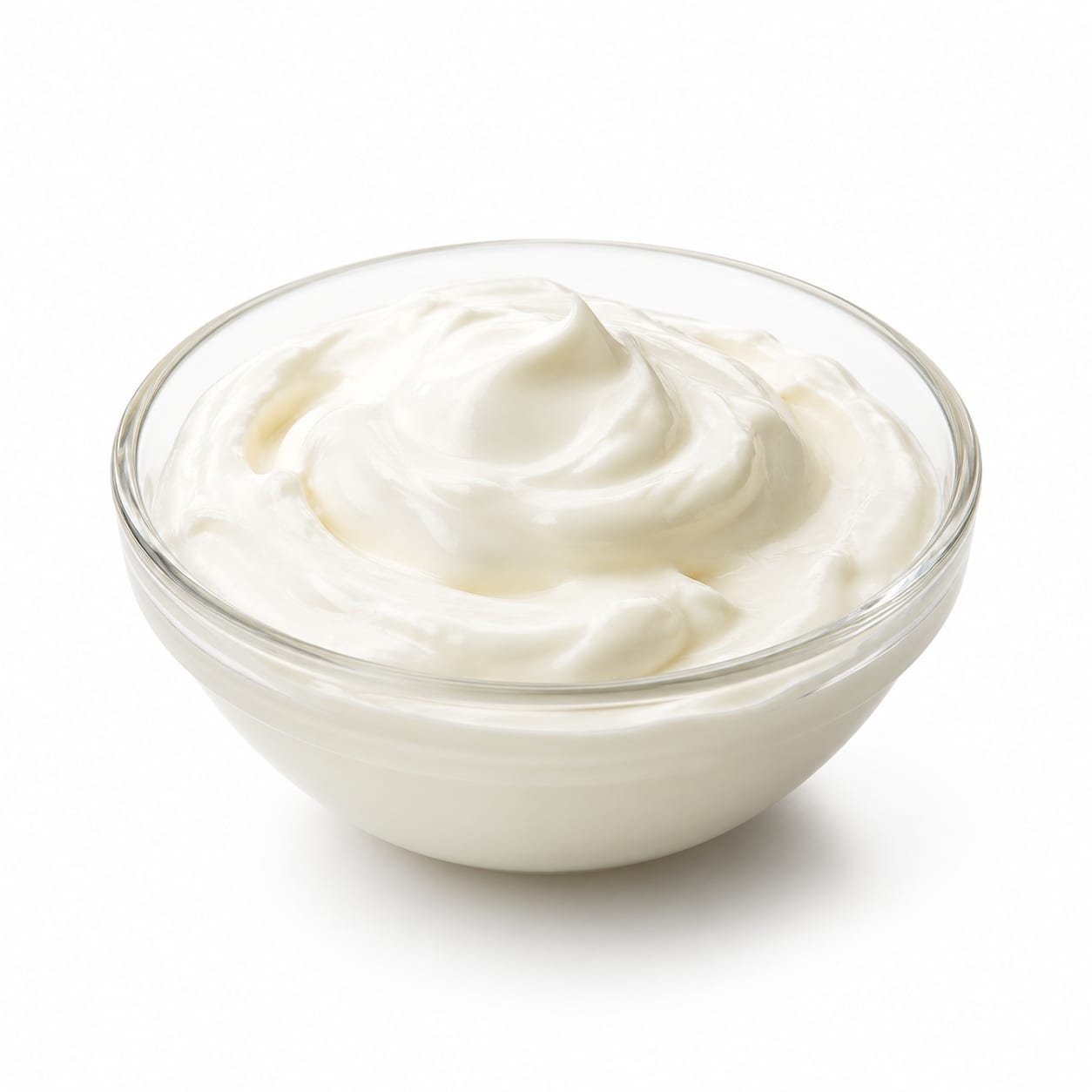
Sour Cream
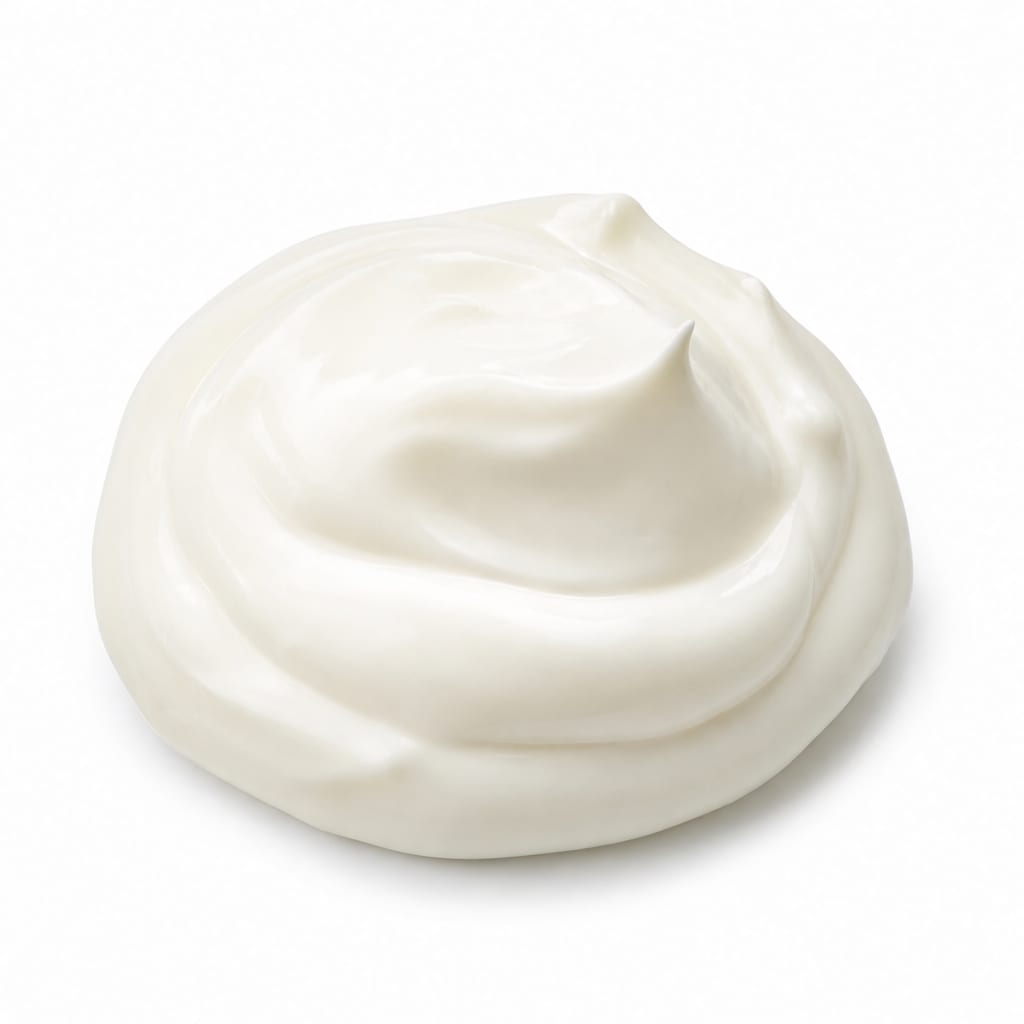
Creme Fraiche
Creme Fraiche wins on cooking performance and cleaner ingredients, but Sour Cream wins on affordability and lower calorie load for everyday use.
Creme Fraiche scores higher for culinary superiority and cleaner ingredients, but Sour Cream remains more practical for daily use due to lower cost, wider availability, and fewer calories. The gap reflects that Creme Fraiche is objectively better in quality but not always the smarter everyday choice.
Rich stability versus lighter accessibility — Creme Fraiche handles heat beautifully with fewer additives, while Sour Cream costs less and fits more easily into calorie-conscious routines.
At a glance
Executive summary
Overall
It depends
Healthier
It depends
More practical
Sour Cream
Daily use
Sour Cream
Key comparison lenses
cooking versatility and heat stability
The single biggest practical difference: Creme Fraiche won't curdle in hot dishes while Sour Cream often breaks
fat content and richness tradeoffs
Creme Fraiche is significantly higher in fat, affecting both calorie load and mouthfeel
additive and processing concerns
Sour Cream frequently contains stabilizers and thickeners while Creme Fraiche is often more naturally produced
flavor subtlety for finishing dishes
Creme Fraiche offers a milder, nuttier tang that elevates dishes differently than Sour Cream's sharp acidity
cost and accessibility for everyday cooking
Sour Cream is cheap and everywhere; Creme Fraiche is pricier and harder to find
Best choice for
Sour Cream
- Budget-conscious home cooks
- Calorie-aware eaters who want a tangy topping
- Quick weeknight meals where heat stability doesn't matter
- People who prefer a sharper, more pronounced tang
Creme Fraiche
- Chefs and home cooks making pan sauces or soups
- People avoiding food additives and stabilizers
- Entertaining and special occasion cooking
- Those who want a richer, more luxurious mouthfeel
Least suitable for
Sour Cream
- Hot pan sauces and simmered dishes where curdling is a problem
- People strictly avoiding guar gum and similar additives
- Elegant dinner parties where presentation matters
Creme Fraiche
- Calorie-restricted diets due to high fat content
- Tight grocery budgets
- Quick trips to average grocery stores where it may not be stocked
Deep comparison
Dimension by dimension
Each lens scores both foods and breaks down who each option suits.
- Dimension 1 · Priority 95Creme Fraiche
heat stability and cooking performance
Sour Cream · 30Creme Fraiche · 95Creme Fraiche is remarkably stable under heat, making it ideal for sauces, soups, and stews. Sour Cream curdles easily when heated, limiting its use to cold toppings or dishes added off-heat.
Tradeoff
You pay more for Creme Fraiche but gain the freedom to stir cream into any hot dish without worry.
Why it matters
If you've ever ruined a pan sauce with curdled Sour Cream, you understand this difference immediately. It changes what you can cook.
Real-world impact
Creme Fraiche lets you finish a steak pan sauce or stir into a simmering soup with confidence. Sour Cream forces you to temper it carefully or add it only after removing from heat.
Sour Cream
- Cold toppings like baked potatoes or tacos
Better for
- Hot dishes requiring stable emulsion
Worse for
Creme Fraiche
- Pan sauces
- Creamy soups
- Stovetop braises
- Any dish where cream meets direct heat
Better for
- Cold applications where the richer flavor overpowers delicate dishes
Worse for
- Dimension 2 · Priority 85Sour Cream
fat and calorie density
Sour Cream · 72Creme Fraiche · 40Sour Cream typically contains 18-20% fat, while Creme Fraiche runs 30-40% fat. That makes Sour Cream significantly lighter per serving.
Tradeoff
Sour Cream saves calories but sacrifices the luxurious texture and cooking stability that fat provides.
Why it matters
Two tablespoons of Creme Fraiche can pack nearly double the calories of Sour Cream. Over time, that difference adds up if you're a daily user.
Real-world impact
A dollop of Sour Cream on your taco adds roughly 30 calories. The same dollop of Creme Fraiche adds 50-60 calories. Not dramatic per meal, but meaningful if you cook with cream frequently.
Sour Cream
- Weight management
- Lighter everyday meals
- Portion-conscious eaters
Better for
- Recipes where low fat causes texture failure
Worse for
Creme Fraiche
- Keto and low-carb diets
- Dishes where fat carries flavor
- Rich, indulgent recipes
Better for
- Calorie-counted meal plans
- Frequent daily use
Worse for
- Dimension 3 · Priority 78Creme Fraiche
additives and ingredient quality
Sour Cream · 45Creme Fraiche · 85Most commercial Sour Cream contains guar gum, carrageenan, or other stabilizers. Traditional Creme Fraiche is often just cream and cultures — nothing else.
Tradeoff
Creme Fraiche offers a cleaner label but costs significantly more for that simplicity.
Why it matters
If you're trying to avoid food additives, this is a meaningful difference. Stabilizers in Sour Cream aren't dangerous, but they're unnecessary if you have access to better options.
Real-world impact
Read a Sour Cream label and you'll often find 4-6 ingredients. A good Creme Fraiche label shows two: cream and cultures. That simplicity matters to people with sensitive digestion or clean-eating goals.
Sour Cream
- Anyone unconcerned about food additives
Better for
- Strict additive-avoidance diets
Worse for
Creme Fraiche
- Clean-label shoppers
- People with digestive sensitivities to gums
- Whole-food and minimally-processed diet followers
Better for
- Budget-limited shoppers who can't afford premium products
Worse for
- Dimension 4 · Priority 72Creme Fraiche
flavor complexity and culinary refinement
Sour Cream · 55Creme Fraiche · 88Sour Cream delivers a sharp, lactic tang. Creme Fraiche offers a deeper, nuttier, more rounded flavor with subtle complexity.
Tradeoff
Sour Cream's aggressive tang cuts through rich dishes powerfully, while Creme Fraiche integrates more gently and elegantly.
Why it matters
The flavor difference changes how each product functions in a dish. Sharp tang versus smooth richness are not interchangeable.
Real-world impact
Sour Cream on a taco provides a bright acidic contrast. Creme Fraiche on the same taco would taste muted. But Creme Fraiche folded into a mushroom sauce creates silkiness that Sour Cream's sharper edge would disrupt.
Sour Cream
- Mexican and Eastern European dishes
- Cutting through heavy or spicy flavors
- Baked potatoes and chili
Better for
- Refined dishes where sharpness clashes
Worse for
Creme Fraiche
- French cuisine
- Delicate sauces
- Fish and vegetable dishes
- Elegant dessert toppings
Better for
- Bold dishes that need acidic punch
Worse for
- Dimension 5 · Priority 68Sour Cream
cost and accessibility
Sour Cream · 90Creme Fraiche · 35Sour Cream is available at any grocery store for a few dollars. Creme Fraiche often requires specialty stores and costs two to four times more.
Tradeoff
Creme Fraiche is a premium ingredient that delivers premium results, but it's not realistic as an everyday staple for most households.
Why it matters
The best ingredient only matters if you can actually buy it. Accessibility determines whether a comparison is theoretical or practical.
Real-world impact
A tub of Sour Cream costs around $2-3 at any supermarket. Creme Fraiche often runs $6-12 and may require a trip to a specialty shop or Whole Foods.
Sour Cream
- Weekly grocery runs
- Budget meal planning
- Rural areas with limited store options
Better for
- High-end dinner parties
Worse for
Creme Fraiche
- Special occasion cooking where cost matters less
- Urban areas with specialty shops
Better for
- Family meal budgets
- Convenient shopping
Worse for
- Dimension 6 · Priority 55Creme Fraiche
shelf life and storage
Sour Cream · 50Creme Fraiche · 75Creme Fraiche's higher fat content and active cultures give it a longer fridge life. Sour Cream spoils faster once opened and is more prone to mold.
Tradeoff
Creme Fraiche lasts longer but costs more upfront, so you need to actually use it to realize the value.
Why it matters
If you only use cream occasionally, Creme Fraiche's longer shelf life means less waste. If you go through Sour Cream quickly, this advantage shrinks.
Real-world impact
Opened Sour Cream typically lasts 1-2 weeks. Creme Fraiche can last 3-4 weeks or longer. That extra time reduces food waste for occasional users.
Sour Cream
- People who use cream daily and finish containers quickly
Better for
- People who cook irregularly and find spoiled cream
Worse for
Creme Fraiche
- Infrequent cooks who need products to last
- Meal preppers who stock up weekly
Better for
- Those who would forget about it regardless of shelf life
Worse for
Timeline
Health impact over time
Short-term
Hours to days
Sour Cream
- Provides quick satiety from fat content
- Can trigger digestive discomfort in lactose-sensitive individuals
- Sharp tang may stimulate appetite for some
Creme Fraiche
- Higher fat creates stronger and longer-lasting fullness
- Often better tolerated by lactose-sensitive people due to longer fermentation
- Rich mouthfeel can satisfy with smaller portions
Long-term
Months to years
Sour Cream
- Regular use contributes saturated fat intake that should be monitored
- Additive exposure from gums and stabilizers is low but cumulative across processed foods
- Lower calorie load makes it easier to maintain in a balanced diet long-term
Creme Fraiche
- Higher saturated fat content requires more mindful portion control over time
- Cleaner ingredient profile reduces cumulative additive exposure
- Premium cost may naturally limit overconsumption
Risk profile
Safety & processing
Sour Cream is typically processed with stabilizers like guar gum and carrageenan to maintain texture and extend shelf life. Creme Fraiche is traditionally made with just cream and bacterial cultures, making it closer to a whole food. This difference matters most for people actively reducing processed food intake.
Sour Cream
spoilage and mold growth
mediumShorter shelf life after opening means higher risk of consuming spoiled product if not used within 1-2 weeks
additive sensitivities
lowGuar gum and carrageenan can cause bloating or digestive issues in sensitive individuals, though this is uncommon
Creme Fraiche
caloric overconsumption
mediumHigh fat density makes it easy to consume significantly more calories than intended, especially when used as a cooking fat
spoilage if improperly stored
lowThough longer-lasting than Sour Cream, Creme Fraiche still requires refrigeration and can spoil if left at room temperature too long
Who wins for whom
Audience fit
Same foods, different winners depending on your goal.
children
Sour CreamSour Cream's milder fat content and familiar tangy flavor make it more appropriate for children's portions and preferences.
daily consumption
Sour CreamLower cost, wider availability, and fewer calories make Sour Cream more sustainable as a daily staple for most people.
diabetes
Creme FraicheHigher fat and lower carbohydrate content in Creme Fraiche creates less blood sugar impact. Both are low-carb, but Creme Fraiche has a slight edge.
elderly
Creme FraicheCreme Fraiche's richer texture can make eating more enjoyable for those with diminished appetite, and its cleaner ingredients suit sensitive digestion.
muscle gain
It dependsNeither is particularly useful for muscle gain. Both provide minimal protein. Choose based on recipe needs rather than fitness goals.
weight loss
Sour CreamLower fat and calorie content per serving makes Sour Cream easier to fit into a calorie deficit, though both should be used moderately.
Your move
Decision guide
Choose Sour Cream
- You're watching calories or on a budget
- You need a sharp tangy topping for tacos, baked potatoes, or chili
- You're cooking dishes where the cream never meets direct heat
- You shop at a regular grocery store and want something reliable
Choose Creme Fraiche
- You're making pan sauces, creamy soups, or any hot dish requiring stable cream
- You want a cleaner ingredient label without gums or stabilizers
- You're cooking for a special occasion and want the best result
- You follow a low-carb or keto diet and welcome higher fat content
Either works if
- You're using it as a cold garnish where heat stability doesn't matter
- You only need a small amount and the flavor difference won't dominate
- You're mixing into a dip where other strong flavors mask the distinction
Avoid both if
- You have a dairy allergy or severe lactose intolerance
- You're following a strict low-fat diet for medical reasons
- You're trying to minimize saturated fat intake on doctor's orders
Final recommendation
Keep Sour Cream in your fridge for everyday use — it's affordable, accessible, and works well as a topping. Buy Creme Fraiche when you're cooking something that matters: a pan sauce, a special dinner, or any hot dish where curdling would ruin the meal. Think of Sour Cream as your daily driver and Creme Fraiche as your secret weapon.
Practical
Consumer tips
- 1
Check the Sour Cream ingredient list — some brands skip the gums and are nearly as clean as Creme Fraiche
- 2
You can make Creme Fraiche at home by combining heavy cream with a tablespoon of buttermilk and leaving it at room temperature for 12-24 hours
- 3
If Sour Cream curdles in a hot dish, try tempering it first: stir in a spoonful of the hot liquid slowly before adding the rest
- 4
Full-fat Sour Cream performs better than low-fat versions, which rely on even more stabilizers
- 5
Creme Fraiche freezes surprisingly well if you have leftover portions you won't use in time