
Nutrition comparison
Sour Cream vs Cashew Cream: Which Is Healthier for Daily Use?
Compare Sour Cream and Cashew Cream on heart health, digestion, probiotics, and taste. Learn which cream topping fits your diet and when to choose each one.
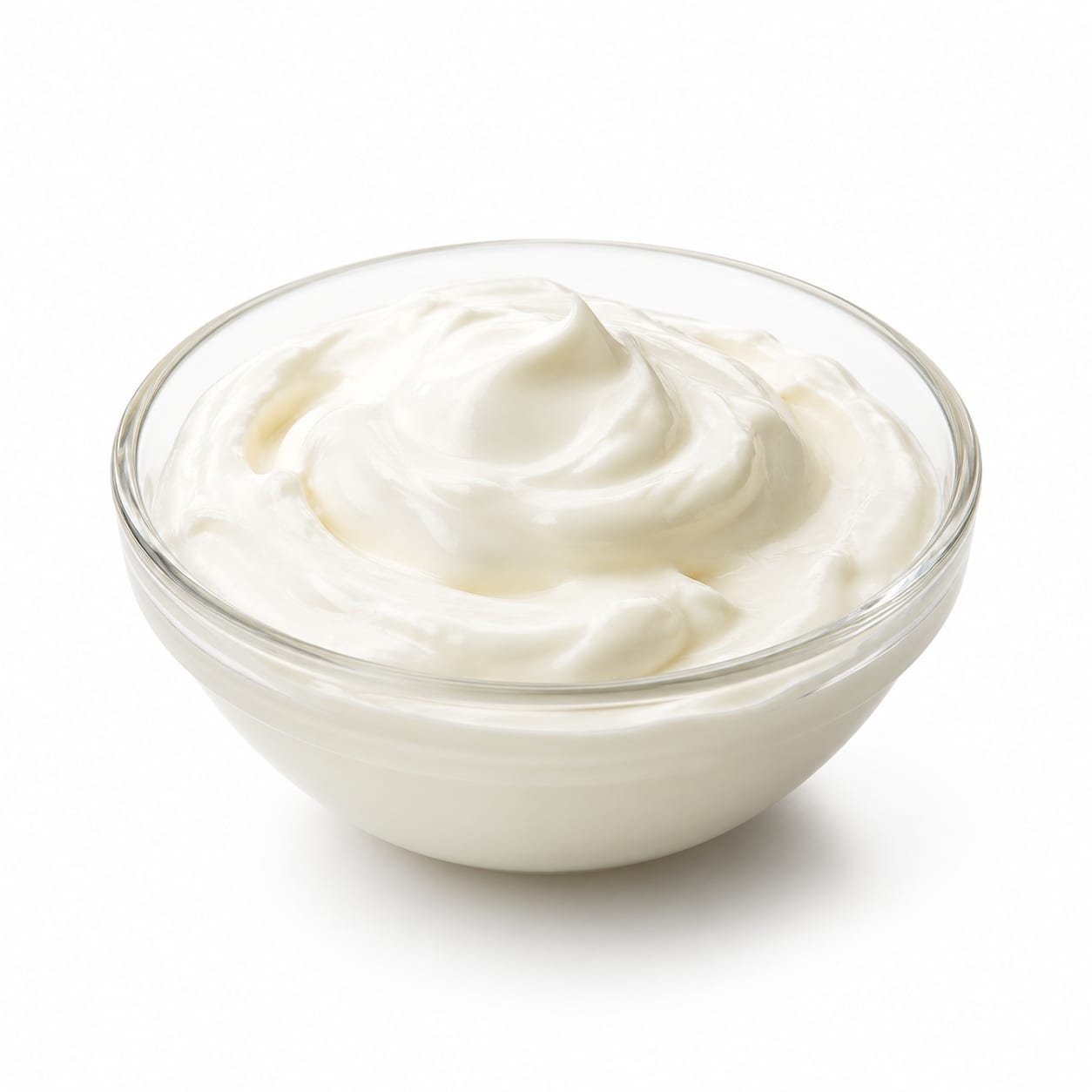
Sour Cream
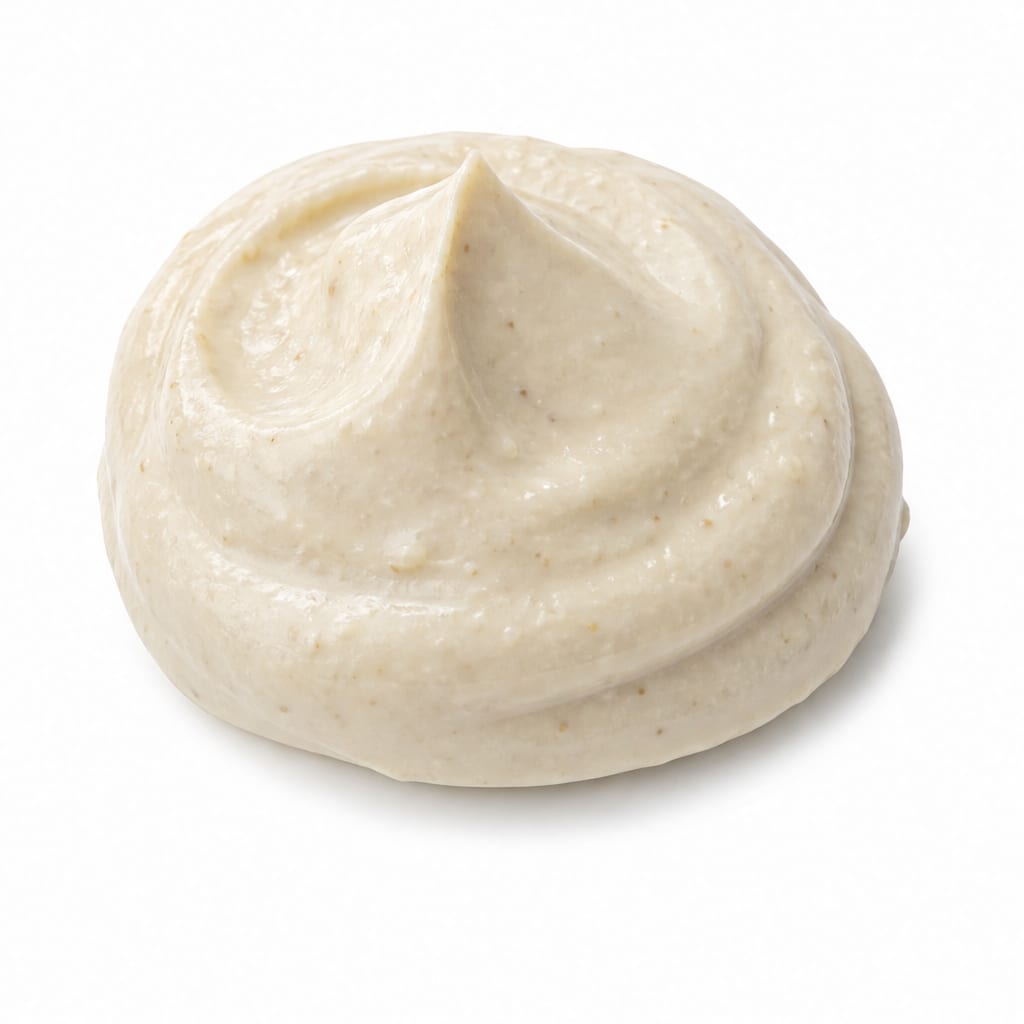
Cashew Cream
Cashew Cream wins on heart health and digestibility, while Sour Cream offers probiotics and a more authentic flavor experience for traditional recipes.
Cashew Cream scores higher due to a friendlier fat profile and broader digestive tolerance, but Sour Cream remains relevant for its probiotic edge and culinary authenticity. The gap reflects long-term health leaning rather than a clear dominance.
Unsaturated plant fats and dairy-free digestion versus probiotic benefits and culinary authenticity with more saturated fat.
At a glance
Executive summary
Overall
It depends
Healthier
Cashew Cream
More practical
Sour Cream
Daily use
Cashew Cream
Key comparison lenses
dairy vs plant based alternative
Core identity difference driving most health and lifestyle tradeoffs between these two foods
heart health and fat quality
Saturated dairy fat versus unsaturated nut fat is the most consequential nutritional difference
allergy and digestive tolerance
Lactose intolerance and dairy sensitivity versus tree nut allergies creates opposite exclusion groups
processing and additive exposure
Homemade cashew cream is whole-food based while commercial versions often contain stabilizers and gums
weight management and calorie density
Both are calorie-dense toppings but satiety and portion control differ significantly
Best choice for
Sour Cream
- Traditional recipes where authentic tangy flavor matters
- People wanting probiotic-rich fermented foods
- Those who tolerate dairy well and prefer whole-food minimal ingredients
- Quick convenience shoppers who want consistent store-bought quality
Cashew Cream
- Vegans and anyone avoiding animal products
- People with lactose intolerance or dairy sensitivity
- Heart-conscious eaters prioritizing unsaturated fats
- Home cooks willing to blend their own for cleaner ingredients
Least suitable for
Sour Cream
- Anyone with lactose intolerance or dairy allergy
- People strictly limiting saturated fat for heart health
- Vegans and plant-based eaters
Cashew Cream
- People with tree nut allergies
- Those seeking probiotic benefits from fermented foods
- Budget-conscious shoppers since quality cashews are expensive
Deep comparison
Dimension by dimension
Each lens scores both foods and breaks down who each option suits.
- Dimension 1 · Priority 95Cashew Cream
heart_health_and_fat_quality
Sour Cream · 35Cashew Cream · 80Cashew Cream provides mostly monounsaturated fats that support heart health, while Sour Cream delivers saturated dairy fat that raises LDL cholesterol with regular consumption.
Tradeoff
You gain cardiovascular benefits with Cashew Cream but lose the short-chain fatty acids found in dairy fat that may have some metabolic advantages.
Why it matters
Regular saturated fat intake from dairy consistently correlates with elevated heart disease risk, whereas nut-based fats are actively protective.
Real-world impact
Switching from Sour Cream to Cashew Cream a few times a week could meaningfully shift your fat quality intake over months without sacrificing creamy texture.
Sour Cream
- Short-chain fatty acid exposure from dairy fermentation
Better for
- Daily saturated fat contribution
- Cardiovascular risk with frequent use
Worse for
Cashew Cream
- LDL cholesterol management
- Long-term cardiovascular protection
- Anti-inflammatory fat intake
Better for
- None significant for heart health
Worse for
- Dimension 2 · Priority 88Cashew Cream
digestive_tolerance_and_allergens
Sour Cream · 40Cashew Cream · 70Cashew Cream eliminates lactose entirely, making it accessible for the majority of adults who experience some dairy discomfort, but introduces tree nut allergy risk.
Tradeoff
Solving lactose intolerance creates a new exclusion for anyone with cashew or tree nut allergies, which are among the more common and severe allergens.
Why it matters
Roughly 65% of the global population has reduced lactose digestion after infancy, making dairy-free alternatives genuinely necessary rather than optional for most.
Real-world impact
If dairy leaves you bloated or running to the bathroom, Cashew Cream is an immediate quality-of-life upgrade that still feels indulgent.
Sour Cream
- People with tree nut allergies who need a safe creamy topping
Better for
- Bloating and gas for lactose-sensitive people
- Complete exclusion for dairy-allergic individuals
Worse for
Cashew Cream
- Lactose-intolerant individuals
- People with general dairy sensitivity
- Vegan and plant-based lifestyles
Better for
- Severe allergic reactions for tree nut allergy sufferers
- Cross-contamination risk in shared facilities
Worse for
- Dimension 3 · Priority 80Sour Cream
gut_health_and_probiotics
Sour Cream · 75Cashew Cream · 30Sour Cream is a fermented dairy product containing live cultures that support gut microbiome diversity, while Cashew Cream offers no probiotic benefit unless specially fortified.
Tradeoff
The probiotic advantage of Sour Cream comes packaged with saturated fat, so you are trading gut benefits for heart considerations.
Why it matters
Fermented dairy is one of the most accessible daily probiotic sources, and replacing it removes an easy microbiome-supporting habit.
Real-world impact
If Sour Cream is your main fermented food, switching entirely to Cashew Cream means finding probiotics elsewhere like yogurt, kimchi, or sauerkraut.
Sour Cream
- Live culture exposure for gut diversity
- Easily accessible fermented food habit
Better for
- Probiotic content varies widely by brand and processing
Worse for
Cashew Cream
- None for probiotic or gut health benefits
Better for
- Complete absence of beneficial fermentation byproducts
- No microbial diversity contribution
Worse for
- Dimension 4 · Priority 78Cashew Cream
processing_and_additive_exposure
Sour Cream · 55Cashew Cream · 72Homemade Cashew Cream is simply blended cashews and water, while commercial Sour Cream often contains stabilizers, gums, and preservatives. However, store-bought Cashew Cream can be equally processed.
Tradeoff
The cleanliness advantage of Cashew Cream disappears entirely if you buy commercial versions loaded with xanthan gum, preservatives, and added oils.
Why it matters
Minimally processed foods reduce exposure to emulsifiers and stabilizers that may disrupt gut lining integrity over time.
Real-world impact
Making Cashew Cream at home takes 10 minutes and a blender, giving you full control over ingredients. Most Sour Cream is store-bought with additives you cannot remove.
Sour Cream
- Consistent product with regulated fermentation standards
Better for
- Carrageenan, guar gum, and preservatives in many brands
- Cannot be homemade easily without special cultures
Worse for
Cashew Cream
- Simple whole-food ingredient list when homemade
- Full control over what goes in your food
- No artificial stabilizers if made from scratch
Better for
- Commercial versions can be heavily processed with gums and fillers
Worse for
- Dimension 5 · Priority 72Sour Cream
micronutrients_and_bone_health
Sour Cream · 68Cashew Cream · 45Sour Cream provides meaningful calcium, phosphorus, and B12 from dairy, while Cashew Cream offers magnesium and copper but lacks calcium entirely unless fortified.
Tradeoff
You get bone-supporting minerals from Sour Cream but miss out on the magnesium and iron that cashews provide.
Why it matters
Calcium intake remains inadequate for most adults, and dairy is the most efficient dietary source. Replacing it without planning creates gaps.
Real-world impact
If Sour Cream is one of your few calcium sources, switching to Cashew Cream means you need to be intentional about getting calcium from elsewhere.
Sour Cream
- Bioavailable calcium for bone density
- Vitamin B12 contribution
- Phosphorus for bone mineralization
Better for
- Relatively small serving sizes limit total mineral contribution
Worse for
Cashew Cream
- Magnesium for muscle and nerve function
- Copper and iron trace minerals
- Manganese for metabolic enzyme support
Better for
- Zero natural calcium content
- No B12 without fortification
Worse for
- Dimension 6 · Priority 70Sour Cream
culinary_experience_and_versatility
Sour Cream · 82Cashew Cream · 65Sour Cream delivers a signature tangy acidity that defines many classic dishes, while Cashew Cream provides neutral creaminess that works better for some applications than others.
Tradeoff
Cashew Cream blends more smoothly into sweet dishes and sauces but cannot replicate the cultured tang that makes Sour Cream irreplaceable in baked potatoes, stroganoff, and dips.
Why it matters
Food satisfaction drives long-term dietary adherence. A healthier substitute that disappoints flavor-wise often leads to abandoning the change entirely.
Real-world impact
Cashew Cream works beautifully in creamy pasta sauces and desserts, but putting it on a baked potato feels like something is missing.
Sour Cream
- Authentic tangy flavor in traditional recipes
- Natural acidity that balances rich dishes
- Established role in classic cuisine
Better for
- Curdlles when heated too quickly
- Limited use in dairy-free or vegan cooking
Worse for
Cashew Cream
- Neutral base for sweet and savory applications
- Silkier texture for blended sauces and soups
- Customizable flavor with added seasonings
Better for
- Cannot replicate fermented dairy tang
- Requires soaking and blending for homemade version
Worse for
Timeline
Health impact over time
Short-term
Hours to days
Sour Cream
- Quick satiety from fat content but small serving sizes limit fullness
- Possible bloating or gas within hours for lactose-sensitive individuals
- Immediate probiotic exposure supporting digestion
Cashew Cream
- Smooth digestion without lactose-related discomfort
- Steadier energy from unsaturated fats without dairy sluggishness
- Potential mild fullness from nut density but high calorie-to-satiety ratio
Long-term
Months to years
Sour Cream
- Consistent saturated fat intake may elevate cardiovascular risk markers
- Regular probiotic exposure supports gut microbiome resilience
- Calcium contribution helps maintain bone mineral density
Cashew Cream
- Monounsaturated fat intake supports cardiovascular health over years
- Absence of dairy eliminates a common low-grade inflammation trigger
- Calcium gap requires conscious compensation from other food sources
Risk profile
Safety & processing
Sour Cream is a fermented product that typically includes stabilizers and preservatives in commercial form. Cashew Cream, when homemade from whole cashews and water, is one of the cleanest cream alternatives available. Store-bought Cashew Cream narrows this gap significantly with added gums and oils.
Sour Cream
Lactose-related digestive distress
mediumCauses bloating, gas, and diarrhea in lactose-intolerant individuals, affecting the majority of global adults.
Dairy spoilage and bacterial contamination
mediumSour Cream has a limited refrigerated shelf life and can harbor Listeria if temperature-abused, especially dangerous for pregnant women.
Hormone and antibiotic residue exposure
lowConventional dairy may carry trace hormones and antibiotic residues, though regulatory limits exist. Organic options reduce this concern.
Cashew Cream
Tree nut allergic reaction
highCashew allergy can cause anaphylaxis in sensitive individuals. Cross-contamination in processing facilities is common and requires vigilance.
Heavy metal accumulation from soil
lowCashews can absorb trace heavy metals from soil, but levels in commercial products typically remain well below concern thresholds.
Phytic acid reducing mineral absorption
lowRaw cashews contain phytic acid that can bind minerals, but soaking before blending significantly reduces this effect.
Who wins for whom
Audience fit
Same foods, different winners depending on your goal.
children
Sour CreamSour Cream provides calcium and B12 critical for growing bodies, and dairy fat supports brain development. Cashew Cream introduces tree nut allergy risk that requires caution in young children.
daily consumption
Cashew CreamDaily saturated fat from Sour Cream adds up quickly for cardiovascular risk. Cashew Cream offers a safer daily fat profile with less digestive burden for most adults.
diabetes
Cashew CreamCashew Cream has virtually zero carbohydrates and no lactose sugar, while Sour Cream contains small amounts of lactose that can cause minor blood sugar fluctuations.
elderly
Cashew CreamOlder adults often develop lactose intolerance and need heart-protective fats. Cashew Cream addresses both concerns while being equally easy to consume.
muscle gain
It dependsNeither is a protein-dense food. Both serve as calorie and fat sources. Choose based on digestive comfort and overall diet composition.
weight loss
Sour CreamSour Cream has fewer calories per standard serving and stronger flavor means you naturally use less. Cashew Cream is more calorie-dense and milder, which can lead to heavier portions.
Your move
Decision guide
Choose Sour Cream
- You tolerate dairy well and want probiotic benefits
- Authentic tangy flavor is essential for your cooking
- You need an affordable, readily available cream topping
- Calcium intake from dairy is important for your bone health
Choose Cashew Cream
- Lactose intolerance or dairy sensitivity affects your daily comfort
- Heart health is a priority and you watch saturated fat intake
- You follow a vegan or plant-based lifestyle
- You want full ingredient control by making it at home
Either works if
- You only use cream toppings occasionally and portion sizes stay small
- Neither food is a major calorie or fat source in your overall diet
- You rotate between both depending on the recipe
Avoid both if
- You have both dairy and tree nut allergies
- You are strictly limiting all dietary fat for medical reasons
- Your doctor has advised against high-fat condiments entirely
Final recommendation
For most people eating cream toppings a few times per week, Cashew Cream is the smarter long-term choice due to its heart-friendly fat profile and broad digestive tolerance. However, if you eat these toppings rarely and value authentic flavor, Sour Cream in modest amounts is perfectly fine. The best approach for many is keeping both available: Cashew Cream for daily use and Sour Cream for recipes where its tang truly matters.
Practical
Consumer tips
- 1
Soak cashews for at least 4 hours or boil for 15 minutes before blending for the smoothest Cashew Cream texture
- 2
Add a tablespoon of lemon juice to Cashew Cream to mimic some of Sour Cream's signature tang
- 3
Check Sour Cream labels for live active cultures if probiotic benefit matters to you, as not all brands contain them
- 4
Start with a 2:1 ratio of cashews to water for thick Cashew Cream, then adjust for desired consistency
- 5
Freeze Cashew Cream in ice cube trays for convenient single-serving portions that thaw quickly
- 6
Choose organic Sour Cream when possible to reduce hormone and antibiotic residue exposure
- 7
Avoid commercial Cashew Cream brands with more than five ingredients if you want a cleaner product