
Nutrition comparison
Sour Cream vs Butter: Which Is Healthier for Daily Use?
Compare sour cream and butter on calories, saturated fat, lactose, cooking uses, and health impact. Find out which dairy fat is better for weight loss, heart health, and everyday meals.
Overall winner · Sour Cream
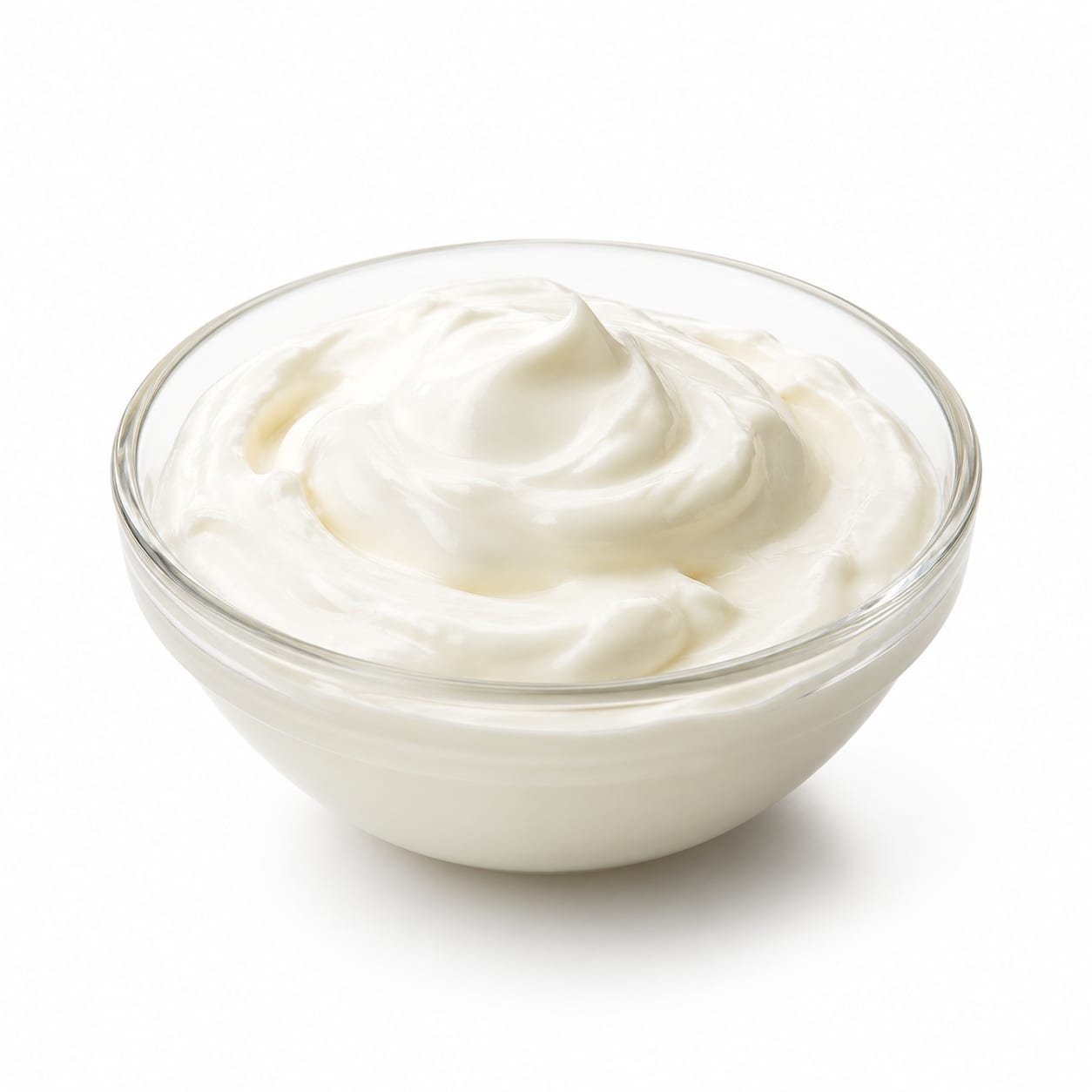
Sour Cream
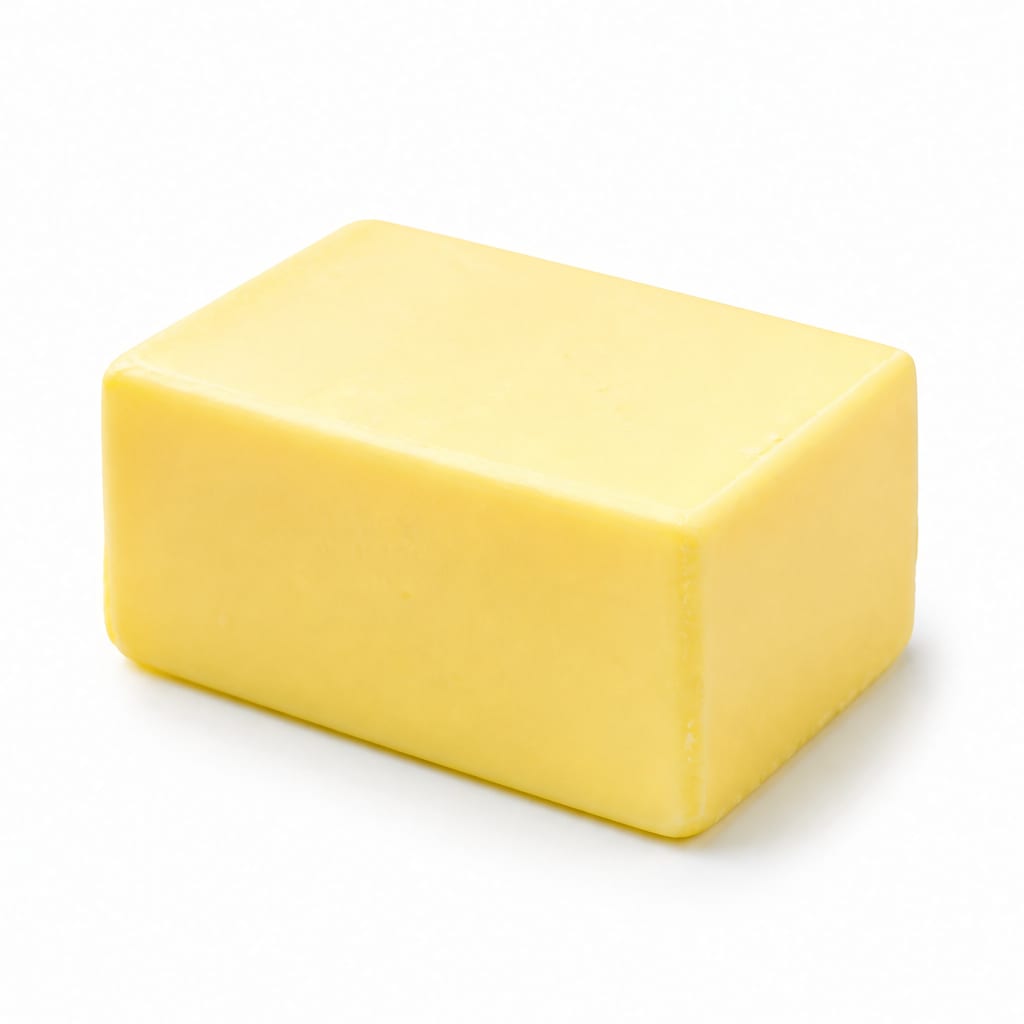
Butter
Sour cream wins on nutrient balance and easier portion control, but butter is irreplaceable for cooking and virtually lactose-free.
Sour cream scores higher due to better nutrient diversity, lower calorie density, and easier portion control. Butter scores lower because its extreme fat concentration makes overconsumption likely and it contributes almost nothing beyond fat and fat-soluble vitamins.
Sour cream gives you more nutritional variety per calorie; butter gives you more flavor intensity and cooking versatility with near-zero lactose.
At a glance
Executive summary
Overall
Sour Cream
Healthier
Sour Cream
More practical
Butter
Daily use
Sour Cream
Key comparison lenses
saturated fat load and heart health impact
Both are dairy fat heavyweights, but butter delivers saturated fat in a far more concentrated dose
calorie density and portion control
Butter is nearly pure fat making overconsumption easy, while sour cream's water content naturally limits calorie intake per serving
culinary role and substitutability
Users often wonder which to spread, cook with, or top food with — they serve overlapping but distinct roles
lactose sensitivity and dairy tolerance
Butter is extremely low in lactose, sour cream contains more — relevant for sensitive individuals
nutrient density beyond fat
Sour cream retains some calcium and protein, while butter is essentially fat-soluble vitamins and nothing else
Best choice for
Sour Cream
- People watching calorie density who still want richness
- Those wanting some calcium and protein alongside fat
- Baked potato and taco lovers seeking a lighter topping
- Anyone trying to moderate saturated fat without giving up creamy flavor
Butter
- Cooking and baking where fat performance matters
- Lactose-intolerant individuals who need a dairy fat option
- Keto dieters seeking pure fat with minimal other macros
- Anyone needing long shelf-stable spreadable fat
Least suitable for
Sour Cream
- Severely lactose-intolerant individuals
- People who need a high-heat cooking fat
- Anyone on a strict zero-carb protocol
- Long-term unrefrigerated storage situations
Butter
- People managing heart disease or high cholesterol
- Anyone trying to reduce calorie density in meals
- Those who tend to overuse spreads generously
- Dieters seeking volume and satiety per calorie
Deep comparison
Dimension by dimension
Each lens scores both foods and breaks down who each option suits.
- Dimension 1 · Priority 95Sour Cream
saturated fat concentration
Sour Cream · 40Butter · 15Butter packs roughly 7g saturated fat per tablespoon versus sour cream's 3g — a significant difference for heart health.
Tradeoff
Butter's high saturated fat makes it a superior cooking fat but a riskier daily spread for cardiovascular health.
Why it matters
Regular high saturated fat intake raises LDL cholesterol, which is the strongest dietary driver of heart disease risk.
Real-world impact
Swapping butter for sour cream on your baked potato cuts saturated fat in half for that meal — meaningful if you eat potatoes weekly.
Sour Cream
- Heart-conscious eaters
- People with family history of high cholesterol
Better for
- Those needing a stable cooking fat for searing
Worse for
Butter
- Ketogenic dieters who want pure fat
- High-heat cooking where fat stability matters
Better for
- Anyone with elevated LDL cholesterol
- People who use spreads liberally
Worse for
- Dimension 2 · Priority 90Sour Cream
calorie density and portion control
Sour Cream · 55Butter · 25A tablespoon of butter delivers about 100 calories; the same amount of sour cream delivers roughly 30.
Tradeoff
Sour cream's water content dilutes calories naturally, making it harder to accidentally overconsume.
Why it matters
Calorie density is the strongest predictor of unintentional overeating — dense fats like butter disappear into food without creating fullness.
Real-world impact
Generously buttering toast and vegetables can silently add 200-300 calories per meal without any satiety benefit.
Sour Cream
- Weight-conscious eaters
- People who like generous portions
Better for
- Athletes needing calorie-dense fuel
Worse for
Butter
- Those who need concentrated calories
- Underweight individuals seeking easy energy
Better for
- Anyone tracking calories closely
- Emotional eaters who graze on rich foods
Worse for
- Dimension 3 · Priority 80Sour Cream
nutrient diversity
Sour Cream · 50Butter · 25Sour cream provides calcium, phosphorus, riboflavin, and a small amount of protein. Butter offers fat-soluble vitamins but little else.
Tradeoff
Sour cream is still primarily fat, but it carries a modest nutrient package that butter simply lacks.
Why it matters
Getting nutrients alongside your fat makes each calorie work harder — especially calcium, which many adults under-consume.
Real-world impact
Two tablespoons of sour cream on a taco gives you about 4% of your daily calcium — small but not nothing, unlike butter's near-zero contribution.
Sour Cream
- People who want some nutritional return on fat calories
- Those not meeting daily calcium needs
Better for
- Those avoiding all dairy proteins
Worse for
Butter
- Anyone who already gets plenty of calcium from other dairy
- Vitamin A and D seekers (though amounts are modest)
Better for
- People relying on spreads as a nutrient source
Worse for
- Dimension 4 · Priority 70Butter
lactose tolerance
Sour Cream · 30Butter · 80Butter contains only trace lactose, while sour cream has enough to trigger symptoms in sensitive individuals.
Tradeoff
If dairy digestion is an issue, butter is the safer dairy fat — but ghee eliminates lactose entirely and outperforms both.
Why it matters
Roughly 65% of the global population has some degree of lactose malabsorption, making this a widespread concern.
Real-world impact
A lactose-sensitive person might comfortably cook with butter but experience bloating from a sour cream dollop.
Sour Cream
- People with no lactose sensitivity
Better for
- Anyone with diagnosed lactose intolerance
- People with dairy-sensitive IBS
Worse for
Butter
- Lactose-intolerant individuals who still want dairy flavor
- Those with mild IBS triggered by lactose
Better for
- Those with dairy allergy (butter still contains milk proteins)
Worse for
- Dimension 5 · Priority 85Butter
cooking and baking performance
Sour Cream · 30Butter · 90Butter excels at high-heat cooking, browning, flaky pastry, and emulsion. Sour cream curdles at high heat and has limited cooking applications.
Tradeoff
Butter is a kitchen workhorse; sour cream is primarily a finishing and topping ingredient.
Why it matters
If you cook regularly, butter's versatility makes it far more practical to keep on hand.
Real-world impact
You can sauté, bake cookies, make sauces, and finish steaks with butter. Sour cream mostly tops things or gets stirred into cold dishes.
Sour Cream
- Cold dish preparation
- Creamy dips and dressings
- Moistening baked goods when recipe calls for it
Better for
- Any high-heat application
- Recipes requiring fat to coat and brown
Worse for
Butter
- Searing and sautéing
- Baking pastries and cookies
- Making pan sauces and emulsions
- Finishing cooked vegetables with rich flavor
Better for
- Cold dips and creamy toppings
Worse for
- Dimension 6 · Priority 45Sour Cream
probiotic potential
Sour Cream · 45Butter · 5Some sour cream brands contain live active cultures that support gut health. Butter never does.
Tradeoff
Only certain sour cream brands list live cultures — most conventional options are cultured but not probiotic.
Why it matters
Gut health influences digestion, immunity, and even mood — small daily contributions add up over time.
Real-world impact
Choosing a live-culture sour cream for your baked potato gives your gut a small bonus that butter simply cannot offer.
Sour Cream
- Gut health-conscious consumers
- People looking for fermented food variety
Better for
- Those buying conventional sour cream without live cultures
Worse for
Butter
- Not applicable — butter has no probiotic potential
Better for
- Anyone seeking fermented dairy benefits
Worse for
Timeline
Health impact over time
Short-term
Hours to days
Sour Cream
- Provides creamy satisfaction with moderate calorie impact per serving
- May cause bloating in lactose-sensitive individuals
- Adds moisture and richness to meals without overwhelming fat load
Butter
- Delivers intense richness that can make meals more satisfying but also more calorie-dense
- Virtually no digestive issues for lactose-sensitive people
- Can leave a heavy coating feeling in the mouth when used generously
Long-term
Months to years
Sour Cream
- Moderate saturated fat intake if portions are reasonable — less cardiovascular risk than daily butter use
- Small but consistent calcium contribution supports bone health over decades
- Live culture versions may contribute to a more diverse gut microbiome
Butter
- Regular high saturated fat intake is strongly linked to elevated LDL cholesterol and heart disease risk
- Fat-soluble vitamin intake (A, D, E, K) provides modest benefits but not enough to offset cardiovascular concerns
- Easy to accumulate significant hidden calories across meals daily
Risk profile
Safety & processing
Butter is remarkably simple — just cream and sometimes salt. Sour cream often includes stabilizers like guar gum, carrageenan, or modified food starch to maintain texture. If ingredient purity matters to you, butter wins on simplicity, though clean-label sour creams exist with minimal additives.
Sour Cream
Spoilage and bacterial growth
mediumSour cream's moisture content makes it perishable. It should be refrigerated and consumed within 1-2 weeks of opening. Leaving it at room temperature for extended periods increases foodborne illness risk.
Additive sensitivities
lowStabilizers like carrageenan may cause digestive discomfort in sensitive individuals, though evidence is mixed.
Butter
Oxidized cholesterol from high-heat cooking
mediumHeating butter to smoking point can create oxidized cholesterol compounds linked to arterial damage. Use moderate heat or clarified butter for high-heat cooking.
Mold contamination on room-temperature butter
lowButter left out can develop surface mold. While less dangerous than bacterial spoilage, it indicates the product should be discarded.
Who wins for whom
Audience fit
Same foods, different winners depending on your goal.
children
Sour CreamSour cream provides calcium and a more moderate fat load, making it a better nutritional fit for growing kids who need nutrients alongside their calories.
daily consumption
Sour CreamModerate sour cream use as a topping is easier to sustain without accumulating excessive saturated fat compared to daily butter use across multiple meals.
diabetes
ButterButter has zero carbs and will not spike blood sugar at all. Sour cream contains a small amount of lactose-derived carbs that could minimally affect glucose, though both are low-impact choices.
elderly
Sour CreamOlder adults benefit from sour cream's calcium for bone health and its softer texture for those with chewing difficulties. Butter's saturated fat load is more concerning for cardiovascular health in aging populations.
muscle gain
It dependsNeither is a muscle-building food. Butter provides pure calories for bulking; sour cream adds a small protein contribution that is still insufficient for muscle synthesis.
weight loss
Sour CreamLower calorie density per serving makes sour cream easier to fit into a calorie deficit without feeling deprived of richness.
Your move
Decision guide
Choose Sour Cream
- You want creamy richness without the full calorie hit of butter
- You're topping baked potatoes, tacos, chili, or soups
- You value getting some calcium and protein alongside your fat
- You're watching saturated fat but don't want to give up dairy indulgence
- You enjoy fermented foods and want a probiotic option
Choose Butter
- You need a versatile cooking and baking fat
- You're lactose-intolerant but still want dairy flavor
- You're on a ketogenic diet and want pure fat with no carbs
- You're making sauces, pastries, or searing proteins
- You want a spread that works at room temperature
Either works if
- You're adding richness to mashed potatoes — both work beautifully
- You want a fat source to round out a low-carb meal
- You're not concerned about saturated fat intake in moderation
Avoid both if
- You have a dairy allergy — both contain milk proteins
- You're on a strict low-fat diet for medical reasons
- You're trying to eliminate saturated fat entirely from your diet
- You have severe hypercholesterolemia requiring minimal saturated fat
Final recommendation
Use sour cream as your default topping for richer flavor with fewer calories and more nutrients. Reserve butter for cooking where its performance is unmatched. If you currently butter everything, swapping to sour cream on potatoes, vegetables, and proteins is a low-effort way to cut saturated fat without sacrificing satisfaction.
Practical
Consumer tips
- 1
Look for sour cream brands that list 'live active cultures' on the label for a gut health bonus
- 2
Choose grass-fed butter when budget allows — it has a better omega-3 to omega-6 ratio and more vitamin K2
- 3
Full-fat sour cream is more satisfying than low-fat versions, which often add starches and gums to compensate
- 4
A tablespoon of sour cream on a dish gives you the creamy experience for roughly 30 calories — use this as your mental benchmark
- 5
If you use butter daily, try replacing it with sour cream or olive oil at one meal to reduce weekly saturated fat intake meaningfully
- 6
Ghee is worth considering if you want butter flavor with zero lactose and higher smoke point