
Nutrition comparison
Sour Cream vs Cottage Cheese: Nutrition, Protein, and Health Comparison
Compare Sour Cream vs Cottage Cheese for protein, weight loss, and daily nutrition. Find out which dairy is better for muscle gain, satiety, and cooking.
Overall winner · Cottage Cheese
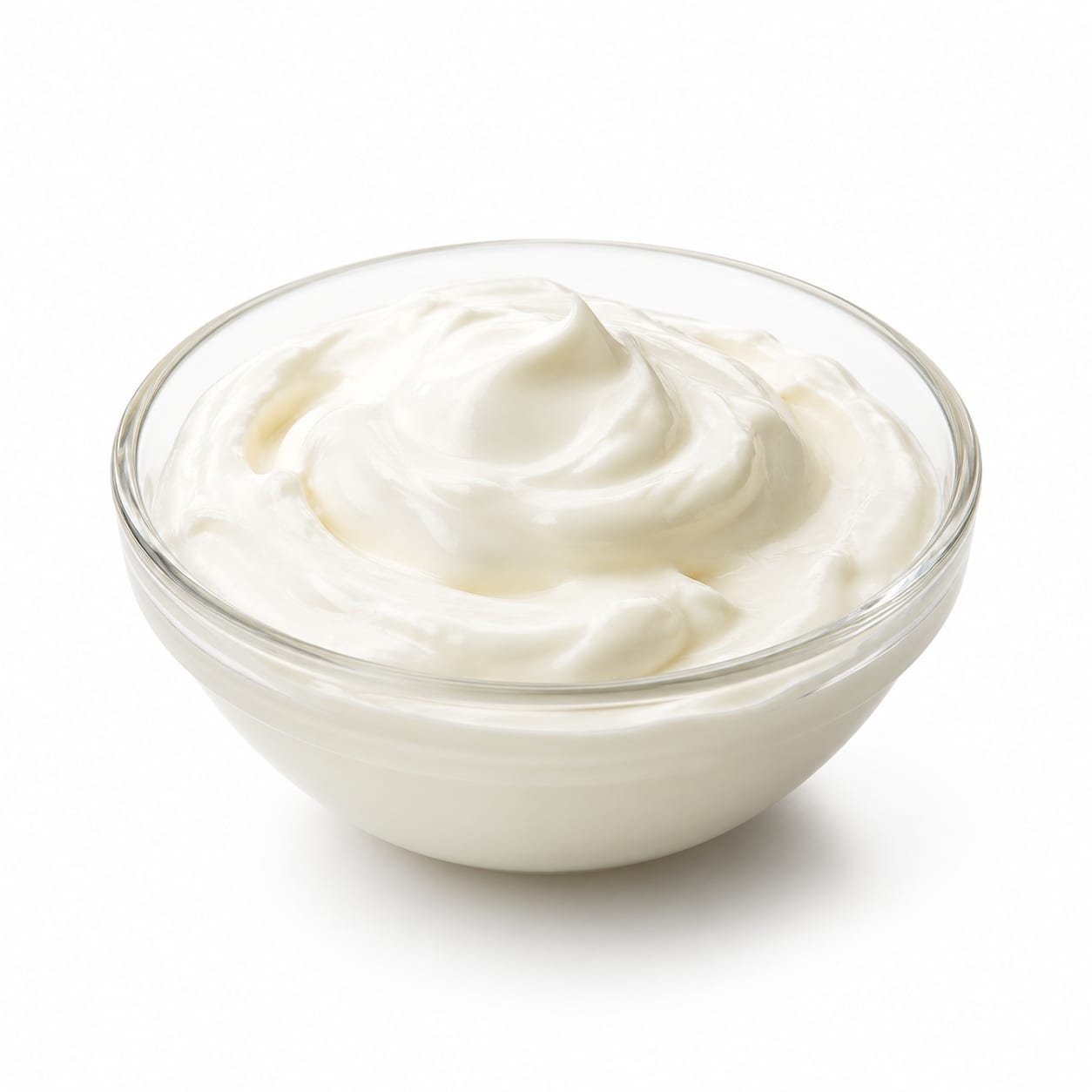
Sour Cream
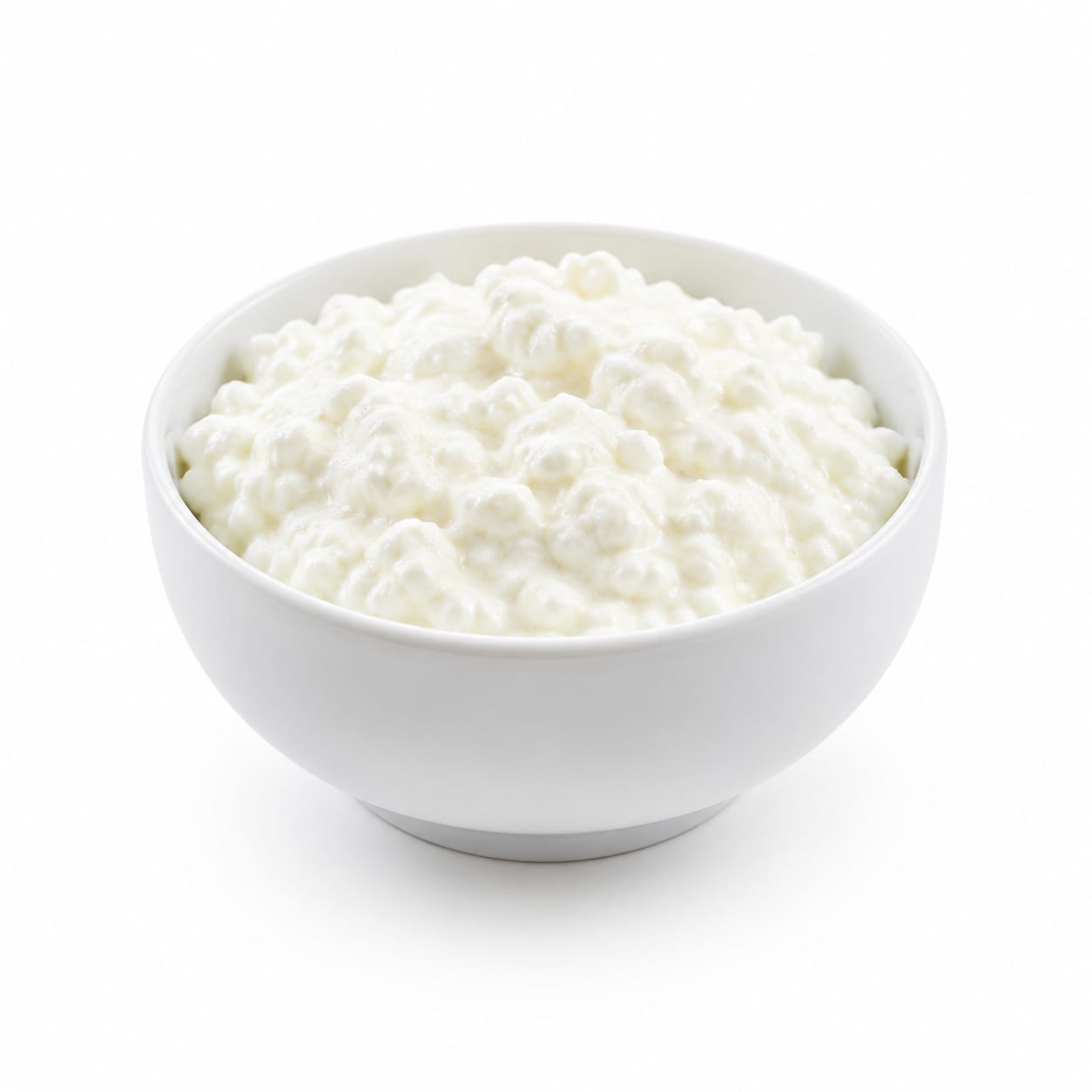
Cottage Cheese
Cottage Cheese dominates for daily nutrition and satiety, while Sour Cream is a flavor enhancer best used in moderation.
Cottage Cheese scores significantly higher due to its exceptional protein content and satiety benefits, making it a nutritional powerhouse for daily eating. Sour Cream is lower in protein and higher in saturated fat, limiting its role to an occasional condiment.
Protein and fullness versus rich flavor and culinary versatility.
At a glance
Executive summary
Overall
Cottage Cheese
Healthier
Cottage Cheese
More practical
Cottage Cheese
Daily use
Cottage Cheese
Key comparison lenses
Protein vs Fat Content
The core nutritional difference: Cottage Cheese is a protein powerhouse, while Sour Cream is primarily a fat source.
Weight Management and Satiety
Users often compare these when deciding between a filling snack and a calorie-dense topping.
Culinary Role and Versatility
Sour Cream is a classic condiment and baking ingredient, whereas Cottage Cheese is eaten as a standalone dish or base.
Dietary Goal Alignment
Choosing between muscle support and flavor enhancement is a common dietary tradeoff.
Best choice for
Sour Cream
- Adding richness to savory dishes
- Baking moist textures
- Making creamy dips and dressings
Cottage Cheese
- High-protein snacks
- Weight management
- Post-workout recovery
Least suitable for
Sour Cream
- Daily high-volume eating
- Low-fat diets
- Protein-focused goals
Cottage Cheese
- Rich dessert toppings
- Baking recipes requiring fat
- People who dislike the curd texture
Deep comparison
Dimension by dimension
Each lens scores both foods and breaks down who each option suits.
- Dimension 1 · Priority 95Cottage Cheese
Satiety & Fullness
Sour Cream · 25Cottage Cheese · 92Cottage Cheese keeps you full for hours due to its high casein protein, while Sour Cream offers fleeting satisfaction.
Tradeoff
You get immediate rich flavor from Sour Cream, but Cottage Cheese prevents later hunger.
Why it matters
Staying full helps control overall calorie intake and prevents mindless snacking.
Real-world impact
A bowl of Cottage Cheese at lunch means no afternoon crash; Sour Cream on a taco won't keep you full.
Sour Cream
- Quick flavor satisfaction
Better for
- Easily overconsumed calories
- Hunger returns quickly
Worse for
Cottage Cheese
- Long-lasting fullness
- Appetite control
Better for
- Less immediate comfort food appeal
Worse for
- Dimension 2 · Priority 90Cottage Cheese
Protein & Muscle Support
Sour Cream · 8Cottage Cheese · 96Cottage Cheese is a top-tier protein source, whereas Sour Cream provides almost none.
Tradeoff
Choosing Sour Cream means missing out on a major protein opportunity.
Why it matters
Protein is essential for muscle maintenance, metabolism, and aging well.
Real-world impact
Eating Cottage Cheese after a workout accelerates recovery; Sour Cream offers no such benefit.
Sour Cream
- Poor muscle support
Worse for
Cottage Cheese
- Muscle repair
- Metabolism boost
- Sarcopenia prevention
Better for
- Dimension 3 · Priority 85Cottage Cheese
Calorie Density & Weight Management
Sour Cream · 20Cottage Cheese · 88Sour Cream is calorie-dense with little protein, making it easy to overeat. Cottage Cheese offers high volume and protein for fewer calories.
Tradeoff
Sour Cream adds significant calories in small scoops; Cottage Cheese fills you up on fewer calories.
Why it matters
Managing calorie density is key to sustainable weight loss without feeling deprived.
Real-world impact
Two tablespoons of Sour Cream can cost you 60 empty calories; a whole cup of Cottage Cheese is around 160 filling calories.
Sour Cream
- Bulking up meals with fat
Better for
- Stealth weight gain
- High calorie for small portions
Worse for
Cottage Cheese
- Calorie-conscious diets
- Volume eating
Better for
- Less satisfying fat mouthfeel
Worse for
- Dimension 4 · Priority 80Sour Cream
Culinary Versatility & Flavor
Sour Cream · 88Cottage Cheese · 55Sour Cream is unmatched for adding richness, moisture, and tang to dishes. Cottage Cheese is more limited, often requiring blending or sweetening.
Tradeoff
You sacrifice rich flavor and baking utility if you only stick to Cottage Cheese.
Why it matters
Enjoying your food is crucial for a sustainable diet.
Real-world impact
Sour Cream makes a baked potato sing; Cottage Cheese on a baked potato is an acquired taste.
Sour Cream
- Baking
- Dips
- Toppings
- Rich sauces
Better for
- Limited to condiment roles
Worse for
Cottage Cheese
- Smoothies
- Savory bowls
- Toast spreads
Better for
- Can taste bland
- Texture issues in cooking
Worse for
Timeline
Health impact over time
Short-term
Hours to days
Sour Cream
- Quick satiety from fat, but hunger returns fast
- Can feel heavy in the stomach if eaten in large amounts
Cottage Cheese
- Sustained energy and fullness from protein
- May cause bloating if you are sensitive to dairy
Long-term
Months to years
Sour Cream
- Increased saturated fat intake if used heavily
- Potential for weight gain from calorie density
Cottage Cheese
- Better muscle retention with age
- Easier weight management
- Consistent protein intake supports metabolic health
Risk profile
Safety & processing
Cottage Cheese is typically closer to its whole-food roots with minimal additives. Sour Cream often contains stabilizers like guar gum or carrageenan to maintain its thick texture.
Sour Cream
Spoilage and Contamination
mediumAs a fermented dairy product, Sour Cream can grow mold or harmful bacteria if left unrefrigerated for extended periods.
Cottage Cheese
Spoilage and Contamination
mediumCottage Cheese has high moisture content, making it susceptible to bacterial growth if not kept consistently cold.
Who wins for whom
Audience fit
Same foods, different winners depending on your goal.
children
Cottage CheeseGrowing bodies need the protein and calcium in Cottage Cheese far more than the saturated fat in Sour Cream.
daily consumption
Cottage CheeseCottage Cheese serves as a daily nutritional staple; Sour Cream is best kept as an occasional condiment.
diabetes
Cottage CheeseProtein stabilizes blood sugar effectively, while the fat in Sour Cream lacks the same metabolic benefits.
elderly
Cottage CheesePreventing age-related muscle loss requires high-quality protein, making Cottage Cheese essential.
muscle gain
Cottage CheeseCottage Cheese is packed with slow-digesting casein protein, perfect for overnight muscle repair.
weight loss
Cottage CheeseHigh protein and volume keep calories low and satiety high, making it easier to stick to a deficit.
Your move
Decision guide
Choose Sour Cream
- You are making a dip, sauce, or baked good that requires rich fat content
- You want a tangy, creamy topping for tacos or soups
- You need moisture and tenderness in a cake or pastry recipe
Choose Cottage Cheese
- You want a filling, high-protein breakfast or snack
- You are focusing on weight loss or muscle gain
- You need a versatile base for sweet or savory bowls
Either works if
- You need a tangy dairy element and are watching portion sizes
- You tolerate dairy well and want to mix up your snack routine
Avoid both if
- You have a severe dairy allergy or lactose intolerance
- You are following a strict vegan diet
Final recommendation
Keep Cottage Cheese in your fridge as a daily protein staple, and treat Sour Cream as a flavor enhancer for special meals. If you want the best of both, a dollop of Sour Cream on a bowl of Cottage Cheese gives you rich flavor with solid nutrition.
Practical
Consumer tips
- 1
Blend Cottage Cheese with a little lemon juice to mimic the tang and creaminess of Sour Cream for a high-protein substitute.
- 2
Check Sour Cream labels for added gums and stabilizers; brands with just cream and cultures are cleaner choices.
- 3
Opt for low-fat or 2% Cottage Cheese if you want to lower calories without sacrificing protein content.