
Nutrition comparison
Heavy Cream vs Sour Cream: Which Is Healthier for Daily Use?
Compare Heavy Cream and Sour Cream on calories, fat, probiotics, and cooking versatility. Find out which dairy topping is better for weight loss, keto, gut health, and everyday meals.
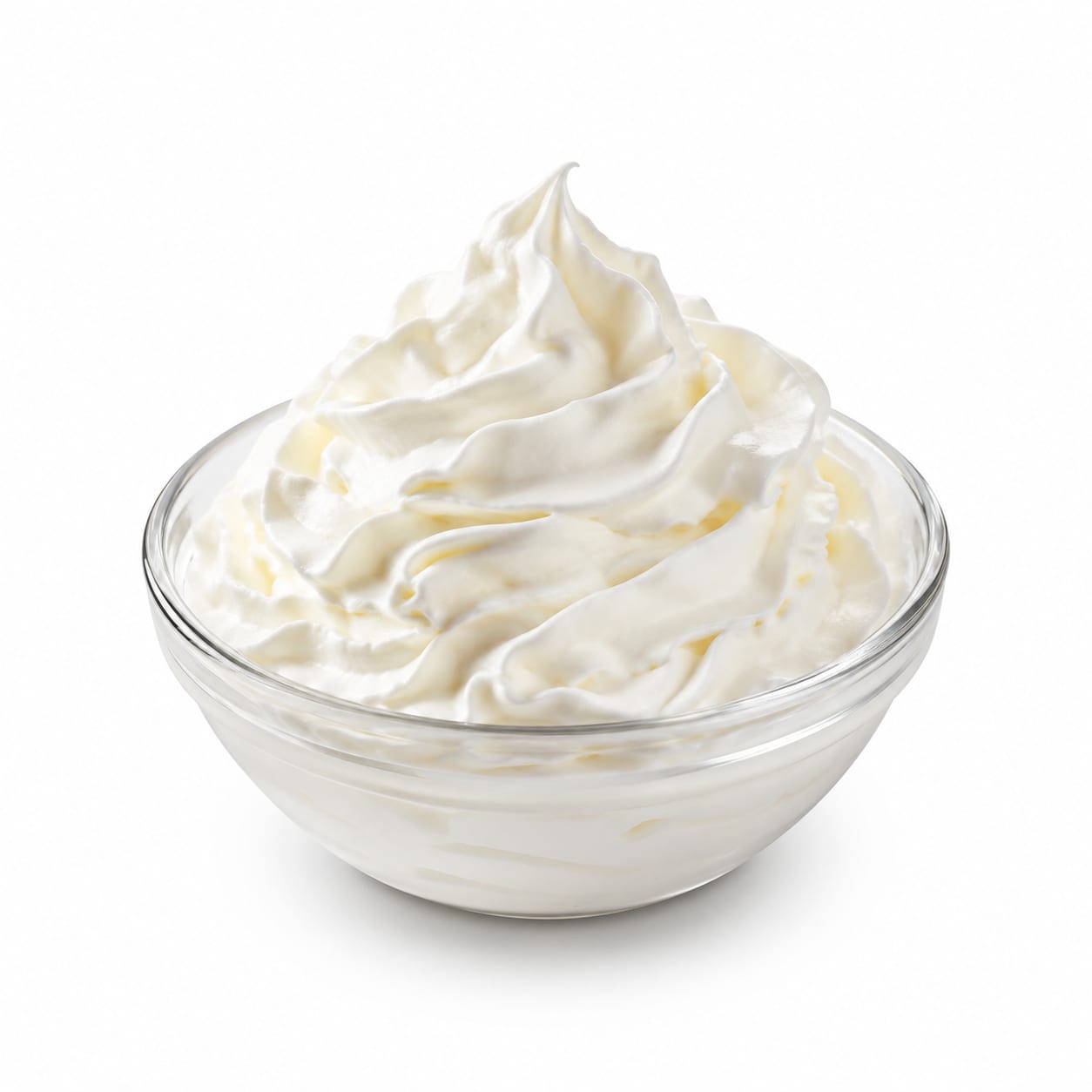
Heavy Cream
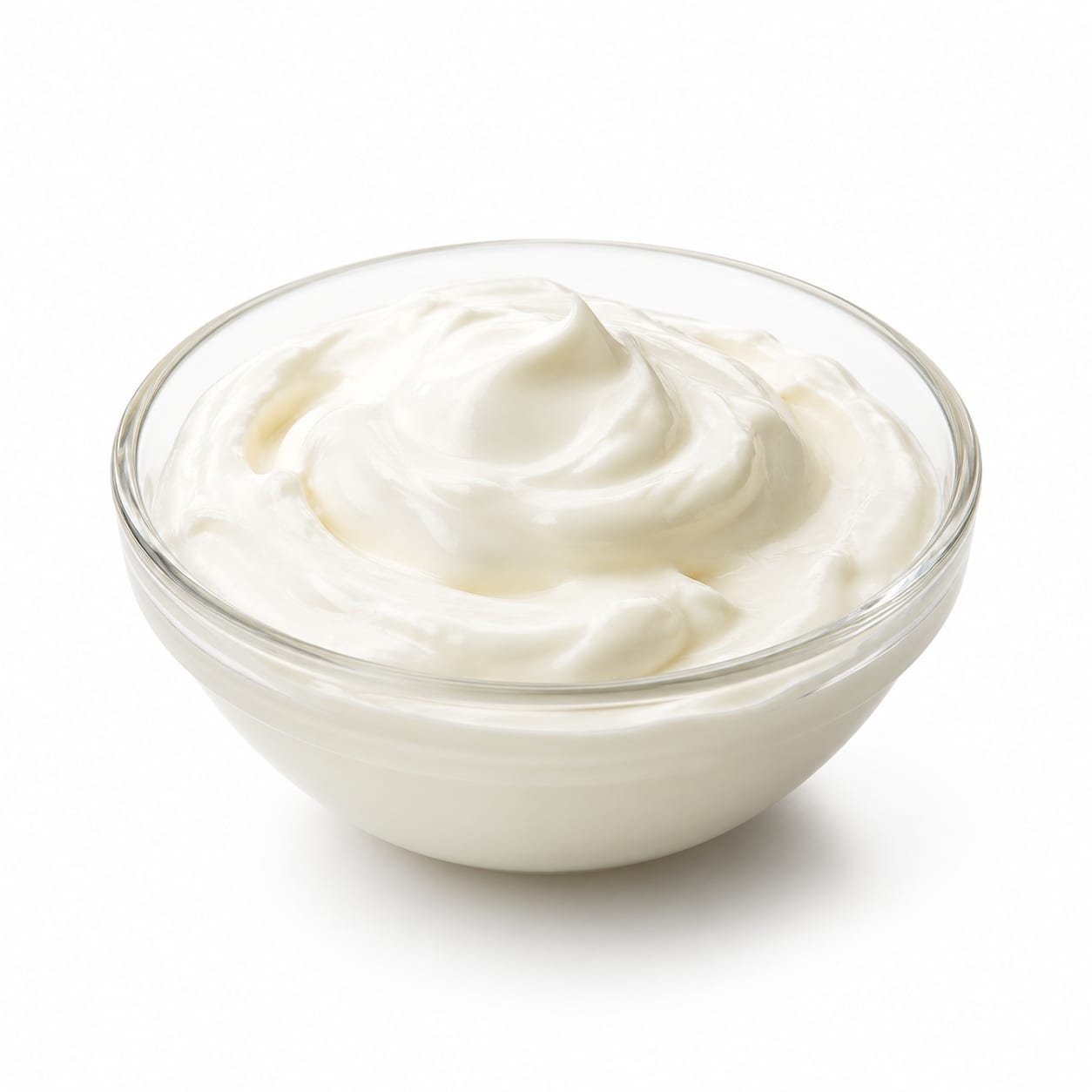
Sour Cream
Sour Cream wins for everyday toppings and gut health, while Heavy Cream wins for cooking versatility and keto strictness.
Sour Cream scores higher due to its fermentation benefits, lower calorie density, and better suitability for daily use. Heavy Cream earns points for cooking versatility and strict keto compatibility but loses ground on calorie load and lack of probiotics.
Heavy Cream delivers richer texture and more fat but nearly double the calories per serving. Sour Cream offers fermentation benefits and easier portion control with a tangy flavor profile.
At a glance
Executive summary
Overall
It depends
Healthier
Sour Cream
More practical
Sour Cream
Daily use
Sour Cream
Key comparison lenses
fat and calorie tradeoffs for cooking and toppings
Heavy Cream has roughly double the fat and calories of Sour Cream, making this the dominant decision factor
gut health and fermentation benefits
Sour Cream is fermented and contains beneficial bacteria that Heavy Cream lacks entirely
lactose sensitivity and digestibility
Fermentation reduces lactose in Sour Cream, making it easier on sensitive stomachs
cooking versatility and behavior
Heavy Cream whips, thickens sauces, and withstands heat differently than Sour Cream
daily use moderation and portion control
Both are calorie-dense condiments where overuse is common and consequences add up fast
Best choice for
Heavy Cream
- Keto and very low-carb dieters needing high fat with zero carbs
- Making whipped toppings or rich sauces that require high fat content
- Baking recipes where fat percentage determines texture
- Coffee enhancers for those avoiding all carbohydrates
Sour Cream
- Everyday baked potato and taco toppings where tang adds flavor
- People seeking probiotic benefits from fermented dairy
- Lactose-sensitive individuals who tolerate fermented dairy better
- Portion-conscious eaters who want creamy flavor with fewer calories
Least suitable for
Heavy Cream
- Calorie-counters or anyone watching portion sizes closely
- People with severe lactose intolerance
- Those seeking probiotic or gut health benefits
- Anyone trying to reduce saturated fat intake
Sour Cream
- Strict keto dieters tracking every carb gram
- Recipes requiring whipping or high-heat stability
- Anyone avoiding even small amounts of added thickeners or stabilizers
- People who dislike tangy flavors in their dairy
Deep comparison
Dimension by dimension
Each lens scores both foods and breaks down who each option suits.
- Dimension 1 · Priority 95Sour Cream
Calorie Density and Portion Control
Heavy Cream · 25Sour Cream · 55Heavy Cream packs roughly 400 calories per half-cup versus Sour Cream's 220. That difference compounds quickly with casual pouring.
Tradeoff
Heavy Cream's richness means you need less for flavor impact, but most people pour freely anyway. Sour Cream's tang lets a little go a longer way flavor-wise.
Why it matters
Condiments are where hidden calories accumulate. A generous pour of Heavy Cream on coffee or soup can quietly add 100+ calories without any fullness payoff.
Real-world impact
Switching from Heavy Cream to Sour Cream as a topping could save 180 calories per serving — enough to matter for gradual weight management without feeling deprived.
Heavy Cream
- Ketogenic dieters who want calories from fat
- Those who feel satisfied by smaller amounts of richer food
Better for
- Mindless eaters who pour without measuring
- Anyone trying to maintain a calorie deficit
Worse for
Sour Cream
- Anyone tracking calories who still wants creamy satisfaction
- People who tend to over-pour or over-spoon condiments
Better for
- Those who need high caloric intake for weight gain or keto macros
Worse for
- Dimension 2 · Priority 80Sour Cream
Gut Health and Fermentation
Heavy Cream · 10Sour Cream · 70Sour Cream is fermented, introducing beneficial bacteria and reducing lactose. Heavy Cream is fresh dairy with no fermentation benefits.
Tradeoff
Not all Sour Cream brands contain live cultures — many are heat-treated after fermentation. You must check labels for 'live active cultures' to get the real benefit.
Why it matters
Gut microbiome diversity influences digestion, immunity, and even mood. Fermented dairy is one of the easiest ways to get probiotics without supplements.
Real-world impact
A daily spoonful of live-culture Sour Cream with a meal can support digestion over time. Heavy Cream offers nothing in this department.
Heavy Cream
- Not applicable — Heavy Cream has no fermentation advantage
Better for
- Those specifically seeking gut health support from dairy
Worse for
Sour Cream
- Anyone looking to sneak probiotics into regular meals
- People with mild lactose sensitivity who tolerate fermented dairy better
Better for
- People who assume all Sour Cream is probiotic without checking labels
Worse for
- Dimension 3 · Priority 70Heavy Cream
Satiety and Fullness
Heavy Cream · 65Sour Cream · 50Heavy Cream's higher fat content slows digestion and provides longer-lasting fullness, especially in coffee or soups.
Tradeoff
The satiety from Heavy Cream comes at a steep calorie cost. You can achieve similar fullness with protein-rich foods at a fraction of the calories.
Why it matters
Fat triggers satiety hormones, but calorie-dense fat sources can overshoot your needs before you feel full. There's a lag between consumption and satisfaction.
Real-world impact
Heavy Cream in morning coffee may delay breakfast hunger by an hour. Sour Cream on a baked potato adds flavor but less sustained fullness.
Heavy Cream
- Intermittent fasters who use cream in coffee to extend fasting windows
- People replacing meals with fat-heavy drinks
Better for
- Emotional eaters who confuse rich mouthfeel with actual fullness
Worse for
Sour Cream
- Those who eat balanced meals and use dairy as a flavor accent, not a satiety tool
Better for
- Those relying on toppings alone to stay satisfied between meals
Worse for
- Dimension 4 · Priority 70Heavy Cream
Cooking Versatility
Heavy Cream · 85Sour Cream · 45Heavy Cream whips into toppings, thickens sauces smoothly, and survives high heat without breaking. Sour Cream curdles at high temperatures and cannot be whipped.
Tradeoff
Heavy Cream is a cooking workhorse but a boring topping. Sour Cream is a one-trick pony in the kitchen but that trick — tangy creaminess — is hard to replicate.
Why it matters
If you cook frequently, Heavy Cream's versatility justifies keeping it stocked. If you mostly top dishes, Sour Cream's flavor advantage wins.
Real-world impact
Heavy Cream can make Alfredo sauce, whipped cream, ganache, and creamy soups. Sour Cream can top a burrito bowl and that's about it for most home cooks.
Heavy Cream
- Home cooks making cream sauces, soups, or desserts
- Anyone who wants one dairy product that does many jobs
Better for
- Those who only need a topping and find Heavy Cream too bland
Worse for
Sour Cream
- Those who primarily use dairy as a finishing topping
- People making cold dishes like dips or dressings
Better for
- Anyone attempting hot recipes that call for cream — Sour Cream will curdle and ruin the dish
Worse for
- Dimension 5 · Priority 65Heavy Cream
Carbohydrate and Sugar Content
Heavy Cream · 80Sour Cream · 45Heavy Cream has roughly 1 gram of carbs per serving. Sour Cream has about 2-3 grams from lactose and sometimes added thickeners.
Tradeoff
The carb difference is small in absolute terms but matters for strict keto. For everyone else, 1-2 extra grams of carbs is negligible.
Why it matters
For keto dieters tracking net carbs, every gram counts. For the general population, this difference is irrelevant.
Real-world impact
If you're staying under 20g net carbs daily, Heavy Cream's lower count gives you more flexibility elsewhere. If you eat normally, this distinction means nothing.
Heavy Cream
- Strict ketogenic dieters counting every carb gram
- Those pairing dairy with other carb-containing foods in the same meal
Better for
- Not really a downside — Heavy Cream wins this dimension clearly
Worse for
Sour Cream
- Moderate low-carb eaters for whom 2g versus 1g is immaterial
Better for
- Keto purists who track macros precisely
Worse for
- Dimension 6 · Priority 60Heavy Cream
Additives and Processing Concerns
Heavy Cream · 65Sour Cream · 40Heavy Cream often contains just cream and maybe a stabilizer. Sour Cream frequently includes thickeners like guar gum, carrageenan, or modified food starch.
Tradeoff
Premium Sour Cream brands with minimal ingredients exist but cost more. Conventional Sour Cream is more processed than conventional Heavy Cream.
Why it matters
Carrageenan and some emulsifiers may irritate the gut lining in sensitive people. Fewer ingredients generally means fewer potential issues.
Real-world impact
If you have digestive sensitivities, Heavy Cream's shorter ingredient list is safer. Check Sour Cream labels for carrageenan if gut irritation is a concern.
Heavy Cream
- People avoiding emulsifiers and thickeners
- Those with sensitive digestion who react to gums and stabilizers
Better for
- Those who assume all Heavy Cream is additive-free without reading labels
Worse for
Sour Cream
- Not applicable — Sour Cream is generally more processed
Better for
- People with gut sensitivities to carrageenan or guar gum
- Clean-eating advocates minimizing processed foods
Worse for
Timeline
Health impact over time
Short-term
Hours to days
Heavy Cream
- Quick energy from fat but no blood sugar spike since carbs are negligible
- Heavy richness that can feel satisfying or nauseating depending on portion size
- May trigger digestive discomfort in lactose-sensitive individuals since it contains more lactose than fermented options
Sour Cream
- Lower calorie impact per serving makes it easier to enjoy without feeling heavy
- Tangy flavor can stimulate appetite and complement savory meals without overwhelming them
- Better tolerated by many lactose-sensitive people due to fermentation reducing lactose content
Long-term
Months to years
Heavy Cream
- Regular high saturated fat intake may raise LDL cholesterol in susceptible individuals
- Calorie density makes overconsumption easy, potentially contributing to gradual weight gain
- Zero probiotic benefit means no gut microbiome support from regular consumption
Sour Cream
- Live cultures in quality brands may support gut health and immune function over time
- Lower calorie density makes it more sustainable as a daily condiment without weight impact
- Some brands contain stabilizers that may affect gut lining with frequent long-term consumption
Risk profile
Safety & processing
Heavy Cream is typically just cream separated from milk with minimal additions. Sour Cream requires a fermentation step plus frequent thickeners and stabilizers to achieve its signature texture, making it more processed overall.
Heavy Cream
Spoilage from improper refrigeration
mediumHeavy Cream spoils quickly once opened and left warm. Sour smell or clumping means it should be discarded immediately.
Raw cream contamination if unpasteurized
highUnpasteurized Heavy Cream carries risk of Listeria, Salmonella, and E. coli. Most commercial cream is pasteurized, but farm-sourced versions may not be.
Sour Cream
Mold growth after opening
mediumSour Cream's moisture and nutrient content make it vulnerable to mold. Any visible mold means the entire container should be discarded, not just the surface.
Stabilizer-related gut irritation
lowCarrageenan and certain gums may cause bloating or irritation in sensitive individuals with regular consumption.
Who wins for whom
Audience fit
Same foods, different winners depending on your goal.
children
Sour CreamSour Cream's milder calorie load and tangy flavor that kids enjoy on familiar foods like tacos makes it more appropriate. Heavy Cream's calorie density is excessive for small portions children eat.
daily consumption
Sour CreamLower calories, potential probiotic benefits, and better portion control make Sour Cream more sustainable as a daily condiment without negative health accumulation.
diabetes
Heavy CreamHeavy Cream has virtually zero carbs and will not spike blood sugar at all. Sour Cream's small carb count is usually fine but requires slightly more awareness.
elderly
Sour CreamSour Cream's fermentation benefits support aging gut health, and its lower calorie density fits well with the reduced caloric needs of older adults.
muscle gain
It dependsNeither is a meaningful protein source. Both are fat-dominant condiments that add calories without contributing significant muscle-building amino acids.
weight loss
Sour CreamSour Cream has nearly half the calories per serving and its tangy flavor satisfies with smaller portions, making it easier to stay within calorie targets.
Your move
Decision guide
Choose Heavy Cream
- You are on a strict ketogenic diet and need maximum fat with minimal carbs
- You cook cream sauces, soups, or desserts regularly and need a versatile dairy fat
- You want something for coffee that adds richness without any sugar or carbs
- You are trying to increase caloric intake and need calorie-dense additions
Choose Sour Cream
- You want a flavorful topping for savory dishes like potatoes, tacos, or chili
- You care about probiotic benefits and gut health from fermented foods
- You are watching calories but still want creamy satisfaction in your meals
- You have mild lactose sensitivity and tolerate fermented dairy better
Either works if
- You need a dairy fat for a recipe that works with either option
- You are not strictly tracking macros and just want something tasty
- You are eating an otherwise balanced diet where either condiment fits fine
Avoid both if
- You have a dairy allergy or severe lactose intolerance
- You are following a vegan or plant-based diet
- You are trying to eliminate saturated fat from your diet entirely
- You are on a strict calorie-restricted diet and cannot afford condiment calories
Final recommendation
For most people eating at home, Sour Cream is the smarter everyday choice — fewer calories, gut-friendly fermentation, and a flavor that naturally limits overuse. Keep Heavy Cream for cooking projects and keto coffee, but reach for Sour Cream when you want something creamy on your plate. Read labels on both: look for short ingredient lists on Heavy Cream and live active cultures on Sour Cream.
Practical
Consumer tips
- 1
Not all Sour Cream contains live probiotics — look for 'live active cultures' on the label to get the gut health benefit
- 2
Heavy Cream doubles as butter in a pinch — whip it longer and it separates into butter and buttermilk
- 3
If Sour Cream curdles in a hot dish, stir in a small amount of Heavy Cream to smooth it out
- 4
Full-fat Sour Cream is more satisfying and stable than low-fat versions, which compensate with thickeners and starches
- 5
A tablespoon of Sour Cream on a savory dish adds roughly 30 calories — a reasonable flavor tax for most meals
- 6
Freezing Heavy Cream works for cooking later but ruins its whipping ability — use it in soups or sauces after thawing