
Nutrition comparison
Sour Cream vs Cream Cheese: Nutrition, Calories, and Health Comparison
Compare Sour Cream vs Cream Cheese to see which is healthier. Learn about calories, probiotics, lactose, and the best uses for each dairy spread.
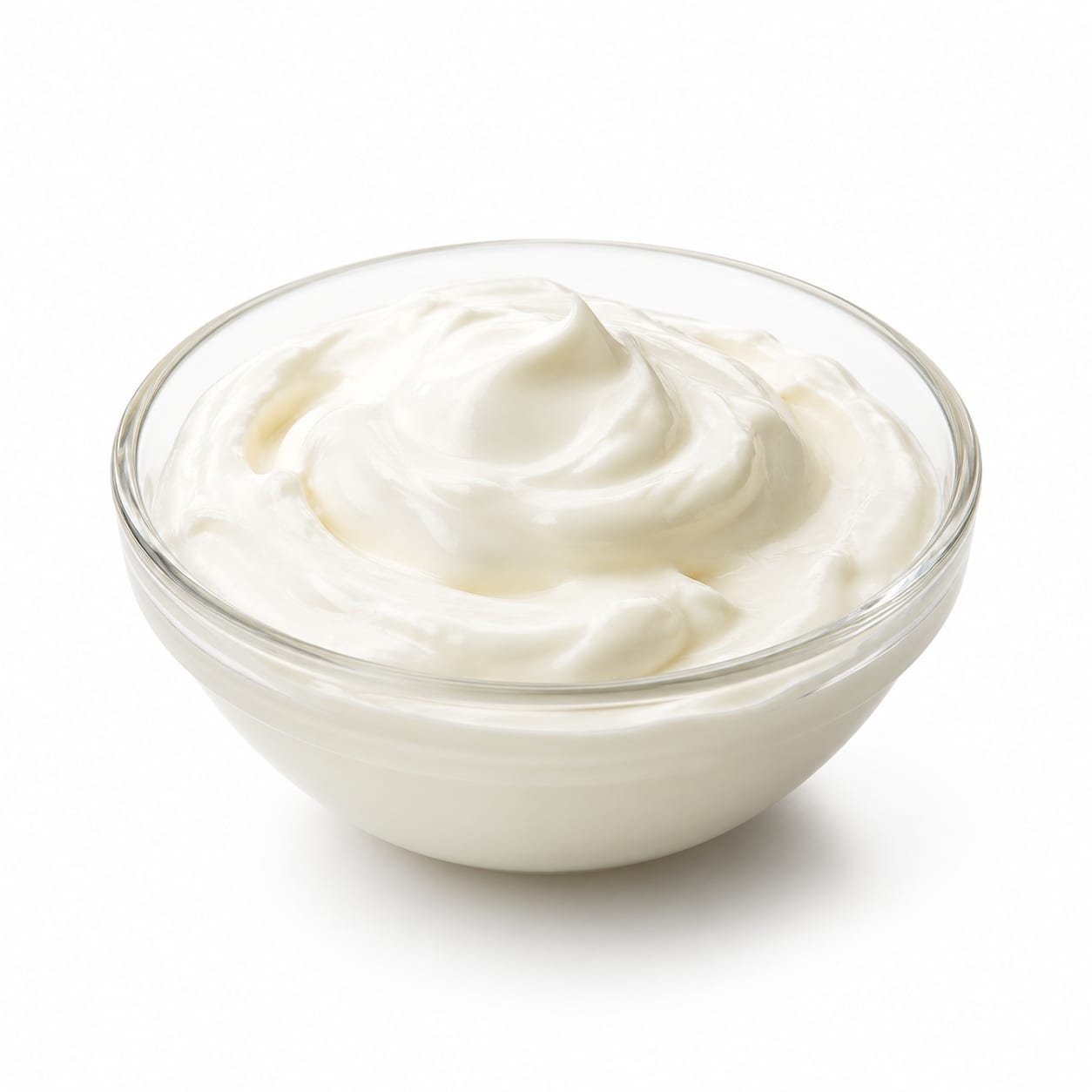
Sour Cream
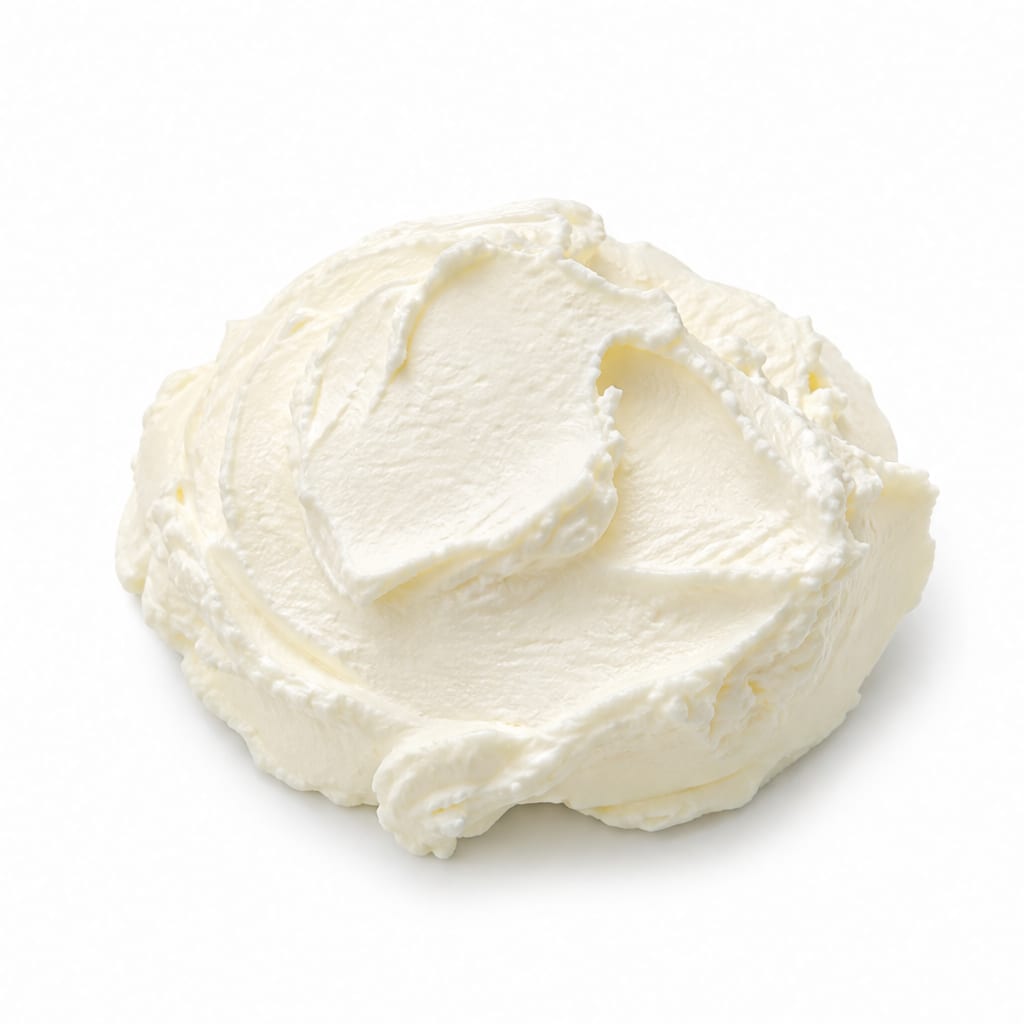
Cream Cheese
Sour Cream is lighter and gut-friendly, while Cream Cheese is richer and more filling.
Sour Cream edges out Cream Cheese slightly due to its probiotic content and lower calorie density, making it easier to use regularly without overconsuming calories.
Probiotics and fewer calories in Sour Cream versus more protein and satiety in Cream Cheese.
At a glance
Executive summary
Overall
It depends
Healthier
Sour Cream
More practical
Cream Cheese
Daily use
Sour Cream
Key comparison lenses
Choosing a lighter dairy topping versus a denser, more filling spread
Users often swap these based on calorie density and how heavy they want their meal to feel
Gut health and probiotic benefits
Sour Cream is fermented while Cream Cheese is not, creating a clear digestive health distinction
Managing lactose intolerance
Fermentation reduces lactose in Sour Cream, making it a safer choice for sensitive stomachs
Best choice for
Sour Cream
- Lighter meals
- Gut health support
- Lower calorie diets
Cream Cheese
- Keto diets needing high fat
- High-satiety breakfasts
- Baking and dessert recipes
Least suitable for
Sour Cream
- High-protein diets
- Those needing high satiety from fats
Cream Cheese
- Strict calorie counting
- Severe lactose intolerance
Deep comparison
Dimension by dimension
Each lens scores both foods and breaks down who each option suits.
- Dimension 1 · Priority 90Sour Cream
Calorie Density & Weight Management
Sour Cream · 75Cream Cheese · 50Sour Cream has significantly fewer calories per serving than Cream Cheese.
Tradeoff
You save calories with Sour Cream but might feel less full than if you ate Cream Cheese.
Why it matters
It is easy to overeat calorie-dense spreads, making weight management harder.
Real-world impact
A bagel with Cream Cheese can easily pack 300+ calories from the spread alone, whereas Sour Cream on a taco adds minimal calories.
Sour Cream
- Calorie deficit diets
- Light snacking
Better for
- Those needing high calorie intake
Worse for
Cream Cheese
- Bulking
- Keto diets needing high fat intake
Better for
- Weight loss
- Portion control struggles
Worse for
- Dimension 2 · Priority 85Sour Cream
Gut Health & Digestion
Sour Cream · 80Cream Cheese · 45Sour Cream is fermented and contains probiotics, while Cream Cheese generally does not.
Tradeoff
Sour Cream supports a healthy gut microbiome, whereas Cream Cheese offers no digestive benefits.
Why it matters
Probiotics improve digestion and immune function over time.
Real-world impact
Eating Sour Cream regularly can help with bloating and digestion, while Cream Cheese will not offer that perk.
Sour Cream
- Irritable bowel support
- Immune health
Better for
Cream Cheese
- People avoiding fermented foods due to histamine intolerance
Better for
- Gut microbiome diversity
- Lactose sensitivity
Worse for
- Dimension 3 · Priority 80Cream Cheese
Satiety & Protein Content
Sour Cream · 40Cream Cheese · 70Cream Cheese is denser and has more protein per serving, keeping you fuller longer.
Tradeoff
Cream Cheese provides more staying power, but comes with a heavier calorie load.
Why it matters
Feeling full helps prevent overeating later in the day.
Real-world impact
A breakfast with Cream Cheese will likely keep you satisfied until lunch better than a meal topped with Sour Cream.
Sour Cream
- Light meals where you do not want to feel stuffed
Better for
- People who need a meal to keep them full for 5+ hours
Worse for
Cream Cheese
- Morning fullness
- Post-workout fat and protein addition
Better for
- Those who struggle with portion control for high-fat foods
Worse for
- Dimension 4 · Priority 75Sour Cream
Lactose Tolerance
Sour Cream · 70Cream Cheese · 40The fermentation process of Sour Cream breaks down much of the lactose, making it easier to tolerate.
Tradeoff
Sour Cream is gentler on sensitive stomachs, while Cream Cheese can trigger symptoms in the lactose intolerant.
Why it matters
Lactose intolerance affects a large portion of the population, causing bloating and discomfort.
Real-world impact
If dairy usually upsets your stomach, a dollop of Sour Cream is less likely to cause issues than a Cream Cheese spread.
Sour Cream
- Mild lactose sensitivity
Better for
- Individuals with zero lactose tolerance
Worse for
Cream Cheese
- People who tolerate lactose well and prefer non-fermented dairy
Better for
- Lactose intolerant individuals
Worse for
Timeline
Health impact over time
Short-term
Hours to days
Sour Cream
- Quick flavor addition without heavy fullness
- Lower risk of post-meal digestive discomfort
Cream Cheese
- High satiety from fat content
- Potential bloating if lactose sensitive
Long-term
Months to years
Sour Cream
- Improved gut health from probiotics
- Easier weight maintenance due to lower calories
Cream Cheese
- Higher saturated fat intake if portions are not controlled
- Risk of weight gain if used liberally
Risk profile
Safety & processing
Both are processed dairy products, but Cream Cheese often contains more stabilizers and thickeners to maintain its texture, while traditional Sour Cream relies more on fermentation.
Sour Cream
Spoilage
mediumSour Cream can mold quickly if contaminated with other foods or left at room temperature for extended periods.
Cream Cheese
Listeria contamination
mediumCream Cheese has been subject to recalls for Listeria, as it is a moist, ready-to-eat food that requires strict refrigeration.
Who wins for whom
Audience fit
Same foods, different winners depending on your goal.
children
Cream CheeseCream Cheese is often more palatable and less tangy for kids, and provides extra calories for growing bodies.
daily consumption
Sour CreamThe lower calorie count and probiotic content make Sour Cream a more sustainable daily addition.
diabetes
Sour CreamBoth are low in carbs, but Sour Cream's lower calorie density helps prevent weight gain, a key factor in diabetes management.
elderly
Sour CreamSour Cream's probiotics support aging gut health and immune systems, which often weaken with age.
muscle gain
Cream CheeseCream Cheese offers slightly more protein and calories, which supports muscle-building diets.
weight loss
Sour CreamSour Cream has roughly half the calories per serving, making it much easier to fit into a calorie deficit.
Your move
Decision guide
Choose Sour Cream
- You want a light topping for tacos or soups
- You are watching your calorie intake
- You want the gut benefits of probiotics
- You are sensitive to lactose
Choose Cream Cheese
- You need a satisfying spread for breakfast
- You are on a keto or low-carb, high-fat diet
- You are baking a dessert
- You want something that keeps you full for hours
Either works if
- You just need a rich, low-carb dairy addition to a meal
- You are cooking a creamy sauce
Avoid both if
- You have a severe dairy allergy
- You are strictly avoiding saturated fat
Final recommendation
Let your meal and goals decide: reach for Sour Cream when you want a light, gut-friendly accent, and choose Cream Cheese when you need a rich, filling spread or baking staple.
Practical
Consumer tips
- 1
Measure Cream Cheese carefully—a typical bagel serving can easily double the standard 2-tablespoon portion.
- 2
Look for Sour Cream with live and active cultures to ensure you are getting the probiotic benefits.
- 3
Opt for full-fat versions of both if you want better satiety and fewer fillers; low-fat versions often compensate with gums and stabilizers.
- 4
If lactose is an issue, Sour Cream is usually better tolerated, but plant-based alternatives might be safest.