
Nutrition comparison
Sour Cream vs Coconut Cream: Nutrition, Taste, and Health Comparison
Compare Sour Cream and Coconut Cream side by side—calories, fat quality, probiotics, lactose, and culinary uses. Find out which creamy topping fits your diet and cooking style better.
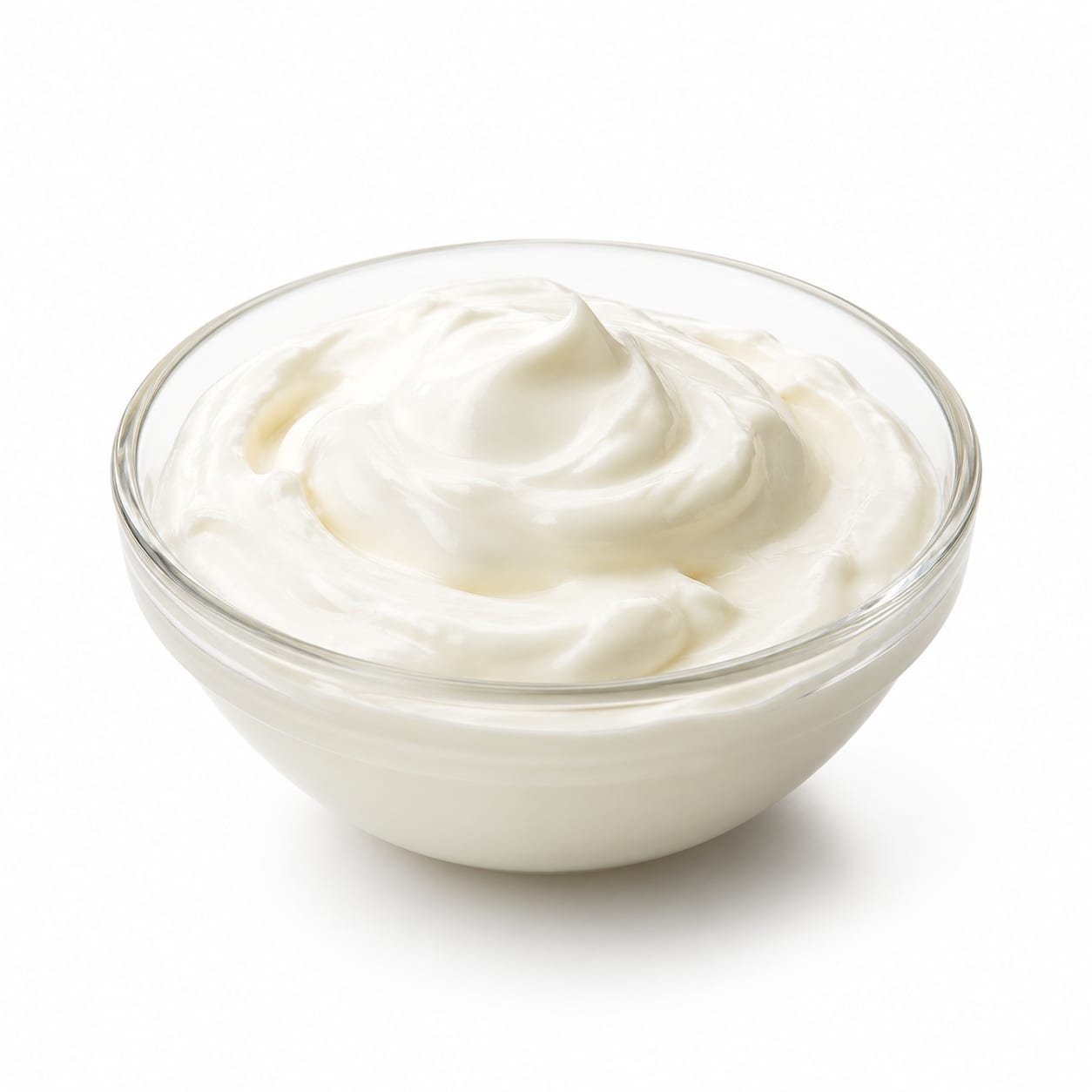
Sour Cream
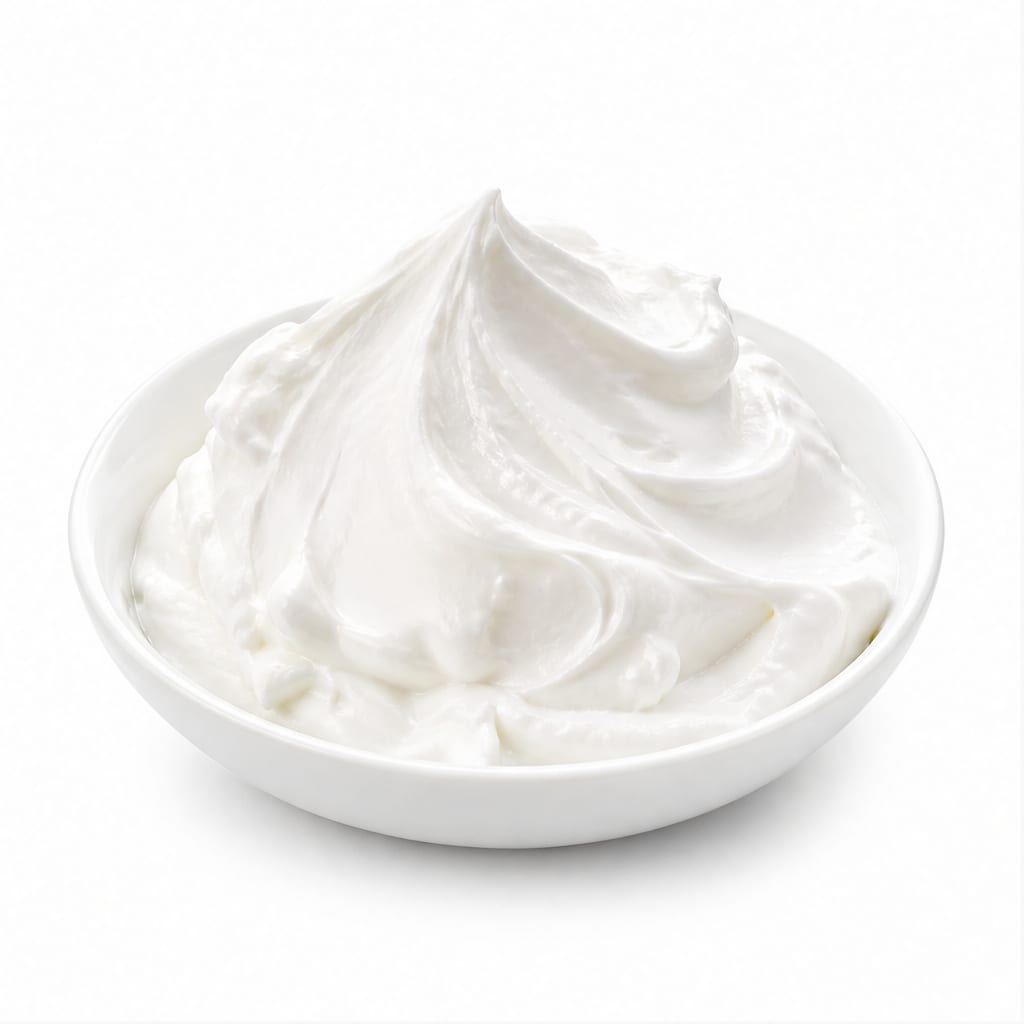
Coconut Cream
Sour Cream offers more protein, calcium, and probiotic benefits, while Coconut Cream is the clear choice for anyone avoiding dairy and provides unique MCT fats that behave differently in the body.
Sour Cream edges ahead slightly due to its probiotic content, calcium, and lower calorie density per serving. Coconut Cream stays competitive because of its MCT benefits and dairy-free advantage. The close scores reflect that neither is a health food—both are indulgent toppings best used in moderation.
Nutritional richness and familiar tang from Sour Cream versus dairy-free compatibility and MCT-driven energy from Coconut Cream—each sacrifices what the other excels at.
At a glance
Executive summary
Overall
It depends
Healthier
It depends
More practical
Sour Cream
Daily use
Sour Cream
Key comparison lenses
dairy vs plant based alternative
This is the core tension—users are usually deciding between a traditional dairy topping and a vegan substitute
saturated fat source quality
Both are high-fat foods but the type of saturated fat differs significantly, impacting how the body processes them
lactose and allergen avoidance
Many users considering Coconut Cream are doing so specifically to avoid dairy allergens or lactose
culinary swappability
People want to know if Coconut Cream actually works as a replacement in recipes calling for Sour Cream
weight management and calorie density
Both are calorie-dense toppings, so portion control and satiety matter for everyday use
Best choice for
Sour Cream
- People who tolerate dairy and want a probiotic-rich, calcium-containing topping
- Those seeking a lower-calorie garnish for savory dishes
- Anyone prioritizing traditional flavor and texture in recipes like baked potatoes or tacos
Coconut Cream
- Vegans and anyone with lactose intolerance or dairy allergy
- Those following keto who want MCTs for quick energy conversion
- People cooking Southeast Asian or tropical cuisine where coconut flavor enhances the dish
Least suitable for
Sour Cream
- Anyone with lactose intolerance or dairy sensitivity
- Strict vegans
- People managing severe saturated fat intake restrictions
Coconut Cream
- Anyone allergic to coconuts (tree nut allergy category)
- Those watching calorie intake closely, as Coconut Cream is significantly more calorie-dense
- Recipes requiring a tangy, acidic flavor profile that Coconut Cream cannot replicate
Deep comparison
Dimension by dimension
Each lens scores both foods and breaks down who each option suits.
- Dimension 1 · Priority 92Coconut Cream
Fat Quality and Metabolic Impact
Sour Cream · 45Coconut Cream · 62Coconut Cream contains medium-chain triglycerides (MCTs) like lauric acid, which the body converts to energy more readily than the long-chain saturated fats dominant in Sour Cream.
Tradeoff
Coconut Cream's MCTs are metabolized faster and are less likely to be stored as body fat, but Coconut Cream packs more total fat and calories per serving than Sour Cream.
Why it matters
Not all saturated fat behaves the same way. MCTs bypass normal fat digestion pathways and go straight to the liver for energy production, making them a preferred fuel source for some keto and low-carb dieters.
Real-world impact
A spoonful of Coconut Cream in coffee or a curry may give you a steadier energy feel without the heaviness that Sour Cream can leave behind, but overpouring Coconut Cream adds calories fast.
Sour Cream
- Recipes where you want a lighter fat mouthfeel
- Smaller portions where total fat grams matter more than fat type
Better for
- Anyone specifically seeking MCT benefits
- Those who experience sluggishness after heavy dairy consumption
Worse for
Coconut Cream
- Keto and low-carb diets prioritizing MCT intake
- Morning routines where quick energy conversion matters
- People who find long-chain saturated fats from dairy harder to digest
Better for
- Calorie-counters who find it easy to overpour
- People with coconut allergy
Worse for
- Dimension 2 · Priority 88Sour Cream
Nutrient Density Beyond Fat
Sour Cream · 68Coconut Cream · 35Sour Cream provides meaningful calcium, phosphorus, riboflavin, and vitamin B12, plus beneficial probiotics if traditionally cultured. Coconut Cream is essentially fat with minimal micronutrients.
Tradeoff
You get real nutritional value alongside the fat in Sour Cream, while Coconut Cream delivers mostly calories with trace minerals like iron and magnesium but in insignificant amounts.
Why it matters
If a topping is going to be calorie-dense anyway, it helps if those calories come packaged with nutrients your body actually needs rather than empty energy.
Real-world impact
A couple of tablespoons of Sour Cream on a taco gives you about 10% of your daily calcium. The same amount of Coconut Cream gives you almost no calcium but costs you more calories.
Sour Cream
- Anyone not meeting daily calcium needs through other foods
- People who value probiotic diversity for gut health
- Those wanting some nutritional payoff from indulgent toppings
Better for
- People who already get plenty of calcium and B12 from other dairy sources
Worse for
Coconut Cream
- Situations where the food itself is the nutrient delivery system—like smoothies where other ingredients carry the micronutrients
Better for
- Anyone relying on toppings to contribute meaningful micronutrients
- People concerned about nutrient-poor calorie sources
Worse for
- Dimension 3 · Priority 90Coconut Cream
Digestive Tolerance and Allergen Profile
Sour Cream · 40Coconut Cream · 80Coconut Cream is naturally lactose-free and vegan, making it safe for a large portion of the population that cannot tolerate dairy. Sour Cream contains lactose, though fermentation reduces it compared to milk.
Tradeoff
Coconut Cream wins on digestibility for most people with dairy issues, but coconut is classified as a tree nut allergen by the FDA, creating a different (though smaller) allergy risk.
Why it matters
Roughly 65% of the global population has some degree of lactose malabsorption. For these people, even small amounts of Sour Cream can cause bloating, gas, or discomfort.
Real-world impact
If you feel bloated after dairy-based meals, switching to Coconut Cream as a topping can eliminate that discomfort entirely. But always check guests for coconut allergy before serving.
Sour Cream
- People with no lactose sensitivity who digest dairy well
- Those who find fermented dairy products actually soothe their digestion
Better for
- Lactose-intolerant individuals
- People with dairy allergy or sensitivity
- Vegans
Worse for
Coconut Cream
- Anyone with lactose intolerance or dairy sensitivity
- Vegans and plant-based eaters
- People with mild dairy-related skin breakouts or congestion
Better for
- Anyone with a diagnosed coconut or tree nut allergy
Worse for
- Dimension 4 · Priority 82Sour Cream
Calorie Density and Portion Control
Sour Cream · 60Coconut Cream · 38Sour Cream contains roughly 190 calories per 100g, while Coconut Cream packs around 330 calories per 100g—nearly 75% more. This makes Sour Cream easier to enjoy in moderate portions without overshooting daily intake.
Tradeoff
Sour Cream lets you add creamy richness with less caloric cost, but Coconut Cream's richer consistency means you may feel satisfied with less volume—though in practice, people tend to use similar amounts.
Why it matters
When both foods are used as toppings rather than main ingredients, the calorie difference per typical serving can mean 50-80 extra calories per meal with Coconut Cream—adding up over days and weeks.
Real-world impact
That dollop on your soup or baked potato? Sour Cream keeps it around 30-60 calories. Coconut Cream pushes it to 60-100 calories for the same visual portion.
Sour Cream
- Calorie-conscious eaters who track daily intake
- People who like generous portions of toppings
- Anyone managing weight through portion awareness
Better for
- Those who need high-calorie options for weight gain
Worse for
Coconut Cream
- Those intentionally eating calorie-dense foods for weight gain or keto macros
- People who find that richer foods satisfy them with smaller amounts
Better for
- Anyone trying to reduce calorie intake without measuring portions
- People who tend to pour liberally
Worse for
- Dimension 5 · Priority 78It depends
Flavor Versatility and Culinary Fit
Sour Cream · 72Coconut Cream · 70Sour Cream brings a signature tang that cuts through richness and balances savory dishes. Coconut Cream adds a subtle sweetness and tropical richness that shines in specific cuisines but feels out of place in others.
Tradeoff
Sour Cream is the default for Mexican, Eastern European, and American comfort food. Coconut Cream is irreplaceable in Thai, Indian, and Caribbean dishes. Neither swaps seamlessly into the other's territory.
Why it matters
Flavor mismatch is the number one reason people abandon dairy alternatives. A coconut-flavored stroganoff or a tangy Thai curry both feel wrong.
Real-world impact
Putting Coconut Cream on a taco gives you a sweet, coconutty taco that tastes confused. Putting Sour Cream in a Thai green curry dulls the tropical brightness. Use each in its natural culinary home.
Sour Cream
- Mexican dishes like tacos, enchiladas, and nachos
- Eastern European dishes like pierogi, borscht, and stroganoff
- Baked potatoes and American comfort food
- Dips and dressings requiring tang
Better for
- Any dish where coconut flavor is expected
- Vegan recipe requirements
Worse for
Coconut Cream
- Thai curries and soups
- Indian curries and kormas
- Caribbean and Polynesian dishes
- Vegan desserts and smoothies
- Piña coladas and tropical drinks
Better for
- Savory dishes requiring acidity and tang
- Traditional dairy-based comfort food recipes
Worse for
- Dimension 6 · Priority 75Sour Cream
Gut Health and Microbiome Impact
Sour Cream · 72Coconut Cream · 40Traditionally cultured Sour Cream contains live probiotic strains like Lactobacillus that support gut microbiome diversity. Coconut Cream has no probiotic content and its high saturated fat may negatively impact gut bacteria balance in large amounts.
Tradeoff
Sour Cream's probiotic benefit is real but modest—it is still a fat-heavy food, not a health supplement. Coconut Cream is microbiome-neutral at best, potentially disruptive at high intake levels.
Why it matters
Gut microbiome diversity is increasingly linked to immune function, mood, and metabolic health. Small probiotic contributions from fermented foods add up over time.
Real-world impact
Regularly including fermented dairy like Sour Cream alongside other probiotic foods (yogurt, kimchi, sauerkraut) contributes to a more resilient gut. Coconut Cream cannot fill this role.
Sour Cream
- People building a probiotic-rich dietary pattern
- Those who do not consume other fermented foods regularly
- Anyone recovering from antibiotics who wants gentle probiotic support
Better for
- Those who only consume ultra-pasteurized Sour Cream with no live cultures
Worse for
Coconut Cream
- People who already get probiotics from other sources like yogurt or kimchi
Better for
- People relying on Coconut Cream as their only creamy topping without other fermented food sources
- Those consuming large amounts of Coconut Cream daily, which may disrupt gut bacteria balance
Worse for
Timeline
Health impact over time
Short-term
Hours to days
Sour Cream
- May cause bloating or gas in lactose-sensitive individuals within 30 minutes to 2 hours
- The fat content slows gastric emptying, which can help you feel full longer after a meal
- Probiotics from cultured varieties may mildly improve digestion if consumed with other foods
Coconut Cream
- Lactose-free, so no dairy-related digestive discomfort for most people
- MCTs may provide a quick energy boost within 30-60 minutes of consumption
- High fat content can cause loose stools in some people if consumed in large amounts on an empty stomach
Long-term
Months to years
Sour Cream
- Regular consumption of fermented dairy is associated with modest improvements in gut microbiome diversity
- Calcium and vitamin B12 intake from Sour Cream contributes to bone health and nerve function over time
- High saturated fat intake from frequent large portions may raise LDL cholesterol in susceptible individuals
Coconut Cream
- Lauric acid from Coconut Cream may support immune function through its antimicrobial properties
- Consistent high intake of coconut-based saturated fat may raise both LDL and HDL cholesterol—net cardiovascular effect remains debated
- Absence of calcium and B12 means long-term reliance without other nutrient sources could create gaps
Risk profile
Safety & processing
Coconut Cream is typically just pressed coconut meat and water, making it one of the simpler whole-food toppings available. Sour Cream requires a culturing and fermentation process, and commercial brands often add stabilizers like guar gum, carrageenan, or modified food starch to extend shelf life and maintain texture. If you prioritize minimal processing, Coconut Cream wins. If you choose a brand with simple ingredients and live cultures, Sour Cream can still be a reasonably clean choice.
Sour Cream
Lactose-related digestive distress
mediumNot dangerous but uncomfortable. Fermentation reduces lactose compared to milk, but sensitive individuals may still react to even small amounts.
Spoilage and bacterial growth
mediumAs a fresh dairy product, Sour Cream has a limited refrigerated shelf life and can harbor harmful bacteria like Listeria if left unrefrigerated for extended periods.
Additive sensitivity
lowSome brands use carrageenan or guar gum as stabilizers, which can cause digestive upset in sensitive individuals.
Coconut Cream
Coconut allergy
highThough rare, coconut allergy can cause anaphylaxis in severe cases. The FDA classifies coconut as a tree nut allergen, though most tree nut allergy sufferers tolerate coconut.
Canned Coconut Cream BPA exposure
mediumMost Coconut Cream is sold in cans, some of which use BPA in their linings. Look for BPA-free cans or carton packaging to reduce exposure.
Saturated fat overconsumption
mediumThe high calorie and fat density makes it easy to overconsume, potentially contributing to elevated cholesterol over time with heavy daily use.
Who wins for whom
Audience fit
Same foods, different winners depending on your goal.
children
Sour CreamSour Cream provides calcium and B12 that growing children need, and the probiotic content supports developing immune systems. Coconut Cream offers little nutritional value for children beyond calories.
daily consumption
Sour CreamIn small amounts, Sour Cream contributes more nutritional value per calorie. Daily use of Coconut Cream adds significant calories without meaningful micronutrient return, making it better suited for occasional use.
diabetes
It dependsBoth are very low in carbohydrates and will not spike blood sugar. Sour Cream has slightly fewer carbs per serving, but the difference is negligible. Choose based on personal tolerance and calorie needs.
elderly
Sour CreamOlder adults benefit more from the calcium, B12, and probiotics in Sour Cream, which support bone density, nerve function, and gut health—all concerns that become more pressing with age.
muscle gain
It dependsNeither food is optimal for muscle gain—both are low in protein. Sour Cream has slightly more protein per calorie, but neither moves the needle meaningfully for muscle building.
weight loss
Sour CreamLower calorie density per serving makes Sour Cream easier to fit into a calorie deficit. Two tablespoons of Sour Cream costs roughly 60 calories versus 100+ for Coconut Cream.
Your move
Decision guide
Choose Sour Cream
- You tolerate dairy well and want a topping that contributes calcium, B12, and probiotics
- You are watching calories and want the most flavor impact per calorie
- You cook primarily Mexican, Eastern European, or American comfort food
- You want a tangy, acidic element that balances rich dishes
Choose Coconut Cream
- You are vegan, lactose-intolerant, or have a dairy sensitivity
- You cook Thai, Indian, Caribbean, or other tropical cuisines regularly
- You follow a keto diet and want MCTs for energy metabolism
- You need a shelf-stable creamy option (canned Coconut Cream lasts months in the pantry)
Either works if
- You are making a creamy soup or sauce where either flavor profile works
- You are mixing into a smoothie where other ingredients dominate the flavor
- You only use a small amount as a garnish and the nutritional differences are negligible
Avoid both if
- You are on a strict low-fat diet prescribed by a doctor
- You have both a dairy allergy and coconut allergy
- You are trying to reduce saturated fat intake for cardiovascular risk management
Final recommendation
Keep both in your kitchen if your diet and budget allow. Use Sour Cream where tang and calcium matter—tacos, baked potatoes, soups. Use Coconut Cream where tropical richness and dairy-free eating matter—curries, smoothies, vegan desserts. If you must pick one for daily use and you tolerate dairy, Sour Cream gives you more nutritional value per calorie. If dairy is off the table, Coconut Cream is a worthy substitute that brings its own unique benefits.
Practical
Consumer tips
- 1
Check Sour Cream labels for live active cultures—brands that say 'cultured' but are ultra-pasteurized may have no probiotic benefit
- 2
Buy Coconut Cream in BPA-free cans or cartons to avoid endocrine-disrupting chemical exposure
- 3
Full-fat Sour Cream is more satisfying and has fewer fillers than low-fat versions, which often add starches and gums to mimic texture
- 4
Refrigerate canned Coconut Cream after opening—it spoils within 3-4 days just like dairy
- 5
For the best of both worlds, try a small amount of Sour Cream for flavor plus a smaller amount of Coconut Cream for richness in blended soups
- 6
If using Coconut Cream as a Sour Cream substitute in savory dishes, add a squeeze of lemon juice to mimic the missing tang
- 7
Stir Sour Cream into warm dishes off heat to prevent curdling—add it last and gently