
Seafood
Sole
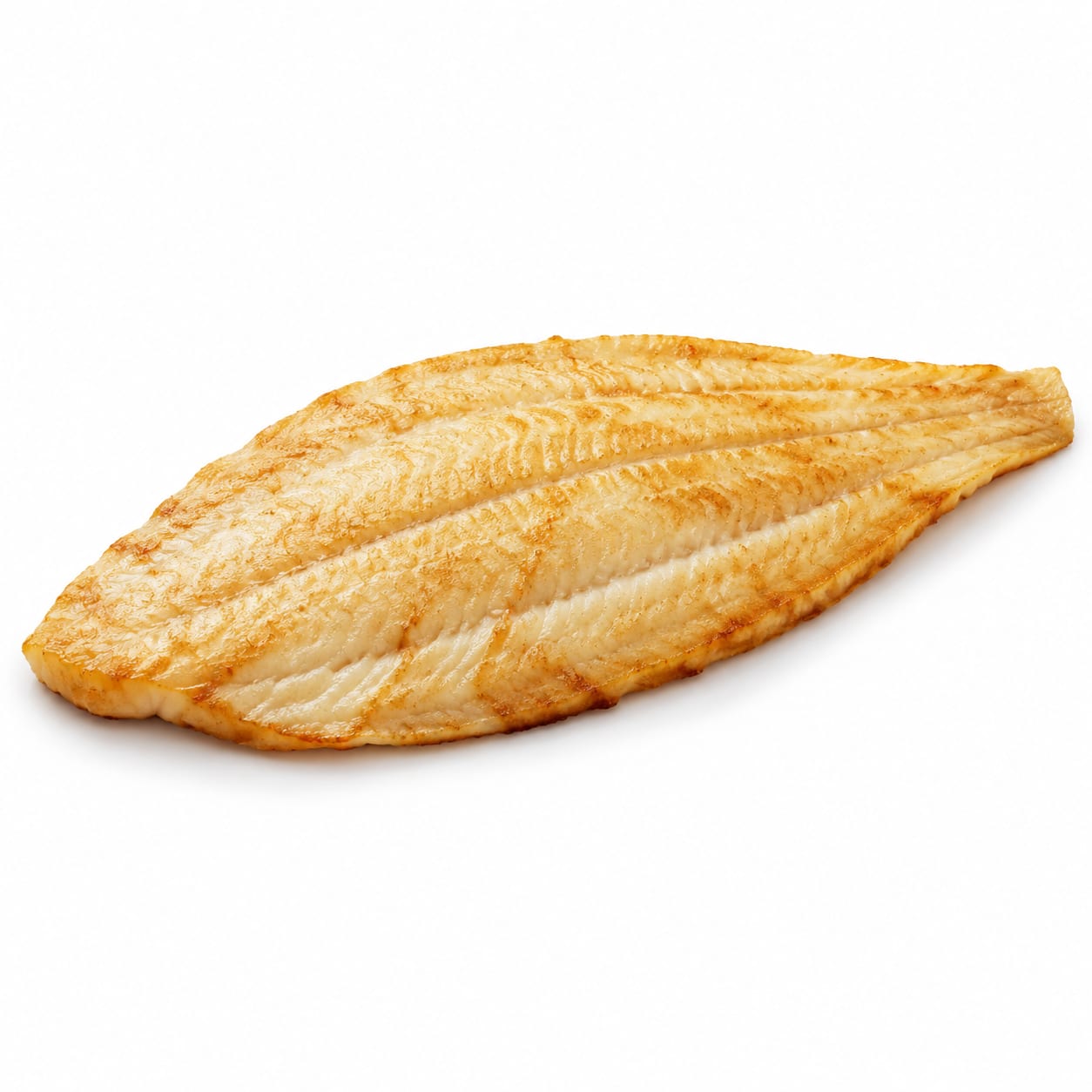
Sole is a lean, low-calorie flatfish packed with high-quality protein and essential marine nutrients.
Sole is a type of lean flatfish prized for its mild, delicate flavor and firm texture. It is an excellent source of high-quality protein with very low fat and zero carbohydrates.
lean protein-dense seafood
Typical serving · 85g
Common varieties · Dover sole, Lemon sole, Petrale sole, Rex sole, Yellowfin sole
Overall context score across nutrition, safety, and diet fit
At a glance
Quick facts
Simple indicators based on nutrition, processing, and diet fit.
The story
What makes it unique
Sole is a fast-digesting, high-protein, low-fat marine food. It provides high satiety relative to its caloric content due to its protein density, while containing zero carbohydrates. As a minimally processed whole food, it retains its native micronutrient profile without added excipients.
Varieties: Dover sole · Lemon sole · Petrale sole · Rex sole · Yellowfin sole
Per 100g
Nutrition breakdown
Macro balance and key metrics at a glance.
Energy
Density 0.91 kcal/g
Protein
Carbs
Fat
Fiber
Sugar
0 g
Sodium
66 mg
Potassium
318 mg
Glycemic index
0
Glycemic load
0
Water content
80%
Standout compounds
Nutrient highlights
Protein
highsupports muscle synthesis and satiety
Selenium
moderateacts as an antioxidant and supports thyroid function
Vitamin B12
moderateessential for nerve function and red blood cell formation
Phosphorus
moderatevital for bone health and energy production
Iodine
moderatecrucial for thyroid hormone production
Wellness map
Health scores & processing
NOVA processing scale
minimally processed · Whole food
Fresh or frozen sole is a whole, unrefined animal food requiring no industrial processing beyond basic cleaning and freezing.
Diet compatibility
- Weight loss
- Muscle gain
- Diabetes
- Gut health
- Low carb
- High protein
- Heart health
Relative standing
Food rankings
Qualitative ranks compared to similar whole foods.
- Satietygood
- Blood sugarexcellent
- Nutrient densitygood
- Fitness fuelexcellent
- Processing qualityexcellent
Eat with confidence
Food safety profile
Sole generally contains low mercury levels, making it a safer frequent seafood choice. Raw consumption carries standard parasite risks requiring proper freezing or cooking.
Evidence confidence 85%
- Pesticideslow
- Antibioticslow
- Heavy metalslow
- Contaminationmoderate
Watch for
- Mercury
- Microplastics
- Parasites
Safer choices
Wild-caught Dover sole or MSC-certified Pacific sole to ensure sustainable and clean sourcing.
Prep tips
Cook thoroughly to an internal temperature of 145°F (63°C) to eliminate potential parasites. Avoid cross-contamination with raw juices.
Overfishing of certain sole species; bycatch concerns in bottom trawl fisheries.
Deep dive
Health analysis
How this food may fit different goals and preparation choices.
Weight loss
Extremely low energy density and high protein content promote fullness and increase thermic effect of food, supporting caloric deficits.
Blood sugar
Zero carbohydrates result in no glycemic impact, making it highly stable for blood sugar management.
Fitness & energy
Fast-digesting lean protein supports muscle repair post-workout without the digestive slowdown of high-fat meats.
Gut health
Easily digestible due to low fat and connective tissue, but lacks dietary fiber needed to directly feed the gut microbiome.
Processing quality
Typically sold as a whole minimally processed food, retaining natural nutrient matrices without additives.
Food safety
Low mercury risk compared to larger fish, but standard seafood handling and thorough cooking are necessary to prevent foodborne illness.
Common mistakes
Overcooking sole makes it dry and tough due to its extremely low fat content; also, breading and frying negates its low-calorie advantage.
Best preparation
Baking, steaming, or pan-searing with minimal oil preserves its lean profile and delicate texture.
Practical guide
Best use cases
When and how this food fits real eating patterns.
lean muscle gain
Provides fast-digesting, high-quality protein essential for muscle repair and growth without excess calories.
low-calorie weight loss meals
Delivers high satiety and large portion sizes per calorie, making it easier to maintain a caloric deficit.
post-workout recovery
Easily digested lean protein helps kickstart muscle protein synthesis shortly after exercise.
diabetes-friendly dinners
Zero carbohydrates ensure no glycemic impact, stabilizing blood sugar levels during evening meals.
light easily digestible meals
Low fat and delicate texture make it gentle on the digestive system for those with gastrointestinal sensitivities.
Balance sheet
Pros & cons
Upsides
- Extremely low in calories and fat
- Highly concentrated source of lean protein
- Zero carbohydrates, causing no blood sugar spikes
- Low mercury levels compared to larger fish
- Mild flavor and delicate texture appeal to picky eaters
- Fast digesting, ideal for post-workout recovery
Trade-offs
- Low in omega-3 fatty acids compared to fatty fish
- Lacks dietary fiber for gut microbiome support
- Overcooking easily results in dry, tough texture
- True Dover sole can be expensive and subject to overfishing
- Breading or frying negates its low-calorie benefits
Fit check
Who is it for?
Great match
- lean muscle maintenance
- calorie-restricted diets
- blood sugar stabilization
- post-workout recovery
- light digestible dinners
Consider alternatives
- boosting omega-3 intake
- strict ketogenic diets requiring high fat
- high-fiber gut health protocols
- budget meal prep
Side by side
How it compares
Open the full head-to-head analysis for nutrition, safety, and practical tradeoffs.
This food
Sole
VS95% alike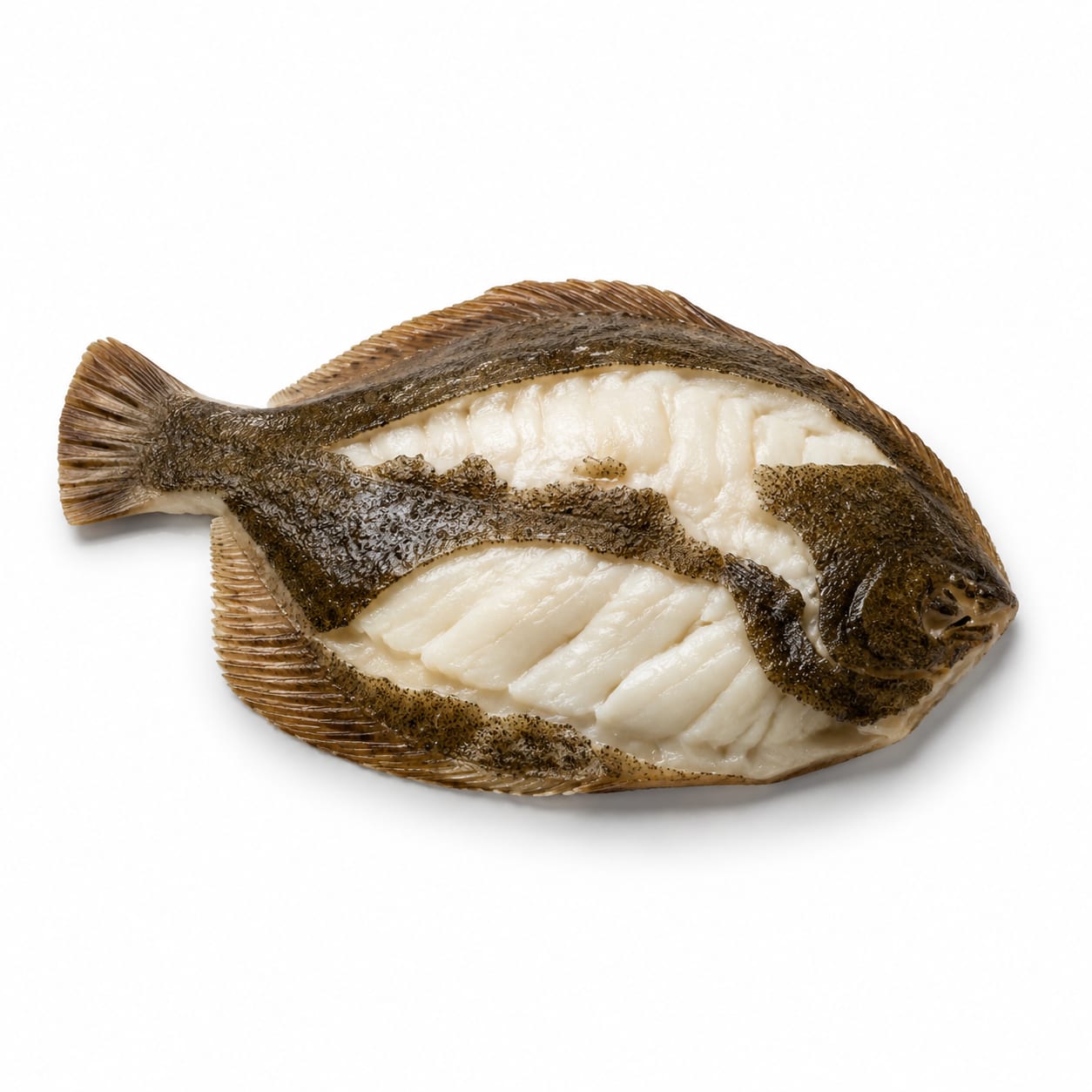
Compare with
Flounder
Sole and flounder are nearly identical nutritionally; both offer lean, low-calorie protein with minimal fat.
Sole and flounder are nutritionally almost identical, both providing lean, low-calorie protein with a delicate texture.
This food
Sole
VS90% alike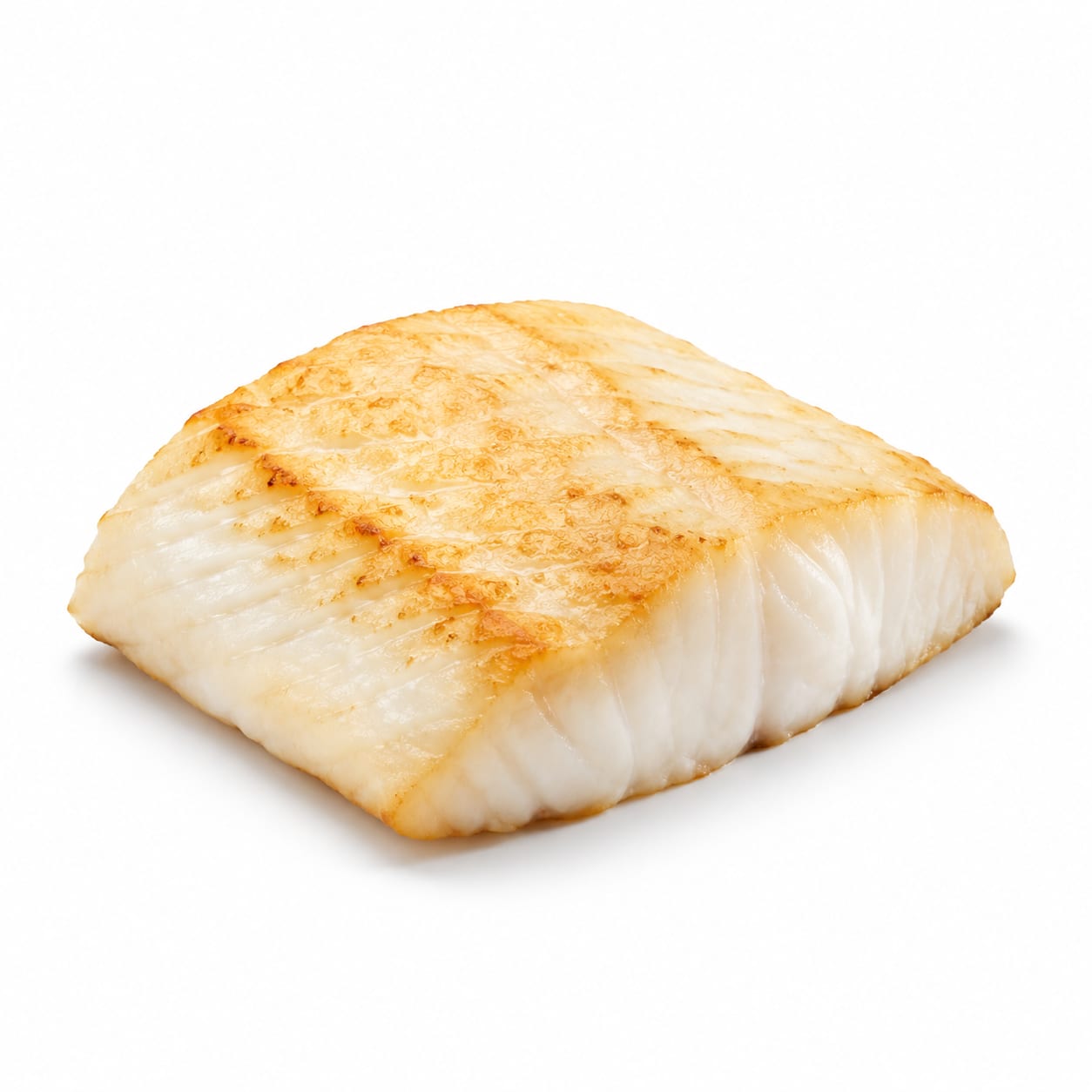
Compare with
Cod
Cod is slightly lower in calories and higher in protein, but sole offers a more tender texture.
Cod is slightly lower in calories and higher in protein, but sole offers a more delicate texture for fine dining.
This food
Sole
VS85% alike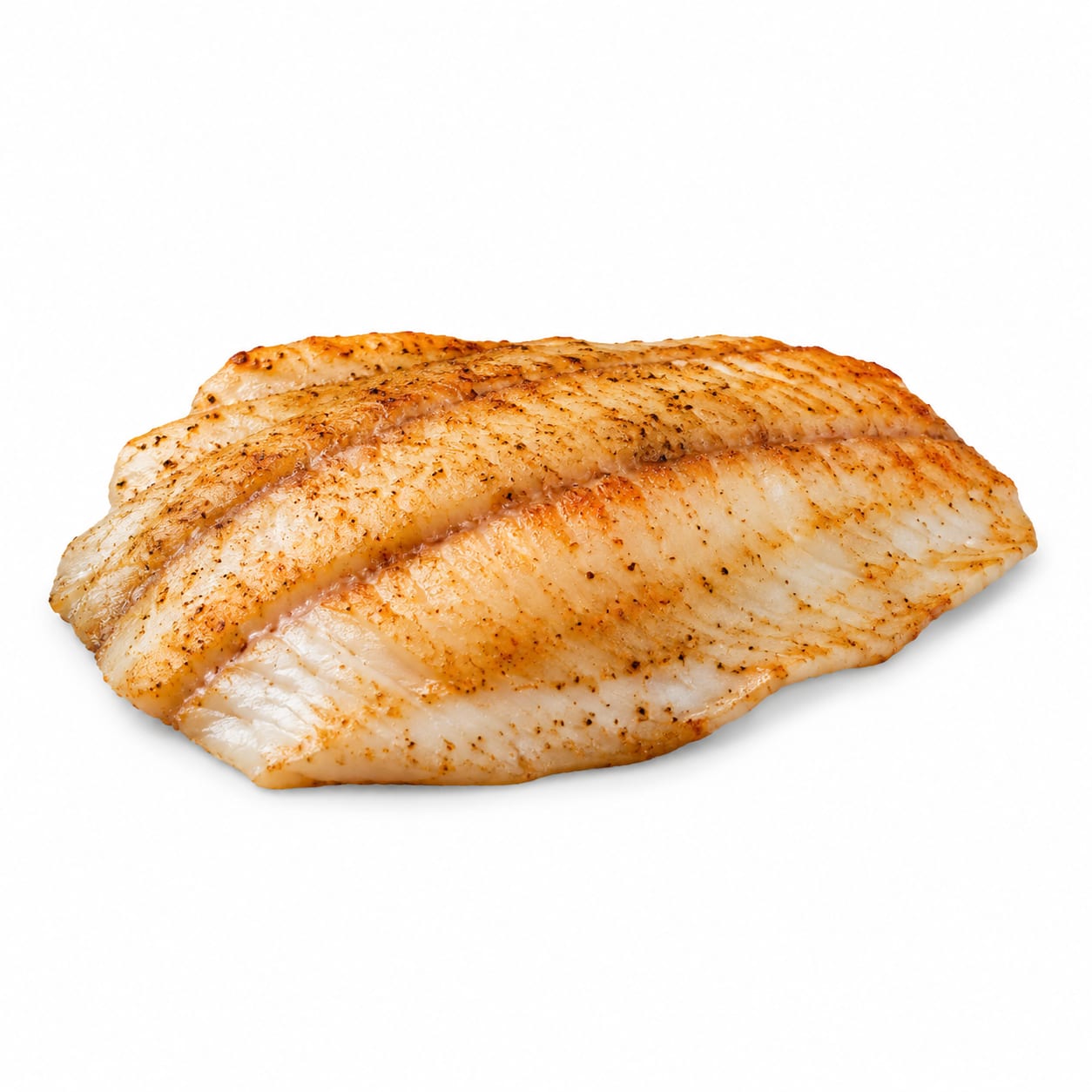
Compare with
Tilapia
Sole is generally wild-caught with a better fatty acid profile, while tilapia is a cheaper farmed alternative with similar macronutrients.
Sole is generally wild-caught with a better omega-3 to omega-6 ratio, while tilapia is a cheaper farmed alternative with similar macros.
This food
Sole
VS80% alike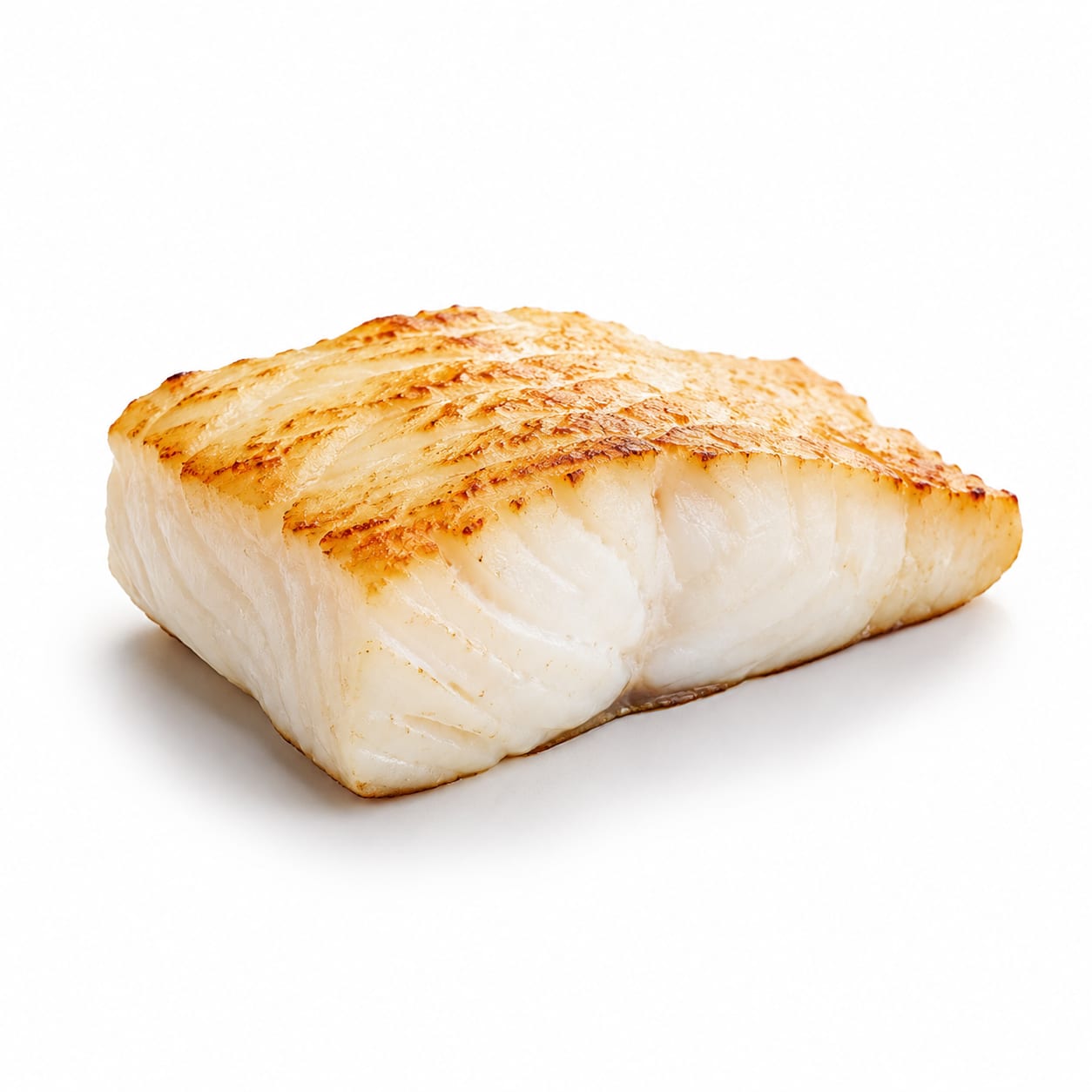
Compare with
Halibut
Sole is much lower in calories and fat, whereas halibut provides more omega-3s and a meatier texture.
Sole is a lighter, lower-calorie choice for weight loss, whereas halibut provides more omega-3s and satiety.
This food
Sole
VS50% alike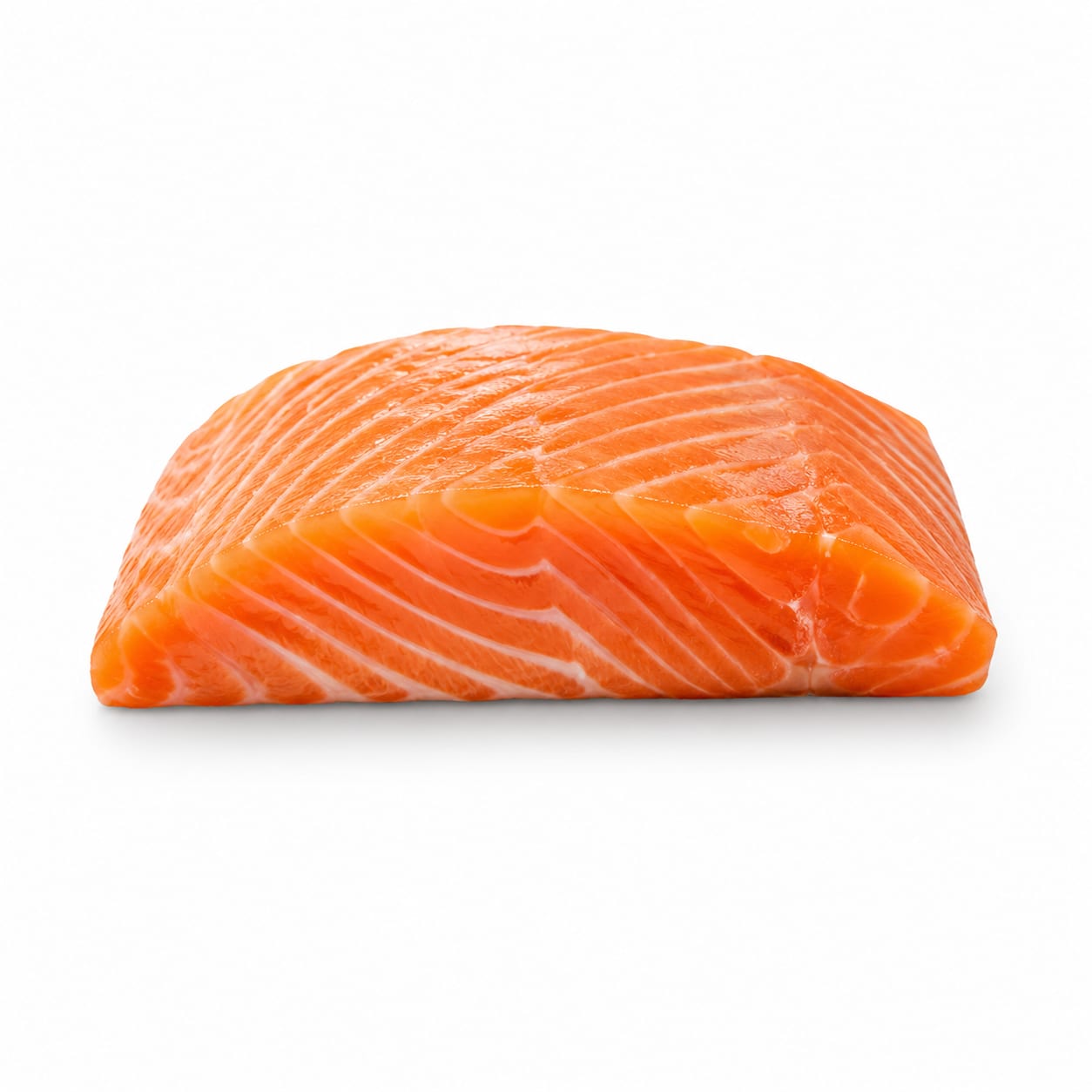
Compare with
Salmon
Sole is far lower in calories and fat, while salmon is rich in omega-3s and vitamin D.
Sole is better for strict calorie control, while salmon is superior for omega-3 intake and anti-inflammatory benefits.
This food
Sole
VS88% alike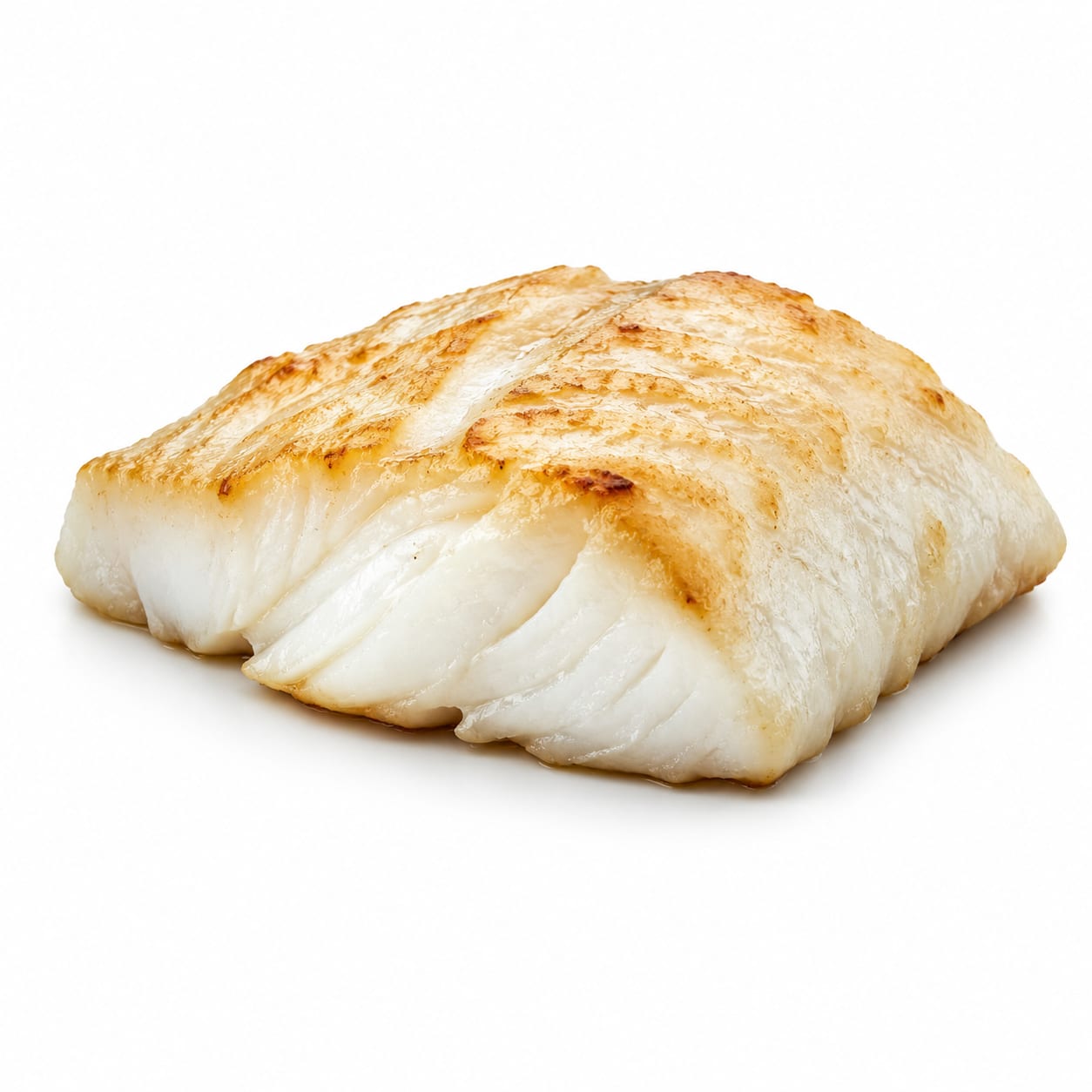
Compare with
Haddock
Both are excellent lean proteins; haddock is slightly lower in calories, but sole offers a finer texture.
Sole and haddock are both excellent lean proteins; haddock is slightly lower in calories, but sole offers a sweeter, finer texture.
This food
Sole
VS75% alike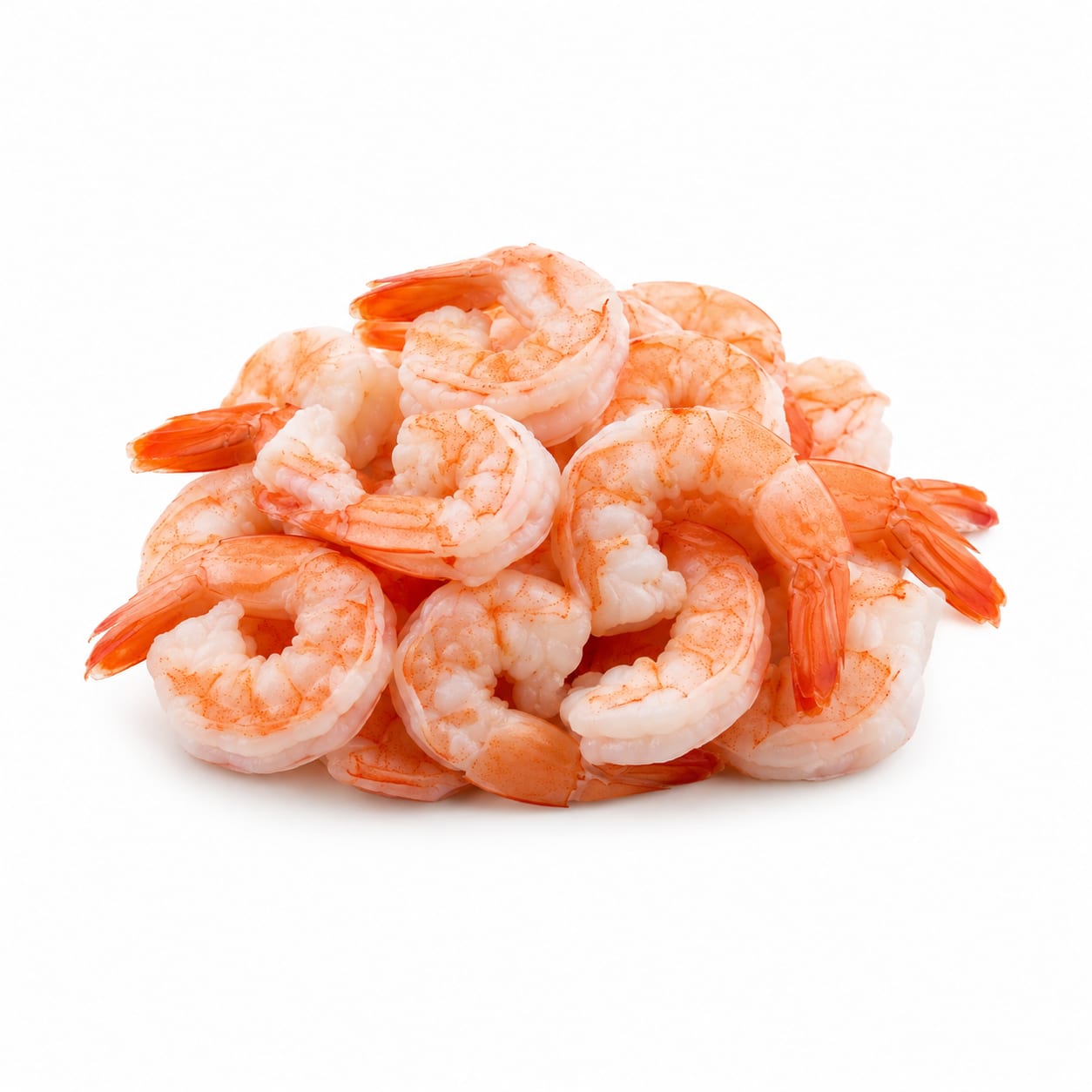
Compare with
Shrimp
Sole provides similar lean protein with less cholesterol than shrimp, making it a heart-friendlier low-calorie option.
Sole provides similar lean protein with less dietary cholesterol than shrimp, making it a heart-friendlier low-calorie option.
This food
Sole
VS70% alike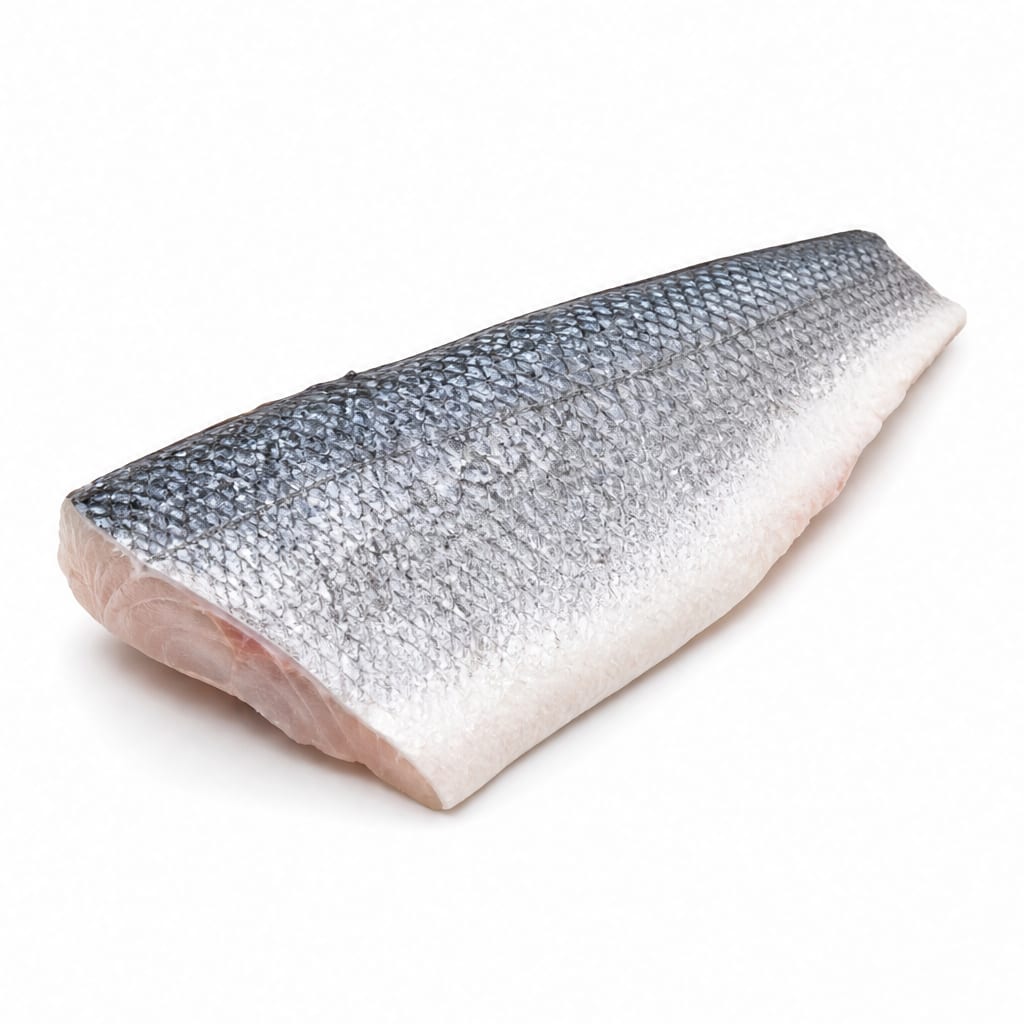
Compare with
Sea Bass
Sole is much leaner and lower in calories than the fattier sea bass.
Sole is the clear winner for low-calorie diets, while sea bass offers richer flavor and more healthy fats.
This food
Sole
VS72% alike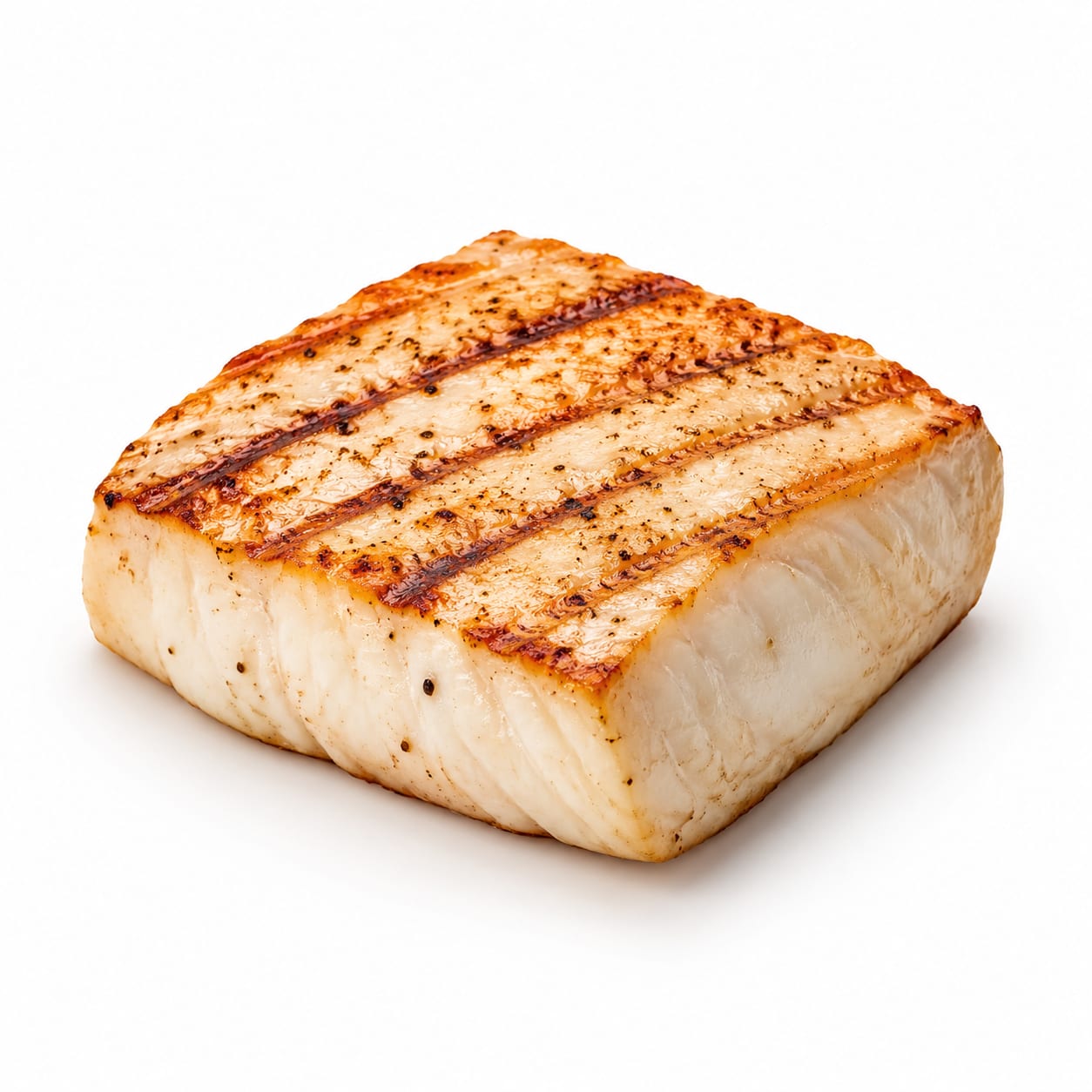
Compare with
Mahi Mahi
Sole is lighter and lower in calories, whereas mahi mahi provides a meatier bite and slightly more protein per serving.
Sole is lighter and lower in calories, whereas mahi mahi provides a meatier bite and slightly more protein per serving.
This food
Sole
VS65% alike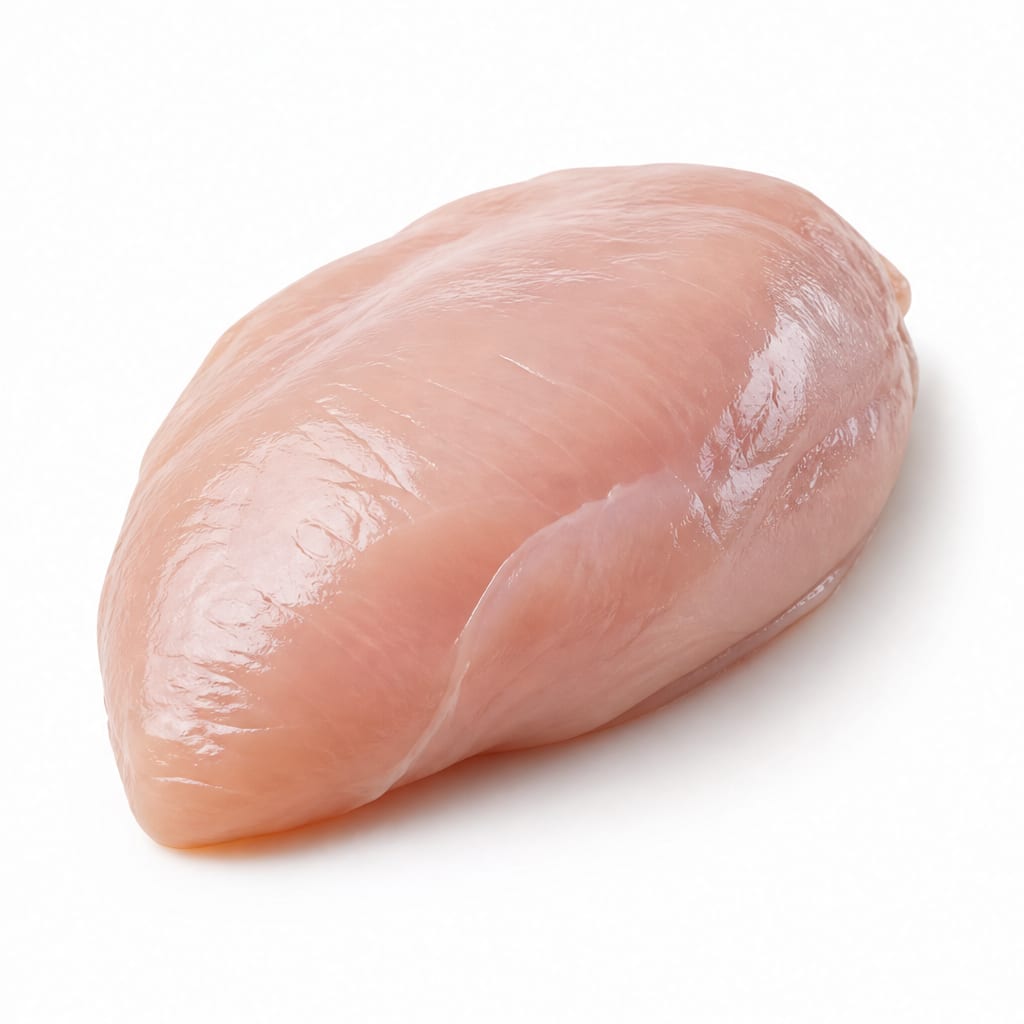
Compare with
Chicken Breast
Chicken breast offers slightly more protein per calorie, but sole provides unique marine micronutrients like iodine with fewer calories per gram.
Chicken breast offers slightly more protein per calorie, but sole provides unique marine micronutrients like iodine with fewer calories per gram.
Common questions
FAQ
Answers aligned with how people search for this food.
Is sole fish high in mercury?
No, sole is generally a low-mercury fish, making it safe for more frequent consumption compared to large predatory fish like tuna.
Is sole good for weight loss?
Yes, sole is excellent for weight loss due to its high protein and low calorie content, which promotes satiety without excess energy intake.
Can diabetics eat sole fish?
Yes, sole contains zero carbohydrates and will not spike blood sugar, making it a highly stable protein choice for diabetics.
Does sole have omega-3 fatty acids?
Sole contains some omega-3s, but much less than fatty fish like salmon. It is primarily a lean protein source rather than an omega-3 powerhouse.
Is Dover sole different from regular sole?
Yes, true Dover sole is a specific European flatfish prized for its superior flavor and texture. Pacific sole is often a different species of flounder.
What is the healthiest way to cook sole?
Baking, steaming, or pan-searing with minimal oil are the healthiest methods, as they preserve its low-calorie profile without adding unhealthy fats.
Is sole a good source of protein?
Yes, sole provides about 19 grams of high-quality protein per 100-gram serving, making it very protein-dense for its calorie count.
Why is sole fish so expensive?
True Dover sole is expensive due to limited supply, slow growth rates, and high demand from restaurants for its premium culinary qualities.
Transparency
Data confidence
Estimated confidence for nutrition data, interpretation, safety notes, and comparisons.
Nutrition data
Health analysis
Food safety
Comparisons