
Nutrition comparison
Sole vs Mahi Mahi: Nutrition, Mercury, and Taste Comparison
Compare Sole and Mahi Mahi to see which fish is healthier. Learn about mercury levels, protein content, and the best uses for each fish.
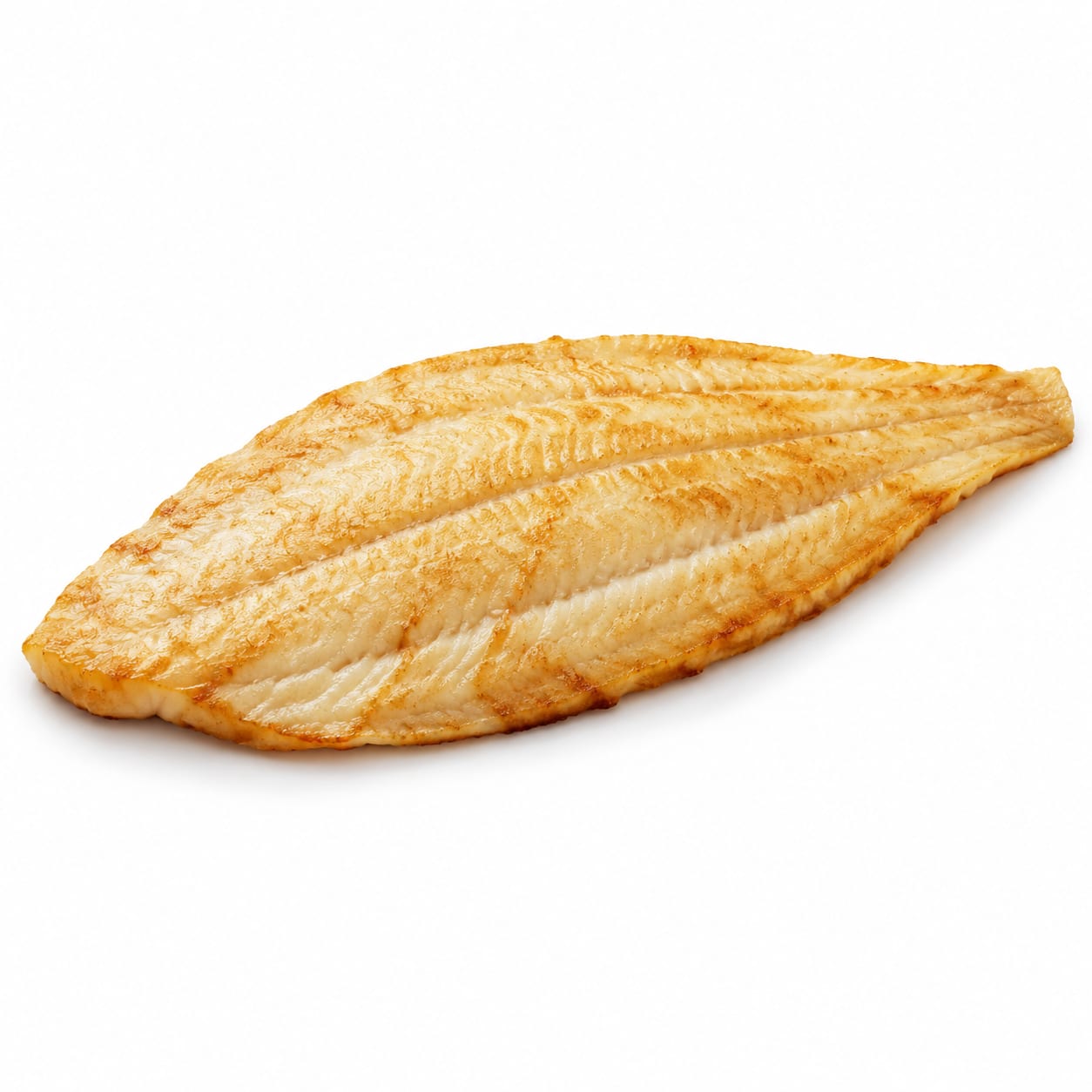
Sole
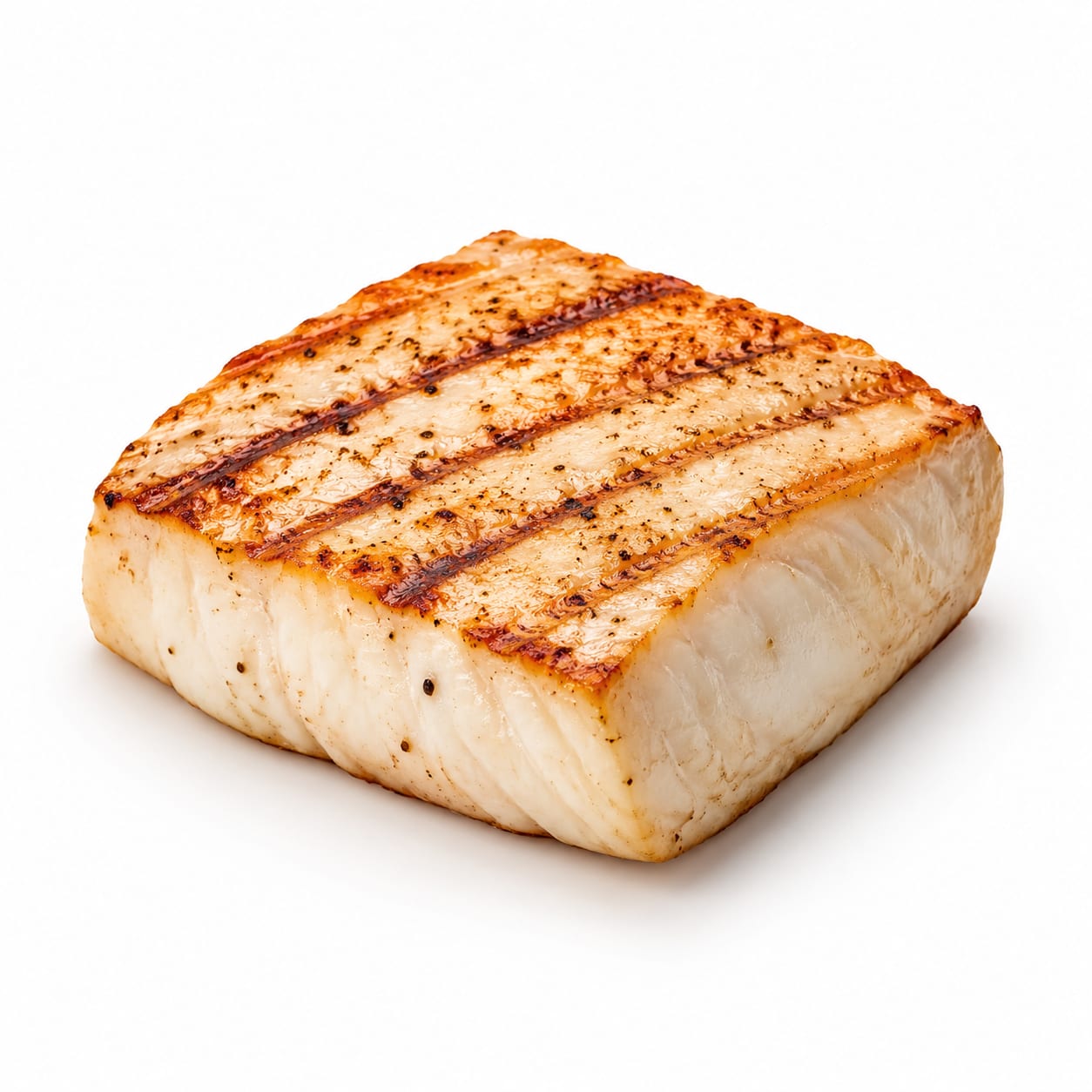
Mahi Mahi
Sole is the safer, lighter choice for frequent eating, while Mahi Mahi offers more protein and a meatier bite with moderate mercury.
Sole edges out slightly due to its extremely low mercury content making it safer for regular consumption, though Mahi Mahi is nutritionally competitive with more protein.
Lower calories and mercury in Sole versus higher protein and firmer texture in Mahi Mahi.
At a glance
Executive summary
Overall
It depends
Healthier
Sole
More practical
Mahi Mahi
Daily use
Sole
Key comparison lenses
Mercury and safety for frequent consumption
Sole is very low in mercury while Mahi Mahi is moderate, making safety a primary differentiator for regular eaters.
Caloric density and weight loss compatibility
Sole is exceptionally low in calories, appealing to strict calorie counters, whereas Mahi Mahi is slightly higher but still lean.
Protein content and satiety
Mahi Mahi offers a denser protein punch and meatier bite, keeping you full longer than the delicate Sole.
Culinary use and cooking resilience
Mahi Mahi holds up well to grilling and bold flavors, while Sole is fragile and best for gentle cooking methods.
Best choice for
Sole
- Pregnant women and children
- Frequent fish eaters
- Strict low-calorie diets
Mahi Mahi
- Grilling and meal prep
- Higher protein needs
- Hearty fish tacos or steaks
Least suitable for
Sole
- Those wanting a meaty, filling fish
- High-protein diets
Mahi Mahi
- Pregnant women limiting mercury
- Very low-calorie diets
Deep comparison
Dimension by dimension
Each lens scores both foods and breaks down who each option suits.
- Dimension 1 · Priority 95Sole
Mercury & Contaminants
Sole · 95Mahi Mahi · 65Sole is a very low-mercury fish, safe for daily eating. Mahi Mahi has moderate mercury, requiring some portion control.
Tradeoff
You get a meatier fish with Mahi Mahi but take on more heavy metal exposure.
Why it matters
Mercury accumulates over time and affects neurological health, especially important for pregnant women and children.
Real-world impact
You can eat Sole multiple times a week without worry; Mahi Mahi is best limited to 1-2 times a week.
Sole
- Pregnant women
- Children
- Frequent seafood eaters
Better for
Mahi Mahi
- Pregnant women
- Daily consumption
Worse for
- Dimension 2 · Priority 85Mahi Mahi
Protein & Satiety
Sole · 70Mahi Mahi · 88Mahi Mahi provides more protein per serving, making it more filling and better for muscle maintenance.
Tradeoff
Sole is lighter and less filling, while Mahi Mahi satisfies hunger longer.
Why it matters
Higher protein helps control cravings and supports muscle repair after activity.
Real-world impact
A Mahi Mahi fillet will keep you full for hours; Sole might leave you looking for a snack sooner.
Sole
- Light eaters
- Small appetites
Better for
- Athletes
- Those needing high protein
Worse for
Mahi Mahi
- Athletes
- Weight management
- High-protein diets
Better for
- Very small appetites
Worse for
- Dimension 3 · Priority 80Sole
Calorie Density & Weight Loss
Sole · 92Mahi Mahi · 82Sole is extremely low in calories, making it a top choice for aggressive calorie deficits.
Tradeoff
Sole lets you eat a larger volume for fewer calories, while Mahi Mahi packs more nutrition into a slightly higher calorie count.
Why it matters
Volume eating helps with diet adherence and feeling satisfied without overconsuming.
Real-world impact
If you are counting calories strictly, Sole feels like a cheat code for big portions.
Sole
- Strict calorie counters
- Volume eaters
Better for
- Those needing a calorie surplus
Worse for
Mahi Mahi
- Balanced dieters
- Those who prefer nutrient density
Better for
- Aggressive calorie cutters
Worse for
- Dimension 4 · Priority 75Mahi Mahi
Culinary Versatility & Texture
Sole · 70Mahi Mahi · 90Mahi Mahi holds up beautifully to grilling and bold flavors. Sole is delicate and best pan-fried or baked gently.
Tradeoff
Sole can easily fall apart or dry out, while Mahi Mahi is forgiving and sturdy for meal prep.
Why it matters
How you cook your fish determines how often you will actually make it at home.
Real-world impact
Mahi Mahi is perfect for fish tacos and grilling; Sole is ideal for a quick buttery weeknight dinner.
Sole
- Quick pan-frying
- Delicate dishes
Better for
- Grilling
- Stews
- Meal prep
Worse for
Mahi Mahi
- Grilling
- Meal prep
- Fish tacos
- Bold marinades
Better for
- Delicate recipes
Worse for
Timeline
Health impact over time
Short-term
Hours to days
Sole
- Light feeling after eating
- Quick digestion
- Low satiety if eaten alone
Mahi Mahi
- Strong feeling of fullness
- Sustained energy
- Satisfying meal experience
Long-term
Months to years
Sole
- Very low mercury accumulation
- Supports weight maintenance easily
- May need protein supplementation if eaten exclusively
Mahi Mahi
- Moderate mercury accumulation if overconsumed
- Excellent muscle maintenance
- Good cardiovascular support from lean protein
Risk profile
Safety & processing
Both Sole and Mahi Mahi are typically sold as fresh or frozen whole fillets with no additives, making them clean whole-food choices.
Sole
Mercury
lowSole is a bottom-dwelling fish with very low mercury levels, safe for frequent consumption.
Microplastics
lowAs a smaller fish, Sole has lower bioaccumulation of microplastics compared to larger predators.
Mahi Mahi
Mercury
mediumMahi Mahi is a mid-level predator with moderate mercury; limit to 1-2 servings per week, especially for pregnant women.
Histamine toxicity
mediumIf not kept cold, Mahi Mahi can develop histamine toxicity, causing flushing and GI issues.
Who wins for whom
Audience fit
Same foods, different winners depending on your goal.
children
SoleVery low mercury makes Sole a much safer option for developing nervous systems.
daily consumption
SoleThe extremely low mercury content of Sole makes it safe to eat multiple times a week without concern.
diabetes
It dependsBoth have zero carbs and will not spike blood sugar, but Mahi Mahi's higher protein may offer slightly better satiety.
elderly
SoleSole is easier to chew and digest, plus the low mercury load is safer for long-term health.
muscle gain
Mahi MahiMahi Mahi offers more protein per serving, which is crucial for muscle repair and growth.
weight loss
SoleSole is extremely low in calories, allowing for larger portions without breaking the calorie bank.
Your move
Decision guide
Choose Sole
- You are pregnant or feeding children
- You want to eat fish multiple times a week
- You are strictly counting calories
- You prefer a delicate, flaky texture
Choose Mahi Mahi
- You want a meatier, more filling fish
- You are grilling or meal prepping
- You need higher protein intake
- You only eat fish once or twice a week
Either works if
- You want a lean, healthy protein source
- You are watching your carb intake
Avoid both if
- You have a severe fish allergy
Final recommendation
Choose Sole for a safe, low-calorie staple you can eat often, and pick Mahi Mahi when you want a heartier meal with more protein, keeping its moderate mercury in mind.
Practical
Consumer tips
- 1
When buying Mahi Mahi, ensure it smells clean and has been kept consistently cold to avoid histamine toxicity.
- 2
Sole cooks very quickly—usually just 2-3 minutes per side—so watch it closely to prevent drying out.
- 3
To boost the satiety of a Sole meal, pair it with healthy fats like olive oil or avocado.
- 4
Frozen Mahi Mahi is often fresher than 'fresh' counter fish if you do not live near the coast.