
Nutrition comparison
Sole vs Cod: Which White Fish Is Healthier, Safer, and Better for You?
Compare Sole and Cod side by side — protein, mercury, nutrients, taste, price, and sustainability. Find out which lean white fish is better for weight loss, daily meals, and your health goals.
Overall winner · Cod
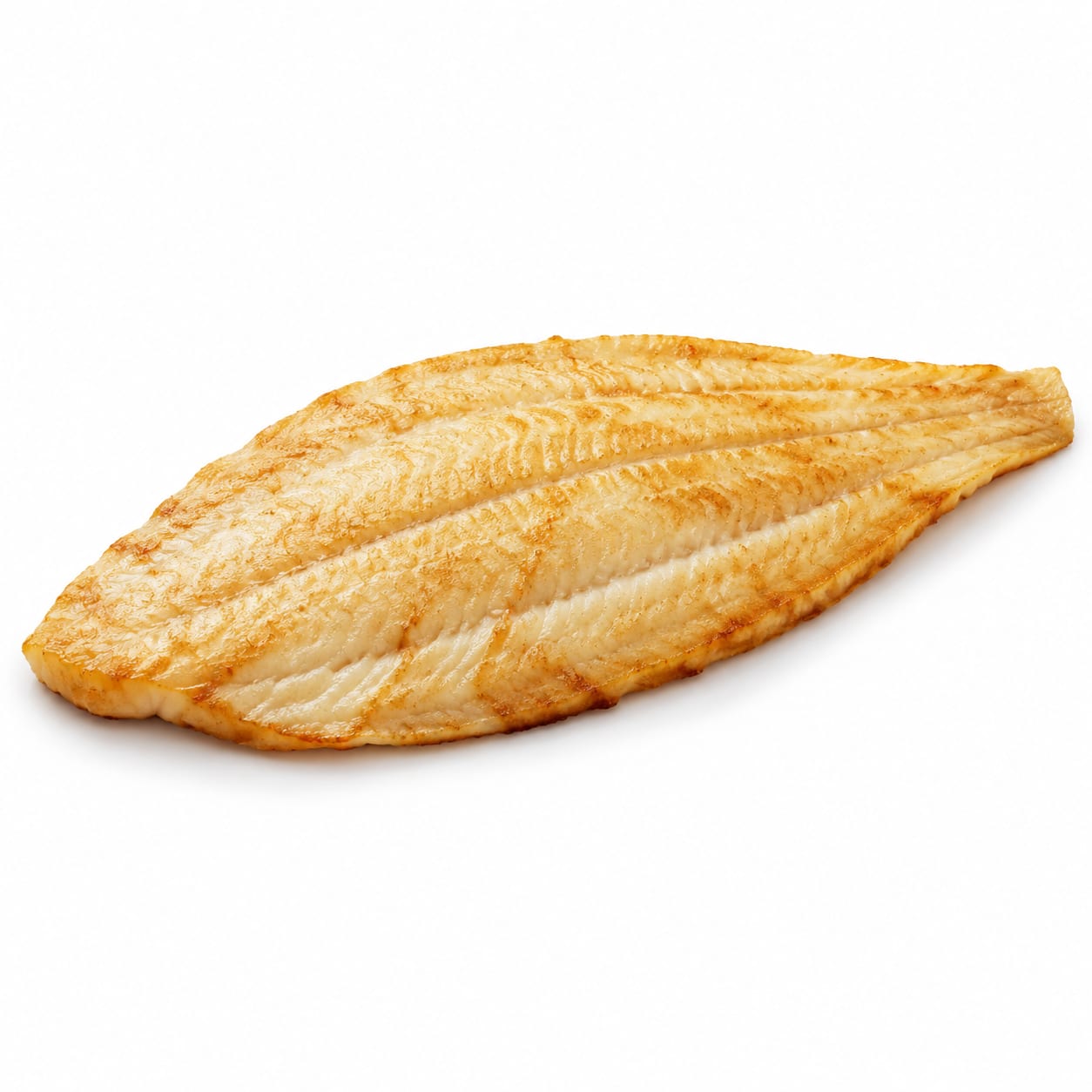
Sole
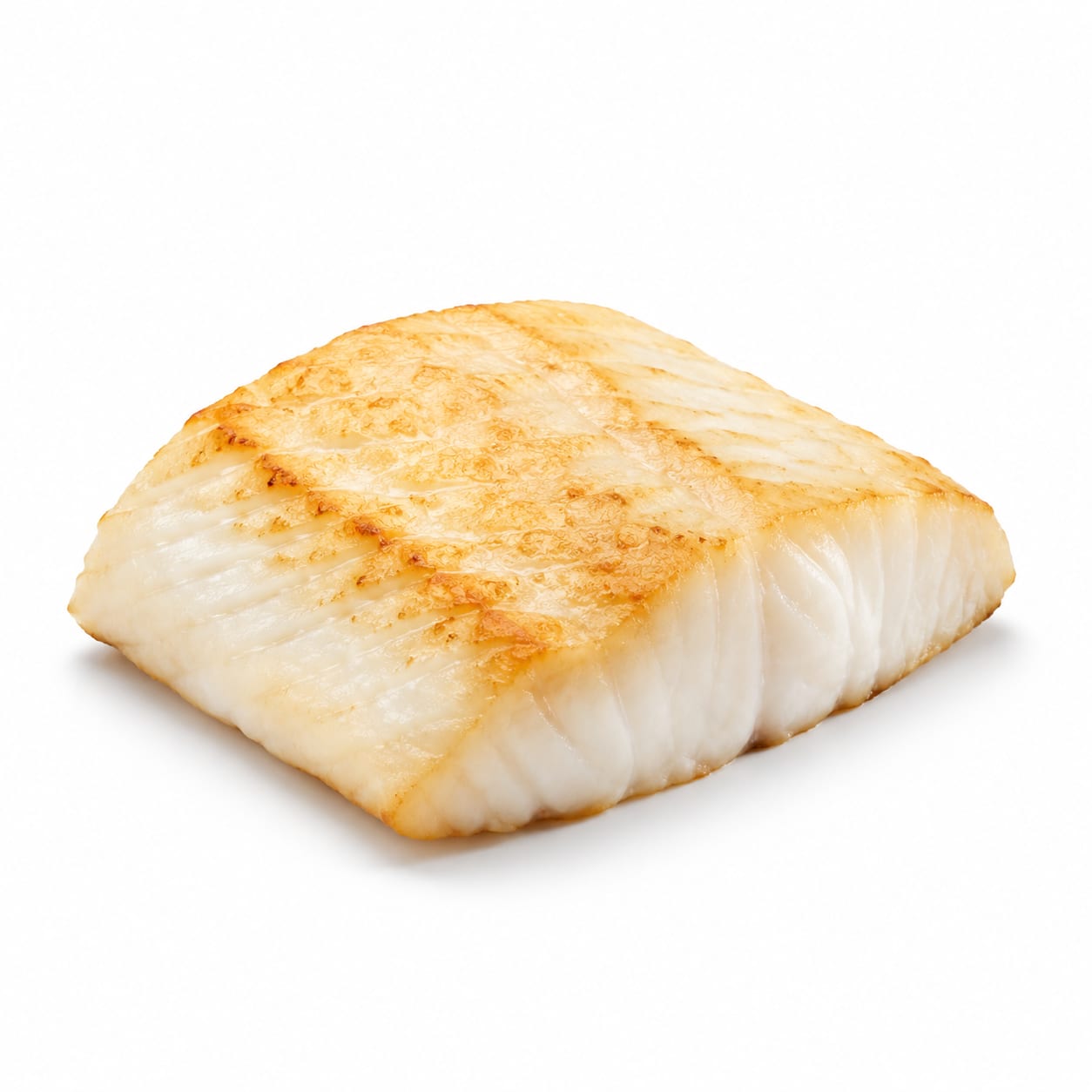
Cod
Cod edges out Sole with more protein, more key micronutrients like iodine and B12, wider availability, and lower cost. Sole wins on delicacy and slightly lower mercury, but offers less nutritional bang per bite.
Cod scores higher due to stronger micronutrient content, better protein yield, wider availability, and lower cost. Sole remains a quality fish but offers less nutritional density and practical value for everyday eating.
Sole gives you a refined, tender eating experience with marginally lower contaminant exposure. Cod gives you more protein, more vitamins, more versatility, and better value — but with slightly higher mercury and a less luxurious texture.
At a glance
Executive summary
Overall
Cod
Healthier
Cod
More practical
Cod
Daily use
Cod
Key comparison lenses
choosing the healthiest lean white fish
Both are lean white fish, so users want to know which offers more nutritional value per bite
mercury and contamination safety for regular consumption
Seafood comparisons always raise heavy metal and contaminant concerns, especially for frequent eaters
everyday meal versatility and practicality
Users want to know which fish fits more easily into weekly meal rotation
protein quality for fitness and satiety
Both are popular protein sources for health-conscious eaters
sustainability and environmental impact
Conscious consumers increasingly factor ocean health into seafood choices
Best choice for
Sole
- Fine dining and special occasions
- Those highly sensitive to even trace mercury
- People who find fishy flavors off-putting and want the mildest option
- Light, delicate meals when you want something easy on the stomach
Cod
- Weeknight meal prep and batch cooking
- Budget-conscious households wanting lean protein
- Fitness-focused eaters needing more protein per serving
- Anyone needing iodine and B12 support
Least suitable for
Sole
- Budget meal planning — it's notably more expensive
- Hearty appetites — portions feel small for the calorie spend
- Grilling or high-heat cooking — the delicate flesh falls apart
- Frequent daily consumption due to cost and availability
Cod
- Those avoiding even moderate mercury exposure, especially pregnant women eating fish daily
- Elegant dinner parties where presentation finesse matters
- People who dislike firmer, meatier fish textures
Deep comparison
Dimension by dimension
Each lens scores both foods and breaks down who each option suits.
- Dimension 1 · Priority 90Cod
Protein Content and Quality
Sole · 62Cod · 82Cod delivers noticeably more protein per serving — roughly 18g vs 12g per 100g raw. That difference adds up fast if you're eating fish for muscle maintenance or satiety.
Tradeoff
Sole's protein is still high-quality and complete, but you'd need a larger portion to match Cod's protein hit, which means spending more for the same result.
Why it matters
If you're choosing fish as a primary protein source, Cod gets you there more efficiently. This matters for athletes, older adults preserving muscle, and anyone trying to stay full longer.
Real-world impact
A Cod fillet after a workout feels satisfying. A Sole fillet might leave you reaching for a snack an hour later.
Sole
- Light eaters who prefer smaller protein portions
- Meals where protein isn't the main focus
Better for
- Bodybuilders and strength athletes
- People trying to increase protein intake
Worse for
Cod
- Post-workout meals
- Older adults needing muscle support
- Anyone using fish as their main protein source
Better for
- Those who find high-protein meals too filling
Worse for
- Dimension 2 · Priority 88Cod
Micronutrient Density
Sole · 55Cod · 80Cod is a standout source of iodine, vitamin B12, phosphorus, and selenium. Sole provides some of these but in significantly smaller amounts.
Tradeoff
Sole still delivers decent selenium and B vitamins, but Cod is genuinely nutrient-dense for a lean fish. Eating Cod regularly supports thyroid function and energy metabolism more effectively.
Why it matters
Iodine deficiency is surprisingly common, and Cod is one of the best food sources. B12 matters for energy and nerve health. These aren't minor nutrients.
Real-world impact
Regular Cod eaters get a meaningful thyroid and energy boost. Sole eaters get a pleasant meal but fewer nutritional bonuses.
Sole
- Those already getting plenty of iodine from other sources like dairy or seaweed
Better for
- Those relying on fish as a primary iodine source
Worse for
Cod
- People with low thyroid function
- Anyone eating limited dairy or eggs
- Pregnant women needing B12 (with mercury caution)
Better for
- People with iodine sensitivity or overactive thyroid
Worse for
- Dimension 3 · Priority 86Sole
Mercury and Contaminant Safety
Sole · 82Cod · 68Sole generally carries lower mercury levels than Cod, especially Atlantic Cod. Both are considered low-to-moderate mercury fish, but Sole sits comfortably in the safer tier.
Tradeoff
Cod's mercury is still well below high-mercury species like swordfish or king mackerel. But if you eat fish 4+ times per week, Sole is the safer repeat choice.
Why it matters
For pregnant women, children, and frequent fish eaters, cumulative mercury exposure matters even at moderate levels. Small differences compound over time.
Real-world impact
Eating Sole twice a week feels worry-free. Eating Cod twice a week is still fine for most adults, but heavy fish consumers should mix in lower-mercury options.
Sole
- Pregnant and breastfeeding women
- Children
- People eating fish 4+ times weekly
Better for
- No real downside here — Sole is simply the safer bet on mercury
Worse for
Cod
- Occasional fish eaters with no cumulative exposure concern
Better for
- Pregnant women limiting mercury strictly
- Daily fish consumers
Worse for
- Dimension 4 · Priority 82Cod
Versatility and Cooking Ease
Sole · 58Cod · 85Cod's firm texture handles baking, grilling, frying, chowders, tacos, and stews without falling apart. Sole is fragile — it shines pan-seared or baked gently but breaks easily with rough handling.
Tradeoff
Sole's delicacy is its charm and its limitation. It's perfect for elegant preparations but unforgiving for casual cooking. Cod is nearly bulletproof by comparison.
Why it matters
If you cook fish once a week and want it to work in any recipe, Cod is the reliable choice. Sole requires more care and limits your recipe options.
Real-world impact
Cod works in fish tacos on Tuesday and chowder on Thursday. Sole demands a gentle hand and a specific plan.
Sole
- Elegant dinner parties
- Simple pan-seared preparations with butter and lemon
Better for
- Grilling
- Stir-frying
- Any dish requiring the fish to hold together under agitation
Worse for
Cod
- Busy weeknight cooking
- Meal prepping in bulk
- Fish stews, chowders, and tacos
- Air frying and baking
Better for
- Delicate French-style presentations where refinement matters
Worse for
- Dimension 5 · Priority 78Cod
Cost and Accessibility
Sole · 40Cod · 85Cod is widely available in most grocery stores at moderate prices. True Dover Sole is expensive and often found only at specialty fish markets. Even Pacific Sole costs more per pound than Cod.
Tradeoff
You pay a premium for Sole's refined texture and flavor. Cod delivers solid nutrition and taste at a fraction of the cost.
Why it matters
For families or individuals eating fish regularly, cost determines whether it becomes a habit or an occasional luxury.
Real-world impact
Cod can be a twice-a-week staple without straining your budget. Sole is more of a once-a-month treat for most households.
Sole
- Special occasions worth the splurge
- Those where budget is not a constraint
Better for
- Students and budget-conscious shoppers
- Rural areas with limited seafood selection
Worse for
Cod
- Weekly grocery budgets
- Families needing affordable lean protein
- Anyone living far from specialty seafood markets
Better for
- No real cost downside — Cod is consistently affordable
Worse for
- Dimension 6 · Priority 75Cod
Satiety and Fullness
Sole · 55Cod · 78Cod's higher protein and firmer texture make it more filling. Sole is light and delicate — pleasant, but less likely to keep you satisfied for hours.
Tradeoff
Sole is perfect when you want a light meal that won't leave you stuffed. Cod is better when you need the meal to carry you through the afternoon.
Why it matters
Satiety determines whether you snack later. A fish that keeps you full helps with weight management and energy stability.
Real-world impact
A Cod fillet at lunch keeps you focused until dinner. A Sole fillet might have you eyeing the snack drawer by 3pm.
Sole
- Light summer dinners
- Appetizer courses
- Days when you want to eat light
Better for
- Anyone prone to between-meal snacking
- Active people with higher calorie needs
Worse for
Cod
- Main meals that need to hold you over
- Post-workout recovery meals
- Weight management eating patterns
Better for
- Those who feel uncomfortably full from dense protein meals
Worse for
- Dimension 7 · Priority 70It depends
Sustainability and Environmental Impact
Sole · 60Cod · 58Both have sustainability concerns depending on species and source. Atlantic Cod populations have been historically overfished, though some stocks are recovering. Dover Sole from the English Channel is generally well-managed, but imported Sole varies widely.
Tradeoff
Neither fish is a clear sustainability winner. The real deciding factor is sourcing — MSC-certified or well-managed stocks of either species are reasonable choices.
Why it matters
Consumers who care about ocean health need to look beyond the species name and check the certification and origin.
Real-world impact
Buying MSC-certified Cod or well-sourced Sole lets you eat with less guilt. Blindly buying either without checking origin supports problematic practices.
Sole
- MSC-certified Dover Sole from well-managed fisheries
- European-sourced Sole with traceable supply chains
Better for
- Untraced Sole from overfished Mediterranean stocks
Worse for
Cod
- Pacific Cod, which is generally more sustainable than Atlantic Cod
- MSC-certified Cod from Alaska or the Pacific
Better for
- Atlantic Cod from depleted stocks without certification
Worse for
Timeline
Health impact over time
Short-term
Hours to days
Sole
- Light, comfortable digestion — very easy on the stomach
- Quick to feel satisfied without heaviness
- Minimal post-meal energy dip due to low fat and calorie content
Cod
- More sustained fullness from higher protein content
- Steadier energy after eating thanks to denser protein and micronutrients
- Slightly heavier feeling in the stomach compared to Sole's lightness
Long-term
Months to years
Sole
- Lower cumulative mercury exposure supports brain health over decades
- Consistent lean protein intake with minimal fat supports heart health
- May fall short on iodine if Sole is your only seafood source
Cod
- Regular iodine and B12 intake supports thyroid function and energy long-term
- Higher protein helps preserve muscle mass with aging
- Slightly higher mercury accumulation if eaten very frequently without variety
Risk profile
Safety & processing
Both Sole and Cod are typically sold as fresh or frozen whole fillets with minimal processing. Watch out for frozen Cod products with added sodium tripolyphosphate (STPP), a preservative that retains moisture but adds sodium and creates a spongy texture. Fresh or plainly frozen fillets of either fish are clean, whole-food choices.
Sole
Mercury exposure
lowSole is among the lower-mercury fish, typically testing at 0.05-0.08 ppm. Safe for frequent consumption including during pregnancy within recommended limits.
Parasites
lowLike all wild fish, Sole can carry parasites. Proper cooking or FDA-approved freezing eliminates this risk. Avoid raw preparations unless sushi-grade.
Mislabeled species
mediumTrue Dover Sole is sometimes replaced with cheaper flatfish like lemon sole or petrale sole. This is more a fraud issue than a safety issue, but it affects quality and contaminant profiles.
Cod
Mercury exposure
mediumAtlantic Cod averages 0.11 ppm mercury — still well below the FDA danger threshold but notably higher than Sole. Moderate consumption is fine for most adults, but pregnant women should limit to 2-3 servings per week.
Sodium tripolyphosphate in frozen products
mediumMany commercially frozen Cod fillets are treated with STPP to retain moisture. This adds sodium and creates an unpleasant texture. Check labels and choose untreated frozen or fresh fillets.
Parasites
lowCod can carry codworm, a visible parasite. Commercial freezing kills it, and cooking eliminates any risk. It's unappetizing but not dangerous if the fish is properly handled.
Who wins for whom
Audience fit
Same foods, different winners depending on your goal.
children
SoleSole's lower mercury makes it the safer choice for developing nervous systems. Its mild flavor and soft texture also appeal to picky young eaters.
daily consumption
SoleFor daily fish eaters, Sole's lower mercury profile makes it safer as a staple. Cod is fine several times a week but shouldn't be your sole daily fish due to cumulative mercury.
diabetes
CodBoth have zero carbs and minimal impact on blood sugar. Cod's extra protein provides steadier energy and better satiety, which helps with portion control and cravings.
elderly
CodOlder adults benefit more from Cod's higher B12, iodine, and protein content, which support energy, thyroid function, and muscle preservation. Moderate mercury is less concerning for seniors.
muscle gain
CodCod provides significantly more protein per serving — roughly 50% more — making it more efficient for muscle repair and growth.
weight loss
CodBoth are very low in calories, but Cod's higher protein keeps you fuller longer, reducing the urge to snack between meals.
Your move
Decision guide
Choose Sole
- You're pregnant, breastfeeding, or cooking for young children
- You eat fish almost daily and want the lowest mercury option
- You're preparing a special meal where delicacy and refinement matter
- You prefer very mild, non-fishy flavors
- You want the lightest possible meal that won't sit heavy
Choose Cod
- You want the most protein and nutrients per dollar spent
- You're meal prepping or cooking for a family on a budget
- You need a versatile fish that works in chowders, tacos, and baked dishes
- You're focused on fitness, muscle maintenance, or satiety
- You want thyroid and energy support from iodine and B12
Either works if
- You eat fish 1-2 times per week and want a lean, healthy option
- You're looking for a low-calorie protein source for weight management
- You have access to fresh, sustainably sourced versions of either fish
Avoid both if
- You have a fish allergy — both trigger the same allergenic proteins
- You live in an area where neither fish is available fresh and frozen options are poor quality
- You're strictly vegan or avoiding all animal products
Final recommendation
Make Cod your everyday fish for its nutritional density, protein content, and versatility. Choose Sole when you want something more delicate, when mercury sensitivity matters most, or when you're cooking a meal that calls for elegance over practicality. The smartest approach: eat Cod 2-3 times weekly and enjoy Sole occasionally as a treat. Always check for MSC certification to support sustainable fisheries.
Practical
Consumer tips
- 1
Check frozen Cod labels for sodium tripolyphosphate (STPP) — avoid it. Look for 'no additives' or 'previously frozen without preservatives.'
- 2
Sole fillets cook very quickly — 2-3 minutes per side in a hot pan is usually enough. Overcooking makes them dry and rubbery.
- 3
For the safest and most sustainable Cod, choose Pacific Cod from Alaska. It's better managed than most Atlantic Cod fisheries.
- 4
True Dover Sole has a distinctive elongated shape. If your 'sole' looks like a standard oval fillet, it's probably a different flatfish species — still tasty, but not the same product.
- 5
Both fish benefit from simple preparations: butter, lemon, herbs, and salt. Heavy sauces mask their subtle flavors.
- 6
If mercury is a concern but you love Cod, keep portions to 6oz and limit to twice per week. Round out your fish intake with lower-mercury options like Sole, sardines, or salmon.