
Nutrition comparison
Sole vs Shrimp: Nutrition, Cholesterol, Safety, and Which to Choose
Compare sole and shrimp side by side — protein, cholesterol, allergens, mercury, and cooking convenience. Find out which lean seafood fits your health goals best.
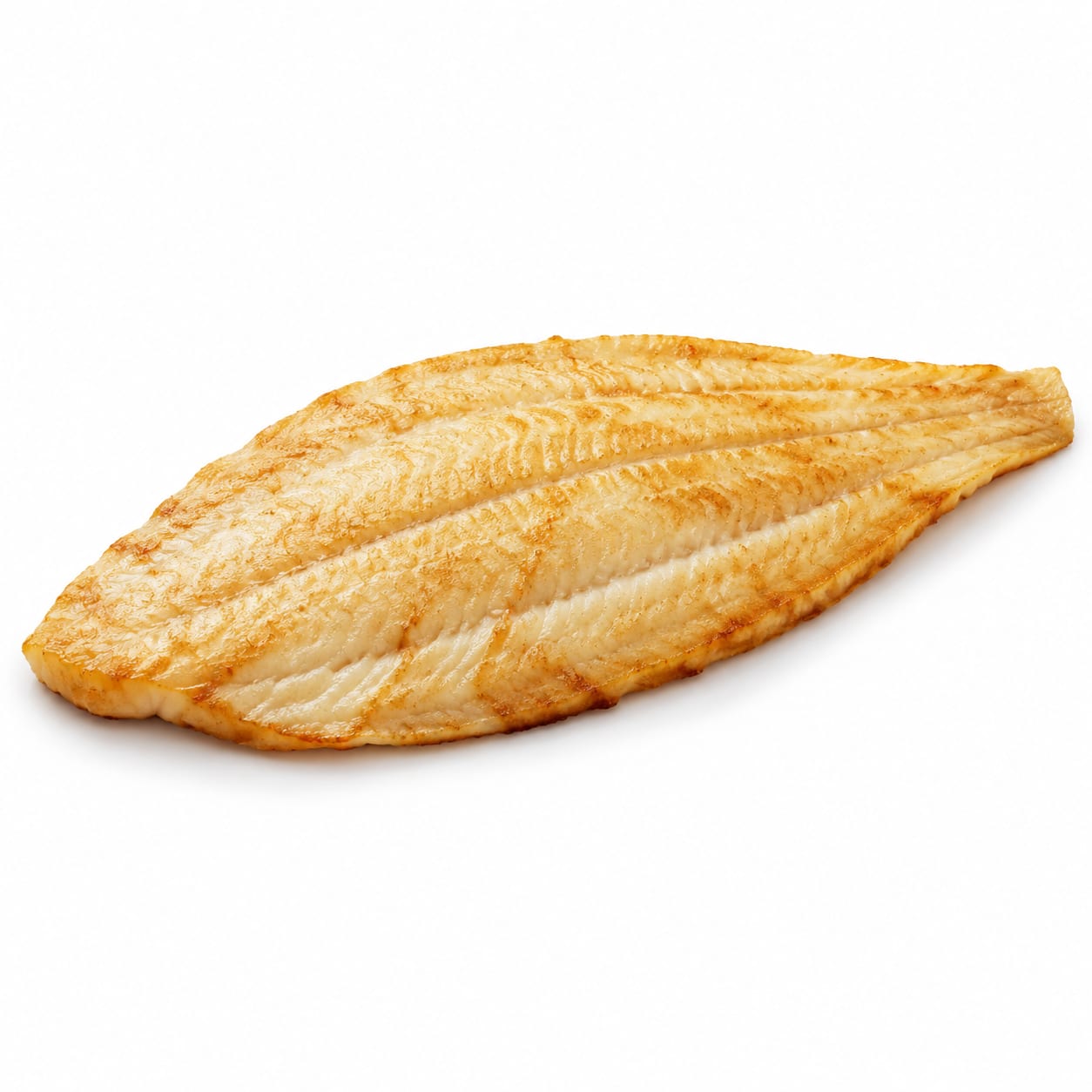
Sole
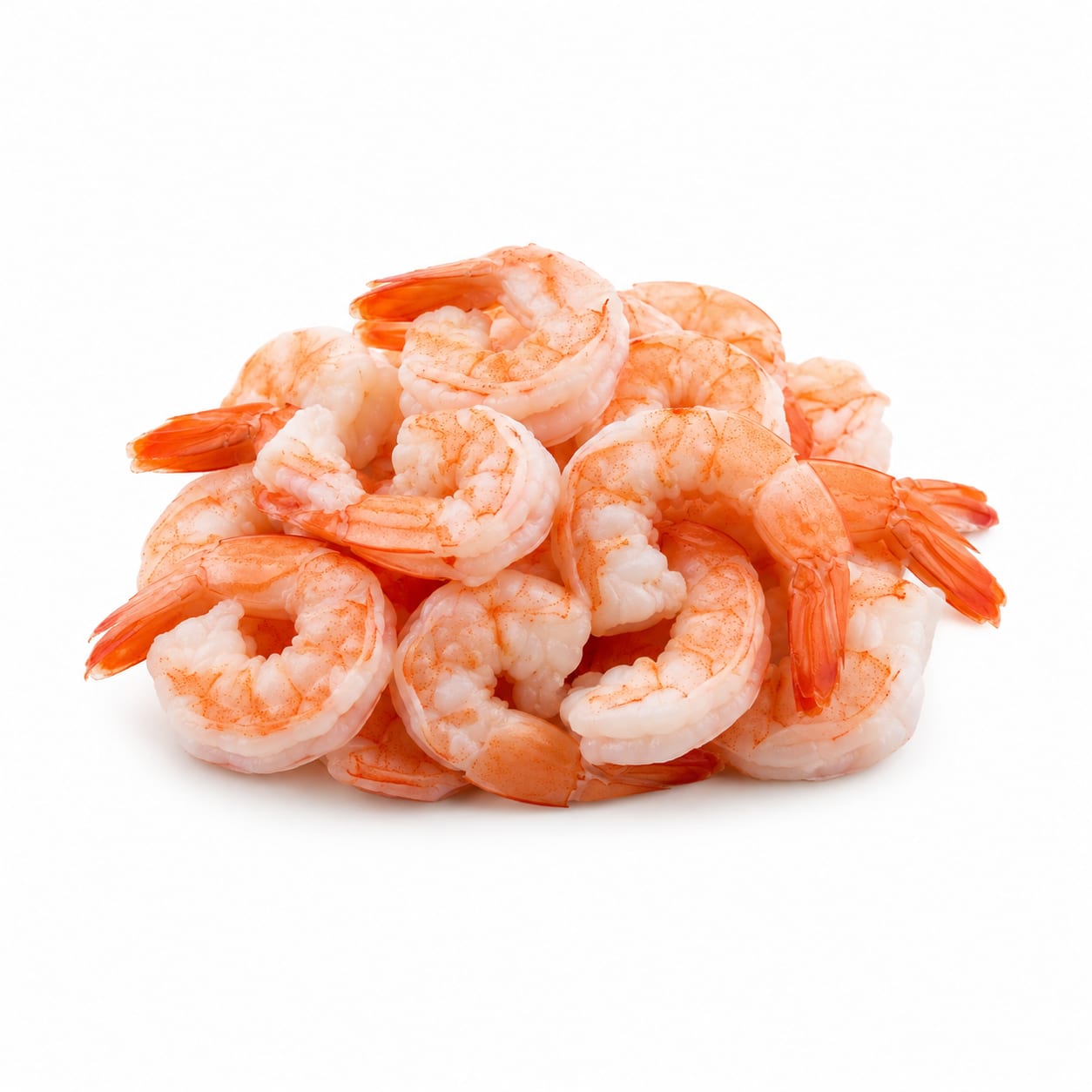
Shrimp
Sole wins for heart-friendly low-cholesterol eating; shrimp wins for protein density and nutrient variety. Your health priorities decide the winner.
Shrimp edges ahead on protein density, nutrient variety, and cooking convenience. Sole stays competitive through lower cholesterol, broader safety, and gentler digestibility. The gap is small because both are strong lean seafood choices.
Shrimp delivers more protein and key nutrients per calorie but carries significantly more cholesterol and allergen risk. Sole is gentler on the heart and safer for most people but less nutrient-dense.
At a glance
Executive summary
Overall
It depends
Healthier
It depends
More practical
Shrimp
Daily use
Sole
Key comparison lenses
lean protein source selection
Both are low-calorie, high-protein seafood options commonly chosen for weight management and clean eating
cholesterol and heart health concerns
Shrimp is notably high in dietary cholesterol while sole is very low, a frequent decision factor
contamination and safety comparison
Shellfish allergies and mercury/contaminant differences are critical safety considerations
meal versatility and preparation ease
Home cooks often choose between these for quick weeknight meals
omega-3 and nutrient density
Both are light seafood but differ meaningfully in micronutrient profiles
Best choice for
Sole
- People monitoring cholesterol closely
- Those with shellfish allergies seeking a safe seafood option
- Pregnant women wanting lower-mercury fish
- Anyone wanting a mild, easy-to-digest protein
Shrimp
- Active individuals needing efficient protein intake
- People seeking iodine and B12 support
- Low-carb and keto dieters wanting nutrient density
- Those wanting faster-cooking seafood options
Least suitable for
Sole
- Bodybuilders or athletes needing high protein per serving
- People avoiding bland flavors without heavy seasoning
- Those seeking significant omega-3 intake from seafood
Shrimp
- Anyone with shellfish allergies
- People on strict cholesterol-lowering diets
- Those concerned about antibiotic use in farmed seafood
Deep comparison
Dimension by dimension
Each lens scores both foods and breaks down who each option suits.
- Dimension 1 · Priority 95Shrimp
Protein Density and Quality
Sole · 62Shrimp · 88Shrimp packs significantly more protein per calorie, making it more efficient for muscle maintenance and satiety.
Tradeoff
Sole still provides complete protein but you need a larger portion to match shrimp's protein hit.
Why it matters
Higher protein density means better fullness from fewer calories, which matters for weight management and athletic recovery.
Real-world impact
A 4-ounce shrimp serving delivers about 24g protein versus roughly 20g in sole. That difference adds up over weekly meals.
Sole
- Lighter eaters who prefer smaller protein portions
Better for
- Post-workout meals where protein efficiency matters
Worse for
Shrimp
- Athletes and active people
- Anyone tracking protein macros
- Older adults combating muscle loss
Better for
- Meals where you want a larger food volume for fullness
Worse for
- Dimension 2 · Priority 88Sole
Cholesterol and Heart Health
Sole · 92Shrimp · 55Sole is very low in cholesterol while shrimp is one of the highest-cholesterol seafood options available.
Tradeoff
Shrimp's cholesterol does not raise blood cholesterol as much as once feared, but for people already managing high cholesterol, sole is the clearly safer bet.
Why it matters
Dietary cholesterol affects individuals differently. For sensitive responders, shrimp's 190mg+ per serving can be a real concern.
Real-world impact
If your doctor told you to watch cholesterol, sole lets you enjoy seafood worry-free. Shrimp requires more mindful portioning.
Sole
- People with elevated blood cholesterol
- Anyone following heart-protocol diets
- Those who eat seafood multiple times weekly
Better for
- Situations where cholesterol is not a concern at all
Worse for
Shrimp
- Healthy individuals with normal cholesterol response
- Those eating shrimp only occasionally
Better for
- Daily or near-daily consumption for cholesterol-sensitive people
Worse for
- Dimension 3 · Priority 80Shrimp
Micronutrient Variety
Sole · 58Shrimp · 84Shrimp is notably rich in iodine, B12, selenium, and phosphorus. Sole offers decent selenium but less overall nutrient breadth.
Tradeoff
Sole provides a simpler, cleaner nutrient profile. Shrimp delivers more nutritional complexity per bite.
Why it matters
Iodine supports thyroid function, B12 fuels energy and nerve health. These are nutrients many people under-consume.
Real-world impact
Regular shrimp consumption can meaningfully support thyroid health and energy metabolism. Sole covers basics but does not stand out.
Sole
- Those already supplementing B12 and iodine
- People wanting simpler nutrient intake
Better for
- Reliance on sole as a primary nutrient source
Worse for
Shrimp
- Anyone needing B12 support, especially older adults
- People who do not use iodized salt
- Those seeking selenium's antioxidant benefits
Better for
- People who already exceed selenium upper limits from supplements
Worse for
- Dimension 4 · Priority 85Sole
Allergen and Safety Risk
Sole · 88Shrimp · 52Shellfish allergy is one of the most common and severe food allergies. Sole carries no such risk and has lower contamination concerns.
Tradeoff
Shrimp's allergen potential is serious and lifelong. Sole is safe for nearly everyone except those with finfish allergies, which are rarer.
Why it matters
Shellfish allergies can cause anaphylaxis. Even cross-contamination in restaurants is a real danger.
Real-world impact
Ordering shrimp at restaurants requires allergen vigilance. Sole is safer to order and share at gatherings.
Sole
- Anyone with shellfish allergies
- Parents cooking for mixed groups
- Potluck and shared-meal situations
Better for
- Rare cases of finfish allergy
Worse for
Shrimp
- People with confirmed no shellfish allergy eating at home
Better for
- Restaurant dining for allergic individuals
- Households with unknown allergy status in children
Worse for
- Dimension 5 · Priority 78Sole
Contaminant and Toxin Exposure
Sole · 80Shrimp · 62Sole generally has lower mercury levels. Shrimp is low in mercury but faces concerns about antibiotic residues and microplastics in farmed varieties.
Tradeoff
Wild-caught shrimp reduces antibiotic concerns but costs more. Sole's contamination profile is simpler to navigate.
Why it matters
Farmed shrimp from certain regions has documented antibiotic and pesticide issues that are hard to verify at the store.
Real-world impact
Choosing sole means less label-reading anxiety. With shrimp, sourcing matters a lot — country of origin and wild-vs-farmed significantly affect safety.
Sole
- Pregnant women seeking low-mercury fish
- People who want simpler seafood safety decisions
Better for
- Overfishing concerns with certain sole species
Worse for
Shrimp
- Those who buy verified wild-caught or reputable farmed shrimp
Better for
- Budget shoppers who may end up with lower-quality farmed shrimp
Worse for
- Dimension 6 · Priority 72Shrimp
Cooking Convenience and Versatility
Sole · 65Shrimp · 82Shrimp cooks in 2-3 minutes, works in endless cuisines, and is available pre-cleaned. Sole takes slightly more care to cook properly and can dry out easily.
Tradeoff
Sole's delicate texture rewards careful cooking. Shrimp is more forgiving and faster for weeknight meals.
Why it matters
When you are tired and hungry, shrimp's quick cook time and versatility make it the more realistic choice.
Real-world impact
Shrimp goes from fridge to plate in under 10 minutes. Sole needs more attention to avoid overcooking and turning rubbery.
Sole
- Elegant dinner parties where presentation matters
- Recipes highlighting delicate fish texture
Better for
- Rushed cooking scenarios
- Reheating leftovers
Worse for
Shrimp
- Busy weeknight dinners
- Stir-fries, pasta, tacos, and grain bowls
- Meal prep that reheats well
Better for
- Recipes where a tender flaky fish is specifically needed
Worse for
- Dimension 7 · Priority 68Shrimp
Omega-3 Fatty Acids
Sole · 40Shrimp · 55Neither is an omega-3 powerhouse compared to salmon or sardines. Shrimp has slightly more per serving, but both are modest sources.
Tradeoff
If omega-3s are your priority, neither should be your primary seafood. But shrimp edges ahead marginally.
Why it matters
People often assume all seafood is rich in omega-3s. These two are not, which is worth knowing.
Real-world impact
Eating sole or shrimp for omega-3s is like eating carrots for protein — you will get some, but not enough to matter much.
Sole
- Not applicable — sole is weak here
Better for
- Anyone relying on sole for anti-inflammatory omega-3 intake
Worse for
Shrimp
- Marginal advantage if no other omega-3 sources are available
Better for
- Same concern — shrimp is insufficient as a primary omega-3 source
Worse for
Timeline
Health impact over time
Short-term
Hours to days
Sole
- Light, easy-to-digest meal that won't cause heaviness
- Very low risk of allergic reaction in most people
- Mild flavor may require added fats or sauces, increasing calorie intake
Shrimp
- Quick satiety from dense protein content
- Possible mild digestive discomfort if you eat large portions due to cholesterol load
- Immediate allergen risk for sensitive individuals, even from trace exposure
Long-term
Months to years
Sole
- Consistent low-cholesterol protein supports cardiovascular health
- Lower contaminant exposure reduces long-term toxic burden
- May not provide enough nutrient diversity if used as primary protein source
Shrimp
- Regular B12 and iodine intake supports thyroid and nerve health long-term
- Frequent high-cholesterol meals may affect blood lipid profiles in sensitive individuals
- Sourcing quality matters — repeated exposure to farmed shrimp antibiotics is a cumulative concern
Risk profile
Safety & processing
Both are whole, minimally processed seafood when bought fresh or frozen plain. However, shrimp is more commonly sold with sodium tripolyphosphate (STPP) as a preservative, which adds sodium and retains water weight. Always check labels — frozen sole is usually cleaner.
Sole
Mercury exposure
lowSole is a low-mercury fish, making it one of the safer regular seafood choices for pregnant women and children.
Overfishing and sustainability
mediumSome sole species are overfished. Dover sole from the Atlantic has sustainability concerns; Pacific sole is generally better managed.
Parasitic contamination
lowLike all raw fish, sole can carry parasites. Cooking eliminates this risk. Freezing at proper temperatures also kills parasites.
Shrimp
Shellfish allergy
highOne of the top 8 allergens. Reactions can be severe and life-threatening. Cross-contamination in restaurants is common.
Antibiotic residues in farmed shrimp
mediumImported farmed shrimp, especially from Southeast Asia, has documented issues with unapproved antibiotics. Choose wild-caught or verify sourcing.
Cholesterol load
mediumA single serving exceeds 200mg cholesterol. For hyper-responders, this can meaningfully raise blood cholesterol levels.
Microplastics
lowShrimp have been found to contain microplastics, particularly farmed varieties. The health impact is still being studied but is a growing concern.
Who wins for whom
Audience fit
Same foods, different winners depending on your goal.
children
SoleLower allergen risk, lower cholesterol, and lower contaminant profile make sole safer for developing bodies. Introduce shrimp cautiously after confirming no shellfish allergy.
daily consumption
SoleLower cholesterol, fewer contamination concerns, and no allergen risk make sole more sustainable as a daily protein. Shrimp is better rotated in 2-3 times per week.
diabetes
SoleBoth have zero carbs, but sole's lower cholesterol is preferable since diabetes already increases cardiovascular risk.
elderly
It dependsShrimp's B12 and protein help combat age-related muscle loss and deficiency. But sole's cardiovascular safety profile matters more for those with heart conditions.
muscle gain
ShrimpMore protein per serving and richer in B12 and selenium, which support muscle metabolism and recovery.
weight loss
ShrimpShrimp's higher protein density provides better satiety per calorie, helping control hunger on calorie-restricted diets.
Your move
Decision guide
Choose Sole
- Your doctor told you to lower cholesterol
- You have a shellfish allergy or cook for someone who does
- You are pregnant and want the safest low-mercury fish option
- You prefer a milder, more delicate fish flavor
- You eat seafood almost daily and want a safe default
Choose Shrimp
- You want maximum protein per calorie
- You have no shellfish allergy and normal cholesterol
- You need quick-cooking protein for busy weeknights
- You want more B12, iodine, and selenium in your diet
- You cook diverse cuisines like Asian stir-fries, Cajun, or Mediterranean
Either works if
- You just want a lean protein source and both are available fresh
- You are already eating fatty fish like salmon for omega-3s
- Neither is a staple — you rotate various proteins weekly
Avoid both if
- You have gout and are sensitive to purines — both contain moderate levels
- You are looking for significant omega-3 intake — choose salmon, sardines, or mackerel instead
- You have severe seafood allergies that include both shellfish and finfish
Final recommendation
Keep both in rotation. Use sole as your reliable, heart-friendly default for frequent seafood meals. Bring in shrimp 2-3 times per week when you want more protein punch, faster cooking, or bolder flavors. If cholesterol or allergies are concerns, lean heavily toward sole. If you are active and need efficient protein, shrimp is your friend. Neither replaces oily fish for omega-3s, so make sure salmon or sardines appear on your menu too.
Practical
Consumer tips
- 1
Check shrimp labels for STPP (sodium tripolyphosphate) — it adds hidden sodium and water weight. Buy 'chemical-free' frozen shrimp when possible.
- 2
Wild-caught shrimp from the US, Canada, or Argentina generally has better safety standards than farmed imports.
- 3
Pacific sole is typically more sustainable than Atlantic Dover sole. Look for MSC certification.
- 4
Sole dries out quickly — cook it skin-on when possible and remove after cooking for better moisture retention.
- 5
If you have high cholesterol but love shrimp, limit portions to 3 ounces and pair with fiber-rich vegetables to reduce cholesterol absorption.
- 6
For the safest budget shrimp, look for frozen block packs from reputable brands rather than cheap thawed shrimp at the counter.