
Nutrition comparison
Sole vs Salmon: Nutrition, Omega-3, and Health Comparison
Compare Sole and Salmon to find out which fish is better for weight loss, heart health, and mercury safety. Learn the nutritional tradeoffs.
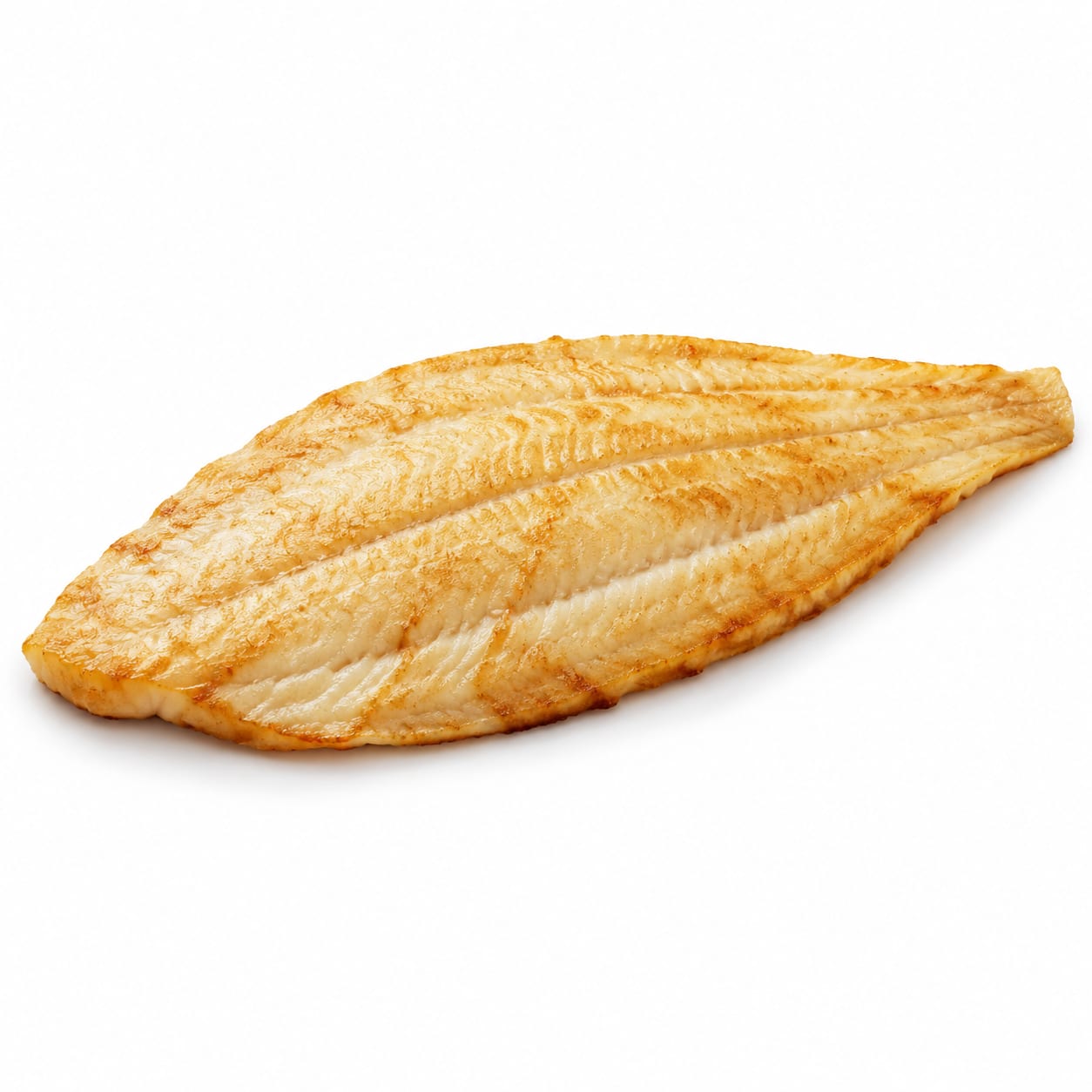
Sole
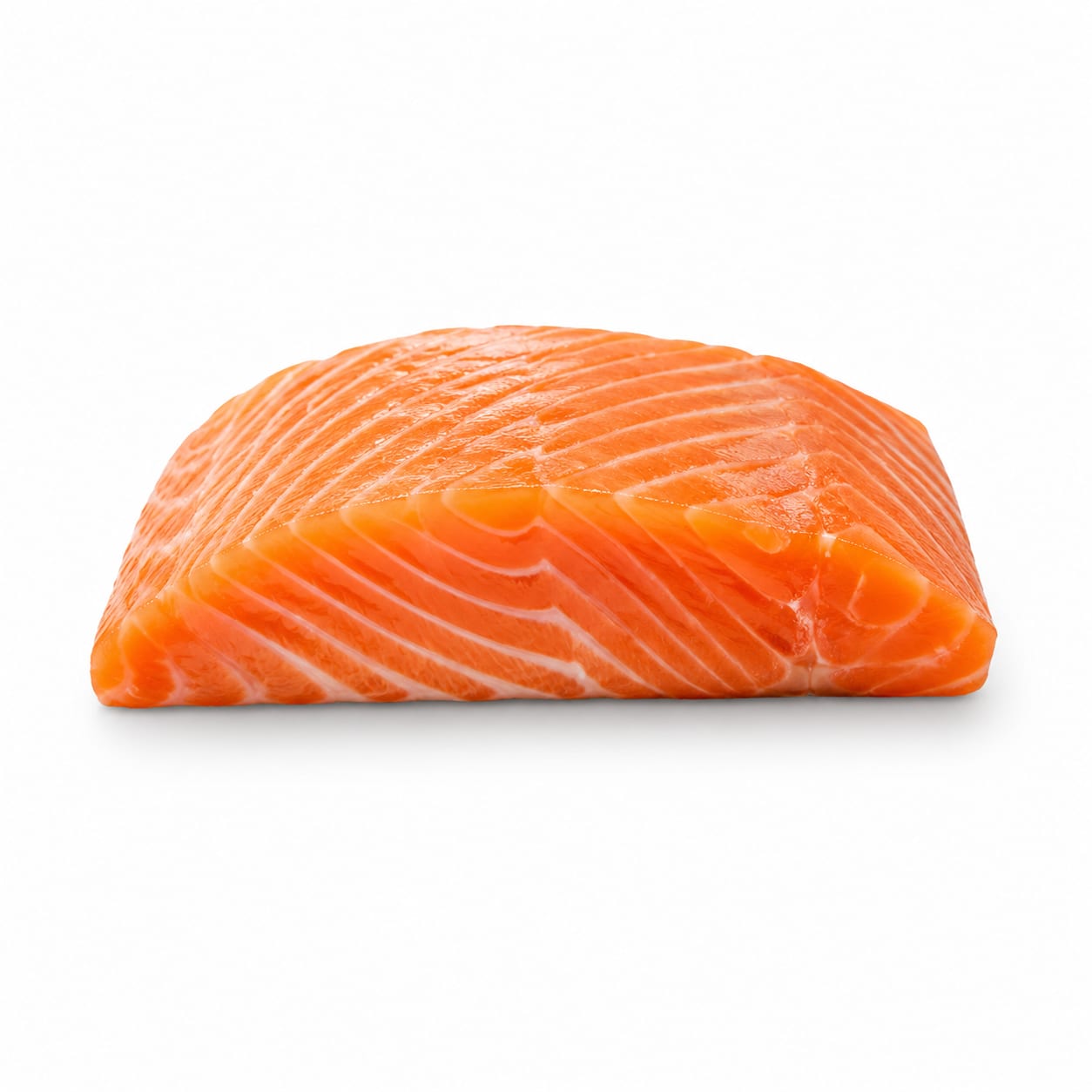
Salmon
Salmon is the nutritional powerhouse for omega-3s and satiety, while Sole is the ultra-light, low-calorie champion with fewer contamination concerns.
Salmon scores higher overall due to its exceptional omega-3 content and satiety, but Sole remains a strong choice for low-calorie needs and safer frequent consumption.
You trade the deep satiety and anti-inflammatory benefits of Salmon for the low calorie count and cleaner safety profile of Sole.
At a glance
Executive summary
Overall
It depends
Healthier
Salmon
More practical
It depends
Daily use
Sole
Key comparison lenses
Omega-3 and heart health benefits
Salmon is famous for its omega-3 content, while Sole is a lean fish with minimal fat, making this the starkest contrast.
Calorie density and weight management
Sole offers a very low-calorie protein source, whereas Salmon is calorie-dense due to its healthy fats.
Mercury and contaminant exposure
Salmon carries higher risks of PCBs and heavy metals, especially farmed varieties, while Sole is generally cleaner.
Satiety and meal satisfaction
The fat content in Salmon keeps you full much longer than the lean profile of Sole.
Best choice for
Sole
- Low-calorie diets
- Light evening meals
- Frequent fish eaters watching mercury
- Those who find fatty fish too heavy
Salmon
- Heart and brain health
- Anti-inflammatory diets
- Post-workout recovery
- Those needing sustained energy
Least suitable for
Sole
- People needing an omega-3 boost
- Those on high-calorie diets
- Individuals wanting long-lasting fullness
Salmon
- Strict low-fat diets
- Those highly concerned about PCB accumulation
- People who prefer light, delicate meals
Deep comparison
Dimension by dimension
Each lens scores both foods and breaks down who each option suits.
- Dimension 1 · Priority 95Salmon
Omega-3 & Anti-Inflammatory Power
Sole · 15Salmon · 98Salmon is one of the best dietary sources of omega-3s, while Sole provides almost none.
Tradeoff
Choosing Sole means missing out on the powerful anti-inflammatory and brain-health benefits that Salmon delivers effortlessly.
Why it matters
Omega-3s are crucial for heart health, mood regulation, and reducing chronic inflammation.
Real-world impact
Eating Salmon a couple of times a week can meaningfully improve joint comfort and mental clarity, whereas Sole won't move the needle on these fronts.
Sole
- Avoiding dietary fat entirely
Better for
- Reducing systemic inflammation
Worse for
Salmon
- Cardiovascular health
- Brain function
- Reducing joint pain
Better for
- Strict low-fat dietary protocols
Worse for
- Dimension 2 · Priority 85Sole
Calorie Density & Weight Management
Sole · 95Salmon · 60Sole is exceptionally low in calories, making it perfect for weight loss, while Salmon is calorie-dense.
Tradeoff
You get fewer calories with Sole, but you lose the long-lasting satiety that naturally prevents overeating later in the day.
Why it matters
Managing calorie intake is fundamental for weight loss, but feeling satisfied is what makes it sustainable.
Real-world impact
A Sole dinner feels light and leaves room for sides, while a Salmon dinner is deeply satisfying and easily replaces higher-calorie meats.
Sole
- Cutting calories quickly
- Light late-night meals
Better for
- Staying full between meals
Worse for
Salmon
- Sustainable fullness
- Preventing afternoon energy crashes
Better for
- Tight calorie-restricted diets
Worse for
- Dimension 3 · Priority 80Sole
Contaminant & Heavy Metal Safety
Sole · 88Salmon · 65Sole generally has lower mercury and PCB levels, whereas farmed Salmon can carry higher contaminant burdens.
Tradeoff
Salmon's nutritional benefits come with a slightly higher risk of accumulated environmental toxins if consumed too frequently.
Why it matters
Long-term accumulation of heavy metals and PCBs can stress the liver and disrupt hormones.
Real-world impact
You can comfortably eat Sole multiple times a week without worry, but Salmon is best limited to 2-3 servings to balance benefits and risks.
Sole
- Frequent fish consumption
- Pregnant women seeking safe fish
Better for
- Those looking for nutrient density per bite
Worse for
Salmon
- Getting maximum nutrition per serving
Better for
- Minimizing lifetime toxin exposure
Worse for
- Dimension 4 · Priority 75Salmon
Satiety & Meal Satisfaction
Sole · 55Salmon · 92Salmon's rich fat content makes it deeply satisfying, while Sole digests quickly and may leave you hungry sooner.
Tradeoff
The lightness of Sole is refreshing but fleeting, whereas Salmon provides a lasting sense of fullness.
Why it matters
Meals that keep you full prevent mindless snacking and make healthy eating feel effortless.
Real-world impact
A Salmon lunch will easily carry you to dinner without a snack, but a Sole lunch might have you reaching for something by mid-afternoon.
Sole
- Appetizers or multi-course meals
Better for
- Curbing late-night cravings
Worse for
Salmon
- Main courses that stand alone
- Busy days with no time for snacks
Better for
- Small appetites
Worse for
Timeline
Health impact over time
Short-term
Hours to days
Sole
- Light, non-bloated feeling after eating
- Quick digestion
- May feel hungry again within a few hours
Salmon
- Deep meal satisfaction
- Sustained energy for hours
- Can feel heavy if portion is too large
Long-term
Months to years
Sole
- Easier weight maintenance due to low calories
- Lower risk of heavy metal accumulation
- May require supplemental omega-3s for heart health
Salmon
- Significantly reduced cardiovascular risk
- Better cognitive aging and mood stability
- Potential toxin exposure if sourcing is poor or intake is excessive
Risk profile
Safety & processing
Both are whole foods, but farmed Salmon may contain artificial colorants added to fish feed to achieve the signature pink hue, whereas Sole is typically sold as-is.
Sole
Habitat degradation
lowSome Sole is caught using bottom trawling, which damages ocean floors, though this is an environmental rather than direct health risk.
Mercury
lowSole is a low-mercury fish, making it safe for frequent consumption, including by pregnant women.
Salmon
PCBs and Dioxins
mediumFarmed Salmon can have higher levels of industrial pollutants stored in its fat, requiring mindful sourcing and moderate intake.
Artificial colorants
lowFarmed Salmon is often fed synthetic astaxanthin to color its flesh, which is a turn-off for those avoiding food additives.
Mercury
lowSalmon is generally a low-to-moderate mercury fish, but large farmed or specific wild catches can vary.
Who wins for whom
Audience fit
Same foods, different winners depending on your goal.
children
SoleSole's mild flavor and ultra-low contaminant levels make it a safer, more kid-friendly introduction to seafood.
daily consumption
SoleSole's low contaminant profile makes it safer to eat more frequently than Salmon.
diabetes
SalmonThe healthy fats in Salmon slow digestion and stabilize blood sugar far better than lean fish alone.
elderly
SalmonThe omega-3s in Salmon are crucial for preserving cognitive function and mobility in aging adults.
muscle gain
SalmonSalmon provides more calories and protein alongside anti-inflammatory fats that aid recovery.
weight loss
SoleSole's extremely low calorie count makes it effortless to stay in a deficit.
Your move
Decision guide
Choose Sole
- You want a low-calorie, light meal that won't weigh you down
- You eat fish frequently and want to minimize heavy metal intake
- You prefer delicate, mild flavors over rich, fatty ones
Choose Salmon
- You want to boost your omega-3 intake for heart or brain health
- You need a meal that keeps you full and satisfied for hours
- You are looking for a robust, flavorful main course
Either works if
- You simply want a high-quality, whole-food protein source instead of meat
- You are building a healthy Mediterranean-style diet
Avoid both if
- You have a fish or seafood allergy
Final recommendation
Choose Salmon for its unmatched health benefits and satiety, but rotate in Sole when you want a lighter meal or to keep your contaminant exposure low. Prioritize wild-caught Salmon to maximize nutrition and minimize toxins.
Practical
Consumer tips
- 1
Opt for wild-caught Salmon when possible to avoid artificial colorants and lower PCB exposure.
- 2
Sole cooks very quickly—pan-fry it lightly to avoid a rubbery texture.
- 3
Pair Sole with a healthy fat like olive oil or avocado to make the meal more satisfying.
- 4
Limit Salmon to 2-3 servings a week to balance omega-3 benefits with contaminant risks.