
Nutrition comparison
Sole vs Sea Bass: Nutrition, Mercury, and Health Comparison
Comparing Sole and Sea Bass? Discover the key differences in calories, omega-3s, and mercury levels to choose the right fish for your diet.
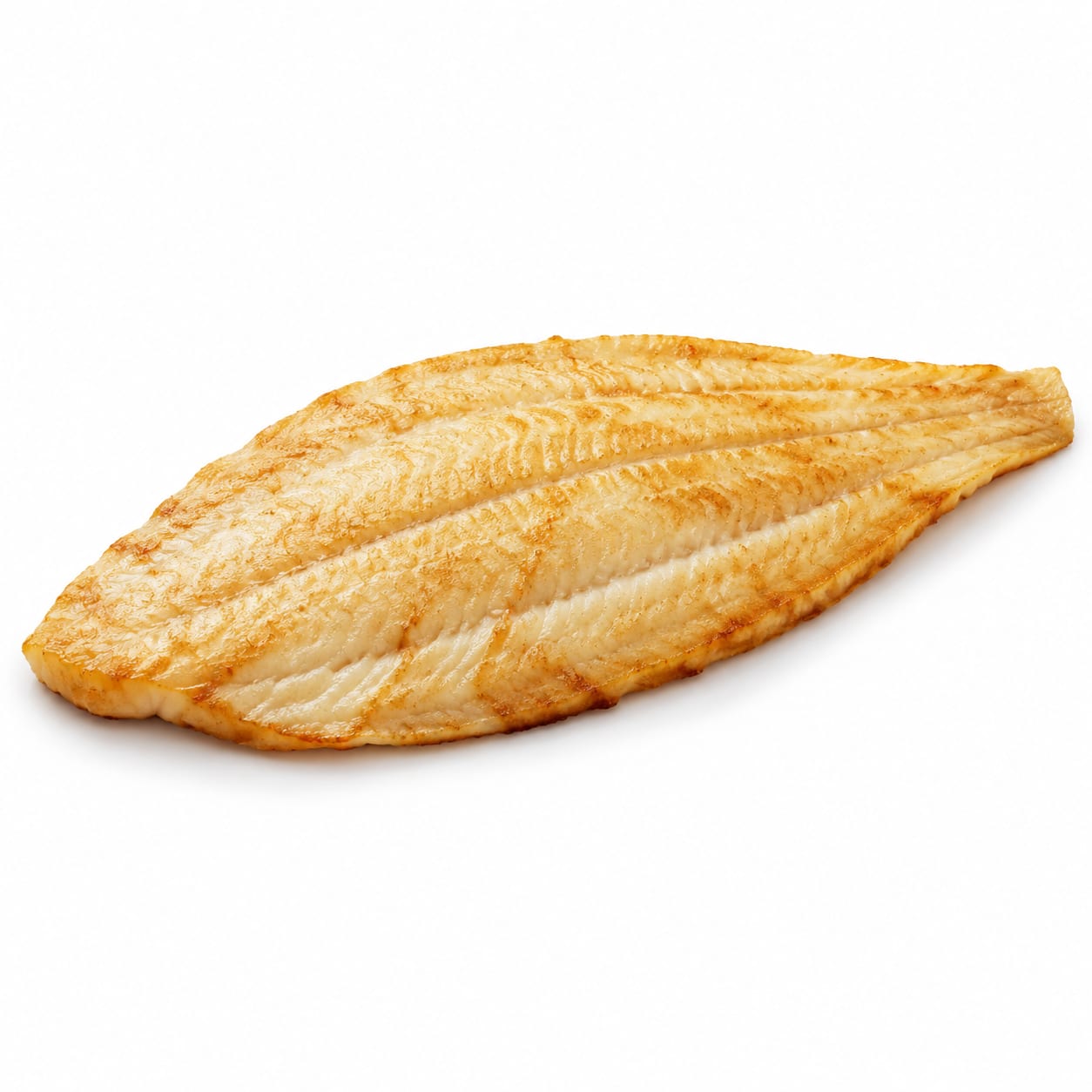
Sole
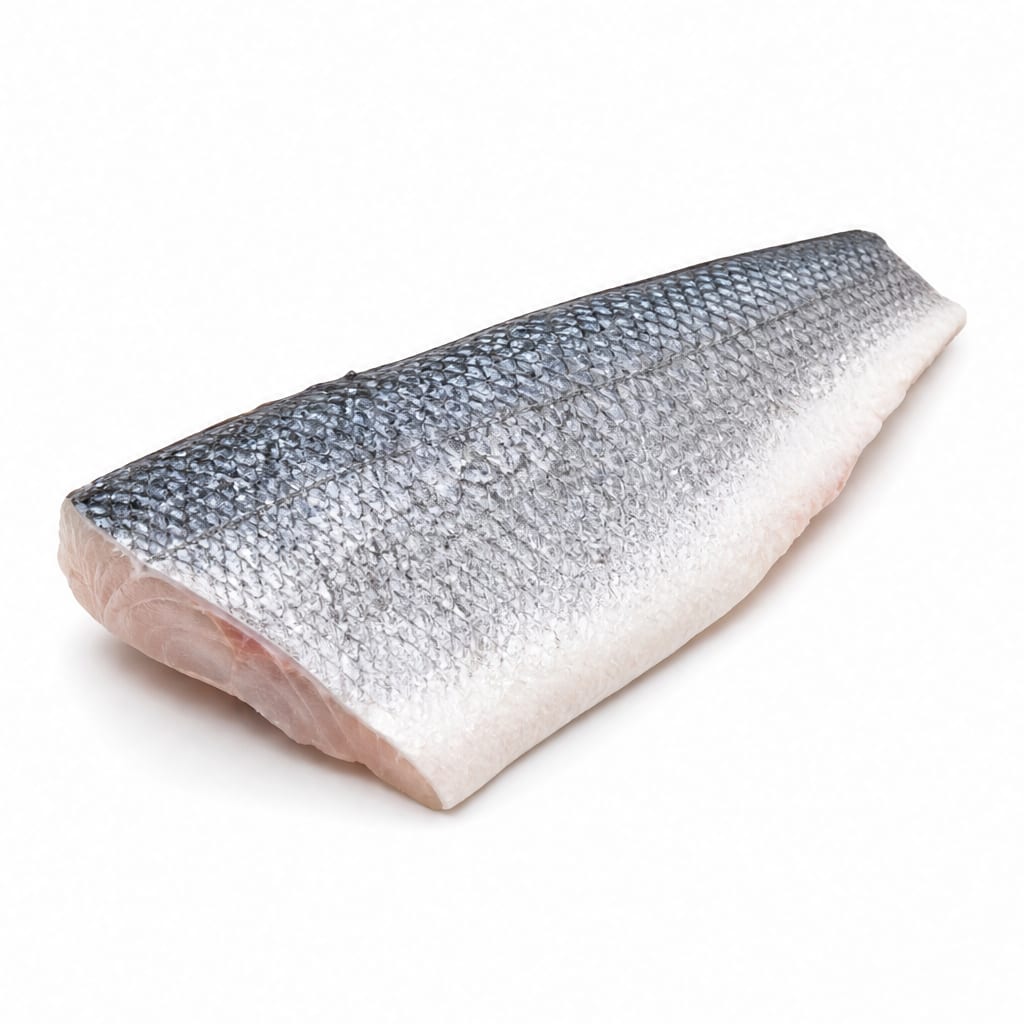
Sea Bass
Sole is a lean, low-mercury fish perfect for frequent light meals, while Sea Bass is a richer, higher-omega-3 fish best enjoyed occasionally due to mercury concerns.
Sole scores higher overall due to its low mercury content and suitability for frequent consumption. Sea Bass offers better nutrition per bite but is penalized by heavy metal risks and higher cost, limiting how often you can safely eat it.
You trade the low calorie and high safety of Sole for the superior omega-3s, satiety, and rich flavor of Sea Bass.
At a glance
Executive summary
Overall
It depends
Healthier
Sole
More practical
Sea Bass
Daily use
Sole
Key comparison lenses
Mercury and heavy metal exposure
Chilean Sea Bass is notorious for high mercury levels, whereas Sole is generally a low-mercury choice, heavily impacting safe consumption frequency.
Calorie and fat content for weight management
Sole is an extremely lean white fish, while Sea Bass is notably higher in fat and calories, making them opposites for diet goals.
Omega-3 fatty acid intake
Sea Bass provides substantial heart-healthy omega-3s, while Sole offers very little due to its low fat content.
Culinary satisfaction and cooking ease
Sea Bass is rich and forgiving to cook, while Sole is delicate and easily dried out, affecting the dining experience.
Best choice for
Sole
- Strict calorie counters
- Pregnant women and children needing low-mercury fish
- People eating seafood multiple times a week
Sea Bass
- Those seeking heart-healthy omega-3s from whole foods
- People eating fish only occasionally
- Home cooks wanting a forgiving, rich-tasting fish
Least suitable for
Sole
- Those needing high omega-3 intake from food alone
- People seeking a filling, heavy meal
- Inexperienced cooks prone to overcooking delicate fish
Sea Bass
- Pregnant women or young children due to mercury
- People strictly monitoring calorie intake
- Those on a tight grocery budget
Deep comparison
Dimension by dimension
Each lens scores both foods and breaks down who each option suits.
- Dimension 1 · Priority 90Sole
Calorie Density & Weight Management
Sole · 95Sea Bass · 60Sole is a dieter's dream with minimal calories and fat, whereas Sea Bass is calorie-dense.
Tradeoff
You save calories with Sole but miss out on the filling, satisfying mouthfeel that Sea Bass provides.
Why it matters
If you are trying to lose weight, Sole lets you eat a larger portion for fewer calories.
Real-world impact
A Sole fillet feels like a light lunch; a Sea Bass fillet feels like a hearty dinner.
Sole
- Cutting calories without reducing portion size
- Frequent fish consumption on a diet
Better for
- Those who feel hungry soon after eating lean proteins
Worse for
Sea Bass
- Keto or low-carb diets needing higher fat
- Active individuals needing calorie-dense meals
Better for
- Strict calorie restriction diets
Worse for
- Dimension 2 · Priority 85Sea Bass
Omega-3 & Heart Health
Sole · 30Sea Bass · 90Sea Bass is an excellent source of omega-3 fatty acids, while Sole provides almost none.
Tradeoff
You get significant anti-inflammatory benefits from Sea Bass, but must balance this against its mercury load.
Why it matters
Omega-3s are crucial for heart and brain health, and lean fish like Sole won't move the needle here.
Real-world impact
Eating Sea Bass a couple of times a month can meaningfully boost your omega-3 intake; eating Sole won't.
Sole
- Those who already take omega-3 supplements
Better for
- Relying on fish as your primary omega-3 source
Worse for
Sea Bass
- Cardiovascular health support
- Reducing systemic inflammation
Better for
- Those with mercury sensitivity concerns
Worse for
- Dimension 3 · Priority 95Sole
Mercury & Contaminant Risk
Sole · 92Sea Bass · 35Sole is a low-mercury fish safe for regular eating, while Chilean Sea Bass is high in mercury and should be limited.
Tradeoff
Choosing Sea Bass for its nutrition means accepting a higher toxic metal burden.
Why it matters
Mercury accumulates in the body over time and can impair neurological function, especially in vulnerable populations.
Real-world impact
You can safely eat Sole weekly, but Sea Bass should be limited to 1-2 times a month max.
Sole
- Pregnant and breastfeeding women
- Young children
- Frequent seafood eaters
Better for
- No significant mercury downsides
Worse for
Sea Bass
- Occasional diners with no mercury concerns
Better for
- Risk of mercury accumulation with frequent consumption
Worse for
- Dimension 4 · Priority 70Sea Bass
Satiety & Fullness
Sole · 50Sea Bass · 88The high fat content in Sea Bass keeps you full for hours, while Sole is digested quickly.
Tradeoff
Sole is light and won't weigh you down, but you might be reaching for a snack an hour later.
Why it matters
Staying full between meals prevents overeating and cravings later in the day.
Real-world impact
Sea Bass makes a satisfying dinner that holds you over until morning; Sole often needs starchy sides to feel complete.
Sole
- Light pre-workout meals
- Small appetites
Better for
- Those who need a meal to last 5-6 hours
Worse for
Sea Bass
- Long-lasting energy
- Preventing late-night snacking
Better for
- Eating right before a workout or heavy activity
Worse for
- Dimension 5 · Priority 75Sea Bass
Cooking Forgiveness & Flavor
Sole · 45Sea Bass · 90Sea Bass stays moist and flavorful easily, while Sole turns dry and rubbery if overcooked by even a minute.
Tradeoff
Sole offers a delicate, sweet flavor when cooked perfectly, but demands careful attention; Sea Bass is practically foolproof.
Why it matters
Home cooks often ruin lean fish, leading to wasted money and an unpleasant meal.
Real-world impact
Sea Bass is a great date-night dinner because it's hard to mess up; Sole requires focus and precise timing.
Sole
- Experienced cooks wanting a delicate presentation
Better for
- Distracted cooks
- High-heat cooking methods like grilling
Worse for
Sea Bass
- Beginner home cooks
- Meal prep that might sit on a warmer
Better for
- Those who prefer very light, subtle flavors
Worse for
Timeline
Health impact over time
Short-term
Hours to days
Sole
- Feels very light in the stomach
- Unlikely to cause post-meal sluggishness
- May leave you hungry if not paired with fats or carbs
Sea Bass
- Highly satisfying and filling
- Rich mouthfeel can curb cravings
- Higher fat content slows digestion for steady energy
Long-term
Months to years
Sole
- Safe for the nervous system with minimal mercury exposure
- Supports weight maintenance easily
- Requires alternative omega-3 sources to maintain heart health
Sea Bass
- Excellent for cardiovascular health and brain function when consumed in moderation
- Mercury accumulation is a real risk if eaten too frequently
- High-quality protein and fat support hormonal health
Risk profile
Safety & processing
Both Sole and Sea Bass are whole, minimally processed foods. Additive concerns are virtually nonexistent unless purchasing pre-marinated or frozen fillets with preservatives.
Sole
Mercury exposure
lowSole is a bottom-dwelling fish low on the food chain, making it one of the safer choices for regular consumption.
Sustainability and overfishing
mediumSome sole populations are overfished; look for MSC-certified or Pacific-caught varieties to ensure sustainable practices.
Sea Bass
Mercury exposure
highChilean Sea Bass is a large, long-lived predatory fish with consistently high mercury levels. Consumption should be strictly limited, especially for pregnant women.
Mislabeling and fraud
mediumSea Bass is frequently mislabeled. You might be paying premium prices for a cheaper, potentially less safe substitute.
Sustainability
highChilean Sea Bass has a history of illegal overfishing. Always look for MSC certification to ensure it was caught legally and sustainably.
Who wins for whom
Audience fit
Same foods, different winners depending on your goal.
children
SoleSole's low mercury profile makes it the only safe choice here for developing nervous systems. Sea Bass should be avoided for young kids.
daily consumption
SoleSole can be eaten multiple times a week safely, whereas Sea Bass should be limited to 1-2 servings per month due to mercury.
diabetes
SoleBoth have zero carbs, but Sole's lower fat content makes it lighter, though Sea Bass's fat helps stabilize blood sugar. Sole wins slightly as a safe baseline, but both are excellent choices.
elderly
Sea BassThe high omega-3 content in Sea Bass is highly protective against cognitive decline and joint inflammation, provided it is eaten only occasionally to manage mercury.
muscle gain
Sea BassSea Bass provides more calories and fat alongside high-quality protein, making it easier to hit the caloric surplus needed for muscle growth.
weight loss
SoleSole is extremely low in calories and fat, allowing for larger portions without breaking your calorie budget.
Your move
Decision guide
Choose Sole
- You are pregnant, breastfeeding, or cooking for young children
- You eat fish more than twice a week and need a safe staple
- You are counting calories and want a high-protein, low-fat meal
- You want a light dinner that won't disrupt your sleep
Choose Sea Bass
- You want a rich, restaurant-quality meal at home
- You are specifically eating fish to boost your omega-3 intake
- You only eat fish occasionally and want maximum nutritional payoff
- You are on a keto or high-fat diet
Either works if
- You just want a high-quality, zero-carb protein source for dinner
- You are bored with chicken and want a whole-food alternative
Avoid both if
- You have a severe fish or shellfish allergy
- You are looking for a plant-based protein source
Final recommendation
Keep Sole as your everyday, go-to fish for its safety and leanness, and treat Sea Bass as an occasional indulgence for its rich omega-3s and flavor. If you love the taste of Sea Bass but want the safety of Sole, consider Branzino (European Sea Bass), which offers a middle ground with lower mercury.
Practical
Consumer tips
- 1
Limit Chilean Sea Bass to 1-2 servings per month to keep mercury levels safe.
- 2
If buying Sea Bass, look for MSC certification to ensure it was sustainably caught and not mislabeled.
- 3
Pan-fry Sole in a little olive oil and butter to add healthy fats and prevent it from drying out.
- 4
Consider Branzino (European Sea Bass) as a lower-mercury, sustainable alternative to Chilean Sea Bass.
- 5
Set a timer when cooking Sole; it goes from perfect to rubbery in under a minute.