
Nutrition comparison
Sole vs Tilapia: Which White Fish Is Actually Healthier?
Compare sole and tilapia on omega-3 content, safety, farming concerns, and price. Learn which lean white fish is better for your health goals and budget.
Overall winner · Sole
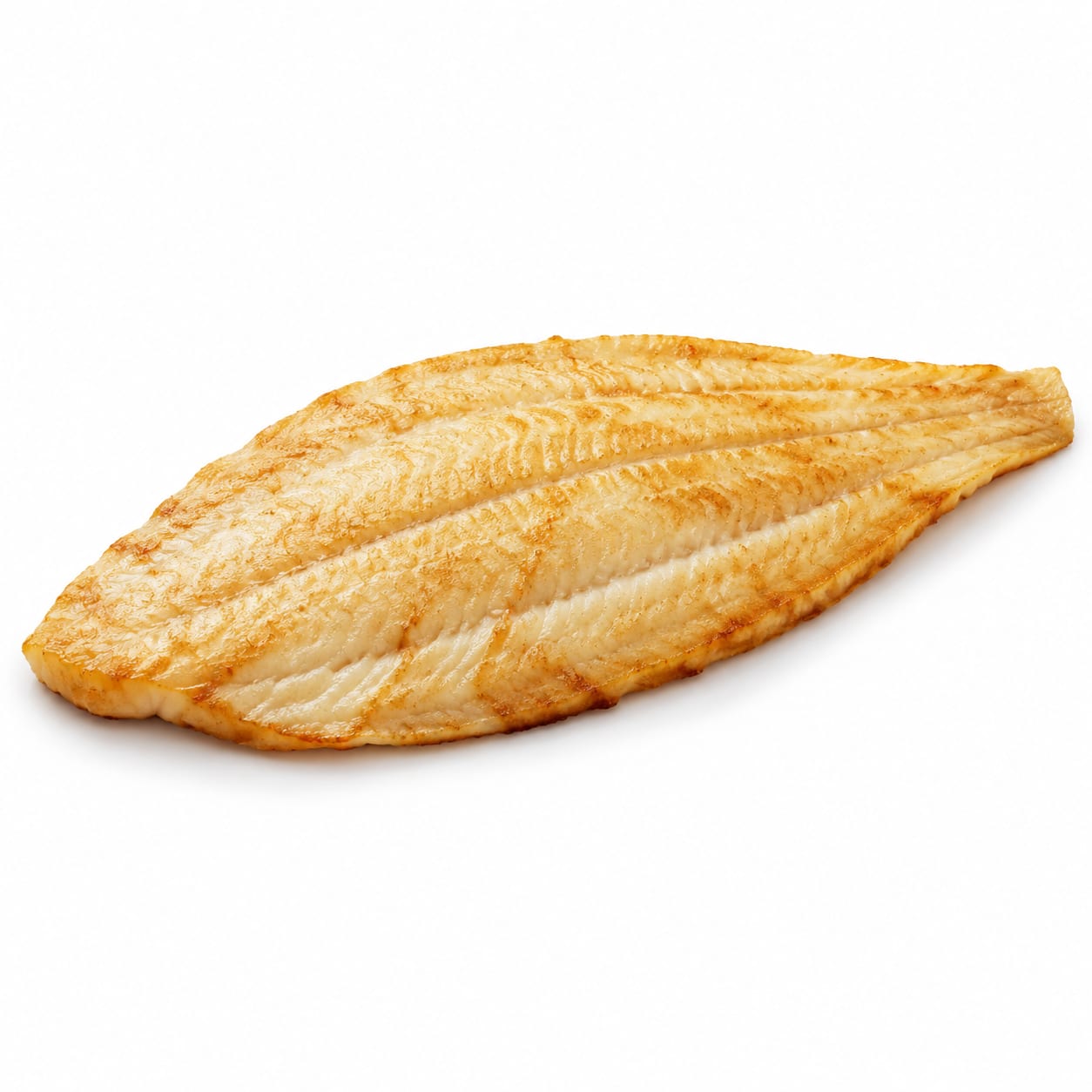
Sole
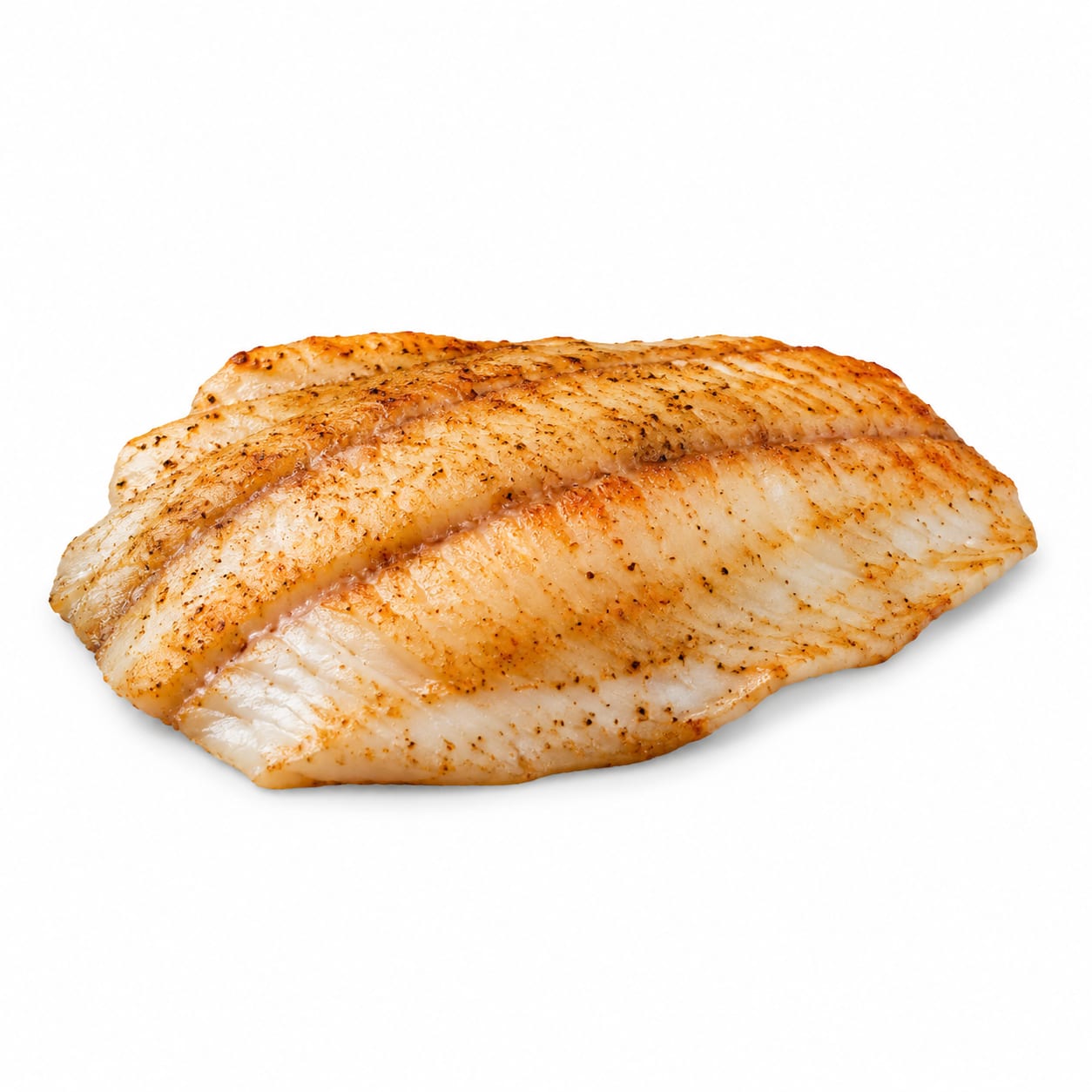
Tilapia
Sole wins on nutritional quality and safety, but tilapia wins hard on affordability and accessibility.
Sole scores notably higher due to superior fatty acid balance, wild-caught status, and lower contamination concerns. Tilapia loses ground on inflammation risk and farming practices but remains relevant for its unbeatable affordability and decent protein content.
You pay more for sole but get a cleaner fatty acid profile and wild-caught confidence. Tilapia saves money but carries farming and inflammation concerns.
At a glance
Executive summary
Overall
Sole
Healthier
Sole
More practical
Tilapia
Daily use
It depends
Key comparison lenses
omega-3 to omega-6 balance and inflammatory potential
Tilapia is widely criticized for its unfavorable omega-6 to omega-3 ratio, while sole offers a more balanced fatty acid profile
farming practices and contamination safety
Tilapia is almost entirely farmed with variable standards, while sole is predominantly wild-caught with different risk profiles
budget versus quality tradeoff
Tilapia is one of the cheapest fish available, while sole commands a premium price, making cost a major decision factor
protein quality for lean diets
Both are lean white fish popular among those seeking clean protein sources
environmental sustainability
Tilapia farming and sole trawling both carry environmental concerns that conscious consumers weigh
Best choice for
Sole
- People prioritizing anti-inflammatory eating
- Those concerned about fish farming practices
- Anyone wanting wild-caught fish with mild flavor
- Pregnant women seeking lower contaminant risk
Tilapia
- Budget-conscious families needing affordable protein
- Meal preppers who eat fish multiple times weekly
- People new to eating fish who want a mild entry point
- Anyone feeding a household on a tight grocery budget
Least suitable for
Sole
- Tight grocery budgets
- Those who need fish in bulk for meal prep
- People who dislike delicate textures
Tilapia
- People managing inflammatory conditions
- Those avoiding farmed seafood
- Consumers worried about antibiotic residues in food
- Anyone following a strict omega-3 rich diet
Deep comparison
Dimension by dimension
Each lens scores both foods and breaks down who each option suits.
- Dimension 1 · Priority 95Sole
Omega-3 to Omega-6 Balance
Sole · 78Tilapia · 35Sole has a much more favorable omega-3 to omega-6 ratio, making it less potentially inflammatory.
Tradeoff
Tilapia can contain more omega-6 than omega-3, which is unusual for fish and counterproductive if you are eating seafood specifically for anti-inflammatory benefits.
Why it matters
Many people eat fish to boost omega-3s. Tilapia undermines that goal with a ratio that some studies compare unfavorably to hamburger or bacon.
Real-world impact
If you are eating fish to calm joint pain or support heart health, sole supports that intention. Tilapia may not deliver the anti-inflammatory payoff you expect from seafood.
Sole
- Reducing systemic inflammation
- Supporting heart health goals
- Getting actual omega-3 benefits from fish
Better for
- No real downside here beyond cost
Worse for
Tilapia
- Saving money while still getting lean protein
Better for
- Undermining anti-inflammatory diets
- Conflicting with the typical reason people eat fish
Worse for
- Dimension 2 · Priority 90Sole
Contamination and Farming Safety
Sole · 80Tilapia · 45Sole is primarily wild-caught, while tilapia is almost entirely farmed with widely varying standards across countries.
Tradeoff
Wild-caught sole avoids most antibiotic and chemical exposure concerns. Farmed tilapia from certain regions may carry antibiotic residues and poorer water quality.
Why it matters
Farmed tilapia from regions with lax regulations has been flagged for antibiotic use and contaminated feed. Country of origin matters enormously.
Real-world impact
If your tilapia comes from China or another country with weak aquaculture oversight, you may be exposing yourself to residues you would never accept in other foods. Sole largely sidesteps this issue.
Sole
- Avoiding antibiotic residues
- Cleaner water source confidence
- Less concern about feed quality
Better for
- Wild-caught means some mercury exposure, though sole is relatively low
Worse for
Tilapia
- Consistent availability regardless of season
Better for
- Antibiotic residue risk depending on source
- Possible exposure to agricultural chemicals in pond water
- Inconsistent quality across suppliers
Worse for
- Dimension 3 · Priority 85Tilapia
Affordability and Accessibility
Sole · 30Tilapia · 92Tilapia is one of the most affordable fish on the market. Sole is a premium-priced fish that can cost three to five times more.
Tradeoff
Tilapia makes fish accessible to nearly any budget. Sole's price puts it in special-occasion territory for most households.
Why it matters
The best fish nutritionally is irrelevant if you cannot afford it regularly. Tilapia's low cost means more people can include fish in their weekly rotation.
Real-world impact
A family of four can eat tilapia twice a week for what a single sole dinner would cost. That practical difference shapes real dietary patterns.
Sole
- Feeling like you are eating a premium meal
Better for
- Hard to justify for everyday meals
- Not available at all grocery stores
Worse for
Tilapia
- Feeding a family on a budget
- Eating fish multiple times per week affordably
- Meal prepping without financial strain
Better for
- Low price can signal low quality to some consumers
Worse for
- Dimension 4 · Priority 75It depends
Protein Quality and Lean Nutrition
Sole · 72Tilapia · 70Both are excellent lean protein sources with similar calorie and protein content per serving.
Tradeoff
The protein difference is negligible. Choose based on other factors like fatty acid profile, cost, or safety.
Why it matters
If your primary goal is lean protein for muscle maintenance or weight management, both fish deliver nearly identically.
Real-world impact
A 4-ounce portion of either gives you roughly 20-25 grams of protein with under 2 grams of fat. From a pure protein standpoint, you cannot go wrong with either.
Sole
- Slightly more micronutrient density from wild diet
Better for
- Minimal downside for protein goals
Worse for
Tilapia
- More consistent protein content due to controlled farming
Better for
- Minimal downside for protein goals
Worse for
- Dimension 5 · Priority 68It depends
Environmental Sustainability
Sole · 55Tilapia · 55Both have environmental issues but of different types. Sole trawling damages seafloor habitats. Tilapia farming can pollute local waterways.
Tradeoff
Neither fish is a sustainability champion. Sole's wild harvest has bycatch and habitat concerns. Tilapia's farming has water pollution and resource use issues.
Why it matters
Environmentally conscious consumers face a genuine dilemma with no clear winner between these two.
Real-world impact
If sustainability matters to you, neither option feels great. You may need to research specific certifications or sourcing to make a more responsible choice.
Sole
- Some sole fisheries have MSC certification available
Better for
- Bottom trawling damages ocean floor ecosystems
- Bycatch concerns with trawl nets
Worse for
Tilapia
- Plant-based tilapia feeds are improving
- Efficient feed-to-protein conversion ratio
Better for
- Pond waste can pollute local water systems
- Escape of farmed fish threatens native species
Worse for
- Dimension 6 · Priority 60Sole
Taste and Culinary Versatility
Sole · 82Tilapia · 65Sole has a more refined, delicate flavor and texture that chefs prize. Tilapia is bland but inoffensive, making it a blank canvas.
Tradeoff
Sole elevates a meal with subtle flavor and tender texture. Tilapia disappears into whatever seasonings you use, which can be either a benefit or a disappointment.
Why it matters
If you actually enjoy eating fish, sole provides a more satisfying experience. If you tolerate fish rather than love it, tilapia's neutrality helps.
Real-world impact
Sole feels like a restaurant-quality dish at home. Tilapia tastes like whatever sauce you put on it, which works for picky eaters but underwhelms food lovers.
Sole
- Fine dining experiences at home
- Delicate preparations like meunière
- Enjoying fish for its own flavor
Better for
- Overcooks easily due to delicate texture
- Can feel wasted in heavily sauced dishes
Worse for
Tilapia
- Heavily seasoned dishes where fish flavor is unwanted
- Fish tacos and casseroles
- Introducing children to seafood
Better for
- Mushy texture if overcooked
- Virtually no flavor on its own
Worse for
Timeline
Health impact over time
Short-term
Hours to days
Sole
- Light, easy-to-digest lean protein that sits comfortably after eating
- Unlikely to cause any digestive upset
- Low sodium naturally unless prepared with added salt
Tilapia
- Similar light digestion profile as a lean white fish
- Possible mild inflammatory response in sensitive individuals due to omega-6 content
- Generally well tolerated unless source quality is poor
Long-term
Months to years
Sole
- Supports anti-inflammatory dietary patterns when eaten regularly
- Low contaminant burden reduces cumulative exposure concerns
- Contributes to heart-healthy eating without the inflammation tradeoff
Tilapia
- Regular consumption may contribute to higher omega-6 intake if not balanced with other omega-3 sources
- Potential cumulative exposure to antibiotic residues from lower-quality farming operations
- Still provides lean protein benefits that outweigh red meat alternatives
Risk profile
Safety & processing
Both fish are sold as whole or filleted fresh or frozen protein with minimal processing. However, farmed tilapia may be exposed to antibiotics, chemical treatments, and processed feed that introduce concerns beyond the fish itself. Sole, being primarily wild-caught, has a cleaner path from ocean to plate.
Sole
Mercury exposure
lowSole is a low-mercury fish, making it safe for regular consumption including during pregnancy.
Parasites in wild fish
lowAs with any wild fish, proper cooking eliminates any parasite concern. Freezing also kills common parasites.
Tilapia
Antibiotic residues
mediumTilapia farmed in countries with weak regulation may contain antibiotic residues. Always check country of origin.
Chemical contaminants from pond farming
mediumPond-raised tilapia can be exposed to pesticides and agricultural runoff. Quality varies dramatically by producer.
Inflammatory fatty acid profile
mediumThe high omega-6 to omega-3 ratio is not a contamination risk per se but functions as a metabolic risk with regular consumption.
Who wins for whom
Audience fit
Same foods, different winners depending on your goal.
children
SoleLower contaminant risk and better fatty acid profile make sole safer for developing bodies. Tilapia's mild taste is friendlier to picky eaters but carries more safety uncertainty.
daily consumption
It dependsTilapia is affordable enough for daily eating but its omega-6 load makes daily consumption risky. Sole is healthier daily but too expensive for most. Rotate both or alternate with other fish.
diabetes
SoleSole's better omega-3 profile supports insulin sensitivity and reduces inflammation, which matters more for diabetes management than the negligible protein difference.
elderly
SoleAnti-inflammatory benefits and lower contaminant burden matter more as metabolic resilience declines with age. Sole's gentle texture is also easy to chew and digest.
muscle gain
It dependsProtein content is comparable. Neither is a standout muscle-building fish. Both work as lean protein sources within a higher-calorie muscle-building plan.
weight loss
It dependsBoth are nearly identical in calories and protein. Tilapia wins on affordability for sustained diets, sole wins on nutritional quality. Choose based on budget.
Your move
Decision guide
Choose Sole
- You want the healthiest lean fish option and can afford it
- Anti-inflammatory eating is a priority for your health goals
- You are pregnant or feeding children and want lower contaminant risk
- You enjoy the delicate flavor and texture of premium white fish
- You are willing to spend more for peace of mind about sourcing
Choose Tilapia
- Your grocery budget is tight and fish needs to be affordable
- You meal prep fish in bulk and cost per serving matters
- You are eating fish primarily for lean protein, not omega-3s
- You plan to use strong seasonings or sauces that mask the fish flavor
- You can verify your tilapia comes from a reputable, well-regulated farm
Either works if
- You just want a light lean protein for a single meal
- Your main goal is replacing red meat with something lighter
- You are rotating through multiple fish types weekly anyway
Avoid both if
- You need high omega-3 intake and should choose salmon or sardines instead
- You have a fish allergy
- Sustainability is your top priority and you prefer MSC-certified options like mackerel
Final recommendation
Sole is the healthier choice by a meaningful margin, especially for anti-inflammatory goals and contaminant avoidance. But tilapia's affordability makes it a realistic option for families who otherwise would not eat fish at all. If you choose tilapia, prioritize sourcing from reputable farms in the Americas or Europe, and balance it with omega-3 rich fish like salmon or sardines elsewhere in your week. If budget allows, sole is the cleaner nutritional bet.
Practical
Consumer tips
- 1
Check country of origin on tilapia packaging. Fish from the US, Canada, or Ecuador generally meets higher standards than some Asian imports.
- 2
If buying tilapia, look for third-party certifications like BAP (Best Aquaculture Practices) or ASC (Aquaculture Stewardship Council).
- 3
Sole is often sold as Dover sole or lemon sole. Dover sole is the premium variety with better texture and flavor.
- 4
Both fish cook quickly and overcook easily. Aim for 3-4 minutes per side in a pan and remove from heat while still slightly translucent in the center.
- 5
For tilapia, marinate in acidic citrus or bold spices to compensate for its bland flavor. For sole, use butter and lemon to complement its natural delicacy.
- 6
If cost is the main barrier to eating fish, tilapia twice a week is still better than no fish at all, provided you source it carefully.
- 7
Balance tilapia's omega-6 load by eating salmon, sardines, or mackerel on other days of the week.