
Nutrition comparison
Sole vs Haddock: Nutrition, Mercury, and Best Uses
Comparing Sole and Haddock? Discover which lean white fish is lower in mercury, higher in protein, and better for your recipe.
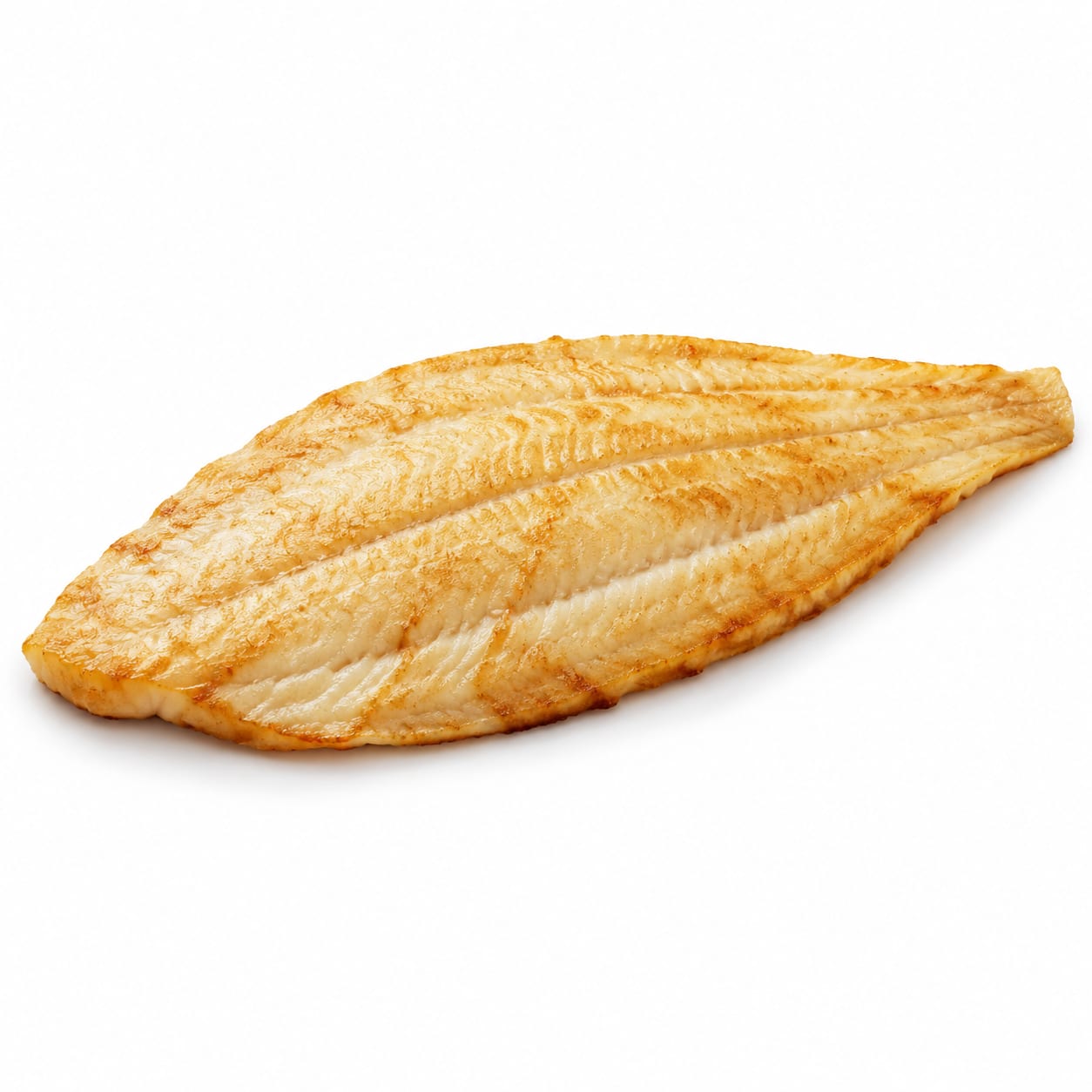
Sole
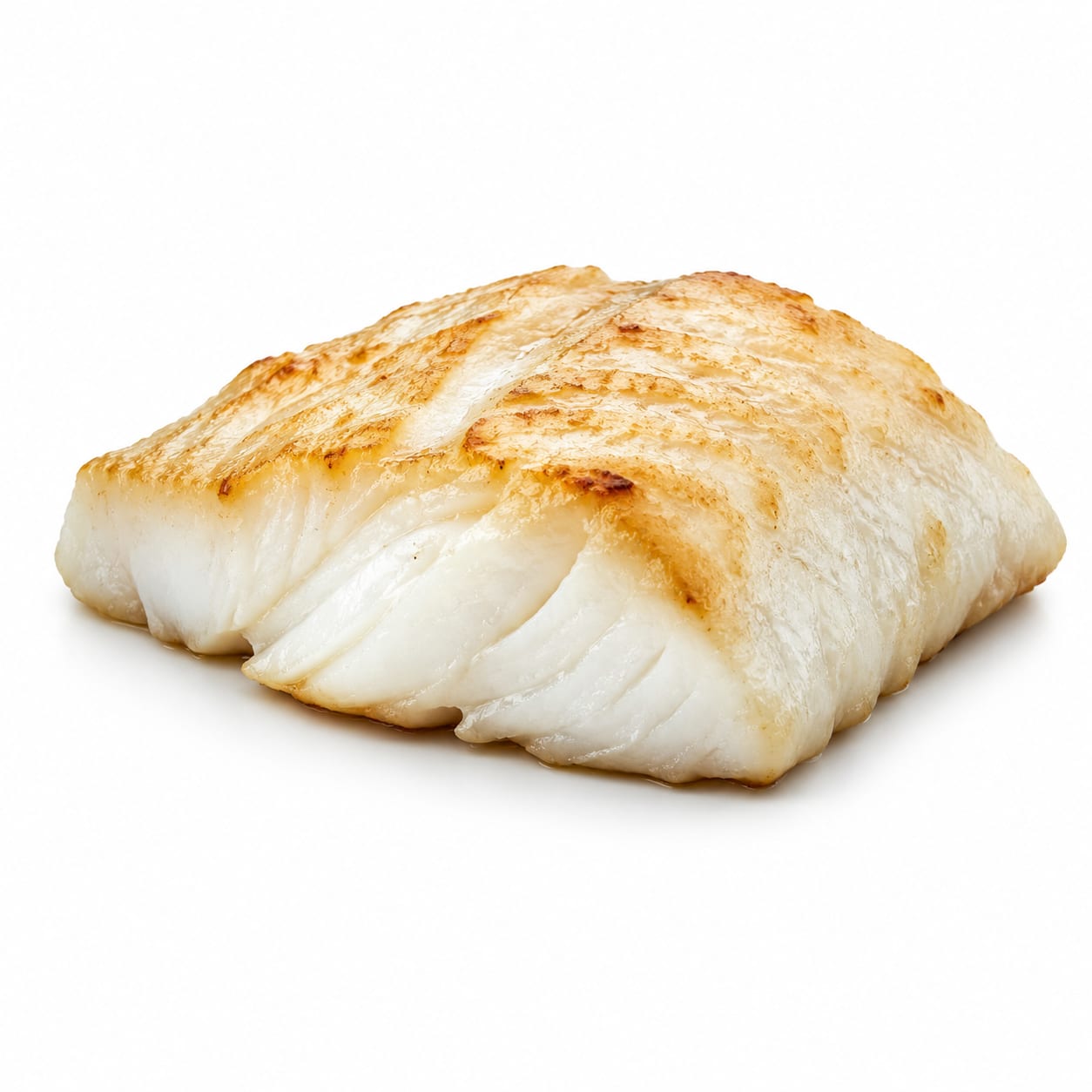
Haddock
Haddock offers slightly better nutrition and everyday cooking versatility, while Sole provides a more delicate, refined eating experience.
Haddock scores slightly higher due to better nutritional density and cooking versatility, though Sole remains an excellent choice for specific culinary needs.
Everyday practicality and slightly higher nutrients versus elegant texture and ultimate mercury safety.
At a glance
Executive summary
Overall
It depends
Healthier
Haddock
More practical
Haddock
Daily use
Haddock
Key comparison lenses
Lean protein source selection
Both are popular low-fat white fish primarily chosen for healthy, light meals.
Mercury and heavy metal safety
Consumers often compare white fish to ensure safe, low-mercury options for frequent consumption.
Culinary application and versatility
Texture and flavor differences heavily dictate which fish works best for specific recipes.
Best choice for
Sole
- Elegant dinner parties
- Delicate French preparations like meunière
- Those who find most fish too strong
Haddock
- Hearty fish chowders
- Family fish and chips night
- Everyday meal prep
Least suitable for
Sole
- Heavy stews or chowders
- Budget-friendly bulk cooking
Haddock
- Very delicate sauces where a fine firm texture is paramount
Deep comparison
Dimension by dimension
Each lens scores both foods and breaks down who each option suits.
- Dimension 1 · Priority 90Haddock
Protein & Satiety
Sole · 78Haddock · 85Haddock provides a bit more protein per serving, making it slightly more filling.
Tradeoff
You get a modest protein boost with Haddock, though both are excellent lean sources.
Why it matters
Higher protein helps keep you full longer and supports muscle maintenance.
Real-world impact
A Haddock fillet will keep you satisfied a bit longer after dinner than a Sole fillet.
Sole
- Maximizing protein intake on a low-calorie diet
Worse for
Haddock
- Post-workout recovery
- Staying full until the next meal
Better for
- Dimension 2 · Priority 75Haddock
Omega-3 & Healthy Fats
Sole · 35Haddock · 45Neither is a significant source of omega-3s, but Haddock contains slightly more.
Tradeoff
Both are very lean, so you miss out on the heart-healthy fats found in salmon or mackerel.
Why it matters
Omega-3s are crucial for heart and brain health.
Real-world impact
You will still need to add healthy fats like olive oil to your meal regardless of which fish you choose.
Sole
- Getting adequate omega-3s from fish alone
Worse for
Haddock
- Slightly better heart health support
Better for
- Dimension 3 · Priority 95Sole
Mercury & Contaminant Safety
Sole · 96Haddock · 90Both are very low in mercury, but Sole ranks among the safest fish you can eat.
Tradeoff
Sole gives you ultimate peace of mind on heavy metals, though Haddock is still considered a low-mercury choice.
Why it matters
Frequent fish eaters need to manage cumulative mercury exposure.
Real-world impact
Pregnant women and children can safely eat Sole multiple times a week with zero concern.
Sole
- Pregnant women
- Very frequent fish consumers
Better for
Haddock
- Those strictly minimizing any heavy metal exposure
Worse for
- Dimension 4 · Priority 85Haddock
Culinary Versatility & Practicality
Sole · 65Haddock · 88Haddock is a workhorse in the kitchen, while Sole requires more delicate handling.
Tradeoff
Sole can fall apart in soups or heavy sauces, whereas Haddock holds up beautifully.
Why it matters
A forgiving fish makes weeknight cooking much less stressful.
Real-world impact
Haddock is perfect for tossing into a chowder or baking with crumbs; Sole is best pan-fried carefully.
Sole
- Stews
- Frying
- Rustic preparations
Worse for
Haddock
- Fish chowders
- Baked casseroles
- Beginner cooks
Better for
- Dimension 5 · Priority 80It depends
Flavor & Texture
Sole · 88Haddock · 82Sole offers a refined, firm, and sweet bite, while Haddock is flakier and more traditionally 'fishy'.
Tradeoff
Sole feels like a fine-dining experience, while Haddock feels like comforting home cooking.
Why it matters
Enjoyment dictates whether you will actually stick to eating fish regularly.
Real-world impact
Choose Sole to impress a date; choose Haddock for a cozy Friday dinner.
Sole
- Elegant plating
- Mild flavor seekers
Better for
Haddock
- Classic comfort meals
- Those who enjoy flaky textures
Better for
Timeline
Health impact over time
Short-term
Hours to days
Sole
- Light, easily digestible meal
- Very low risk of digestive discomfort
Haddock
- Satisfying lean protein hit
- Gentle on the stomach
Long-term
Months to years
Sole
- Excellent for maintaining low mercury load
- Supports lean body mass
Haddock
- Slightly better for cardiovascular maintenance
- Sustainable low-calorie protein source
Risk profile
Safety & processing
Both Sole and Haddock are typically sold as fresh or frozen whole fillets with no additives, making them incredibly clean whole foods.
Sole
Bottom-dweller contaminants
lowSole feeds near the ocean floor, which can mean slightly higher exposure to localized pollutants, though still well within safe limits.
Haddock
Parasites
lowLike all wild white fish, Haddock can carry parasites, which are easily killed by proper cooking or freezing.
Who wins for whom
Audience fit
Same foods, different winners depending on your goal.
children
HaddockHaddock's flaky texture and slightly sweeter taste often appeal more to kids, and it is easier to prepare in kid-friendly ways.
daily consumption
HaddockHaddock is more versatile for everyday recipes and still very low in mercury.
diabetes
It dependsBoth have zero carbs and will not spike blood sugar.
elderly
SoleSole is extremely tender and easy to chew, and its ultra-low mercury profile is ideal for older adults.
muscle gain
HaddockHaddock has slightly more protein per serving to support muscle repair.
weight loss
It dependsBoth are extremely low in calories and fat, making them equally great for weight loss.
Your move
Decision guide
Choose Sole
- You are cooking a romantic or elegant dinner
- You want the absolute lowest mercury fish possible
- You prefer a firm, sweet, and delicate fillet
Choose Haddock
- You are making chowder, fish pie, or baking a casserole
- You want the most protein per calorie
- You need a forgiving fish for weeknight cooking
Either works if
- You just need a low-calorie, zero-carb protein source
- You plan to pan-fry with a simple sauce
Avoid both if
- You are specifically trying to boost your omega-3 intake significantly
Final recommendation
Let your recipe drive your choice: grab Haddock for hearty, comforting meals and everyday versatility, and choose Sole when you want something delicate, refined, and incredibly mild.
Practical
Consumer tips
- 1
If buying frozen Haddock, look for 'flash frozen at sea' for the best texture.
- 2
Sole fillets are thin and cook very quickly—avoid overcooking or they become dry.
- 3
Since both are low in fat, add a drizzle of olive oil or a side of avocado to make the meal more satisfying.
- 4
Check seafood watch guides for the most sustainable options, as both have well-managed and overfished populations depending on the catch method.