
Nutrition comparison
Sole vs Chicken Breast: Which Lean Protein Is Better?
Compare sole and chicken breast for protein, weight loss, and meal prep. Discover the nutritional tradeoffs between this light fish and poultry staple.
Overall winner · Chicken Breast
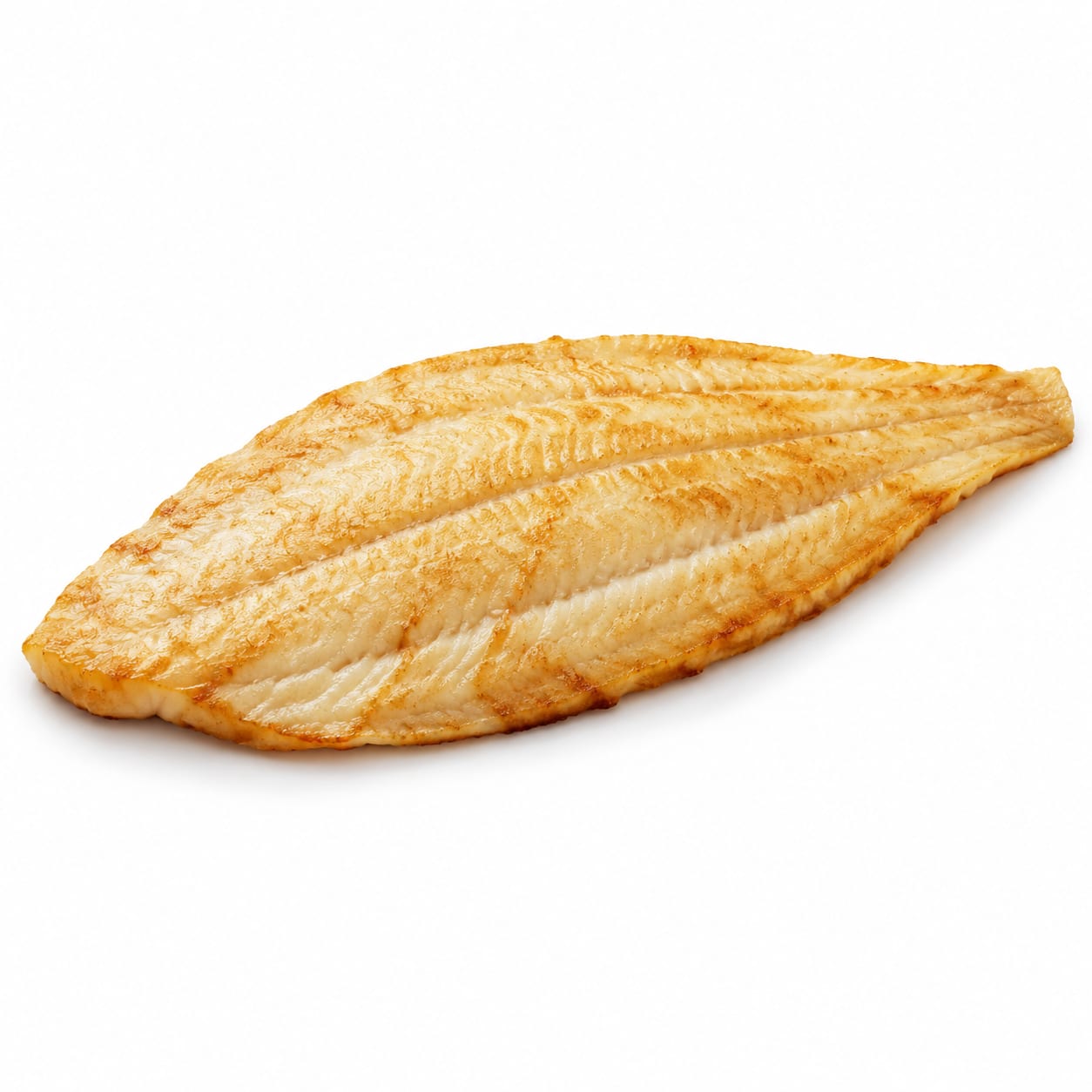
Sole
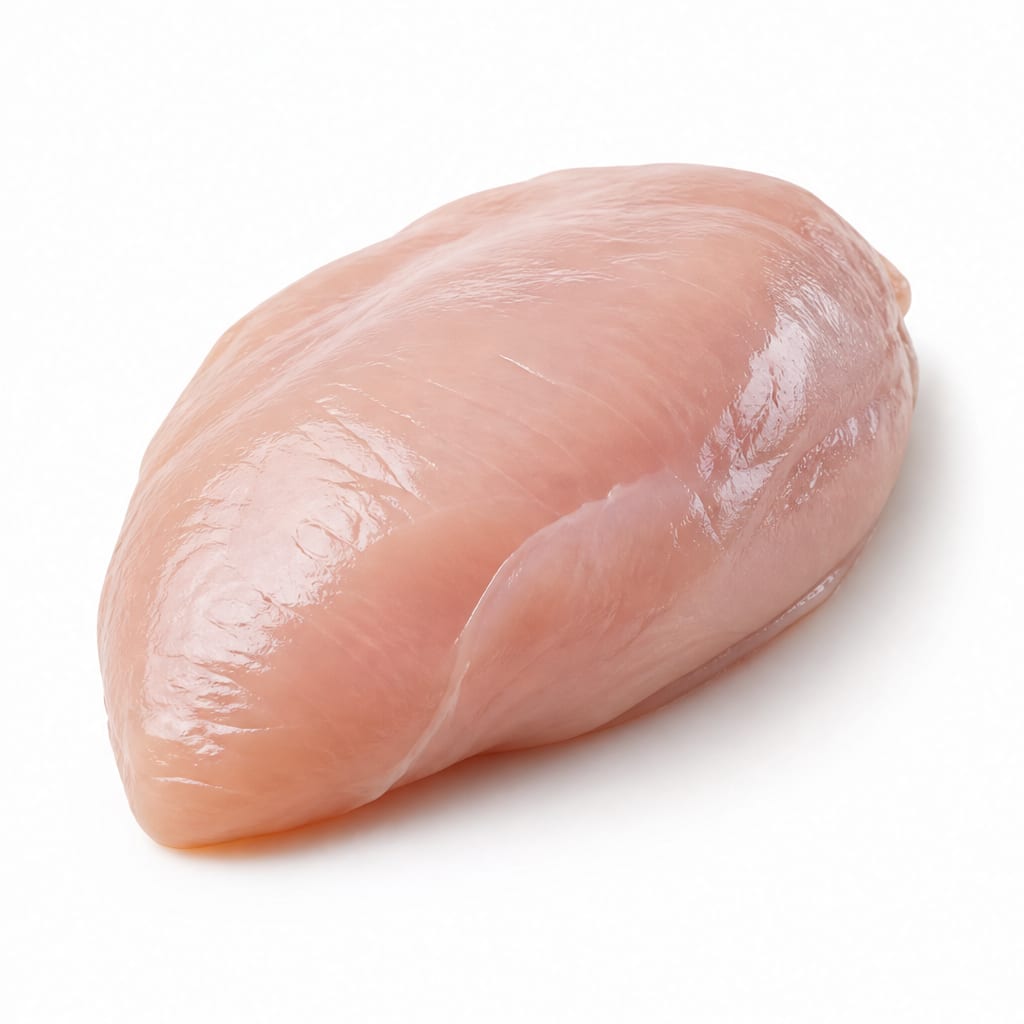
Chicken Breast
Chicken breast delivers more protein and meal-prep versatility, while sole offers a lighter, more delicate alternative with marine nutrients.
Chicken breast scores higher due to superior protein density, affordability, and meal-prep practicality, though sole remains an excellent low-calorie fish for lighter meals.
Maximum protein and convenience versus delicate texture and easier digestion.
At a glance
Executive summary
Overall
Chicken Breast
Healthier
It depends
More practical
Chicken Breast
Daily use
Chicken Breast
Key comparison lenses
Lean protein source selection
Both are top-tier low-fat proteins, but users need to know which fits their macro goals better.
Weight loss diet optimization
Calorie efficiency and satiety are critical when cutting, and these foods behave very differently in the stomach.
Meal prep practicality
Chicken is a staple for batch cooking, while sole is delicate and less forgiving, impacting weekly routines.
Seafood vs poultry safety tradeoffs
Marine contaminants versus agricultural antibiotics are distinct concerns that influence long-term health.
Best choice for
Sole
- Light dinners where you don't want to feel stuffed
- Pescatarians avoiding poultry
- Those with delicate digestion or chewing difficulties
Chicken Breast
- Muscle building and high-protein diets
- Affordable weekly meal prepping
- Staying full on a calorie deficit
Least suitable for
Sole
- Heavy muscle gain phases requiring high protein
- Budget-conscious bulk cooking
Chicken Breast
- Pescatarian diets
- Those who find poultry difficult to digest
Deep comparison
Dimension by dimension
Each lens scores both foods and breaks down who each option suits.
- Dimension 1 · Priority 95Chicken Breast
Protein Density & Satiety
Sole · 65Chicken Breast · 92Chicken breast packs significantly more protein per serving, keeping you fuller for much longer.
Tradeoff
You get less protein with sole, but it feels much lighter in the stomach.
Why it matters
Higher protein intake supports muscle maintenance and drastically reduces between-meal snacking.
Real-world impact
A chicken breast dinner will likely keep you full until breakfast; a sole dinner might leave you reaching for a late-night snack.
Sole
- Light meals where you don't want to feel bloated
Better for
- Recovering from heavy training
- Getting enough protein on low calories
Worse for
Chicken Breast
- Post-workout recovery
- Staying full on a cut
Better for
- Eating right before bed if you dislike heavy digestion
Worse for
- Dimension 2 · Priority 80It depends
Calorie Efficiency & Leanness
Sole · 88Chicken Breast · 85Both are incredibly lean, but sole has slightly fewer calories per ounce due to its lower protein density and higher water content.
Tradeoff
Sole saves a few calories but sacrifices the protein punch that makes chicken so metabolically efficient.
Why it matters
When cutting calories, every bite needs to work hard; chicken does more nutritional work per calorie.
Real-world impact
You can eat a slightly larger portion of sole for the same calories, but you will get less satiating protein.
Sole
- Very low-calorie diet phases
- Delicate appetites
Better for
- Those needing high protein without volume
Worse for
Chicken Breast
- Body recomposition
- Flexible dieting
Better for
- Strict portion control where every gram counts
Worse for
- Dimension 3 · Priority 75It depends
Food Safety & Contaminants
Sole · 70Chicken Breast · 75Sole carries ocean-borne contaminants and microplastics, while chicken breast carries poultry bacteria and antibiotic risks.
Tradeoff
Marine pollutants versus agricultural antibiotic and bacteria risks.
Why it matters
Long-term exposure to either class of contaminants can impact hormonal and gut health.
Real-world impact
Sole requires trust in seafood sourcing; chicken requires safe handling and thorough cooking to avoid illness.
Sole
- Avoiding poultry salmonella
- Sourcing from clean fisheries
Better for
- Frequent consumption by vulnerable populations
- Unknown sourcing
Worse for
Chicken Breast
- Avoiding heavy metals
- Reliable local farming access
Better for
- Poor kitchen hygiene
- Concern over farming practices
Worse for
- Dimension 4 · Priority 85Chicken Breast
Culinary Versatility & Practicality
Sole · 55Chicken Breast · 90Chicken breast is a meal-prep champion that takes to almost any flavor, while sole is fragile and easily overcooked.
Tradeoff
Rugged versatility versus delicate, quick-cooking elegance.
Why it matters
Food that is easier to cook well gets eaten more often and with less stress.
Real-world impact
Chicken survives a week in the fridge and reheats well; sole is best eaten fresh and carefully watched.
Sole
- Quick 10-minute weeknight dinners
- Elegant date-night meals
Better for
- Microwave reheating
- Heavy sauces
Worse for
Chicken Breast
- Batch cooking
- Grilling
- Leftovers
Better for
- When you need a meal in under 5 minutes
Worse for
- Dimension 5 · Priority 70Sole
Heart & Inflammatory Profile
Sole · 82Chicken Breast · 75Despite being very lean, sole provides slightly more anti-inflammatory marine fats compared to chicken's land-based fat profile.
Tradeoff
Trace amounts of omega-3s in sole versus higher arachidonic acid in chicken.
Why it matters
Even small shifts toward anti-inflammatory fats benefit long-term cardiovascular health.
Real-world impact
Choosing sole a few times a week instead of chicken gives your heart a slight edge, though both are far better than red meat.
Sole
- Heart-conscious eaters
- Reducing systemic inflammation
Better for
- Those seeking high-dose omega-3s (salmon is better)
Worse for
Chicken Breast
- Those already taking omega-3 supplements
- General maintenance
Better for
- Pro-inflammatory diets lacking fish
Worse for
Timeline
Health impact over time
Short-term
Hours to days
Sole
- Light, non-bloated feeling after eating
- Quick digestion
Chicken Breast
- Strong satiety and fullness
- Steady energy without blood sugar spikes
Long-term
Months to years
Sole
- Supports heart health via lean marine diet
- Low cumulative saturated fat intake
Chicken Breast
- Preserves muscle mass effectively
- Supports metabolic rate through high protein
Risk profile
Safety & processing
Both foods are typically sold as raw, single-ingredient proteins with minimal processing, making them clean dietary staples.
Sole
Microplastics and ocean pollutants
mediumBottom-dwelling fish can accumulate pollutants, though sole is generally lower risk than large predatory fish.
Seafood fraud
mediumSole is sometimes substituted with cheaper, less sustainable flatfish like tilapia.
Chicken Breast
Salmonella and bacterial contamination
mediumRaw poultry requires strict kitchen hygiene to prevent cross-contamination.
Antibiotic residues
lowConventional chicken may carry traces of antibiotics, though regulations have tightened; choosing organic reduces this risk.
Who wins for whom
Audience fit
Same foods, different winners depending on your goal.
children
Chicken BreastChicken is safer for frequent consumption and less likely to carry ocean pollutants critical to developing bodies.
daily consumption
Chicken BreastChicken breast is more affordable, versatile, and easier to integrate into a daily meal prep routine.
diabetes
It dependsBoth have zero carbs and minimal fat, but chicken's higher protein provides steadier blood sugar support over longer periods.
elderly
SoleSole's softer texture is easier to chew and gentler on aging digestive systems.
muscle gain
Chicken BreastMore protein per serving makes chicken breast far more efficient for building and repairing muscle.
weight loss
Chicken BreastChicken breast's higher protein content preserves muscle and controls hunger better on a calorie deficit.
Your move
Decision guide
Choose Sole
- You want a delicate, elegant dinner without feeling stuffed
- You prefer lighter proteins that digest quickly before bed
- You are pescatarian or actively reducing poultry intake
Choose Chicken Breast
- You need high protein for fitness or satiety
- You are batch cooking for the week
- You want the most protein per dollar
Either works if
- You need a low-calorie, zero-carb protein source
- You are bored of your current lean protein rotation
Avoid both if
- You are on a high-fat, low-protein ketogenic diet
- You have specific allergies to fish or poultry
Final recommendation
Rely on chicken breast as your daily protein workhorse for its filling power and meal-prep ease, but rotate in sole when you crave a lighter, more refined meal that digests easily.
Practical
Consumer tips
- 1
Pat sole dry before cooking to get a better sear without overcooking it.
- 2
Pound chicken breast to an even thickness so it cooks uniformly without drying out.
- 3
Buy frozen sole fillets to reduce the risk of seafood spoilage and waste.
- 4
Choose organic or antibiotic-free chicken to minimize agricultural residue concerns.