
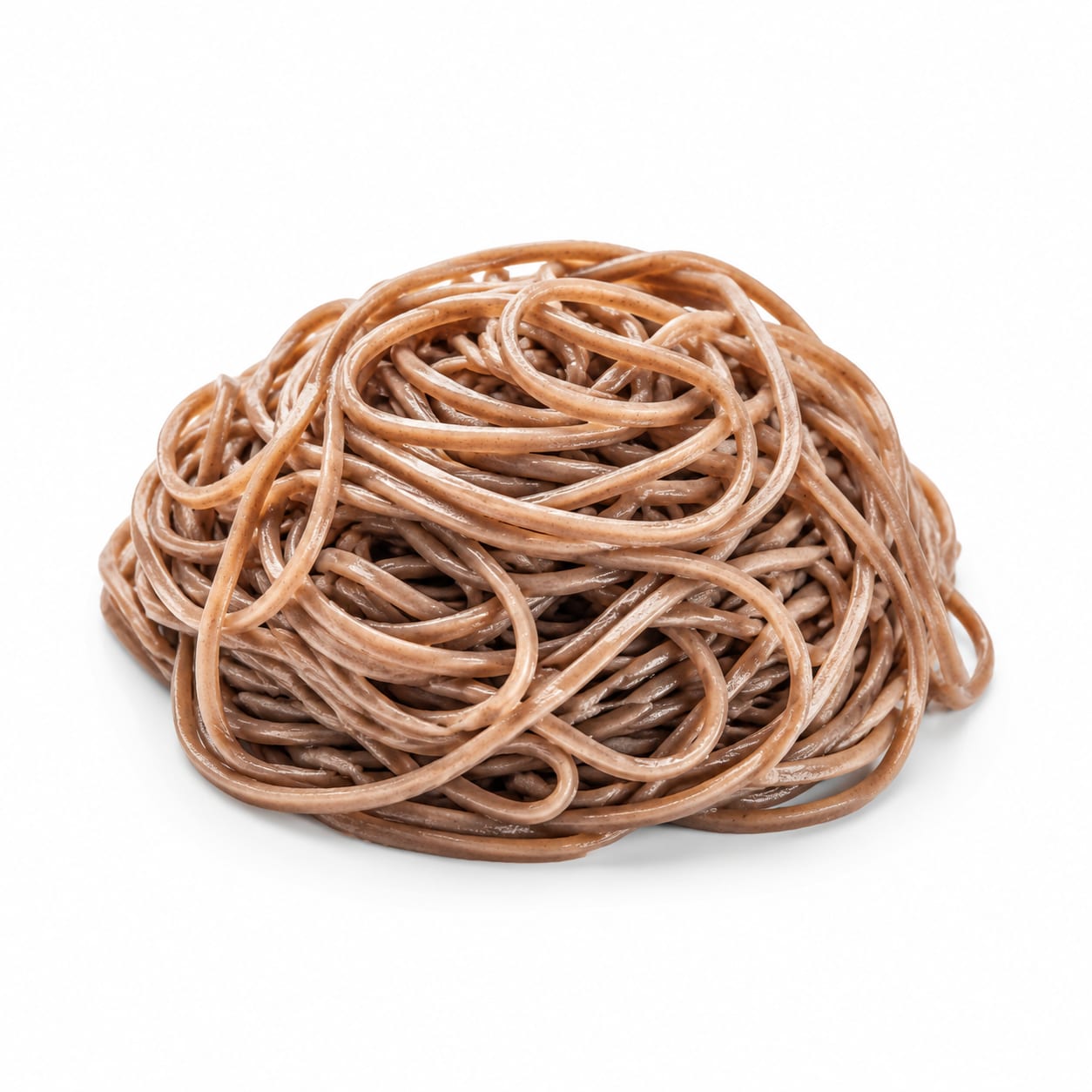
Noodles
Soba
Japanese noodles made from buckwheat flour, offering more protein and fiber than standard white flour noodles.
Traditional Japanese noodles made primarily from buckwheat flour, known for their nutty flavor and firm texture, often served chilled with a dipping sauce or in hot broth.
moderate-glycemic buckwheat noodle
Typical serving · 150g
Common varieties · juwari soba (100% buckwheat), ni-hachi soba (80% buckwheat, 20% wheat), cha soba (green tea infused), yamaimo soba (with Japanese yam)
Overall context score across nutrition, safety, and diet fit
At a glance
Quick facts
Simple indicators based on nutrition, processing, and diet fit.
The story
What makes it unique
Soba noodles provide a moderate glycemic carbohydrate source with a notable protein content compared to standard wheat pasta. Digestion speed is moderate, slowed slightly by buckwheat's resistant starch and fiber. Satiety is enhanced by the protein and fiber synergy. Processing involves milling buckwheat into flour and extruding, which reduces some micronutrient density but retains beneficial flavonoids like rutin.
Varieties: juwari soba (100% buckwheat) · ni-hachi soba (80% buckwheat, 20% wheat) · cha soba (green tea infused) · yamaimo soba (with Japanese yam)
Per 100g
Nutrition breakdown
Macro balance and key metrics at a glance.
Energy
Density 0.99 kcal/g
Protein
Carbs
Fat
Fiber
Sugar
0 g
Sodium
1 mg
Potassium
35 mg
Glycemic index
59
Glycemic load
12
Water content
72%
Standout compounds
Nutrient highlights
Manganese
moderatesupports metabolism and bone health
Rutin
highimproves blood flow and strengthens blood vessels
Protein
moderateaids in muscle repair and satiety
Thiamin
moderatesupports energy metabolism
Wellness map
Health scores & processing
NOVA processing scale
moderate · Whole food
Dried soba is made by mixing buckwheat and wheat flours with water, extruding into noodles, and drying. It contains minimal ingredients but undergoes industrial milling and extrusion.
Diet compatibility
- Weight loss
- Muscle gain
- Diabetes
- Gut health
- Low carb
- High protein
- Heart health
Relative standing
Food rankings
Qualitative ranks compared to similar whole foods.
- Satietygood
- Blood sugargood
- Nutrient densitymoderate
- Fitness fuelgood
- Processing qualitygood
Eat with confidence
Food safety profile
Soba is generally safe, but individuals with celiac disease or gluten intolerance must seek out 100% buckwheat soba to avoid wheat. Buckwheet allergies are also possible in some individuals.
Evidence confidence 90%
- Pesticideslow
- Antibioticslow
- Heavy metalslow
- Contaminationlow
Watch for
- buckwheat allergens
- hidden gluten
Safer choices
100% buckwheat soba certified gluten-free
Prep tips
Rinse cooked soba under cold water to remove excess surface starch, which improves texture and digestibility.
Labeling accuracy regarding gluten-free claims, as many soba varieties contain wheat.
Deep dive
Health analysis
How this food may fit different goals and preparation choices.
Weight loss
Moderate calorie density and higher protein content than white pasta promote satiety, but portion control is still necessary due to carbohydrate density.
Blood sugar
Buckwheat has a lower glycemic index than refined wheat, resulting in a more gradual blood sugar rise, though large portions can still spike glucose.
Fitness & energy
Provides easily digestible carbohydrates for pre-workout energy or post-workout glycogen replenishment without excessive heaviness.
Gut health
Contains resistant starch and fiber that feed beneficial gut bacteria, though overall fiber content is lower than whole grains in their un-milled form.
Processing quality
Minimally processed dried soba contains just flour and water, but fresh soba may contain added salts or preservatives.
Food safety
Primary concern is wheat cross-contamination for gluten-sensitive individuals; otherwise, it is a safe, low-risk food.
Common mistakes
Assuming all soba is gluten-free, and consuming it in large sugary or high-sodium broths that negate its blood sugar and heart benefits.
Best preparation
Boil in ample water, rinse well to remove starch, and serve in a light dashi broth or chilled with a low-sodium dipping sauce.
Practical guide
Best use cases
When and how this food fits real eating patterns.
pre-workout carb loading
Provides easily digestible carbohydrates for sustained energy without digestive discomfort during exercise.
light post-workout recovery
Offers a moderate protein and carb combination to replenish glycogen stores efficiently.
cold summer noodle salad
Chilled soba holds its texture well and absorbs light dressings, making it ideal for refreshing meals.
gluten-free alternative
100% buckwheat soba serves as a nutritious gluten-free substitute for wheat pasta in various dishes.
Balance sheet
Pros & cons
Upsides
- Lower glycemic index than white pasta
- Contains beneficial rutin for cardiovascular health
- Higher protein content than standard wheat noodles
- Quick to cook and versatile for hot or cold dishes
- Naturally wheat-free if 100% buckwheat
Trade-offs
- Most commercial varieties contain added wheat flour
- Not suitable for strict low-carb or keto diets
- Traditional dipping sauces are very high in sodium
- Lower fiber content compared to whole grains like quinoa or brown rice
- Buckwheat is a common allergen for some individuals
Fit check
Who is it for?
Great match
- moderate-carb balanced diets
- pre-workout energy
- heart-healthy eating patterns
- gluten-sensitive individuals (100% buckwheat only)
Consider alternatives
- strict ketogenic diets
- high-protein muscle-building phases
- very low-sodium diets (due to typical broths)
- those with severe buckwheat allergies
Side by side
How it compares
Open the full head-to-head analysis for nutrition, safety, and practical tradeoffs.
This food
Soba
VS85% alike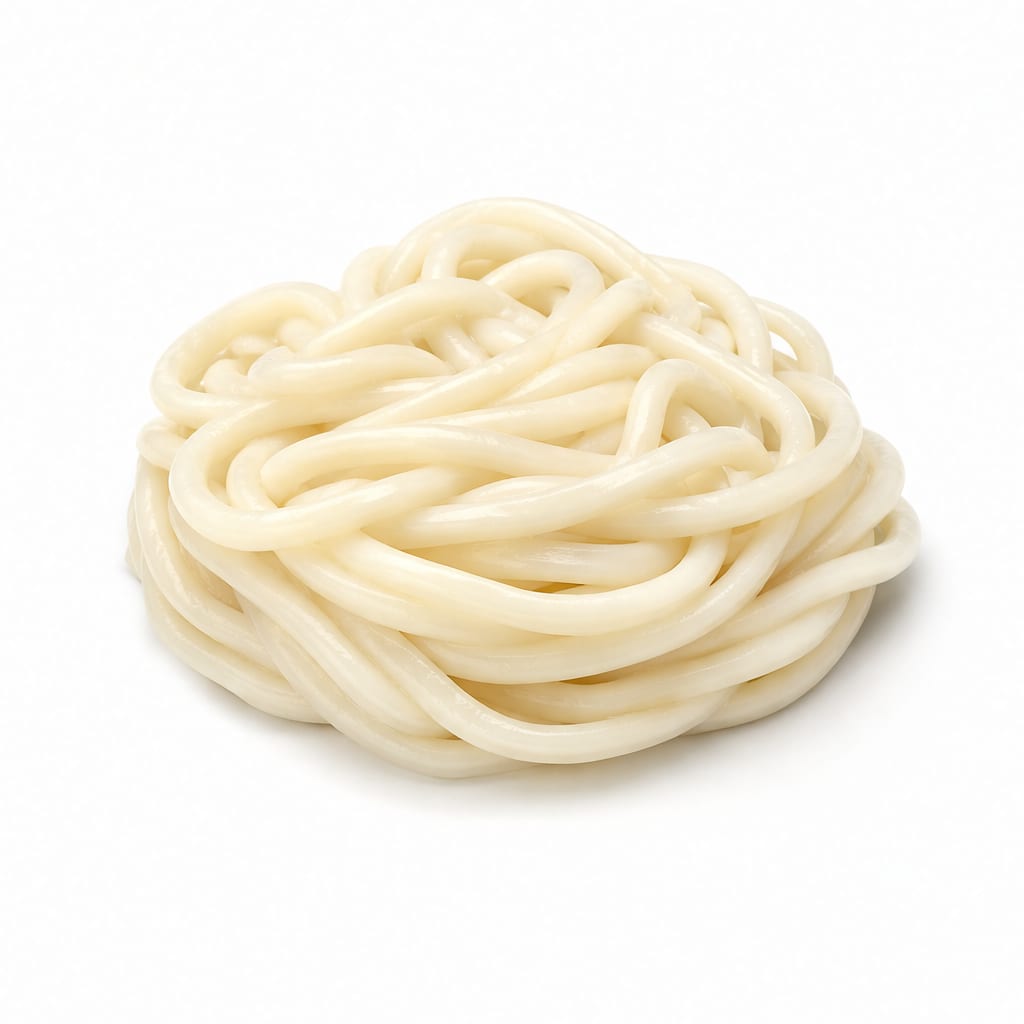
Compare with
Udon Noodles
Soba provides more protein and a lower glycemic index, while udon offers a chewier texture and milder flavor.
Soba noodles are better for blood sugar control and weight loss due to buckwheat, while udon is a simpler white wheat noodle.
This food
Soba
VS80% alike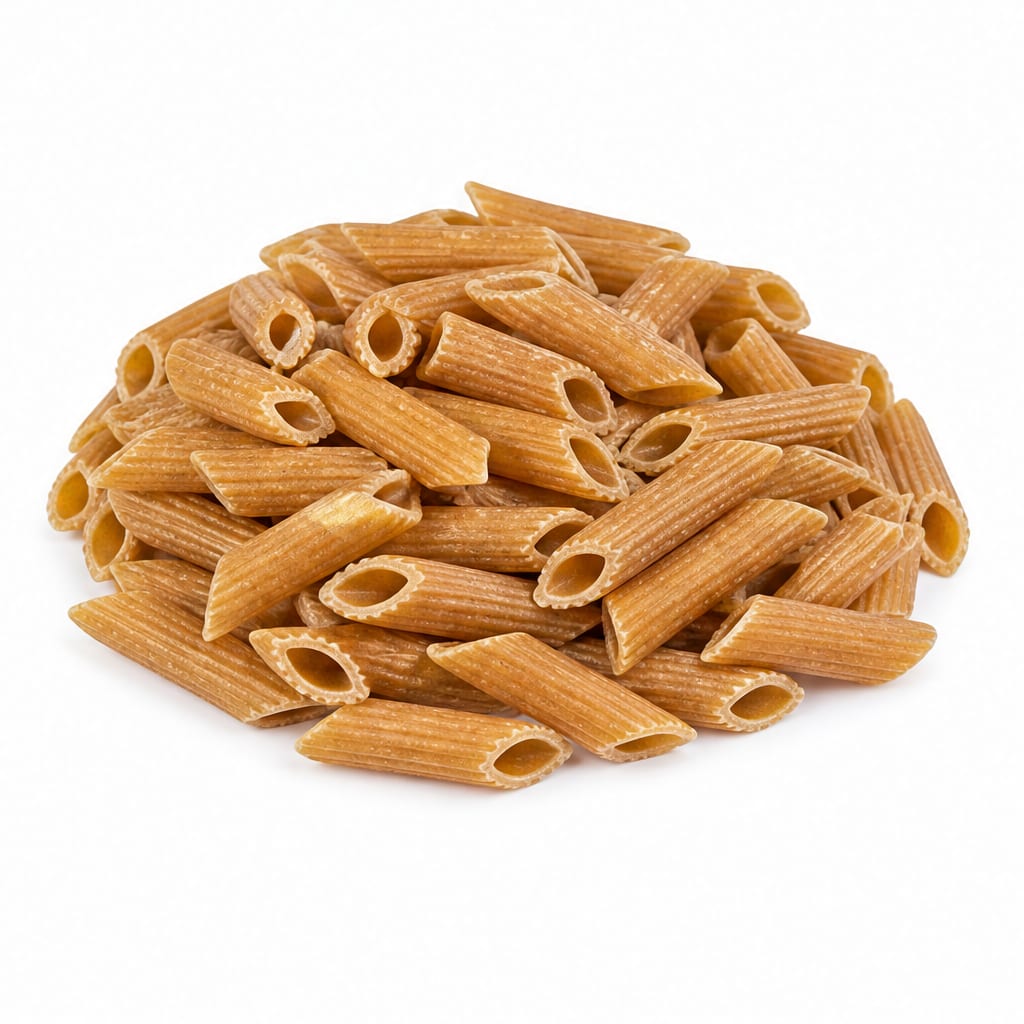
Compare with
Whole Wheat Pasta
Whole wheat pasta offers more fiber, but soba provides unique antioxidants like rutin and fewer calories.
Soba is lower in calories and better for blood sugar, while whole wheat pasta is higher in fiber and keeps you full longer.
This food
Soba
VS75% alike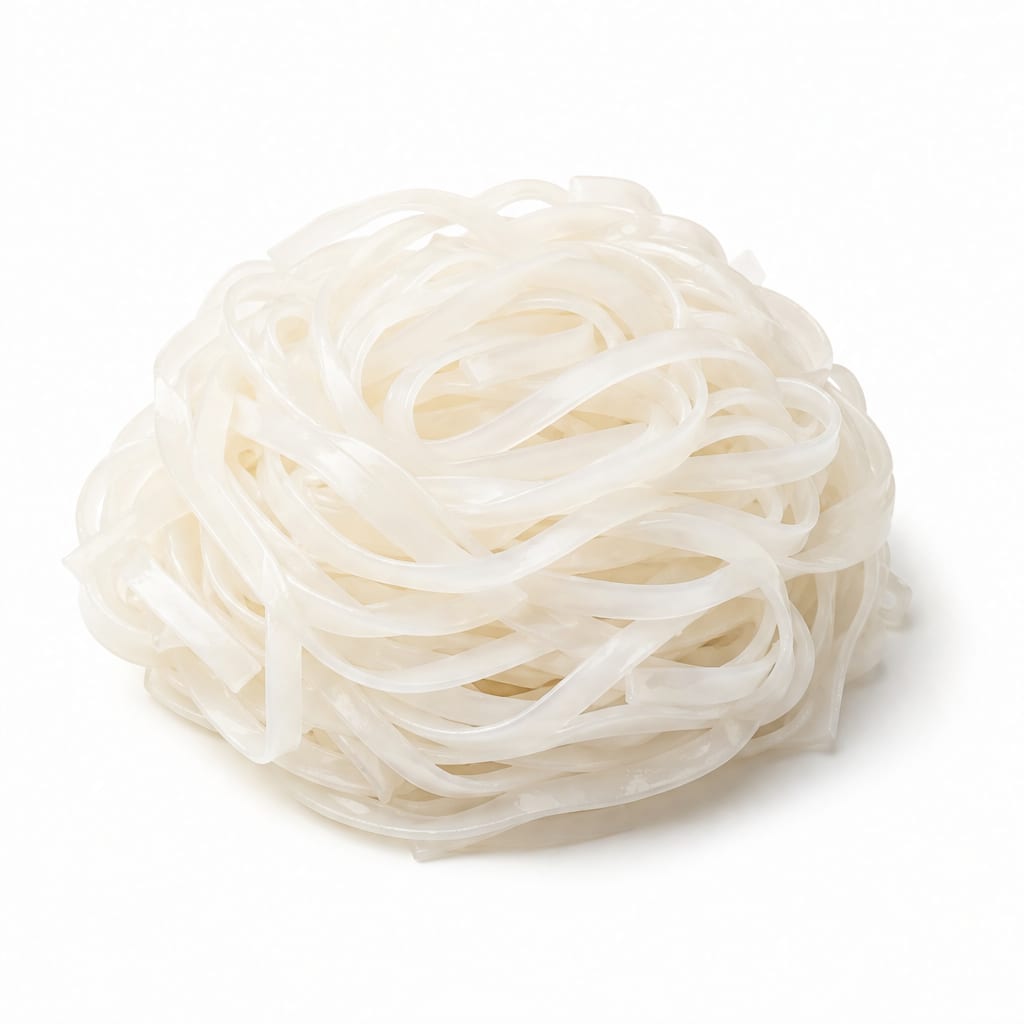
Compare with
Rice Noodles
Soba has more protein and a lower glycemic impact, whereas rice noodles are naturally gluten-free and milder in taste.
Soba beats rice noodles for protein and blood sugar control, but rice noodles are a safer choice for strict gluten-free diets.
This food
Soba
VS70% alike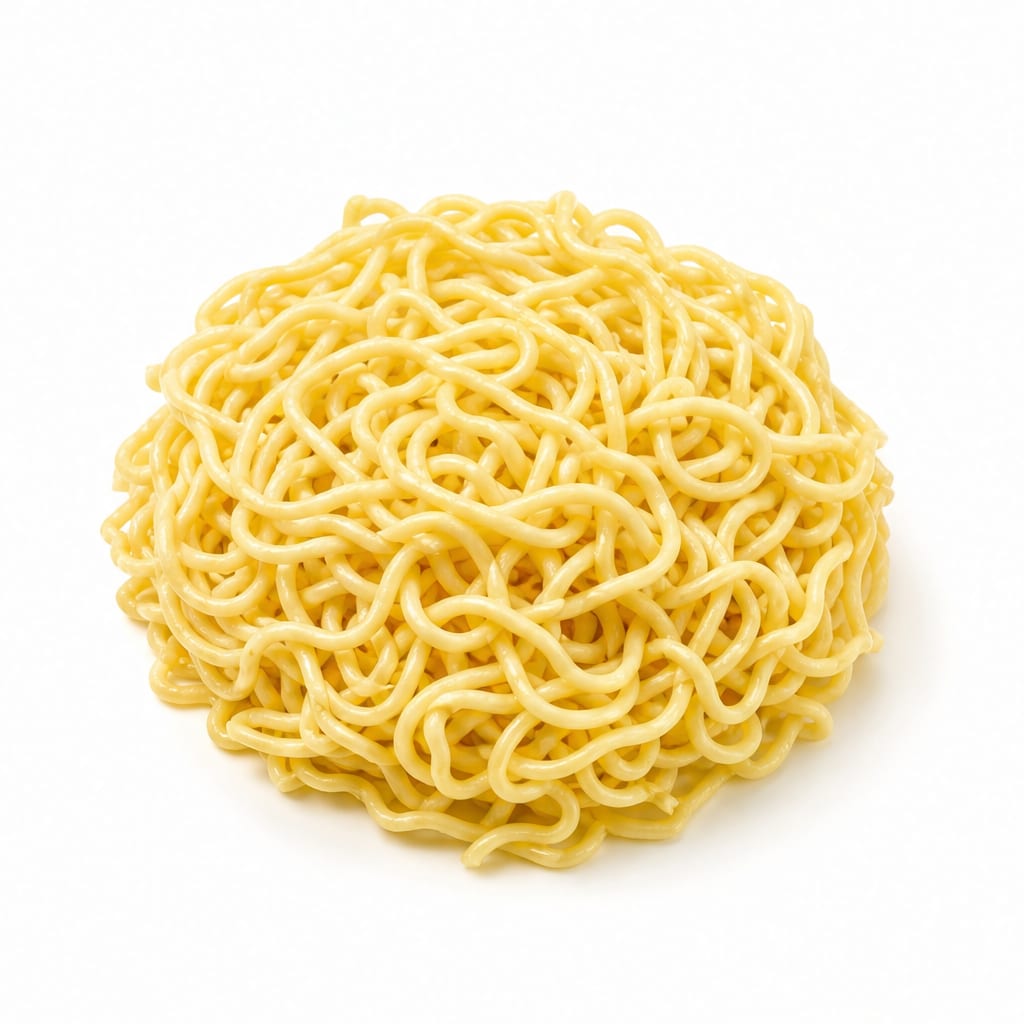
Compare with
Ramen Noodles
Soba is significantly lower in fat, calories, and sodium (excluding broth), and is far less processed than instant ramen.
Soba is much healthier than instant ramen, offering lower calories and more protein without the deep-frying and high sodium.
This food
Soba
VS60% alike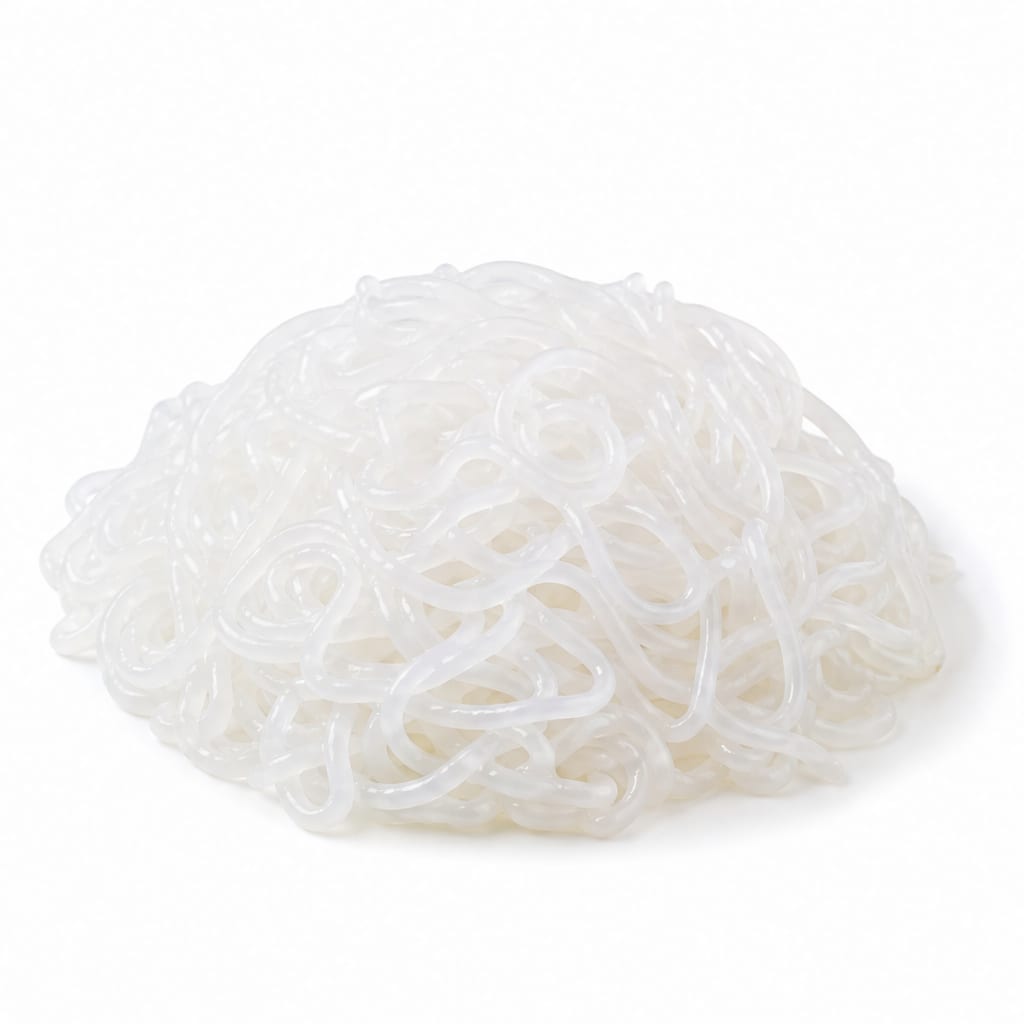
Compare with
Shirataki Noodles
Shirataki is virtually zero calories and carbs, while soba provides actual energy, protein, and nutrients for active individuals.
Shirataki noodles are better for zero-carb diets, while soba provides real energy and protein for workouts and daily activity.
This food
Soba
VS75% alike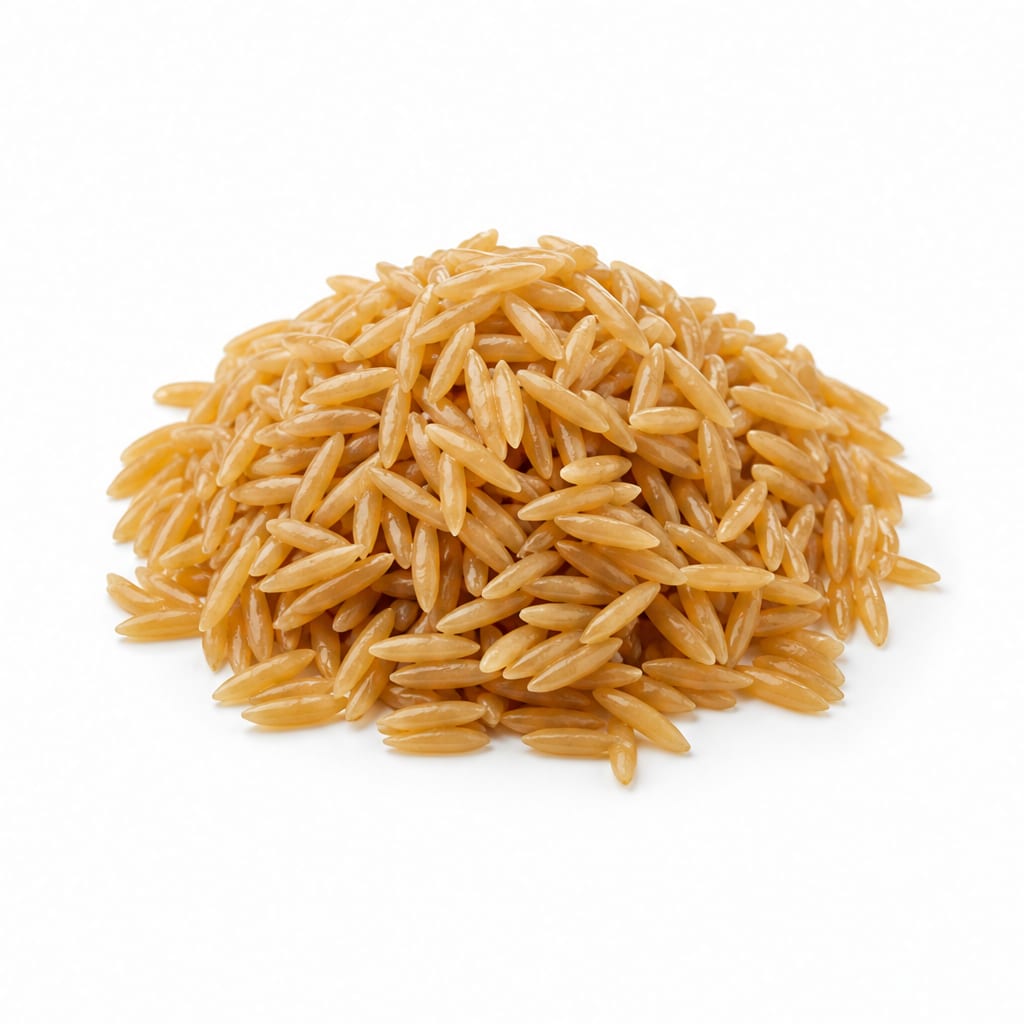
Compare with
Brown Rice Pasta
Brown rice pasta is higher in fiber, but soba offers more protein and a lower glycemic load.
Soba has more protein and a better glycemic profile, while brown rice pasta provides slightly more fiber and is reliably gluten-free.
This food
Soba
VS70% alike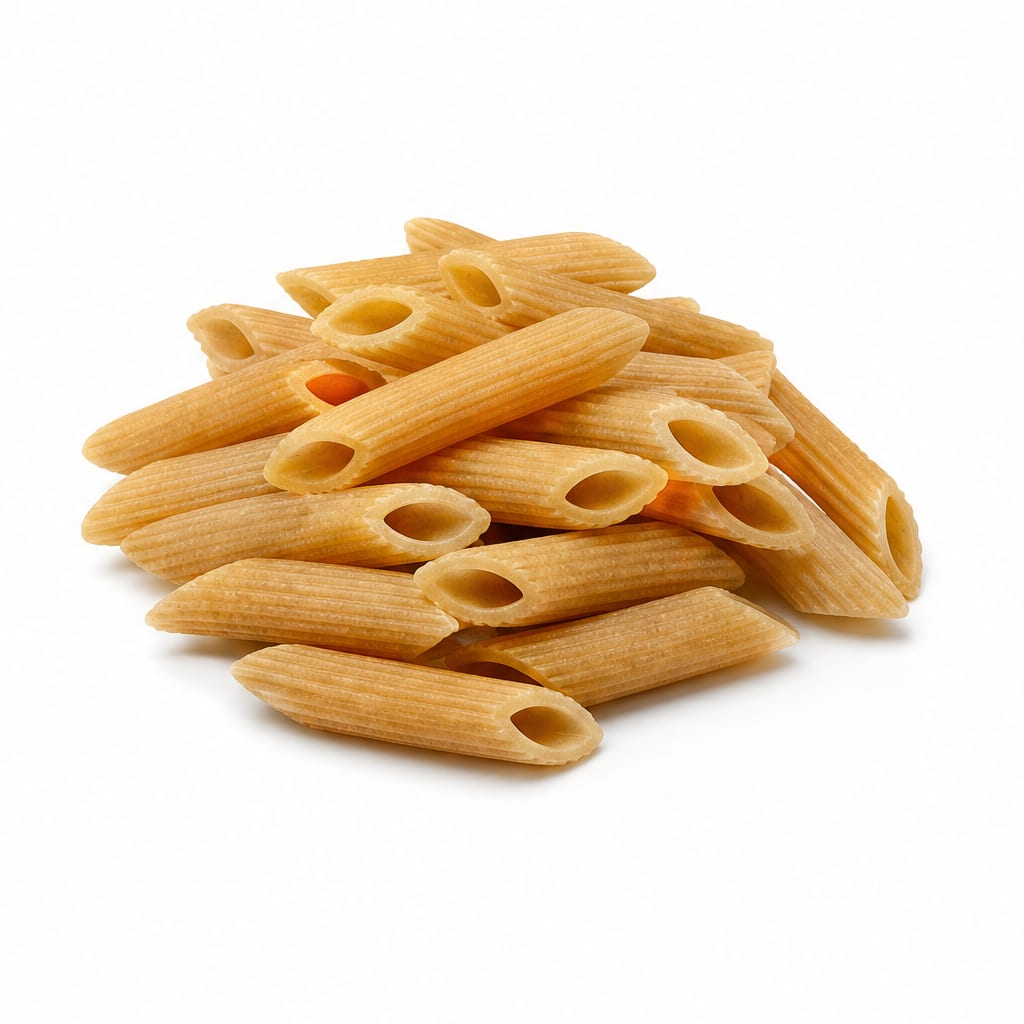
Compare with
Quinoa Pasta
Quinoa pasta is a complete protein, while soba offers fewer calories and beneficial antioxidants.
Quinoa pasta wins for complete protein and muscle building, while soba is lighter and better for calorie-controlled diets.
This food
Soba
VS50% alike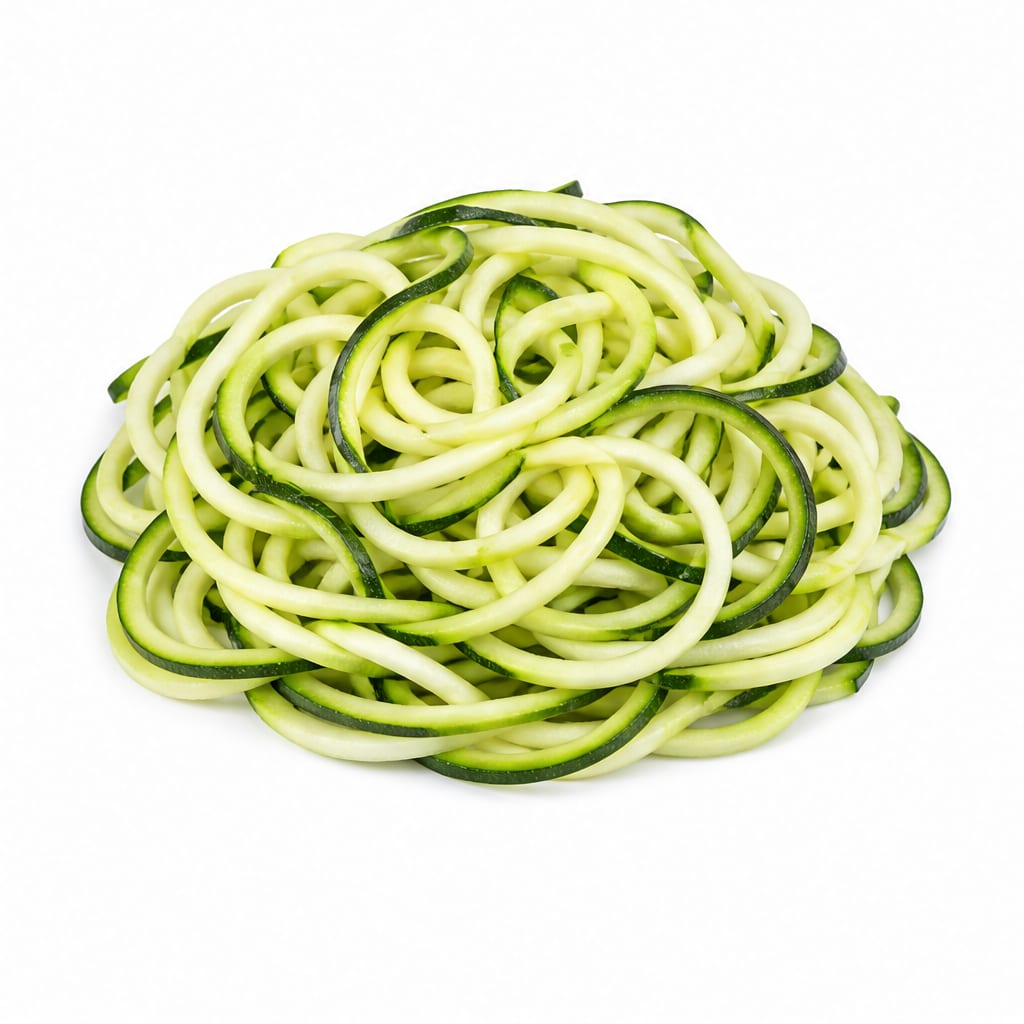
Compare with
Zucchini Noodles
Zucchini noodles are drastically lower in carbs and calories, while soba provides actual carbohydrate energy for fueling activity.
Zucchini noodles are best for strict low-carb diets, while soba is better for providing actual workout energy and satiety.
This food
Soba
VS65% alike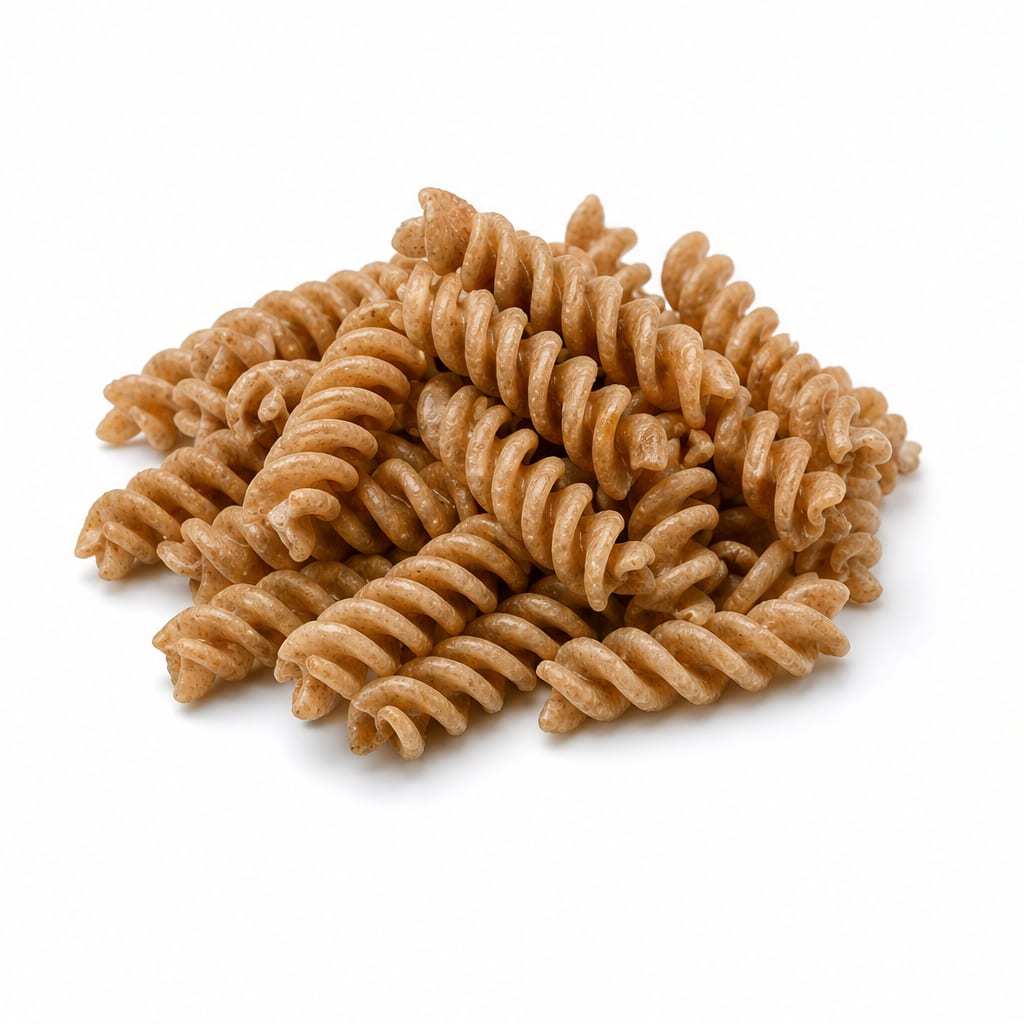
Compare with
Spelt Pasta
Spelt is higher in fiber and protein, but soba has a lower glycemic index and fewer calories per serving.
Soba is lighter and better for blood sugar, while spelt pasta provides more fiber and protein for sustained fullness.
This food
Soba
VS70% alike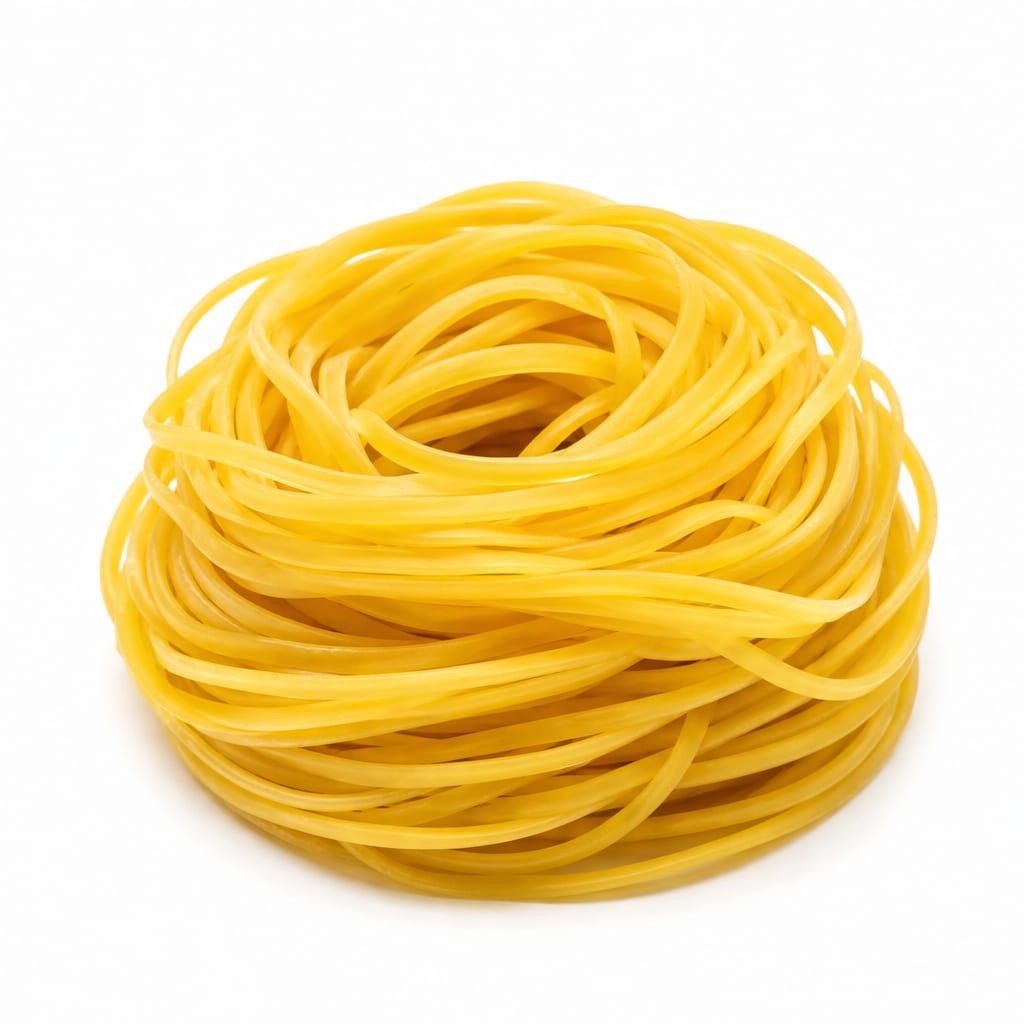
Compare with
Egg Noodles
Egg noodles are higher in protein and fat, while soba is lower in calories and offers complex carbohydrates from buckwheat.
Soba is lower in calories and better for blood sugar, while egg noodles offer more protein but with higher cholesterol and fat.
Common questions
FAQ
Answers aligned with how people search for this food.
Is soba healthier than pasta?
Soba is generally healthier than refined white pasta because it contains more protein, fewer calories per serving, and has a lower glycemic index due to the buckwheat content.
Are soba noodles gluten-free?
Only 100% buckwheat (juwari) soba is gluten-free. Most commercial soba noodles contain wheat flour to improve texture, so always check the label if you have celiac disease.
Can diabetics eat soba noodles?
Yes, in moderation. Buckwheat has a lower glycemic index than white flour, which helps prevent sharp blood sugar spikes, but portion control is still important.
Is soba good for weight loss?
Soba can support weight loss because it is lower in calories and more satiating than standard pasta, provided you watch your portion sizes and avoid high-calorie sauces.
How many carbs are in soba noodles?
A 100g serving of cooked soba noodles contains about 21 grams of carbohydrates, making it a moderate-carb food.
What does soba taste like?
Soba has a distinct earthy, nutty flavor derived from buckwheat, with a slightly firmer and chewier texture than wheat pasta.
Is soba a good pre-workout meal?
Yes, soba provides easily digestible carbohydrates for quick energy without weighing you down, making it a great pre-workout option.
Does soba have a lot of sodium?
Plain cooked soba noodles are very low in sodium, but the accompanying dipping sauces (tsuyu) and broths can be very high in sodium.
Transparency
Data confidence
Estimated confidence for nutrition data, interpretation, safety notes, and comparisons.
Nutrition data
Health analysis
Food safety
Comparisons