
Nutrition comparison
Soba vs Shirataki Noodles: Which Is Better for Weight Loss, Blood Sugar, and Satiety?
Compare Soba and Shirataki noodles on calories, nutrition, blood sugar impact, and real-world satisfaction. Find out which noodle fits your health goals and lifestyle.
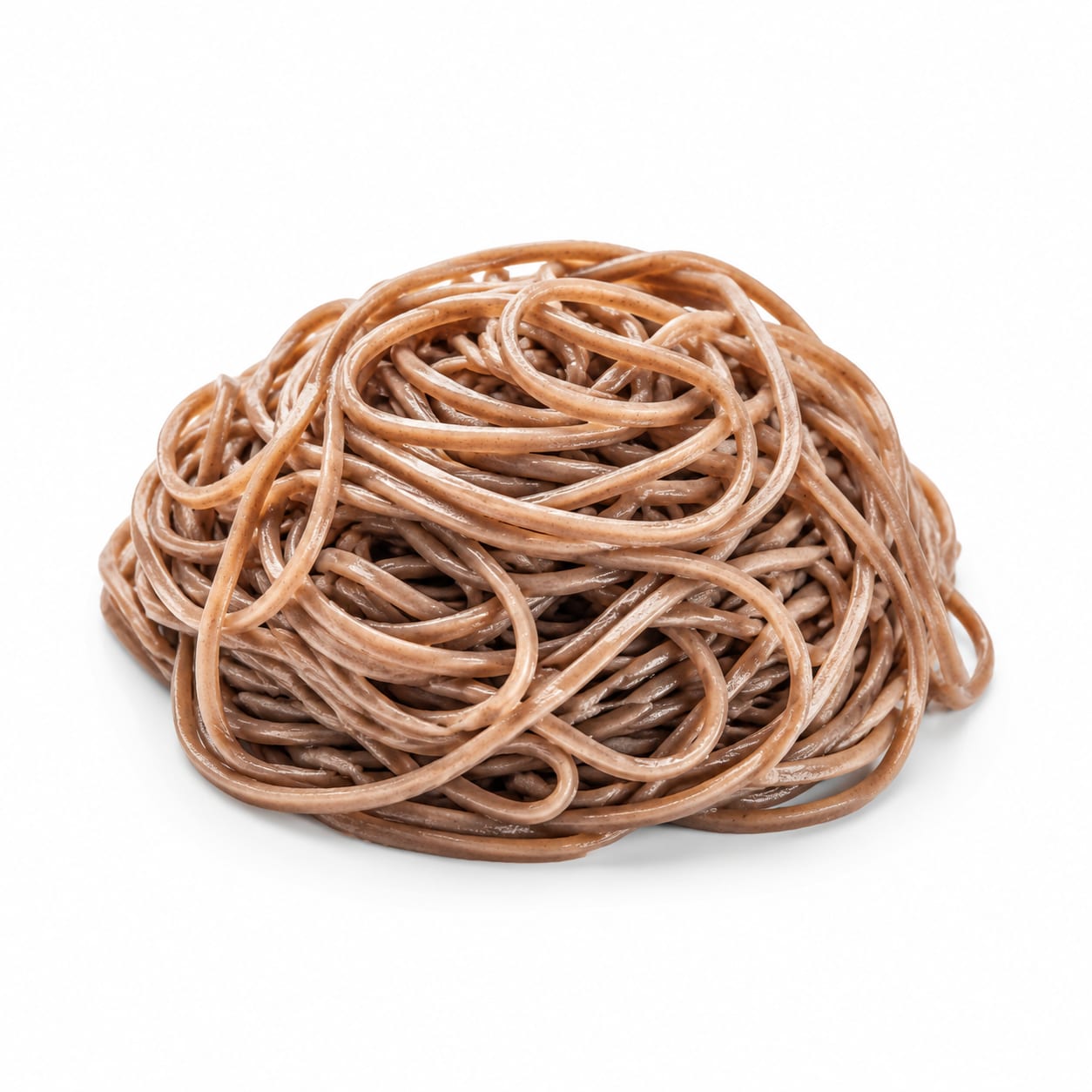
Soba
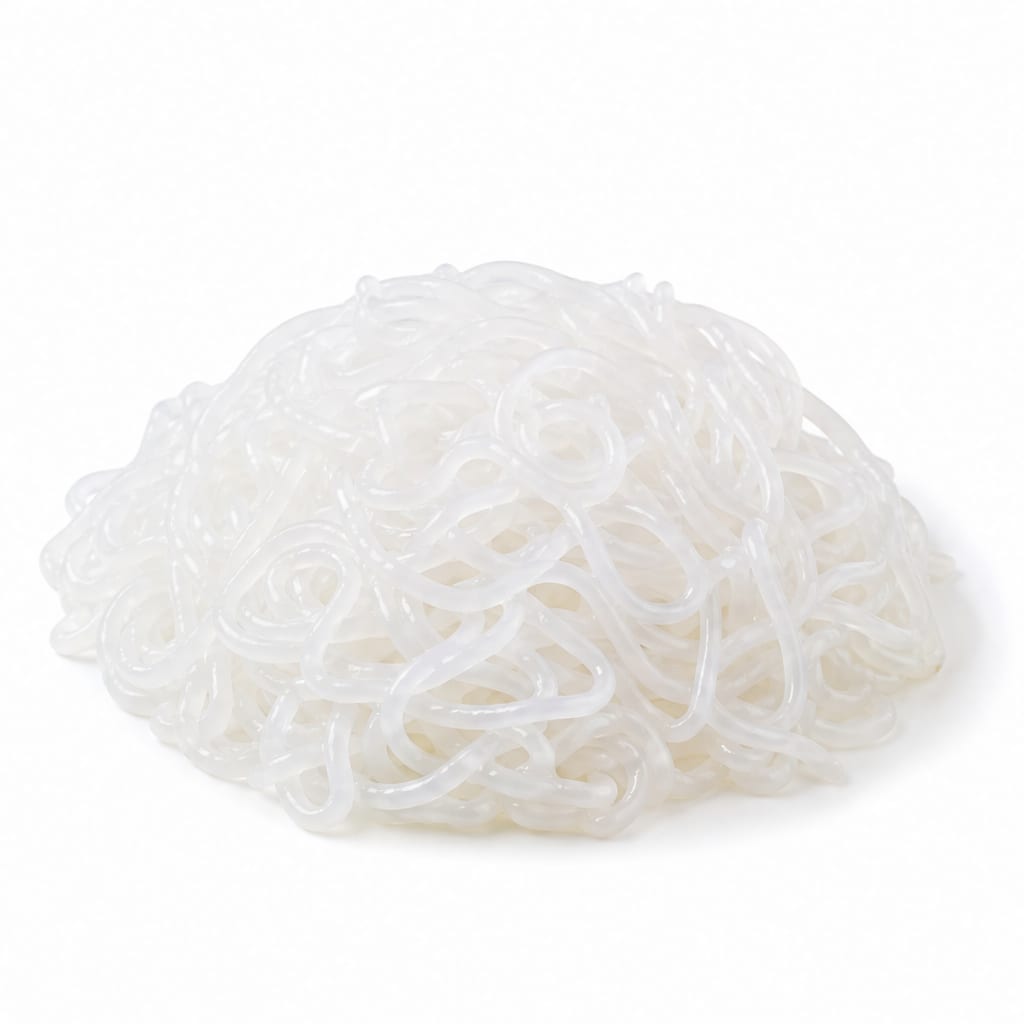
Shirataki Noodles
Soba nourishes; Shirataki subtracts. One feeds you, the other disappears from your calorie count.
Soba scores significantly higher because it provides actual nutrition, better satiety, and more sustainable energy. Shirataki wins narrowly on calorie control but sacrifices nearly everything else that makes a food worth eating regularly.
Real nutrition and satisfaction versus near-zero calories with minimal sustenance
At a glance
Executive summary
Overall
It depends
Healthier
Soba
More practical
Soba
Daily use
Soba
Key comparison lenses
weight loss carb reduction
Shirataki is famous for near-zero calories, making this the most likely reason someone is comparing these two noodles
blood sugar management
Both noodles appeal to people managing glucose, but through very different mechanisms
meal satisfaction and satiety
A common frustration with Shirataki is feeling hungry soon after eating, while Soba provides more lasting fullness
nutritional adequacy
Soba offers real vitamins and minerals; Shirataki is essentially empty beyond fiber
digestive tolerance
Glucomannan in Shirataki can cause bloating and discomfort, especially for new users
Best choice for
Soba
- Athletes needing carb fuel before or after training
- Anyone wanting a satisfying meal that actually fills them up
- People seeking whole-food minerals like manganese and magnesium
- Those who find low-calorie substitutes trigger later binge eating
Shirataki Noodles
- Strict keto or very-low-carb dieters counting every gram
- People in an aggressive calorie deficit who need volume without energy
- Type 2 diabetics needing near-zero glycemic impact per meal
- Anyone replacing a high-calorie noodle habit while adjusting to smaller portions
Least suitable for
Soba
- People on strict ketogenic diets
- Those with buckwheat allergy
- Anyone needing near-zero calorie meals for medical weight loss protocols
Shirataki Noodles
- Athletes or active people needing real energy
- Anyone prone to bloating or sensitive to high fiber loads
- Children who need nutrient-dense calories for growth
- People seeking a satisfying standalone meal
Deep comparison
Dimension by dimension
Each lens scores both foods and breaks down who each option suits.
- Dimension 1 · Priority 95Shirataki Noodles
Caloric Density and Weight Management
Soba · 45Shirataki Noodles · 98Shirataki delivers massive volume for almost zero calories. Soba provides real energy that must be accounted for.
Tradeoff
Shirataki helps you eat less effortlessly, but you may feel hungrier sooner and compensate later.
Why it matters
If your primary goal is reducing calorie intake without feeling deprived of portion size, Shirataki is unmatched.
Real-world impact
A bowl of Shirataki with the same sauce as Soba saves you 200-300 calories per meal. That adds up over a week, but only if you don't snack more afterward.
Soba
- Maintaining muscle during weight loss
- Avoiding the rebound hunger that zero-calorie foods can trigger
Better for
- Someone who needs to minimize every calorie
Worse for
Shirataki Noodles
- Aggressive calorie restriction phases
- Keto and very-low-carb protocols
Better for
- Anyone whose hunger returns 90 minutes after eating
Worse for
- Dimension 2 · Priority 90Soba
Satiety and Fullness
Soba · 78Shirataki Noodles · 35Soba has real protein and complex carbs that keep you full. Shirataki fills your stomach with water-soluble fiber but digests to almost nothing.
Tradeoff
You feel physically stretched after Shirataki but not nourished. Soba delivers a deeper, longer-lasting satisfaction.
Why it matters
Satiety determines whether you stick with your eating plan or raid the pantry an hour later.
Real-world impact
After Soba, you're likely done eating for 3-4 hours. After Shirataki, you may start browsing snacks within 90 minutes.
Soba
- Long workdays without snack breaks
- Anyone who struggles with late-night cravings
Better for
- Needing a light pre-event meal where you don't want to feel heavy
Worse for
Shirataki Noodles
- Short-term physical fullness before a social meal
Better for
- Using it as a standalone dinner and expecting to stay satisfied
Worse for
- Dimension 3 · Priority 88It depends
Blood Sugar Stability
Soba · 62Shirataki Noodles · 92Shirataki has essentially zero glycemic impact. Soba is moderate depending on buckwheat content and portion size.
Tradeoff
Shirataki is safer for blood sugar but provides no glucose for energy. Soba gives usable energy with a manageable rise if portions are controlled.
Why it matters
For diabetics, every gram of carbohydrate matters. For active people, some carbohydrate is the point of eating noodles.
Real-world impact
A diabetic can eat Shirataki freely. With Soba, a moderate portion raises glucose but also fuels a walk or workout.
Soba
- Pre-workout fueling
- Replenishing glycogen after exercise
Better for
- Brittle diabetes requiring near-zero carb meals
Worse for
Shirataki Noodles
- Tight blood sugar management in diabetes
- Eliminating post-meal glucose spikes entirely
Better for
- Athletes who need carbs to perform
Worse for
- Dimension 4 · Priority 82Soba
Nutritional Value
Soba · 72Shirataki Noodles · 12Soba provides manganese, magnesium, fiber, and modest protein. Shirataki provides glucomannan fiber and almost nothing else.
Tradeoff
Soba is a food that contributes to your daily nutrient needs. Shirataki is a delivery vehicle for sauce.
Why it matters
Eating should nourish you, not just occupy stomach space. Chronic nutrient shortfalls create problems that calorie deficits alone don't solve.
Real-world impact
A serving of 100% buckwheat Soba covers roughly 20% of your daily manganese needs. Shirataki covers 0% of nearly everything.
Soba
- Anyone not taking a multivitamin
- Older adults needing magnesium for muscle and nerve function
Better for
- Strict calorie counters who cannot afford the energy density
Worse for
Shirataki Noodles
- Someone already meeting all nutrient needs from other meals
Better for
- Using Shirataki as a meal replacement regularly without supplementing nutrients
Worse for
- Dimension 5 · Priority 72Soba
Digestive Tolerance
Soba · 70Shirataki Noodles · 42Soba is gentle for most people. Shirataki's glucomannan ferments in the gut and causes gas, bloating, and cramping in sensitive individuals.
Tradeoff
Shirataki's fiber is beneficial in small doses but punishing in large ones. Soba is more predictable and comfortable.
Why it matters
A food that makes you bloated undermines quality of life regardless of its calorie count.
Real-world impact
First-time Shirataki eaters often report gas and stomach discomfort that subsides with habit. Soba rarely causes this adjustment period.
Soba
- Sensitive digestion
- IBS-prone individuals avoiding fermentable fibers
Better for
- Buckwheat allergy sufferers
Worse for
Shirataki Noodles
- Constipation relief in people who tolerate glucomannan well
Better for
- Anyone with a history of bowel obstruction or severe IBS
Worse for
- Dimension 6 · Priority 68Soba
Taste and Culinary Experience
Soba · 82Shirataki Noodles · 30Soba has a nutty, earthy flavor and satisfying chew. Shirataki is nearly tasteless with a rubbery texture that many find off-putting.
Tradeoff
Soba is genuinely enjoyable to eat. Shirataki is tolerated as a calorie-saving tool.
Why it matters
Food you enjoy is food you can eat long-term. Food you choke down eventually gets abandoned.
Real-world impact
Most people look forward to Soba night. Shirataki is more of a duty than a pleasure for the average eater.
Soba
- Food lovers who eat for enjoyment, not just fuel
- Japanese cuisine enthusiasts
Better for
- People who dislike buckwheat flavor
Worse for
Shirataki Noodles
- Anyone who only cares about sauce delivery and does not miss noodle texture
Better for
- Picky eaters and children who reject rubbery textures
Worse for
Timeline
Health impact over time
Short-term
Hours to days
Soba
- Steady energy release over 2-3 hours from complex carbohydrates
- Mild blood sugar rise proportional to portion size
- Satisfying fullness that reduces between-meal snacking
Shirataki Noodles
- Near-immediate physical stomach fullness from fiber and water
- Possible bloating, gas, or cramping within 30-90 minutes
- Minimal energy provided; you may feel lightheaded if eaten alone
Long-term
Months to years
Soba
- Consistent intake of manganese, magnesium, and B vitamins supports bone and metabolic health
- Moderate whole-grain consumption associated with lower cardiovascular risk
- Risk of excess calorie intake if portions are not managed
Shirataki Noodles
- Chronic very-low-calorie substitution may lead to nutrient shortfalls if not compensated elsewhere
- Glucomannan may improve cholesterol markers with regular use
- Risk of inadequate energy intake if overused as a staple rather than an occasional tool
Risk profile
Safety & processing
Traditional 100% buckwheat Soba contains just buckwheat flour and water. Shirataki requires konjac flour processing, calcium hydroxide as a firming agent, and often sits in a preservative liquid. Cheaper Soba brands add wheat flour, but even those remain simpler products than Shirataki.
Soba
Buckwheat allergy
highBuckwheat is a known allergen that can cause severe reactions in sensitive individuals. Not related to wheat despite the name.
Gluten exposure from wheat-blended Soba
mediumMany commercial Soba noodles contain wheat flour. Only 100% buckwheat varieties are gluten-free. Always check labels if avoiding gluten.
Shirataki Noodles
Choking or bowel obstruction
mediumGlucomannan expands dramatically in water. Eating Shirataki without adequate hydration or in excessive amounts has caused esophageal and bowel obstructions in rare cases.
Calcium hydroxide residue
lowUsed as a firming agent in most Shirataki products. Generally recognized as safe, but some consumers prefer to avoid it.
Digestive distress from rapid fiber increase
mediumIntroducing large amounts of glucomannan too quickly can cause painful bloating, gas, and cramping. Should be ramped up gradually.
Who wins for whom
Audience fit
Same foods, different winners depending on your goal.
children
SobaChildren need nutrient-dense calories for growth. Shirataki's near-empty profile and choking risk make it inappropriate as a staple for kids.
daily consumption
SobaSoba provides daily nutritional value and satisfaction. Shirataki is better used as an occasional tool, not a daily staple.
diabetes
Shirataki NoodlesNear-zero carbs and zero glycemic impact make Shirataki the safer choice for tight glucose control, though Soba in small portions is manageable for many.
elderly
SobaOlder adults benefit from Soba's magnesium and B vitamins. Shirataki's obstruction risk and low nutrient density are concerning for this group.
muscle gain
SobaSoba provides usable carbohydrates for training fuel and modest protein. Shirataki offers neither.
weight loss
It dependsShirataki wins for aggressive calorie cutting, but Soba wins for sustainable weight loss because it prevents the rebound hunger that derails diets.
Your move
Decision guide
Choose Soba
- You want a meal that actually nourishes and satisfies you
- You are active and need carbohydrate energy for workouts or long days
- You care about getting vitamins and minerals from real food
- You find that low-calorie substitutes make you hungrier later
- You enjoy the act of eating and want food that tastes good on its own
Choose Shirataki Noodles
- You are on a strict keto or very-low-carb diet
- You need to slash calories aggressively and can manage later hunger
- You have diabetes and need near-zero glycemic impact meals
- You already eat nutrient-dense foods at other meals and just need a low-calorie base
- You are using it as a short-term tool during a cutting phase
Either works if
- You want a noodle base for a broth or sauce and are flexible on macros
- You are experimenting with Japanese cuisine and want to try both
Avoid both if
- You have celiac disease and cannot verify the Soba is 100% buckwheat, and you have IBS that flares with glucomannan
Final recommendation
Eat Soba as your everyday noodle. It feeds you, satisfies you, and fits into a balanced life. Keep Shirataki in your pantry as a strategic tool for the occasional meal where you need near-zero calories, but do not mistake it for real food. The best diet is one you can sustain, and Soba is far easier to sustain than Shirataki.
Practical
Consumer tips
- 1
Look for 100% buckwheat Soba (juwari soba) to avoid gluten and get the most nutrition. Cheaper brands cut with wheat flour.
- 2
Rinse Shirataki thoroughly under running water for at least 30 seconds to remove the natural konjac odor that many find unpleasant.
- 3
Pan-fry Shirataki dry for 2-3 minutes after rinsing to improve texture and reduce rubbery mouthfeel.
- 4
Pair Shirataki with a protein source and healthy fat to compensate for its lack of satiety. Eating it alone almost guarantees hunger within an hour.
- 5
If trying Shirataki for the first time, start with half a package. Full portions can cause surprising digestive discomfort.
- 6
Cold Soba with dipping sauce (zaru soba) is one of the simplest, most refreshing summer meals you can make in under 10 minutes.