
Nutrition comparison
Soba vs Quinoa Pasta: Which is Healthier?
Compare Soba vs Quinoa Pasta for weight loss, gluten-free diets, and protein. Discover the health benefits of buckwheat vs quinoa noodles.
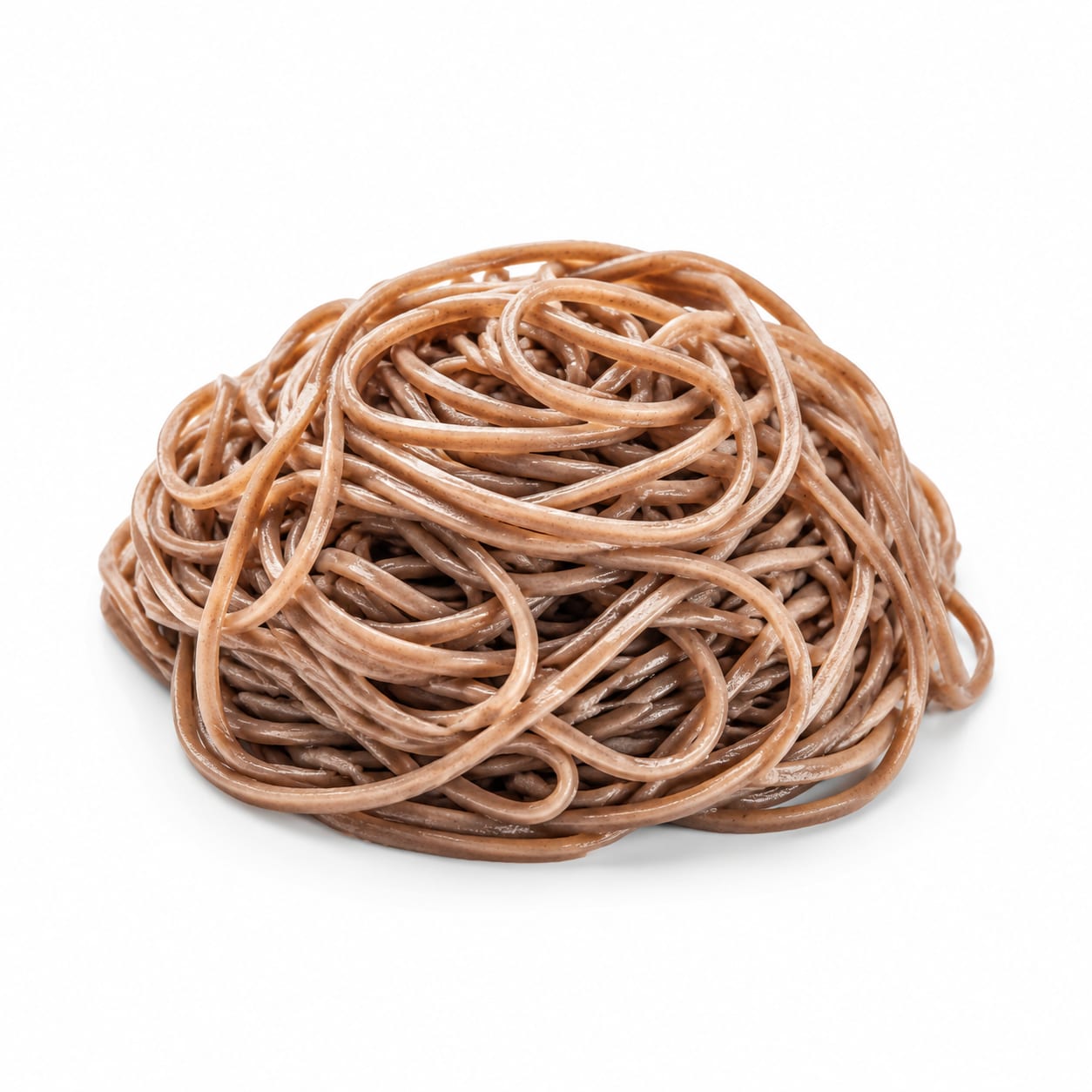
Soba
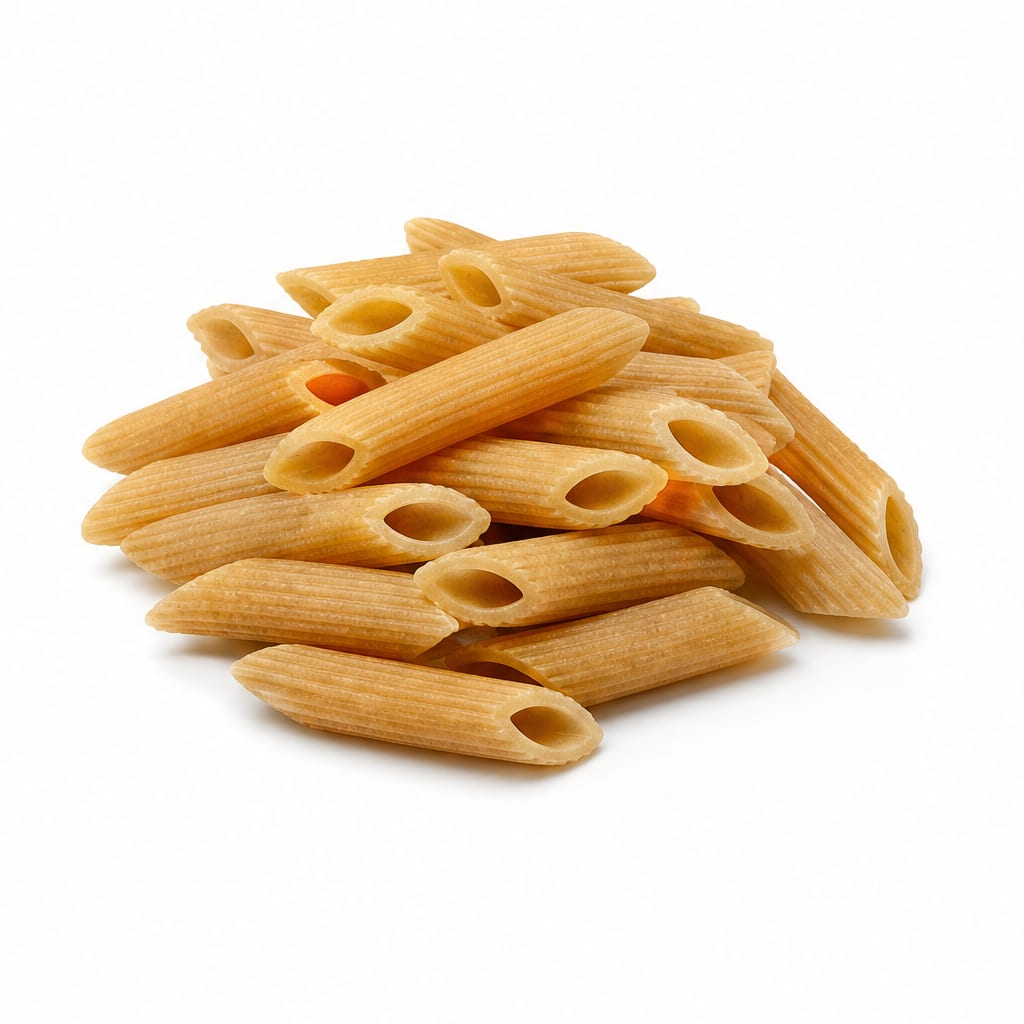
Quinoa Pasta
Soba offers unique antioxidants and a lower glycemic index when pure, while Quinoa Pasta delivers a complete protein profile and guaranteed gluten-free digestion.
Quinoa Pasta edges ahead slightly due to its complete protein and reliable gluten-free status, but Soba remains a strong contender for blood sugar management if you choose 100% buckwheat varieties.
Choosing between Soba's rutin and resistant starch versus Quinoa Pasta's superior amino acid profile and gluten-free certainty.
At a glance
Executive summary
Overall
It depends
Healthier
It depends
More practical
Quinoa Pasta
Daily use
It depends
Key comparison lenses
Gluten-free dining and digestive tolerance
Soba is often made with wheat unless explicitly 100% buckwheat, while Quinoa Pasta is inherently gluten-free, making this a primary deciding factor.
Blood sugar management
Pure buckwheat Soba has a remarkably low glycemic index, whereas Quinoa Pasta's GI can vary based on its flour blends.
Plant-based protein quality
Quinoa is a complete protein, making its pasta a favorite for vegans, while Soba's protein requires pairing to be complete.
Unique micronutrient benefits
Soba offers rutin for vascular health, a benefit unique to buckwheat that Quinoa Pasta cannot match.
Best choice for
Soba
- People seeking lower blood sugar spikes
- Those wanting traditional buckwheat antioxidants for heart health
- Cold noodle salad lovers
Quinoa Pasta
- Celiacs or gluten-sensitive individuals
- Vegans needing a reliable complete protein
- Those craving a traditional pasta texture without the wheat
Least suitable for
Soba
- People with celiac disease or severe gluten intolerance
- Those who dislike earthy, nutty flavors
Quinoa Pasta
- People sensitive to quinoa's natural saponins
- Those on a strict budget, as it can be pricey
Deep comparison
Dimension by dimension
Each lens scores both foods and breaks down who each option suits.
- Dimension 1 · Priority 90Soba
Blood Sugar Stability
Soba · 88Quinoa Pasta · 72Pure buckwheat Soba has a lower glycemic index and more resistant starch, leading to steadier energy.
Tradeoff
Quinoa Pasta can spike blood sugar faster depending on the flour blend, though it is still better than regular white pasta.
Why it matters
Avoiding the afternoon energy crash is much easier with slow-digesting carbs.
Real-world impact
You feel full longer after a Soba bowl without the sudden sleepiness that hits after heavier noodles.
Soba
- Diabetics seeking lower GI foods
- People prone to afternoon energy crashes
Better for
- Those who buy cheap Soba blended with refined wheat flour
Worse for
Quinoa Pasta
- Those who pair their pasta with lots of fiber and protein to blunt spikes
Better for
- People eating large portions of Quinoa Pasta on its own
Worse for
- Dimension 2 · Priority 85Quinoa Pasta
Protein Quality & Completeness
Soba · 60Quinoa Pasta · 90Quinoa Pasta provides a complete protein with all essential amino acids, while Soba's protein is incomplete.
Tradeoff
Soba has decent protein but lacks sufficient lysine, meaning you need to pair it with other foods for optimal muscle building.
Why it matters
Complete proteins are crucial for muscle repair and staying full, especially on plant-based diets.
Real-world impact
A bowl of Quinoa Pasta supports muscle recovery better after a workout without needing extra tofu or eggs.
Soba
- Those eating Soba with eggs or meat which fill the amino acid gaps
Better for
- Vegans relying on it as a sole protein source
Worse for
Quinoa Pasta
- Vegans and vegetarians needing reliable complete proteins
- Athletes looking for post-workout recovery meals
Better for
- Those mixing it with heavy creams, negating the health benefits
Worse for
- Dimension 3 · Priority 95Quinoa Pasta
Gluten & Digestive Tolerance
Soba · 40Quinoa Pasta · 95Quinoa Pasta is naturally gluten-free, whereas most Soba contains wheat unless explicitly labeled 100% buckwheat.
Tradeoff
Finding true 100% buckwheat Soba can be difficult and expensive, while Quinoa Pasta is reliably gluten-free by default.
Why it matters
For anyone with celiac or gluten sensitivity, accidental wheat consumption causes real pain and bloating.
Real-world impact
You can serve Quinoa Pasta at a dinner party without worrying about guests' hidden gluten intolerances.
Soba
- Those with no gluten issues who enjoy traditional textures
Better for
- Anyone with celiac disease or wheat allergy
Worse for
Quinoa Pasta
- Celiacs
- People with IBS triggered by gluten
Better for
- People who simply prefer the taste of buckwheat
Worse for
- Dimension 4 · Priority 75Soba
Unique Antioxidants & Micronutrients
Soba · 90Quinoa Pasta · 75Soba is rich in rutin, a powerful antioxidant that strengthens blood vessels, which Quinoa Pasta lacks.
Tradeoff
Quinoa Pasta brings its own set of minerals like magnesium and folate, but Soba's rutin is uniquely beneficial for circulation.
Why it matters
Rutin helps lower blood pressure and improve vascular health, offering long-term heart benefits.
Real-world impact
Regularly eating Soba is like a small daily investment in your cardiovascular health.
Soba
- People with high blood pressure
- Those looking to boost circulation naturally
Better for
- Those who overcook Soba, degrading some heat-sensitive nutrients
Worse for
Quinoa Pasta
- People needing an iron and magnesium boost
Better for
- Those who don't rinse quinoa pasta, risking saponin bitterness
Worse for
Timeline
Health impact over time
Short-term
Hours to days
Soba
- Steadier energy levels if eating 100% buckwheat varieties
- Potential bloating if sensitive to gluten in wheat-blended Soba
Quinoa Pasta
- Reliable gluten-free digestion without the bloating
- Quick and satisfying meal that feels comforting and filling
Long-term
Months to years
Soba
- Improved vascular health and circulation from rutin
- Better blood sugar control with regular consumption of pure buckwheat
Quinoa Pasta
- Easier muscle maintenance from complete protein intake
- Consistent nutrient absorption without gluten-triggered inflammation
Risk profile
Safety & processing
Both are processed from whole grains into flour and noodles. Soba usually has a simpler ingredient list, while Quinoa Pasta often requires binders or rice/corn flour blends to mimic traditional pasta texture.
Soba
Cross-contamination with wheat
highEven pure buckwheat Soba is often processed in facilities that handle wheat, posing a severe risk for those with celiac disease.
Quinoa Pasta
Saponin residue
lowQuinoa naturally contains saponins which can cause stomach upset and a bitter taste if the pasta isn't rinsed or made from well-washed flour.
Who wins for whom
Audience fit
Same foods, different winners depending on your goal.
children
Quinoa PastaQuinoa Pasta looks and eats like regular pasta, making it an easy sell for picky eaters while sneaking in complete protein.
daily consumption
It dependsRotate both: Quinoa Pasta for protein and gluten-free days, Soba for blood sugar stability and heart health.
diabetes
Soba100% buckwheat Soba has a lower glycemic index and improves insulin sensitivity over time, keeping blood sugar steadier.
elderly
SobaThe rutin in Soba supports vascular health and blood pressure, which are common concerns in older age.
muscle gain
Quinoa PastaQuinoa Pasta's complete amino acid profile makes it more effective for muscle repair and growth, especially for plant-based eaters.
weight loss
SobaSoba's resistant starch and lower calorie density per serving make it slightly more filling for fewer calories, helping with portion control.
Your move
Decision guide
Choose Soba
- You want steadier energy and better blood sugar control
- You value traditional foods with unique vascular benefits like rutin
- You can find and afford 100% buckwheat varieties
Choose Quinoa Pasta
- You are gluten-free or cooking for someone who is
- You need a reliable complete plant-based protein source
- You want a pasta substitute that mimics the real thing more closely
Either works if
- You are looking for a healthier alternative to regular wheat pasta
- You want to add more diverse whole grains to your weekly meals
Avoid both if
- You are on a strict keto or very low-carb diet
- You have severe sensitivities to both buckwheat and quinoa
Final recommendation
Keep both in your pantry. Use Quinoa Pasta when you need a comforting, gluten-free dinner with great protein, and choose Soba for light lunches that keep your blood sugar steady and your heart happy.
Practical
Consumer tips
- 1
Always check the ingredient list on Soba; look for '100% buckwheat' to avoid wheat fillers that spike blood sugar.
- 2
Rinse Quinoa Pasta after cooking if you notice a bitter taste; this removes leftover saponins.
- 3
Soba excels in cold dishes like salads with a light dressing, while Quinoa Pasta holds up better in hot, saucy dishes.
- 4
Do not overcook Soba—it turns mushy fast. Follow the package timing and immediately rinse with cold water to stop the cooking.