
Nutrition comparison
Soba vs Zucchini Noodles: Which Is Better for Weight Loss, Blood Sugar, and Satiety?
Complete nutrition comparison of Soba noodles vs Zucchini Noodles. Covers calories, carbs, blood sugar impact, weight loss effectiveness, and which one actually keeps you full.
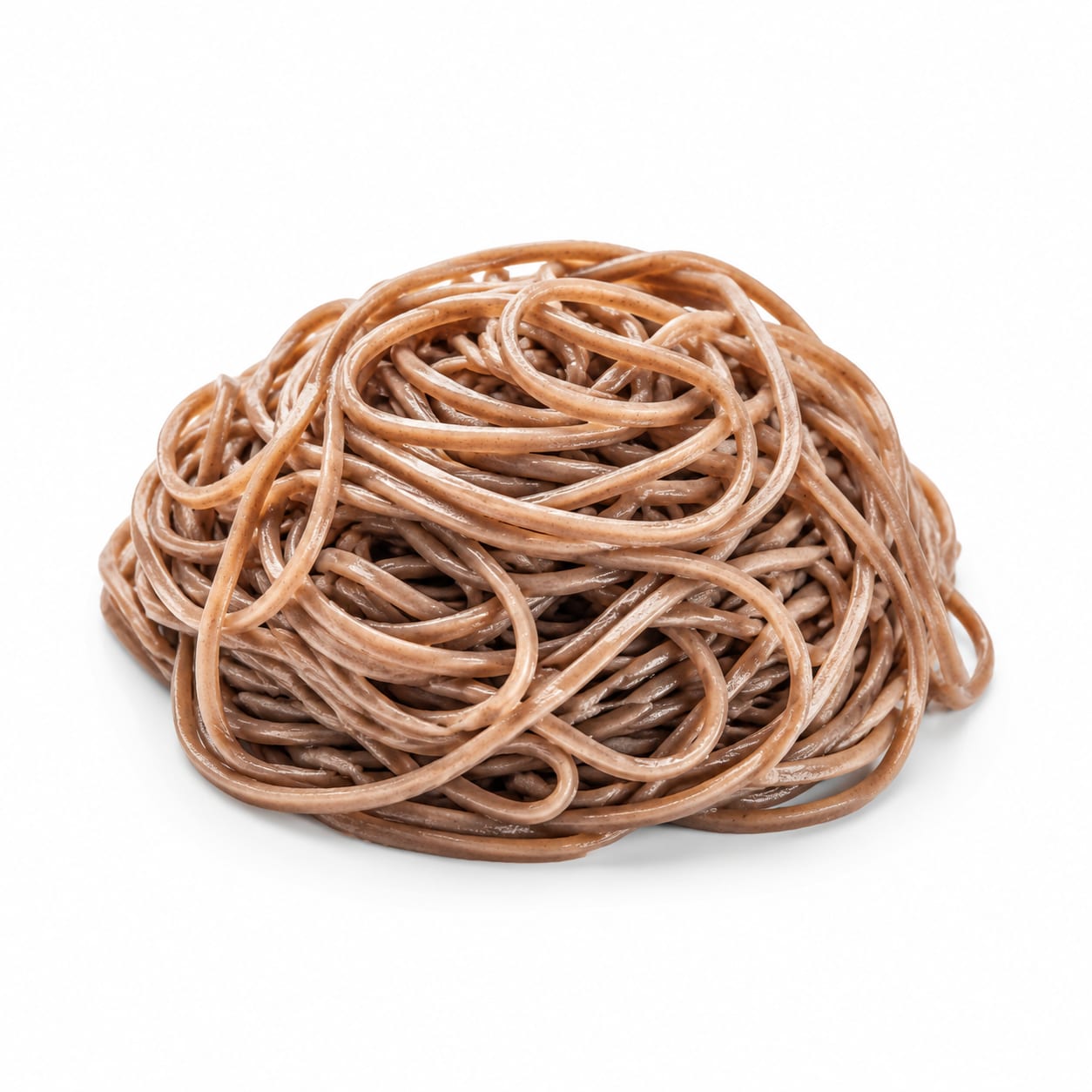
Soba
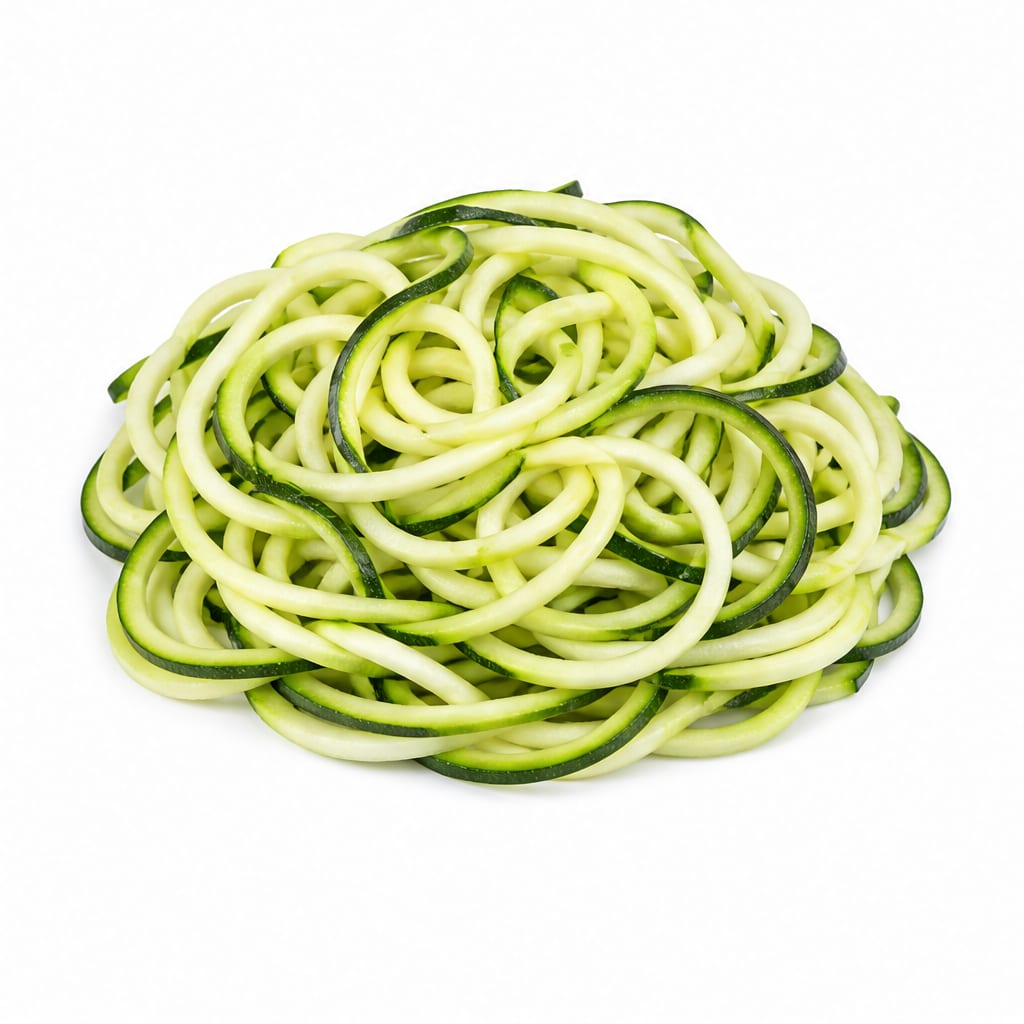
Zucchini Noodles
Soba nourishes with real energy and satisfaction; Zucchini Noodles win on sheer calorie and carb savings but leave you hungry if eaten alone.
Soba scores higher for overall nutritional completeness and meal satisfaction, but Zucchini Noodles earn strong marks for weight management and blood sugar control. The close scores reflect that neither is universally better — it depends entirely on your goals.
Substance versus lightness — Soba gives you lasting fuel and comfort, while Zucchini Noodles give you near-zero calories at the cost of satiety.
At a glance
Executive summary
Overall
It depends
Healthier
It depends
More practical
Soba
Daily use
Soba
Key comparison lenses
low carb diet compatibility
This is the single biggest differentiator — Soba delivers real carbohydrates while Zucchini Noodles are nearly carb-free, making this the primary decision driver for most users
weight loss plate strategy
People comparing these foods are usually trying to decide between a satisfying noodle or a low-calorie substitute for weight management
satiety vs lightness tradeoff
Soba fills you up with real energy; Zucchini Noodles leave you light but potentially hungry soon after
blood sugar management
Soba has a moderate glycemic impact while Zucchini Noodles have virtually none, critical for diabetic or insulin-resistant users
meal satisfaction and sustainability
A meal of Zucchini Noodles alone rarely satisfies long-term, while Soba can stand as a complete base — this affects diet adherence
Best choice for
Soba
- Athletes needing pre-workout carbs
- People who find low-calorie meals unsatisfying
- Anyone wanting a balanced noodle bowl with protein and veggies
- Active individuals burning 2000+ calories daily
- Those transitioning from regular pasta to healthier options
Zucchini Noodles
- Strict low-carb or keto dieters
- Anyone cutting calories aggressively
- People with blood sugar concerns needing near-zero carb meals
- Volume eaters who want large portions without the calorie cost
- Those pairing noodles with rich sauces where extra calories aren't needed
Least suitable for
Soba
- Strict keto followers — the carbs will break ketosis
- Anyone on a very low-calorie diet under 1200 calories
- People with buckwheat allergy
- Those needing near-zero glycemic impact meals
Zucchini Noodles
- Athletes or active people needing carb fuel
- Anyone prone to hunger on low-calorie meals
- Growing children who need calorie-dense nutrition
- People finding light meals emotionally unsatisfying
Deep comparison
Dimension by dimension
Each lens scores both foods and breaks down who each option suits.
- Dimension 1 · Priority 95Zucchini Noodles
calorie_density_and_weight_management
Soba · 40Zucchini Noodles · 95Zucchini Noodles deliver massive volume for almost no calories, making them a weight-loss powerhouse. Soba provides real energy but at 5-6 times the calorie cost per serving.
Tradeoff
You get near-zero calories with Zucchini Noodles but virtually no energy or lasting fullness. Soba costs more calories but actually fuels your body.
Why it matters
If you're cutting calories, Zucchini Noodles let you eat a huge plate for under 50 calories. That same plate of Soba runs 300-400 calories before sauce or protein.
Real-world impact
A dinner of Zucchini Noodles with marinara feels light and may leave you snacking later. Soba with the same sauce feels like a real meal that holds you until morning.
Soba
- Maintaining energy during calorie deficits
- Avoiding late-night hunger after dinner
- Active days when you need fuel
Better for
- Very low-calorie diet plans
- Anyone who struggles with portion control
Worse for
Zucchini Noodles
- Aggressive calorie cutting
- Volume eating strategies
- Multiple meals per day without overshooting calories
Better for
- Recovery after intense exercise
- Anyone already struggling to eat enough
Worse for
- Dimension 2 · Priority 88Zucchini Noodles
blood_sugar_and_insulin_impact
Soba · 50Zucchini Noodles · 98Zucchini Noodles have virtually zero glycemic impact. Soba, despite being made from buckwheat, still delivers 40-50g of carbs per serving that will raise blood sugar.
Tradeoff
Soba's carbs provide usable energy but require insulin response. Zucchini Noodles avoid the blood sugar rollercoaster entirely but offer no energy.
Why it matters
For anyone with diabetes, prediabetes, or insulin resistance, this difference is enormous. Soba's buckwheat is better than wheat, but it's still a carb source.
Real-world impact
After Soba, you might feel a mild energy dip an hour later. After Zucchini Noodles, your blood sugar stays flat — but you might feel physically unsatisfied.
Soba
- Post-workout glycogen replenishment
- Pre-exercise energy needs
- Preventing hypoglycemia in active people
Better for
- Uncontrolled blood sugar conditions
- Strict ketogenic diets
Worse for
Zucchini Noodles
- Type 2 diabetes meal planning
- Insulin resistance management
- Ketosis maintenance
- Steady energy without crashes
Better for
- Athletes who need carbs for performance
- Anyone prone to low blood sugar episodes
Worse for
- Dimension 3 · Priority 85Soba
satiety_and_meal_satisfaction
Soba · 82Zucchini Noodles · 35Soba provides genuine fullness from calories, protein, and complex carbs. Zucchini Noodles alone rarely satisfy — they're mostly water and need substantial additions to become a real meal.
Tradeoff
Soba satisfies but costs calories. Zucchini Noodles save calories but often leave you reaching for snacks within an hour.
Why it matters
The best diet is one you can stick to. A meal that doesn't satisfy leads to compensatory snacking, which can erase the calorie savings you were aiming for.
Real-world impact
Eat Zucchini Noodles for lunch and you might be hungry by 2pm. Eat Soba and you'll likely cruise to dinner comfortably.
Soba
- Long gaps between meals
- Busy days when you can't snack
- Emotional satisfaction from eating
Better for
- Small appetite situations
- Right before intense exercise
Worse for
Zucchini Noodles
- Light meals before heavy dinners
- Hot weather when heavy food feels unappealing
- Multi-course meals where noodles are one component
Better for
- Your only meal for 6+ hours
- Stress eating situations where satisfaction matters
Worse for
- Dimension 4 · Priority 75Soba
nutrient_density_and_micronutrients
Soba · 72Zucchini Noodles · 55Soba delivers meaningful protein, manganese, magnesium, and B vitamins. Zucchini Noodles offer vitamin C and potassium but in tiny absolute amounts because you're mostly eating water.
Tradeoff
Soba provides more total nutrition per serving. Zucchini Noodles have some vitamins but the quantities are small due to the extremely low calorie count.
Why it matters
Nutrient density per calorie matters, but so does nutrient density per meal. Zucchini Noodles look impressive per calorie but deliver very little per actual plate.
Real-world impact
A bowl of Soba contributes real protein and minerals toward your daily needs. A bowl of Zucchini Noodles contributes almost nothing nutritionally — you need to get nutrients from the rest of your meal.
Soba
- Meeting daily protein needs
- Getting adequate minerals like manganese and magnesium
- Nutrition from the noodle itself rather than just toppings
Better for
- Vitamin C is minimal
- Not a significant vegetable serving
Worse for
Zucchini Noodles
- Vitamin C intake
- Hydration from high water content
- Low-calorie potassium source
Better for
- Protein contribution is negligible
- Total micronutrient delivery per meal is very low
Worse for
- Dimension 5 · Priority 70It depends
digestive_tolerance_and_gut_friendliness
Soba · 60Zucchini Noodles · 70Zucchini Noodles are gentle on most digestive systems and provide soft fiber. Soba is usually well-tolerated but some brands contain wheat, and buckwheat bothers a small minority.
Tradeoff
Zucchini is safer for sensitive stomachs and gluten-free diets. Soba's fiber feeds gut bacteria better but carries gluten and allergy risks depending on the brand.
Why it matters
Many people have undiagnosed gluten sensitivity. Traditional Soba is 100% buckwheat, but commercial Soba often mixes in wheat flour — a hidden trap for the gluten-sensitive.
Real-world impact
If you have celiac or gluten sensitivity, you must check Soba labels carefully. Zucchini Noodles are always gluten-free and rarely cause digestive issues.
Soba
- Prebiotic fiber for gut microbiome diversity
- Regular bowel movements from insoluble fiber
Better for
- Hidden wheat in commercial brands
- Buckwheat allergy risk
- Can feel heavy if overeaten
Worse for
Zucchini Noodles
- Gluten-free certainty
- Gentle on sensitive stomachs
- Low-FODMAP compatibility
Better for
- Insufficient fiber if not paired with other vegetables
- Very low residue if that's a medical concern
Worse for
- Dimension 6 · Priority 65Soba
convenience_and_practicality
Soba · 80Zucchini Noodles · 55Soba cooks in 3-4 minutes straight from the package. Zucchini Noodles require spiralizing, salting, and draining — or paying premium prices for pre-cut versions that spoil quickly.
Tradeoff
Soba is shelf-stable and fast. Zucchini Noodles need prep or expensive shortcuts, and they release water into your sauce if not handled properly.
Why it matters
The best healthy food is the one you actually make. Extra prep steps and watery sauce frustration can push people back to regular pasta.
Real-world impact
Soba is a weeknight staple — boil, drain, sauce, done. Zucchini Noodles often mean dragging out the spiralizer, salting for 15 minutes, and patting dry, which kills the convenience factor.
Soba
- Pantry staple with long shelf life
- Consistent texture every time
- Quick cooking with no special equipment
Better for
- Requires a pot and boiling water
- Overcooking makes them mushy
Worse for
Zucchini Noodles
- No cooking required if eaten raw
- Lighter meal prep for hot days
Better for
- Spiralizer cleanup is annoying
- Water release ruins sauce consistency
- Pre-cut versions are expensive and spoil fast
Worse for
- Dimension 7 · Priority 60Soba
culinary_versatility_and_flavor
Soba · 78Zucchini Noodles · 58Soba has a nutty, earthy flavor that enhances dishes and works hot or cold. Zucchini Noodles are essentially a neutral vehicle — they take on sauce flavors but contribute little themselves.
Tradeoff
Soba adds its own character to a dish. Zucchini Noodles stay out of the way, which can be good or bad depending on what you want.
Why it matters
If you're eating noodles frequently, flavor fatigue matters. Soba's distinct taste keeps things interesting. Zucchini Noodles can feel monotonous after a while.
Real-world impact
Cold Soba with dipping sauce is a genuinely satisfying standalone dish. Cold Zucchini Noodles with the same sauce feels like eating sauce with watery vegetables.
Soba
- Standalone dishes where the noodle shines
- Cold noodle salads with simple dressings
- Japanese and Korean cuisine authenticity
Better for
- Delicate cream sauces where nutty flavor clashes
- Raw or no-cook recipes
Worse for
Zucchini Noodles
- Heavy sauces where you don't want competing flavors
- Raw dish applications
- Lasagna layer substitutes
Better for
- Any dish where the noodle should contribute flavor
- Authentic Asian noodle recipes
Worse for
Timeline
Health impact over time
Short-term
Hours to days
Soba
- Provides sustained energy for 3-4 hours from complex carbs
- Mild blood sugar rise followed by gradual decline
- Comforting and satisfying meal experience that reduces cravings
Zucchini Noodles
- Immediate lightness with no digestive heaviness
- Virtually no blood sugar impact
- Likely hunger within 1-2 hours if eaten without substantial additions
Long-term
Months to years
Soba
- Regular whole-grain buckwheat intake supports cardiovascular health
- Manganese and magnesium contribute to bone density over time
- Risk of excess calorie intake if portions aren't managed
Zucchini Noodles
- Consistent low-calorie intake supports weight maintenance
- High water content supports hydration habits
- Risk of inadequate energy intake if over-relied upon as a staple
Risk profile
Safety & processing
Both foods are close to their natural state. Traditional Soba is just buckwheat flour and water, though some commercial brands add wheat flour and salt. Zucchini Noodles are literally spiralized vegetables. Neither raises significant processing concerns, but always check Soba ingredient lists for unwanted additives.
Soba
Hidden wheat gluten in commercial blends
mediumMany Soba brands marketed as buckwheat actually contain 20-80% wheat flour. Check labels carefully if you have celiac disease or gluten sensitivity.
Buckwheat allergy
mediumBuckwheat is a relatively common allergen, especially in Asia. Reactions can be severe. Not related to wheat allergy — it's a separate allergen.
Sodium in packaged varieties
lowDried Soba noodles themselves are low in sodium, but accompanying soup bases and seasonings can be extremely high in sodium.
Zucchini Noodles
Cucurbitacin toxicity in bitter zucchini
lowOccasionally zucchini can be unusually bitter due to cucurbitacins, which are toxic. If your zucchini tastes very bitter, discard it immediately.
Pesticide residue on conventional zucchini
lowZucchini is not on the highest-risk pesticide lists, but conventional varieties can carry residues. Washing thoroughly or choosing organic reduces this minor concern.
Bacterial contamination on pre-cut versions
mediumStore-bought pre-spiralized zucchini has more surface area exposed to potential contamination and spoils faster than whole zucchini. Use within 1-2 days of opening.
Who wins for whom
Audience fit
Same foods, different winners depending on your goal.
children
SobaGrowing kids need calorie-dense, nutrient-rich foods. Soba provides real energy and minerals. Zucchini Noodles alone are too low in calories for a child's meal.
daily consumption
SobaSoba provides more balanced daily nutrition and is more satisfying as a regular meal base. Zucchini Noodles work daily only if the rest of your meal supplies adequate calories and nutrients.
diabetes
Zucchini NoodlesNear-zero carbs mean near-zero blood sugar impact. Soba's buckwheat is a better carb choice than wheat, but it still raises blood glucose meaningfully.
elderly
It dependsFor elderly managing blood sugar or weight, Zucchini Noodles are safer. For those struggling with appetite or needing energy, Soba is more nourishing and easier to eat consistently.
muscle gain
SobaSoba provides the carbohydrates needed to fuel training and replenish glycogen, plus some protein. Zucchini Noodles offer virtually no energy or building blocks for muscle.
weight loss
Zucchini NoodlesZucchini Noodles let you eat large volumes for almost no calories, making it easier to maintain a deficit. However, you must pair them with adequate protein and fat to avoid rebound hunger.
Your move
Decision guide
Choose Soba
- You're active and need real fuel for your day
- Low-calorie meals leave you hungry and cranky
- You want a satisfying noodle experience, not just a vegetable pretending to be pasta
- You're transitioning from regular pasta and need something that actually fills you
- You practice sports or exercise regularly and need carb replenishment
Choose Zucchini Noodles
- You're on a low-carb, keto, or very low-calorie diet
- Blood sugar management is your top priority
- You're eating a rich sauce or protein-heavy dish and don't need extra calories from the base
- You prefer light meals and don't mind adding protein and fat separately
- You're meal-prepping for weight loss and need low-calorie volume
Either works if
- You want noodle-style meals with different calorie budgets on different days
- You're building a bowl and can choose the base based on what else is in it
- You rotate between higher-carb and lower-carb days
Avoid both if
- You have a buckwheat allergy and need gluten-free noodles — rice noodles or sweet potato noodles are safer alternatives
- You're looking for a high-protein noodle — neither delivers significant protein compared to legume-based options
Final recommendation
Keep both in your rotation. Use Soba on active days when you need real energy and satisfaction. Use Zucchini Noodles on lighter days or when the rest of your meal is already rich. The smartest approach is matching your noodle to your actual energy needs that day, not committing to only one.
Practical
Consumer tips
- 1
Check Soba labels for wheat content — look for 100% buckwheat if you're gluten-sensitive. Juwari Soba is the pure buckwheat variety.
- 2
Salt and drain Zucchini Noodles for 15 minutes before cooking, then pat dry. This prevents the watery sauce problem that makes people abandon them.
- 3
Don't overcook Soba — it should be slightly firm. Rinse under cold water immediately after draining to stop cooking and remove excess starch.
- 4
Pair Zucchini Noodles with at least 20g of protein and some healthy fat, or you'll be hungry within an hour.
- 5
Buy whole zucchini and spiralize yourself — pre-cut versions cost 3-4x more and spoil faster.
- 6
Cold Soba with a simple tsuyu dipping sauce is one of the easiest healthy meals you can make in under 10 minutes.
- 7
If Soba feels too heavy, try a half-and-half bowl — mix Soba with Zucchini Noodles for a compromise on calories and satisfaction.