
Nutrition comparison
Soba vs Rice Noodles: Which Is Healthier?
Soba beats rice noodles for protein, fiber, and blood sugar stability, but rice noodles win for gluten-free diets and digestive lightness. Full comparison inside.
Overall winner · Soba
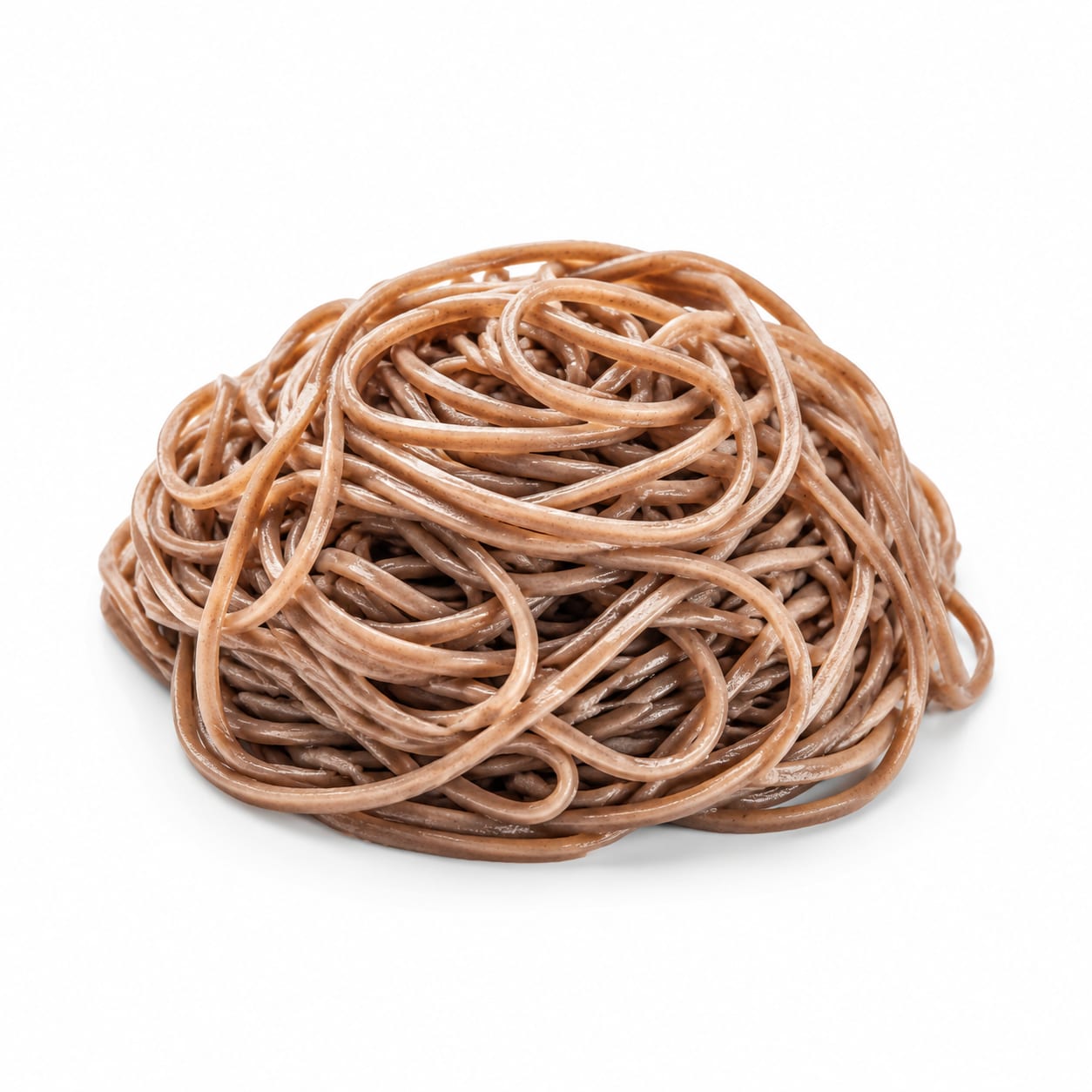
Soba
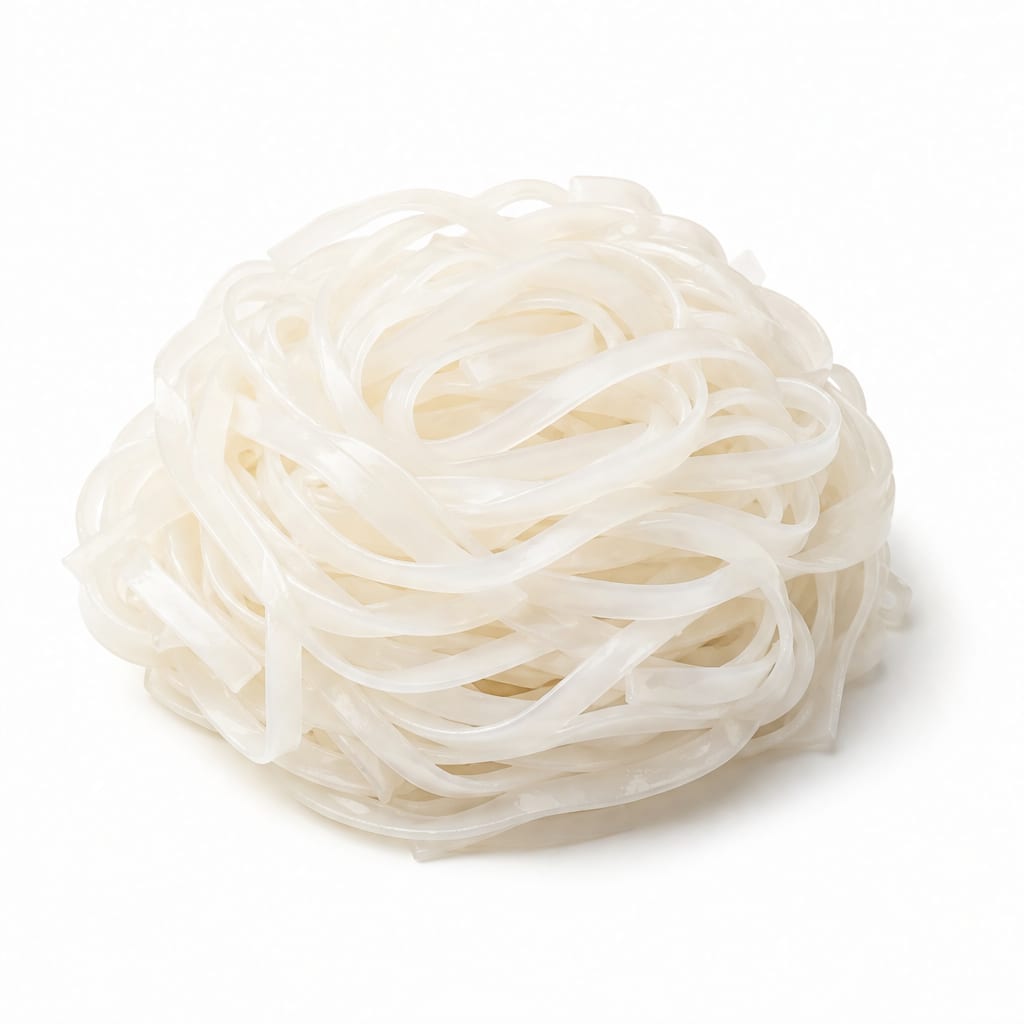
Rice Noodles
Soba wins on nutrition and blood sugar stability, but rice noodles win for gluten-free needs and digestive lightness.
Soba scores notably higher due to superior protein, fiber, mineral content, and blood sugar stability. Rice noodles remain relevant for gluten-free needs and light meals, but offer less nutritional value per calorie.
You trade broader nutrient density and steadier energy from soba for the safe, light digestibility of rice noodles.
At a glance
Executive summary
Overall
Soba
Healthier
Soba
More practical
Rice Noodles
Daily use
Soba
Key comparison lenses
blood sugar management
Soba's buckwheat content provides significantly more fiber and a lower glycemic impact than rice noodles, making this the most consequential health difference
gluten-free dietary needs
Rice noodles are naturally gluten-free while most soba contains wheat flour, creating a critical decision point for celiacs and gluten-sensitive individuals
nutritional value per calorie
Soba delivers notably more protein, minerals, and antioxidants per serving, making it the denser nutritional choice
weight management and satiety
Higher protein and fiber in soba translate to feeling fuller longer, directly impacting portion control and snacking behavior
digestive comfort and lightness
Rice noodles are gentler on sensitive stomachs and feel lighter, which matters for post-illness eating or those with IBS
Best choice for
Soba
- People managing blood sugar or prediabetes
- Anyone wanting more protein from a noodle base
- Those seeking longer-lasting fullness between meals
- People who enjoy nutty, earthy flavor profiles
Rice Noodles
- People with celiac disease or gluten sensitivity
- Those wanting a light, easy-to-digest meal
- Anyone needing a neutral-flavored base for bold sauces
- People recovering from stomach illness
Least suitable for
Soba
- People with celiac disease or wheat allergy
- Those wanting the lightest possible meal
- People who dislike earthy or nutty flavors
Rice Noodles
- People managing diabetes or insulin resistance
- Those needing higher protein intake from staples
- Anyone prone to hunger crashes after carb-heavy meals
Deep comparison
Dimension by dimension
Each lens scores both foods and breaks down who each option suits.
- Dimension 1 · Priority 92Soba
Blood Sugar Stability
Soba · 78Rice Noodles · 42Soba causes a slower, steadier rise in blood sugar thanks to its fiber and buckwheat compounds. Rice noodles digest quickly and can spike glucose.
Tradeoff
If you need quick energy after intense exercise, rice noodles' faster digestion could actually be helpful. For most everyday meals, soba keeps energy more stable.
Why it matters
Blood sugar crashes after rice noodle meals can trigger cravings and fatigue within 2-3 hours.
Real-world impact
A soba lunch keeps you focused through the afternoon. A rice noodle lunch may have you reaching for a snack by 3pm.
Soba
- Prediabetics managing glucose levels
- Office workers needing steady afternoon focus
- Anyone prone to energy crashes after lunch
Better for
- Those who want a very light pre-workout meal
Worse for
Rice Noodles
- Athletes refueling immediately post-workout
- People needing easily digestible carbs during illness recovery
Better for
- People with insulin resistance eating large portions
- Anyone trying to reduce between-meal snacking
Worse for
- Dimension 2 · Priority 85Soba
Protein and Satiety
Soba · 72Rice Noodles · 35Soba provides roughly 2-3 times more protein than rice noodles, making it noticeably more filling per serving.
Tradeoff
More protein means soba feels heavier. Rice noodles offer a lighter eating experience that some prefer in hot weather or as a base for protein-rich dishes.
Why it matters
Protein from your noodle base means you need less added protein to feel satisfied, simplifying meal construction.
Real-world impact
A bowl of soba with minimal toppings feels like a complete meal. Rice noodles often need chicken, tofu, or eggs added to reach the same satisfaction.
Soba
- People trying to eat smaller portions without hunger
- Anyone building simple one-bowl meals
- Vegetarians needing protein from staple grains
Better for
- People wanting a delicate, weightless noodle experience
Worse for
Rice Noodles
- Those who prefer adding their own protein sources
- People wanting a lighter base for heavy, rich sauces
Better for
- Anyone eating noodles as a standalone meal without added protein
Worse for
- Dimension 3 · Priority 88Rice Noodles
Gluten-Free Compatibility
Soba · 15Rice Noodles · 95Rice noodles are naturally gluten-free. Most commercial soba contains wheat flour, and even pure buckwheat soba risks cross-contamination.
Tradeoff
If you have celiac disease or gluten sensitivity, rice noodles are the clear safe choice. For everyone else, soba's gluten content is not a concern.
Why it matters
This is a non-negotiable health decision for roughly 5-7% of the population who cannot tolerate gluten.
Real-world impact
A person with celiac disease can order rice noodles at any Thai or Vietnamese restaurant with confidence. Soba requires careful questioning and label-checking.
Soba
- People without gluten issues who want more nutrients
Better for
- Celiacs and gluten-sensitive individuals
- Restaurants needing guaranteed gluten-free menu items
Worse for
Rice Noodles
- Anyone with celiac disease
- People with non-celiac gluten sensitivity
- Those following a gluten-free diet for autoimmune conditions
Better for
- No one specifically — this is purely an accessibility advantage
Worse for
- Dimension 4 · Priority 78Soba
Mineral and Antioxidant Content
Soba · 80Rice Noodles · 30Buckwheat in soba delivers manganese, magnesium, copper, and the antioxidant rutin. Rice noodles are comparatively nutrient-poor.
Tradeoff
These minerals matter most when noodles are a frequent staple. Occasional rice noodle meals lose nothing significant.
Why it matters
Rutin in buckwheat supports blood vessel health and circulation — a genuine functional benefit you don't get from rice.
Real-world impact
Eating soba 3-4 times weekly meaningfully contributes to your daily mineral intake. Rice noodles contribute calories with minimal micronutrients.
Soba
- People who eat noodles as a dietary staple multiple times per week
- Those concerned about circulatory health
- Anyone wanting functional food benefits beyond basic nutrition
Better for
- Those who rarely eat noodles and won't accumulate benefits
Worse for
Rice Noodles
- People eating noodles occasionally where micronutrient contribution is negligible
Better for
- People relying on noodles as a primary calorie source who need nutrient density
Worse for
- Dimension 5 · Priority 72Rice Noodles
Digestive Lightness
Soba · 55Rice Noodles · 82Rice noodles are gentler on the digestive system and feel lighter in the stomach. Soba's fiber and protein make it more substantial but heavier.
Tradeoff
Lighter digestion means less fullness. Heavier digestion means more sustained energy. Choose based on what your body needs right now.
Why it matters
After illness, during stress, or in hot weather, many people genuinely prefer foods that feel easy and light rather than dense and filling.
Real-world impact
On a hot summer evening, cold rice noodles with a light dressing feel refreshing. Soba can feel like more of a commitment.
Soba
- People wanting a meal that carries them for hours
- Those who feel unsatisfied by light meals
Better for
- Those with active IBS flares
- People wanting a light pre-bedtime meal
Worse for
Rice Noodles
- People with sensitive digestion or IBS
- Those recovering from stomach bugs
- Anyone eating in hot weather who wants something light
- People who prefer eating smaller, more frequent meals
Better for
- Active individuals needing sustained fuel
- People who skip meals and need one to last
Worse for
- Dimension 6 · Priority 65It depends
Flavor Versatility
Soba · 70Rice Noodles · 75Soba brings its own nutty, earthy character that enhances some dishes and clashes with others. Rice noodles are a blank canvas that works with everything.
Tradeoff
Soba's distinct personality makes it special but limits pairing options. Rice noodles never compete with your sauce but never elevate it either.
Why it matters
If you love bold, complex sauces, rice noodles let them shine. If you want the noodle itself to contribute flavor, soba delivers.
Real-world impact
Soba with a simple dipping sauce is a revelation. Rice noodles with pad thai sauce let the sauce be the star. Different tools for different jobs.
Soba
- Fans of Japanese cuisine and minimal seasoning
- Those who enjoy tasting the grain itself
- People making cold noodle salads with light dressings
Better for
- Dishes where the noodle should be invisible
- Strongly flavored curries that compete with buckwheat
Worse for
Rice Noodles
- Home cooks making diverse Asian cuisines
- Those who want sauce-forward dishes
- People who prefer neutral bases that absorb flavor
Better for
- Dishes where the noodle should contribute character
- Simple preparations that need the grain to carry flavor
Worse for
Timeline
Health impact over time
Short-term
Hours to days
Soba
- Steadier energy for 3-4 hours after eating due to combined protein and fiber
- Moderate fullness that reduces urge to snack between meals
- Slightly heavier feeling in the stomach compared to rice noodles
Rice Noodles
- Quick energy that peaks within 30-60 minutes then fades
- Light stomach feel that some find refreshing, others find unsatisfying
- Possible hunger return within 2 hours if eaten without added protein
Long-term
Months to years
Soba
- Better blood sugar regulation when eaten regularly as a staple grain
- Rutin from buckwheat may support vascular health and circulation over years
- Higher mineral intake contributes to bone health and metabolic function
- Risk of gluten exposure for sensitive individuals if not careful with sourcing
Rice Noodles
- Lower overall nutrient contribution if relied on as a primary calorie source
- Repeated blood sugar spikes may worsen insulin sensitivity over time
- Safe long-term option for those with celiac disease or gluten sensitivity
- Minimal risk of adverse reactions, making it a reliable staple for sensitive individuals
Risk profile
Safety & processing
Both soba and rice noodles are traditionally simple foods made from grain flour and water. However, check labels: some commercial soba contains significant wheat flour filler, and some rice noodle brands add preservatives. Pure buckwheat soba and plain rice noodles are both clean, minimal-ingredient choices.
Soba
Gluten contamination in commercial soba
highMost soba sold in stores and restaurants contains 20-80% wheat flour. Even 'pure buckwheat' soba may be cross-contaminated during manufacturing. Celiacs must verify carefully.
Buckwheat allergy
mediumBuckwheat is a relatively common allergen, especially in East Asian populations. Reactions can be severe. Not an issue for the vast majority but worth knowing.
Rice Noodles
Arsenic exposure from rice
mediumRice naturally accumulates arsenic from soil and water. Rice noodles contain less arsenic than whole grain rice, but frequent daily consumption could contribute to cumulative exposure.
Preservatives in some commercial brands
lowSome fresh rice noodle products contain benzoates or other preservatives. Dried rice noodles are typically preservative-free.
Who wins for whom
Audience fit
Same foods, different winners depending on your goal.
children
Rice NoodlesRice noodles' milder flavor, softer texture, and gluten-free nature make them more kid-friendly and safer for children with undiagnosed sensitivities.
daily consumption
SobaFor people without gluten issues, soba's superior nutritional profile makes it a better daily staple. Its minerals and antioxidants accumulate with regular consumption.
diabetes
SobaLower glycemic impact and more fiber make soba significantly better for blood sugar management. Rice noodles can cause sharper glucose spikes.
elderly
Rice NoodlesEasier digestion and softer texture make rice noodles gentler for aging digestive systems, though soba's nutrients would be beneficial if tolerated well.
muscle gain
SobaSoba provides more protein per serving, though both noodles need added protein sources for serious muscle-building goals.
weight loss
SobaSoba's higher protein and fiber create better satiety per calorie, making portion control easier and reducing between-meal snacking urges.
Your move
Decision guide
Choose Soba
- You want more nutrition from your noodle base
- Steady energy matters more than lightness
- You have no gluten sensitivity or celiac disease
- You enjoy earthy, nutty flavors
- You eat noodles multiple times per week and need nutrient density
Choose Rice Noodles
- You have celiac disease or gluten sensitivity
- You want the lightest possible meal
- You're making sauce-forward dishes where the noodle should stay neutral
- You have digestive issues and need easy-to-digest food
- You're cooking for children or elderly with sensitive stomachs
Either works if
- You eat noodles only occasionally and nutritional differences won't accumulate
- You're making a stir-fry where other ingredients dominate the nutritional profile
- You have no specific health concerns and just want a tasty meal
Avoid both if
- You're strictly limiting carbohydrates for keto or very low-carb diets
- You're managing severe blood sugar issues and need to minimize all grain intake
- You have both celiac disease and a rice allergy
Final recommendation
Make soba your default if you tolerate gluten — the nutritional advantages are real and meaningful over time. Keep rice noodles in your pantry for gluten-free guests, light summer meals, and dishes where you want the sauce to shine. Both deserve a place in a well-stocked kitchen, but soba earns the everyday spot for most people.
Practical
Consumer tips
- 1
Look for soba that lists buckwheat flour first — many commercial brands are mostly wheat flour with minimal buckwheat
- 2
100% buckwheat soba (juwari soba) exists and is gluten-free, but verify the facility is gluten-free too
- 3
Rice noodles labeled 'fresh' in the refrigerated section may contain preservatives — check the ingredient list
- 4
Rinse both noodle types after cooking to remove surface starch and improve texture
- 5
Cold soba with a simple dipping sauce (mentsuyu) is one of the healthiest noodle preparations possible
- 6
For rice noodles, pair with protein and vegetables to compensate for their lower satiety — think pho with chicken, pad thai with eggs and tofu
- 7
If arsenic exposure concerns you, vary your rice products and don't eat rice noodles daily