
Nutrition comparison
Soba vs Ramen Noodles: Which is Healthier?
Compare soba and ramen noodles. Discover which noodle is better for blood sugar, weight loss, and daily eating, and learn the real health tradeoffs.
Overall winner · Soba
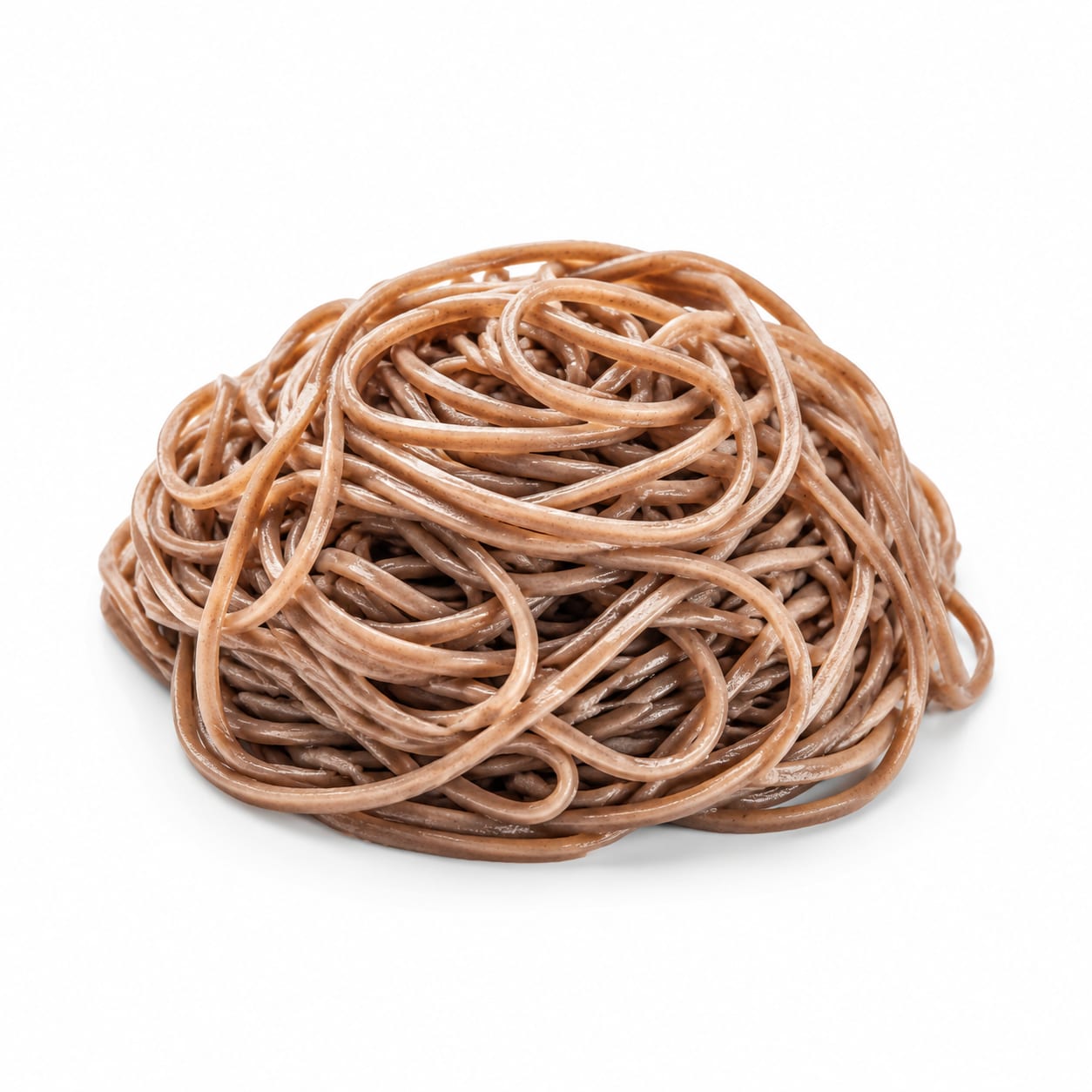
Soba
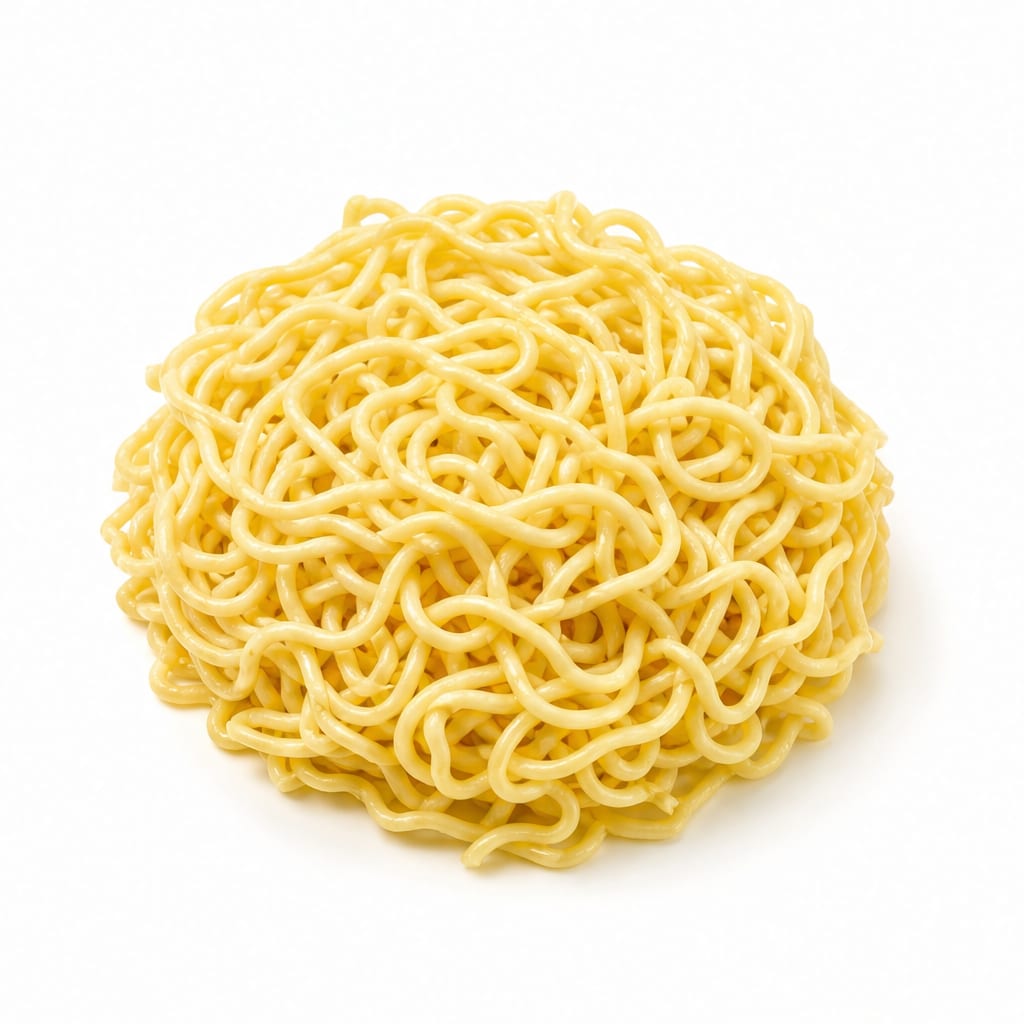
Ramen Noodles
Soba offers steadier energy and far better nutrition, while ramen is a sodium-heavy comfort food best enjoyed occasionally.
Soba scores significantly higher due to its superior micronutrient profile, lower processing, and blood sugar stability. Ramen's deep-fried nature and massive sodium content heavily penalize its score.
You trade the instant comfort and rich flavor of ramen for the blood-sugar stability and cleaner ingredients of soba.
At a glance
Executive summary
Overall
Soba
Healthier
Soba
More practical
Ramen Noodles
Daily use
Soba
Key comparison lenses
Blood sugar and carb quality
Buckwheat in soba offers a dramatically different glycemic response compared to refined wheat in ramen.
Sodium load and heart health
Ramen is infamous for extreme sodium content, which is a major health concern for daily consumption.
Ultra-processing and additives
Instant ramen is deep-fried and preserved, while soba is typically a simple, minimally processed grain noodle.
Convenience and comfort
Ramen is a classic quick comfort food, whereas soba requires slightly more preparation or mindful eating.
Best choice for
Soba
- People managing blood sugar
- Heart-conscious eaters
- Those seeking steady afternoon energy
Ramen Noodles
- Budget-strapped college students
- Quick meals in under 5 minutes
- Salty comfort food cravings
Least suitable for
Soba
- Those with buckwheat allergies
- People wanting a rich, heavy comfort meal
Ramen Noodles
- People with high blood pressure
- Daily eaters
- Those avoiding fried foods
Deep comparison
Dimension by dimension
Each lens scores both foods and breaks down who each option suits.
- Dimension 1 · Priority 95Soba
Blood Sugar Stability
Soba · 85Ramen Noodles · 35Soba's buckwheat content provides a much slower carb release than ramen's refined wheat.
Tradeoff
Ramen gives a quick carb rush but guarantees an energy crash later.
Why it matters
Steady blood sugar means fewer cravings and better focus.
Real-world impact
Soba keeps you full until dinner; ramen leaves you hunting for snacks an hour later.
Soba
- Avoiding the afternoon slump
- Managing diabetes or insulin resistance
Better for
- Needing immediate intense energy
Worse for
Ramen Noodles
- Quick pre-workout carb loading
Better for
- Sitting at a desk for hours without snacking
Worse for
- Dimension 2 · Priority 90Soba
Sodium & Heart Health
Soba · 80Ramen Noodles · 15Ramen is notorious for extreme sodium levels, while soba (especially with a light dipping sauce) is much gentler on blood pressure.
Tradeoff
Ramen's signature savory broth comes at the cost of a massive sodium hit.
Why it matters
High sodium intake directly drives up blood pressure and bloating.
Real-world impact
Eating ramen often means waking up with puffy fingers and a raging thirst.
Soba
- Keeping blood pressure in check
- Avoiding bloating
Better for
- Post-marathon salt replenishment
Worse for
Ramen Noodles
- Replenishing sodium after heavy sweating
Better for
- Everyday heart health
- Managing hypertension
Worse for
- Dimension 3 · Priority 85Soba
Processing & Additives
Soba · 90Ramen Noodles · 25Traditional soba is minimally processed, while instant ramen is deep-fried and packed with preservatives.
Tradeoff
Ramen offers shelf stability for years, but relies on industrial additives to do it.
Why it matters
Fewer additives mean less inflammatory load on your body.
Real-world impact
Soba digests cleanly; instant ramen can leave you feeling heavy and sluggish.
Soba
- Clean eating goals
- Sensitive digestion
Better for
- Needing a shelf-stable meal for months
Worse for
Ramen Noodles
- Pantry stocking for emergencies
Better for
- Avoiding ultra-processed foods
Worse for
- Dimension 4 · Priority 80Ramen Noodles
Convenience & Comfort
Soba · 55Ramen Noodles · 90Instant ramen is ready in 3 minutes and hits the salty comfort craving perfectly.
Tradeoff
You sacrifice nutritional quality for sheer speed and comfort.
Why it matters
When you are exhausted, a 3-minute meal is often the difference between eating and skipping a meal.
Real-world impact
Ramen is a lifesaver on late, tired nights; soba takes a bit more effort or planning.
Soba
- A lighter, more refreshing meal experience
Better for
- Desperate 10-minute meal emergencies
Worse for
Ramen Noodles
- Zero energy cooking nights
- Freezing winter comfort food
Better for
- Hot summer days when you want something light
Worse for
Timeline
Health impact over time
Short-term
Hours to days
Soba
- Sustained energy without a crash
- Light feeling after eating
Ramen Noodles
- Immediate satiety from fat and salt
- Bloating and thirst from sodium
- Quick energy spike followed by a crash
Long-term
Months to years
Soba
- Better blood pressure control
- Improved vascular health from rutin
- Steadier weight management
Ramen Noodles
- Increased risk of hypertension
- Higher risk of metabolic syndrome from frequent ultra-processed food intake
- Water retention issues
Risk profile
Safety & processing
Soba is typically just buckwheat flour and water, making it a clean, whole-food choice. Instant ramen is industrially deep-fried, preserved, and flavored with artificial packets.
Soba
Buckwheat allergy
highBuckwheat is a potent allergen for some people, potentially causing severe reactions.
Cross-contamination with wheat
mediumMany commercial sobas add wheat flour, posing a risk for those with celiac disease.
Ramen Noodles
TBHQ exposure
mediumA synthetic preservative used in the frying oil of instant ramen, linked to nausea and vision disturbance at high doses.
Excessive sodium
highA single pack often contains a full day's worth of sodium, risking acute blood pressure spikes.
Who wins for whom
Audience fit
Same foods, different winners depending on your goal.
children
SobaSoba avoids the extreme sodium and artificial preservatives found in instant ramen, making it safer for developing bodies.
daily consumption
SobaSoba is gentle enough for daily eating; daily ramen would deliver dangerous sodium levels and too many processed fats.
diabetes
SobaBuckwheat has a much lower glycemic index and improves insulin sensitivity compared to refined wheat noodles.
elderly
SobaThe rutin in soba supports vascular health, and the lower sodium protects aging hearts and blood pressure.
muscle gain
It dependsRamen offers more calories and carbs for bulking, but soba provides better protein quality for recovery.
weight loss
SobaSoba has fewer calories, more fiber, and keeps you full longer without the sodium-induced bloating of ramen.
Your move
Decision guide
Choose Soba
- You want steady energy without the crash
- You are watching your blood pressure or sodium intake
- You prefer clean, minimally processed meals
- You need a light lunch that won't put you to sleep
Choose Ramen Noodles
- You are sick, exhausted, and need a 3-minute salty comfort meal
- You are on a very tight budget and need cheap calories
- You just finished a heavy workout and need salt and carbs fast
Either works if
- You are eating out at a restaurant and both are made fresh from scratch
Avoid both if
- You have a severe wheat allergy (unless eating 100% buckwheat soba)
Final recommendation
Make soba your everyday noodle for its clean energy and health benefits, and treat ramen as an occasional comfort food when you need a quick, salty hug.
Practical
Consumer tips
- 1
Look for 100% buckwheat (juwari) soba to avoid hidden wheat and get the most fiber.
- 2
If you crave ramen, try making it at home with fresh noodles and low-sodium broth to cut the salt by half.
- 3
Rinse soba after cooking to remove excess starch and improve texture.
- 4
Use half the flavor packet in instant ramen and add fresh veggies and an egg to improve its nutritional profile.