
Nutrition comparison
Soba vs Udon Noodles: Which is Healthier?
Compare Soba vs Udon Noodles for nutrition, blood sugar impact, and digestibility. Find out which Japanese noodle is better for weight loss, diabetes, and daily meals.
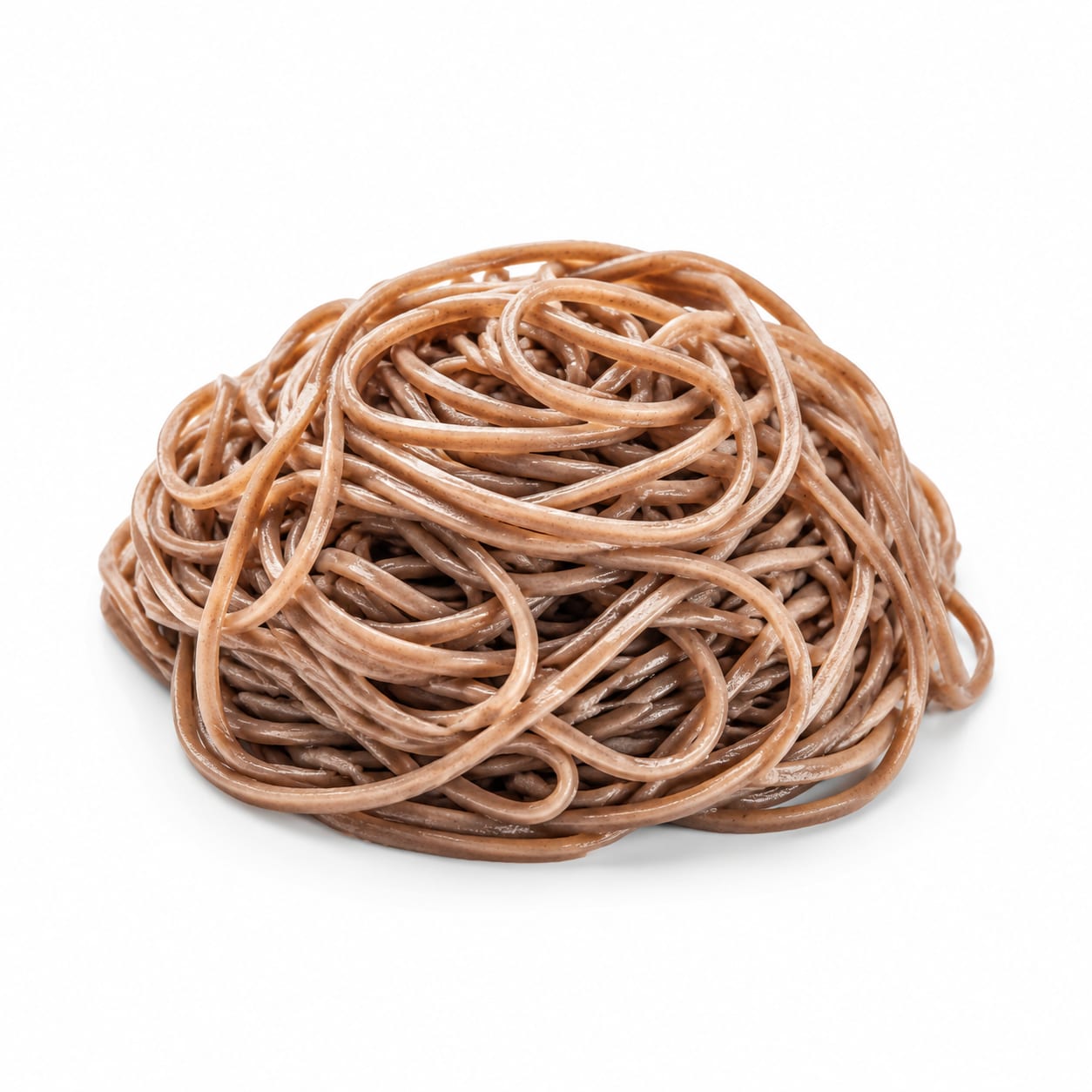
Soba
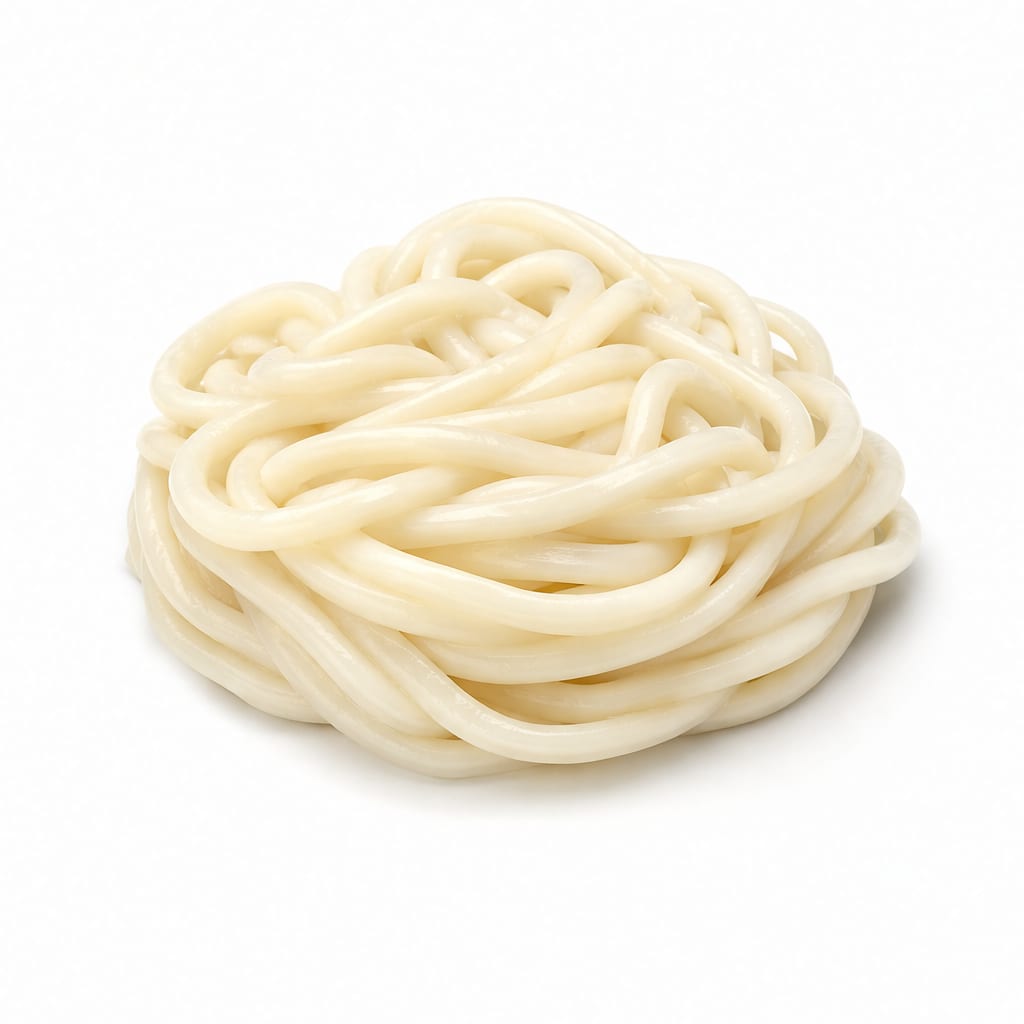
Udon Noodles
Soba offers better nutrition and steadier energy, while Udon Noodles provide a gentler, more comforting eating experience.
Soba scores higher due to its superior micronutrient profile, higher protein, and lower glycemic impact, though Udon Noodles remain a valid choice for specific comfort or digestive needs.
Nutritional value and blood sugar control versus digestive ease and comfort.
At a glance
Executive summary
Overall
It depends
Healthier
Soba
More practical
It depends
Daily use
Soba
Key comparison lenses
Blood sugar management
Soba is made from buckwheat which has a much lower glycemic index than the refined wheat in Udon Noodles.
Nutrient density
Buckwheat provides significantly more minerals and protein compared to the refined white flour used in Udon Noodles.
Digestive comfort
Udon Noodles are famously soft and easy on the stomach, making them a go-to for sensitive digestion.
Best choice for
Soba
- Blood sugar control
- Weight management
- Nutrient density
Udon Noodles
- Sensitive stomachs
- Post-illness recovery
- Comfort food cravings
Least suitable for
Soba
- Those with buckwheat allergies
- People needing very soft foods
Udon Noodles
- Low-carb dieters
- People watching blood sugar spikes
Deep comparison
Dimension by dimension
Each lens scores both foods and breaks down who each option suits.
- Dimension 1 · Priority 92Soba
Blood Sugar Stability
Soba · 82Udon Noodles · 40Soba causes a slower, steadier rise in blood sugar compared to Udon Noodles.
Tradeoff
You get steadier energy with Soba, but Udon Noodles give a quicker, shorter-lasting energy burst.
Why it matters
Preventing blood sugar spikes helps avoid afternoon crashes and reduces diabetes risk.
Real-world impact
Eating Soba at lunch means fewer cravings at 3 PM; Udon Noodles might leave you hungry sooner.
Soba
- Diabetics
- Steady energy seekers
Better for
- Those wanting an immediate energy spike
Worse for
Udon Noodles
- Athletes needing quick carbs post-workout
Better for
- People with insulin resistance
Worse for
- Dimension 2 · Priority 88Soba
Nutrient Density
Soba · 85Udon Noodles · 35Soba is rich in manganese, fiber, and protein, while Udon Noodles are mostly refined starch.
Tradeoff
Soba delivers actual vitamins and minerals, whereas Udon Noodles are mostly empty calories unless enriched.
Why it matters
Getting nutrients from carbs means your body works better without needing extra supplements.
Real-world impact
A bowl of Soba contributes to your daily mineral needs; Udon Noodles are just fuel.
Soba
- Nutrient-focused eaters
- Older adults needing trace minerals
Better for
- Buckwheat allergy sufferers
Worse for
Udon Noodles
- Those who struggle to keep weight on
Better for
- Anyone avoiding empty carbs
Worse for
- Dimension 3 · Priority 80Udon Noodles
Digestive Comfort
Soba · 55Udon Noodles · 92Udon Noodles are soft, mild, and very easy on the stomach.
Tradeoff
Udon Noodles are gentler during digestion, but Soba's fiber is better for long-term gut health.
Why it matters
When your stomach is upset or you need comfort, easy digestion matters more than fiber.
Real-world impact
Udon Noodles are ideal when you are sick or stressed; Soba might feel too heavy on a sensitive day.
Soba
- People needing more daily fiber
Better for
- Acid reflux triggered by rough grains
Worse for
Udon Noodles
- Upset stomachs
- Post-surgery soft diets
Better for
- Constipation-prone individuals
Worse for
- Dimension 4 · Priority 78Soba
Satiety and Fullness
Soba · 80Udon Noodles · 50Soba keeps you full longer thanks to its protein and fiber content.
Tradeoff
Soba provides lasting fullness, while Udon Noodles digest quickly and may leave you hungry faster.
Why it matters
Staying full helps control portions and prevents unnecessary snacking.
Real-world impact
A Soba bowl easily carries you to dinner; Udon Noodles might require a heavy side dish to match.
Soba
- Weight loss diets
- Long workdays
Better for
- Those wanting a light, quick-digesting meal
Worse for
Udon Noodles
- Light pre-workout meals
Better for
- Heavy snackers
Worse for
Timeline
Health impact over time
Short-term
Hours to days
Soba
- Steady energy levels without a crash
- Moderate, lasting fullness
Udon Noodles
- Quick energy boost
- Comforting and warming sensation
Long-term
Months to years
Soba
- Better blood sugar management
- Improved heart health from buckwheat rutin
Udon Noodles
- Potential weight gain if over-portioned
- Higher risk of blood sugar issues if eaten frequently alone
Risk profile
Safety & processing
Traditional Soba is often just buckwheat and water, while Udon Noodles typically use refined wheat flour and salt. Watch out for cheaper Soba brands that add significant wheat flour, reducing health benefits.
Soba
Buckwheat allergy
highBuckwheat is a potent allergen for some, causing severe reactions. Cross-contamination with wheat is also common in restaurants.
Udon Noodles
High sodium in broth
mediumUdon Noodles are almost always served in a salty dashi-soy broth, which can spike sodium intake significantly.
Who wins for whom
Audience fit
Same foods, different winners depending on your goal.
children
Udon NoodlesUdon Noodles' soft texture and mild flavor are usually much more appealing to kids.
daily consumption
SobaThe daily nutritional profile of Soba supports long-term health better than refined Udon Noodles.
diabetes
SobaBuckwheat has a much lower glycemic index and improves insulin sensitivity.
elderly
Udon NoodlesUdon Noodles are extremely easy to chew and gentle on aging digestive systems.
muscle gain
It dependsNeither is a protein powerhouse, but Udon Noodles' quick carbs can fuel workouts, while Soba offers slightly more protein for recovery.
weight loss
SobaSoba has more protein and fiber, keeping you full on fewer calories.
Your move
Decision guide
Choose Soba
- You want steady energy without a carb crash
- You are focusing on nutrient-dense meals
- You need more fiber in your diet
Choose Udon Noodles
- You have an upset stomach or need comfort food
- You are feeding picky children
- You need easily digestible carbs before a workout
Either works if
- You want a warming noodle soup
- You are balancing a rich protein-heavy main dish
Avoid both if
- You are on a strict low-carb or keto diet
- You have celiac disease (unless certified gluten-free)
Final recommendation
Make Soba your everyday noodle for its nutritional edge and blood sugar benefits, but keep Udon Noodles in your back pocket for days when comfort and easy digestion are the top priority.
Practical
Consumer tips
- 1
Look for 100% buckwheat (juwari) Soba to avoid refined wheat fillers.
- 2
Rinse Soba after cooking to remove excess starch and improve texture.
- 3
Go easy on the dipping sauce for Soba—it can be deceptively high in sodium.
- 4
Choose whole wheat Udon if available for a slight fiber upgrade.