
Nutrition comparison
Soba vs Brown Rice Pasta: Nutrition, Gluten-Free & Health Comparison
Compare Soba vs Brown Rice Pasta to see which is better for blood sugar, gluten-free diets, and overall health. Discover the nutritional tradeoffs and best uses.
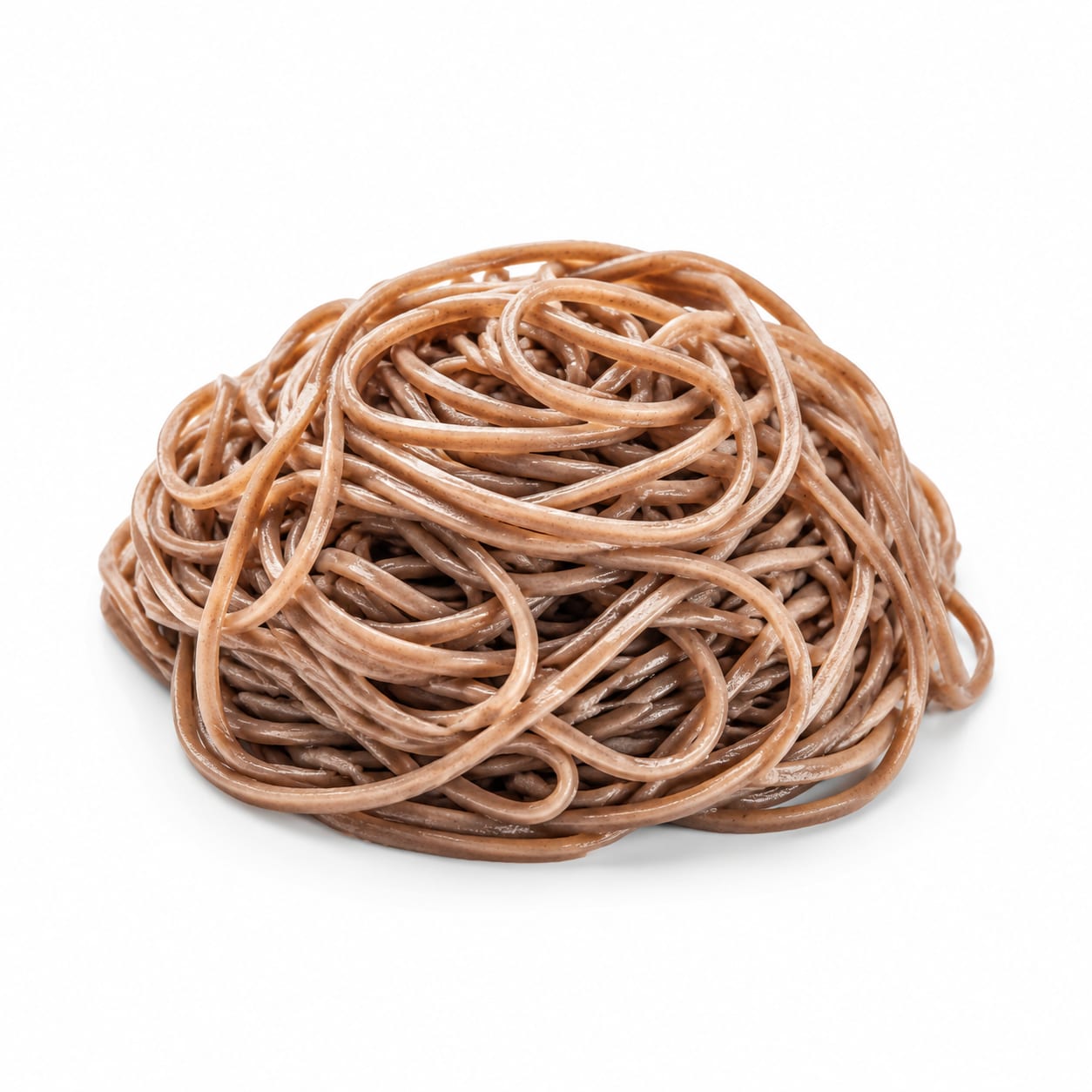
Soba
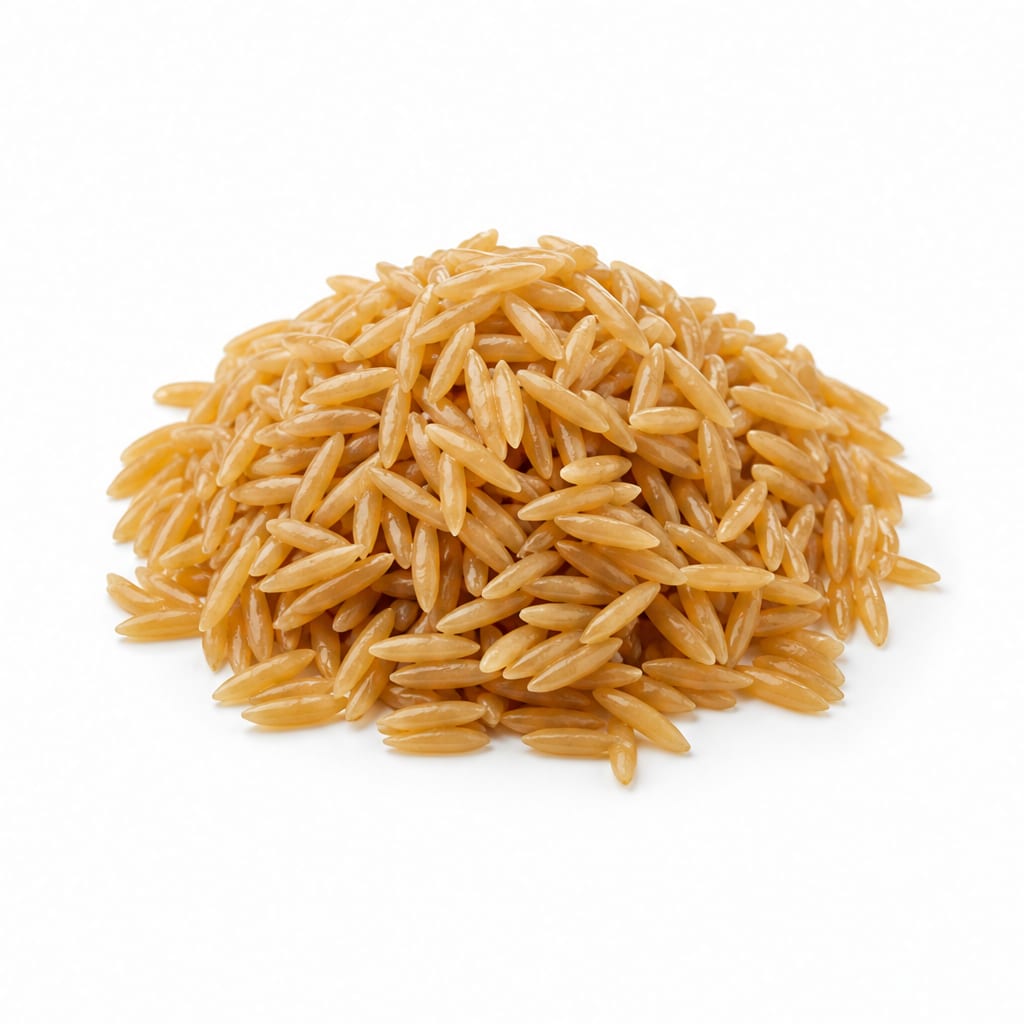
Brown Rice Pasta
Soba offers more protein and blood vessel-supporting rutin, while Brown Rice Pasta is the safer bet for gluten-free diets and Italian-style meals.
Soba edges out Brown Rice Pasta due to its superior micronutrient profile and lower glycemic impact, but Brown Rice Pasta's gluten-free advantage keeps it highly competitive.
Nutritional edge and lower blood sugar impact versus guaranteed gluten-free safety and sauce-pairing versatility.
At a glance
Executive summary
Overall
It depends
Healthier
Soba
More practical
Brown Rice Pasta
Daily use
It depends
Key comparison lenses
Gluten-free dietary needs
Brown Rice Pasta is inherently gluten-free, while most Soba contains wheat, making this a critical deciding factor for those with celiac or gluten intolerance.
Blood sugar management
Soba generally has a lower glycemic index than brown rice pasta, leading to different impacts on energy and cravings.
Nutrient density and unique antioxidants
Soba contains rutin, a unique antioxidant for vascular health, whereas brown rice pasta offers different mineral profiles.
Culinary application and meal type
Soba is ideal for cold salads and Asian broths, while Brown Rice Pasta fits better into traditional hot Italian dishes.
Best choice for
Soba
- People focusing on heart health
- Those wanting steadier energy
- Fans of Asian cuisine
Brown Rice Pasta
- People with celiac disease or gluten intolerance
- Families needing a seamless pasta swap
- Those avoiding buckwheat allergens
Least suitable for
Soba
- People with buckwheat allergies
- Strict gluten-free dieters (unless 100% buckwheat)
Brown Rice Pasta
- People watching blood sugar spikes
- Those seeking high-protein grains
Deep comparison
Dimension by dimension
Each lens scores both foods and breaks down who each option suits.
- Dimension 1 · Priority 90Soba
Blood Sugar Stability
Soba · 82Brown Rice Pasta · 65Soba has a lower glycemic index, leading to steadier energy and fewer afternoon crashes.
Tradeoff
Brown Rice Pasta, despite being whole grain, can spike blood sugar faster than soba.
Why it matters
Keeping blood sugar stable prevents cravings and fatigue.
Real-world impact
You will likely feel fuller for longer after a soba bowl compared to a brown rice pasta dish.
Soba
- Diabetics
- People prone to energy crashes
Better for
Brown Rice Pasta
- People with insulin resistance
Worse for
- Dimension 2 · Priority 95Brown Rice Pasta
Gluten and Allergen Safety
Soba · 40Brown Rice Pasta · 95Brown Rice Pasta is naturally gluten-free, while most soba contains wheat flour.
Tradeoff
100% buckwheat soba exists but is harder to find and more expensive; standard soba triggers gluten sensitivities.
Why it matters
For celiacs or the gluten-intolerant, cross-contamination or wheat additives are a major concern.
Real-world impact
Brown Rice Pasta gives peace of mind at dinner, while soba requires label-checking.
Soba
- Celiacs
- People with wheat allergies
Worse for
Brown Rice Pasta
- Celiacs
- People with gluten sensitivity
Better for
- Dimension 3 · Priority 80Soba
Micronutrient Density
Soba · 88Brown Rice Pasta · 70Soba is rich in rutin, which supports blood vessel health, and offers more protein.
Tradeoff
Brown Rice Pasta provides manganese and selenium but lacks the unique antioxidants found in buckwheat.
Why it matters
Rutin helps strengthen capillaries and improve circulation.
Real-world impact
Regularly eating soba is an easy way to support cardiovascular health without supplements.
Soba
- People with high blood pressure
- Those seeking plant-based protein
Better for
Brown Rice Pasta
- Dimension 4 · Priority 70It depends
Culinary Versatility and Texture
Soba · 80Brown Rice Pasta · 80Soba excels in cold salads and broths, while Brown Rice Pasta shines in hot, saucy dishes.
Tradeoff
Brown Rice Pasta can get mushy if overcooked, whereas soba can become gummy if not rinsed properly.
Why it matters
The right texture makes or breaks a meal.
Real-world impact
Use soba for refreshing noodle bowls and brown rice pasta for comforting spaghetti nights.
Soba
- Cold noodle salads
- Asian-inspired broths
Better for
- Heavy cream sauces
Worse for
Brown Rice Pasta
- Hearty pasta sauces
- Baked dishes
Better for
- Chilled picnic salads
Worse for
Timeline
Health impact over time
Short-term
Hours to days
Soba
- Quick prep time
- Light feeling after eating
- Risk of gluten reaction if sensitive
Brown Rice Pasta
- Fills you up quickly
- Can cause bloating if overeaten
- Safe for gluten-sensitive individuals
Long-term
Months to years
Soba
- Improved circulation from rutin
- Better blood sugar management
- Potential gluten inflammation if not 100% buckwheat
Brown Rice Pasta
- Reliable gluten-free staple
- Consistent whole grain fiber intake
- Possible blood sugar creep if portions are large
Risk profile
Safety & processing
Both are relatively simple grain products, though Brown Rice Pasta undergoes more extrusion processing to mimic wheat pasta shapes.
Soba
Gluten cross-contamination
highMost commercial soba contains wheat; even pure buckwheat soba may be processed on shared equipment.
Buckwheat allergy
mediumBuckwheat is a potent allergen for some, causing severe reactions.
Brown Rice Pasta
Arsenic exposure
mediumBrown rice can accumulate arsenic; varying brands and sourcing is recommended.
Mushy texture leading to overeating sauce
lowIf the pasta breaks down, you may consume more sauce and calories than intended.
Who wins for whom
Audience fit
Same foods, different winners depending on your goal.
children
Brown Rice PastaBrown Rice Pasta's familiar texture and shape make it an easy win for picky eaters, and it is safely gluten-free.
daily consumption
It dependsAlternate both for variety, but choose Brown Rice Pasta if gluten is an issue, and Soba if blood sugar control is the priority.
diabetes
SobaSoba's slower carbohydrate absorption prevents sharp blood sugar spikes.
elderly
SobaThe rutin in soba supports vascular health, which is crucial as we age.
muscle gain
SobaSoba provides slightly more protein per serving, though both need protein add-ons for serious muscle building.
weight loss
SobaSoba's lower glycemic index and higher protein content help control hunger and reduce snacking.
Your move
Decision guide
Choose Soba
- You want steadier energy and fewer cravings
- You are focused on heart and blood vessel health
- You love Asian-style dishes and cold noodle salads
Choose Brown Rice Pasta
- You are strictly gluten-free or have celiac disease
- You want a direct substitute for traditional wheat pasta
- You prefer hearty, warm Italian-style meals
Either works if
- You need a quick-cooking weeknight base
- You are looking for whole-grain alternatives to white pasta
- You want to rotate grains to diversify your microbiome
Avoid both if
- You are on a strict low-carb or keto diet
- You have severe sensitivities to both gluten and rice
Final recommendation
Keep both in your pantry. Use Soba for light, energizing meals with veggies and a soy-based dressing, and lean on Brown Rice Pasta when you need a comforting, gluten-free bowl of spaghetti.
Practical
Consumer tips
- 1
Always check the ingredient list on Soba; look for 80% buckwheat or higher (hachi-wari) to minimize gluten and maximize nutrients.
- 2
Rinsing Soba under cold water after cooking removes excess starch and prevents clumping.
- 3
To avoid mushy Brown Rice Pasta, cook it 1-2 minutes less than the package instructions and let it finish in the sauce.
- 4
Rinse brown rice pasta with cold water immediately after draining to halt the cooking process and improve texture.
- 5
To reduce arsenic exposure in Brown Rice Pasta, look for brands sourced from California or India rather than the southern US.