
Nutrition comparison
Soba vs Egg Noodles: Which is Healthier?
Compare Soba vs Egg Noodles for weight loss, blood sugar, and protein. Find out which noodle is better for your diet and daily meals.
Overall winner · Soba
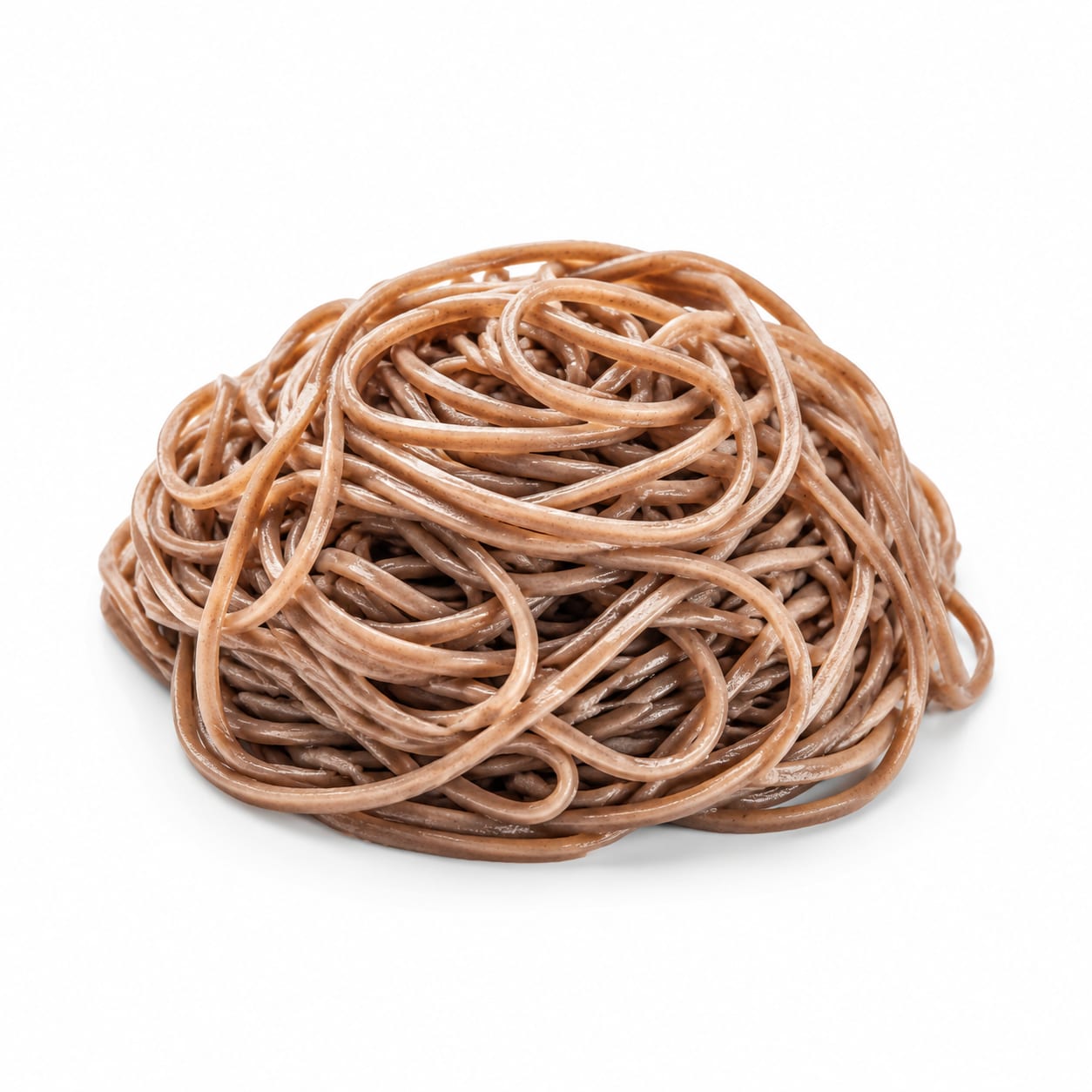
Soba
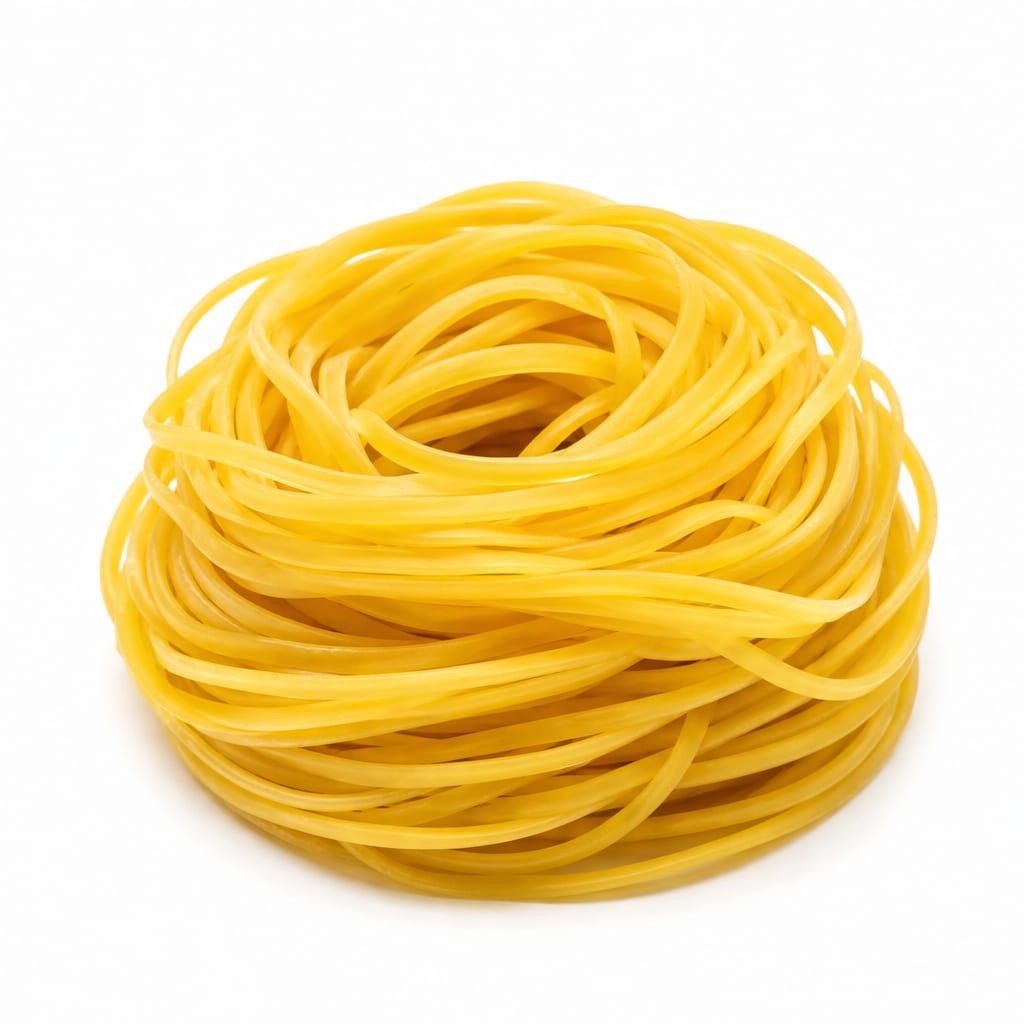
Egg Noodles
Soba offers more fiber, steadier energy, and unique heart-healthy antioxidants, while Egg Noodles deliver richer flavor and more protein per bite.
Soba scores higher due to its superior fiber content, lower glycemic impact, and richer micronutrient profile, making it a stronger everyday staple for most people.
Metabolic stability and digestive benefits versus higher protein and a more comforting, rich taste.
At a glance
Executive summary
Overall
Soba
Healthier
Soba
More practical
It depends
Daily use
Soba
Key comparison lenses
Blood sugar control and glycemic impact
Soba's buckwheat content offers a much lower glycemic index compared to the refined wheat in Egg Noodles, making it a critical differentiator for energy and metabolic health.
Weight management and satiety
Fiber content in Soba keeps you full longer, while Egg Noodles are more calorie-dense and easier to overeat.
Protein intake and muscle support
Egg Noodles provide a higher protein content due to the inclusion of eggs, which matters for muscle maintenance and satiety.
Micronutrient density and unique antioxidants
Buckwheat provides rutin and magnesium, nutrients largely absent in standard Egg Noodles.
Best choice for
Soba
- Blood sugar management
- Weight loss
- Heart health
- Sustained daily energy
Egg Noodles
- Higher protein diets
- Comfort food meals
- Post-workout recovery
- Cooking for picky eaters
Least suitable for
Soba
- Buckwheat allergies
- Strict low-fiber diets after surgery
Egg Noodles
- Strict low-cholesterol diets
- Insulin resistance management
Deep comparison
Dimension by dimension
Each lens scores both foods and breaks down who each option suits.
- Dimension 1 · Priority 90Soba
Blood Sugar Stability
Soba · 85Egg Noodles · 50Soba has a significantly lower glycemic index and more fiber, preventing sharp blood sugar spikes.
Tradeoff
Egg Noodles digest faster, which can be useful for quick post-workout energy but causes quicker crashes.
Why it matters
Steady blood sugar means fewer afternoon energy dips and reduced cravings.
Real-world impact
You feel energized longer after a Soba lunch instead of needing a snack by 3 PM.
Soba
- Diabetics
- Sustained focus at work
- Avoiding sugar crashes
Better for
- Situations requiring rapid energy replenishment
Worse for
Egg Noodles
- Quick post-workout carb replenishment
- Easy digestion when stomach is upset
Better for
- Insulin resistance
- Sedentary evening meals
Worse for
- Dimension 2 · Priority 75Egg Noodles
Protein & Muscle Support
Soba · 50Egg Noodles · 75Egg Noodles contain more protein per serving due to the added eggs, supporting muscle repair.
Tradeoff
You get more muscle-building blocks with Egg Noodles, but less fiber to keep you full.
Why it matters
Protein is essential for maintaining muscle mass and staying full between meals.
Real-world impact
A bowl of Egg Noodles after a workout gives you a slight protein edge over Soba.
Soba
- Lighter meals where protein comes from other sources
Better for
- Athletes needing high protein from carbs
Worse for
Egg Noodles
- Muscle gain goals
- Higher protein needs
- Growing teenagers
Better for
- Those relying solely on noodles for a low-calorie base
Worse for
- Dimension 3 · Priority 70Soba
Micronutrient Density
Soba · 85Egg Noodles · 55Buckwheat in Soba provides manganese, magnesium, and the unique antioxidant rutin.
Tradeoff
Egg Noodles offer more choline and B-vitamins from eggs, but lack the cardiovascular benefits of rutin.
Why it matters
Rutin strengthens blood vessels, while magnesium helps with muscle relaxation and sleep.
Real-world impact
Eating Soba regularly can subtly support cardiovascular health and reduce leg cramps at night.
Soba
- Heart health
- Electrolyte balance
- Antioxidant boost
Better for
- Those needing choline for cognitive support
Worse for
Egg Noodles
- Brain health via choline
- B-vitamin intake
Better for
- Cardiovascular risk factors
Worse for
- Dimension 4 · Priority 80Soba
Calorie Density & Weight Management
Soba · 80Egg Noodles · 55Soba is slightly lower in calories and higher in fiber, making it easier to manage portions without feeling deprived.
Tradeoff
Egg Noodles are richer and more calorie-dense, making it easier to overeat but more satisfying in small amounts.
Why it matters
Fiber stretches your stomach and signals fullness, naturally reducing overall calorie intake.
Real-world impact
You can eat a larger, more filling bowl of Soba for fewer calories than a smaller bowl of Egg Noodles.
Soba
- Weight loss
- Large portion lovers
Better for
- Those needing to gain weight easily
Worse for
Egg Noodles
- Weight gain
- Need for calorie-dense meals
Better for
- Calorie counting
- Appetite control
Worse for
Timeline
Health impact over time
Short-term
Hours to days
Soba
- Steady, crash-free energy levels
- Gentle digestion and regularity
Egg Noodles
- Quick energy boost
- Heavier, more comforting feeling in the stomach
Long-term
Months to years
Soba
- Better blood sugar control
- Improved heart health via rutin
- Healthier digestion and gut microbiome
Egg Noodles
- Higher cholesterol intake if consumed frequently
- Better muscle maintenance due to higher protein
Risk profile
Safety & processing
Traditional Soba is often just buckwheat and water, while Egg Noodles require refined wheat flour and eggs. Both are relatively clean whole-food options, but cheap Soba can be packed with refined wheat fillers.
Soba
Buckwheat allergy
highBuckwheat is a potent allergen for some people and can cause severe reactions.
Cross-contamination with wheat
mediumMany commercial Soba brands add wheat flour for texture, making them unsafe for those with celiac disease.
Egg Noodles
Egg allergy
highContains eggs, which are a top 8 allergen and unsafe for those with egg sensitivities.
Cholesterol concerns
lowThe dietary cholesterol in egg yolks may be a concern for hyper-responders monitoring their heart health.
Who wins for whom
Audience fit
Same foods, different winners depending on your goal.
children
Egg NoodlesEgg Noodles are milder in flavor, richer, and provide growing kids with extra protein and choline.
daily consumption
SobaSoba's fiber and micronutrient profile makes it a better everyday staple than the denser Egg Noodles.
diabetes
SobaThe lower glycemic index and higher fiber in Soba prevent dangerous blood sugar spikes.
elderly
SobaSoba is easier to digest and its rutin content supports vascular health, which is crucial with aging.
muscle gain
Egg NoodlesEgg Noodles provide more protein per serving to support muscle repair and growth.
weight loss
SobaSoba has fewer calories and more fiber, keeping you full on less food.
Your move
Decision guide
Choose Soba
- You want steady energy without afternoon crashes
- You are watching your weight or calorie intake
- You need more fiber to stay regular
- You have blood sugar concerns or insulin resistance
Choose Egg Noodles
- You need more protein in your meals
- You want a comforting, rich base for stews and casseroles
- You are cooking for kids who prefer milder noodles
- You are trying to gain healthy weight
Either works if
- You just need a quick carb source for a stir-fry
- You are mixing noodles into a heavy soup where the base flavor is masked
Avoid both if
- You are on a strict low-carb or keto diet
- You have severe gluten intolerance (unless using 100% buckwheat Soba)
Final recommendation
Make Soba your everyday noodle for its metabolic and digestive benefits, but keep Egg Noodles in rotation for comfort meals and post-workout protein boosts.
Practical
Consumer tips
- 1
Look for Soba made with 80% or more buckwheat (juwari soba) to avoid refined wheat fillers.
- 2
Rinse Soba after cooking to remove excess starch and improve texture.
- 3
Use Egg Noodles in rich broths where their denser texture holds up well without getting soggy.
- 4
Watch portion sizes with Egg Noodles, as their rich taste makes it easy to overeat.