
Nutrition comparison
Soba vs Whole Wheat Pasta: Which is Healthier?
Compare Soba vs Whole Wheat Pasta for weight loss, blood sugar, and nutrition. Find out which noodle is better for your health goals.
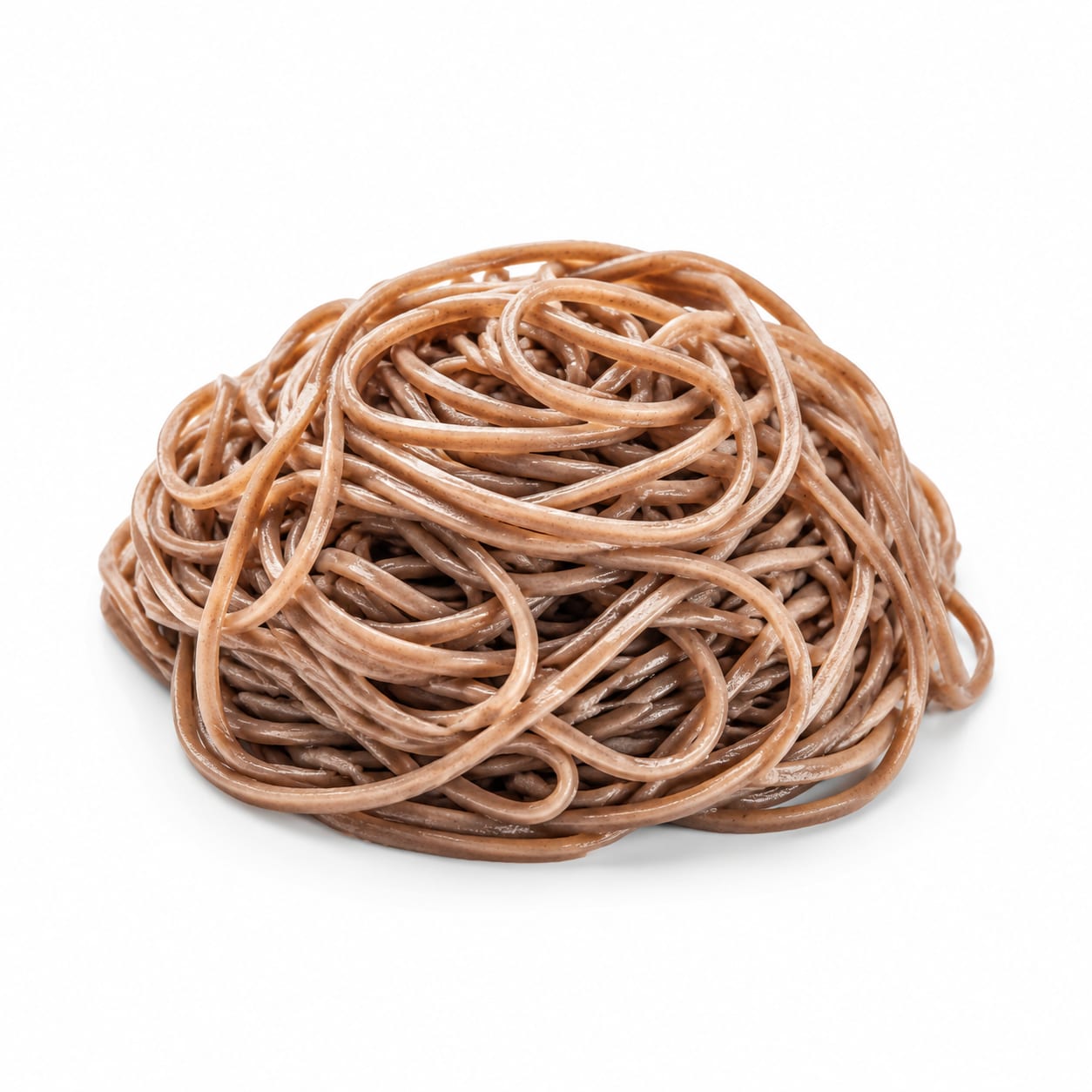
Soba
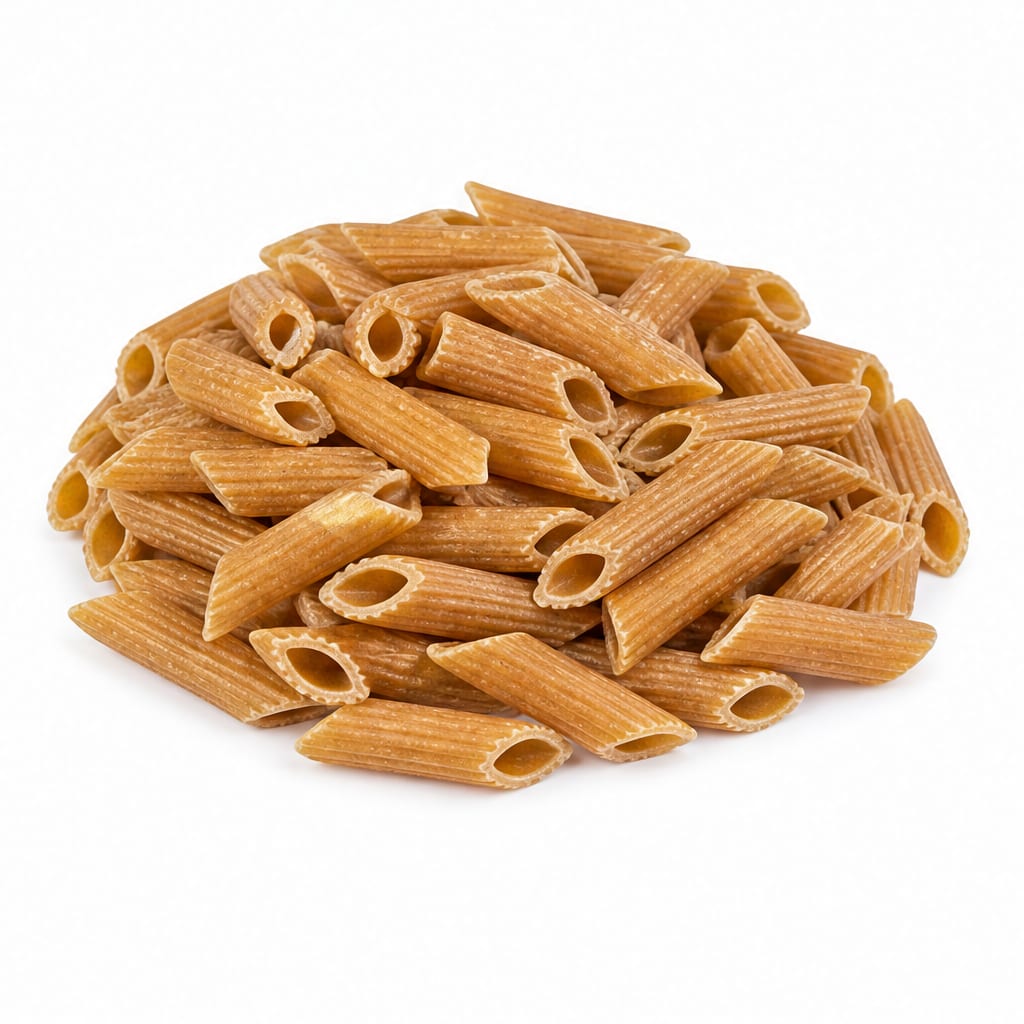
Whole Wheat Pasta
Soba offers lighter energy and unique antioxidants, while Whole Wheat Pasta delivers heavier satiety and more protein.
Soba edges ahead slightly due to its lower glycemic impact and unique antioxidant profile, but Whole Wheat Pasta remains a strong contender for satiety and protein.
Lighter, blood-sugar-friendly noodles versus denser, more filling pasta with higher protein.
At a glance
Executive summary
Overall
It depends
Healthier
Soba
More practical
Whole Wheat Pasta
Daily use
It depends
Key comparison lenses
blood sugar management
Buckwheat in Soba has a lower glycemic index and contains rutin, which supports blood vessel health, making it a key differentiator.
gluten sensitivity and digestion
100% buckwheat Soba is naturally gluten-free, whereas Whole Wheat Pasta is off-limits for those with celiac or gluten intolerance.
satiety and meal heaviness
Whole Wheat Pasta is denser and higher in protein, making it more filling, while Soba feels lighter and less likely to cause a food coma.
culinary versatility
Whole Wheat Pasta adapts to countless sauces, while Soba shines primarily in Asian-inspired broths and cold dishes.
Best choice for
Soba
- People managing blood sugar spikes
- Those seeking lighter, energizing meals
- Anyone avoiding gluten (if 100% buckwheat)
- Fans of Asian cuisine and cold noodle dishes
Whole Wheat Pasta
- Athletes needing higher protein intake
- Those wanting long-lasting fullness
- Families wanting a familiar pasta base
- Meal preppers making hearty casseroles
Least suitable for
Soba
- People needing high calorie intake easily
- Those sensitive to buckwheat allergy
- Anyone expecting a traditional Italian pasta experience
Whole Wheat Pasta
- People with celiac disease or gluten sensitivity
- Those prone to post-meal food comas
- Anyone looking for a light summer meal
Deep comparison
Dimension by dimension
Each lens scores both foods and breaks down who each option suits.
- Dimension 1 · Priority 90Soba
blood sugar stability
Soba · 85Whole Wheat Pasta · 70Soba causes slower, steadier blood sugar rises compared to Whole Wheat Pasta.
Tradeoff
You get steadier energy with Soba, but less immediate dense fuel for heavy physical exertion.
Why it matters
Avoiding blood sugar spikes prevents the afternoon crash and reduces cravings later.
Real-world impact
Eating Soba for lunch makes it easier to stay awake and focused at your desk at 3 PM.
Soba
- Preventing afternoon energy crashes
- Managing insulin resistance
- Lighter post-meal physical activity
Better for
- Quick energy replenishment after depletion
Worse for
Whole Wheat Pasta
- Recovering from intense endurance workouts
- Carb-loading before athletic events
Better for
- Sitting at a desk all afternoon
- Those prone to reactive hypoglycemia
Worse for
- Dimension 2 · Priority 80Whole Wheat Pasta
satiety and fullness
Soba · 70Whole Wheat Pasta · 85Whole Wheat Pasta keeps you full longer due to higher protein and denser calorie structure.
Tradeoff
You stay fuller with Whole Wheat Pasta, but might feel heavier and more sluggish afterward.
Why it matters
Staying full prevents mindless snacking, but feeling too heavy ruins productivity.
Real-world impact
A Whole Wheat Pasta dinner keeps you full until morning, while Soba might leave you hunting for a snack by 9 PM.
Soba
- Hot summer days when heavy meals feel awful
- Pre-workout meals where you need light energy
Better for
- Those trying to restrict snacking between meals
Worse for
Whole Wheat Pasta
- Long workdays with no snack breaks
- Active individuals needing sustained calories
Better for
- Dates or social events where you want to feel light
Worse for
- Dimension 3 · Priority 75Soba
micronutrient profile
Soba · 88Whole Wheat Pasta · 72Soba provides unique antioxidants like rutin and higher levels of magnesium and manganese.
Tradeoff
Soba offers specialized vascular benefits, while Whole Wheat Pasta offers broader B-vitamins.
Why it matters
Rutin specifically strengthens blood vessels and improves circulation, a rare benefit in staple carbs.
Real-world impact
Regularly eating Soba can subtly support cardiovascular health and reduce leg swelling or heaviness.
Soba
- Supporting cardiovascular health
- Improving circulation
Better for
- Those needing high folate intake from grains
Worse for
Whole Wheat Pasta
- Supporting nervous system health
- Energy metabolism from B-vitamins
Better for
- Those specifically seeking vascular support
Worse for
- Dimension 4 · Priority 70Soba
digestive tolerance
Soba · 82Whole Wheat Pasta · 65Soba is easier on the stomach, especially if gluten-sensitive, whereas Whole Wheat Pasta can cause bloating.
Tradeoff
Soba is gentler on digestion, but cheaper brands often sneak in wheat flour, negating the benefit.
Why it matters
Feeling bloated after a meal destroys comfort and focus for hours.
Real-world impact
Choosing 100% buckwheat Soba means you can enjoy noodles without unbuttoning your jeans afterward.
Soba
- People with non-celiac gluten sensitivity
- Those prone to post-meal bloating
Better for
- Those with buckwheat allergies
Worse for
Whole Wheat Pasta
- Individuals with robust digestion
Better for
- Anyone with IBS triggered by wheat or gluten
Worse for
Timeline
Health impact over time
Short-term
Hours to days
Soba
- Provides quick, light energy without sluggishness
- Less likely to cause post-meal bloating
Whole Wheat Pasta
- Creates a strong feeling of fullness
- Can induce a heavy, sleepy sensation if overeaten
Long-term
Months to years
Soba
- Rutin may improve vascular health and circulation
- Better long-term blood sugar regulation
Whole Wheat Pasta
- Higher protein supports muscle maintenance
- Robust fiber supports consistent bowel habits
Risk profile
Safety & processing
Both are simple grain-based products, but Soba often contains fewer ingredients. Watch out for Soba brands that add wheat flour or salt to the dough.
Soba
Buckwheat allergy
highBuckwheat is a potent allergen for some individuals, potentially causing severe reactions.
Hidden gluten cross-contamination
mediumMany commercial Soba noodles blend wheat flour with buckwheat, posing a risk for those with celiac disease.
Whole Wheat Pasta
Gluten intolerance reaction
highContains gluten, which triggers autoimmune or inflammatory responses in sensitive individuals.
Pesticide residue
lowConventional wheat is often heavily sprayed; choosing organic whole wheat pasta mitigates this.
Who wins for whom
Audience fit
Same foods, different winners depending on your goal.
children
Whole Wheat PastaKids are far more receptive to the familiar taste and texture of whole wheat pasta with tomato sauce.
daily consumption
It dependsRotate both: Soba for lighter meals and vascular benefits, Whole Wheat Pasta for hearty, protein-forward days.
diabetes
SobaBuckwheat has a lower glycemic index and contains compounds that improve insulin sensitivity.
elderly
SobaSoba is softer to chew and the rutin supports vascular health, which is crucial in older age.
muscle gain
Whole Wheat PastaWhole Wheat Pasta has slightly more protein and pairs better with heavy meat sauces for calorie surplus.
weight loss
SobaSoba is lower in calories per serving and less likely to trigger blood sugar-driven cravings.
Your move
Decision guide
Choose Soba
- You want a light lunch that will not put you to sleep
- You are focusing on heart health and circulation
- You need a gluten-free alternative (ensure it is 100% buckwheat)
- You are making Asian-inspired dishes or cold salads
Choose Whole Wheat Pasta
- You need a filling base for a heavy, protein-rich dinner
- You are cooking for picky eaters who expect traditional pasta
- You are meal-prepping baked pasta dishes
- You want maximum fiber and protein from your carb source
Either works if
- You just need a healthy carb source for a balanced bowl
- You are mixing in tons of vegetables and lean protein
Avoid both if
- You are strictly limiting carbohydrates for a keto diet
- You have severe grain or gluten sensitivities without access to 100% buckwheat Soba
Final recommendation
Let your energy needs decide. Choose Soba when you want a lighter, blood-sugar-friendly meal that keeps you sharp, and choose Whole Wheat Pasta when you need hearty, lasting fuel for physical exertion or a big dinner.
Practical
Consumer tips
- 1
Always read the ingredient list on Soba: look for 100% buckwheat to guarantee it is gluten-free and maximizes health benefits.
- 2
Rinse Soba under cold water after cooking to remove excess starch and prevent clumping.
- 3
Pair Whole Wheat Pasta with healthy fats and protein to slow down digestion and prevent blood sugar spikes.
- 4
Do not overcook Whole Wheat Pasta; it gets gummy and unappetizing compared to regular pasta.