
Fungi / Vegetables
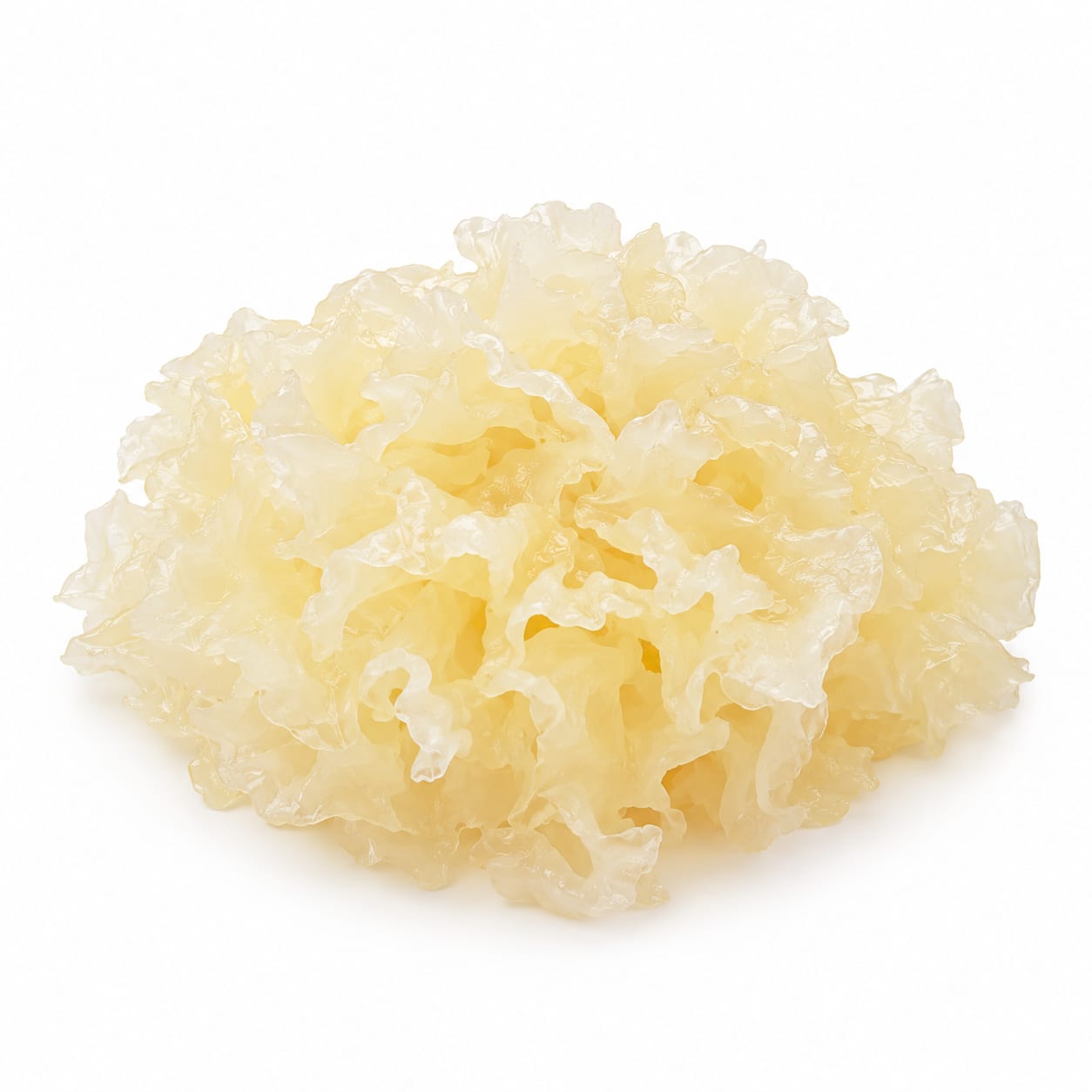
Snow Fungus
A low-calorie, gelatinous edible mushroom known for its hydrating polysaccharides and high water content.
A white, gelatinous edible fungus widely used in Asian cuisine and traditional medicine, prized for its texture and hydrating polysaccharides.
low-calorie functional fungus
Typical serving · 100g
Common varieties · white snow fungus, yellow snow fungus, wild snow fungus, cultivated snow fungus
Overall context score across nutrition, safety, and diet fit
At a glance
Quick facts
Simple indicators based on nutrition, processing, and diet fit.
The story
What makes it unique
Snow fungus is primarily composed of water and indigestible polysaccharides, resulting in slow digestion, low caloric density, and moderate satiety. Its macronutrient profile is negligible, but its bioactive compounds, particularly tremella polysaccharides, act as prebiotics and retain significant water.
Varieties: white snow fungus · yellow snow fungus · wild snow fungus · cultivated snow fungus
Per 100g
Nutrition breakdown
Macro balance and key metrics at a glance.
Energy
Density 0.60 kcal/g
Protein
Carbs
Fat
Fiber
Sugar
0.5 g
Sodium
8 mg
Potassium
100 mg
Glycemic index
15
Glycemic load
1
Water content
90%
Standout compounds
Nutrient highlights
Tremella Polysaccharides
highActs as a prebiotic to support gut bacteria and retains moisture in tissues
Dietary Fiber
moderateSlows digestion and promotes satiety
Vitamin D
moderateSupports bone health and immune function (especially if UV-exposed during growth)
Wellness map
Health scores & processing
NOVA processing scale
minimally processed · Whole food
Fresh snow fungus is unprocessed. Dried snow fungus undergoes dehydration only, which does not alter its fundamental nutritional structure.
Diet compatibility
- Weight loss
- Muscle gain
- Diabetes
- Gut health
- Low carb
- High protein
- Heart health
Relative standing
Food rankings
Qualitative ranks compared to similar whole foods.
- Satietygood
- Blood sugarexcellent
- Nutrient densitymoderate
- Fitness fuelpoor
- Processing qualityexcellent
Eat with confidence
Food safety profile
Commercially cultivated snow fungus is generally safe. Wild-foraged varieties may accumulate heavy metals from their growing environment, so sourcing from reputable suppliers is recommended.
Evidence confidence 85%
- Pesticideslow
- Antibioticslow
- Heavy metalsmoderate
- Contaminationlow
Watch for
- heavy metals (if wild-foraged)
Safer choices
Organic or commercially cultivated dried snow fungus
Prep tips
If using dried, soak thoroughly in water to rehydrate and rinse to remove any residual debris or dust before cooking.
Minimal regulatory concerns for commercially cultivated varieties; wild-foraged versions may carry environmental pollutant risks.
Deep dive
Health analysis
How this food may fit different goals and preparation choices.
Weight loss
Extremely low energy density and high water content promote physical fullness without excess calories.
Blood sugar
Negligible impact on blood sugar due to low carbohydrate and high fiber content, making it safe for glucose management.
Fitness & energy
Not a meaningful source of fuel or protein for athletic performance, though it can add volume to post-workout meals.
Gut health
Rich in soluble fiber and tremella polysaccharides that act as prebiotics, supporting the growth of beneficial gut bacteria.
Processing quality
Typically consumed fresh or dried without additives, maintaining its whole-food integrity.
Food safety
Safe when commercially cultivated; wild varieties require caution regarding heavy metal accumulation.
Common mistakes
Adding excessive sugar when preparing it in traditional sweet soups, which negates its low-calorie advantage.
Best preparation
Simmered in savory broths or lightly sweetened soups; avoid deep-frying or coating in heavy sauces.
Practical guide
Best use cases
When and how this food fits real eating patterns.
Volume eating for weight loss
Adds bulk and texture to soups with minimal calories to increase satiety.
Gut microbiome support
Provides prebiotic polysaccharides to nourish beneficial intestinal bacteria.
Low-glycemic dessert base
Creates satisfying sweet soups when paired with low-calorie sweeteners like monk fruit.
Balance sheet
Pros & cons
Upsides
- Very low calorie and carbohydrate content
- High water content promotes physical satiety
- Rich in prebiotic polysaccharides for gut health
- Minimal processing when bought fresh or dried
- Neutral flavor absorbs seasonings well
Trade-offs
- Very low in protein and essential fats
- Requires lengthy soaking if purchased dried
- Often prepared with high amounts of added sugar in traditional desserts
- Gelatinous texture may be unappealing to some
Fit check
Who is it for?
Great match
- low-calorie volume eating
- blood sugar management
- gut microbiome support
- plant-based soup bases
Consider alternatives
- high-protein diets
- post-workout muscle recovery
- those who dislike gelatinous textures
Side by side
How it compares
Open the full head-to-head analysis for nutrition, safety, and practical tradeoffs.
This food
Snow Fungus
VS85% alike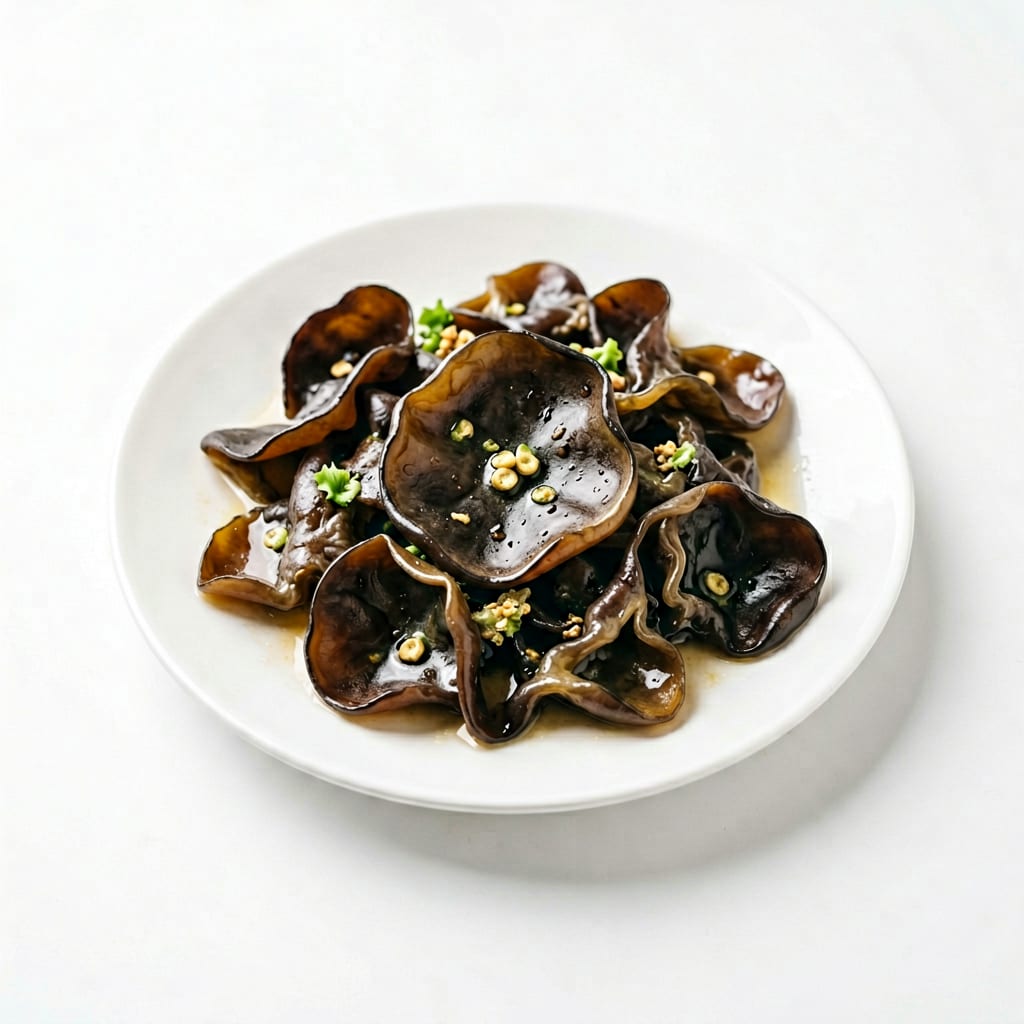
Compare with
Wood Ear Mushroom
Wood ear is crunchier and slightly lower in calories, while snow fungus is softer and known for its hydrating properties.
Wood ear mushroom is slightly lower in calories and crunchier, while snow fungus offers more volume and unique hydrating polysaccharides.
This food
Snow Fungus
VS70% alike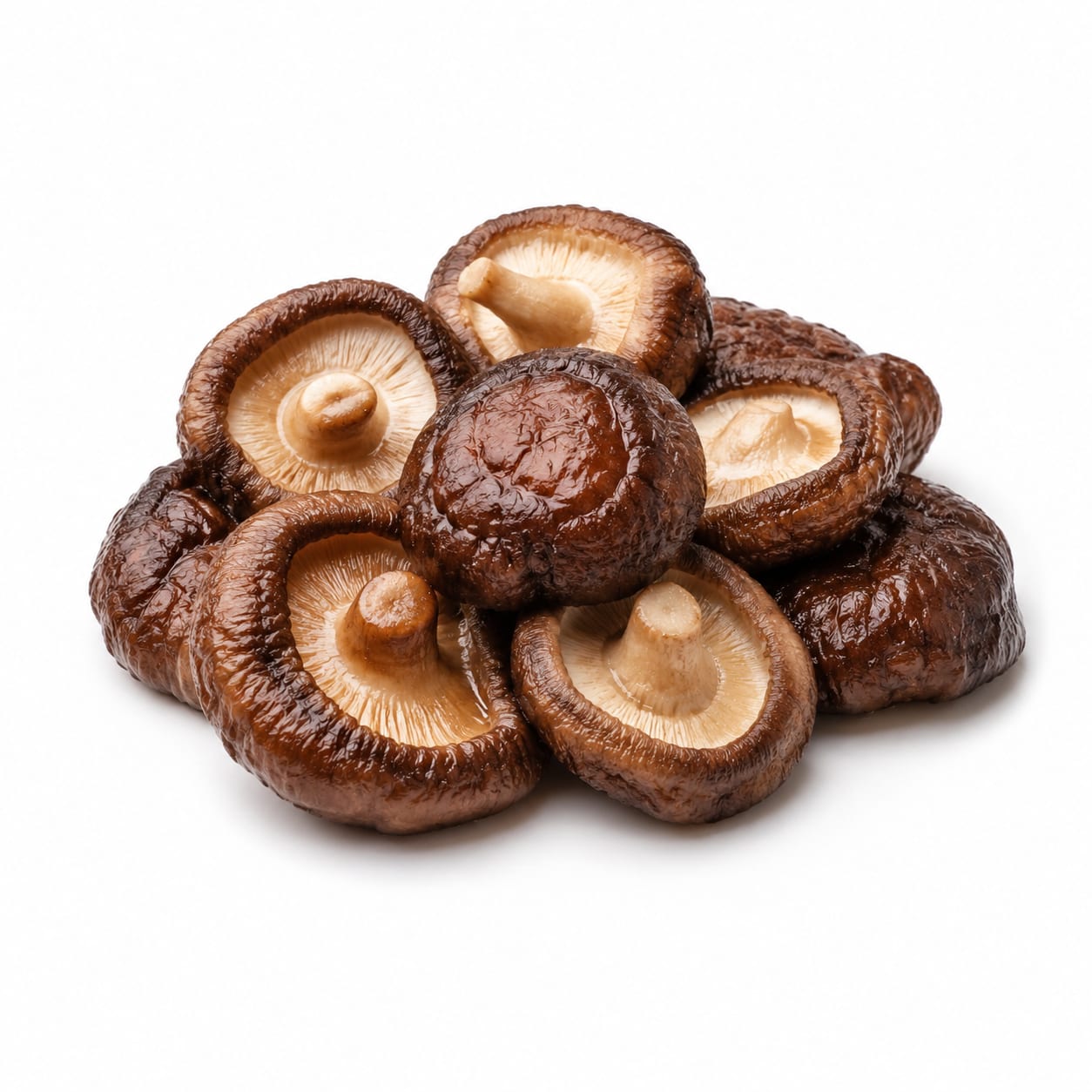
Compare with
Shiitake Mushroom
Shiitake offers more protein and B vitamins, while snow fungus provides more unique prebiotics and fewer calories.
Shiitake mushrooms provide more protein and nutrients for energy, while snow fungus is lower in calories and better for volume eating.
This food
Snow Fungus
VS65% alike
Compare with
Bird's Nest
Bird's nest is significantly more expensive and higher in protein, while snow fungus is an affordable alternative with similar texture.
Bird's nest offers more protein and unique amino acids, but snow fungus provides a similar texture and hydrating benefits at a fraction of the cost.
This food
Snow Fungus
VS80% alike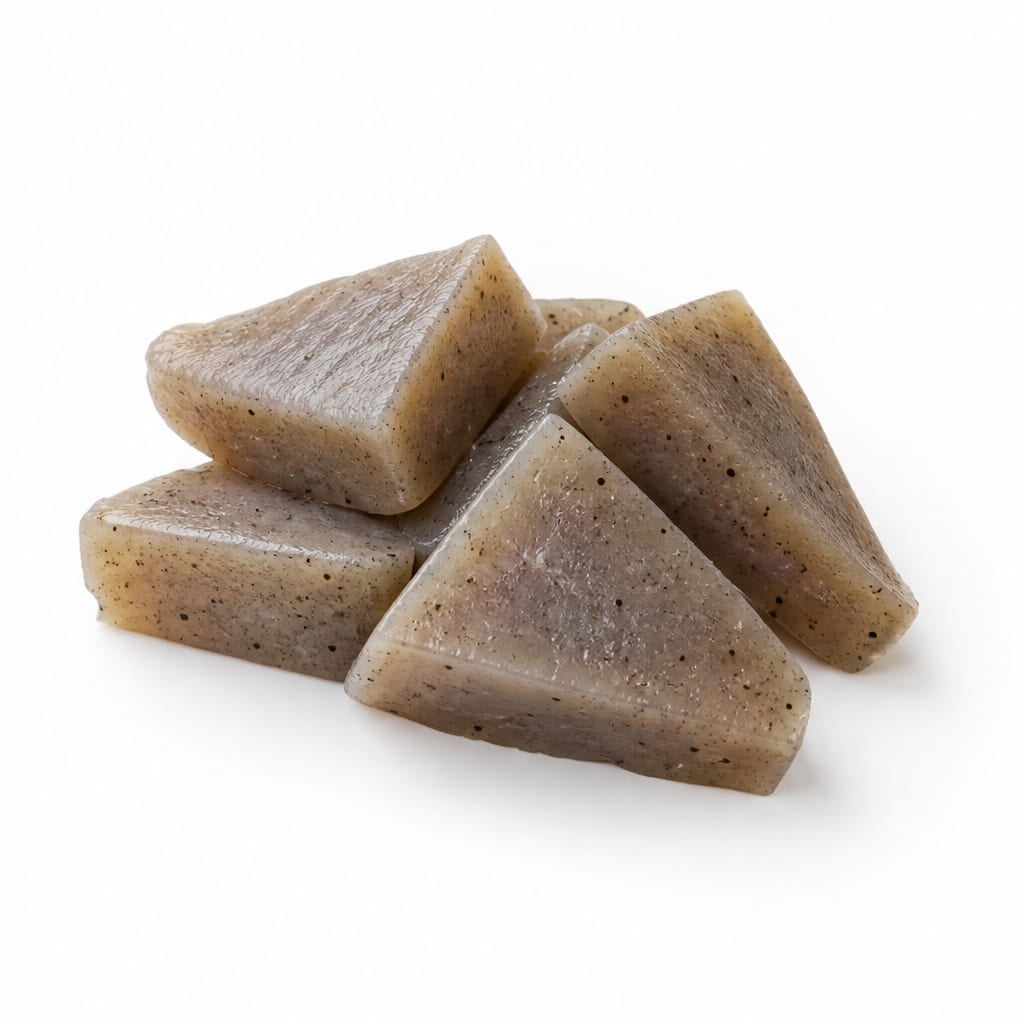
Compare with
Konjac
Konjac is almost entirely fiber and zero digestible carbs, making it slightly better for strict keto, while snow fungus offers more trace nutrients.
Konjac is lower in calories and higher in fiber for strict dieting, while snow fungus offers a more natural whole-food profile with trace nutrients.
This food
Snow Fungus
VS60% alike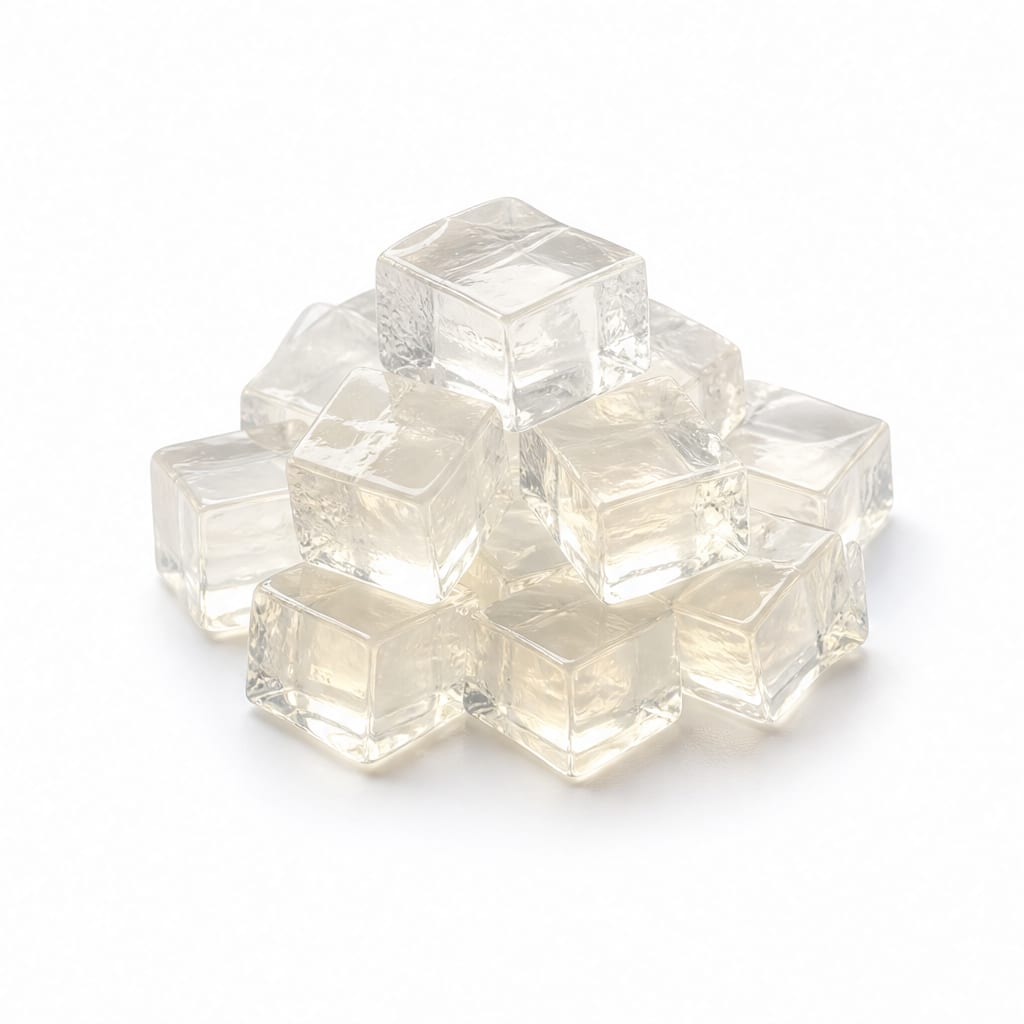
Compare with
Agar-Agar
Agar is derived from seaweed and has virtually zero calories, whereas snow fungus contains minimal calories and beneficial polysaccharides.
Agar-agar is lower in calories and purely fiber, while snow fungus provides a softer gelatinous texture and unique prebiotic compounds.
This food
Snow Fungus
VS50% alike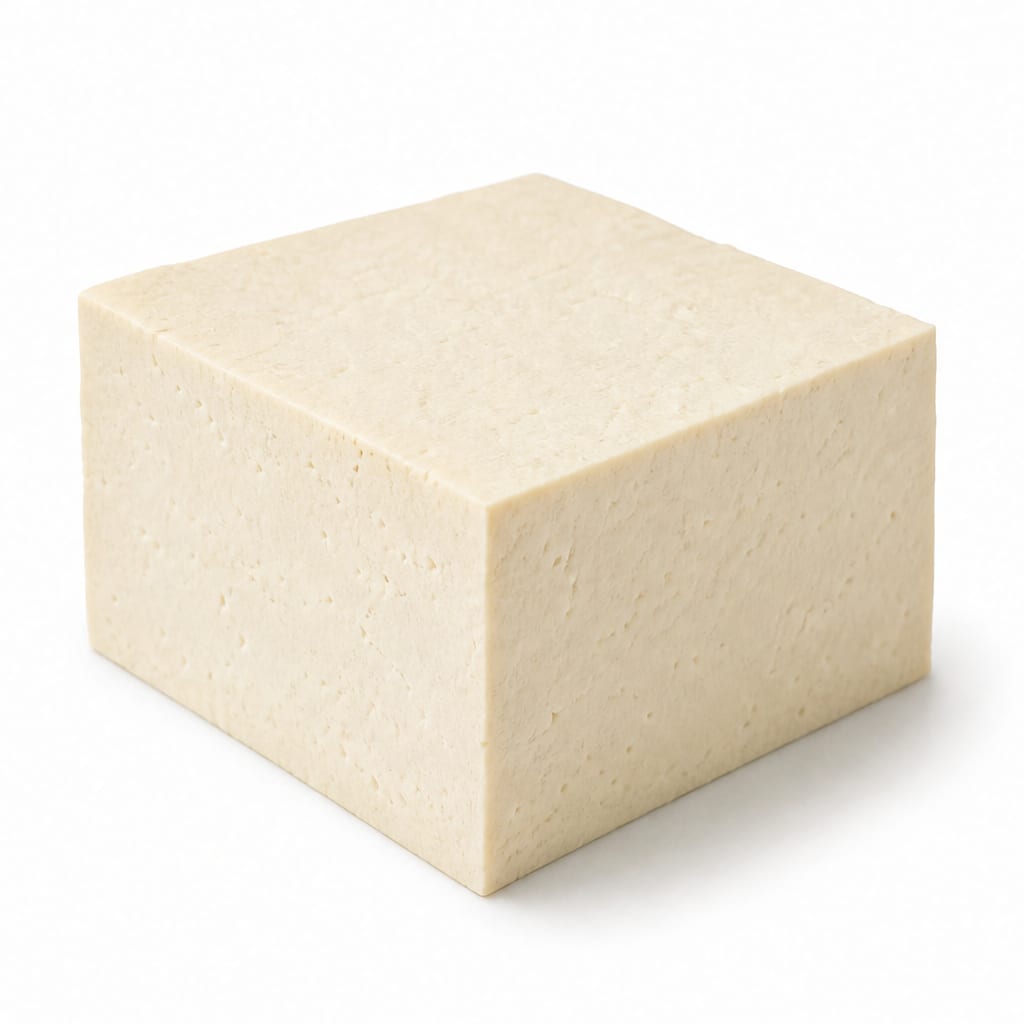
Compare with
Tofu
Tofu provides substantial protein and fat, whereas snow fungus is mostly water and carbs with negligible protein.
Tofu is much higher in protein and better for muscle maintenance, while snow fungus is strictly a low-calorie volume food.
This food
Snow Fungus
VS30% alike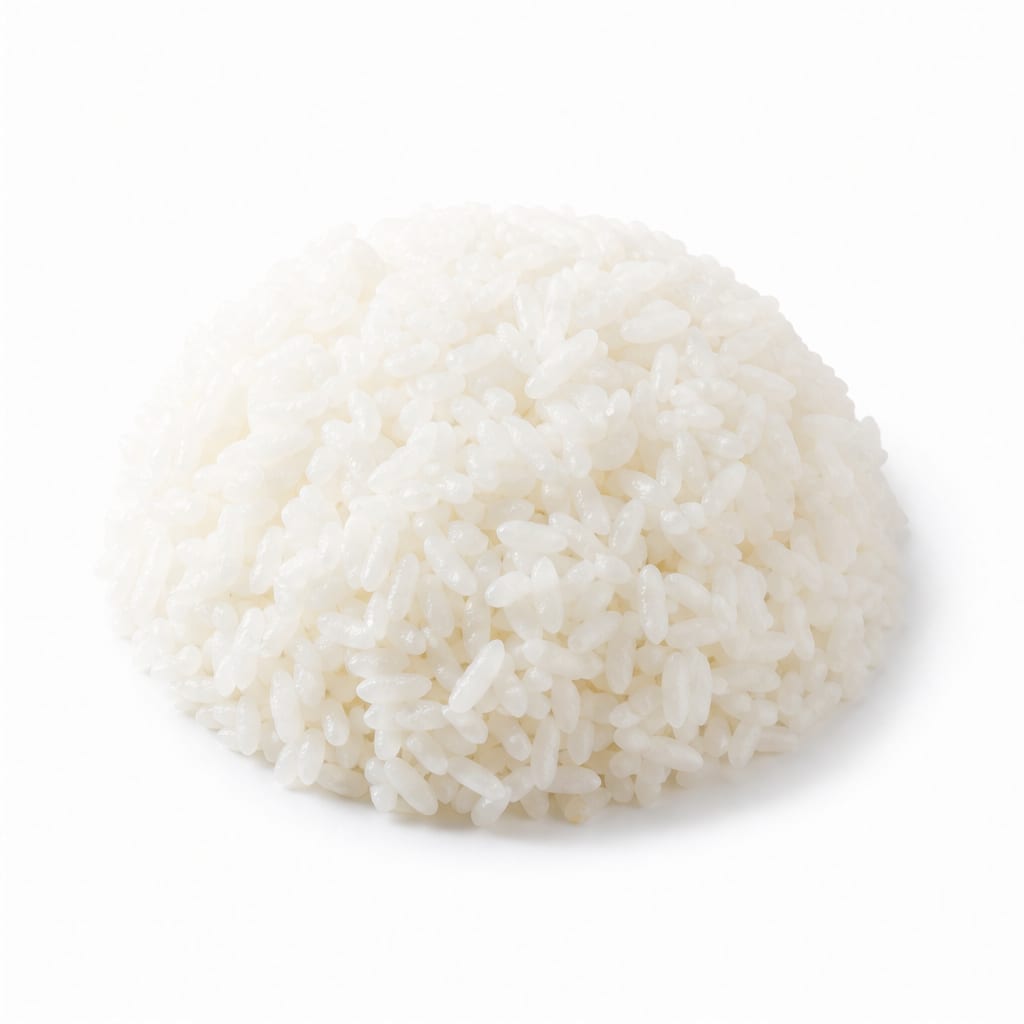
Compare with
White Rice
Rice is a dense carbohydrate source, while snow fungus is a low-calorie, low-glycemic volume food.
White rice provides rapid energy for athletes but spikes blood sugar, whereas snow fungus adds meal volume without calories or glycemic impact.
This food
Snow Fungus
VS55% alike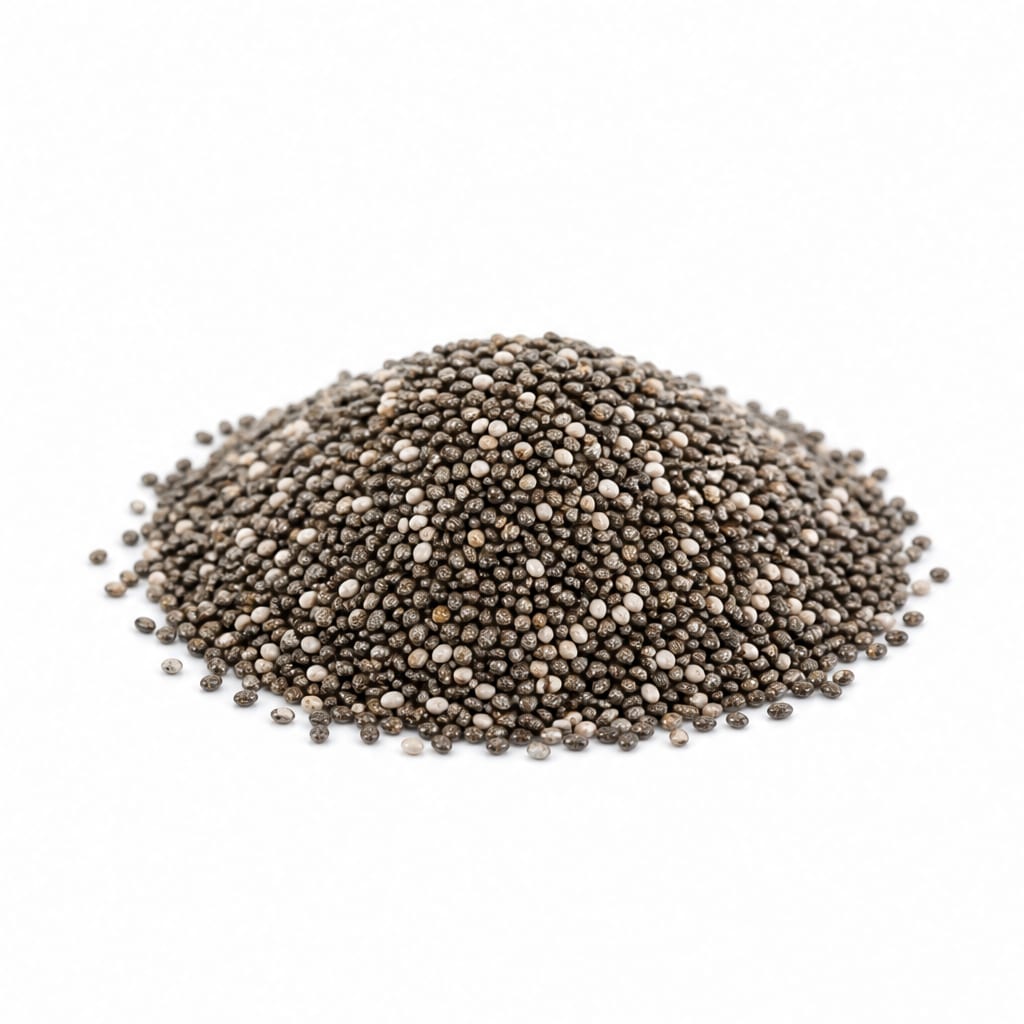
Compare with
Chia Seeds
Chia seeds offer omega-3s and dense fiber, while snow fungus offers water volume and fewer calories.
Chia seeds provide healthy fats and dense nutrients, while snow fungus is strictly a low-calorie, high-volume food for weight loss.
This food
Snow Fungus
VS75% alike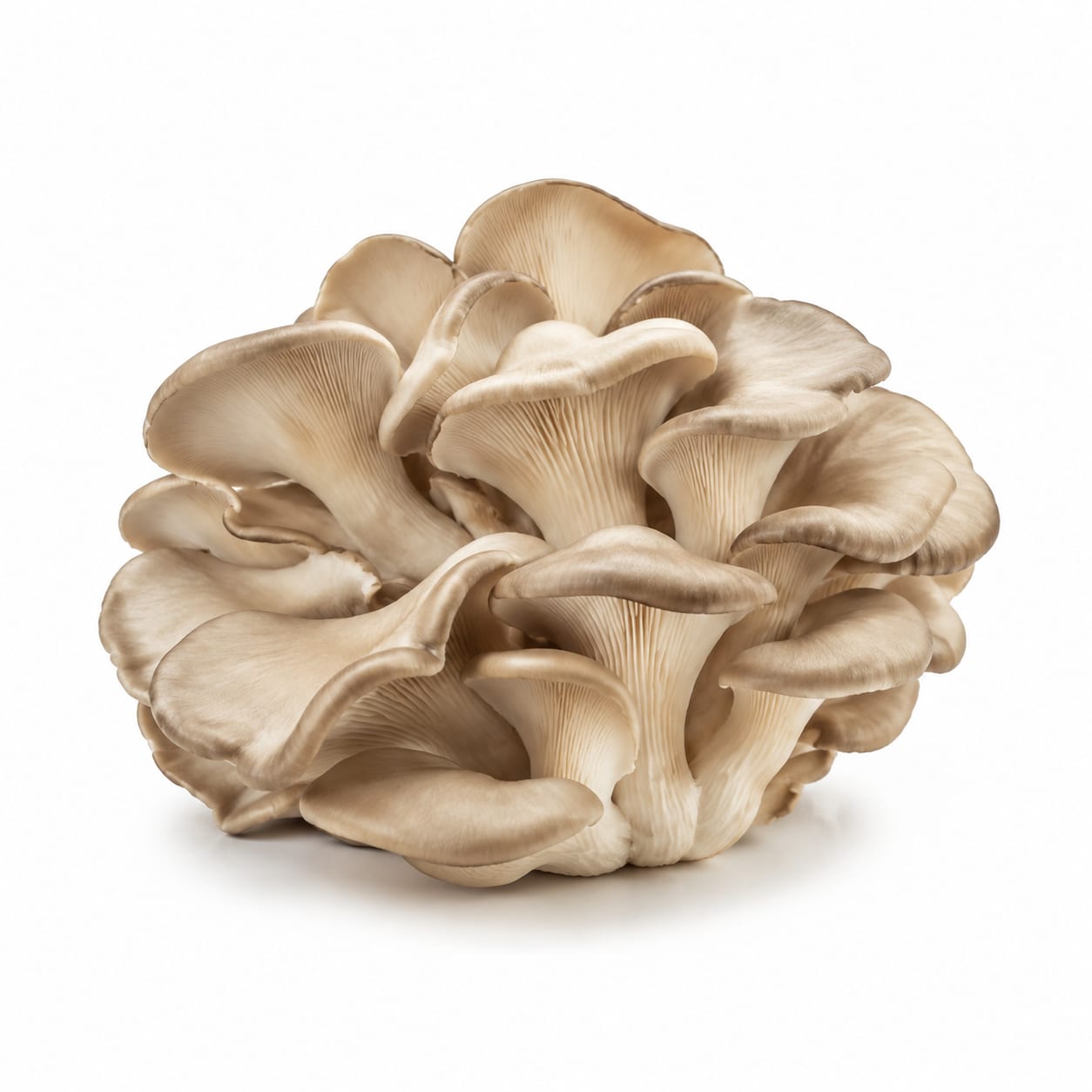
Compare with
Oyster Mushroom
Oyster mushrooms are higher in protein and have a meaty texture, while snow fungus is gelatinous and lower in calories.
Oyster mushrooms are better for protein and a meaty bite, while snow fungus is better for low-calorie volume and gut-friendly prebiotics.
This food
Snow Fungus
VS60% alike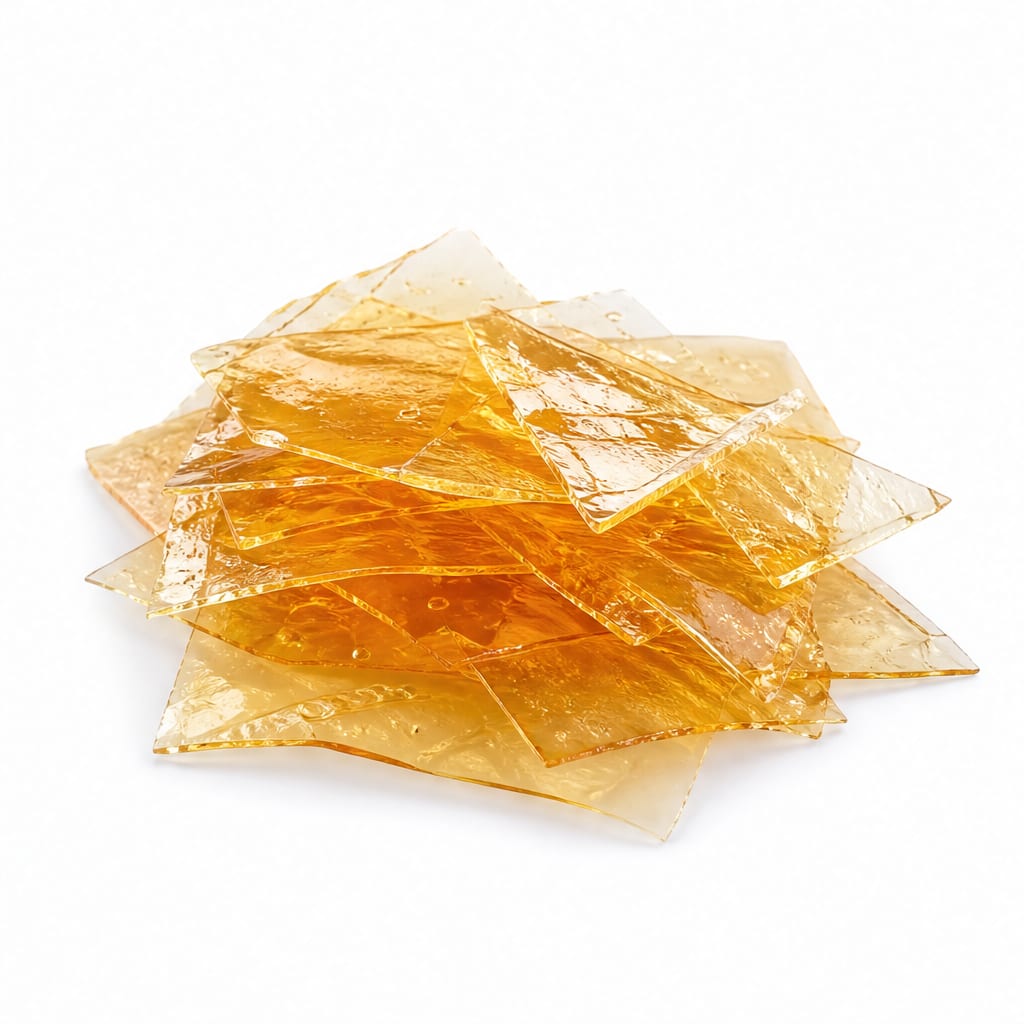
Compare with
Gelatin
Gelatin provides animal protein and collagen, while snow fungus provides plant-based prebiotics with a similar texture.
Gelatin offers collagen and protein for joint and muscle support, while snow fungus is a plant-based alternative focused on gut health and hydration.
Common questions
FAQ
Answers aligned with how people search for this food.
Is snow fungus good for weight loss?
Yes, its high water content and extremely low calorie count make it excellent for adding volume to meals without adding excess calories.
Can diabetics eat snow fungus?
Yes, it has a very low glycemic index and negligible impact on blood sugar, making it a safe food for glucose management.
Does snow fungus hydrate skin?
Its polysaccharides can improve skin moisture retention when consumed or applied topically, though internal effects are gradual and subtle.
How many calories are in snow fungus?
There are roughly 60 calories per 100 grams of fresh or rehydrated snow fungus.
Is dried snow fungus as healthy as fresh?
Yes, drying only removes water; the nutritional profile and bioactive polysaccharides remain intact upon rehydration.
What is the difference between snow fungus and wood ear mushroom?
Snow fungus is white and gelatinous with hydrating properties, while wood ear is darker, crunchier, and known for its cardiovascular benefits.
How do you prepare dried snow fungus?
Soak it in cold water for 1-2 hours until it expands and becomes gelatinous, then trim the hard yellow base and simmer it in soups.
Transparency
Data confidence
Estimated confidence for nutrition data, interpretation, safety notes, and comparisons.
Nutrition data
Health analysis
Food safety
Comparisons