
Nutrition comparison
Snow Fungus vs Wood Ear Mushroom: Which Is Better for Your Health Goals?
Compare Snow Fungus and Wood Ear Mushroom side by side. Discover which mushroom is better for skin hydration, cardiovascular health, iron intake, and daily cooking. Learn safety considerations and practical tips.
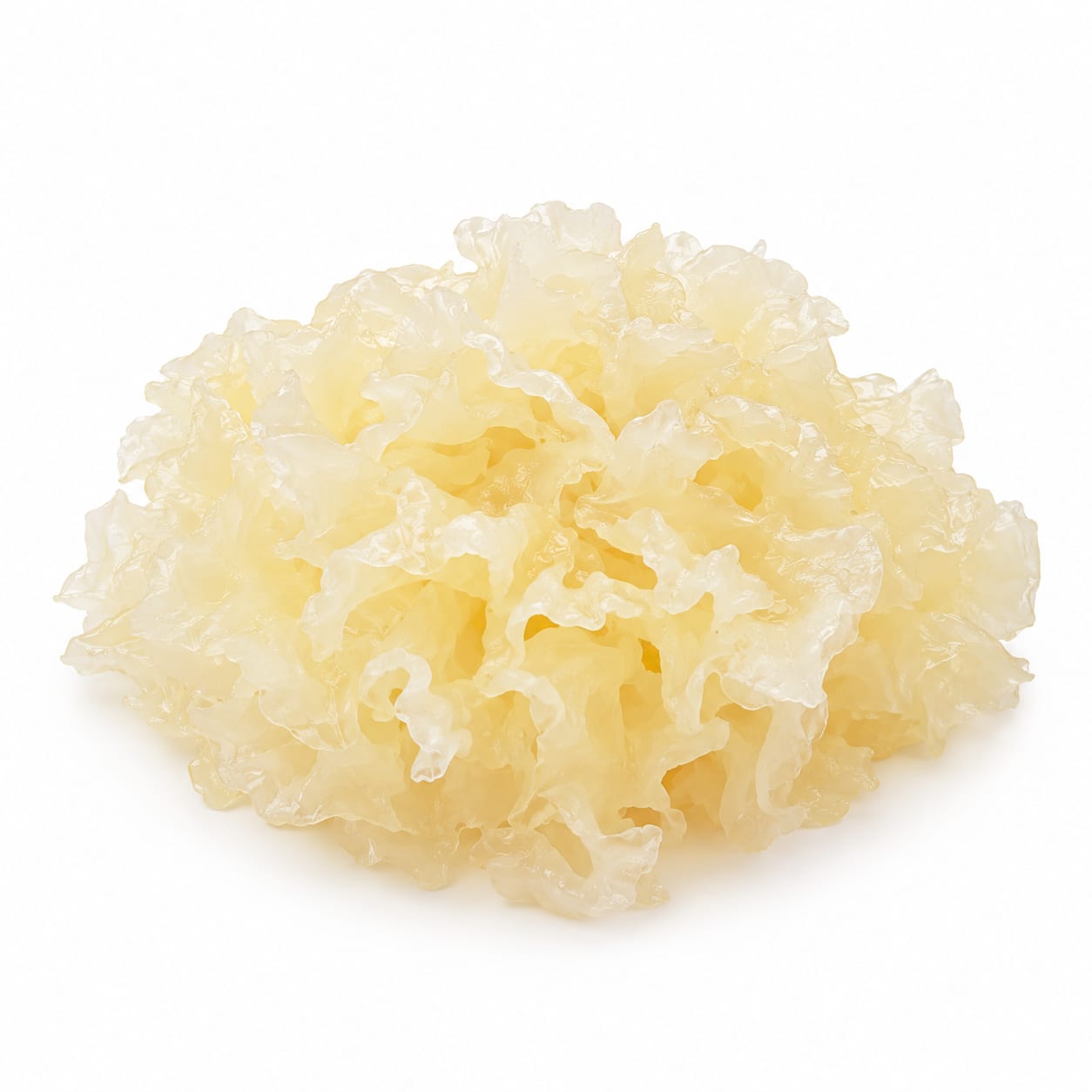
Snow Fungus
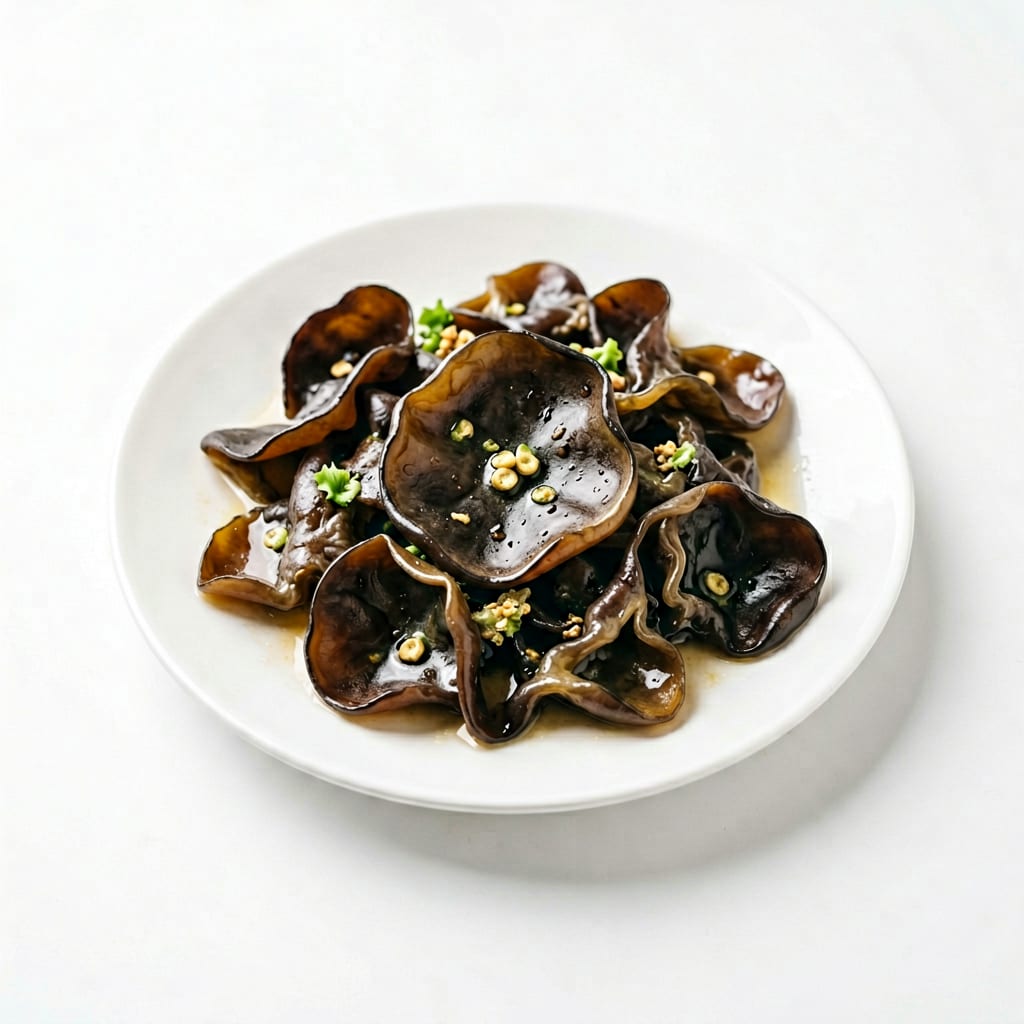
Wood Ear Mushroom
Snow Fungus excels for skin hydration and anti-aging, while Wood Ear Mushroom dominates for blood health and iron. Pick based on your priority.
Wood Ear Mushroom scores slightly higher due to broader culinary versatility, higher iron content, and stronger cardiovascular evidence. Snow Fungus remains compelling for skin and hydration but has a narrower benefit profile.
Glowing skin and joint lubrication versus better circulation and iron intake
At a glance
Executive summary
Overall
It depends
Healthier
It depends
More practical
Wood Ear Mushroom
Daily use
Wood Ear Mushroom
Key comparison lenses
skin and beauty benefits comparison
Snow Fungus is renowned for skin hydration while Wood Ear lacks this reputation, making this the most likely reason users compare them
cardiovascular and blood health
Wood Ear is famous for blood-thinning and circulation benefits, a key differentiator from Snow Fungus
traditional Chinese medicine usage
Both are staple TCM ingredients with distinct therapeutic profiles users want to understand
safety and contraindication awareness
Wood Ear has notable blood-thinning effects that matter for certain medications and surgeries
culinary application differences
Snow Fungus suits sweet soups while Wood Ear fits savory stir-fries, affecting practical daily use
Best choice for
Snow Fungus
- People prioritizing skin hydration and anti-aging
- Those seeking joint and connective tissue support
- Anyone recovering from dry skin or respiratory dryness
- People wanting a gentle immune tonic without blood-thinning effects
Wood Ear Mushroom
- People concerned with cardiovascular health and circulation
- Those needing iron supplementation through food
- Anyone wanting a savory culinary mushroom for daily cooking
- People looking to support healthy cholesterol levels
Least suitable for
Snow Fungus
- People taking blood thinners who need circulation support
- Those wanting significant iron intake from food
- Anyone who dislikes gelatinous textures
- People seeking a savory cooking ingredient for stir-fries
Wood Ear Mushroom
- People on anticoagulant medications without doctor approval
- Those about to undergo surgery
- People wanting skin beauty benefits as primary goal
- Anyone seeking a sweet dessert ingredient
Deep comparison
Dimension by dimension
Each lens scores both foods and breaks down who each option suits.
- Dimension 1 · Priority 92Snow Fungus
Skin Health and Hydration
Snow Fungus · 94Wood Ear Mushroom · 35Snow Fungus contains polysaccharides that mimic hyaluronic acid, drawing moisture into skin and tissues. Wood Ear offers minimal skin benefit.
Tradeoff
Choosing Wood Ear means missing out on one of nature's best edible skin hydrators
Why it matters
Skin hydration from within lasts longer and works more holistically than topical products alone
Real-world impact
Regular Snow Fungus consumers often notice softer, more supple skin within weeks of consistent use
Snow Fungus
- People with dry or aging skin
- Those wanting a food-based approach to skin hydration
- Anyone dealing with winter skin dryness
Better for
Wood Ear Mushroom
- People whose primary goal is skin improvement
- Anyone seeking beauty-from-within food therapy
Worse for
- Dimension 2 · Priority 88Wood Ear Mushroom
Cardiovascular and Blood Health
Snow Fungus · 40Wood Ear Mushroom · 90Wood Ear contains compounds that inhibit platelet aggregation, effectively thinning blood and improving circulation. It also provides notable iron content.
Tradeoff
Blood-thinning benefits become serious risks for people on anticoagulant medications or before surgery
Why it matters
Poor circulation affects energy, cold extremities, and cardiovascular risk far more than most people realize
Real-world impact
Adding Wood Ear to meals a few times weekly can support healthier circulation, but requires caution with blood-thinning medications
Snow Fungus
- People who need to avoid blood-thinning foods
- Those already on anticoagulant therapy
Better for
- People needing circulation support from food
Worse for
Wood Ear Mushroom
- People with sluggish circulation
- Those with mild iron deficiency
- Anyone wanting cardiovascular support through diet
Better for
- People on warfarin or similar medications
- Those preparing for surgery
- People with bleeding disorders
Worse for
- Dimension 3 · Priority 78Wood Ear Mushroom
Iron and Mineral Content
Snow Fungus · 30Wood Ear Mushroom · 82Wood Ear Mushroom is notably rich in iron, making it valuable for vegetarians and those with low iron. Snow Fungus provides minimal iron.
Tradeoff
If iron intake matters to you, Wood Ear is clearly the better choice between these two
Why it matters
Iron deficiency is the most common nutrient deficiency worldwide, causing fatigue and weakened immunity
Real-world impact
A single serving of Wood Ear can provide a meaningful portion of daily iron needs, especially valuable in plant-based diets
Snow Fungus
- People relying on this as an iron source
Worse for
Wood Ear Mushroom
- Vegetarians and vegans needing plant iron sources
- Women of reproductive age with higher iron needs
- Anyone with diagnosed iron deficiency
Better for
- Dimension 4 · Priority 75It depends
Immune System Support
Snow Fungus · 78Wood Ear Mushroom · 75Both mushrooms contain immune-modulating polysaccharides, but they work through different pathways. Snow Fungus gently supports mucosal immunity while Wood Ear stimulates broader immune responses.
Tradeoff
Snow Fungus offers gentler immune support suitable for daily use; Wood Ear provides stronger but more stimulating immune activation
Why it matters
Overstimulating immunity can worsen autoimmune conditions, while gentle support suits long-term maintenance
Real-world impact
For daily immune maintenance, Snow Fungus feels safer and gentler. For acute immune challenges, Wood Ear may offer more active support
Snow Fungus
- People with autoimmune conditions needing gentle support
- Those wanting daily immune maintenance without overstimulation
Better for
- People wanting aggressive immune support during illness
Worse for
Wood Ear Mushroom
- People wanting stronger immune activation during cold season
- Those without autoimmune concerns seeking robust support
Better for
- People with autoimmune conditions who must avoid immune stimulants
Worse for
- Dimension 5 · Priority 72Wood Ear Mushroom
Culinary Versatility and Convenience
Snow Fungus · 55Wood Ear Mushroom · 82Wood Ear works in stir-fries, soups, and savory dishes across many cuisines. Snow Fungus is mostly limited to sweet soups and desserts in Chinese cooking.
Tradeoff
Snow Fungus delivers unique texture in desserts but feels one-dimensional; Wood Ear integrates easily into everyday savory cooking
Why it matters
Foods you actually cook with regularly matter more than foods you intend to use but never do
Real-world impact
Wood Ear finds its way into weeknight stir-fries and soups effortlessly. Snow Fungus requires planning a specific dessert soup
Snow Fungus
- People who enjoy Chinese dessert soups
- Those wanting a unique gelatinous dessert ingredient
Better for
- People who rarely make dessert soups
- Those wanting a versatile everyday cooking ingredient
Worse for
Wood Ear Mushroom
- Home cooks wanting an easy savory mushroom addition
- People who stir-fry regularly
- Anyone wanting to add texture to soups and noodle dishes
Better for
- Dimension 6 · Priority 70It depends
Digestive and Gut Health
Snow Fungus · 76Wood Ear Mushroom · 74Both provide soluble fiber that feeds gut bacteria. Snow Fungus offers more mucilaginous fiber that soothes the digestive tract, while Wood Ear provides more insoluble fiber that adds bulk to stool.
Tradeoff
Soothing gut lining versus promoting regular bowel movements — different needs, different winners
Why it matters
People with sensitive digestion need soothing, while those with sluggish digestion need bulk
Real-world impact
Snow Fungus feels more comforting for irritated digestive tracts. Wood Ear works better for promoting regularity
Snow Fungus
- People with sensitive or irritated digestive tracts
- Those experiencing digestive dryness or constipation with irritation
Better for
Wood Ear Mushroom
- People needing more stool bulk and regularity
- Those with sluggish digestion needing gentle stimulation
Better for
Timeline
Health impact over time
Short-term
Hours to days
Snow Fungus
- Noticeable skin hydration improvement within days of regular consumption
- Soothing effect on dry throat and respiratory passages
- Gentle digestive comfort from mucilaginous fiber
- Very low risk of adverse effects in the short term
Wood Ear Mushroom
- Improved satiety from fiber content during meals
- Possible mild blood-thinning effect even after short-term use
- Iron contribution noticeable in energy levels within weeks
- Risk of digestive discomfort if consumed in large quantities without adequate hydration
Long-term
Months to years
Snow Fungus
- Sustained skin elasticity and hydration improvements with consistent use
- Gradual joint and connective tissue support from polysaccharides
- Ongoing gentle immune modulation without overstimulation
- Minimal long-term safety concerns at normal consumption levels
Wood Ear Mushroom
- Meaningful cardiovascular support through regular blood-thinning and circulation improvement
- Sustained iron levels particularly valuable in plant-forward diets
- Cholesterol management benefits from regular dietary fiber intake
- Requires ongoing awareness of blood-thinning effects, especially before surgeries or with medications
Risk profile
Safety & processing
Both are typically sold dried with no additives, requiring only rehydration before use. This makes them equally clean choices. However, always check for sulfur dioxide preservatives in some commercially dried mushrooms, especially imported varieties.
Snow Fungus
Minimal blood-thinning interaction risk
lowSnow Fungus does not significantly affect blood clotting, making it safer for people on anticoagulant medications compared to Wood Ear Mushroom.
Sulfur dioxide in some dried products
lowSome commercially dried Snow Fungus may contain sulfur dioxide as a preservative. Rinsing thoroughly before cooking reduces exposure significantly.
Potential contamination in wild-harvested varieties
lowWild-harvested Snow Fungus can absorb environmental pollutants. Reputable commercial sources minimize this risk through testing.
Wood Ear Mushroom
Significant blood-thinning effect
highWood Ear Mushroom contains adenosine and other compounds that inhibit platelet aggregation. This poses serious interaction risks with anticoagulant medications like warfarin, and must be discontinued before any surgical procedure.
Sulfur dioxide preservatives in dried form
mediumMany dried Wood Ear products contain sulfur dioxide. People with sulfite sensitivity should seek preservative-free options and always soak and rinse thoroughly.
Heavy metal accumulation from growing environment
mediumWood Ear can accumulate heavy metals from contaminated substrates. Sourcing from reputable suppliers with testing protocols is important.
Who wins for whom
Audience fit
Same foods, different winners depending on your goal.
children
Snow FungusSnow Fungus has no blood-thinning concerns and offers gentle immune and skin benefits. Wood Ear's anticoagulant properties make it less suitable for children who may get minor injuries.
daily consumption
Wood Ear MushroomWood Ear Mushroom integrates more easily into daily savory cooking, making consistent consumption more practical. Snow Fungus is typically reserved for occasional dessert soups.
diabetes
Wood Ear MushroomWood Ear Mushroom has a stronger evidence base for blood sugar regulation and cholesterol management, both critical for diabetic patients. Its fiber content also supports steadier glucose levels.
elderly
It dependsSnow Fungus supports joint health and skin integrity which benefit aging bodies without bleeding risks. Wood Ear supports cardiovascular health but its blood-thinning effect requires careful medication management common in elderly patients.
muscle gain
It dependsNeither mushroom is significant for muscle gain directly. Wood Ear provides slightly more iron which supports oxygen delivery to muscles, but both are supplementary rather than primary foods for this goal.
weight loss
Wood Ear MushroomWood Ear Mushroom provides more iron and fiber per serving with minimal calories, supporting energy levels and satiety during calorie restriction better than Snow Fungus.
Your move
Decision guide
Choose Snow Fungus
- Skin hydration and anti-aging are your top priorities
- You want gentle immune support without blood-thinning effects
- You have autoimmune concerns and need non-stimulating immune modulation
- You are on blood-thinning medications and need to avoid anticoagulant foods
- You enjoy Chinese sweet soups and want a therapeutic dessert ingredient
- You have dry respiratory passages or digestive tract irritation
Choose Wood Ear Mushroom
- Cardiovascular health and circulation are primary concerns
- You need plant-based iron in your diet
- You cook savory dishes regularly and want an easy addition
- Your cholesterol levels need dietary support
- You have no bleeding disorder or anticoagulant medication concerns
- You want a mushroom that fits naturally into stir-fries and savory soups
Either works if
- You want general immune support from medicinal mushrooms
- You are looking for low-calorie fiber-rich food additions
- You enjoy Chinese cuisine and want therapeutic ingredients
- You want gut health support from mushroom polysaccharides
Avoid both if
- You have a known mushroom allergy
- You are seeking a high-protein food source
- You want significant caloric nutrition from your food
- You are looking for omega-3 fatty acid sources
Final recommendation
For most people, Wood Ear Mushroom is the more practical daily choice due to its culinary versatility, iron content, and cardiovascular benefits. However, if skin health is your priority or you take blood-thinning medications, Snow Fungus is the safer and more targeted option. Ideally, keep both in your pantry — use Wood Ear in savory cooking throughout the week and Snow Fungus in weekend dessert soups for beauty benefits.
Practical
Consumer tips
- 1
Soak both mushrooms for at least 20-30 minutes before cooking, and discard the soaking water to reduce potential preservative residue
- 2
Choose organic or reputable brands that test for heavy metals, especially important for Wood Ear Mushroom
- 3
If you take blood-thinning medications, consult your doctor before regularly consuming Wood Ear Mushroom
- 4
Stop consuming Wood Ear Mushroom at least two weeks before any scheduled surgery
- 5
Add Wood Ear Mushroom to stir-fries in the last few minutes of cooking to preserve its crunchy texture
- 6
For Snow Fungus, slow-simmering in sweet soup with goji berries and rock candy creates the classic beauty-boosting dessert
- 7
Store both mushrooms in airtight containers in a cool, dry place — they last for months when kept away from moisture
- 8
Rinse rehydrated mushrooms thoroughly to remove any surface contaminants or residual preservatives