
Nutrition comparison
Snow Fungus vs Bird's Nest: Which Beauty Food Is Actually Worth It?
Compare Snow Fungus and Bird's Nest for skin benefits, safety, cost, and daily practicality. Find out which traditional Chinese beauty food delivers better value for your health goals.
Overall winner · Snow Fungus
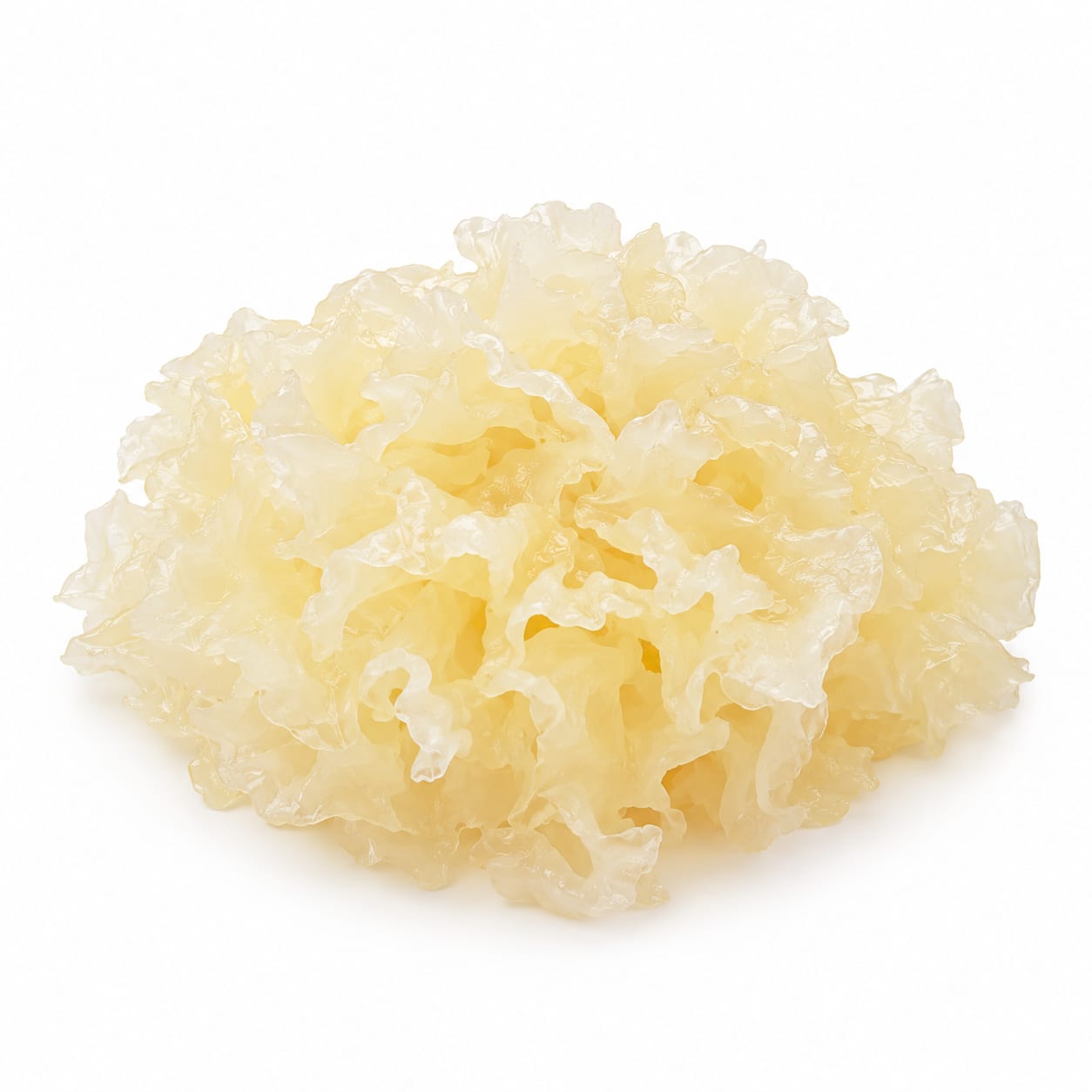
Snow Fungus

Bird's Nest
Snow Fungus delivers similar hydrating and skin-supporting benefits at a fraction of the cost, with fewer safety concerns and easier daily use. Bird's Nest offers unique glycoproteins and sialic acid but at a luxury price with authenticity risks.
Snow Fungus scores higher due to its accessibility, safety profile, and comparable functional benefits. Bird's Nest loses ground on cost, contamination risk, and authenticity concerns, despite its unique bioactive compounds and cultural prestige.
Prestige and unique compounds in Bird's Nest versus accessibility, safety, and comparable everyday benefits in Snow Fungus
At a glance
Executive summary
Overall
Snow Fungus
Healthier
Snow Fungus
More practical
Snow Fungus
Daily use
Snow Fungus
Key comparison lenses
skin and beauty benefits
Both foods are primarily consumed for their reputed skin-enhancing and anti-aging properties, making this the core reason most people choose between them
value for money
Bird's Nest is one of the most expensive foods in the world while Snow Fungus is remarkably affordable, so cost-effectiveness is a major decision factor
safety and authenticity
Bird's Nest has significant adulteration and contamination risks, while Snow Fungus is generally safer and easier to verify
hydration and mucilage benefits
Both deliver mucilaginous textures linked to internal hydration, but through different compounds with different evidence levels
everyday practicality
Preparation difficulty, availability, and sustainability of daily use differ dramatically between these two foods
Best choice for
Snow Fungus
- Budget-conscious beauty seekers wanting a daily hydrating tonic
- Vegans and plant-based eaters looking for skin support
- People concerned about food adulteration and contamination
- Anyone wanting consistent long-term use without financial strain
- Home cooks who want easy preparation
Bird's Nest
- Those who can afford premium ingredients and want traditional prestige
- People specifically seeking sialic acid and epidermal growth factor
- Gifting occasions where luxury status matters
- Postpartum recovery in traditional Chinese medicine contexts
- Those who value centuries of imperial-level traditional use
Least suitable for
Snow Fungus
- People seeking the specific glycoprotein profile only Bird's Nest offers
- Those who associate efficacy with premium pricing
- Gifting situations where perceived luxury is essential
Bird's Nest
- Anyone on a budget or watching spending
- Vegans and those avoiding animal-derived foods
- People worried about heavy metal or nitrite contamination
- Consumers unable to verify authenticity of premium products
- Those wanting a sustainable daily habit without guilt about cost
Deep comparison
Dimension by dimension
Each lens scores both foods and breaks down who each option suits.
- Dimension 1 · Priority 95It depends
skin_hydration_and_beauty
Snow Fungus · 80Bird's Nest · 82Both are renowned for skin benefits but through different mechanisms. Snow Fungus polysaccharides draw moisture like hyaluronic acid. Bird's Nest delivers epidermal growth factor and sialic acid that may support cell renewal.
Tradeoff
Snow Fungus excels at surface hydration and moisture retention. Bird's Nest may support deeper cellular repair but at vastly higher cost for marginal additional benefit.
Why it matters
Most consumers choose these foods specifically for skin improvement, so understanding which mechanism matches your goal matters.
Real-world impact
If you want a daily hydrating boost, Snow Fungus gives you noticeable results affordably. If you are recovering from illness or pregnancy and want traditional deep nourishment, Bird's Nest carries cultural and possibly biological weight.
Snow Fungus
- Daily skin hydration maintenance
- Budget-friendly beauty routines
- Plant-based beauty support
Better for
- Those wanting the specific cell-signaling compounds in Bird's Nest
- Prestige-driven wellness rituals
Worse for
Bird's Nest
- Post-illness skin recovery
- Traditional postpartum skin rejuvenation
- Situations where EGF and sialic acid intake is specifically desired
Better for
- Consistent long-term daily use due to cost
- Anyone needing guaranteed purity without extensive vetting
Worse for
- Dimension 2 · Priority 90Snow Fungus
cost_effectiveness
Snow Fungus · 95Bird's Nest · 20Snow Fungus is dramatically more affordable, often costing 1-2% of what genuine Bird's Nest costs per serving. The value gap is enormous.
Tradeoff
You can consume Snow Fungus daily for months for the price of a few Bird's Nest servings. Consistency matters more than prestige for most health outcomes.
Why it matters
A supplement you can afford to take daily will always outperform one you take occasionally due to cost barriers.
Real-world impact
Daily Snow Fungus consumption for a month might cost $5-15. The same frequency with quality Bird's Nest could cost $200-500+. Most people simply cannot sustain Bird's Nest as a daily habit.
Snow Fungus
- Sustainable daily wellness routines
- Students and young professionals on tight budgets
- Families wanting affordable nourishing soups
Better for
- Situations where gift value must reflect investment
Worse for
Bird's Nest
- Special occasions and celebrations
- Gifting to show care and respect
- One-time recovery protocols where cost is not a barrier
Better for
- Any scenario requiring regular repeated consumption
- Long-term preventive health strategies
Worse for
- Dimension 3 · Priority 85Snow Fungus
safety_and_authenticity
Snow Fungus · 88Bird's Nest · 55Snow Fungus has minimal contamination issues and is easy to source cleanly. Bird's Nest faces widespread adulteration, heavy metal contamination, and nitrite concerns.
Tradeoff
The higher the price of a food, the greater the incentive for fraud. Bird's Nest is one of the most commonly faked premium foods in the world.
Why it matters
Consuming adulterated or contaminated Bird's Nest can expose you to heavy metals, bleaching agents, and fake ingredients that negate any benefits.
Real-world impact
You need trusted suppliers and possibly lab testing to ensure real Bird's Nest. With Snow Fungus, a simple reputable dried food source is usually sufficient.
Snow Fungus
- Consumers who want peace of mind about what they are eating
- People without access to verified premium suppliers
- Those concerned about bleaching agents used in some Bird's Nest processing
Better for
- Minimal safety concerns unique to Snow Fungus
Worse for
Bird's Nest
- Consumers with access to certified, lab-tested premium sources
Better for
- Risk of consuming fake or adulterated product
- Potential heavy metal exposure from cave-harvested nests
- Nitrite concerns from improperly processed nests
- Bleaching agent residues from whitened commercial grades
Worse for
- Dimension 4 · Priority 70Bird's Nest
nutritional_density
Snow Fungus · 55Bird's Nest · 68Bird's Nest contains unique glycoproteins, sialic acid, and trace minerals not found in Snow Fungus. However, both are low in overall macronutrients and should not be relied on as primary nutrition sources.
Tradeoff
Bird's Nest offers more bioactive protein compounds, but neither food is a significant source of calories, protein, or essential vitamins in practical serving sizes.
Why it matters
These are functional foods, not nutritional staples. Their value lies in specific bioactive compounds rather than broad nourishment.
Real-world impact
Do not expect either food to meaningfully contribute to your daily protein or vitamin needs. Think of them as targeted supplements in food form.
Snow Fungus
- Fiber-related gut health benefits from fungal polysaccharides
- Vitamin D2 content from mushroom origin
Better for
- Very low protein content
- Minimal mineral density
Worse for
Bird's Nest
- Sialic acid for neurological and immune support
- Glycoproteins that may support tissue repair
- Trace minerals like calcium and iron from saliva composition
Better for
- Extremely low yield of these compounds per dollar spent
- Not a meaningful protein source despite containing glycoproteins
Worse for
- Dimension 5 · Priority 72Snow Fungus
preparation_and_convenience
Snow Fungus · 82Bird's Nest · 58Snow Fungus rehydrates easily and cooks quickly into soups or desserts. Bird's Nest requires careful soaking, slow double-boiling, and delicate handling to preserve its texture and nutrients.
Tradeoff
Snow Fungus is forgiving and versatile. Bird's Nest demands precision and time, and overcooking destroys its delicate structure and value.
Why it matters
A food that is easy to prepare gets eaten more often. Complexity creates friction that reduces consistency.
Real-world impact
You can throw Snow Fungus into a weeknight soup with minimal thought. Bird's Nest preparation feels more like a weekend ritual requiring attention and care.
Snow Fungus
- Busy weeknight cooking
- Beginners unfamiliar with traditional Chinese dessert preparation
- Casual incorporation into various recipes
Better for
- Cannot replicate the delicate gelatinous texture of Bird's Nest
Worse for
Bird's Nest
- Mindful cooking rituals where preparation is part of the experience
- Special occasion meals with careful presentation
Better for
- Easy to ruin through overcooking or improper soaking
- Time-intensive for daily preparation
Worse for
- Dimension 6 · Priority 65Bird's Nest
cultural_and_emotional_value
Snow Fungus · 60Bird's Nest · 90Bird's Nest carries centuries of imperial prestige and remains one of the most valued gifts in Chinese culture. Snow Fungus is respected but considered everyday and humble.
Tradeoff
The emotional weight of serving or gifting Bird's Nest cannot be replicated by Snow Fungus, regardless of functional similarity.
Why it matters
Food is not just nutrition. In many Asian families, Bird's Nest communicates care, respect, and investment in someone's wellbeing.
Real-world impact
Giving Snow Fungus to an elder or new mother may feel insufficient despite similar health benefits. Bird's Nest carries social meaning that transcends nutrition.
Snow Fungus
- Everyday family meals without performance pressure
- Self-care routines where humility feels appropriate
Better for
- May feel too modest for culturally significant gifting moments
Worse for
Bird's Nest
- Honoring elders or new mothers with traditional care
- Business gifting and relationship building
- Demonstrating financial investment in someone's health
Better for
- Can create awkward obligation when received
- Financial pressure to reciprocate with equally expensive gifts
Worse for
Timeline
Health impact over time
Short-term
Hours to days
Snow Fungus
- Noticeable soothing effect on throat and dry cough due to mucilaginous texture
- Gentle hydration sensation, especially in dry weather or air-conditioned environments
- Light, easy-to-digest comfort food that settles the stomach
Bird's Nest
- Perceived nourishing and restorative effect, especially after illness
- Mild throat-soothing properties similar to Snow Fungus
- Warming emotional comfort from consuming a culturally treasured food
Long-term
Months to years
Snow Fungus
- Consistent polysaccharide intake may support skin hydration and elasticity over months
- Potential immune-modulating effects from beta-glucan content with regular consumption
- Gut microbiome support from fungal prebiotic fibers
- Affordable enough to sustain long-term, which is where real benefits accumulate
Bird's Nest
- Sialic acid intake may support cognitive function and immune regulation with consistent use
- Possible skin texture improvements from EGF exposure, though evidence is limited
- Financial stress from sustained use may offset psychological benefits for some
- Contaminant exposure risk increases with frequent consumption if sourcing is inconsistent
Risk profile
Safety & processing
Dried Snow Fungus is typically just sun-dried or dehydrated with minimal intervention. Commercial Bird's Nest often undergoes cleaning, bleaching, and shaping processes that can introduce chemical residues. Cave-nest and house-nest varieties differ in processing needs, with bleached versions being the most concerning.
Snow Fungus
Sulfur dioxide residue from bleaching
lowSome commercially whitened Snow Fungus may have sulfur dioxide used for aesthetic purposes. Natural yellow-tinted varieties are safer. Soaking and rinsing thoroughly reduces exposure.
Moisture and mold during storage
lowImproperly stored dried Snow Fungus can develop mold. Keep in airtight containers in cool, dry conditions.
Bird's Nest
Adulteration with fake ingredients
highFake Bird's Nest made from gelatin, agar, or resin is widespread. Some estimates suggest a significant portion of commercial Bird's Nest is partially or fully adulterated. Only buy from certified suppliers with traceability.
Heavy metal contamination
mediumCave-harvested nests may contain elevated lead, arsenic, and cadmium from environmental exposure. House-nest varieties generally test cleaner.
Nitrite residues from cleaning processes
mediumSome processors use sodium nitrite to clean and preserve nests. Improper rinsing leaves residues that can be harmful, especially for children.
Bleaching agent exposure
mediumWhite-grade Bird's Nest is often bleached with hydrogen peroxide or sulfur dioxide to achieve premium appearance. Residual chemicals may remain despite rinsing.
Who wins for whom
Audience fit
Same foods, different winners depending on your goal.
children
Snow FungusLower contamination risk and gentler on developing systems. Bird's Nest nitrite residues and heavy metals pose greater concern for children's smaller bodies.
daily consumption
Snow FungusAffordability, safety, and ease of preparation make Snow Fungus realistic as a daily habit. Bird's Nest is better suited as an occasional premium supplement.
diabetes
Snow FungusSnow Fungus polysaccharides may help moderate blood sugar response, and its fiber content supports glycemic control. Both are typically prepared with added sugar in traditional recipes, which is the real concern.
elderly
It dependsSnow Fungus is safer and more affordable for daily use. Bird's Nest carries cultural significance that may provide emotional comfort and appetite stimulation for frail elders, if purity can be assured.
muscle gain
It dependsNeither food is relevant for muscle gain. Both contain negligible protein in practical serving sizes. Choose real protein sources instead.
weight loss
Snow FungusBoth are extremely low in calories, but Snow Fungus is more satiating due to its fiber content and can be eaten in larger quantities without cost concerns.
Your move
Decision guide
Choose Snow Fungus
- You want skin and hydration benefits without spending luxury prices
- You plan to consume it regularly rather than occasionally
- You are vegan or prefer plant-based foods
- You cannot verify the authenticity of Bird's Nest sources
- You want something easy to cook on a weeknight
- You are feeding a family and need cost-effective nourishment
Choose Bird's Nest
- You are gifting to someone who would deeply appreciate the cultural significance
- You have access to certified, lab-tested premium Bird's Nest
- You are following traditional postpartum or post-illness recovery protocols
- Cost is genuinely not a concern for you
- You specifically want sialic acid and glycoprotein intake
Either works if
- You want a throat-soothing dessert for dry weather
- You are making a traditional Chinese sweet soup for a family gathering
- You are curious about traditional beauty foods and want to explore
Avoid both if
- You expect either food to dramatically transform your skin on its own without broader lifestyle habits
- You have severe allergies to bird proteins or fungal products
- You are looking for meaningful protein or calorie nutrition from these foods
Final recommendation
For most people, Snow Fungus is the smarter everyday choice. It delivers the hydrating, skin-supporting benefits that draw people to both foods, at a price that allows consistent long-term use. Save Bird's Nest for meaningful gifting moments or special recovery occasions where its cultural weight matters. The best beauty food is the one you can afford to eat regularly, not the one that sits in your cabinet because it was too expensive to use.
Practical
Consumer tips
- 1
Choose natural yellow-tinted Snow Fungus over pure white varieties to avoid sulfur dioxide exposure from bleaching
- 2
Soak Snow Fungus for 1-2 hours and trim the hard yellow base before cooking for best texture
- 3
If buying Bird's Nest, look for traceability codes, lab test certificates, and reputable brands with import documentation
- 4
House-nest Bird's Nest generally has lower heavy metal contamination than cave-nest varieties
- 5
Prepare both foods with minimal added sugar. Rock sugar is traditional but adds empty calories that undermine health goals
- 6
Snow Fungus pairs well with goji berries, red dates, and lotus seeds for a nutrient-dense dessert soup
- 7
Store dried Snow Fungus in airtight containers away from moisture and it will last for months
- 8
Bird's Nest should be double-boiled at low temperature for 30-45 minutes. High heat destroys its delicate proteins
- 9
Consider Snow Fungus as your daily baseline and Bird's Nest as an occasional upgrade, similar to how you might drink regular coffee daily but reserve premium beans for weekends