
Nutrition comparison
Snow Fungus vs Tofu: Nutrition, Skin Benefits, and Which to Choose
Compare Snow Fungus and Tofu side by side — protein, skin benefits, calories, and gut health. Learn which food fits your goals and how to use both effectively.
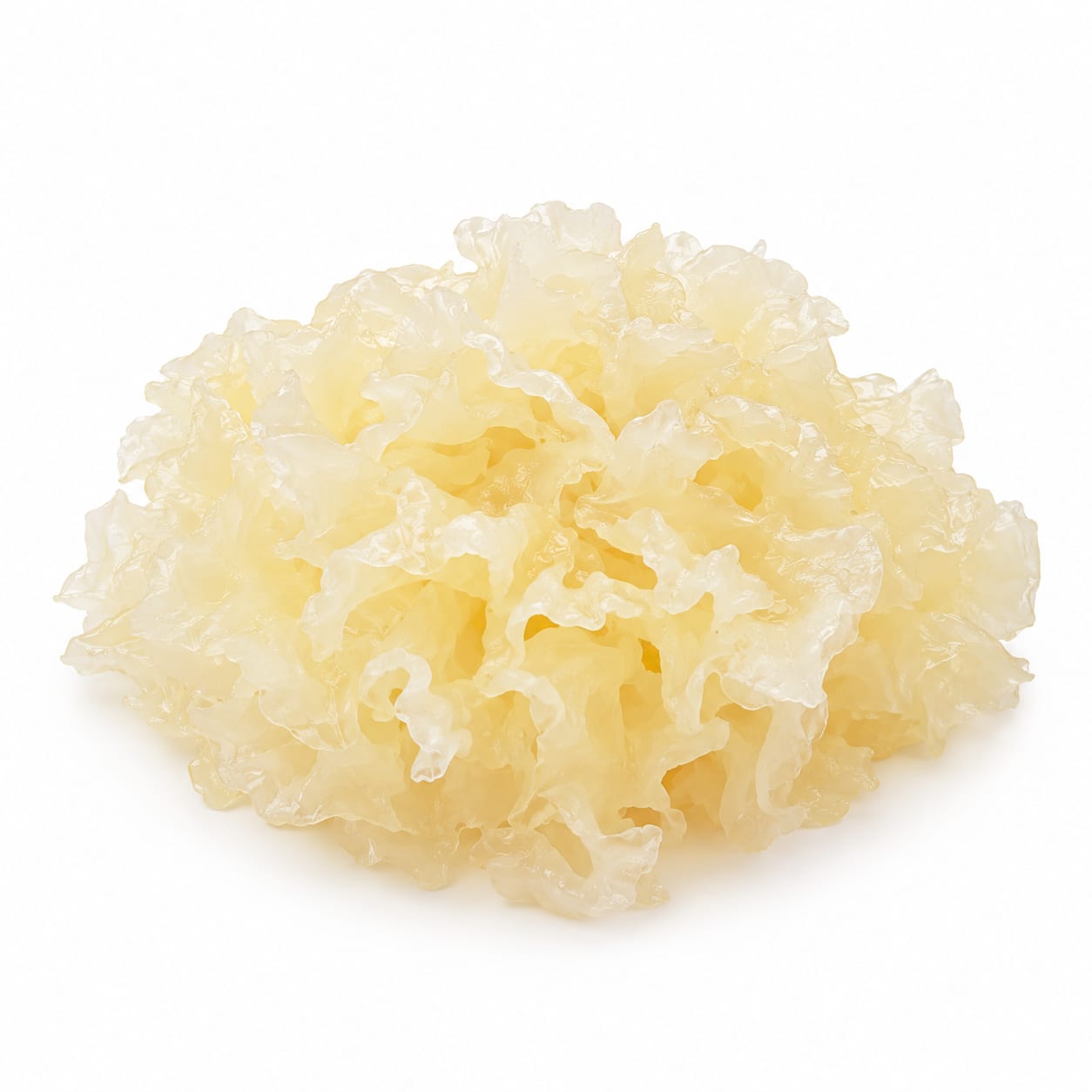
Snow Fungus
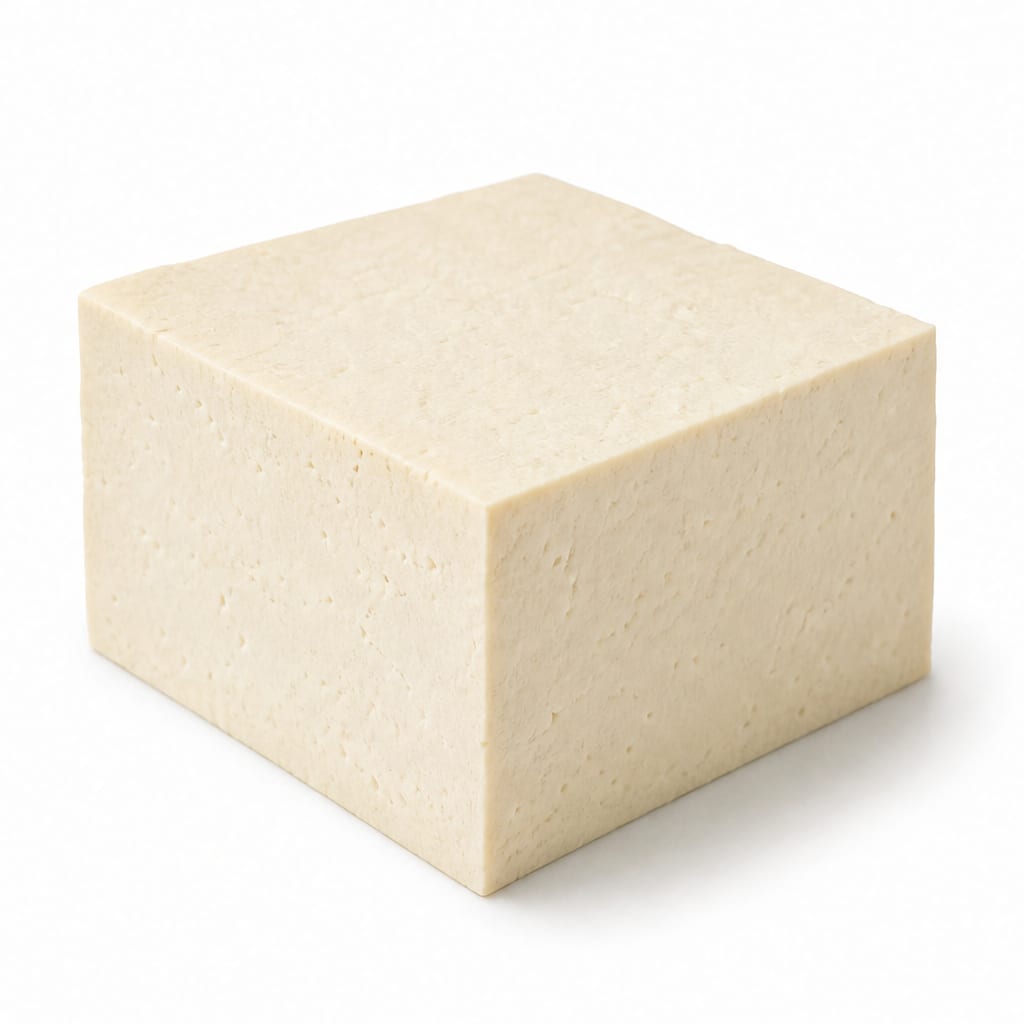
Tofu
Tofu is the nutritional workhorse with protein and minerals; Snow Fungus is the beauty-boosting, nearly calorie-free hydrator. They serve completely different purposes.
Tofu scores higher due to its complete protein, mineral density, and meal-building versatility. Snow Fungus earns strong marks in its niche — skin health and ultra-low-calorie volume — but lacks the nutritional breadth to serve as a dietary staple.
Substantial protein and mineral density versus unique skin-hydrating polysaccharides and ultra-low calories
At a glance
Executive summary
Overall
It depends
Healthier
It depends
More practical
Tofu
Daily use
Tofu
Key comparison lenses
plant-based protein comparison
Tofu is a major protein source while Snow Fungus provides almost none, making this the most consequential difference for most eaters
skin and beauty nutrition
Snow Fungus is renowned in Traditional Chinese Medicine for skin hydration, offering a unique angle most users are curious about
weight management and satiety
Both are low-calorie but fill very different roles — one is filling, the other is nearly calorie-free volume
digestive and gut health
Snow Fungus polysaccharides act as prebiotics while tofu offers fermentable fiber from soy, both supporting gut health differently
hormonal and phytoestrogen concerns
Tofu contains isoflavones which some users want to avoid or specifically seek, while Snow Fungus has no phytoestrogen activity
Best choice for
Snow Fungus
- Skin hydration and anti-aging focus
- Extremely low-calorie volume eating
- Traditional Chinese Medicine wellness routines
- Prebiotic gut support without calories
- Soothing throat and lung remedies
Tofu
- Plant-based protein needs
- Muscle maintenance and repair
- Calcium and iron supplementation through food
- Hearty, filling meals
- Versatile everyday cooking
Least suitable for
Snow Fungus
- Anyone needing protein from their meal
- Soy-free diets seeking a protein alternative
- People wanting satisfying, filling dishes
- Those unfamiliar with its gelatinous texture
Tofu
- Soy allergy sufferers
- People avoiding phytoestrogens
- Those seeking ultra-low-calorie foods
- Raw food diets unless using specific preparations
Deep comparison
Dimension by dimension
Each lens scores both foods and breaks down who each option suits.
- Dimension 1 · Priority 95Tofu
Protein Content and Quality
Snow Fungus · 5Tofu · 88Tofu delivers 8-17g of complete protein per serving depending on firmness. Snow Fungus provides essentially zero protein.
Tradeoff
If protein matters for your meal, Snow Fungus cannot contribute. Tofu is one of the best plant protein sources available.
Why it matters
Protein drives satiety, muscle maintenance, and metabolic health. A meal without protein leaves you hungry again within hours.
Real-world impact
A tofu stir-fry keeps you full for 4-5 hours. A Snow Fungus soup is comforting but you will be hungry again within 90 minutes.
Snow Fungus
- Post-meal lightness when you want to eat again soon
- Extremely low protein diets under medical supervision
Better for
- Main dish at any meal where satiety matters
- Athletic nutrition and recovery
Worse for
Tofu
- Post-workout recovery meals
- Vegan and vegetarian protein needs
- Older adults preserving muscle mass
- Anyone trying to stay full longer
Better for
- Kidney disease patients restricting protein intake
Worse for
- Dimension 2 · Priority 88Snow Fungus
Skin Health and Hydration
Snow Fungus · 90Tofu · 55Snow Fungus polysaccharides hold water hundreds of times their weight, mimicking hyaluronic acid. Tofu offers indirect skin benefits through isoflavones and protein but is less targeted.
Tradeoff
Snow Fungus is a direct skin-hydration superfood. Tofu supports skin structure through protein and modest isoflavone activity but is not a skin-specific food.
Why it matters
Skin hydration affects appearance, elasticity, and aging. Dietary approaches to skin health are increasingly valued alongside topical skincare.
Real-world impact
Regular Snow Fungus consumption is associated with visibly plumper, more hydrated skin over weeks. Tofu contributes to general tissue repair but you will not notice skin-specific changes quickly.
Snow Fungus
- Beauty-from-within routines
- Dry or aging skin concerns
- People already using hyaluronic acid supplements seeking a food-based alternative
Better for
- Expecting immediate visible results without consistent use
Worse for
Tofu
- Wound healing and skin repair after injury
- General tissue maintenance through protein
Better for
- Targeted skin hydration goals
Worse for
- Dimension 3 · Priority 82Snow Fungus
Calorie Density and Weight Management
Snow Fungus · 95Tofu · 72Snow Fungus is nearly calorie-free at roughly 5 calories per cup prepared. Tofu ranges from 55-145 calories per serving depending on firmness.
Tradeoff
Snow Fungus lets you eat large volumes with almost no caloric impact. Tofu has more calories but provides far more nutritional value per calorie.
Why it matters
Volume eating helps with satiety on calorie-restricted diets, but calories must deliver nutrition to avoid deficiencies.
Real-world impact
You can eat bowls of Snow Fungus soup without denting your calorie budget. A serving of tofu uses more calories but pays you back in protein and minerals.
Snow Fungus
- Volume eaters who want large portions
- Very low-calorie diet phases
- Late-night eating with minimal caloric consequence
Better for
- Anyone who confuses low calorie with satisfying — you will still be hungry
Worse for
Tofu
- Sustainable weight loss where each calorie must be nutrient-dense
- Preventing muscle loss during calorie deficits
Better for
- Strict calorie counting where every 50 calories matters
Worse for
- Dimension 4 · Priority 78Tofu
Mineral Density
Snow Fungus · 20Tofu · 82Tofu provides significant calcium, iron, magnesium, and zinc. Snow Fungus contains trace minerals but in nutritionally insignificant amounts.
Tradeoff
Tofu is a meaningful mineral source, especially calcium for dairy-free diets. Snow Fungus cannot contribute meaningfully to mineral needs.
Why it matters
Mineral deficiencies affect bone health, energy, and immune function. Food-based mineral sources are more sustainable than supplementation.
Real-world impact
A serving of calcium-set tofu covers 20-35% of daily calcium needs. Snow Fungus covers essentially zero percent of any mineral requirement.
Snow Fungus
- No specific mineral advantage — this is a clear Tofu win
Better for
- Reliance on Snow Fungus for any mineral contribution
Worse for
Tofu
- Dairy-free diets needing calcium
- Vegans at risk for iron and zinc deficiency
- Bone health maintenance
Better for
- People who already exceed calcium needs from other sources
Worse for
- Dimension 5 · Priority 75It depends
Gut and Digestive Health
Snow Fungus · 78Tofu · 70Snow Fungus polysaccharides function as prebiotics feeding beneficial gut bacteria. Tofu provides fermentable soy fiber and is easy to digest for most people.
Tradeoff
Snow Fungus is a stronger prebiotic, but tofu is more digestible as a protein source and gentler on sensitive stomachs when prepared simply.
Why it matters
Gut health influences immunity, mood, and nutrient absorption. Prebiotic foods and easily digestible proteins both matter.
Real-world impact
Snow Fungus soup feels soothing and feeds gut bacteria over time. Tofu is one of the easiest proteins to digest, rarely causing the heaviness of meat or beans.
Snow Fungus
- Prebiotic-focused gut protocols
- Constipation relief through gentle fiber
Better for
- Some people find the gelatinous texture hard to tolerate initially
Worse for
Tofu
- Post-illness recovery needing easy-to-digest protein
- Sensitive digestion that struggles with fibrous foods
Better for
- Soy sensitivity causing bloating in some individuals
Worse for
- Dimension 6 · Priority 65Snow Fungus
Hormonal Considerations
Snow Fungus · 80Tofu · 55Snow Fungus has no phytoestrogen activity. Tofu contains isoflavones that can mimic estrogen weakly, which is beneficial for some and concerning for others.
Tradeoff
Tofu's isoflavones may help with menopause symptoms and bone health but worry some users about hormonal effects. Snow Fungus avoids this entirely.
Why it matters
Hormonal sensitivity varies widely. Some people actively seek phytoestrogens while others avoid them based on personal or family health history.
Real-world impact
Moderate tofu intake is safe for most people and may ease hot flashes. Those with estrogen-sensitive conditions often prefer to limit soy, making Snow Fungus a safer choice.
Snow Fungus
- Estrogen-sensitive conditions requiring soy avoidance
- People anxious about phytoestrogen intake
- Clean hormonal profiles for competitive athletes
Better for
- Missing the potential bone-protective benefits of isoflavones
Worse for
Tofu
- Menopausal women seeking natural symptom relief
- Bone health support through isoflavone activity
Better for
- History of estrogen-receptor-positive breast cancer without medical clearance
- Thyroid conditions requiring soy restriction
Worse for
- Dimension 7 · Priority 72Tofu
Culinary Versatility
Snow Fungus · 45Tofu · 88Tofu works in stir-fries, soups, scrambles, grills, desserts, and smoothies. Snow Fungus is limited to soups, sweet desserts, and occasional salads.
Tradeoff
Tofu adapts to nearly any cuisine and meal. Snow Fungus has a specific cultural culinary niche and does not translate well outside it.
Why it matters
Foods you can cook many ways get eaten more often. Limited ingredients often sit unused in pantries.
Real-world impact
You can meal-prep tofu five ways for five different meals. Snow Fungus is something you use occasionally when making a specific soup or dessert recipe.
Snow Fungus
- Traditional Chinese dessert recipes
- Beautiful presentation in clear soups
Better for
- Anyone wanting an everyday ingredient that works in multiple dishes
Worse for
Tofu
- Weekly meal prep
- Fusion cuisine experimentation
- Replacing meat in familiar dishes
Better for
- Recipes specifically calling for gelatinous texture
Worse for
Timeline
Health impact over time
Short-term
Hours to days
Snow Fungus
- Light, hydrated feeling after consumption
- Very gentle on digestion with minimal bloating risk
- Soothing effect on throat and dry cough
- Unlikely to cause any immediate adverse reactions
Tofu
- Noticeable fullness and satiety within 30 minutes
- Possible mild bloating in soy-sensitive individuals
- Steady energy without blood sugar spikes
- Warming, grounding meal sensation
Long-term
Months to years
Snow Fungus
- Improved skin hydration and elasticity with regular consumption over months
- Enhanced gut microbiome diversity from prebiotic polysaccharides
- Potential immune modulation from beta-glucan compounds
- Minimal risk of overconsumption due to extremely low calorie and nutrient density
Tofu
- Maintained muscle mass and metabolic health from consistent protein intake
- Possible reduction in menopausal symptoms from isoflavones
- Improved bone density from calcium and isoflavone synergy
- Theoretical concern about very high soy intake and thyroid function, though moderate consumption appears safe
Risk profile
Safety & processing
Dried Snow Fungus is simply dehydrated with no additives. Tofu undergoes coagulation and pressing but uses minimal ingredients — soybeans, water, and a coagulant like calcium sulfate or nigari. Both are clean by modern food standards, though tofu is technically more processed.
Snow Fungus
Contamination during wild harvesting
mediumWild-harvested Snow Fungus can absorb environmental pollutants. Commercially cultivated versions are safer and more consistent.
Improper rehydration and storage
lowLeaving rehydrated Snow Fungus at room temperature too long can promote bacterial growth. Use within a day of soaking.
Allergic reactions
lowMushroom and fungus allergies are uncommon but possible. First-time consumers should try a small amount.
Tofu
Soy allergy
highSoy is a top 9 allergen. Reactions can range from hives to anaphylaxis in sensitive individuals.
GMO soybean sourcing
mediumMost conventional tofu comes from GMO soybeans. Choose organic tofu to avoid GMO exposure if that matters to you.
Thyroid interaction
lowVery high soy intake may interfere with thyroid medication absorption. Moderate consumption is generally fine, but separate tofu from thyroid medication by several hours.
Who wins for whom
Audience fit
Same foods, different winners depending on your goal.
children
TofuGrowing children need protein and calcium, both abundant in tofu. Snow Fungus is safe but nutritionally insufficient as a dietary component for kids.
daily consumption
TofuTofu provides daily nutritional value that compounds over time. Snow Fungus is better as a 2-3 times per week addition rather than a daily staple.
diabetes
TofuTofu's protein stabilizes blood sugar and reduces glycemic impact of meals. Snow Fungus is blood sugar neutral but does not actively help control it.
elderly
TofuOlder adults need protein to prevent sarcopenia and calcium for bone health. Tofu addresses both. Snow Fungus can complement but not replace these needs.
muscle gain
TofuTofu provides complete protein with all essential amino acids. Snow Fungus contributes zero protein and cannot support muscle building.
weight loss
It dependsSnow Fungus for extreme calorie restriction and volume eating. Tofu for sustainable weight loss that preserves muscle and keeps you satisfied.
Your move
Decision guide
Choose Snow Fungus
- You are focused on skin hydration and beauty-from-within nutrition
- You want nearly zero-calorie volume in soups and desserts
- You are avoiding soy for hormonal or allergic reasons
- You enjoy Traditional Chinese Medicine-inspired wellness foods
- You need a prebiotic boost without adding calories
Choose Tofu
- You need plant-based protein that actually satisfies
- You are building meals around a protein source
- You want calcium and iron from food rather than supplements
- You are meal-prepping for the week and need versatility
- You are an active person maintaining muscle mass
Either works if
- You want gut-friendly foods that are gentle on digestion
- You are eating an Asian-inspired soup and either could work
- You are looking for low-calorie alternatives to heavier ingredients
Avoid both if
- You have both soy allergy and mushroom/fungus sensitivity
- You need calorie-dense foods for weight gain
- You are seeking a single food that covers all nutritional bases
Final recommendation
Keep both in your kitchen but assign them different jobs. Use tofu as your protein backbone for meals 3-5 times per week. Add Snow Fungus 1-2 times weekly in soups or desserts for skin and gut benefits. They complement each other beautifully — one builds you up, the other hydrates and soothes. If you must choose only one, tofu wins for daily nutritional impact.
Practical
Consumer tips
- 1
Choose organic tofu to avoid GMO soybeans and pesticide residue concerns
- 2
Soak dried Snow Fungus for 1-2 hours until fully expanded and translucent before cooking
- 3
Add Snow Fungus to goji berry and red date soup for a classic beauty-boosting dessert
- 4
Press tofu for 15 minutes before cooking for better texture and flavor absorption
- 5
Calcium-set tofu has significantly more calcium than nigari-set varieties — check the label
- 6
Store leftover rehydrated Snow Fungus in the refrigerator and use within 24 hours
- 7
Freeze tofu then thaw for a chewier, more meat-like texture in stir-fries
- 8
Snow Fungus has almost no flavor on its own — it absorbs the taste of whatever broth or sauce you cook it in