
Nutrition comparison
Snow Fungus vs Shiitake Mushroom: Which Is Better for Your Health Goals?
Compare Snow Fungus and Shiitake Mushroom for immune support, skin benefits, nutrition, and daily use. Learn which mushroom fits your health goals and how to choose between them.
Overall winner · Shiitake Mushroom
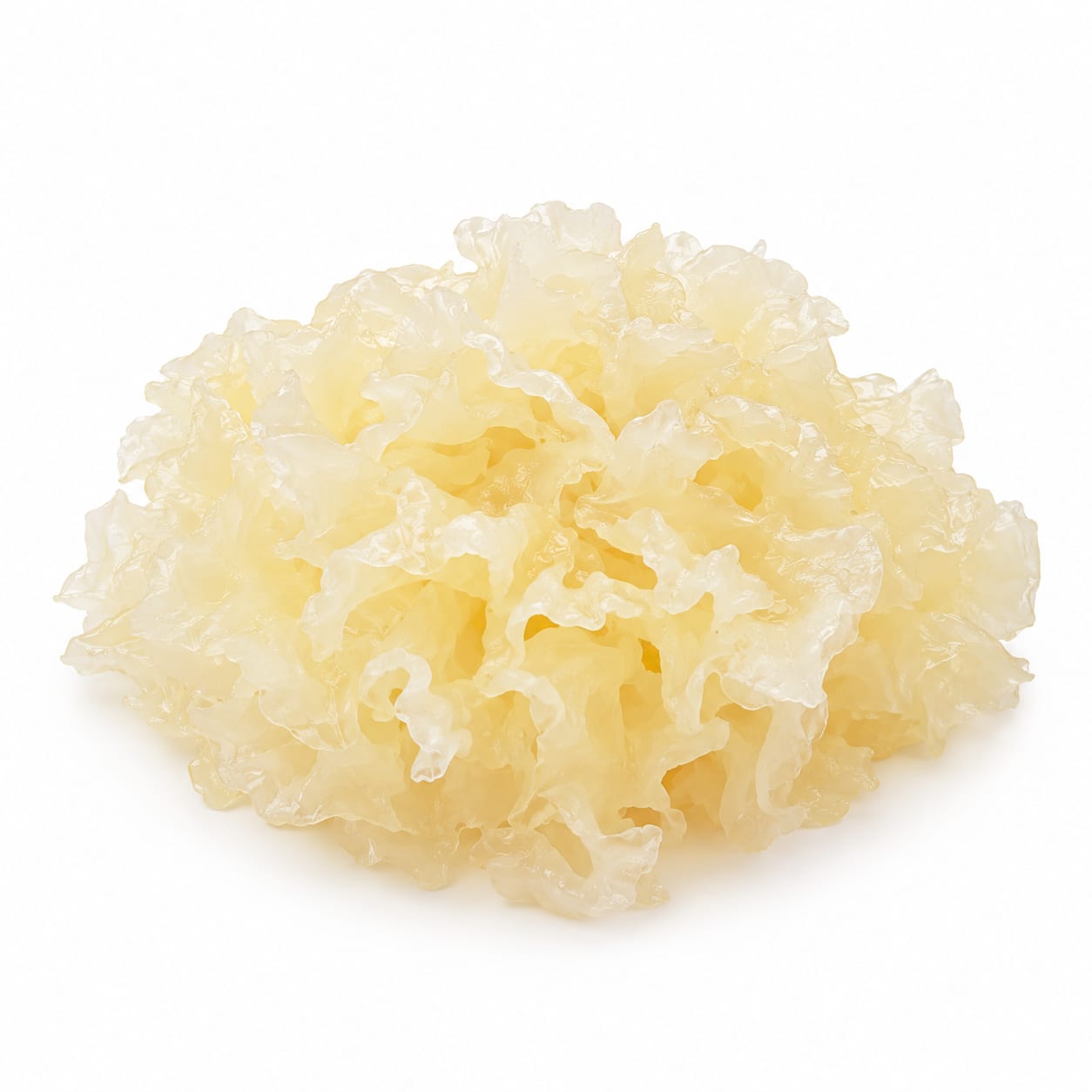
Snow Fungus
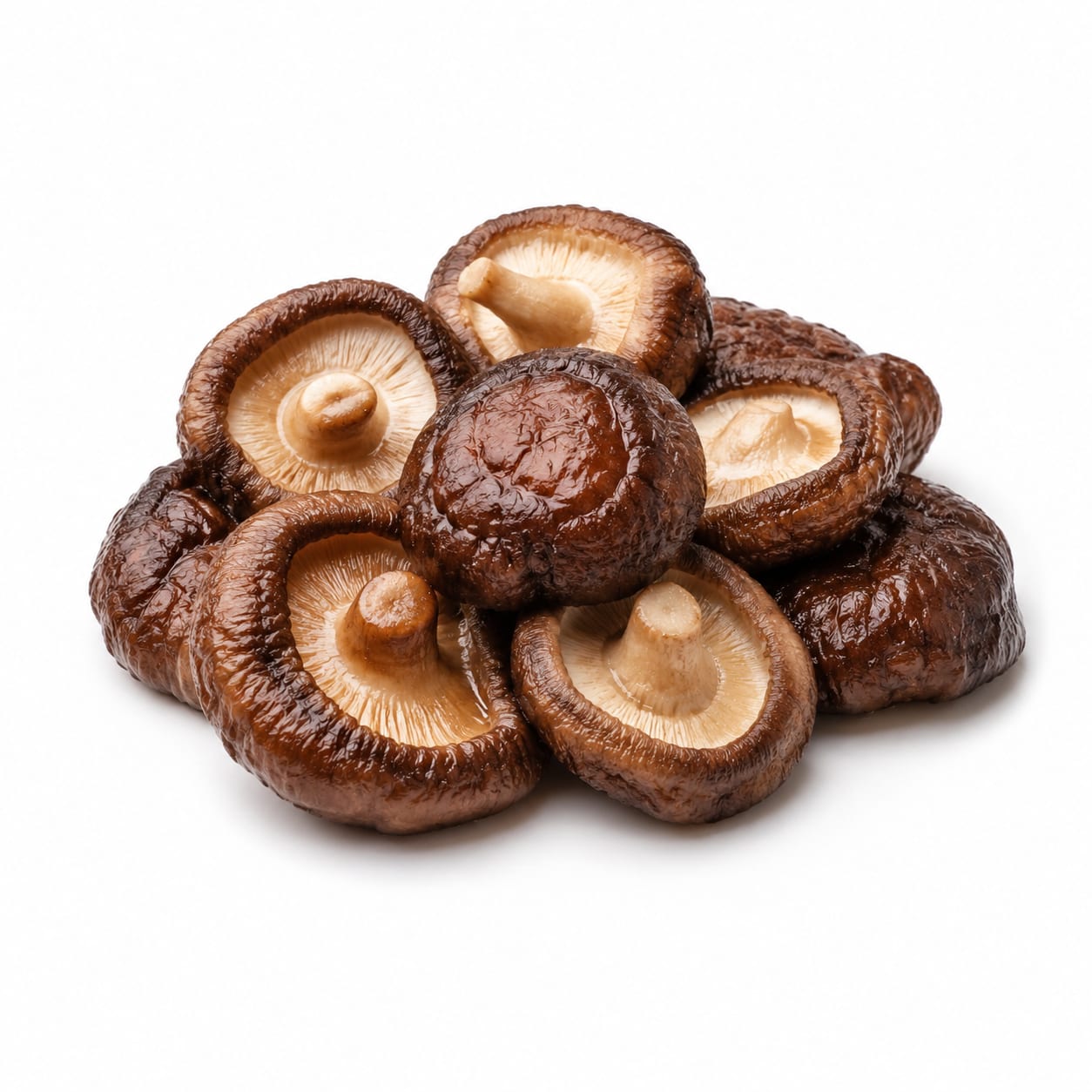
Shiitake Mushroom
Shiitake Mushroom wins on nutritional density and everyday usability, while Snow Fungus excels for skin hydration and light, comforting dishes.
Shiitake Mushroom scores notably higher due to superior vitamin and mineral content, more protein, stronger culinary versatility, and better-supported health research. Snow Fungus remains valuable but has a narrower nutritional and practical profile.
Shiitake delivers broader nutrition and savory satisfaction; Snow Fungus offers unique skin-moisturizing polysaccharides but far fewer vitamins and minerals.
At a glance
Executive summary
Overall
Shiitake Mushroom
Healthier
Shiitake Mushroom
More practical
Shiitake Mushroom
Daily use
Shiitake Mushroom
Key comparison lenses
immune system support
Both fungi are renowned for immune-modulating polysaccharides, making this the primary reason users compare them
skin and beauty benefits
Snow Fungus is famous for skin hydration while Shiitake offers complementary beauty nutrients like selenium and zinc
nutritional density for daily use
Users want to know which mushroom delivers more vitamins and minerals per serving for regular consumption
culinary versatility and taste
Shiitake is a savory staple while Snow Fungus is texture-driven and neutral, affecting how often people actually cook with them
traditional medicine credibility
Both have centuries of use in East Asian medicine, and users often weigh tradition against modern evidence
Best choice for
Snow Fungus
- People prioritizing skin hydration and beauty-from-within routines
- Those wanting a light, low-calorie addition to soups and desserts
- Anyone seeking gentle lung and throat soothing in traditional Chinese medicine style
- People avoiding strong flavors who want a neutral texture enhancer
Shiitake Mushroom
- People wanting a nutrient-dense daily mushroom with B vitamins and minerals
- Anyone cooking savory meals who needs umami depth and meaty texture
- Those focused on cholesterol management and heart health
- People seeking accessible immune support with strong scientific backing
Least suitable for
Snow Fungus
- People needing significant protein or B vitamin intake from their food
- Those who dislike gelatinous or slippery textures
- Anyone looking for a standalone savory dish component
- People expecting bold flavor contributions
Shiitake Mushroom
- People with known shiitake mushroom allergy or dermatitis history
- Those strictly limiting purines due to gout concerns
- Anyone sensitive to high glutamate or histamine content
- People wanting a neutral-flavored ingredient for sweet dishes
Deep comparison
Dimension by dimension
Each lens scores both foods and breaks down who each option suits.
- Dimension 1 · Priority 95Shiitake Mushroom
nutritional_density
Snow Fungus · 45Shiitake Mushroom · 82Shiitake Mushroom delivers significantly more B vitamins, copper, selenium, and zinc per serving. Snow Fungus is mostly water and polysaccharides with minimal micronutrients.
Tradeoff
Snow Fungus is lighter and almost zero-calorie, but you sacrifice the broad micronutrient coverage that Shiitake provides effortlessly.
Why it matters
If your mushroom is a daily staple, Shiitake contributes meaningfully to your B vitamin and mineral intake. Snow Fungus contributes almost nothing to your daily nutrient targets.
Real-world impact
A serving of Shiitake covers meaningful portions of your B2, B3, B5, copper, and selenium needs. Snow Fungus covers virtually none.
Snow Fungus
- Extremely low-calorie meal plans
- Fasting-mimicking diet protocols
- Light cleansing routines
Better for
- Reliance on food for micronutrient intake
- Recovery from illness requiring nutritional support
Worse for
Shiitake Mushroom
- Meeting daily vitamin and mineral targets
- Nutrient-dense meal building
- Replacing meat with nutritionally substantive plant foods
Better for
- Very low calorie diet phases where even 40 calories matters
Worse for
- Dimension 2 · Priority 92It depends
immune_support
Snow Fungus · 78Shiitake Mushroom · 80Both mushrooms support immunity through different polysaccharide pathways. Shiitake's lentinan has more clinical research; Snow Fungus's tremella polysaccharides show promising but less studied immunomodulatory effects.
Tradeoff
Shiitake offers better-researched immune compounds; Snow Fungus provides gentler immune modulation that may be preferable for sensitive or overactive immune systems.
Why it matters
If you want evidence-backed immune support, Shiitake has stronger clinical data. If you prefer a gentler approach or have autoimmune concerns, Snow Fungus may be the safer choice.
Real-world impact
Shiitake is like a focused immune trainer with proven results. Snow Fungus is like a gentle immune balancer that calibrates rather than stimulates.
Snow Fungus
- Autoimmune conditions requiring gentle modulation
- People who find Shiitake too stimulating
- Long-term subtle immune maintenance
Better for
- Acute situations needing strong immune response
Worse for
Shiitake Mushroom
- Active immune support during cold and flu season
- Post-illness recovery needing robust immune engagement
- People wanting clinically studied beta-glucan sources
Better for
- Autoimmune flare management where stimulation is risky
Worse for
- Dimension 3 · Priority 88Snow Fungus
skin_and_beauty_benefits
Snow Fungus · 90Shiitake Mushroom · 65Snow Fungus is renowned for its skin-hydrating polysaccharides that can hold hundreds of times their weight in water, functioning like a natural hyaluronic acid. Shiitake supports skin through selenium and zinc but less directly.
Tradeoff
Snow Fungus targets skin hydration specifically and effectively; Shiitake supports skin health indirectly through minerals and antioxidants but lacks the direct hydrating mechanism.
Why it matters
If skin appearance and hydration are primary goals, Snow Fungus is one of the most effective food-based options available. Shiitake helps but is not a skin-specific food.
Real-world impact
Regular Snow Fungus consumers often report more supple, moisturized skin within weeks. Shiitake's skin benefits are real but slower and less noticeable.
Snow Fungus
- Beauty-from-within routines focused on skin hydration
- Dry or aging skin concerns
- People seeking natural alternatives to hyaluronic acid supplements
Better for
- Oily skin types where more hydration is counterproductive
Worse for
Shiitake Mushroom
- Acne-prone skin needing selenium and zinc support
- Skin health as part of overall wellness rather than primary focus
Better for
- Dehydrated skin needing direct moisture-retention support
Worse for
- Dimension 4 · Priority 85Shiitake Mushroom
culinary_versatility_and_satisfaction
Snow Fungus · 50Shiitake Mushroom · 88Shiitake brings deep umami flavor, meaty texture, and works in stir-fries, soups, risottos, and grilled dishes. Snow Fungus is neutral-tasting with a gelatinous texture best suited for soups and sweet desserts.
Tradeoff
Shiitake makes meals more satisfying and flavorful on its own; Snow Fungus requires other ingredients to carry flavor and is limited to specific dish types.
Why it matters
The mushroom you actually enjoy cooking with is the one you will eat consistently. Shiitake's versatility makes daily use realistic; Snow Fungus is more of an occasional specialty ingredient.
Real-world impact
Shiitake can replace meat in many dishes and stand alone as a main ingredient. Snow Fungus is always a supporting player that adds texture but not flavor.
Snow Fungus
- Traditional Chinese sweet soup desserts
- Light, comforting throat-soothing broths
- Texture-focused dishes where neutrality is preferred
Better for
- Anyone wanting bold mushroom flavor
- Standalone side dishes
- Quick weeknight cooking needing flavor impact
Worse for
Shiitake Mushroom
- Everyday savory cooking across cuisines
- Meal prep where one ingredient serves multiple dishes
- Satisfying meat substitutes that actually taste good
Better for
- Sweet dishes and dessert applications
Worse for
- Dimension 5 · Priority 78Snow Fungus
digestive_tolerance_and_gentleness
Snow Fungus · 88Shiitake Mushroom · 70Snow Fungus is extremely gentle on digestion with its soft, mucilaginous texture that coats and soothes. Shiitake can cause digestive upset in some people due to higher fiber and specific carbohydrates.
Tradeoff
Snow Fungus is the safer choice for sensitive stomachs and recovery; Shiitake offers more digestive fiber but with higher intolerance risk.
Why it matters
If you have IBS, are recovering from illness, or have a sensitive gut, Snow Fungus is much less likely to cause discomfort. Shiitake's fiber is beneficial but can be triggering.
Real-world impact
Snow Fungus feels like a warm hug for your digestive tract. Shiitake is more like a workout for your gut that usually pays off but sometimes backfires.
Snow Fungus
- Post-illness digestive recovery
- IBS or sensitive stomach management
- Soothing throat and lung irritation
- Elderly or frail individuals needing gentle nutrition
Better for
- Those needing fiber to support regular digestion
Worse for
Shiitake Mushroom
- Healthy guts wanting more prebiotic fiber
- Constipation relief through higher fiber intake
Better for
- IBS flare-ups
- FODMAP-sensitive individuals
- People with histamine intolerance
Worse for
- Dimension 6 · Priority 82Shiitake Mushroom
heart_health_and_cholesterol
Snow Fungus · 60Shiitake Mushroom · 82Shiitake contains eritadenine, a compound shown to help lower cholesterol, plus beta-glucans that support cardiovascular health. Snow Fungus has mild cholesterol benefits but lacks the specific compounds Shiitake offers.
Tradeoff
Shiitake has a direct cholesterol-lowering compound with research backing; Snow Fungus offers general cardiovascular support through antioxidants but without the same targeted mechanism.
Why it matters
For people managing cholesterol or heart disease risk, Shiitake is one of the most evidence-supported functional foods available. Snow Fungus helps but is not a targeted heart health tool.
Real-world impact
Regular Shiitake consumption can meaningfully improve cholesterol markers over months. Snow Fungus contributes to heart health as part of a broader pattern but is less impactful alone.
Snow Fungus
- General cardiovascular maintenance in low-risk individuals
- Antioxidant support for blood vessel health
Better for
- Needing targeted cholesterol-lowering food strategies
Worse for
Shiitake Mushroom
- Active cholesterol management
- Metabolic syndrome dietary interventions
- Family history of heart disease risk reduction
Better for
- Severe gout where purine content is a concern
Worse for
Timeline
Health impact over time
Short-term
Hours to days
Snow Fungus
- Immediate soothing sensation in throat and digestive tract
- Very light feeling after eating due to minimal caloric content
- Quick hydration support for skin within days of regular consumption
- Mild blood sugar stabilization from soluble fiber
Shiitake Mushroom
- Noticeable umami satisfaction that reduces cravings for savory foods
- Possible mild digestive adjustment if unused to higher fiber intake
- Quick B vitamin boost supporting energy metabolism within hours
- Slight cholesterol-lowering effect beginning with first servings
Long-term
Months to years
Snow Fungus
- Progressively improved skin hydration and elasticity over weeks to months
- Sustained gentle immune modulation without overstimulation
- Consistent digestive comfort and regularity support
- Potential lung and respiratory health maintenance per traditional use
Shiitake Mushroom
- Measurable cholesterol improvement with regular consumption over months
- Strengthened immune response with fewer and shorter colds
- Better B vitamin status supporting energy and nervous system health
- Improved gut microbiome diversity from prebiotic fiber
Risk profile
Safety & processing
Both Snow Fungus and Shiitake Mushroom are typically sold as whole dried fungi with minimal processing. Snow Fungus is almost always just dehydrated. Shiitake may be fresh or dried, both with negligible additive concerns. The main consideration is sourcing quality to avoid heavy metal contamination in mushrooms grown on polluted substrates.
Snow Fungus
Heavy metal accumulation
mediumLike all fungi, Snow Fungus can absorb heavy metals from its growing environment. Source from reputable suppliers who test for contaminants.
Allergic reactions
lowRare but possible. Some individuals may experience mild allergic responses to fungal proteins.
Contamination in wild-harvested specimens
lowWild-harvested Snow Fungus may carry environmental pollutants or misidentification risk. Commercially cultivated versions are safer.
Shiitake Mushroom
Shiitake dermatitis
mediumA rare but well-documented reaction causing whip-like skin lesions, triggered by consuming raw or undercooked Shiitake. Thorough cooking eliminates this risk.
High purine content
mediumShiitake contains moderate purines, which can trigger gout flares in susceptible individuals. Those with gout should moderate intake.
Histamine content
lowDried Shiitake contains higher histamine levels that may affect histamine-intolerant individuals, causing headaches or digestive symptoms.
Heavy metal and pesticide accumulation
mediumShiitake concentrates minerals from its substrate. Choose organic or tested sources to minimize exposure to heavy metals and agricultural chemicals.
Who wins for whom
Audience fit
Same foods, different winners depending on your goal.
children
Shiitake MushroomShiitake's B vitamins and minerals support growing bodies, and its savory flavor is more appealing to children than Snow Fungus's gelatinous texture.
daily consumption
Shiitake MushroomShiitake's broader nutritional profile and culinary versatility make it more sustainable and beneficial as a daily staple.
diabetes
Shiitake MushroomShiitake's eritadenine and beta-glucans offer more targeted metabolic benefits, plus its fiber helps stabilize blood sugar more effectively.
elderly
It dependsSnow Fungus is gentler on aging digestive systems and supports skin elasticity; Shiitake provides crucial B vitamins and immune support that elderly people often lack. Both are valuable.
muscle gain
Shiitake MushroomShiitake provides more protein per serving along with B vitamins that support energy metabolism during training.
weight loss
Snow FungusSnow Fungus is virtually calorie-free while providing volume and satisfaction in soups, making it easier to create filling low-calorie meals.
Your move
Decision guide
Choose Snow Fungus
- Skin hydration and beauty-from-within are your top priorities
- You have a sensitive stomach or are recovering from digestive illness
- You want a gentle immune modulator rather than a strong stimulator
- You enjoy traditional Chinese sweet soups and dessert applications
- You need nearly zero-calorie meal volume for weight management
Choose Shiitake Mushroom
- You want maximum nutritional value from your mushroom choice
- Heart health and cholesterol management matter to you
- You cook savory meals regularly and want umami depth
- You need accessible, well-researched immune support
- You are building a nutrient-dense daily eating pattern
Either works if
- You want immune support and are flexible on mechanism
- You are assembling a medicinal mushroom blend using both
- General longevity and healthy aging are your goals
- You enjoy Asian cuisine and can incorporate both naturally
Avoid both if
- You have a known mushroom or fungus allergy
- You are on immunosuppressant medications without medical guidance on fungal supplements
- You cannot verify sourcing quality and are concerned about heavy metal exposure
Final recommendation
For most people, Shiitake Mushroom is the better daily choice due to its superior nutritional profile, proven health benefits, and culinary versatility. However, adding Snow Fungus specifically for skin hydration or digestive soothing creates a powerful combination. Think of Shiitake as your daily multivitamin mushroom and Snow Fungus as your targeted beauty and comfort mushroom. If you must choose one, Shiitake gives you more. If you can use both, you get the best of both worlds.
Practical
Consumer tips
- 1
Buy dried Snow Fungus that is pale yellow to white; avoid bleached versions that look unnaturally bright white
- 2
Choose dried Shiitake with thick, cracked caps for the most flavor and highest nutrient density
- 3
Soak both mushrooms thoroughly before cooking and discard the soaking water to reduce potential contaminants
- 4
Cook Shiitake completely to eliminate shiitake dermatitis risk and improve nutrient bioavailability
- 5
Add Snow Fungus to bone broth soups for a synergistic combination of collagen and hydrating polysaccharides
- 6
Store both in airtight containers away from moisture; dried mushrooms last over a year when kept dry and cool
- 7
Start with small amounts of Shiitake if you have never eaten it to check for any sensitivity before increasing portions
- 8
Sun-dry Shiitake yourself to dramatically boost its vitamin D2 content by placing gill-side up in direct sunlight for a few hours