
Nutrition comparison
Snow Fungus vs White Rice: Health Benefits, Blood Sugar Impact, and Which to Choose
Compare Snow Fungus and White Rice nutrition, health benefits, and tradeoffs. Learn which is better for blood sugar, weight loss, skin health, and daily energy needs.
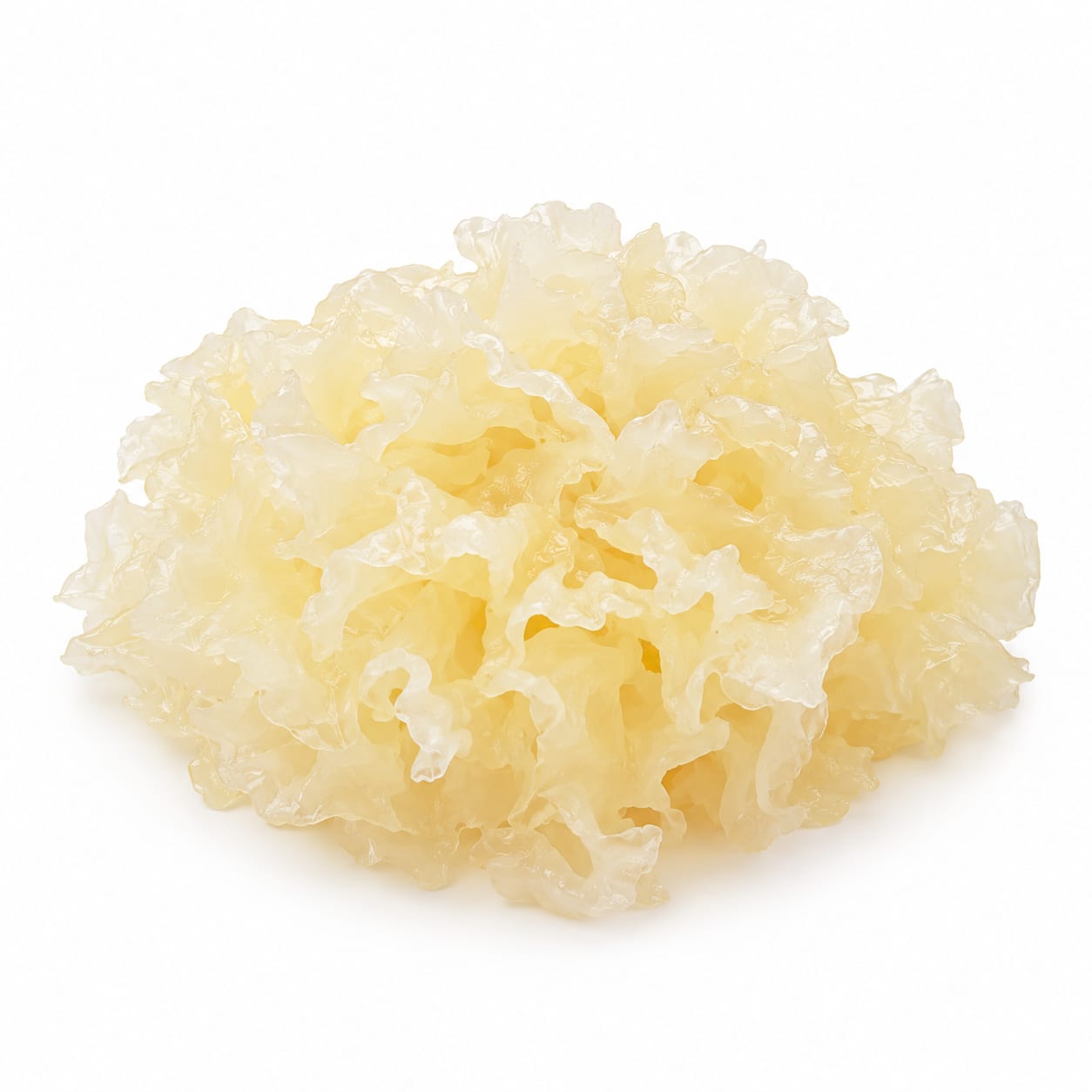
Snow Fungus
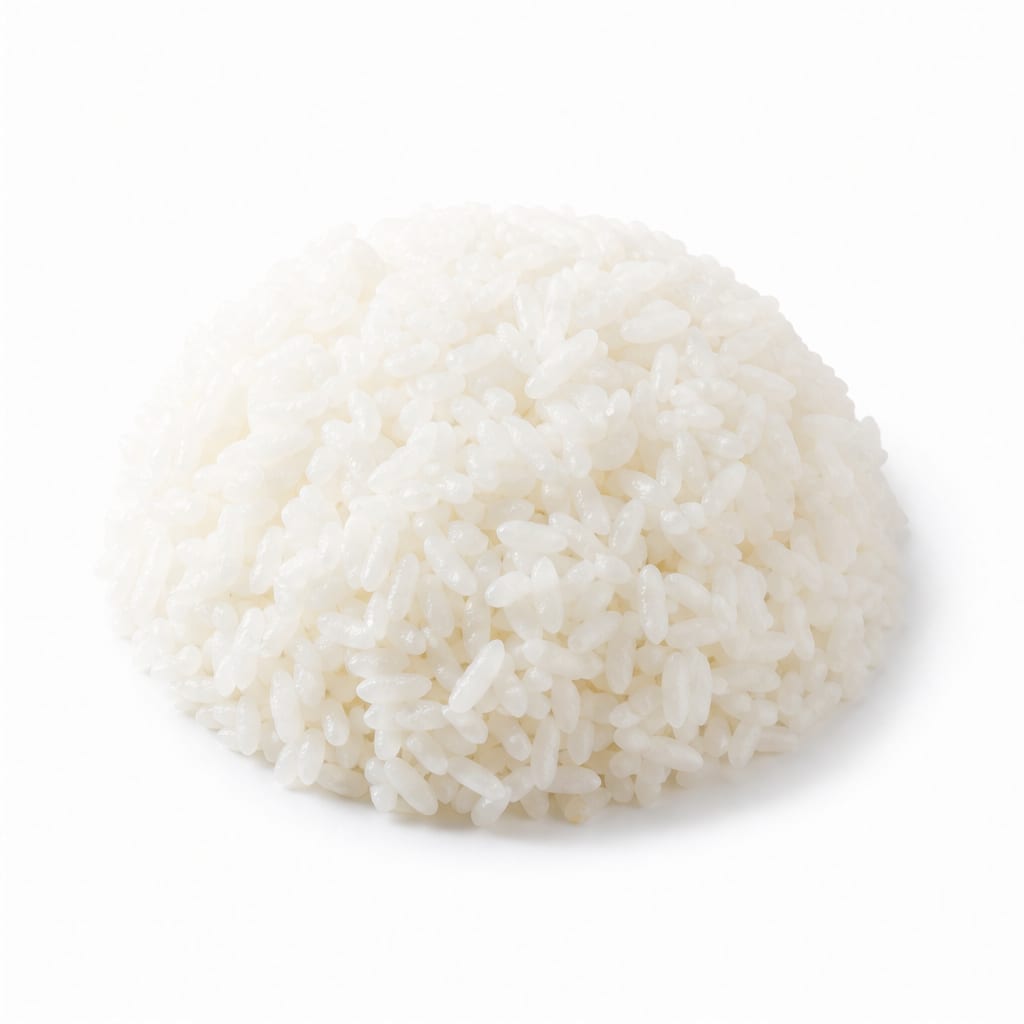
White Rice
Snow Fungus and White Rice serve completely different roles — one is a functional wellness ingredient, the other is a staple energy source. Comparing them is like comparing a supplement to a fuel source.
Snow Fungus scores higher for health benefits per calorie and blood sugar neutrality, but loses significant ground on practicality, energy provision, and everyday usability. White Rice scores lower overall due to blood sugar impact and low micronutrient density, but remains indispensable as an energy source in many diets.
White Rice gives you quick, reliable energy but spikes blood sugar. Snow Fungus delivers almost no calories but offers unique skin and immune benefits with zero glycemic crash.
At a glance
Executive summary
Overall
It depends
Healthier
Snow Fungus
More practical
White Rice
Daily use
It depends
Key comparison lenses
blood sugar management
White Rice spikes blood sugar aggressively while Snow Fungus has virtually no glycemic impact, making this the starkest contrast between the two
weight management and satiety
Snow Fungus is extremely low calorie but not filling alone, while White Rice provides caloric energy but can trigger overeating
functional health benefits
Snow Fungus offers unique polysaccharides for skin hydration and immune support that White Rice cannot match
practical daily staple viability
White Rice is a cultural staple and easy energy source; Snow Fungus is a specialty ingredient not meant to replace staple carbs
nutritional completeness
Neither food is nutritionally complete on its own, but users may wonder which contributes more to a balanced diet
Best choice for
Snow Fungus
- People managing diabetes or blood sugar issues
- Anyone seeking skin hydration and anti-aging support
- Those on calorie-restricted diets needing volume without calories
- People interested in adaptogenic and immune-supporting foods
- Individuals recovering from illness needing gentle, nourishing foods
White Rice
- Athletes needing quick carbohydrate fuel before or after training
- People with high caloric needs who struggle to eat enough
- Anyone needing affordable, accessible staple calories
- Cultures and households where rice is a daily meal foundation
- Individuals with digestive issues who need easily tolerated carbs
Least suitable for
Snow Fungus
- Athletes needing performance fuel or carb loading
- Anyone looking for a meal replacement or standalone energy source
- People unfamiliar with cooking or sourcing specialty Asian ingredients
- Those expecting significant protein or macronutrient content
White Rice
- People with diabetes or insulin resistance
- Anyone actively trying to lose weight while controlling cravings
- Those following low-carb or ketogenic diets
- People seeking nutrient-dense, fiber-rich carbohydrate sources
Deep comparison
Dimension by dimension
Each lens scores both foods and breaks down who each option suits.
- Dimension 1 · Priority 95Snow Fungus
blood sugar stability
Snow Fungus · 98White Rice · 18Snow Fungus has essentially zero glycemic impact. White Rice is one of the highest glycemic foods commonly consumed.
Tradeoff
You gain perfect blood sugar calm with Snow Fungus but sacrifice any energy input. White Rice fuels you but at the cost of a glucose spike and potential crash.
Why it matters
Blood sugar spikes from White Rice can trigger hunger returning within 90 minutes, fatigue, and over time increase risk for metabolic syndrome.
Real-world impact
A White Rice meal leaves you hungry again soon. A Snow Fungus soup won't spike anything but also won't power your afternoon.
Snow Fungus
- Diabetics
- Intermittent fasters
- Anyone avoiding the afternoon energy crash
Better for
- Anyone who needs immediate usable energy
Worse for
White Rice
- Endurance athletes mid-event
- Underweight individuals needing quick calories
- Post-workout recovery when glycogen replenishment is the priority
Better for
- Insulin-resistant individuals
- Prediabetics
- Anyone prone to energy crashes after carb-heavy meals
Worse for
- Dimension 2 · Priority 88Snow Fungus
functional health benefits
Snow Fungus · 86White Rice · 22Snow Fungus contains unique polysaccharides linked to skin hydration, immune modulation, and anti-inflammatory effects. White Rice is essentially stripped of functional compounds.
Tradeoff
Snow Fungus works like a gentle daily supplement in food form. White Rice provides no functional benefits beyond raw energy.
Why it matters
Tremella polysaccharides can hold hundreds of times their weight in water, supporting skin moisture from within — something no amount of White Rice offers.
Real-world impact
Regular Snow Fungus consumption may visibly improve skin hydration over weeks. White Rice will never do this.
Snow Fungus
- Anyone investing in long-term skin health
- People seeking gentle immune support
- Those interested in adaptogenic wellness foods
Better for
- People expecting immediate noticeable effects
Worse for
White Rice
- No one — White Rice has no meaningful functional health benefits beyond basic calories
Better for
- Anyone looking for health benefits beyond raw energy
Worse for
- Dimension 3 · Priority 85White Rice
energy and fuel value
Snow Fungus · 5White Rice · 82White Rice delivers fast-acting carbohydrate energy. Snow Fungus provides almost zero calories and cannot function as an energy source.
Tradeoff
White Rice is reliable fuel but nutritionally shallow. Snow Fungus is nutritionally interesting but cannot sustain you energetically.
Why it matters
If you need to get through a workday or a workout, White Rice actually powers your body. Snow Fungus simply cannot do this job.
Real-world impact
A bowl of White Rice before exercise fuels performance. A bowl of Snow Fungus soup before exercise leaves you underfueled.
Snow Fungus
- No one for energy purposes
Better for
- Anyone who needs caloric energy to function
Worse for
White Rice
- Athletes
- Manual laborers
- Anyone with high daily energy expenditure
- Students during exam periods needing brain fuel
Better for
- Sedentary individuals whose energy needs are already low
Worse for
- Dimension 4 · Priority 82Snow Fungus
calorie efficiency for weight management
Snow Fungus · 92White Rice · 28Snow Fungus is nearly calorie-free, making it ideal for volume eating during weight loss. White Rice is calorie-dense and easy to overeat.
Tradeoff
Snow Fungus lets you eat large portions without caloric consequence but won't satisfy hunger on its own. White Rice satisfies quickly but can quietly push you over your calorie budget.
Why it matters
A single large bowl of White Rice can contain 300+ calories before adding anything else. Snow Fungus soup with vegetables delivers volume for a fraction of that.
Real-world impact
You can eat Snow Fungus daily during a cut without tracking it. White Rice portions require careful measuring during weight loss.
Snow Fungus
- Calorie counters
- Volume eaters
- Anyone in a fat loss phase
Better for
- Those who need to gain weight healthily
Worse for
White Rice
- Hard gainers
- People who struggle to eat enough
- Recovering from illness with appetite loss
Better for
- Binge-prone eaters
- Anyone who struggles with portion control
Worse for
- Dimension 5 · Priority 78White Rice
practicality and accessibility
Snow Fungus · 32White Rice · 90White Rice is available everywhere, cheap, and cooks in 15 minutes. Snow Fungus requires specialty stores, rehydration time, and recipe knowledge.
Tradeoff
White Rice wins on convenience and cost by a wide margin. Snow Fungus demands effort and sourcing that most people won't bother with regularly.
Why it matters
The healthiest food only works if you actually eat it. White Rice's accessibility makes it a daily reality for billions. Snow Fungus remains a niche ingredient.
Real-world impact
You can find White Rice in any grocery store on Earth. Snow Fungus may require an Asian market or online order and planning ahead.
Snow Fungus
- Home cooks who enjoy preparing traditional Chinese dishes
- Wellness enthusiasts willing to source specialty ingredients
Better for
- People without access to Asian grocery stores
- Anyone who wants quick meal prep
Worse for
White Rice
- Busy families
- Budget-conscious shoppers
- Anyone who needs reliable calories with minimal effort
Better for
- No one for practicality — White Rice is as practical as food gets
Worse for
- Dimension 6 · Priority 70It depends
digestive tolerance
Snow Fungus · 78White Rice · 80Both foods are gentle on digestion. Snow Fungus is soothing and mucilaginous. White Rice is a classic bland food for upset stomachs.
Tradeoff
Snow Fungus provides soothing soluble fiber. White Rice provides simple, easily broken-down carbs. Both are kind to sensitive digestive systems but in different ways.
Why it matters
When your stomach is upset, both are safe choices. White Rice is the traditional BRAT diet staple. Snow Fungus soup is a traditional Chinese remedy for dry throats and irritated digestion.
Real-world impact
After food poisoning, White Rice is the safer bet because it requires almost zero digestive effort. Snow Fungus is better for chronic dryness or inflammation in the gut.
Snow Fungus
- People with chronic dry digestive issues
- Those seeking gut-soothing soluble fiber
Better for
- Acute vomiting or diarrhea where even gentle fiber might be too much
Worse for
White Rice
- Acute stomach illness recovery
- Anyone needing the gentlest possible food during digestive distress
Better for
- Constipation-prone individuals who need more fiber
Worse for
Timeline
Health impact over time
Short-term
Hours to days
Snow Fungus
- Very gentle on blood sugar — no spike or crash
- Provides hydrating, soothing mouthfeel in soups
- Minimal satiety — will not fill you up alone
- May feel unsatisfying if eaten as a standalone dish
White Rice
- Rapid blood sugar rise within 30-60 minutes of eating
- Quick energy availability for muscles and brain
- Short-lived fullness that fades within 1-2 hours
- Can trigger cravings once blood sugar drops
Long-term
Months to years
Snow Fungus
- Potential improvements in skin hydration and elasticity from regular polysaccharide intake
- Gentle immune system support without overstimulation
- Virtually no risk of metabolic harm from long-term consumption
- Possible anti-inflammatory benefits with consistent use over months
White Rice
- Regular high glycemic meals may increase risk of insulin resistance over years
- Easy to accumulate excess calories when portions are not managed
- Low fiber intake when White Rice displaces whole grains consistently
- Minimal micronutrient contribution unless rice is fortified
Risk profile
Safety & processing
Dried Snow Fungus is simply dehydrated with no additives. White Rice is milled and polished, removing the bran and germ — a significant processing step that strips away most nutrients and fiber.
Snow Fungus
Contamination from wild-harvested sources
mediumWild Snow Fungus can absorb heavy metals from polluted environments. Commercially cultivated sources are generally safer and more consistent.
Allergic reactions
lowMushroom and fungus allergies are uncommon but possible. First-time consumers should try a small amount.
Improper storage of dried product
lowDried Snow Fungus must be kept dry. Moisture exposure can lead to mold growth during storage.
White Rice
Arsenic accumulation
mediumWhite Rice, especially from certain regions, can contain inorganic arsenic. Regular daily consumption increases cumulative exposure. Rinsing and cooking with excess water reduces this significantly.
Blood sugar dysregulation from habitual consumption
mediumNot a contamination risk per se, but the metabolic risk from daily high-glycemic meals compounds over time, particularly for sedentary individuals.
Who wins for whom
Audience fit
Same foods, different winners depending on your goal.
children
White RiceGrowing children need reliable energy and calories. White Rice is gentle, familiar, and fuel-dense. Snow Fungus is too niche and calorically empty for developing kids.
daily consumption
It dependsWhite Rice works as a daily staple if you are active and metabolically healthy. Snow Fungus works as a daily wellness addition but cannot replace staple carbohydrates.
diabetes
Snow FungusSnow Fungus has no glycemic impact whatsoever. White Rice is one of the worst common foods for blood sugar control.
elderly
It dependsFrail elderly who need easy calories benefit from White Rice. Elderly managing diabetes or seeking joint and skin support benefit more from Snow Fungus.
muscle gain
White RiceBuilding muscle requires caloric surplus and carbohydrate fuel. White Rice provides both. Snow Fungus contributes nothing meaningful to muscle-building nutrition.
weight loss
Snow FungusSnow Fungus adds volume and mouthfeel to meals with almost zero calories. White Rice is easy to overeat and calorie-dense for its satiety level.
Your move
Decision guide
Choose Snow Fungus
- You want skin and immune benefits without adding calories
- Blood sugar management is a top health priority
- You enjoy cooking traditional Chinese soups and desserts
- You are in a calorie deficit and need volume without energy cost
- You are looking for gentle anti-inflammatory support
Choose White Rice
- You need affordable, accessible daily energy
- You are an athlete or physically active person requiring carb fuel
- You are underweight or struggling to eat enough calories
- You want a neutral base for meals that pairs with anything
- Digestive issues require the gentlest possible carbohydrate source
Either works if
- You want a gentle food during mild digestive upset
- You are building Asian-inspired meals and can incorporate both
- You have no specific health concerns and enjoy variety
Avoid both if
- You need a protein-rich food — neither provides meaningful protein
- You are looking for a nutritionally complete single food
- You have a mushroom allergy and need low-glycemic carbs — choose alternatives like quinoa or lentils instead
Final recommendation
Think of Snow Fungus as a wellness supplement in food form and White Rice as utilitarian fuel. They are not substitutes for each other. The smartest approach is using White Rice strategically for energy when you need it, and adding Snow Fungus to soups for its unique health benefits without the metabolic cost. If you must pick one for health alone, Snow Fungus wins. If you must pick one for survival and daily function, White Rice wins.
Practical
Consumer tips
- 1
Reduce arsenic in White Rice by rinsing thoroughly and cooking with 6 parts water to 1 part rice, then draining excess water
- 2
Add Snow Fungus to chicken soup or bone broth for a meal that combines functional benefits with real protein and energy
- 3
Pair White Rice with vinegar-dressed vegetables or legumes to lower the overall glycemic impact of the meal
- 4
Rehydrate dried Snow Fungus for at least 30 minutes in warm water — it expands dramatically, so start with a small amount
- 5
If you eat White Rice daily, consider switching some servings to brown rice or cauliflower rice to reduce glycemic load
- 6
Snow Fungus pairs well with goji berries, red dates, and lotus seeds in traditional Chinese sweet soup for a nutrient-dense dessert