
Nutrition comparison
Snow Fungus vs Agar-Agar: Which Is Better for Skin, Weight Loss, and Cooking?
Compare Snow Fungus and Agar-Agar side by side. Discover which is better for skin hydration, weight management, digestive health, and vegan dessert making. Full nutritional breakdown and practical recommendations.
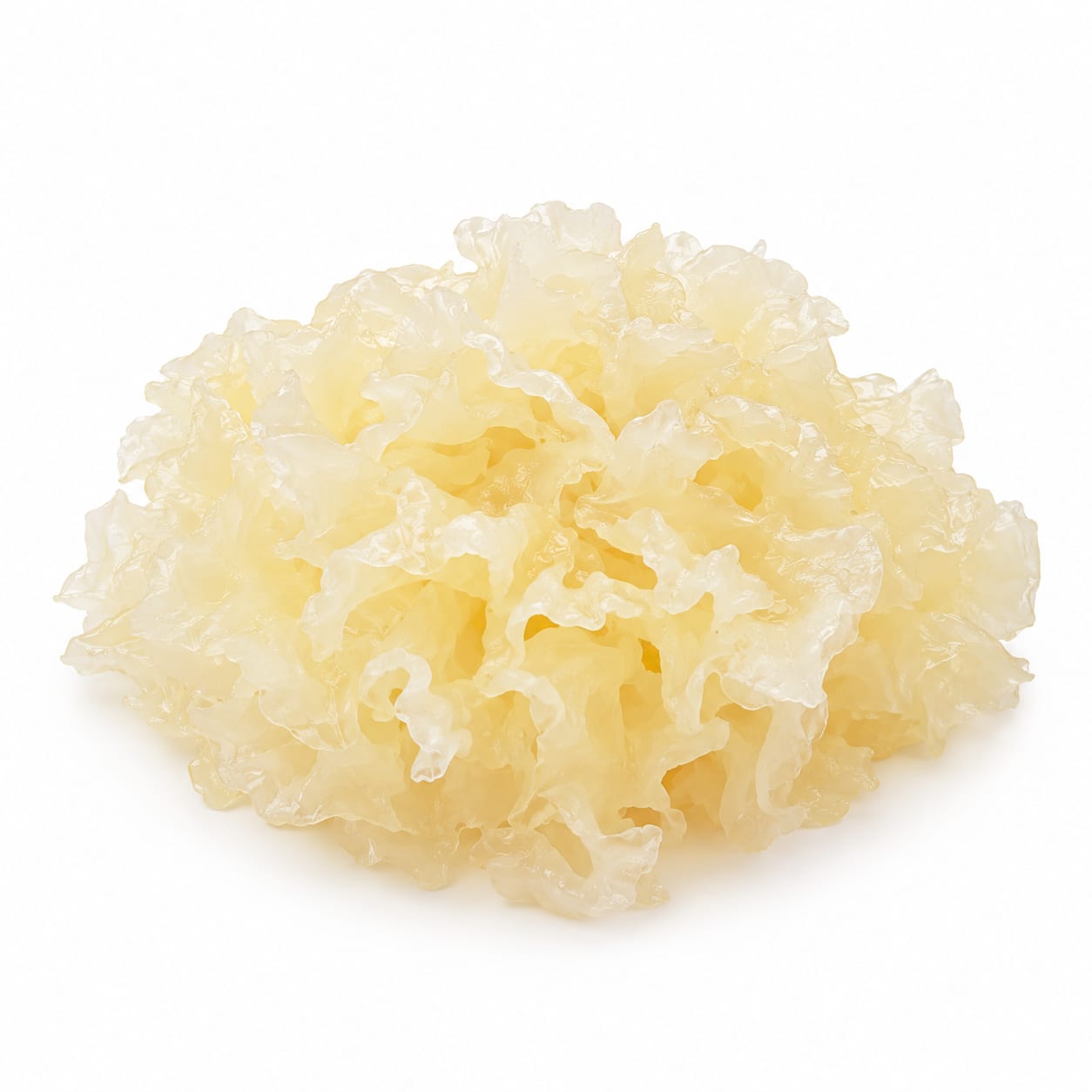
Snow Fungus
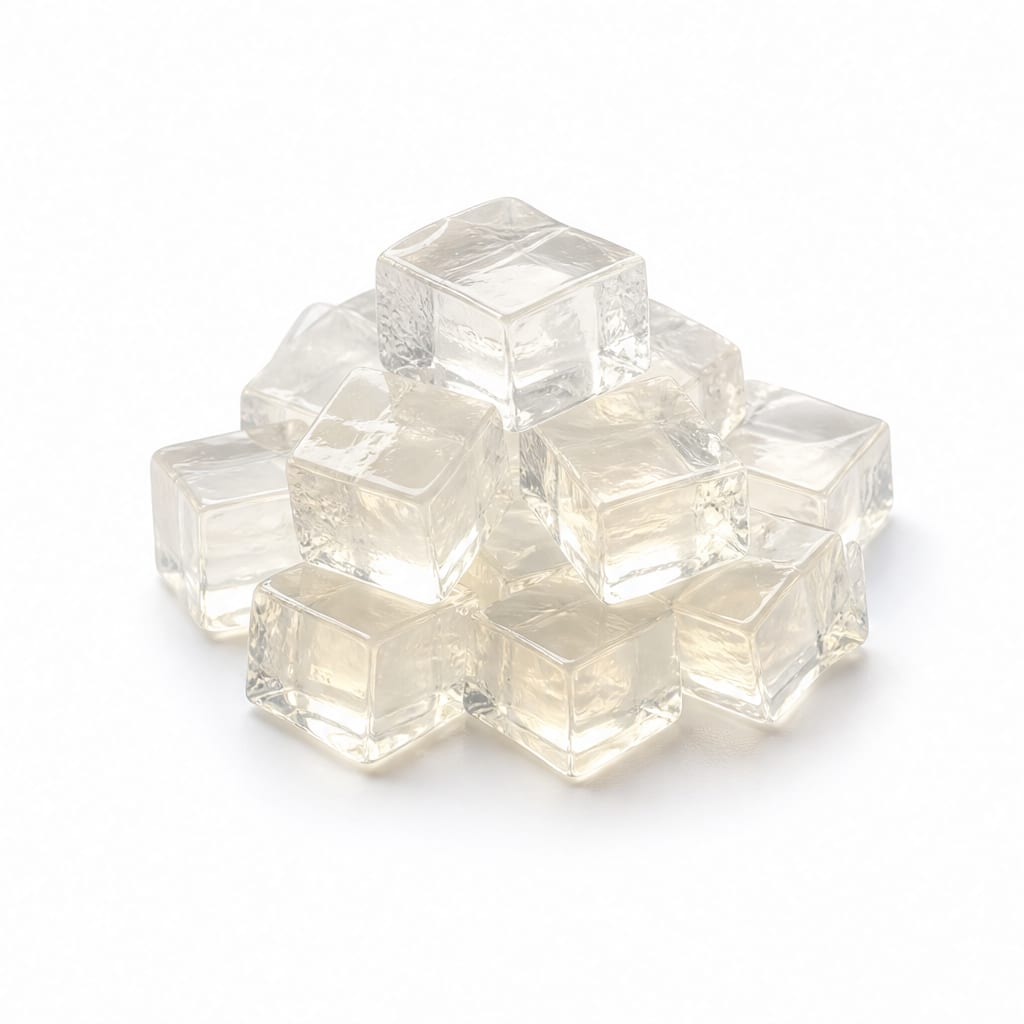
Agar-Agar
Snow Fungus brings bioactive compounds and skin-nourishing polysaccharides, while Agar-Agar delivers unmatched calorie density control and superior gelling power. Your choice depends on whether you value functional nutrition or practical utility more.
Snow Fungus scores higher due to its richer nutritional profile and bioactive polysaccharides, but Agar-Agar remains competitive because of its unmatched practicality as a gelling agent and near-zero calorie content. The gap reflects nutritional value versus utility.
Snow Fungus offers more nutritional complexity and beauty benefits; Agar-Agar offers near-zero calories and far better gelling performance for recipes.
At a glance
Executive summary
Overall
It depends
Healthier
Snow Fungus
More practical
Agar-Agar
Daily use
Snow Fungus
Key comparison lenses
gelatinous texture substitute for Asian desserts and soups
Both foods are prized for their jelly-like mouthfeel and are used in similar culinary contexts, making direct substitution a common real-world question
weight management and calorie control
Both are extremely low-calorie foods popular among people seeking volume without calories
skin and beauty benefits
Snow Fungus is renowned in Traditional Chinese Medicine for skin hydration, while Agar-Agar has no such reputation
digestive health and gut support
Both provide soluble fiber but through different mechanisms, and users often choose between them for gut health
plant-based gelling agent selection
Agar-Agar is a standard vegan gelatin replacement, while Snow Fungus offers a whole-food alternative with different setting properties
Best choice for
Snow Fungus
- People seeking skin hydration and anti-aging support
- Those wanting immune-modulating polysaccharides
- Anyone looking for a nourishing dessert base with actual micronutrients
- Traditional Chinese Medicine enthusiasts
Agar-Agar
- People counting calories who want maximum food volume
- Vegans needing a reliable gelatin substitute for desserts
- Those who want a neutral-tasting thickener that sets firmly at room temperature
- Anyone meal-prepping gelled dishes that need to hold shape
Least suitable for
Snow Fungus
- People who need a firm-set gelling agent for molded desserts
- Those with fungal allergies or sensitivities
- Anyone seeking an ultra-low-calorie bulk filler
Agar-Agar
- People looking for bioactive compounds or skin benefits
- Those who find the firm texture unappealing in soups
- Anyone wanting meaningful micronutrient content from their food
Deep comparison
Dimension by dimension
Each lens scores both foods and breaks down who each option suits.
- Dimension 1 · Priority 90Snow Fungus
Nutritional Density
Snow Fungus · 72Agar-Agar · 35Snow Fungus contains meaningful amounts of vitamin D, potassium, and bioactive polysaccharides, while Agar-Agar is essentially pure fiber with trace minerals.
Tradeoff
Agar-Agar gives you almost nothing nutritionally besides fiber, whereas Snow Fungus contributes actual micronutrients and functional compounds to your diet.
Why it matters
If you are eating a food regularly, it should contribute something beyond empty bulk. Snow Fungus pulls ahead here significantly.
Real-world impact
A bowl of Snow Fungus soup adds vitamins and immune-supporting compounds to your day. A serving of Agar-Agar jelly adds almost nothing beyond fullness.
Snow Fungus
- Getting micronutrients alongside fiber
- Supporting immune function through polysaccharides
- Adding functional nutrition to desserts
Better for
- Ultra-strict calorie counting where every calorie matters
Worse for
Agar-Agar
- Pure fiber supplementation without any caloric baggage
- Situations where nutritional neutrality is preferred
Better for
- Anyone relying on food for actual nourishment
- People who want their food to contribute vitamins and minerals
Worse for
- Dimension 2 · Priority 85Snow Fungus
Skin and Beauty Benefits
Snow Fungus · 88Agar-Agar · 15Snow Fungus is famous for its skin-hydrating polysaccharides, often compared to hyaluronic acid. Agar-Agar has no documented beauty benefits.
Tradeoff
Choosing Agar-Agar means missing out on one of the most compelling reasons people eat Snow Fungus in the first place.
Why it matters
For many consumers, especially in East Asian wellness culture, skin benefits are the primary reason to seek out Snow Fungus. This is not a small niche concern.
Real-world impact
Regular Snow Fungus consumption may help skin retain moisture over time. Agar-Agar will not move the needle on skin health at all.
Snow Fungus
- Supporting skin hydration from within
- Anti-aging routines focused on moisture retention
- People seeking food-based beauty support
Better for
- Expecting dramatic or fast results without consistent use
Worse for
Agar-Agar
- No relevant advantage in this dimension
Better for
- Anyone choosing it hoping for skin improvements
Worse for
- Dimension 3 · Priority 82Agar-Agar
Calorie Efficiency and Satiety
Snow Fungus · 65Agar-Agar · 90Agar-Agar is virtually calorie-free and expands dramatically in the stomach, making it one of the most efficient fullness-per-calorie foods available.
Tradeoff
Snow Fungus is still very low in calories but cannot match Agar-Agar's near-zero calorie density and stomach-filling expansion.
Why it matters
For anyone managing weight through volume eating, Agar-Agar is hard to beat. It lets you eat a large portion of something filling for almost no caloric cost.
Real-world impact
An Agar-Agar based snack before a meal can meaningfully reduce how much you eat. Snow Fungus helps too, but less dramatically.
Snow Fungus
- Providing some satiety with better taste and mouthfeel
- Feeling like you ate actual food rather than a fiber supplement
Better for
- Not the most efficient choice for aggressive calorie restriction
Worse for
Agar-Agar
- Maximum fullness per calorie consumed
- Pre-meal appetite suppression
- Strict calorie-controlled diets
Better for
- May feel unsatisfying because it lacks substance beyond fiber
Worse for
- Dimension 4 · Priority 80Agar-Agar
Culinary Gelling Performance
Snow Fungus · 40Agar-Agar · 95Agar-Agar sets firmly at room temperature, holds shape perfectly, and works in a huge range of recipes. Snow Fungus provides a soft, slippery texture but cannot form firm gels.
Tradeoff
If you need something to set like gelatin, Agar-Agar is your only real option here. Snow Fungus gives a delicate, soupy texture instead.
Why it matters
This is the deciding factor for many home cooks. Agar-Agar is a professional-grade gelling agent. Snow Fungus is a textural ingredient, not a structural one.
Real-world impact
Making vegan panna cotta or fruit jellies? Agar-Agar works perfectly. Snow Fungus will give you a silky soup instead of a set dessert.
Snow Fungus
- Soft, comforting soup textures
- Traditional sweet soup recipes where firmness is unwanted
Better for
- Any recipe requiring a firm set
- Molded desserts or layered jellies
Worse for
Agar-Agar
- Firm-set molded desserts
- Vegan gelatin replacement in any recipe
- Stable gels that hold at room temperature
- Meal-prep items that need to keep their shape
Better for
- Recipes where a soft, slippery mouthfeel is desired
Worse for
- Dimension 5 · Priority 78It depends
Digestive Health Support
Snow Fungus · 70Agar-Agar · 72Both support digestion through soluble fiber, but via different pathways. Agar-Agar provides more sheer fiber bulk, while Snow Fungus offers prebiotic polysaccharides that may feed beneficial gut bacteria more selectively.
Tradeoff
Agar-Agar gives you more fiber per gram, but Snow Fungus may support a healthier gut microbiome profile through its specific polysaccharide structures.
Why it matters
If you are constipated and need bulk, Agar-Agar works faster. If you are thinking about long-term gut ecology, Snow Fungus may be more interesting.
Real-world impact
Agar-Agar can help with regularity almost immediately. Snow Fungus may gradually improve gut bacteria composition over weeks of regular consumption.
Snow Fungus
- Prebiotic support for beneficial bacteria
- Gentle, sustained digestive support
- People with sensitive digestion who find aggressive fiber uncomfortable
Better for
- Acute constipation relief where fast action is needed
Worse for
Agar-Agar
- Quick relief from constipation through sheer fiber bulk
- Maximum stool volume and regularity
Better for
- People prone to bloating from large amounts of soluble fiber
Worse for
- Dimension 6 · Priority 72Snow Fungus
Immune Function Support
Snow Fungus · 78Agar-Agar · 20Snow Fungus contains beta-glucans and other polysaccharides with documented immune-modulating properties. Agar-Agar has no meaningful immune benefits.
Tradeoff
This is an area where Snow Fungus clearly differentiates itself as a functional food rather than just a textural ingredient.
Why it matters
During cold and flu season, or for anyone with immune concerns, regular Snow Fungus consumption may offer a gentle supportive edge.
Real-world impact
Eating Snow Fungus soup a few times per week could contribute to immune resilience over time. Agar-Agar will not help here at all.
Snow Fungus
- Seasonal immune support
- People recovering from illness who want gentle nutritional support
- Long-term immune maintenance strategies
Better for
- Should not be relied upon as a primary immune strategy
Worse for
Agar-Agar
- No relevant advantage in this dimension
Better for
- Provides nothing toward immune function
Worse for
Timeline
Health impact over time
Short-term
Hours to days
Snow Fungus
- Provides gentle fullness without heaviness
- Contributes to hydration through its high water content
- May cause mild bloating if consumed in large quantities due to soluble fiber
Agar-Agar
- Creates strong satiety through stomach expansion
- Can cause significant bloating or gas if eaten in excess without enough water
- May produce very rapid bowel movements in sensitive individuals
Long-term
Months to years
Snow Fungus
- Potential improvements in skin hydration and elasticity with regular consumption
- Gentle immune system support through consistent beta-glucan intake
- Possible prebiotic benefits shaping a healthier gut microbiome over months
Agar-Agar
- Sustained improvement in bowel regularity from high soluble fiber intake
- May help maintain healthy cholesterol levels through fiber binding
- Risk of mineral malabsorption if consumed in very large amounts alongside meals
Risk profile
Safety & processing
Both are whole-food derived and typically sold dried with no additives. Snow Fungus is simply a dried mushroom. Agar-Agar is extracted from seaweed through a simple boiling and setting process. Neither raises significant processing concerns in their basic dried form.
Snow Fungus
Heavy metal contamination from growing environment
mediumSnow Fungus absorbs minerals from its substrate, which can include heavy metals if grown in polluted areas. Source quality matters significantly.
Sulfur dioxide residues from drying process
mediumSome commercially dried Snow Fungus is treated with sulfur dioxide for preservation and color retention. Soaking and rinsing thoroughly reduces this concern.
Allergic reactions in people with fungal sensitivities
lowThough rare, some individuals may experience allergic responses to fungal proteins.
Agar-Agar
Iodine excess from seaweed source
mediumAgar-Agar derived from red seaweed can contain significant iodine. People with thyroid conditions should monitor intake, especially if consuming large amounts regularly.
Choking hazard if not properly hydrated
mediumDry Agar-Agar expands dramatically in liquid. Consuming it without adequate hydration could cause esophageal or intestinal blockage.
Mineral malabsorption with excessive intake
lowVery high soluble fiber intake from Agar-Agar can bind to minerals like iron and calcium, reducing their absorption when consumed at the same meal.
Who wins for whom
Audience fit
Same foods, different winners depending on your goal.
children
Snow FungusSnow Fungus in soup form is a gentle, traditional food commonly given to children in East Asian cultures. Agar-Agar's firm texture and choking potential if improperly prepared makes it less suitable for young kids.
daily consumption
Snow FungusSnow Fungus offers more cumulative benefits with regular use, including immune support, skin hydration, and gentle prebiotic effects. Agar-Agar is better used as an occasional tool rather than a daily staple.
diabetes
Agar-AgarAgar-Agar has virtually zero digestible carbohydrates and will not affect blood sugar at all. Snow Fungus contains trace amounts of carbs but is still very safe for blood sugar management.
elderly
Snow FungusSnow Fungus is soft, easy to swallow, and provides immune and skin benefits particularly relevant for aging bodies. Agar-Agar's firm set and potential digestive intensity make it less ideal.
muscle gain
It dependsNeither food contributes meaningful protein or calories for muscle building. Both are essentially irrelevant for this goal, though Snow Fungus at least provides some micronutrients that support recovery.
weight loss
Agar-AgarAgar-Agar provides near-zero calories with maximum stomach-filling expansion, making it the more efficient tool for calorie restriction and appetite control.
Your move
Decision guide
Choose Snow Fungus
- You want a nourishing food that contributes actual health benefits beyond fiber
- Skin hydration and beauty support matter to you
- You enjoy traditional Asian sweet soups and want a soft, silky texture
- You are looking for gentle immune support during cold season
- You want something comforting and food-like, not just functional
Choose Agar-Agar
- You need a reliable vegan gelatin substitute for setting desserts
- Maximum calorie efficiency is your top priority
- You want to suppress appetite before meals with minimal caloric cost
- You are making molded jellies, panna cotta, or other set desserts
- You need a neutral-tasting thickener that holds firm at room temperature
Either works if
- You want soluble fiber support for digestive regularity
- You are looking for low-calorie ingredients to add volume to meals
- You enjoy gelatinous textures in food
- You want plant-based alternatives to animal gelatin
Avoid both if
- You have severe digestive sensitivities to soluble fiber
- You are looking for a significant source of protein or calories
- You need nutrient-dense foods to address deficiencies
- You have difficulty swallowing and risk choking on gelatinous textures
Final recommendation
Keep both in your pantry if possible. Use Snow Fungus when you want a nourishing, beauty-supporting soup or dessert with real functional benefits. Use Agar-Agar when you need a practical gelling agent or an aggressive calorie-cutting tool. They serve different purposes despite their similar textures, and the best choice depends entirely on what you are trying to achieve in that moment.
Practical
Consumer tips
- 1
Soak Snow Fungus for at least 30 minutes and rinse thoroughly to remove potential sulfur dioxide residues from the drying process
- 2
Never consume dry Agar-Agar without fully hydrating it first, as it expands dramatically and poses a choking risk
- 3
Buy Snow Fungus from reputable sources that test for heavy metals, especially if you plan to eat it regularly
- 4
Agar-Agar sets at room temperature unlike gelatin, so you do not need refrigeration for it to firm up
- 5
Snow Fungus pairs beautifully with goji berries, red dates, and rock sugar for a traditional nourishing sweet soup
- 6
Start with small amounts of Agar-Agar if you are new to it, as its fiber intensity can cause bloating if you overdo it
- 7
For the best of both worlds, add small pieces of Snow Fungus to an Agar-Agar based dessert for added nutrition and textural contrast